
Denmark
Haqqi Tours arranges day tours, private airport transfers, attraction tickets and multi-day packages across Denmark, confirmed on WhatsApp before you pay.
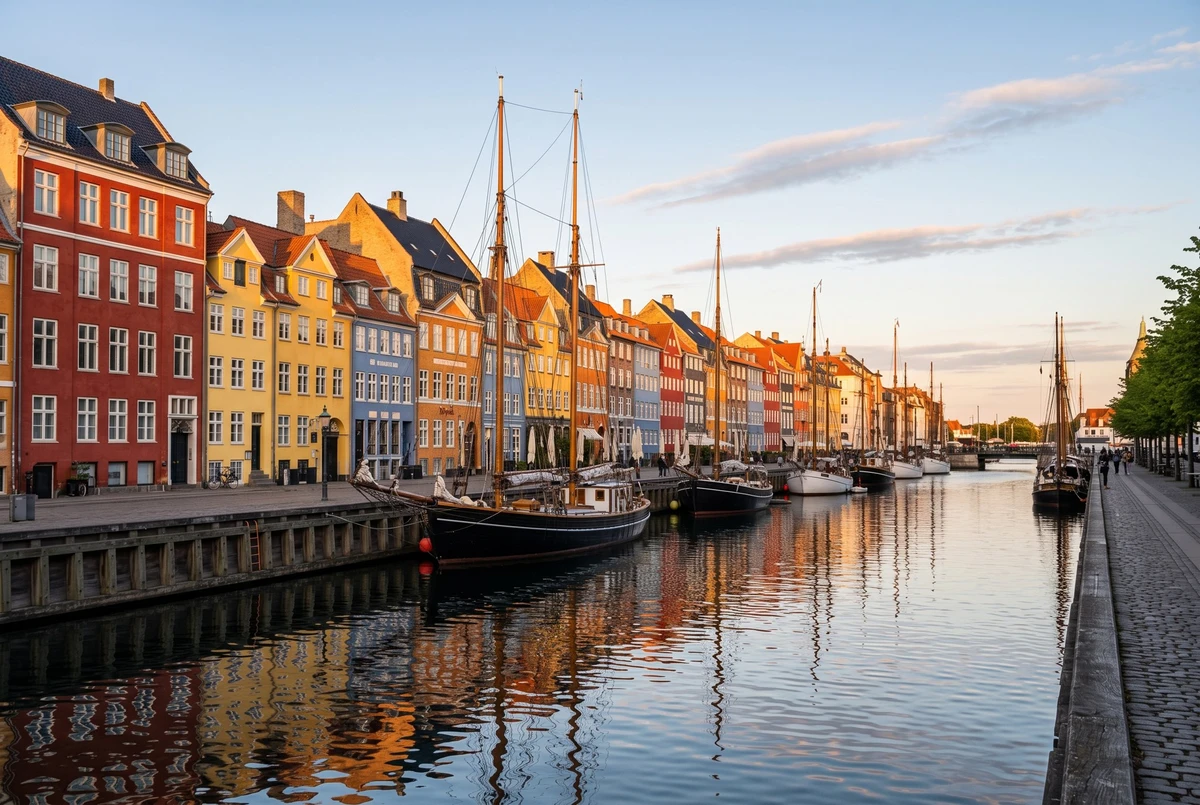
Morning in Copenhagen begins with the soft whirr of bicycle wheels on cobbles and the smell of cardamom buns drifting from a bakery on a canal corner. Along Nyhavn the painted townhouses, ochre, brick red and butter yellow, lean over old wooden ships, and the light off the water is that pale, silvery northern kind that painters once crossed Europe to capture. By noon you can be standing inside a Renaissance castle; by evening, watching the midsummer sun refuse to set over the Øresund.
Destinations
Choose a city to see everything we arrange there.

Services by city in Denmark
Tours
Attraction Tickets
Airport Transfers
Flight Tickets
Train Tickets
Ferry Tickets
The essence of Denmark
Denmark is small enough to cross in an afternoon and layered enough to fill weeks. It is a kingdom of more than four hundred islands, Viking ships and royal palaces still in daily use, a design culture that turned chairs and lamps into national treasures, and a way of living called hygge that makes candlelit cafés and long, unhurried dinners feel like a civic duty. Few countries are as calm, as orderly or as welcoming to first-time visitors, and none does understated beauty quite like Denmark.
Why visit Denmark?
Vikings, Kings and Europe's Oldest Crown
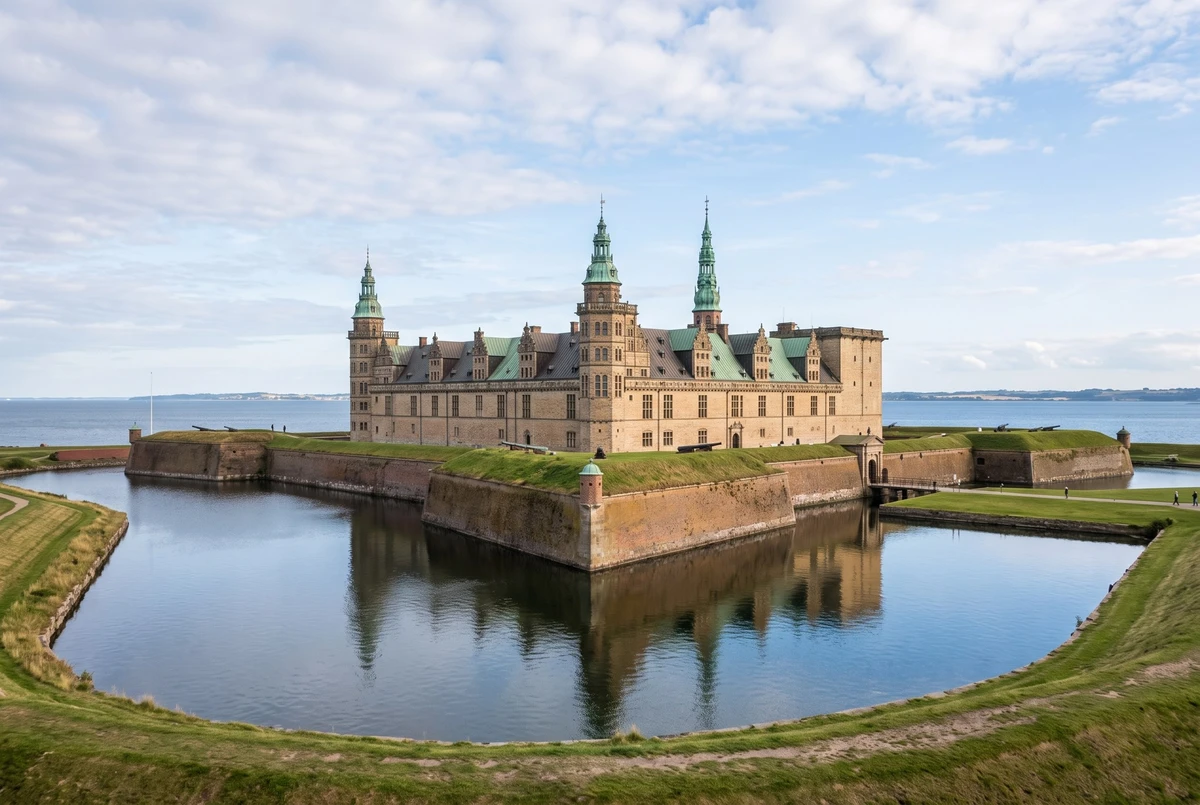
Denmark's story runs from Viking longships to one of the oldest continuous monarchies in Europe. At Roskilde, reconstructed ships and the cathedral where Danish kings and queens are buried tell a thousand years in a single afternoon. Kronborg Castle at Helsingør, the setting of Shakespeare's Hamlet, guarded the Øresund toll for centuries, while the Jelling runestones in Jutland are called the nation's birth certificate. In Copenhagen, Rosenborg Castle still keeps the crown jewels beneath its vaulted floors.
Islands, Dunes and an Endless Coast
No place in Denmark lies far from the sea, and the coastline shapes everything. At Skagen, in the far north, two seas meet in a line of colliding waves; on the west coast, the Wadden Sea National Park reveals vast tidal flats and clouds of migrating birds. Møns Klint's white chalk cliffs rise above a turquoise Baltic, and Bornholm's granite shores feel almost Mediterranean in summer. Inland, beech forests and quiet farmland roll gently to the horizon.
Hygge, Smørrebrød and Danish Design
Danish life is built around warmth, simplicity and food shared slowly. Smørrebrød, the open sandwich on dense rye bread, is a small art form topped with herring, egg, shrimp or roast beef, and bakeries turn out flaky wienerbrød and cinnamon snails every morning. New Nordic cooking put Copenhagen on the world's culinary map with foraged berries, seaweed and wild herbs. Design is everywhere too, from iconic chairs in museums to the clean lines of libraries, homes and cafés.
Moments Found Only in Denmark
Ride through Copenhagen on a city bike in lanes wider than some roads elsewhere, then swim in the clean harbour baths right in the city centre. Stand at Grenen, Skagen's sandy tip, with one foot in the Skagerrak and the other in the Kattegat. Wander Tivoli Gardens, one of the world's oldest amusement parks, as its lanterns glow at dusk, or watch the Changing of the Guard at Amalienborg, where the royal family genuinely lives.
Who is Denmark for?
Ideal for
- First-time visitors to Scandinavia
- Families with children of all ages
- Design and architecture lovers
- Couples seeking a calm, romantic city break
- Food travellers curious about Nordic cuisine
- Cyclists and slow travellers
- Multi-country Nordic itineraries
Pace & travel style
- Unhurried city days built around cafés, museums and canal walks
- Easy train day trips to castles and coastline
- Bike-friendly exploration at your own speed
- Short distances, so less time in transit and more time enjoying
When to visit Denmark
Peak season · June–August
Summer is Denmark at its most luminous: long days with light lingering until almost eleven at night, mild temperatures and a capital that moves outdoors. Harbour baths fill with swimmers, café terraces spill onto squares and Tivoli stays open late. It is also the busiest season, so popular castles, canal boats and central hotels book up early and rates are at their highest of the year.
Shoulder season · April–May and September–October
Spring brings cherry blossom to Copenhagen's parks and fresh green to the beech forests, while autumn turns the King's Garden gold and softens the light over the harbour. Days are cool and comfortable for walking, museums are quieter and good hotels are far easier to secure. Many seasoned travellers find these months the most rewarding balance of weather, atmosphere and value across Denmark.
Low season · November–March
Winter is short on daylight and often grey, windy and damp, with sunset arriving in mid-afternoon. Yet this is when hygge makes the most sense: candlelit cafés, Christmas markets in Copenhagen and Tivoli's festive illuminations in December. Crowds thin out, museums feel intimate and excellent hotels become easier to book. Pack proper layers and plan indoor highlights for the darker hours of the day.
The regions of Denmark and how to combine its cities
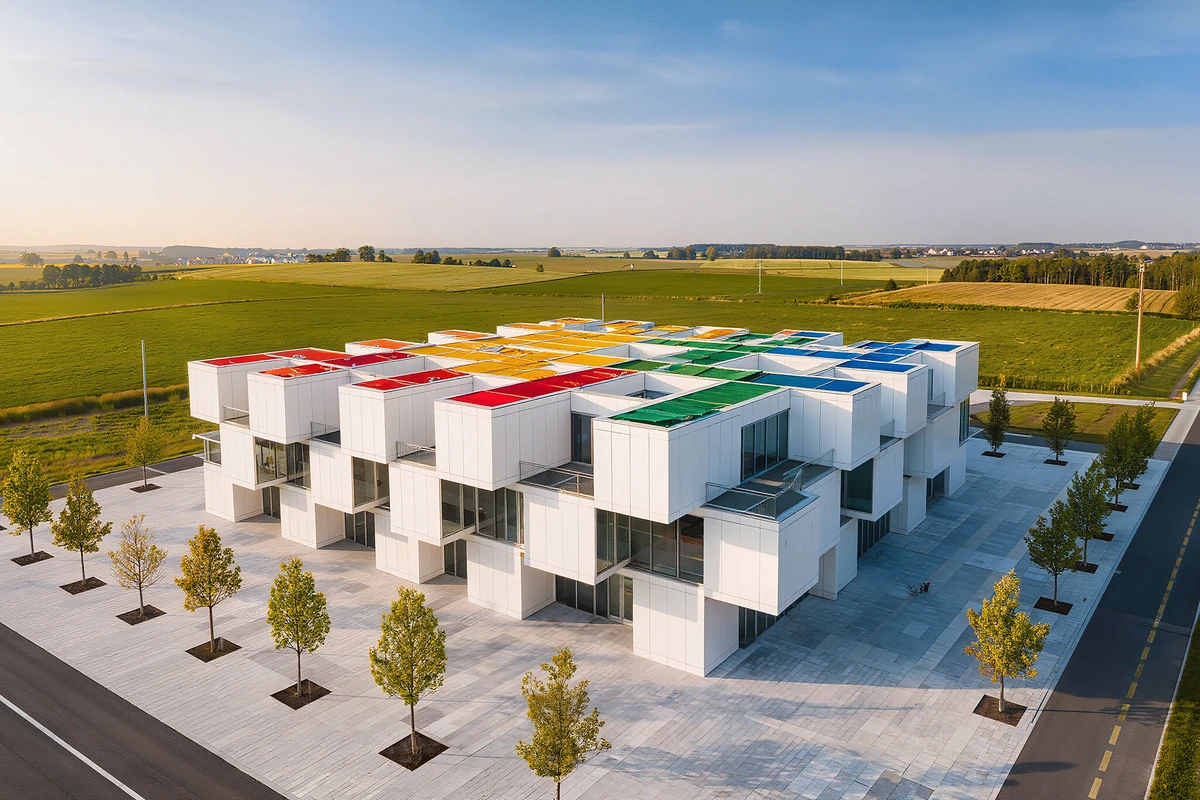
Denmark divides into the Jutland peninsula, joined to the European mainland, and an archipelago of islands to its east. Jutland is the country's wild, windswept side: the dunes and lighthouses of Skagen, the Wadden Sea marshes, Ribe, the oldest town in Scandinavia, the lively cultural city of Aarhus and the toy-brick theme park at Billund. Funen, in the middle, is gentler, with manor houses, orchards and Odense, birthplace of Hans Christian Andersen.
Zealand, the largest island, holds the capital and most of the country's great castles. North of the city runs the Danish Riviera, a coast of fishing villages and beaches leading to Helsingør and Kronborg; to the west lies Roskilde with its cathedral and Viking ships. Farther out in the Baltic, Bornholm is a world of its own, with round churches, fish smokehouses and granite cliffs.
Copenhagen is the natural centre of any Danish journey, and it is where our team focuses its services: private airport transfers from Kastrup, guided day tours, attraction tickets, and the flight, train and ferry tickets that connect the capital with Aarhus, Odense, Bornholm and beyond. Spend a few days in Copenhagen, add day trips north to the castles and west to Roskilde, then continue by train across the bridge to Sweden or by overnight ferry to Norway for a seamless Scandinavian itinerary.
Before you go: practical tips for Denmark
Entry & visas
Denmark is part of the Schengen area, so a Schengen visa, where your passport requires one, covers Denmark together with most of continental Europe. Many nationalities can visit visa-free for short stays, while others apply in advance through a Danish embassy or an appointed visa centre. The rules depend entirely on your passport, so check the official Danish immigration portal or your nearest embassy before booking flights.
Money, cards & tipping
Denmark uses the Danish krone rather than the euro, and it is one of the most cashless societies on earth. Cards and mobile payments are accepted almost everywhere, from bakeries to bus tickets, and some shops no longer take cash at all. Service is included in restaurant bills, so tipping is not expected, though rounding up for excellent service is appreciated. Prices are fixed and bargaining is not part of Danish culture.
Etiquette & dress code
Danes value modesty, punctuality and personal space. Churches are relaxed about dress, but keep voices low and avoid photographing services in progress. In Copenhagen, never stand or walk in the bike lanes, because cyclists move fast and expect a clear path. Queue patiently, wait for the green pedestrian light even on empty streets, and remember that a plain, direct way of speaking is considered honest rather than rude.
Getting around
Denmark is compact and superbly connected. Fast intercity trains link Copenhagen with Odense and Aarhus in a few hours, and long bridges join Zealand, Funen and Jutland. Short domestic flights reach Aalborg and Billund, while ferries serve Bornholm and the smaller islands. In Copenhagen the driverless metro runs around the clock. For door-to-door comfort, our team arranges private chauffeured transfers and issues the train, ferry and flight tickets you need.
Must-do things in Denmark
- Stroll Nyhavn's painted harbour at golden hour, then glide through Copenhagen's canals by boat.
- See the Danish crown jewels inside Rosenborg Castle and wander the King's Garden beside it.
- Watch the midday Changing of the Guard at Amalienborg, the working royal residence.
- Explore Kronborg Castle at Helsingør, guarding the narrow strait between Denmark and Sweden.
- Meet the Viking longships at the Roskilde Viking Ship Museum and its working harbour.
- Spend an evening at Tivoli Gardens when thousands of lights reflect across its lake.
- Visit the Louisiana Museum of Modern Art, where sculpture meets the Øresund shoreline.
- Taste smørrebrød for lunch and warm cinnamon pastries with coffee in the afternoon.
- Stand at Grenen near Skagen, where two seas collide off a slender point of sand.
- Cycle Copenhagen's waterfront like a local, stopping at harbour baths and food halls.
Do’s and don’ts in Denmark
Do
- Carry a card or phone payment, since cash is rarely needed in Denmark.
- Book castle visits, canal tours and central hotels early for summer.
- Pack layers and a light waterproof jacket in every season.
- Look both ways for bicycles before stepping off any kerb.
- Try a traditional bakery breakfast and a smørrebrød lunch.
Don’t
- Don't walk or stand in the cycle lanes.
- Don't cross on a red pedestrian light, even when the road looks empty.
- Don't try to bargain; prices are fixed in shops and markets.
- Don't speak loudly on trains and buses, where quiet is the norm.
- Don't underestimate the wind and sudden showers, even in summer.
Denmark at a glance
Plan Denmark with Haqqi Tours
Every option is confirmed by our team on WhatsApp before you pay, and delivered by our own people or by trusted local partners we work with in every city. Because we send travellers from all over the world, our partners give us special rates and priority, so you always receive the best. Prices are per person unless marked per vehicle.
About Haqqi Tours: About us Contact us Legal NoticePrivacy PolicyCookies & Marketing PreferencesTerms & ConditionsBooking, Payment & Refunds
Where we operate in Denmark
Good to know
Frequently Asked Questions
Straight answers to what travellers ask most about Denmark.
Is it safe to visit Denmark?
Yes. Denmark is consistently ranked among the safest and most peaceful countries in the world, with low crime, reliable public services and a calm atmosphere. Normal city sense applies: watch for pickpockets around Copenhagen Central Station and busy squares in summer. Our team stays reachable on WhatsApp throughout your trip whenever you need help.
How many days do I need for a first trip to Denmark?
Five to seven days is ideal for a first trip to Denmark. Give Copenhagen three or four days, then add day trips to Kronborg Castle, Roskilde and the Louisiana Museum. With ten days, add Aarhus or Odense by train, or combine Denmark with Sweden and Norway for a broader Scandinavian journey.
What is the best way to travel between Denmark's major cities?
Trains are the easiest choice: comfortable intercity services link Copenhagen with Odense, Aarhus and Aalborg, crossing the spectacular Great Belt Bridge. Short domestic flights save time to northern Jutland and Bornholm, and ferries serve the islands. We issue train, flight and ferry tickets and can arrange private chauffeured transfers for door-to-door travel.
Can a trip to Denmark be tailored for luxury or private travel?
Absolutely. We can tailor Denmark with private airport transfers in premium vehicles, a dedicated driver for castle day trips, private guides in Copenhagen and beautifully located boutique or five-star hotels. Tell us your pace, dining needs and interests, and our team will shape the itinerary and confirm every detail with you on WhatsApp before anything is paid.
Is Denmark tourist friendly?
Very. Almost everyone in Denmark speaks excellent English, signage is clear, public transport is efficient and the capital is compact and easy to explore on foot or by bike. Halal restaurants are easy to find in Copenhagen, especially in Nørrebro, and families are warmly welcomed everywhere, from museums to parks and harbour promenades.
Is it safe to travel to Denmark now?
Denmark remains a stable, well-organised destination with a strong safety record. As with any journey, check your own government's official travel advice shortly before departure, follow local guidance, and keep our WhatsApp line handy. Our team can adjust transfers, day tours or tickets quickly if anything changes while you are travelling.
What is the best time to visit Denmark?
May to September is the best time to visit Denmark, with long daylight, mild temperatures and open-air life in full swing. June and July offer the longest evenings but the biggest crowds. Late spring and early autumn bring comfortable weather and calmer sights, while December adds festive markets and glowing illuminations.
What is Denmark famous for?
Denmark is famous for its Viking heritage, fairy-tale castles, Hans Christian Andersen, Copenhagen's colourful Nyhavn harbour, Tivoli Gardens and world-class Nordic cuisine. It is also known for timeless Danish design, its cycling culture, the toy brick invented in Billund and hygge, the art of cosy, contented living that shapes everyday life.
Which cities in Denmark does Haqqi Tours cover?
Copenhagen, Billund and Hillerød. Each city has its own page with everything available there, and a trip across several cities is planned in one WhatsApp conversation.
What can I book in Denmark?
Day tours, attraction tickets, private airport transfers, flight tickets, train tickets and ferry tickets - all run or confirmed by Haqqi Tours, each with a fixed price agreed on WhatsApp before you pay.
How do I book a tour or transfer in Denmark?
Fill in the form on the page you are interested in, or message us on WhatsApp with the date, the number of travellers and your hotel. A member of our team confirms the price and the details in writing within minutes.
Are the prices fixed?
Yes. Every price is agreed in writing on WhatsApp before you travel and does not change on the day - not for traffic, not for a late flight, not for the hour.
Do you arrange transfers between cities in Denmark?
Yes. Intercity transfers by private car or van are booked the same way as airport transfers; tell the desk the two hotels and the date and it quotes a fixed price for the whole vehicle.
Can you plan a full itinerary across Denmark?
Yes - tell the desk your dates, the cities you want and who is travelling, and it proposes a day-by-day plan with the tours, transfers and tickets priced in writing. You adjust it in the same chat before confirming.
Are your tours private or in a group?
Both exist, and the page of each tour says which. Private tours have a car and guide for your party alone; small-group tours share a guide with a few other travellers. The desk can convert most group tours into a private day on request.
Do the drivers and guides speak Arabic?
It depends on the country, the city and the day, so we do not promise a particular language for the driver or guide. Tell us your preference and we do our best; the WhatsApp desk itself always works in Arabic and English.