
Dominican Republic
Haqqi Tours arranges day tours, private airport transfers, attraction tickets and multi-day packages across Dominican Republic, confirmed on WhatsApp before you pay.
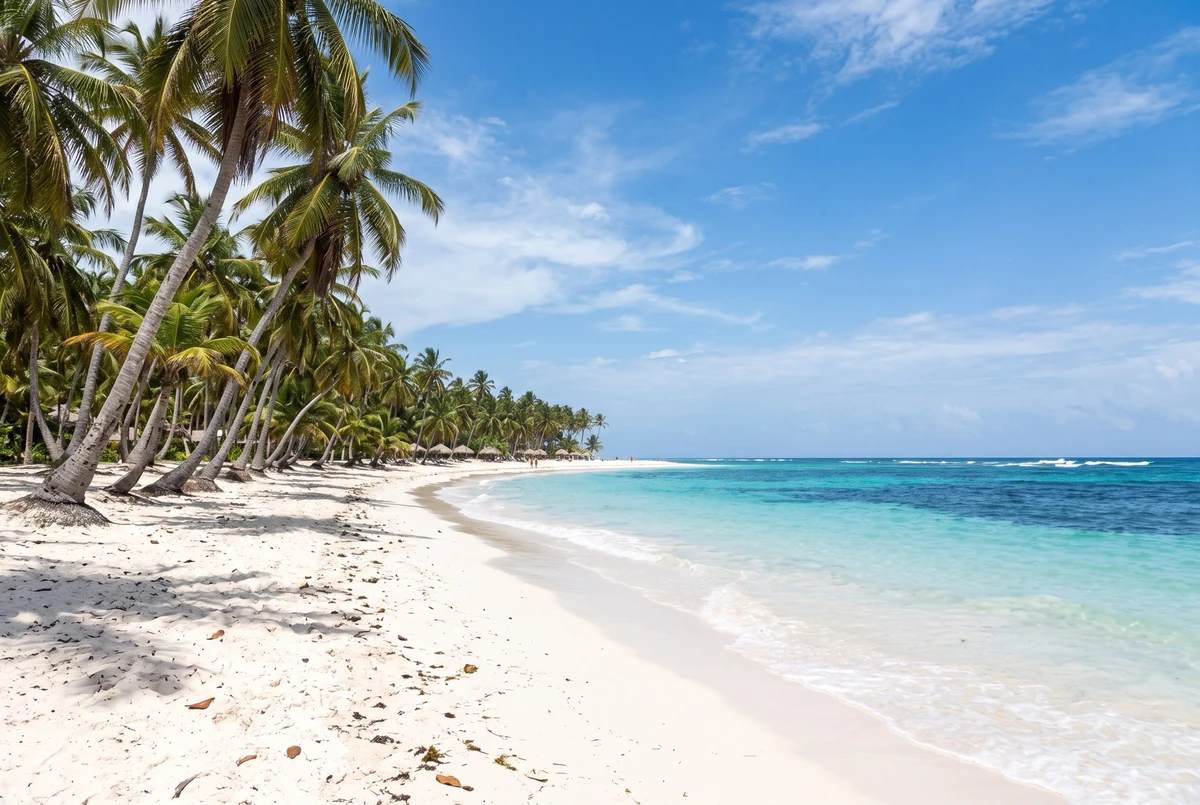
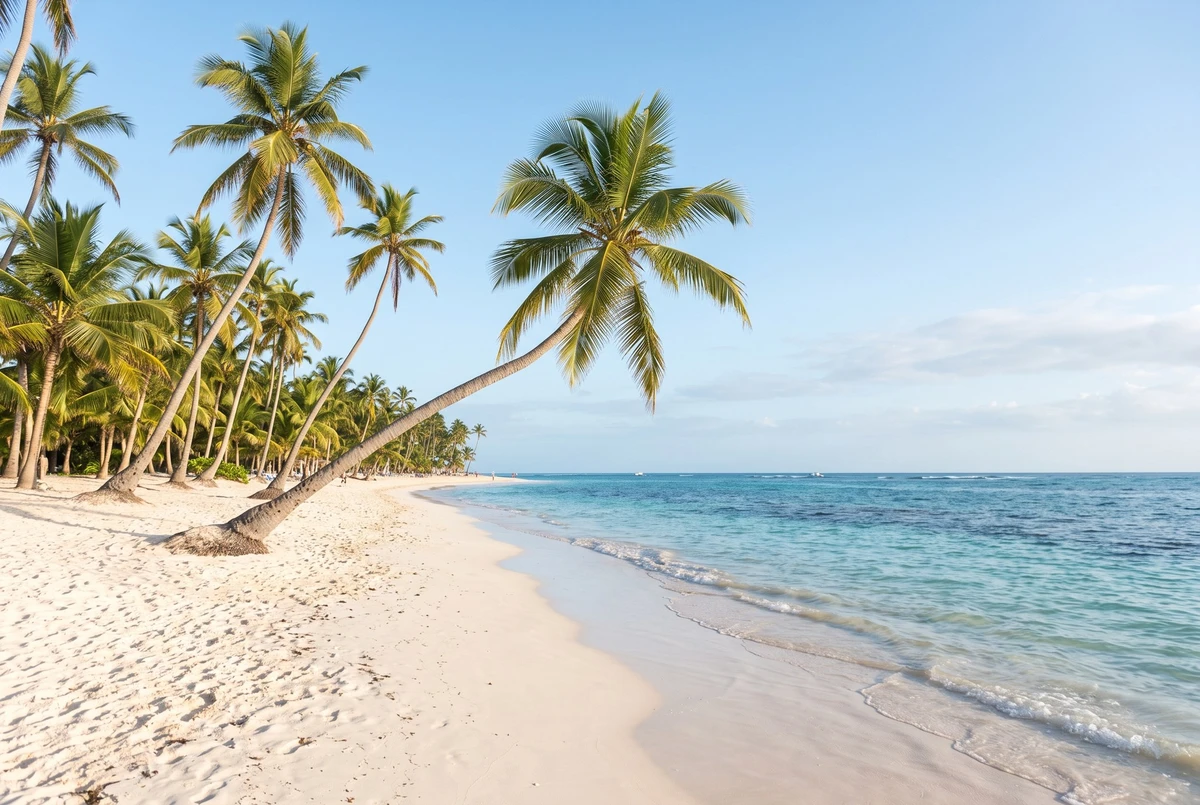
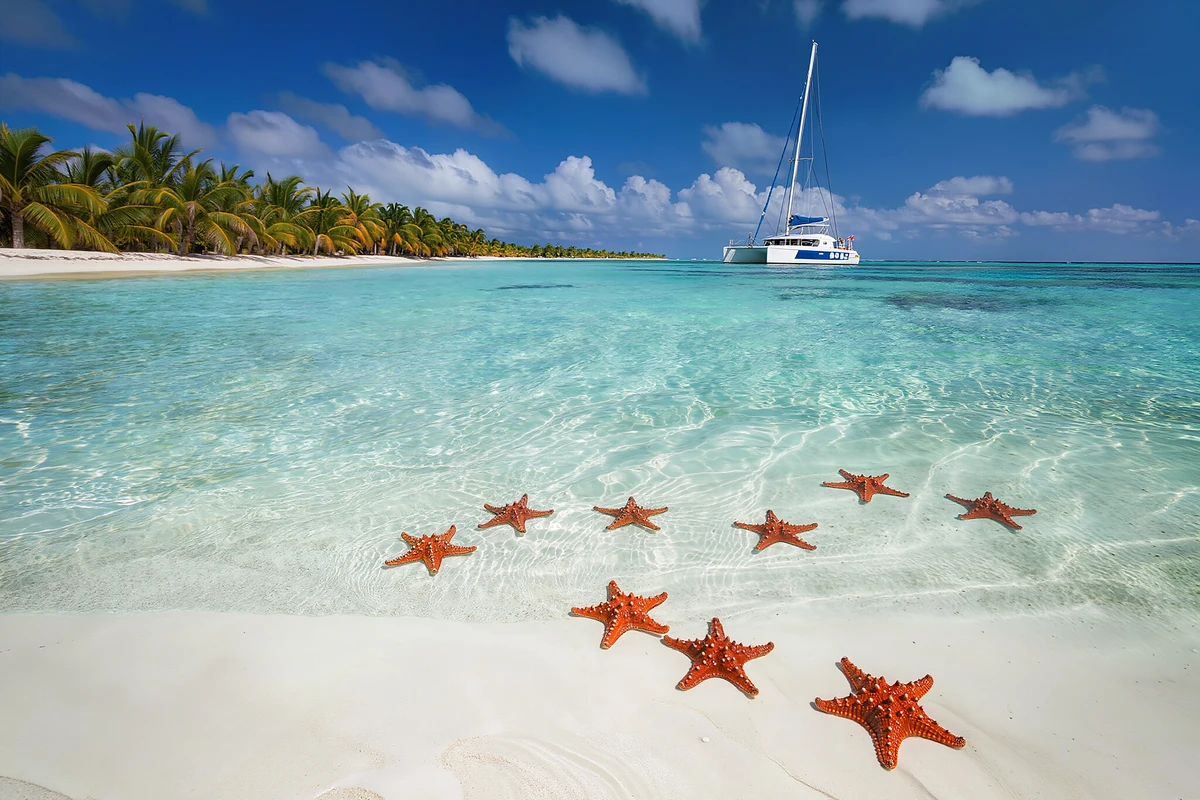
Morning on Bávaro Beach: the sand is so fine it squeaks underfoot, coconut palms lean over water that shifts from turquoise to deep sapphire, and a fisherman’s wooden boat rocks gently beyond the reef. By midday you could be anchored off Saona Island in waist-deep water above a natural pool of starfish, and by sunset walking the cobbled streets of Santo Domingo, where the first cathedral of the Americas glows gold in the evening light.
Destinations
Choose a city to see everything we arrange there.

Services by city in Dominican Republic
Attraction Tickets
Airport Transfers
Flight Tickets
The essence of Dominican Republic
The Dominican Republic shares the island of Hispaniola with Haiti, yet it holds a world of its own: the Caribbean’s highest mountains, rainforests and mangrove-laced bays, whales breeding in Samaná Bay and some of the finest beaches anywhere. Life here moves to the rhythm of merengue and bachata, flavoured with fresh coconut, plantain and slow-cooked sancocho. It is warm, generous and endlessly sunny, and our team arranges it effortlessly, from your private airport transfer to every island day trip.
Why visit Dominican Republic?
Where the New World Began
Long before Europeans arrived, the Taíno people carved petroglyphs into limestone caves such as the Cueva de las Maravillas. In 1496 Santo Domingo was founded, becoming the oldest continuously inhabited European city in the Americas. Its UNESCO-listed Colonial Zone keeps the first cathedral, hospital and university of the New World, along with the coral-stone Alcázar de Colón and the fortress of Ozama watching over the river mouth.
Beaches, Peaks and Mangroves
Beyond its famous coastline, the Dominican Republic is astonishingly varied. Pico Duarte, the highest summit in the Caribbean, rises above pine forests and cool valleys around Jarabacoa. In the southwest, Lake Enriquillo lies below sea level, while Bahía de las Águilas offers untouched sands. The Samaná Peninsula hides waterfalls such as El Limón, and Los Haitises National Park shelters mangroves, karst islets and seabird colonies.
Merengue, Bachata and the Dominican Table
Music is everywhere: merengue and bachata, both recognised by UNESCO, spill from colmados, buses and family gatherings. The national lunch, la bandera, brings rice, red beans, stewed meat and salad together, while mornings start with mangú, mashed green plantain. Try sancocho stew, crisp tostones, fresh coconut water and rich local cacao and coffee. February’s carnival fills the streets with colourful masked diablos cojuelos.
Experiences Found Only Here
Wade into the natural pool off Saona Island, where starfish rest on white sand in shallow water. Watch humpback whales breach in the wild in Samaná Bay between January and March. Swim in the luminous blue cenote of Hoyo Azul, explore the Taíno caves of Los Haitises by boat, and shop for larimar, the sky-blue gemstone found only in the mountains of the Dominican Republic.
Who is Dominican Republic for?
Ideal for
- Beach lovers and sun seekers
- Honeymooners and couples
- Families wanting easy, relaxed resort holidays
- Divers and snorkellers
- Travellers who enjoy music and dance
- Nature lovers seeking whales, caves and waterfalls
Pace & travel style
- Relaxed beach days with occasional excursions
- One resort base with easy day tours
- Early starts for island trips, slow sunset evenings
- Ideal for a seven- to ten-day stay
When to visit Dominican Republic
Peak season · December–April
The dry season brings sunshine, gentle trade winds and calm, clear seas, perfect for beach days, catamaran trips to Saona and exploring Santo Domingo. Humpback whales gather in Samaná Bay from January to March. This is the busiest period, especially around year-end holidays and Easter, so resorts and excursions fill early and booking well ahead is wise.
Shoulder season · May–June and November
These months offer an excellent balance. Days are warm and mostly sunny, with brief tropical showers that pass quickly, and beaches feel noticeably calmer. Resorts are easier to secure, and the sea is ideal for snorkelling and diving. Late spring brings lush greenery inland, while November marks the return of drier weather before the busy winter season begins.
Low season · July–October
Summer and early autumn are hot and humid, and this is the Atlantic hurricane season, so short storms are possible and plans need flexibility. Yet many days remain bright and beautiful, seas are warm, and the beaches are at their quietest. It suits relaxed travellers and families on school holidays who keep a close eye on weather forecasts.
The regions of Dominican Republic and how to combine its cities
The Dominican Republic divides naturally into coasts and highlands. The east is the country’s great beach coast, stretching from Punta Cana and Bávaro to Cap Cana and Bayahíbe, with offshore Saona and Catalina islands and the hilltop village of Altos de Chavón above the Chavón River. Along the south lies Santo Domingo, the vibrant capital, with its historic Colonial Zone, seafront Malecón and lively neighbourhoods.
The north coast, from Puerto Plata to Cabarete and Sosúa, is greener and windier, known for kitesurfing and amber, while the Samaná Peninsula to the northeast offers waterfalls, quiet bays and winter whale watching. Inland, the Cordillera Central rises around Jarabacoa and Constanza, a cool world of rivers and coffee farms, and the dry southwest guards Lake Enriquillo and remote, pristine beaches near Pedernales.
We base our Dominican Republic programmes in Punta Cana, the country’s most convenient gateway. Our private airport transfers meet you at Punta Cana International Airport, our guided day tours reach Saona Island, Santo Domingo’s Colonial Zone, the Hoyo Azul cenote and Samaná, and we issue attraction tickets across the east coast. Combine a relaxed beach stay with these excursions, then add flight tickets we issue onward across the Caribbean or the Americas.
Before you go: practical tips for Dominican Republic
Entry & visas
Many nationalities, including most European, North American and several Latin American passport holders, can visit the Dominican Republic visa-free for tourism, while others need a visa in advance. All travellers complete an electronic entry and exit form online before arrival. Requirements depend on your passport and can change, so always check the official Dominican government portal or the nearest embassy before booking.
Money, cards & tipping
The local currency is the Dominican peso, though US currency is widely accepted in Punta Cana resorts and tourist areas. Cards work in hotels, malls and larger restaurants, but carry small cash for local markets, beach vendors and tips. Restaurants add a service charge by law, and leaving around ten percent extra for good service is customary. Bargaining is expected at souvenir stalls and beach markets.
Etiquette & dress code
Dominicans are warm, sociable and courteous; greet people with “buenos días” before asking for anything. Beachwear belongs on the beach, so cover up in towns, restaurants and especially churches such as the Catedral Primada in Santo Domingo. Ask before photographing people, particularly in rural areas and markets. Patience is valued, as daily life often moves at a relaxed Caribbean pace.
Getting around
Most visitors fly directly into Punta Cana, Santo Domingo or Puerto Plata, and domestic flights between regions are limited. Highways now connect Punta Cana with Santo Domingo efficiently, and long-distance coaches serve major towns. Driving can be hectic for visitors, so our private chauffeured transfers and car-with-driver days are the safest, most comfortable way to reach airports, Santo Domingo and the north coast.
Must-do things in Dominican Republic
- Sail by catamaran to Saona Island and wade in its starfish natural pool
- Walk the Colonial Zone of Santo Domingo, first European city in the Americas
- Swim in the turquoise cenote of Hoyo Azul near Cap Cana
- Watch humpback whales in the wild in Samaná Bay from January to March
- Explore Los Haitises National Park’s mangroves and Taíno caves by boat
- Hike to the El Limón waterfall on the green Samaná Peninsula
- Visit hilltop Altos de Chavón and its views over the Chavón River
- Take a merengue or bachata lesson and dance to live Dominican music
- Snorkel the coral reefs off Catalina Island in calm, clear water
- Shop for handcrafted larimar and amber jewellery from local artisans
Do’s and don’ts in Dominican Republic
Do
- Use reef-safe sunscreen and drink plenty of water in the tropical sun
- Book Saona and Santo Domingo day tours early in high season
- Carry small cash for tips, markets and beach vendors
- Cover up when leaving the beach for towns and churches
- Try mangú, sancocho and fresh coconut water from local stands
Don’t
- Don’t drink tap water; choose bottled or filtered water
- Don’t touch or lift starfish and coral when snorkelling
- Don’t accept unofficial transport offers at the airport
- Don’t ignore weather forecasts during hurricane season
- Don’t spend your whole trip inside the resort; explore beyond it
Dominican Republic at a glance
Plan Dominican Republic with Haqqi Tours
Every option is confirmed by our team on WhatsApp before you pay, and delivered by our own people or by trusted local partners we work with in every city. Because we send travellers from all over the world, our partners give us special rates and priority, so you always receive the best. Prices are per person unless marked per vehicle.
About Haqqi Tours: About us Contact us Legal NoticePrivacy PolicyCookies & Marketing PreferencesTerms & ConditionsBooking, Payment & Refunds
Where we operate in Dominican Republic
Good to know
Frequently Asked Questions
Straight answers to what travellers ask most about Dominican Republic.
Is it safe to visit the Dominican Republic?
The Dominican Republic welcomes millions of visitors each year, and resort areas such as Punta Cana are generally safe and well organised. Use normal precautions, avoid displaying valuables, and use licensed transport. Check your own government’s official travel advice before departure, and keep our WhatsApp line handy throughout your trip for support.
How many days do I need for a first trip to the Dominican Republic?
Seven to ten days is ideal for a first trip to the Dominican Republic. Base yourself in Punta Cana for beach time, then add day tours to Saona Island, Santo Domingo’s Colonial Zone and the Hoyo Azul cenote. With more time, include Samaná for waterfalls and, in winter, whale watching.
What is the best way to travel between the Dominican Republic’s major cities?
Road travel is the main option, as domestic flights are limited. Highways link Punta Cana, Santo Domingo and the north coast, and coaches serve larger towns. For comfort and safety, our team arranges private transfers and car-with-driver days, and our guided day tours handle the logistics to Santo Domingo, Saona and Samaná.
Can a trip to the Dominican Republic be tailored for luxury or private travel?
Yes. We tailor private Dominican Republic stays with beachfront resorts, a private airport transfer, a dedicated driver and guided day tours on your own schedule. Our team can add private catamaran days to Saona, exclusive excursions and onward flight tickets, all confirmed with you on WhatsApp before anything is paid.
Is the Dominican Republic tourist friendly?
Very. The Dominican Republic has extensive tourism infrastructure, especially in Punta Cana, with modern resorts, a busy international airport and well-organised excursions. English is widely spoken in tourist areas, and Dominicans are famously warm and welcoming. A few Spanish words are appreciated when you venture into towns and local markets.
Is it safe to travel to the Dominican Republic now?
The Dominican Republic continues to welcome international travellers, and its resort regions operate normally. Conditions anywhere can change, especially during hurricane season, so check your own government’s official travel advice shortly before departure and follow local weather updates. Our team remains reachable on WhatsApp throughout your stay for updates and assistance.
What is the best time to visit the Dominican Republic?
The best time to visit the Dominican Republic is from December to April, when the weather is dry, sunny and pleasantly breezy, and whales visit Samaná Bay. May, June and November offer quieter beaches and good weather. July to October is hurricane season, warm and humid, but often bright and peaceful.
What is the Dominican Republic famous for?
The Dominican Republic is famous for the white-sand beaches of Punta Cana, Saona Island’s natural pools and the historic Colonial Zone of Santo Domingo. It is also known for merengue and bachata, humpback whales in Samaná Bay, Pico Duarte, larimar gemstones, cacao and coffee, and its warm, joyful hospitality.
Which cities in Dominican Republic does Haqqi Tours cover?
Punta Cana, Bayahibe and Santo Domingo. Each city has its own page with everything available there, and a trip across several cities is planned in one WhatsApp conversation.
What can I book in Dominican Republic?
Day tours, attraction tickets, private airport transfers and flight tickets - all run or confirmed by Haqqi Tours, each with a fixed price agreed on WhatsApp before you pay.
How do I book a tour or transfer in Dominican Republic?
Fill in the form on the page you are interested in, or message us on WhatsApp with the date, the number of travellers and your hotel. A member of our team confirms the price and the details in writing within minutes.
Are the prices fixed?
Yes. Every price is agreed in writing on WhatsApp before you travel and does not change on the day - not for traffic, not for a late flight, not for the hour.
Do you arrange transfers between cities in Dominican Republic?
Yes. Intercity transfers by private car or van are booked the same way as airport transfers; tell the desk the two hotels and the date and it quotes a fixed price for the whole vehicle.
Can you plan a full itinerary across Dominican Republic?
Yes - tell the desk your dates, the cities you want and who is travelling, and it proposes a day-by-day plan with the tours, transfers and tickets priced in writing. You adjust it in the same chat before confirming.
Are your tours private or in a group?
Both exist, and the page of each tour says which. Private tours have a car and guide for your party alone; small-group tours share a guide with a few other travellers. The desk can convert most group tours into a private day on request.
Do the drivers and guides speak Arabic?
It depends on the country, the city and the day, so we do not promise a particular language for the driver or guide. Tell us your preference and we do our best; the WhatsApp desk itself always works in Arabic and English.