
Cyprus
Haqqi Tours arranges day tours, private airport transfers, attraction tickets and multi-day packages across Cyprus, confirmed on WhatsApp before you pay.
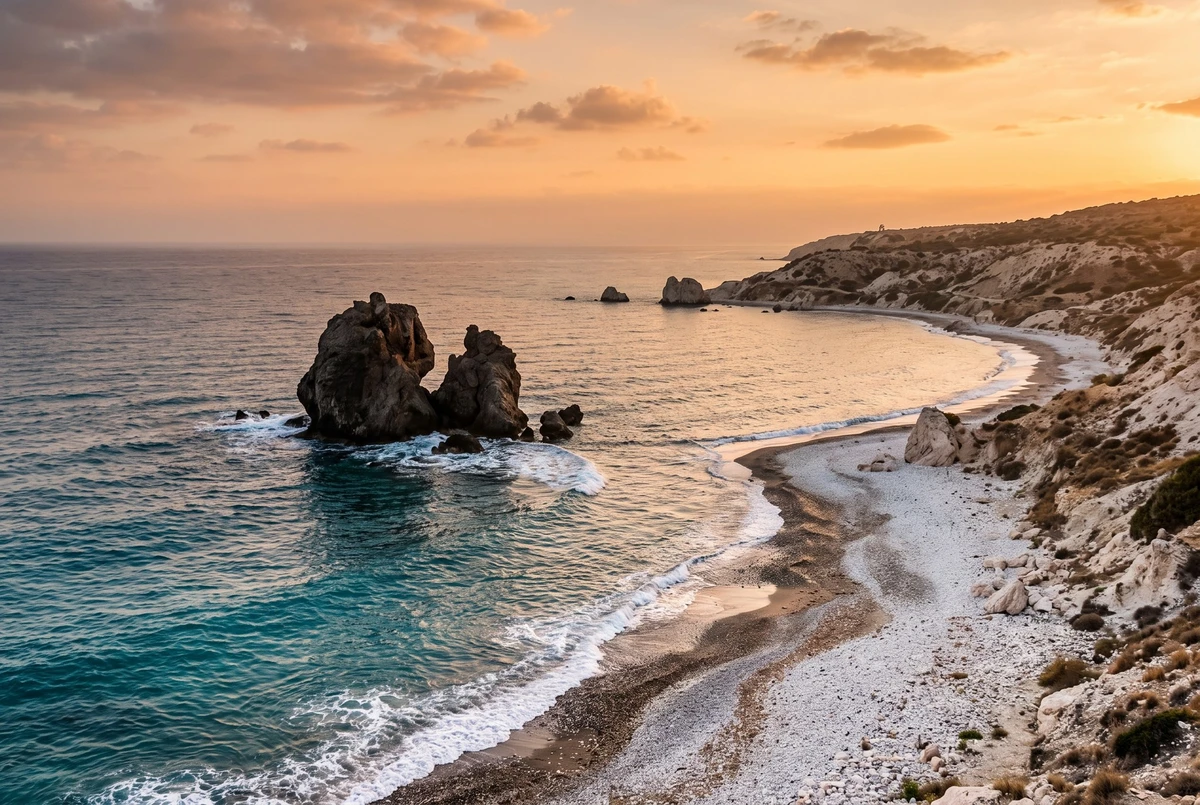
Late afternoon at Petra tou Romiou: the sea foams white around the great limestone rock where legend says Aphrodite rose from the waves, the air smells of wild thyme and warm salt, and in a village bakery inland the first halloumi bread of the evening is coming out of the oven. Up in the Troodos mountains, pine forests shade tiny stone churches whose walls glow with Byzantine frescoes, while down on the coast near Ayia Napa the water turns an impossibly clear blue over pale sand.
Destinations
Choose a city to see everything we arrange there.
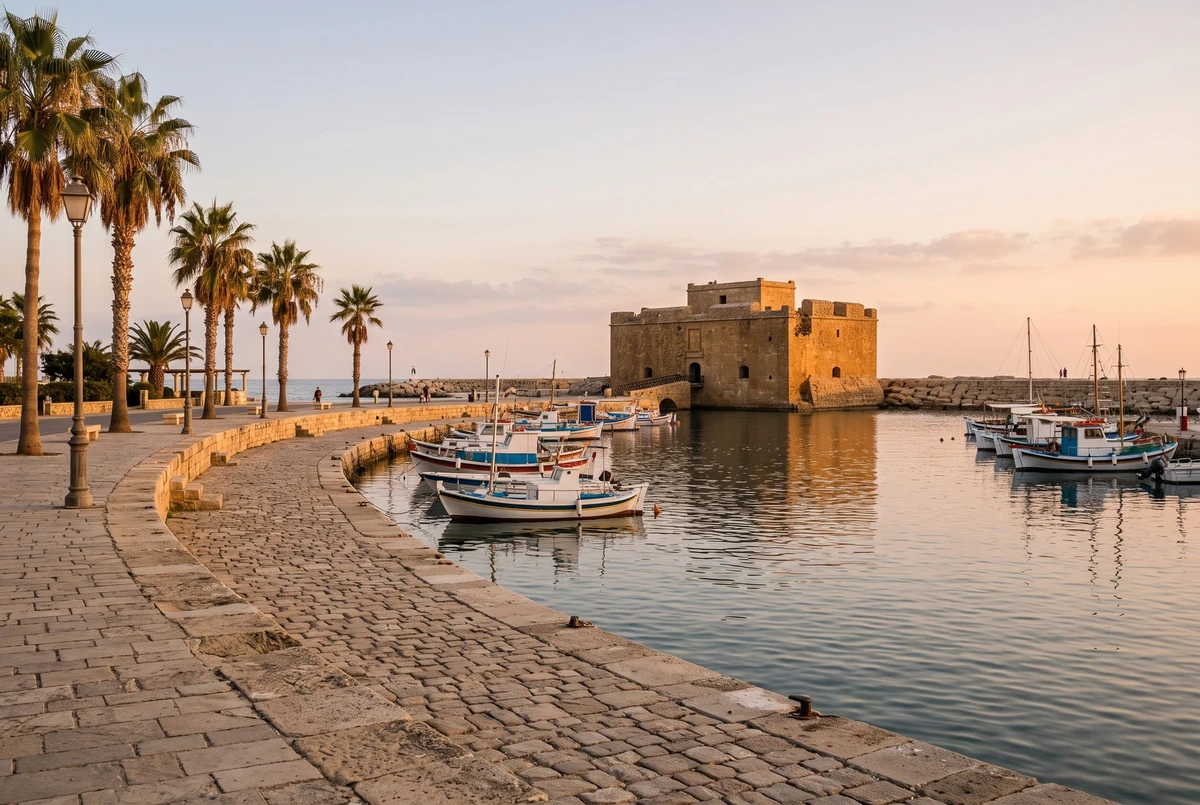
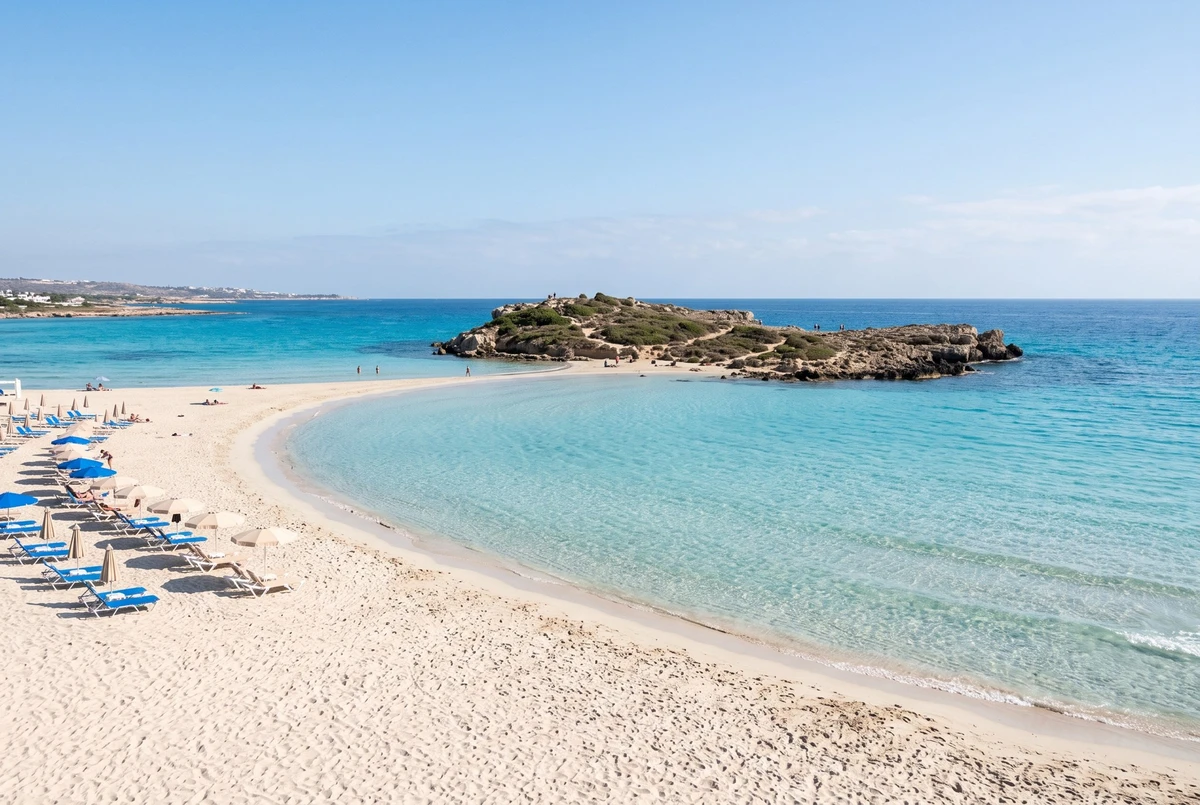
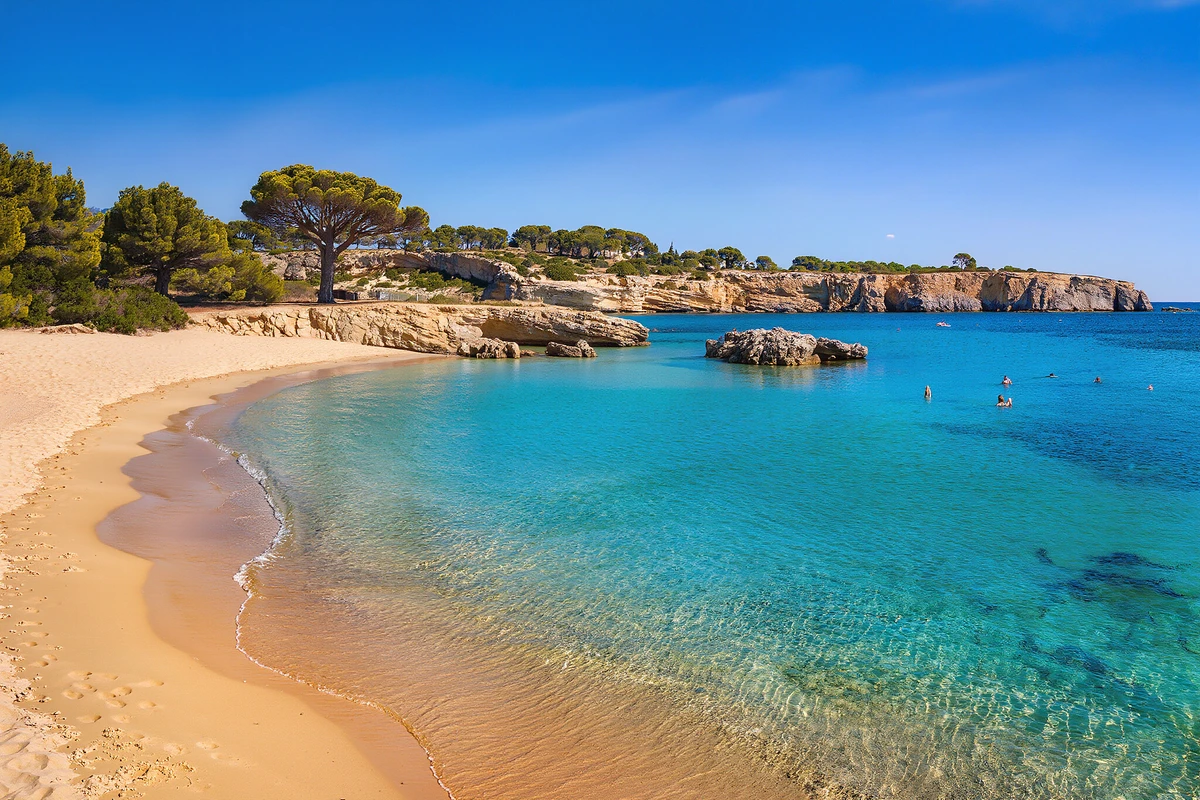
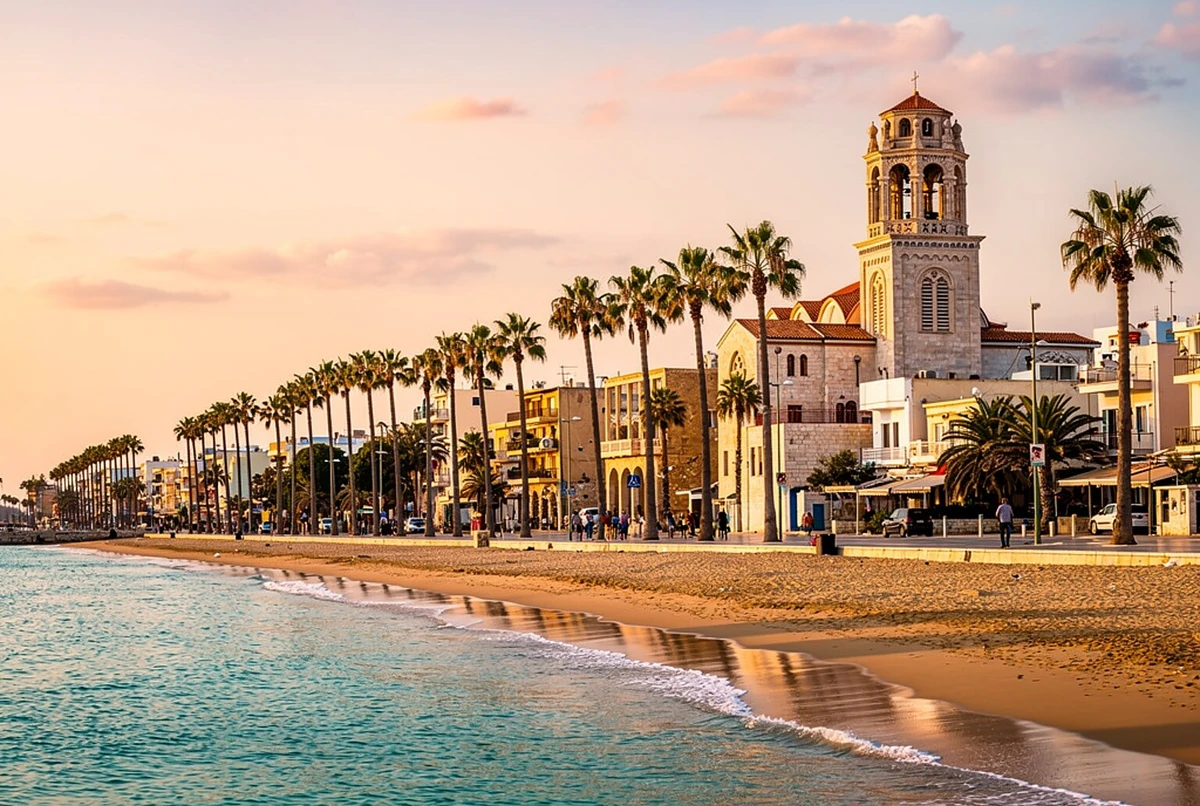
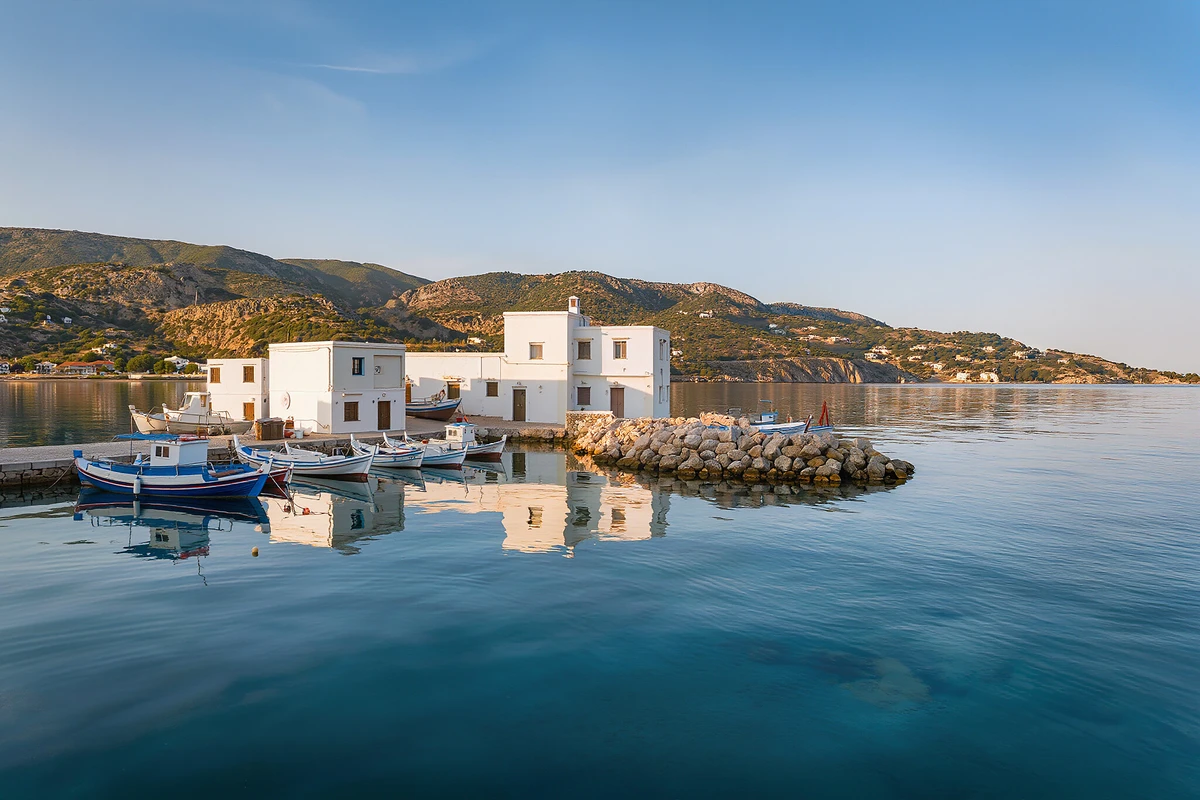
Services by city in Cyprus
Attraction Tickets
The essence of Cyprus
Cyprus is irreplaceable because so much history fits on one sunny island. Neolithic villages, Roman mosaics, Crusader castles, Venetian walls and Ottoman mosques sit within a short drive of each other, and the Hala Sultan Tekke beside Larnaca's salt lake is one of the most revered Islamic sites in the eastern Mediterranean. Our team arranges day tours, attraction tickets, flights and private transfers so you can enjoy Cyprus at an easy island pace.
Why visit Cyprus?
Ten Thousand Years at the Crossroads
Cyprus has been coveted by every power in the eastern Mediterranean. Neolithic Choirokoitia is among the best-preserved prehistoric settlements in the region, and the Paphos Archaeological Park holds Roman villa floors covered in dazzling mosaics. Kourion's theatre faces the open sea, the Tombs of the Kings are carved into coastal rock, and Venetian walls ring Nicosia, while the painted churches of the Troodos are UNESCO-listed together as one treasure.
Mountains, Capes and Turquoise Bays
For a compact island, Cyprus packs remarkable variety. The Troodos massif rises to Mount Olympus, cloaked in black pine and cedar, with waterfalls and cool village air in summer. The Akamas Peninsula near Paphos keeps wild gorges, protected beaches where sea turtles nest and the famous Blue Lagoon. In the east, the sea caves and natural arches of Cape Greco frame some of the clearest water in the Mediterranean.
Halloumi, Meze and Village Traditions
Cypriot hospitality is built around the table. A full meze arrives as a parade of small dishes: grilled halloumi, village salad, tahini, koupepia stuffed vine leaves, slow-baked kleftiko lamb and souvla turned over charcoal. Afternoons bring thick Cyprus coffee and loukoumades soaked in syrup. In Lefkara, women still stitch the island's celebrated lace by hand, while village festivals honour carob, almonds and the spring flowers of Anthestiria.
Moments Found Only in Cyprus
Swim beside Aphrodite's Rock at sunrise, then drive into the mountains to find frescoed churches hidden beneath steep wooden roofs. Watch flamingos wade across Larnaca Salt Lake in winter in front of the Hala Sultan Tekke, and explore the sea caves of Cape Greco by boat. In Nicosia, stroll the Venetian-walled old town, where pedestrian crossing points on the Green Line connect the island's two communities.
Who is Cyprus for?
Ideal for
- Families seeking safe, easy beach holidays
- Couples and honeymooners
- History and archaeology enthusiasts
- Divers and snorkellers
- Winter sun seekers
- Travellers wanting a short-haul Mediterranean break
Pace & travel style
- Relaxed beach base with selected day tours
- Two-centre stay linking the east and west coasts
- Private driver days into the Troodos villages
- Short breaks of four to five days
When to visit Cyprus
Peak season · June–September
Summer is hot, dry and reliably sunny, with sea temperatures perfect for swimming and long evenings on the waterfront. Ayia Napa, Protaras and Paphos are at their liveliest, beaches fill up and hotel rates reach their highest. Midday heat can be intense inland, so plan sightseeing for early morning and keep afternoons for the sea, or escape to the cooler Troodos mountains.
Shoulder season · April–May and October–November
These are the golden months of Cyprus. Spring covers the countryside in wildflowers and makes walking in Akamas and Troodos a pleasure, while autumn keeps the sea warm long after the summer crowds leave. Days are sunny without being exhausting, archaeological sites are comfortable to explore and hotels offer better value. Many travellers consider October the finest month on the island.
Low season · December–March
Winter is mild on the coast, with bright days between occasional rain showers, and snow sometimes dusts Mount Olympus. Some resorts in Ayia Napa quieten considerably, but Paphos and Larnaca stay open year-round. This is the season for flamingos on Larnaca Salt Lake, almond blossom in February and uncrowded visits to mosaics and monasteries, ideal for culture lovers and winter sun seekers.
The regions of Cyprus and how to combine its cities
Cyprus divides into a few clearly defined landscapes. The Troodos mountains form the island's green spine, with pine forests, painted churches and stone villages such as Kakopetria and Platres. To the west, the Paphos district and the Akamas Peninsula offer archaeology, rugged gorges and quiet coves facing the setting sun.
The south coast links Limassol's marina and old town with Larnaca, the main airport city, known for its palm-lined seafront and the Hala Sultan Tekke. The east, around Ayia Napa and Protaras, is the island's beach heartland of white sand, sea caves and calm, clear water. Inland, Nicosia is the capital, a Venetian-walled city at the centre of the island, where crossing points on the Green Line connect its two communities.
Our city directory below covers the two coasts that define a Cyprus holiday. Ayia Napa is the base for Cape Greco, Fig Tree Bay and the east-coast beaches, with our day tours reaching Nicosia, Larnaca and the mountains. Paphos is the cultural west, with attraction tickets we issue for its archaeological sites and day tours to Troodos and Akamas. Pairing them with a private transfer across the island builds the ideal itinerary: east-coast swimming, then west-coast history.
Before you go: practical tips for Cyprus
Entry & visas
Cyprus is a member of the European Union but issues its own national visa rather than a full Schengen visa, so entry rules depend on your passport. Many nationalities travel visa-free for short stays, others apply through a Cypriot embassy or the official online system, and certain valid Schengen visas may also be accepted for entry. Check the official government portal or embassy before booking, as rules can change.
Money, cards & tipping
Cyprus uses the euro. Cards are accepted almost everywhere in Ayia Napa, Paphos and the larger towns, though it is wise to carry some cash for village cafés, kiosks and small family restaurants. Many restaurants include a service charge; if not, a tip of around ten percent is appreciated for good service. Prices are fixed in shops and restaurants, and bargaining is not customary except occasionally at open-air markets.
Etiquette & dress code
Cypriots are famously hospitable, and accepting a coffee or a sweet when offered is a polite gesture. When visiting Orthodox monasteries such as Kykkos, cover shoulders and knees; some provide wraps at the entrance. At the Hala Sultan Tekke and other mosques, women cover their hair and everyone removes their shoes. Photography is often restricted inside churches and near military areas, so watch carefully for signs.
Getting around
Cyprus has no railway, and the island is compact enough that most road journeys take around two hours or less. Driving is on the left. Intercity buses link the main towns, while the airports at Larnaca and Paphos handle almost all international flights. Our private chauffeured transfers are the easiest way to reach your hotel and to cross comfortably between the east and west coasts of the island.
Must-do things in Cyprus
- Swim beside Aphrodite's Rock, Petra tou Romiou, on the coast road to Paphos.
- Admire the Roman mosaics of the Paphos Archaeological Park in the golden hour.
- Walk among the rock-cut Tombs of the Kings above the Paphos seafront.
- Explore the sea caves and natural arches of Cape Greco near Ayia Napa.
- Swim in the shallow, crystal-clear water of Nissi Beach or Fig Tree Bay.
- Visit the frescoed Troodos churches and the great Kykkos Monastery in the mountains.
- Pay your respects at the Hala Sultan Tekke beside Larnaca Salt Lake.
- Stand in Kourion's clifftop Greco-Roman theatre overlooking the Mediterranean.
- Wander Lefkara's stone lanes and watch lace-makers stitch traditional patterns.
- Share a full Cypriot meze with grilled halloumi, souvla and fresh loukoumades.
Do’s and don’ts in Cyprus
Do
- Start sightseeing early in summer to avoid the midday heat.
- Carry modest clothing for monasteries, churches and mosques.
- Use high-factor sunscreen and drink plenty of water.
- Remember that traffic drives on the left.
- Stop at village bakeries and fruit stalls on your road trips.
Don’t
- Don't photograph military zones or the Green Line buffer zone.
- Don't wear swimwear in town centres, churches or shops.
- Don't take pebbles, shells or antiquities from beaches and sites.
- Don't underestimate the summer sun at archaeological sites with little shade.
- Don't disturb nesting sea turtles or their marked beach areas in Akamas.
Cyprus at a glance
Plan Cyprus with Haqqi Tours
Every option is confirmed by our team on WhatsApp before you pay, and delivered by our own people or by trusted local partners we work with in every city. Because we send travellers from all over the world, our partners give us special rates and priority, so you always receive the best. Prices are per person unless marked per vehicle.
About Haqqi Tours: About us Contact us Legal NoticePrivacy PolicyCookies & Marketing PreferencesTerms & ConditionsBooking, Payment & Refunds
Good to know
Frequently Asked Questions
Straight answers to what travellers ask most about Cyprus.
Is it safe to visit Cyprus?
Cyprus is widely regarded as one of the safest destinations in the Mediterranean, with low crime, friendly people and a relaxed, family-oriented atmosphere. Normal precautions apply in busy resorts at night. Check your own government's official travel advice before you travel, and keep our WhatsApp line handy for any help during your stay.
How many days do I need for a first trip to Cyprus?
A first trip to Cyprus works well in seven days: three or four nights in Ayia Napa for the beaches and Cape Greco, then three nights in Paphos for the mosaics, Aphrodite's Rock and a mountain day in Troodos. With ten days, add Nicosia, Larnaca and slower village exploring.
What is the best way to travel between Cyprus's major cities?
There are no trains in Cyprus, so travel between cities is by road. Distances are short and intercity buses connect the main towns, though schedules can be limited. The most comfortable option is a private chauffeured transfer arranged by our team, taking you directly from Ayia Napa to Paphos or from either airport to your hotel.
Can a trip to Cyprus be tailored for luxury or private travel?
Certainly. Cyprus has elegant beachfront resorts, boutique hotels in restored village houses and private villas along the coast. We can tailor private guided day tours to Troodos or Akamas, chauffeured transfers in premium vehicles and attraction tickets arranged around your schedule. Tell our team your preferences, and we confirm every detail with you on WhatsApp before anything is paid.
Is Cyprus tourist friendly?
Very. English is widely spoken across Cyprus, road signs are in Greek and English, and tourism is a mainstay of island life. Cypriots are warm and helpful, families are welcomed everywhere, and halal food can be found in the larger towns with a little planning. It makes an easy first Mediterranean trip.
Is it safe to travel to Cyprus now?
The island's resort areas welcome visitors throughout the year in a calm, relaxed atmosphere. For the latest guidance, check your own government's official travel advice shortly before departure. Use licensed taxis or our private drivers, follow normal holiday precautions with valuables, and keep our WhatsApp line handy so our team can assist you at any time.
What is the best time to visit Cyprus?
For most travellers, the best time to visit Cyprus is April to June or September to November, when days are warm, the sea is pleasant and crowds are lighter. July and August are the hottest and busiest months. Winter is mild on the coast and ideal for culture, walking and quieter sightseeing.
What is Cyprus famous for?
Cyprus is famous as the legendary birthplace of Aphrodite, for its clear blue sea and long sunny season, and for the remarkable Roman mosaics of Paphos. It is also known for halloumi, generous meze, painted Byzantine churches in the Troodos mountains, Lefkara lace and a history shaped by many Mediterranean civilisations.
Which cities in Cyprus does Haqqi Tours cover?
Paphos, Ayia Napa, Protaras, Larnaca and Latchi. Each city has its own page with everything available there, and a trip across several cities is planned in one WhatsApp conversation.
What can I book in Cyprus?
Day tours, attraction tickets, private airport transfers and flight tickets - all run or confirmed by Haqqi Tours, each with a fixed price agreed on WhatsApp before you pay.
How do I book a tour or transfer in Cyprus?
Fill in the form on the page you are interested in, or message us on WhatsApp with the date, the number of travellers and your hotel. A member of our team confirms the price and the details in writing within minutes.
Are the prices fixed?
Yes. Every price is agreed in writing on WhatsApp before you travel and does not change on the day - not for traffic, not for a late flight, not for the hour.
Do you arrange transfers between cities in Cyprus?
Yes. Intercity transfers by private car or van are booked the same way as airport transfers; tell the desk the two hotels and the date and it quotes a fixed price for the whole vehicle.
Can you plan a full itinerary across Cyprus?
Yes - tell the desk your dates, the cities you want and who is travelling, and it proposes a day-by-day plan with the tours, transfers and tickets priced in writing. You adjust it in the same chat before confirming.
Are your tours private or in a group?
Both exist, and the page of each tour says which. Private tours have a car and guide for your party alone; small-group tours share a guide with a few other travellers. The desk can convert most group tours into a private day on request.
Do the drivers and guides speak Arabic?
It depends on the country, the city and the day, so we do not promise a particular language for the driver or guide. Tell us your preference and we do our best; the WhatsApp desk itself always works in Arabic and English.