
Uganda
Haqqi Tours arranges day tours, private airport transfers, attraction tickets and multi-day packages across Uganda, confirmed on WhatsApp before you pay.
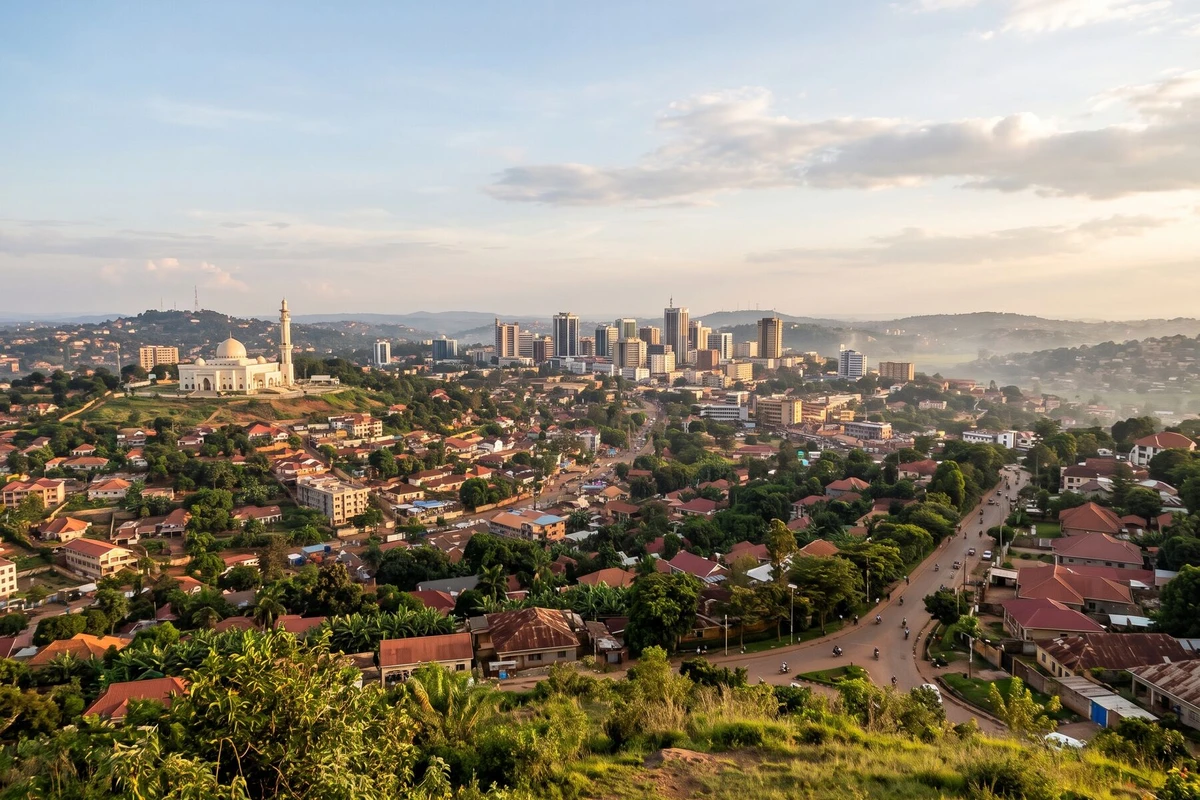
Morning in Kampala begins on its hills. Mist lifts from the valleys between Old Kampala, Namirembe and Mengo, boda-boda motorbikes weave through the streets below, and from the minaret of the Uganda National Mosque the whole city spreads out in red roofs, green trees and the silver edge of Lake Victoria on the horizon. Market traders stack mountains of bananas, pineapples and avocados, and the smell of chapati and fresh omelettes rolled into a rolex drifts from every corner.
Destinations
Choose a city to see everything we arrange there.
Services by city in Uganda
Tours
The essence of Uganda
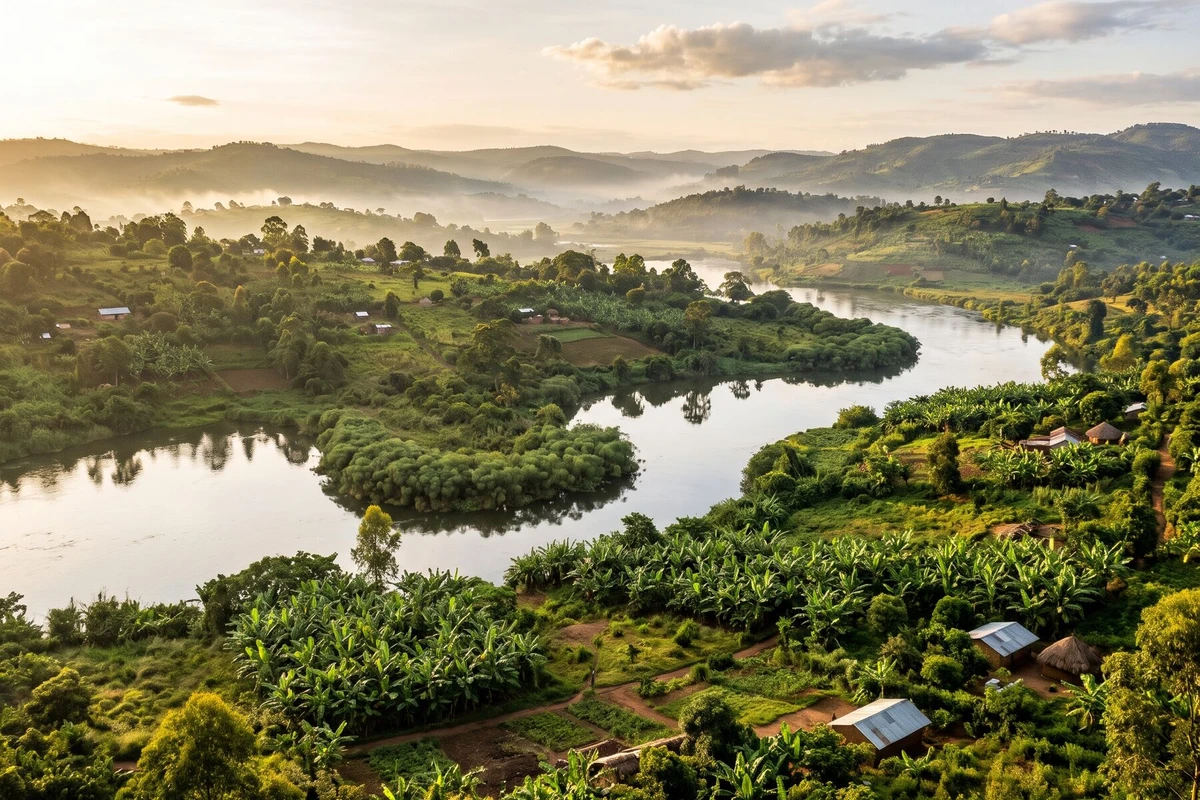
Beyond the capital, Uganda opens into one of Africa's greenest landscapes. The Nile leaves Lake Victoria at Jinja, mountain gorillas live in the misty forests of Bwindi, chimpanzees call through Kibale and tree-climbing lions rest in Queen Elizabeth National Park. Uganda is special because a lively, welcoming capital, a great lake and wild rainforest all lie within reach of one airport. We arrange the journey with guided city walks, day trips and private airport transfers, delivered with calm, attentive service.
Why visit Uganda?
Kingdoms, Hills and a Young Nation
Long before the British protectorate of the 1890s, the kingdom of Buganda ruled the northern shores of Lake Victoria from its hills, with the Kabaka, its king, at the centre of a court of chiefs and clans. The royal tombs at Kasubi, listed by UNESCO, and the palace at Mengo still recall that past. Other kingdoms, including Bunyoro, Toro and Busoga, shaped the west and east, and Uganda became independent on 9 October 1962, with Kampala as its capital.
Lakes, Rainforest and the Source of the Nile
Uganda sits on the equator between the great lakes of East Africa. Lake Victoria forms its southern shore, the Nile begins its long journey north at Jinja, and the Rwenzori Mountains rise on the western border with glaciers near their summits. In between lie savannah parks such as Murchison Falls and Queen Elizabeth, the rainforests of Kibale and Bwindi with chimpanzees and mountain gorillas, crater lakes, papyrus swamps where the shoebill stork hunts and rich birdlife everywhere.
Rolex, Matooke and Fresh Tilapia
Ugandan food is filling and generous. The rolex, a chapati rolled around an omelette with tomato and cabbage, is the city's favourite street snack, matooke, steamed green bananas, is served with groundnut sauce or beans, and luwombo is a stew of chicken or beef slowly steamed in banana leaves. Tilapia and Nile perch come fresh from Lake Victoria. Uganda has a sizeable Muslim community, so halal options exist in Kampala; fish and vegetarian dishes are easy everywhere, and our team can advise.
Experiences You Can Only Have Here
Climb the minaret of the Uganda National Mosque for a view over the hills of Kampala, walk through the busy lanes of Owino and Nakasero markets with a local guide, and stand beneath the great thatched roof of the Kasubi Tombs. Visit the shrine at Namugongo, take a day trip to watch the Nile flow out of Lake Victoria at Jinja, and with more time travel west to trek through the forest of Bwindi in search of mountain gorillas.
Who is Uganda for?
Ideal for
- First-time visitors to East Africa
- Culture and history lovers
- Wildlife and nature enthusiasts
- Birdwatchers
- Travellers combining a city stay with safari
- Active families with older children
Pace & travel style
- Give Kampala two full days before heading out
- Start city walks early, before the heat and traffic
- Add a day trip to Jinja or the lake shore at Entebbe
- Plan long road journeys for the national parks
When to visit Uganda
Peak season · June–September, December–February
The two dry seasons are the most popular time to visit Uganda, with sunny days, firmer roads and easier forest trails for gorilla and chimpanzee trekking. Kampala is warm but rarely too hot thanks to its altitude, and walking tours across the hills are comfortable in the mornings. Gorilla permits, lodges near the parks and holiday weeks fill early, so reserve city tours, day trips and transfers well ahead.
Shoulder season · March, October–November
These months sit on the edges of the rains, with green landscapes, short afternoon showers and fewer visitors than in the dry season. Mornings are often clear and fine for sightseeing in Kampala, and the countryside looks its freshest. Birdwatching is excellent, as migrant species arrive in the later months of the year. Keep some flexibility in your plans, as a heavy shower can slow traffic in the city.
Low season · April–May
The long rains bring the heaviest downpours of the year, often in the afternoon, and the greenest scenery of all. Kampala's streets can flood briefly after storms, and some park roads and forest trails become muddy and slower. There are fewer travellers and a calmer feel at the sights. The pilgrimage to the Uganda Martyrs Shrine at Namugongo on 3 June follows soon after, when large crowds gather from across East Africa.
The regions of Uganda and how to combine its cities
Uganda is a landlocked country in East Africa, bordered by Kenya to the east, Tanzania and Rwanda to the south, the Democratic Republic of the Congo to the west and South Sudan to the north. Kampala, the capital, spreads across green hills near the northern shore of Lake Victoria, and Entebbe, with the international airport, sits on a peninsula on the lake about forty kilometres to the south.
East of Kampala, Jinja marks the source of the Nile and is known for river activities and green landscapes. The west holds the great parks: Queen Elizabeth with its channel and savannah, Kibale with its chimpanzees, the crater lakes around Fort Portal, the snow-capped Rwenzori Mountains and, in the far south-west, Bwindi and Mgahinga, where mountain gorillas live. In the north-west, Murchison Falls National Park follows the Nile as it bursts through a narrow gorge.
Our city directory below is anchored in Kampala, the natural first stop for most visitors. Here we arrange guided walking and sightseeing tours across the hills, markets and landmarks of the capital, and our private drivers handle transfers from Entebbe International Airport (EBB). Uganda pairs naturally with Rwanda, and the East Africa Tourist Visa, where available to you, can cover Uganda, Rwanda and Kenya on one trip.
Before you go: practical tips for Uganda
Entry & visas
Most visitors need a visa for Uganda, and it is usually applied for online in advance through the official electronic visa system before travel. Citizens of several East African and other countries are exempt, and the East Africa Tourist Visa can cover Uganda, Rwanda and Kenya together. A passport valid for at least six months and a yellow fever vaccination certificate are required on arrival. Rules change, so check the current requirements with official Ugandan sources before you travel.
Money, cards & tipping
The currency is the Ugandan shilling. Cash is king in markets, small shops and for boda-boda rides, while cards work in larger hotels, malls and some restaurants in Kampala. Cash machines are common in the capital and larger towns. Exchange offices give better rates for newer, undamaged notes of major currencies. Tipping guides and drivers is appreciated for good service, and rounding up in restaurants is common.
Etiquette & dress code
Ugandans are warm, polite and value proper greetings, so take a moment to say hello and ask how someone is before asking a question; in Luganda, oli otya means how are you. Dress modestly, especially at mosques, churches and the royal sites, where shoulders and knees should be covered. Ask before photographing people, never photograph soldiers, police or government buildings, and use your right hand to give and receive things.
Getting around
Kampala's traffic is heavy at rush hour, so allow plenty of time. Boda-boda motorbike taxis are everywhere but are not the safest choice for visitors, and minibus taxis are busy and confusing for first-timers. App-based car rides are available in the city. Roads to the national parks are long, with journeys of several hours, and domestic flights link Entebbe with some parks. Our private transfers from Entebbe International Airport (EBB) and private drivers are the most comfortable way to move around.
Must-do things in Uganda
- Climb the minaret of the Uganda National Mosque
- Walk the hills of Kampala with a local guide
- Visit the royal Kasubi Tombs, listed by UNESCO
- Explore the colourful lanes of Owino and Nakasero markets
- See the shrine at Namugongo
- Watch the Nile leave Lake Victoria at Jinja
- Stroll the botanical gardens on the lake shore at Entebbe
- Taste a fresh rolex from a street stall
- Look for the shoebill stork in the Mabamba wetlands
- Trek to see mountain gorillas in Bwindi
Do’s and don’ts in Uganda
Do
- Do carry your yellow fever vaccination certificate
- Do greet people properly before asking questions
- Do dress modestly at mosques and royal sites
- Do carry small notes of Ugandan shillings
- Do use insect repellent, especially near the lake
Don’t
- Don't photograph soldiers, police or government buildings
- Don't flag down boda-bodas without a helmet
- Don't plan long drives after dark
- Don't underestimate Kampala's rush-hour traffic
- Don't swim in lakes or rivers without local advice
Uganda at a glance
Plan Uganda with Haqqi Tours
Every option is confirmed by our team on WhatsApp before you pay, and delivered by our own people or by trusted local partners we work with in every city. Because we send travellers from all over the world, our partners give us special rates and priority, so you always receive the best. Prices are per person unless marked per vehicle.
About Haqqi Tours: About us Contact us Legal NoticePrivacy PolicyCookies & Marketing PreferencesTerms & ConditionsBooking, Payment & Refunds
Where we operate in Uganda
Good to know
Frequently Asked Questions
Straight answers to what travellers ask most about Uganda.
Is it safe to visit Uganda?
Uganda welcomes many visitors every year, and Kampala is a lively, friendly capital. As in any big city, take sensible precautions: keep valuables out of sight, avoid walking alone late at night, and use trusted drivers rather than random motorbike taxis. Check your own government's official travel advice before departure, and keep our WhatsApp line handy throughout your stay.
How many days do I need in Uganda?
Two or three days are enough for Kampala and a day trip to Jinja or Entebbe. For a fuller journey, allow eight to twelve days to add Murchison Falls, Queen Elizabeth or Kibale and a gorilla trek in Bwindi, as distances between the parks are long and travel days are part of the experience.
What is the Uganda National Mosque?
The Uganda National Mosque stands on Old Kampala Hill and is one of the largest mosques in East Africa. Its tall minaret can be climbed for one of the best views over the city. Visitors are welcome outside prayer times when dressed modestly, and wraps and head coverings are usually provided for women at the entrance.
Can a trip to Uganda be tailored for luxury or private travel?
Absolutely. Kampala has comfortable hotels on its quieter hills and by the lake, and the national parks offer refined lodges. We can tailor private guided city tours, chauffeured airport transfers, day trips and a relaxed family pace, then confirm every detail with you on WhatsApp before anything is paid.
What is the best time to visit Uganda?
The dry seasons from June to September and from December to February are the best time to visit, with sunny weather, easier roads and good conditions for trekking. March, October and November are greener and quieter, while April and May bring the heaviest rains.
What is Uganda famous for?
Uganda is famous for the source of the Nile at Jinja, for Lake Victoria, and for mountain gorillas in Bwindi Impenetrable National Park. It is also known for the Rwenzori Mountains, chimpanzees in Kibale, the Kasubi Tombs of the Buganda kingdom, its friendly people and its green landscapes, which earned it the nickname the Pearl of Africa.
Is halal food available in Uganda?
Yes, in Kampala. Uganda has a sizeable Muslim community, and halal butchers, restaurants and street food can be found in the capital, especially around Old Kampala and Kibuli. Outside the city choices become more limited, but fish, beans, matooke, vegetarian dishes and fresh fruit are easy to find. Our team can advise on suitable places.
How do I get from Entebbe airport to Kampala?
Entebbe International Airport (EBB) lies about forty kilometres south of Kampala. The expressway takes around forty-five minutes to one hour, while the old road through the lakeside towns can take much longer in traffic. We arrange a private transfer with a driver waiting at arrivals to take you directly to your hotel.
Which cities in Uganda does Haqqi Tours cover?
Kampala. Each city has its own page with everything available there, and a trip across several cities is planned in one WhatsApp conversation.
What can I book in Uganda?
Day tours - all run or confirmed by Haqqi Tours, each with a fixed price agreed on WhatsApp before you pay.
How do I book a tour or transfer in Uganda?
Fill in the form on the page you are interested in, or message us on WhatsApp with the date, the number of travellers and your hotel. A member of our team confirms the price and the details in writing within minutes.
Are the prices fixed?
Yes. Every price is agreed in writing on WhatsApp before you travel and does not change on the day - not for traffic, not for a late flight, not for the hour.
Do you arrange transfers between cities in Uganda?
Yes. Intercity transfers by private car or van are booked the same way as airport transfers; tell the desk the two hotels and the date and it quotes a fixed price for the whole vehicle.
Can you plan a full itinerary across Uganda?
Yes - tell the desk your dates, the cities you want and who is travelling, and it proposes a day-by-day plan with the tours, transfers and tickets priced in writing. You adjust it in the same chat before confirming.
Are your tours private or in a group?
Both exist, and the page of each tour says which. Private tours have a car and guide for your party alone; small-group tours share a guide with a few other travellers. The desk can convert most group tours into a private day on request.
Do the drivers and guides speak Arabic?
It depends on the country, the city and the day, so we do not promise a particular language for the driver or guide. Tell us your preference and we do our best; the WhatsApp desk itself always works in Arabic and English.