
Greece
Greek islands and ancient ruins sit alongside ferries and private transfers, all planned for Gulf families through a WhatsApp desk in Arabic.
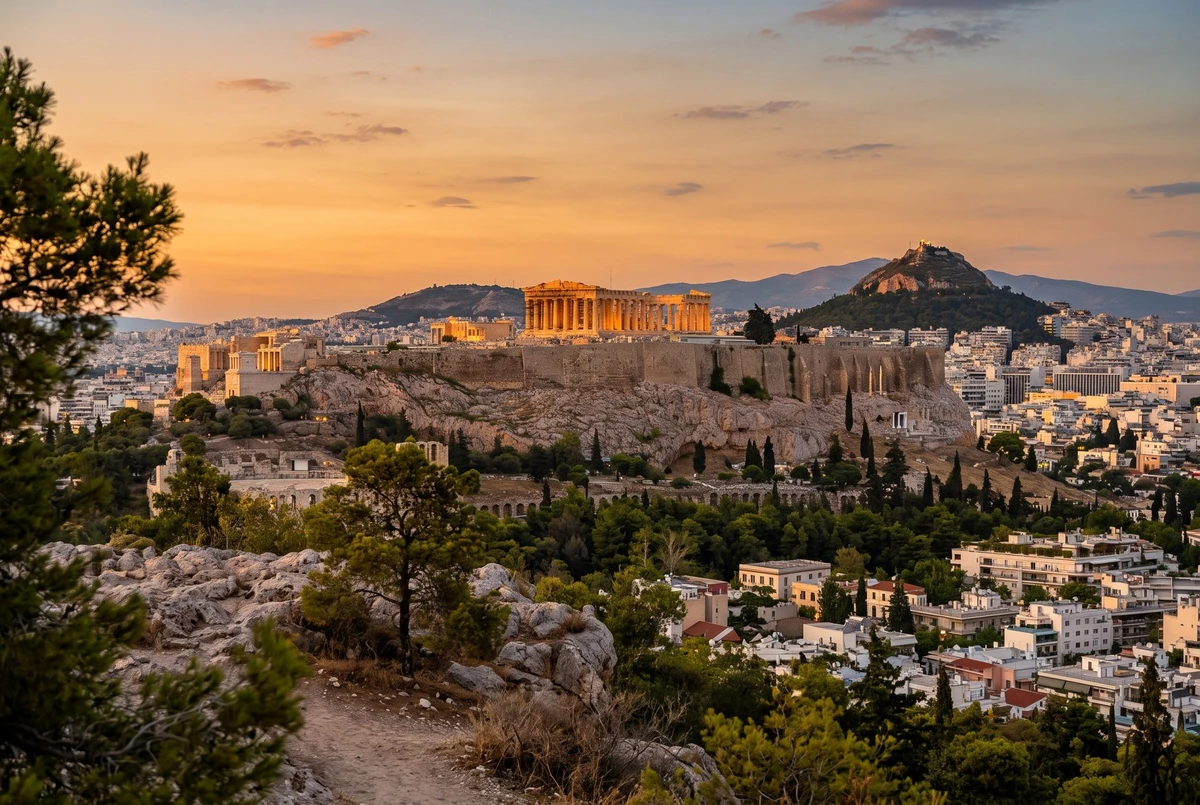
The first light reaches the Parthenon before it touches anything else in Athens, turning Pentelic marble the colour of warm honey while the city below is still waking to the hiss of coffee machines and the call of a koulouri seller on his bicycle. A few hours later, on a ferry deck somewhere in the Aegean, the air smells of salt, sun-warmed rope and wild thyme, and an island rises from the sea like a scattering of sugar cubes on dark volcanic rock.
Destinations
Choose a city to see everything we arrange there.
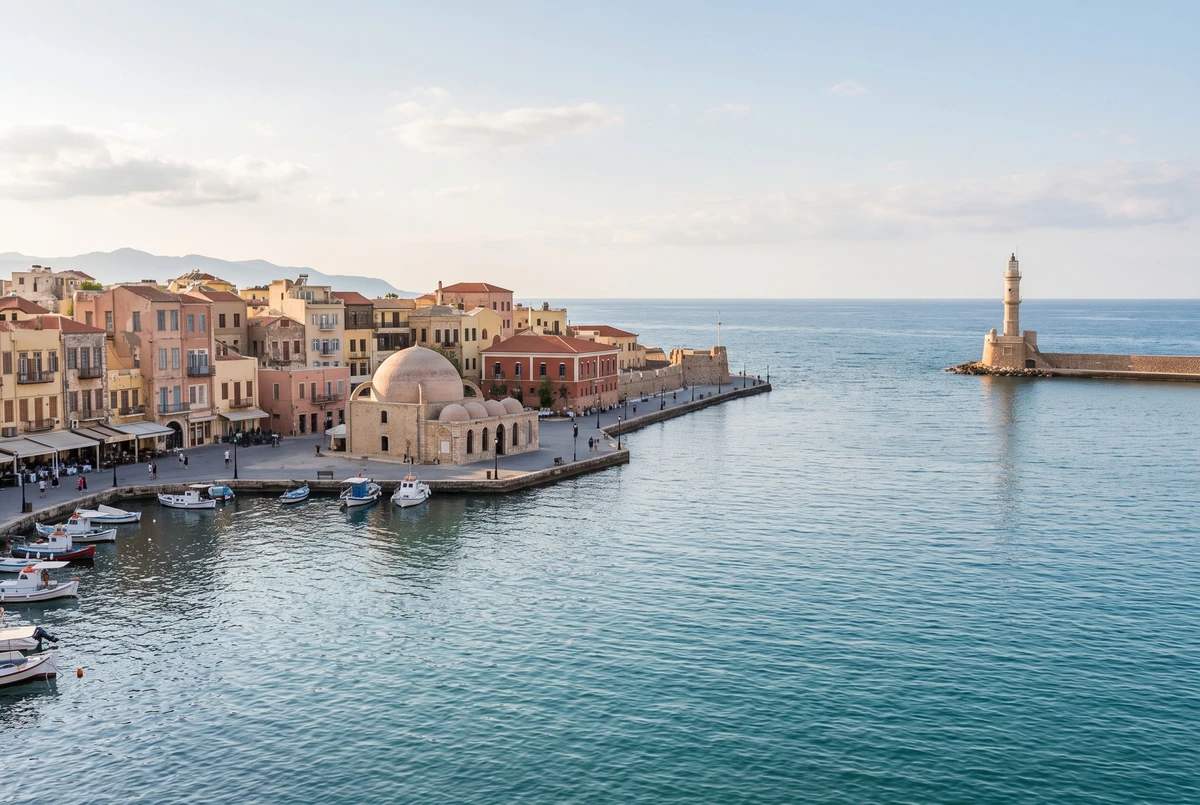
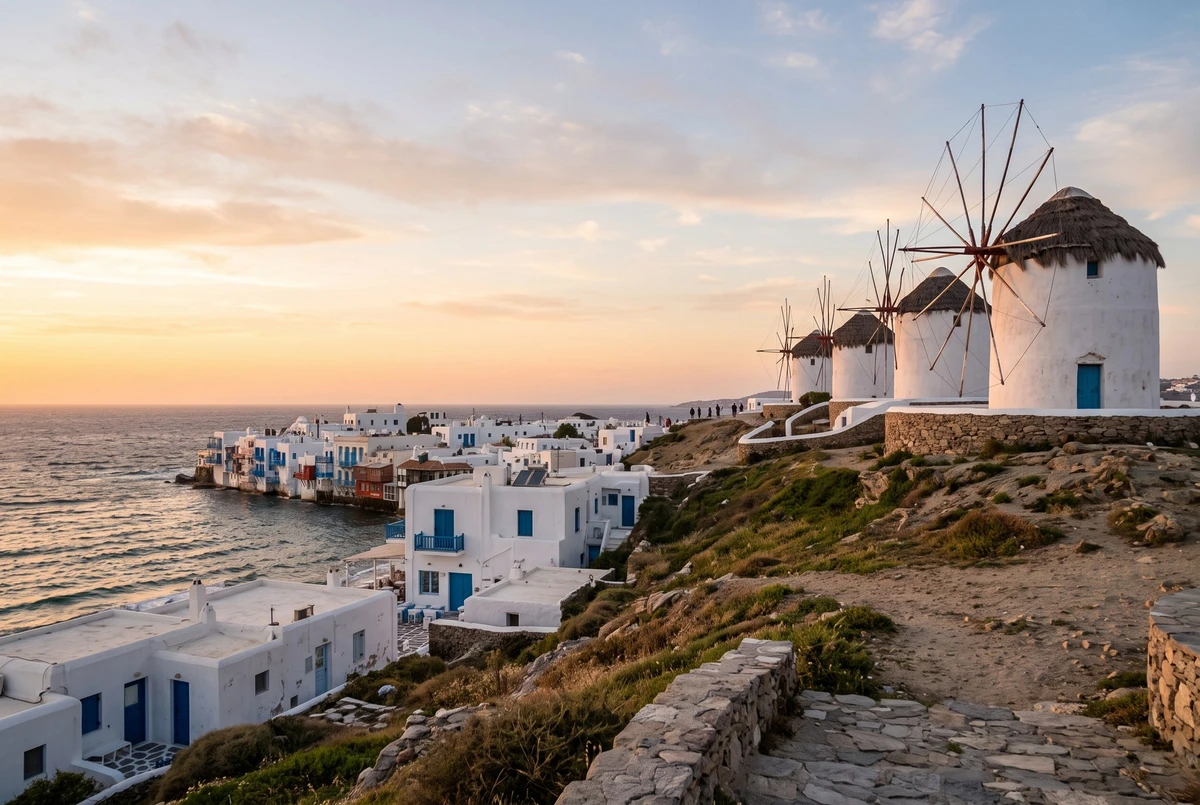
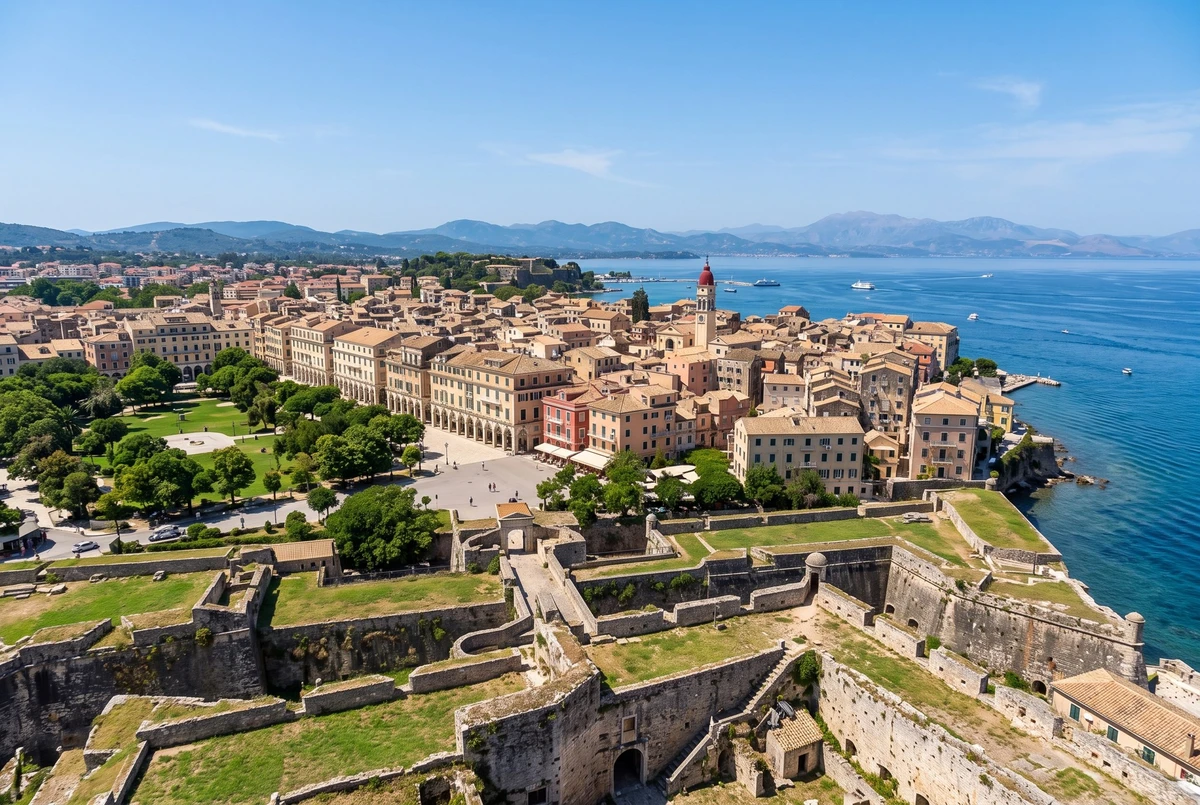
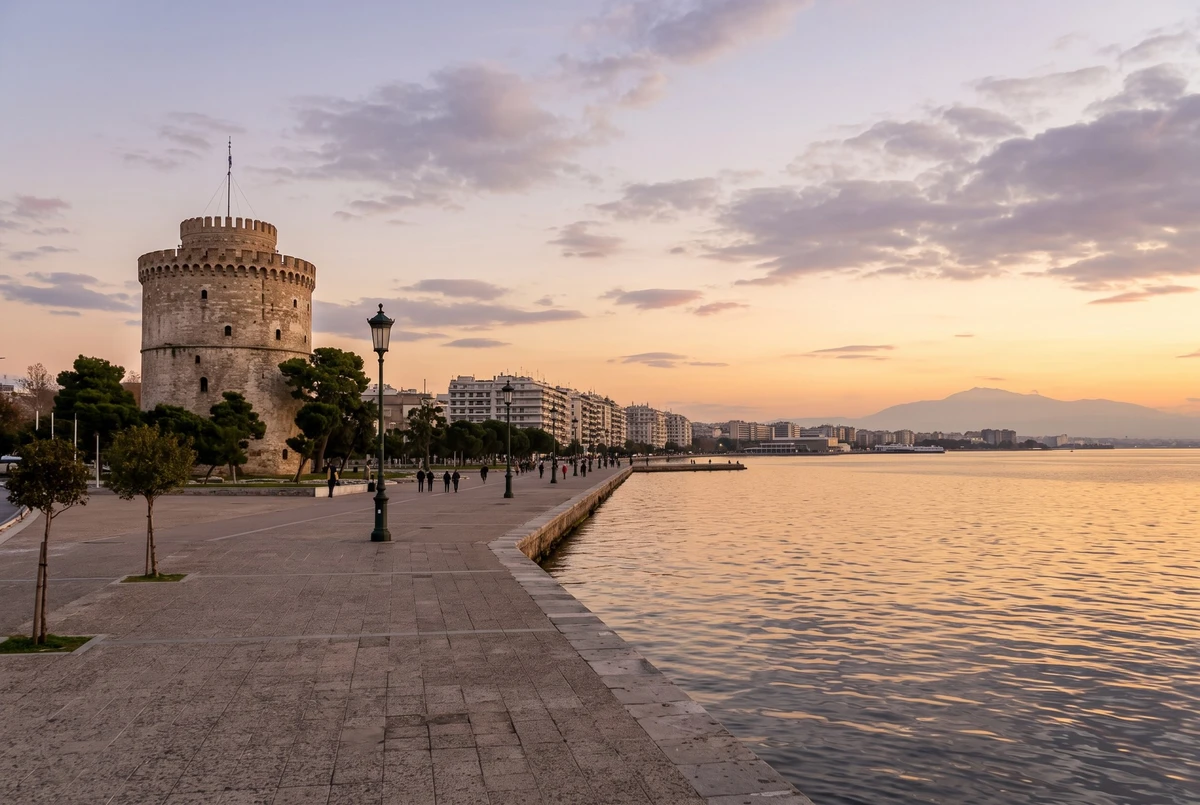
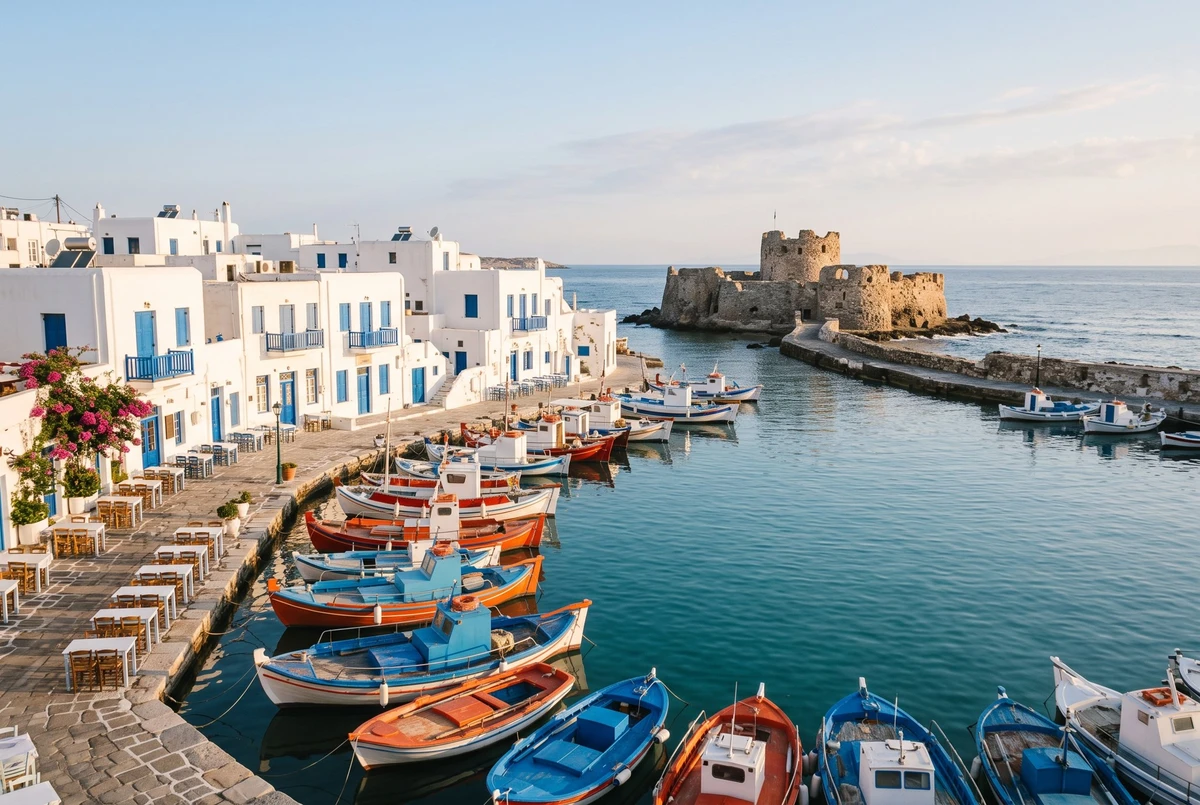
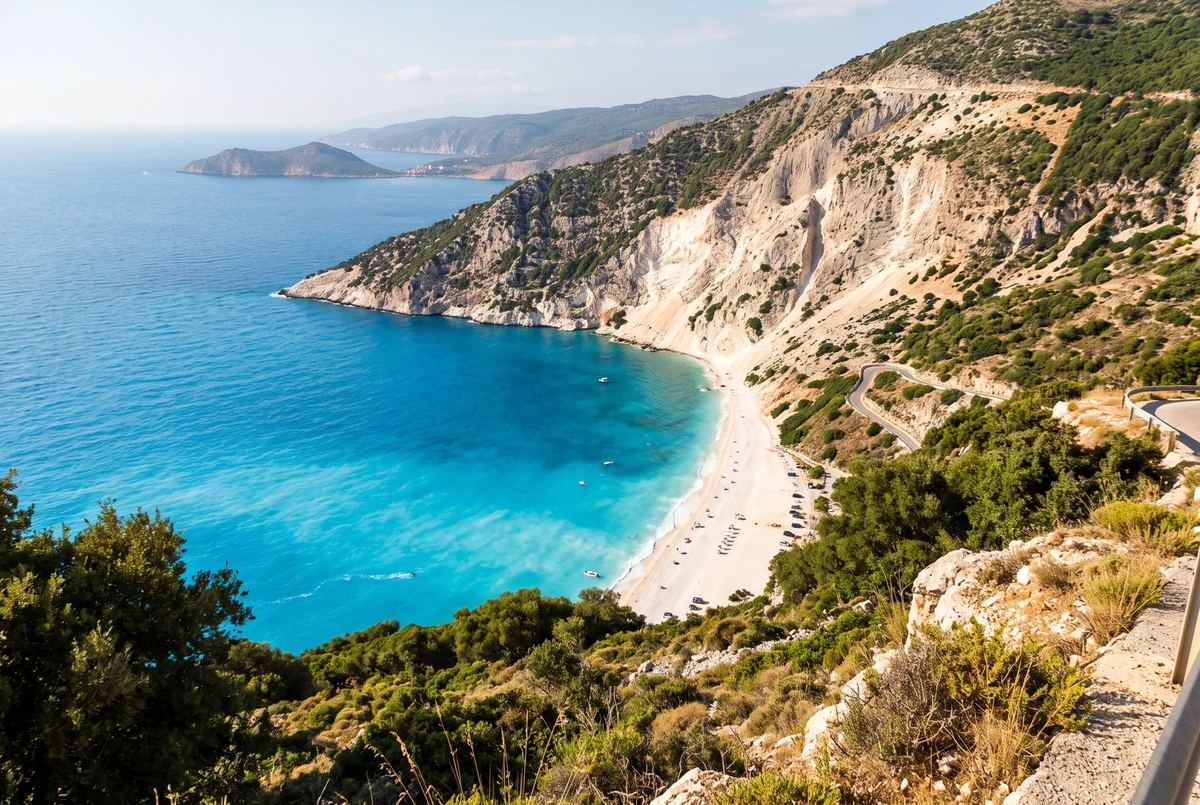

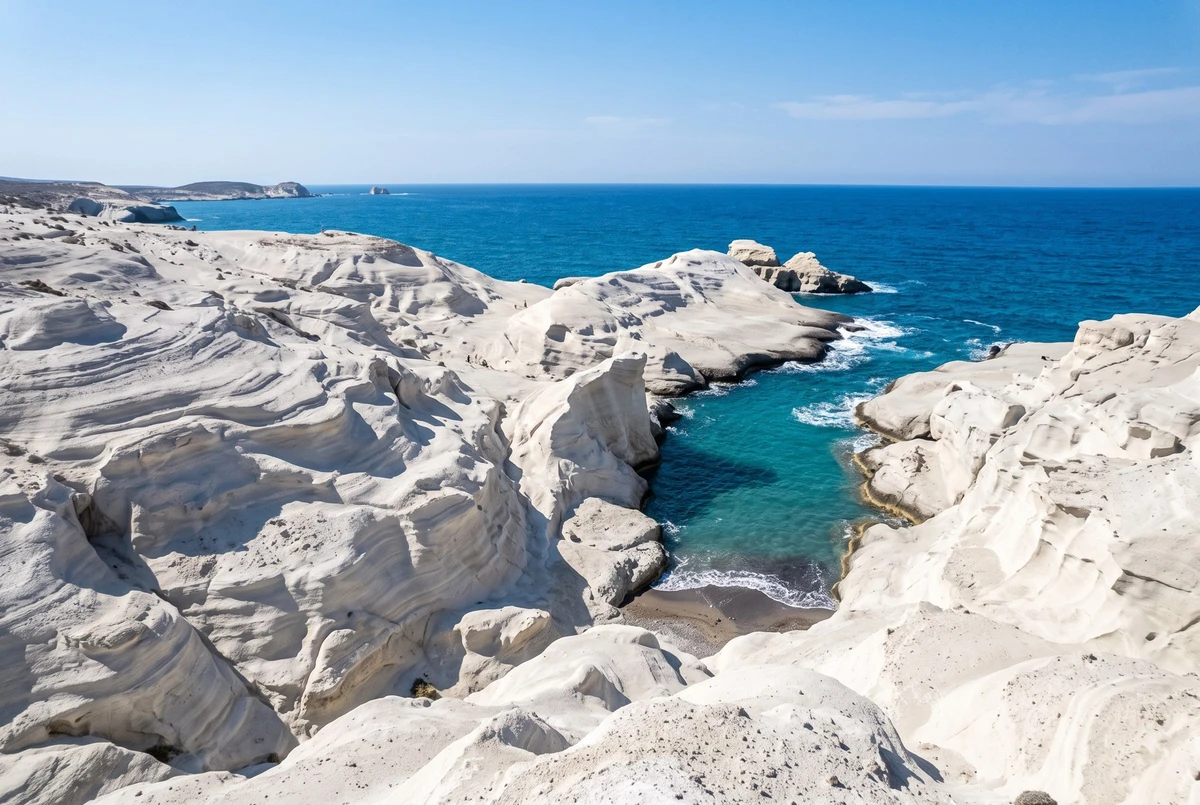
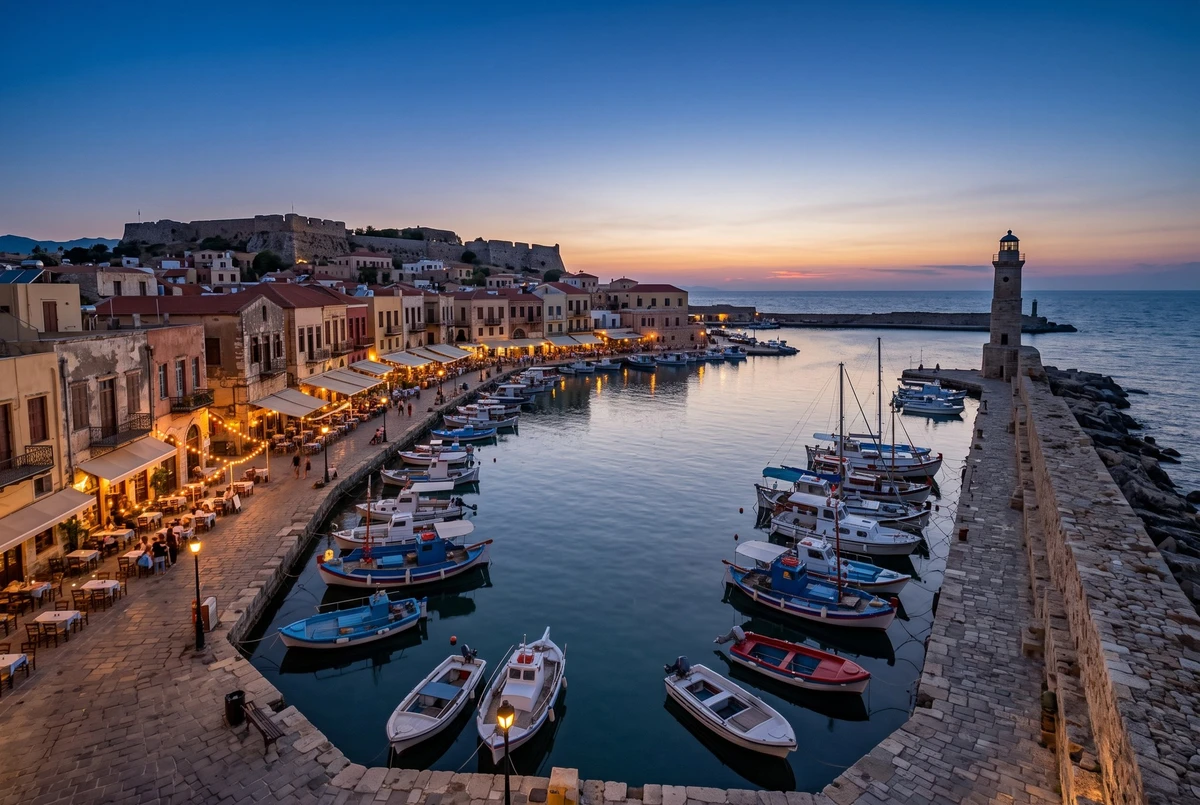
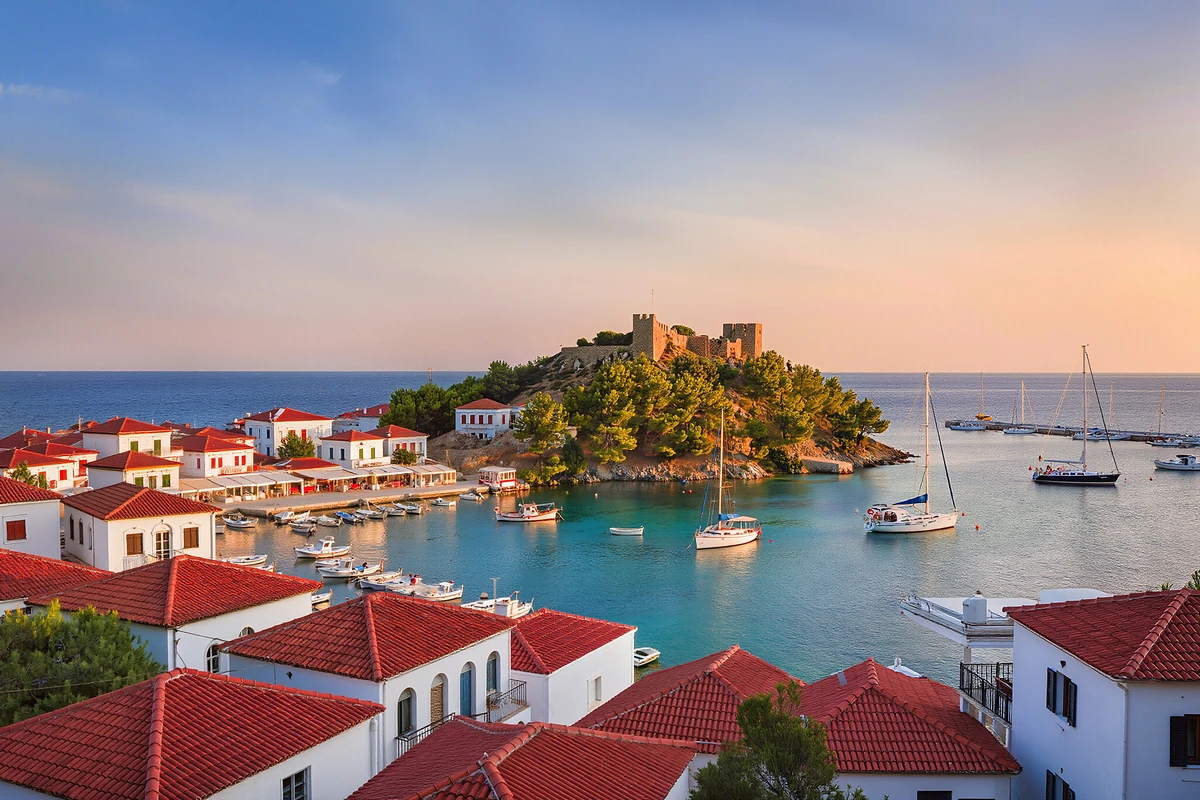
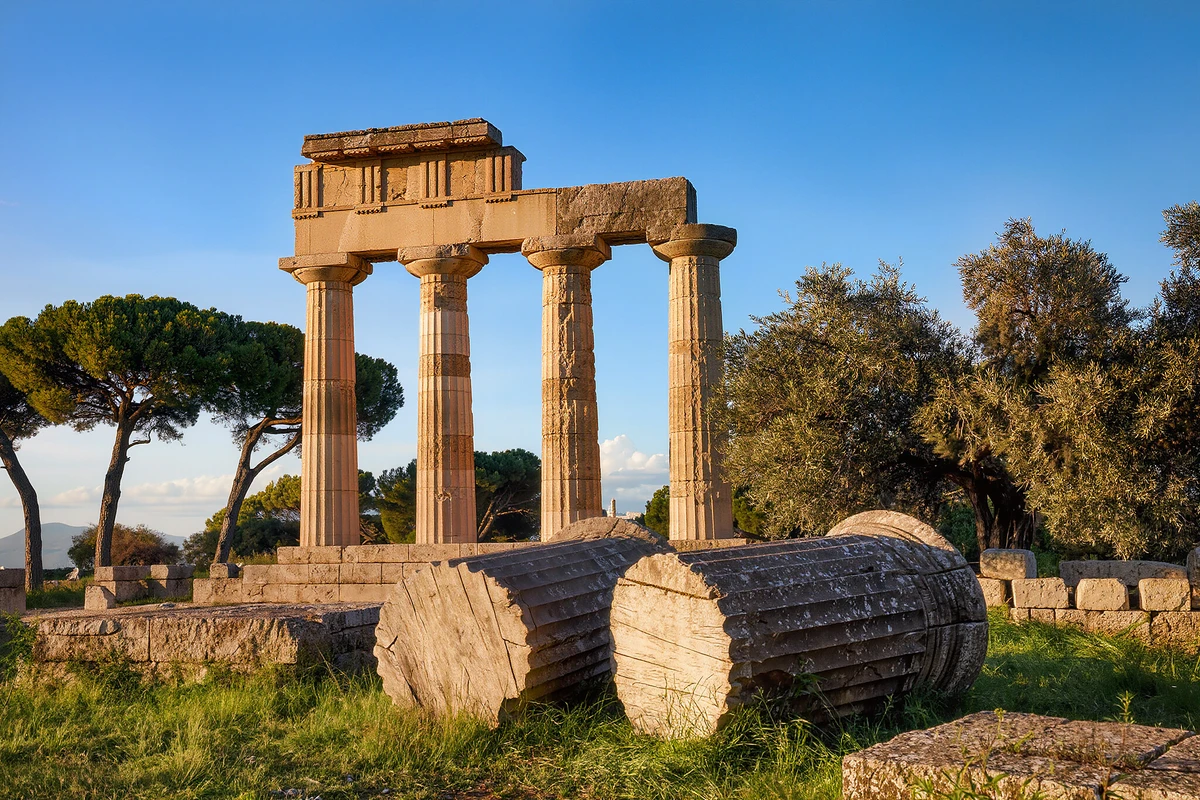
Services by city in Greece
Tours
Airport Transfers
Flight Tickets
Train Tickets
The essence of Greece
Greece is where philosophy, theatre, democracy and the Olympic idea were first argued into being, yet it never feels like a museum. Grandmothers still sweep whitewashed steps at dawn, fishermen mend yellow nets on the quay, and a simple plate of tomatoes, olive oil and feta tastes like a revelation. Our team arranges the pieces that make Greece effortless: guided day tours, ferry and flight tickets between the islands, and private drivers waiting the moment you land.
Why visit Greece?
Cradle of Ideas in Marble and Stone
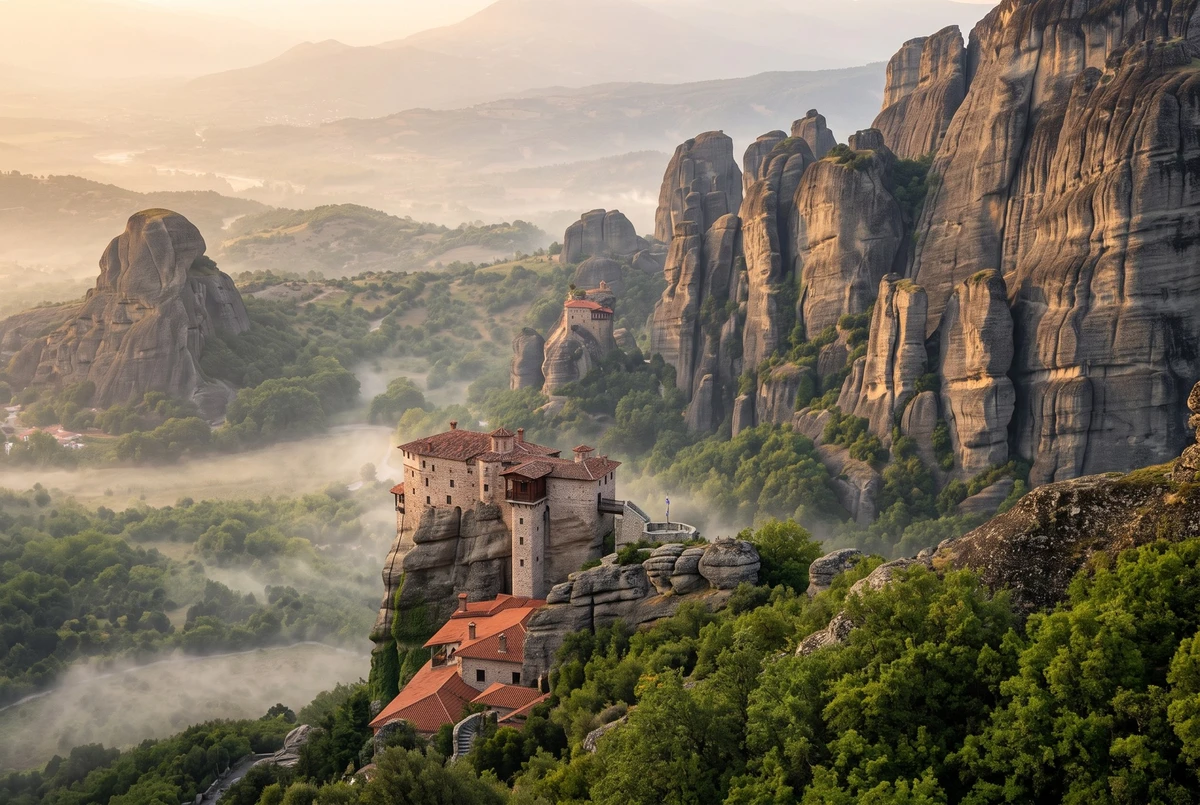
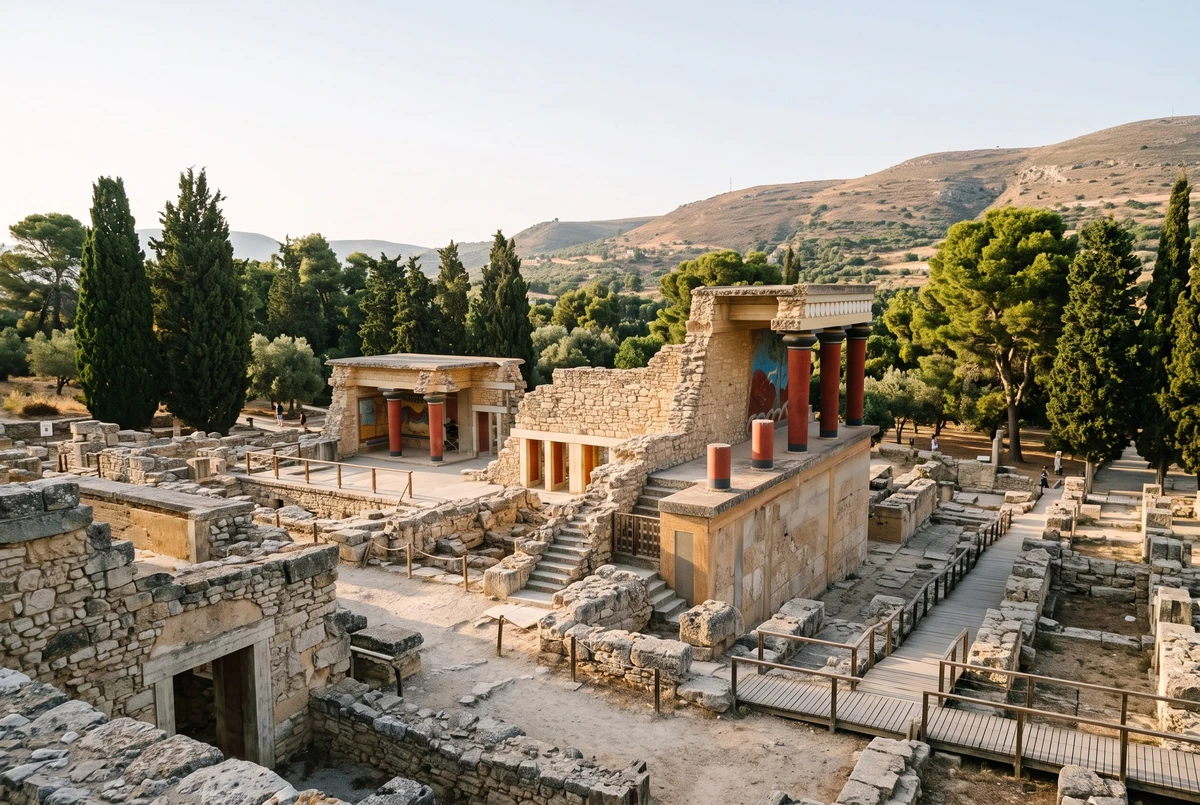
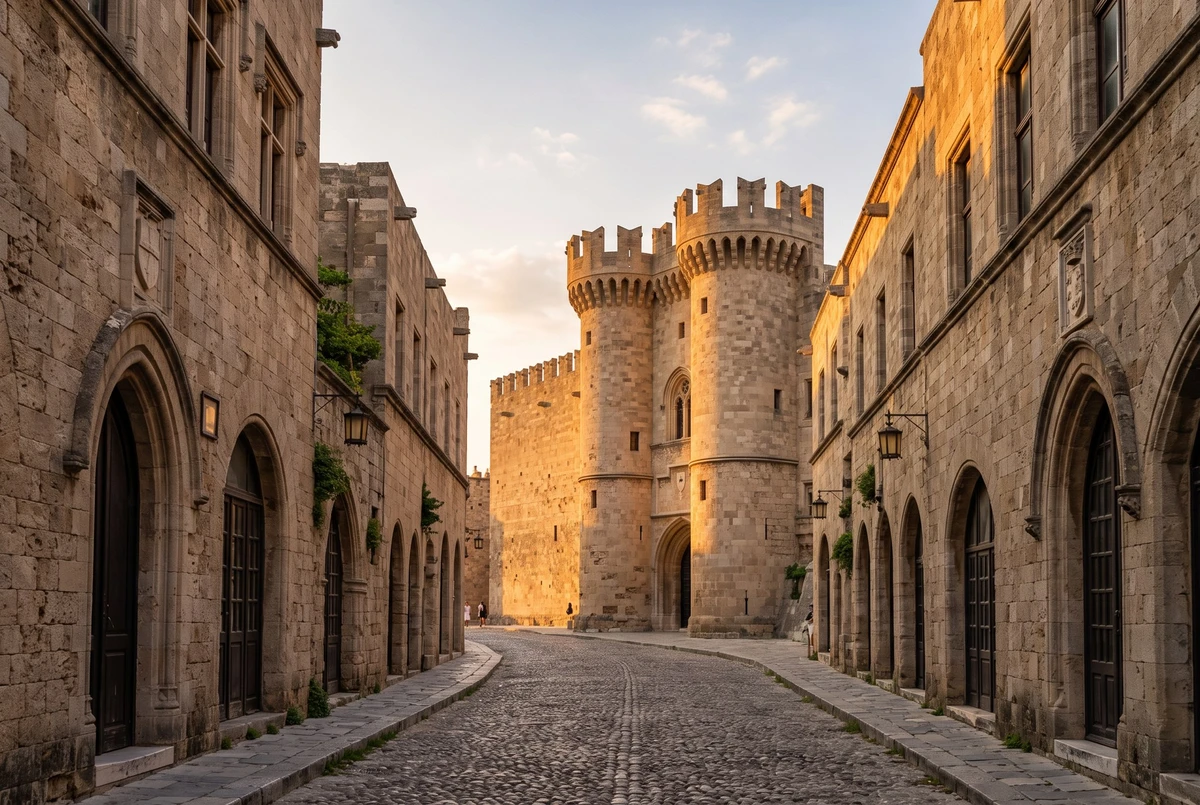
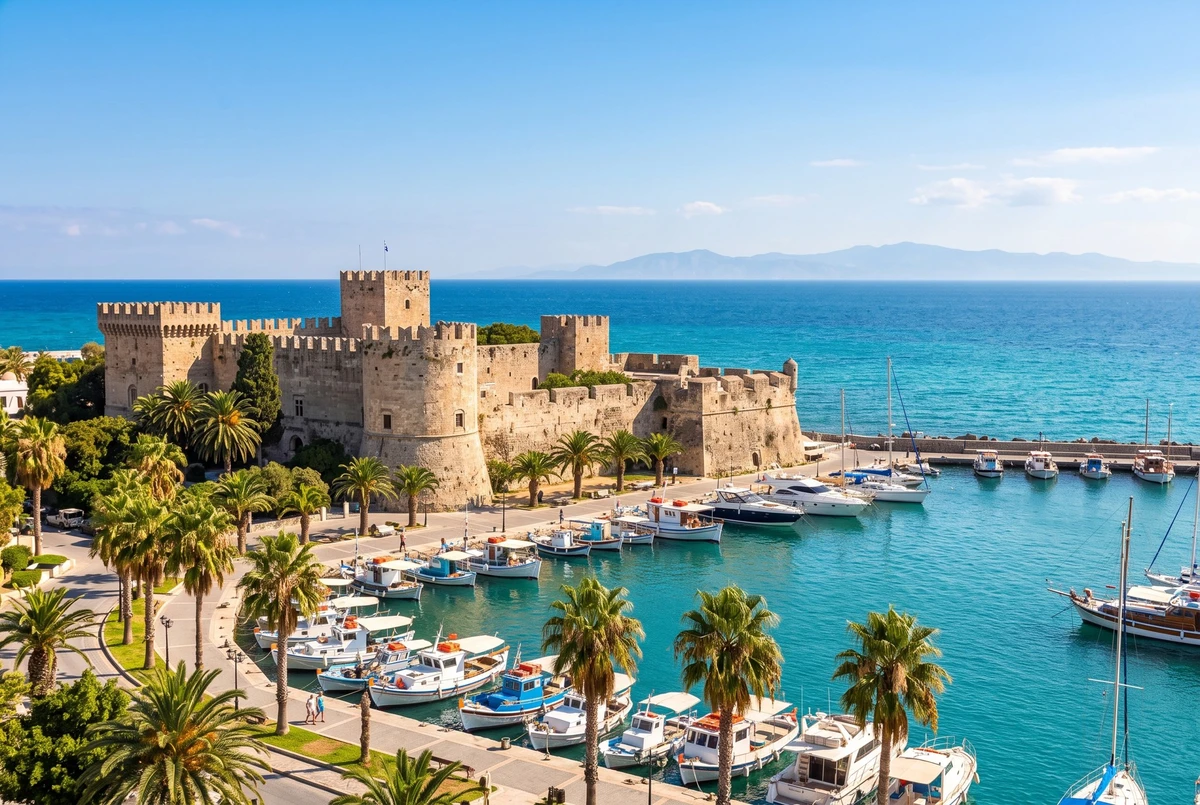
Few countries hold so many founding chapters of human thought. The Acropolis crowns Athens, where Socrates questioned passers-by in the Agora; Knossos near Heraklion reveals the labyrinthine palace of the Bronze Age Minoans; Delphi, Olympia and Mycenae lie within reach of the mainland roads. Byzantine monasteries, the Venetian harbour of Chania and the medieval walls of the Knights in Rhodes Old Town carry the story across three thousand years.
Thousands of Islands and a Mountain Spine
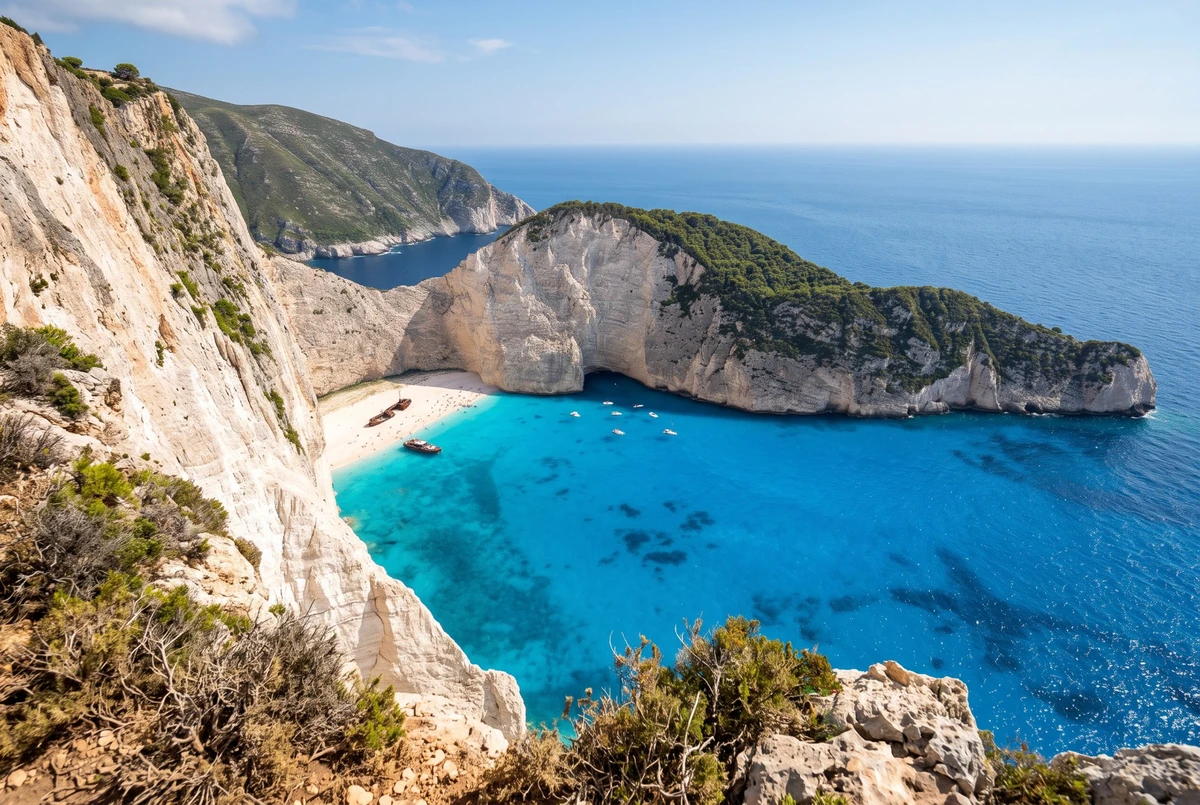
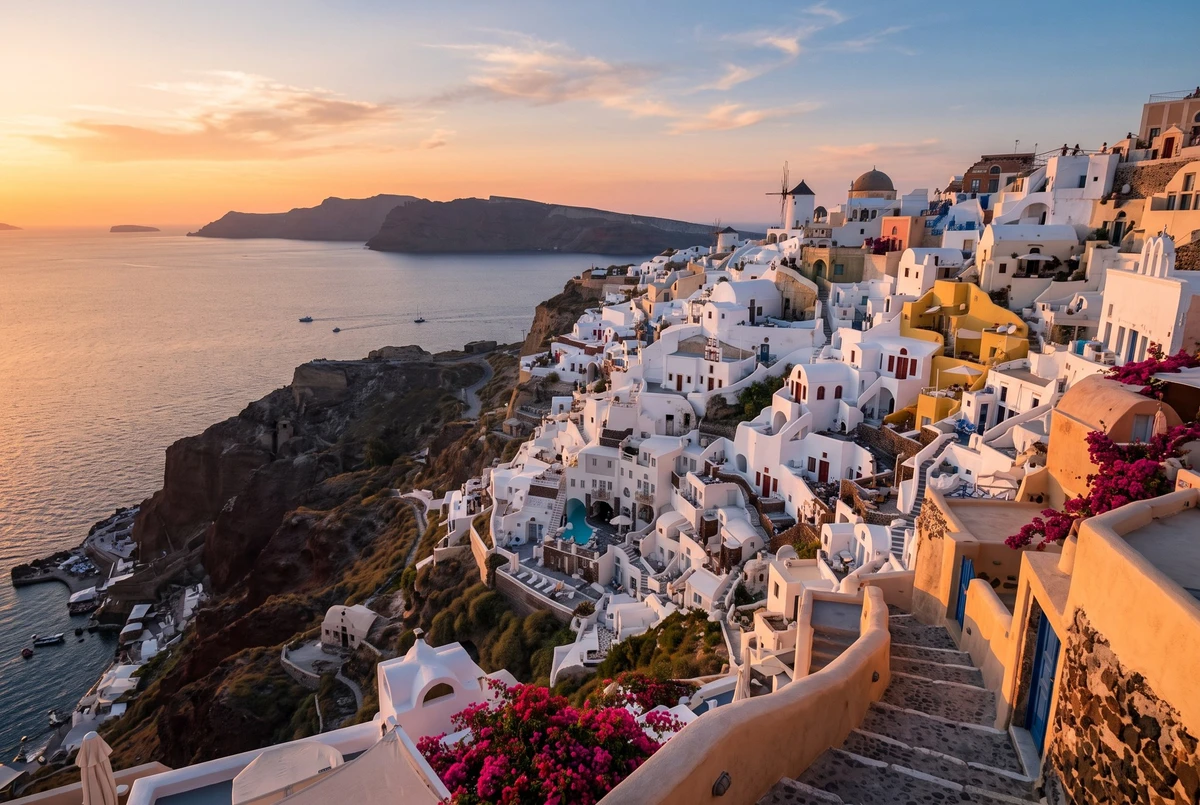
Greece is a country of mountains tumbling into the sea. The mainland is ribbed by the Pindus range and the deep gorges of Epirus, while the Aegean and Ionian seas scatter thousands of islands, from the volcanic caldera of Santorini to the limestone cliffs and turquoise coves of Zakynthos. Crete alone holds snow-capped peaks, the Samaria Gorge and pink-sand beaches, and silver olive groves cover every hillside in between.
The Table, the Feast Day and the Kafeneio
Greek life gathers around food and long conversation. Expect grilled octopus and fava purée on the islands, slow-cooked lamb kleftiko, Cretan dakos rusks piled with tomato and mizithra cheese, and honey-soaked loukoumades still warm from the pan. Village panigyria feast days fill church squares with lyra music and circle dances, Orthodox Easter lights every town with candles at midnight, and the kafeneio remains the place to linger over thick Greek coffee.
Moments Only Greece Can Give
Watching the sun sink into the Santorini caldera from the clifftop lanes of Oia. Standing in the ancient stadium at Olympia where the first athletes raced. Reaching Navagio, the Shipwreck Beach of Zakynthos, by boat beneath towering white cliffs. Walking the Samaria Gorge down to the Libyan Sea. Island-hopping by ferry with nothing planned but lunch on the harbour. Our guided day tours and the ferry tickets we issue make each one easy.
Who is Greece for?
Ideal for
- History lovers and students of the ancient world
- Couples seeking romantic island sunsets
- Families wanting safe beaches and easy ferries
- Food travellers drawn to Mediterranean cooking
- Hikers chasing gorges and coastal trails
- Luxury travellers wanting private villas and drivers
Pace & travel style
- Relaxed island-hopping with long seaside lunches
- Culture-rich city days in Athens and Heraklion
- Active hiking in Crete's gorges and mountains
- Private, chauffeured touring at your own speed
When to visit Greece
Peak season · June–August
Long cloudless days, warm seas and a festive energy fill the islands, with the meltemi wind cooling the Aegean in July and August. Santorini and Mykonos are at their liveliest, ferries run their fullest schedules and seaside restaurants stay open late. It is also the busiest and most expensive period, so book ferries, hotels and private transfers early, and plan Acropolis visits for the first opening hour.
Shoulder season · April–May and September–October
Many seasoned travellers consider these the finest months in Greece. The sea is swimmable from late May through October, wildflowers carpet Crete and the Peloponnese in spring, and autumn brings the olive harvest and golden light. Archaeological sites are calmer, temperatures suit long walks, hotels are easier to secure and island ferries still run frequently, making these weeks ideal for combining Athens with two or three islands.
Low season · November–March
Winter Greece is quiet, green and authentic. Many small Cycladic hotels close and ferry schedules thin out, but Athens, Heraklion, Chania and Rhodes stay fully alive, with uncrowded museums and locals reclaiming their cafés. Expect mild days, occasional rain and snow on the high mountains. It suits culture lovers, city-breakers and travellers who prefer gentler rates and genuine everyday life over beach days.
The regions of Greece and how to combine its cities
Mainland Greece runs from Attica, the busy capital region, to the stone villages of Epirus and the northern port city of Thessaloniki, while the Peloponnese peninsula to the south holds Olympia, Mycenae and elegant Nafplio. This is the classical heartland, best explored by road with a private driver.
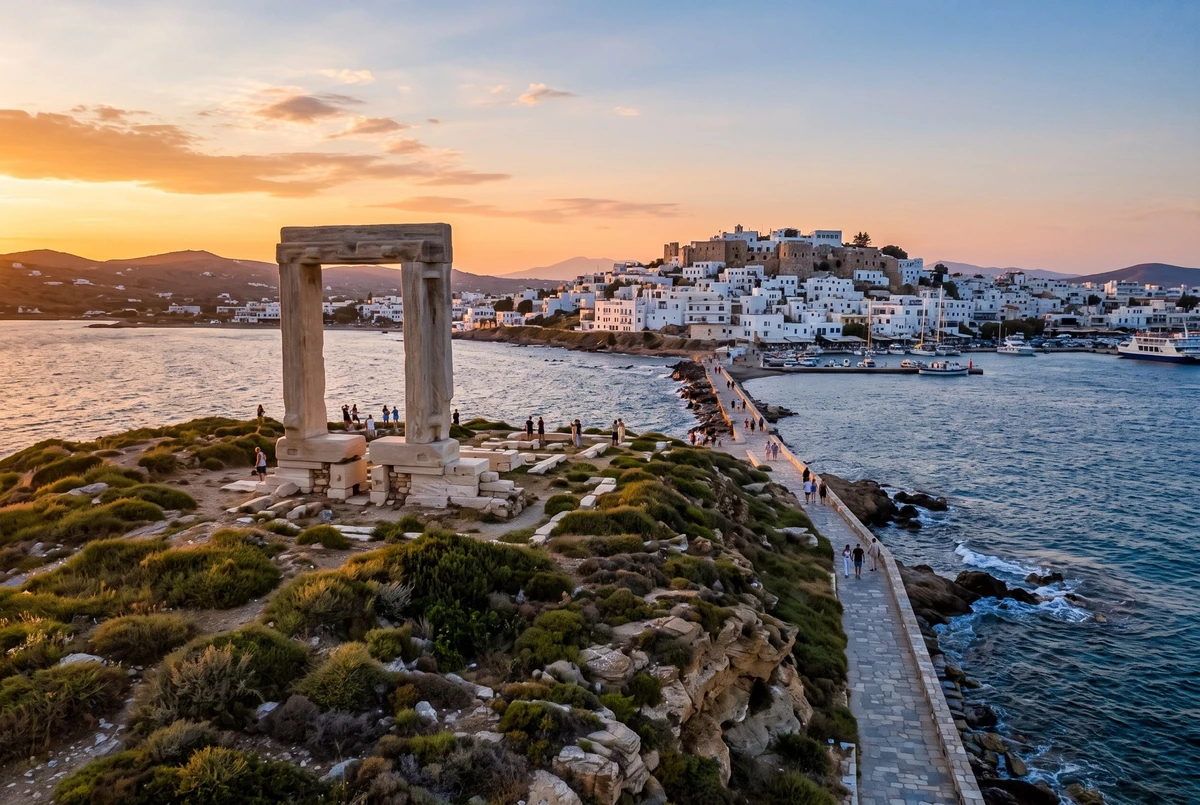
Offshore, the islands fall into distinct families. The Cyclades, including Santorini and Mykonos, are the postcard of white cubes and blue domes, dry and windswept. The Dodecanese, led by Rhodes, sit close to the coast of Anatolia and carry layers of medieval knightly history. The green Ionian islands such as Zakynthos face Italy and feel softer, with Venetian accents. Crete, the largest island, is almost a country of its own, with its own dialect, cuisine and Minoan past.
Our city directory below follows this geography. Begin in Athens for the Acropolis and our guided day tours to Cape Sounion or Delphi, then sail or fly to Santorini and Mykonos for the Cyclades. Add Heraklion and Chania for Crete's palaces, gorges and harbours, Rhodes for its knightly walls, and Zakynthos for Ionian blue water. Pairing Athens with two islands creates a classic week; adding Crete stretches it into a rich fortnight, with the flight, ferry and transfer bookings we arrange linking every leg.
Before you go: practical tips for Greece
Entry & visas
Greece is part of the Schengen area, so a single Schengen visa covers it along with most other European countries, and many nationalities can enter visa-free for short stays. Requirements depend entirely on your passport, so check the official Greek government portal or the nearest Greek embassy or consulate before booking. Our team can provide the hotel and transfer confirmations you may need for your application.
Money, cards & tipping
Greece uses the euro. Cards are widely accepted in cities and larger island businesses, but carry some cash for small family tavernas, kiosks, village bakeries and remote beaches. Tipping is appreciated rather than expected: rounding up or leaving around five to ten percent for good restaurant service is common. Bargaining is not usual in shops, though gentle negotiation can work at open-air markets.
Etiquette & dress code
Monasteries and Orthodox churches expect covered shoulders and knees, and some provide wraps at the door. Speak quietly inside and avoid photographing services or icons without permission. Swimwear belongs on the beach, not in town streets. Greeks are warm and hospitable, so accept an offered coffee or sweet graciously, and avoid the open-palm “moutza” gesture pushed towards someone's face, which is deeply insulting.
Getting around
Domestic flights link Athens with Crete, Rhodes, Santorini, Mykonos and Zakynthos in about an hour, while conventional and high-speed ferries connect the islands from Piraeus, Rafina and Heraklion. Mainland rail is limited, with the Athens–Thessaloniki line the main route. Our team issues flight, ferry and train tickets, and our private chauffeured transfers meet you at airports and ports so every connection runs smoothly.
Must-do things in Greece
- Climb the Acropolis at opening time and see the Parthenon in soft morning light.
- Watch the sunset over the Santorini caldera from the clifftop village of Oia.
- Walk the corridors of Knossos Palace near Heraklion with an expert archaeology guide.
- Wander the Venetian harbour and lighthouse of Chania as the evening lamps come on.
- Stroll the medieval Street of the Knights inside the walls of Rhodes Old Town.
- Take a boat to Navagio Shipwreck Beach and the Blue Caves of Zakynthos.
- Get lost among the whitewashed lanes and windmills of Mykonos Town at dusk.
- Join a day trip from Athens to the Temple of Poseidon at Cape Sounion.
- Taste dakos, fresh mizithra cheese and mountain thyme honey in a Cretan village.
- Island-hop by ferry across the Aegean with a deck seat and an open horizon.
Do’s and don’ts in Greece
Do
- Start sightseeing early to beat the heat and the crowds at major sites.
- Book ferries and island transfers well ahead for July and August.
- Carry a light scarf for visiting monasteries and Orthodox churches.
- Learn a few words like kalimera (good morning) and efharisto (thank you).
- Drink plenty of water and use strong sun protection all summer.
Don’t
- Don't touch or climb on ancient ruins and marble surfaces.
- Don't flush paper in older plumbing systems; use the bin provided.
- Don't wear swimwear away from the beach in towns and villages.
- Don't underestimate the midday sun on exposed archaeological sites.
- Don't squeeze too many islands into one trip; ferry time adds up.
Greece at a glance
Plan Greece with Haqqi Tours
Every option is confirmed by our team on WhatsApp before you pay, and delivered by our own people or by trusted local partners we work with in every city. Because we send travellers from all over the world, our partners give us special rates and priority, so you always receive the best. Prices are per person unless marked per vehicle.
About Haqqi Tours: About us Contact us Legal NoticePrivacy PolicyCookies & Marketing PreferencesTerms & ConditionsBooking, Payment & Refunds
Good to know
Frequently Asked Questions
Straight answers to what travellers ask most about Greece.
Is it safe to visit Greece?
Yes. Greece is generally regarded as one of Europe's safer and most welcoming destinations, with low violent crime and a deep-rooted tourism culture. As in any busy city, watch for pickpockets on the Athens metro and around crowded sites. Check your own government's official travel advice before departure, and keep our WhatsApp line handy throughout your trip.
How many days do I need for a first trip to Greece?
For a first trip, allow seven to ten days: two or three nights in Athens, then two islands such as Santorini and Mykonos, or Crete via Heraklion and Chania. With fourteen days you can add Rhodes or Zakynthos at a relaxed pace. Our team balances ferry and flight connections so no day is wasted.
What is the best way to travel between Greece's major cities?
Domestic flights are the fastest way to reach distant islands such as Crete and Rhodes, while ferries suit the Cyclades and give you a classic Aegean experience. On the mainland, travel by road or rail. We issue flight, ferry and train tickets, and our private drivers handle each airport and port connection door to door.
Can a trip to Greece be tailored for luxury or private travel?
Absolutely. We can tailor a private Greece itinerary with chauffeured transfers in premium vehicles, private guides at the Acropolis and Knossos, fast ferries or flights between islands, and handpicked boutique and caldera-view hotels. Tell our team your pace, interests and dates, and we will confirm every detail with you on WhatsApp before anything is paid.
Is Greece tourist friendly?
Very. Tourism is central to Greek life, English is widely spoken in hotels, restaurants and transport hubs, and signage at major sites is bilingual. Greeks take pride in philoxenia, the tradition of welcoming strangers. Families, couples, solo travellers and older visitors all find Greece easy to navigate, especially with our private transfers smoothing every arrival.
Is it safe to travel to Greece now?
Greece is a well-established, stable destination that welcomes millions of visitors every year. Conditions anywhere can change, so check your own government's official travel advice before departure and follow local guidance on summer heat or wildfire-risk days. Our team stays reachable on WhatsApp throughout your journey, ready to adjust transfers or plans if needed.
What is the best time to visit Greece?
Late April to June and September to October are ideal: a warm sea, comfortable sightseeing temperatures and calmer archaeological sites. July and August bring peak heat, lively islands and the fullest ferry schedules, but also the most visitors. Winter suits Athens and Crete for culture and authentic local life, though many small island hotels close.
What is Greece famous for?
Greece is famous as the birthplace of democracy, philosophy and the Olympic Games, for monuments like the Parthenon and Knossos, and for whitewashed islands crowned with blue-domed churches. It is equally loved for its olive oil, feta and Mediterranean cuisine, its crystal-clear seas and the warm hospitality Greeks call philoxenia.
How do families usually travel between Athens and the Greek islands
Travel between Athens, Santorini and Mykonos runs by ferry across the Aegean rather than a long road trip, with sailing times confirmed once the mainland part of the visit is set.
Which ferry routes does Haqqi Tours arrange in Greece
The page covers ferries connecting Athens to Mykonos, Athens to Santorini, and Santorini to Mykonos, letting a family island hop without arranging tickets separately at each port along the way.
Can a Santorini visit be added onto a stay in Athens
Yes, a family can settle the Athens portion of the trip first and then add a ferry onward to Santorini, with the sailing and the fixed price confirmed in writing beforehand.
Which cities in Greece does Haqqi Tours cover?
Athens, Heraklion, Rhodes, Chania, Mykonos, Corfu, Thessaloniki, Zakynthos, Santorini, Naxos, Kos, Paros, Kefalonia, Meteora, Milos, Rethymno, Skiathos and Katakolo. Each city has its own page with everything available there, and a trip across several cities is planned in one WhatsApp conversation.
What can I book in Greece?
Day tours, attraction tickets, private airport transfers, flight tickets, train tickets and ferry tickets - all run or confirmed by Haqqi Tours, each with a fixed price agreed on WhatsApp before you pay.
How do I book a tour or transfer in Greece?
Fill in the form on the page you are interested in, or message us on WhatsApp with the date, the number of travellers and your hotel. A member of our team confirms the price and the details in writing within minutes.
Are the prices fixed?
Yes. Every price is agreed in writing on WhatsApp before you travel and does not change on the day - not for traffic, not for a late flight, not for the hour.
Do you arrange transfers between cities in Greece?
Yes. Intercity transfers by private car or van are booked the same way as airport transfers; tell the desk the two hotels and the date and it quotes a fixed price for the whole vehicle.