
China
Haqqi Tours arranges day tours, private airport transfers, attraction tickets and multi-day packages across China, confirmed on WhatsApp before you pay.
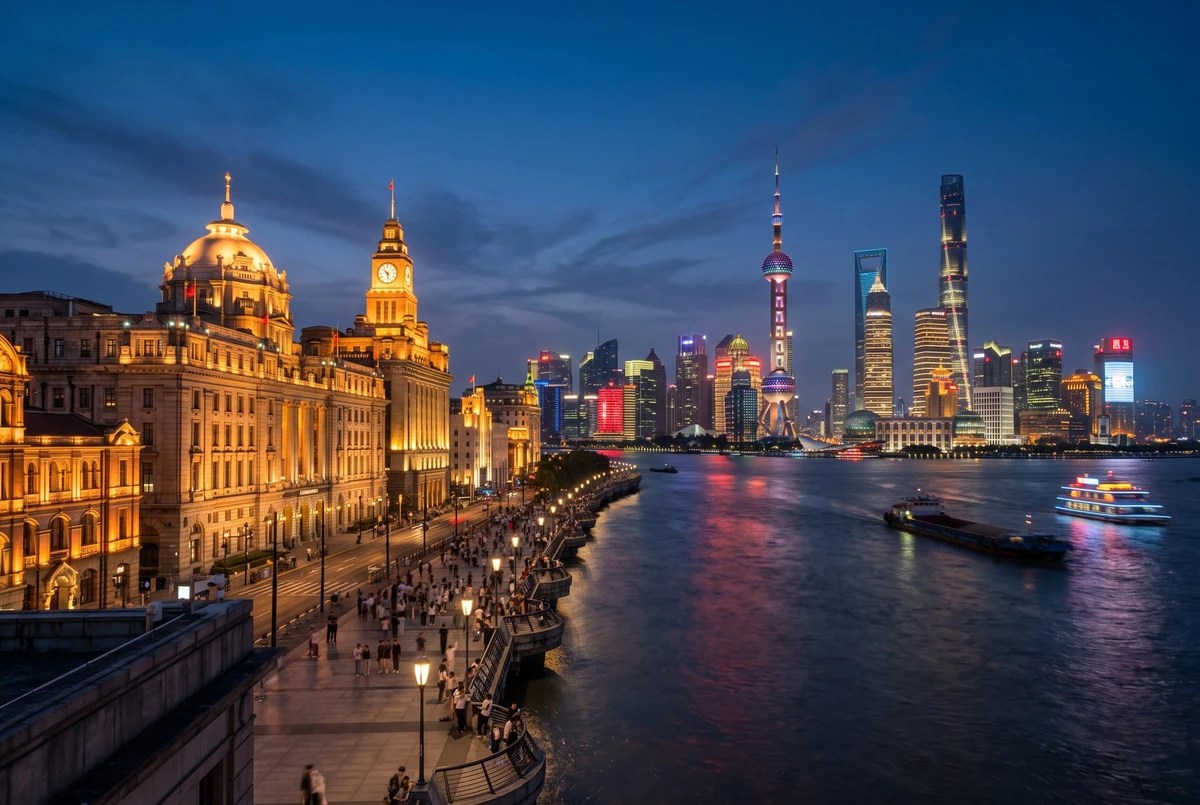
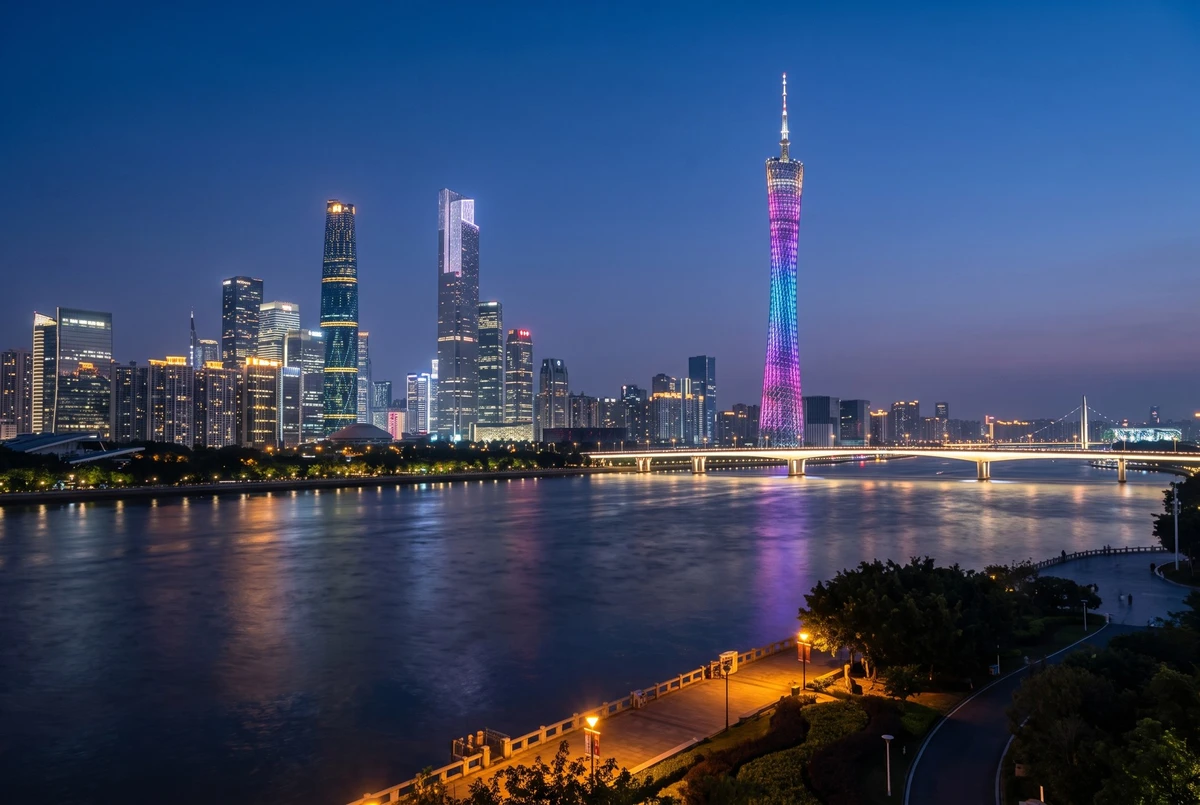
Early morning in China belongs to the parks. Under the cypress trees of Beijing’s Temple of Heaven, retirees move through tai chi in perfect silence, a calligrapher writes poems on the paving stones with a water brush, and the scent of steamed buns and jasmine tea drifts from a hutong doorway. A few hours south by bullet train, Shanghai’s Bund glows gold against a skyline that seems to have arrived from the next century. In Guangzhou, dim sum carts rattle through vast teahouses while the Pearl River slides past toward the sea.
Destinations
Choose a city to see everything we arrange there.




Services by city in China
Airport Transfers
The essence of China
China is irreplaceable because nowhere else does a living civilisation of five thousand years sit so close to the future. You can walk the Great Wall at dawn and be gliding through a glass tower by evening; you can pray in a Tang-dynasty mosque, then dine on hand-pulled halal noodles beside it. The scale is breathtaking, the hospitality sincere, and the logistics far smoother than many expect. Our team arranges the tickets, trains, transfers and guided days that turn China’s vastness into an elegant, unhurried journey.
Why visit China?
Dynasties Written in Stone and Silk
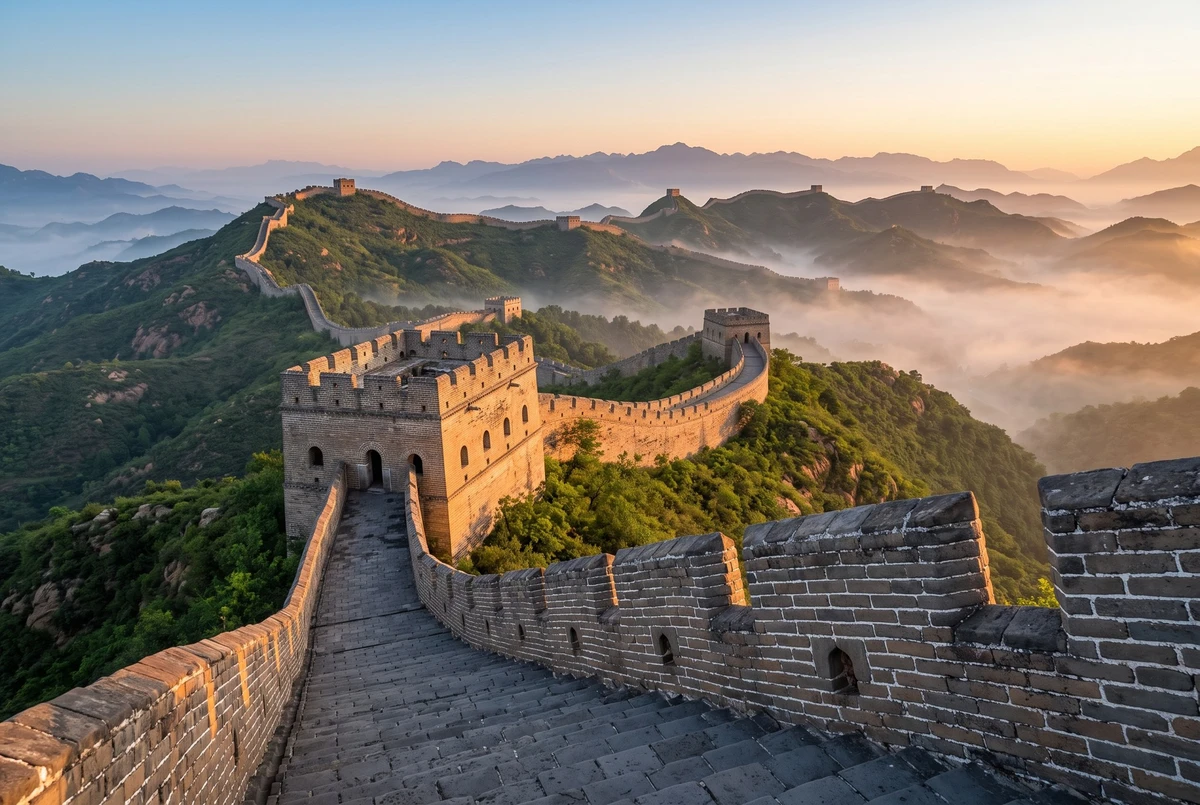
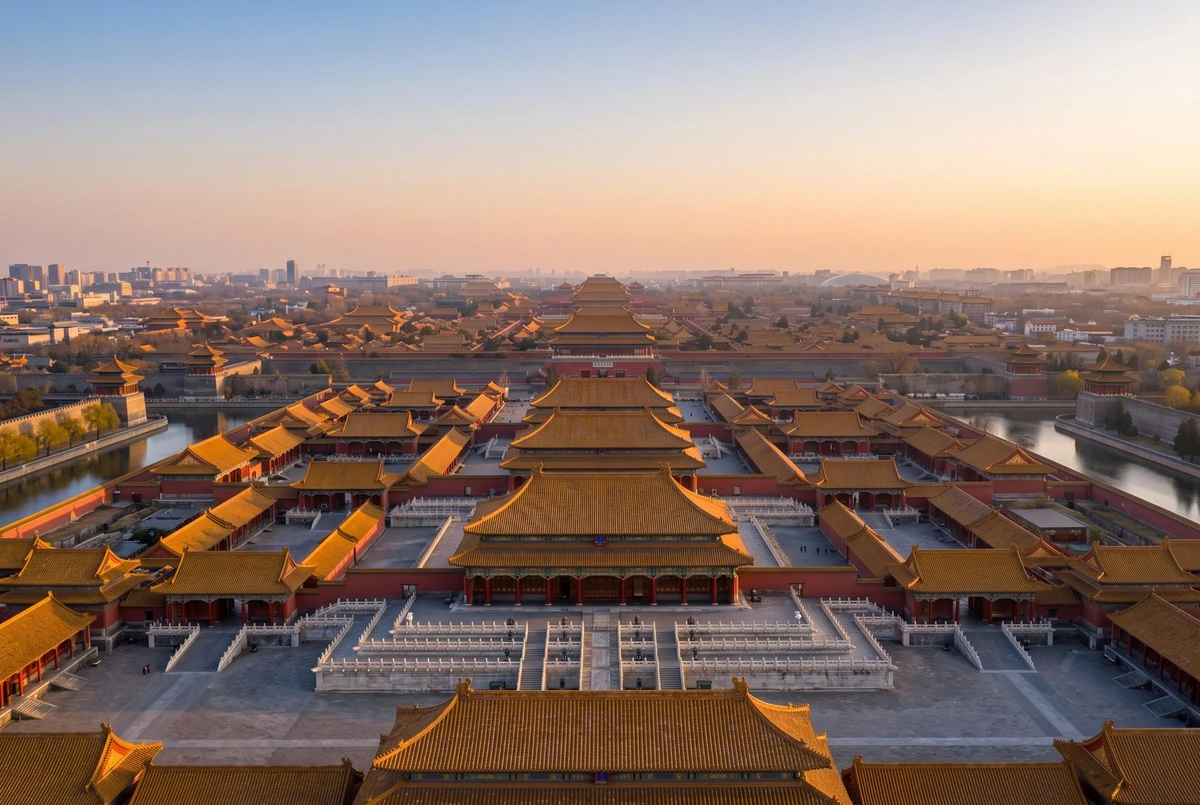
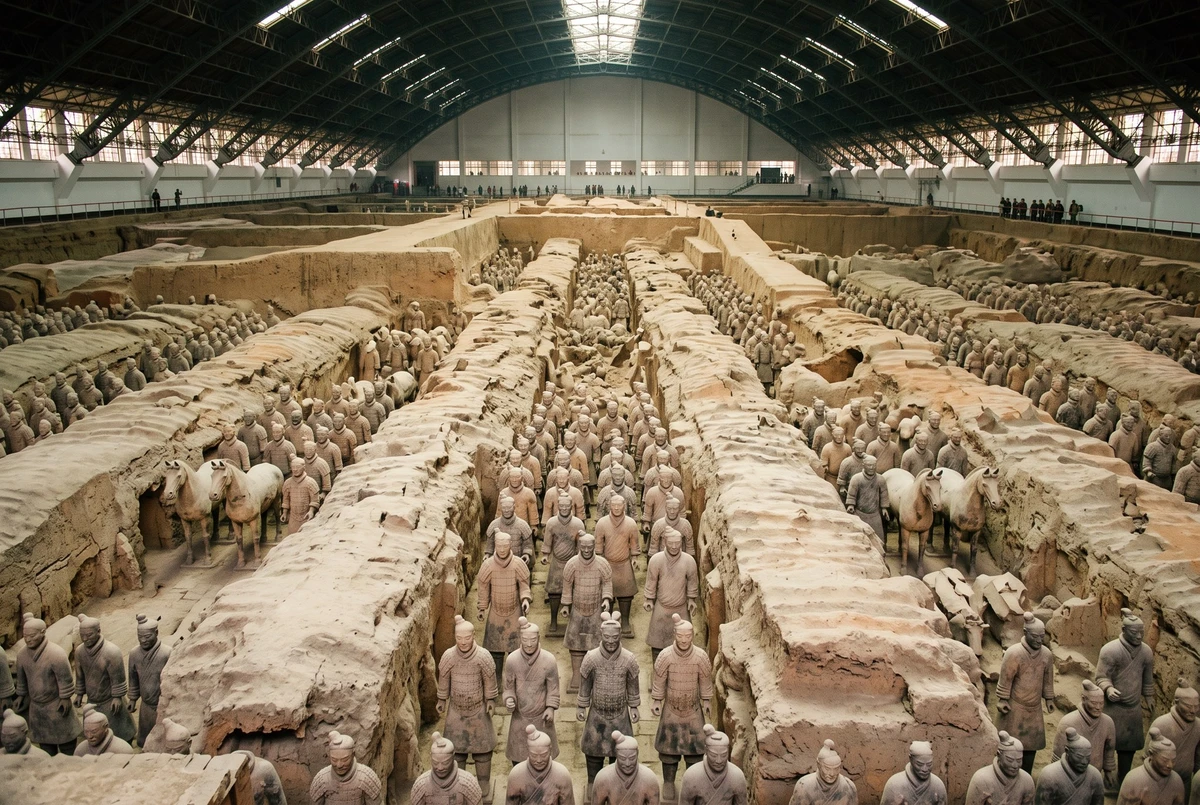
China’s history unfolds across empires that shaped half the world. The Great Wall snakes over mountain ridges for thousands of kilometres, the Forbidden City preserves the vermilion halls of Ming and Qing emperors, and the Terracotta Army of Xi’an still stands guard over China’s first emperor. Along the Silk Road, Arab and Persian merchants brought Islam to Chinese ports, leaving mosques such as Guangzhou’s Huaisheng among the oldest on earth.
Karst Peaks, Great Rivers and Sacred Mountains
China’s geography runs from subtropical coast to the roof of the world. In Guilin, limestone karst towers rise from the mirror-still Li River; in Zhangjiajie, sandstone pillars disappear into cloud. The Yangtze carves deep gorges through the interior, the Yellow Mountains wear pine-crowned granite peaks, and the far west opens onto deserts, grasslands and snow summits. Few countries hold such a range of landscapes within a single journey.
Tea Rituals, Calligraphy and Eight Great Cuisines
Daily life in China is rich with ritual: the patient pour of oolong in a Cantonese teahouse, the brushstroke discipline of calligraphy, the swirling silk of Peking opera. Food is a national passion, from crisp Peking duck and Shanghai’s soup dumplings to Sichuan’s numbing peppercorns and delicate Cantonese steamed fish. Muslim travellers will love the Hui tradition of halal cooking, with hand-pulled beef noodles and lamb skewers found in every major city.
Experiences Only China Can Offer
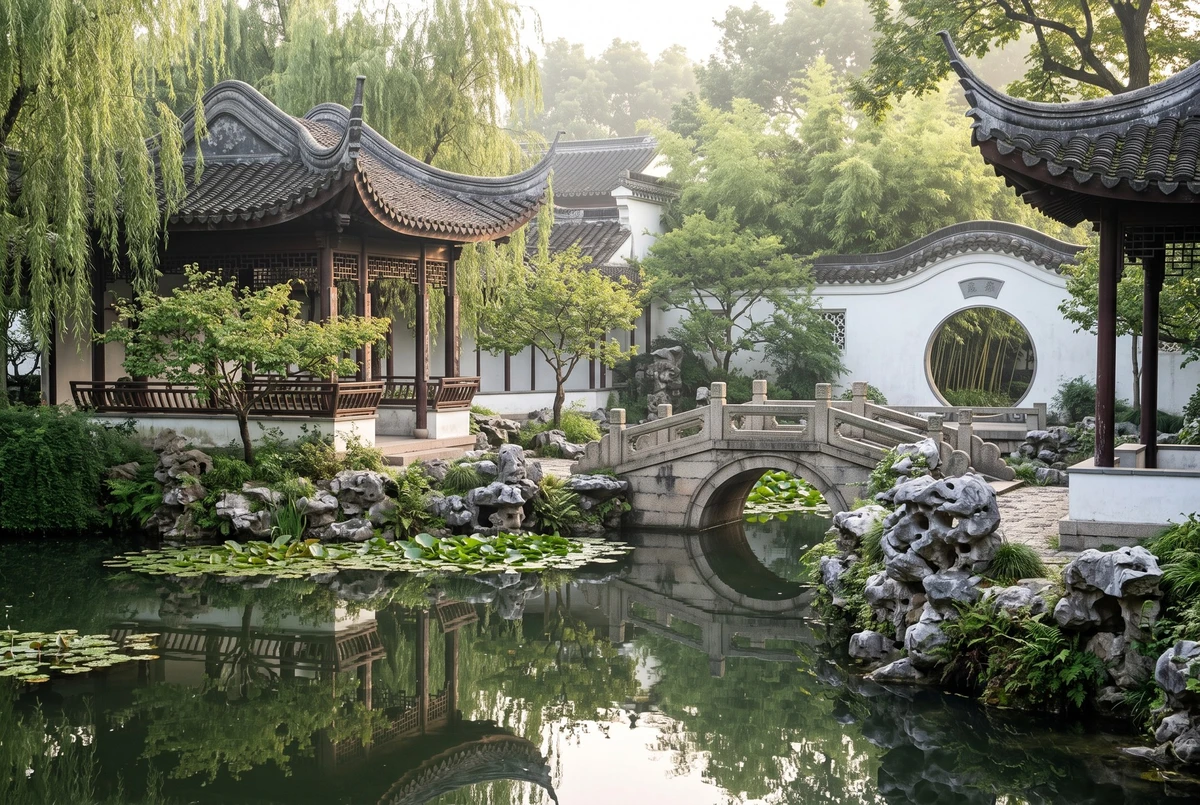
Some memories exist only here. Hike a quiet, restored stretch of the Great Wall at Mutianyu as mist burns off the watchtowers. Ride a bullet train at full speed past terraced fields and riverside towns. Watch the Bund’s historic facades and Pudong’s towers light up together across the Huangpu River. Join locals for morning tai chi, see a Chinese acrobatics performance, and drift through Suzhou’s classical gardens.
Who is China for?
Ideal for
- First-time visitors to Asia seeking iconic landmarks
- History lovers and students of world civilisations
- Families wanting safe, well-organised city breaks
- Food lovers, including halal-conscious travellers
- Business travellers extending a trade-fair trip
- Photographers drawn to skylines and karst landscapes
Pace & travel style
- Big-city stays linked by high-speed rail
- Early starts for landmarks, evenings for skylines
- Guided days at major sites, free time in old quarters
- Private transfers to save energy in huge cities
When to visit China
Peak season · July–August
Summer holidays bring warm to hot, often humid weather to Beijing, Shanghai and Guangzhou, with occasional heavy rain in the south. Domestic family travel peaks, so the Great Wall, Forbidden City and Bund promenades are busy, and trains and hotels fill early. Long daylight hours suit evening skylines and river cruises. Book key tickets and rail seats well ahead, and plan landmarks for early morning.
Shoulder season · April–May, September–October
Spring and autumn are China’s golden seasons for travel: clear skies, comfortable temperatures and blossoming or golden gardens. Beijing’s autumn is especially crisp and photogenic, and Shanghai’s plane trees glow green in spring. Avoid the national holiday weeks in early May and early October, when domestic crowds surge, and you will find these months ideal for walking the Great Wall and exploring old quarters.
Low season · November–March
Northern winters are cold and dry, sometimes with snow dusting the Forbidden City’s golden roofs, while Shanghai is chilly and Guangzhou stays mild. Crowds at major landmarks thin out and hotels offer good value. The Spring Festival period brings lanterns and festive markets but also enormous domestic travel, so plan around it. This season suits culture-focused city trips and travellers who prefer quieter sightseeing.
The regions of China and how to combine its cities
China is best understood as a set of great regions, each with its own climate, cuisine and character. The north, anchored by Beijing, is imperial China: palaces, the Great Wall, wheat-based food and dry, clear winters, with ancient Xi’an and its Terracotta Army a short train ride away. The east, around Shanghai and the Yangtze delta, is China’s most cosmopolitan face, rich in canal towns, silk heritage and the classical gardens of Suzhou and the lake views of Hangzhou.
The south, centred on Guangzhou and the Pearl River Delta, is subtropical and commercial, home to Cantonese cuisine and teahouse culture, with Guilin’s karst scenery inland. The vast west holds Sichuan’s pandas and mountains, Yunnan’s ethnic diversity, the high plateaus and the Silk Road oasis towns of the far northwest.
Our city guides below focus on Beijing, Shanghai and Guangzhou, the three great gateways that together tell China’s story. Begin in Beijing with our guided day tours to the Great Wall and Forbidden City, then ride the high-speed train to Shanghai for the Bund, the old town and canal-town excursions. Finish in Guangzhou, the southern trading capital, where we arrange private airport transfers and train tickets onward. Our team links every leg with flight and rail tickets and private transfers.
Before you go: practical tips for China
Entry & visas
China has expanded visa-free entry for a growing list of nationalities for short stays, and transit visa-free policies allow some travellers brief visits when connecting to a third country. Many passports still require a visa arranged in advance through a Chinese embassy or visa centre. Rules depend on your passport and change frequently, so check the official Chinese embassy website before booking, and ensure your passport has ample validity.
Money, cards & tipping
The local currency is the yuan, and China is largely cashless: locals pay by phone through mobile payment apps, many of which now accept foreign cards. Carry some cash as a backup for small shops and markets, and inform your bank before travel. International cards work in major hotels and malls. Tipping is not customary, though guides and drivers appreciate a gesture. Bargaining is normal in markets, never in department stores.
Etiquette & dress code
Courtesy and face matter in China. Dress modestly in mosques and Buddhist temples, removing shoes where asked, and speak softly in sacred halls. Photography is often restricted inside museums and palace halls, so watch for signs. Accept business cards and gifts with both hands, avoid sticking chopsticks upright in rice, and keep disagreements calm. Queues can be energetic, so patience and a smile go a long way.
Getting around
China’s high-speed rail network is the largest in the world, linking Beijing, Shanghai and Guangzhou with fast, smooth trains and modern stations. Domestic flights cover longer distances, such as Beijing to Guangzhou or trips west. Within cities, metros are excellent but stations are vast. Our private chauffeured transfers save time and energy between airports, stations and hotels, and our team handles flight and train tickets for you.
Must-do things in China
- Walk the restored Great Wall at Mutianyu as morning mist lifts from the watchtowers
- Explore the vermilion courtyards of the Forbidden City with an expert guide
- Join locals at dawn for tai chi in Beijing’s Temple of Heaven park
- Wander Beijing’s hutong lanes and visit the historic Niujie Mosque
- Stroll the Bund at night as Pudong’s skyline lights the Huangpu River
- Taste Shanghai soup dumplings in the lanes around Yu Garden
- Ride a high-speed train between Beijing and Shanghai through the Chinese countryside
- Share Cantonese morning tea in a grand Guangzhou teahouse
- Visit Guangzhou’s Huaisheng Mosque, among the oldest mosques in the world
- Cruise the Li River through Guilin’s karst peaks on a southern extension
Do’s and don’ts in China
Do
- Set up a mobile payment app and roaming data before you fly
- Carry your passport for train stations, hotels and major sights
- Book Great Wall and Forbidden City tickets well in advance
- Learn a few words of Mandarin, starting with nǐ hǎo and xièxie
- Ask for halal restaurants: Hui Muslim kitchens are easy to find
Don’t
- Don’t plan major travel during national holiday weeks if you can avoid them
- Don’t stick chopsticks upright in a bowl of rice
- Don’t photograph inside temples or museums where signs forbid it
- Don’t rely only on international cards for small purchases
- Don’t underestimate distances: China’s cities are vast
China at a glance
Plan China with Haqqi Tours
Every option is confirmed by our team on WhatsApp before you pay, and delivered by our own people or by trusted local partners we work with in every city. Because we send travellers from all over the world, our partners give us special rates and priority, so you always receive the best. Prices are per person unless marked per vehicle.
About Haqqi Tours: About us Contact us Legal NoticePrivacy PolicyCookies & Marketing PreferencesTerms & ConditionsBooking, Payment & Refunds
Good to know
Frequently Asked Questions
Straight answers to what travellers ask most about China.
Is it safe to visit China?
China is generally considered very safe for visitors, with low street crime, heavy security at transport hubs and well-organised tourist sites. Stay alert to minor scams near famous landmarks and use licensed taxis or our private transfers. Check your own government’s official travel advice before departure, and arrange international roaming so our WhatsApp line stays reachable throughout your trip.
How many days do I need for a first trip to China?
Ten to twelve days is ideal for a first trip to China: four days in Beijing for the Great Wall, Forbidden City and hutongs, three or four in Shanghai, and two or three in Guangzhou or Xi’an. With only a week, focus on Beijing and Shanghai, linked by a comfortable high-speed train.
What is the best way to travel between China’s major cities?
High-speed rail is usually the best choice, linking Beijing, Shanghai and Guangzhou with fast, comfortable trains that run city centre to city centre. Domestic flights make sense for the longest distances. Our team books your train and flight tickets and arranges private transfers to and from stations and airports, so connections feel effortless.
Can a trip to China be tailored for luxury or private travel?
Yes. China’s major cities offer superb hotels, private dining rooms and premium rail classes. We can tailor a private itinerary with dedicated drivers, guided day tours at your pace, early entry to busy landmarks where possible and halal dining recommendations. Every detail is agreed with our team on WhatsApp before anything is paid.
Is China tourist friendly?
China has become increasingly tourist friendly, with bilingual signs in major cities, efficient transport and welcoming hosts. Language can still be a barrier outside hotels and big attractions, and digital payments take some preparation. With a private guide, our transfers and pre-booked tickets, visitors find Beijing, Shanghai and Guangzhou easy and rewarding to explore.
Is it safe to travel to China now?
Travel to China’s major cities generally continues normally, but entry rules and local conditions can change. Before departure, review your own government’s official travel advice and the latest entry requirements from the Chinese embassy. Keep roaming data active and our WhatsApp line handy, and our team will advise on any adjustments needed for your itinerary.
What is the best time to visit China?
Spring, from April to May, and autumn, from September to October, are the best times to visit China, with mild temperatures and clear skies in Beijing and Shanghai. Avoid the national holiday weeks in early May and early October. Summer is hot and busy, while winter is cold in the north but quieter and good value.
What is China famous for?
China is famous for the Great Wall, the Forbidden City, the Terracotta Army and dramatic landscapes such as Guilin’s karst peaks. It is celebrated for tea culture, silk, calligraphy, Peking duck, dim sum and pandas, and for futuristic skylines like Shanghai’s Pudong alongside one of the world’s oldest continuous civilisations.
Which cities in China does Haqqi Tours cover?
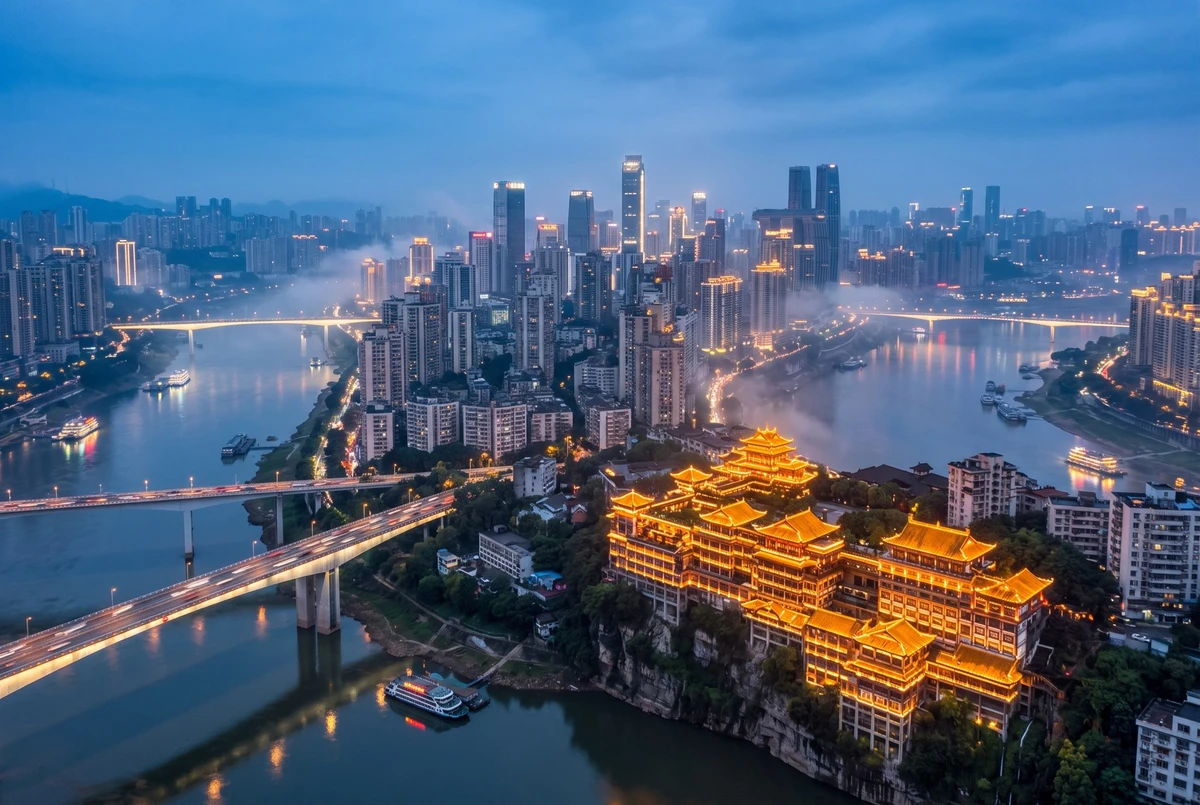
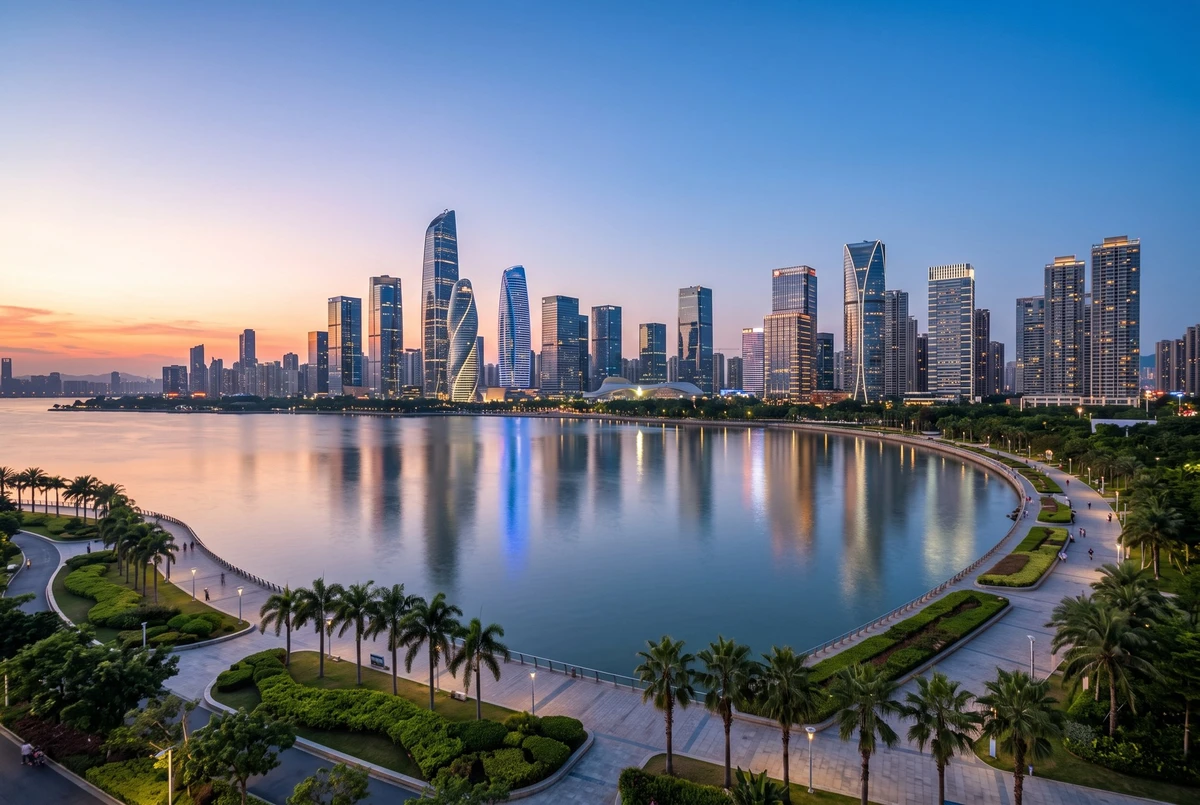
Shanghai, Beijing, Guangzhou, Xi'an, Chengdu, Guilin, Chongqing, Zhangjiajie, Shenzhen, Suzhou and Hangzhou. Each city has its own page with everything available there, and a trip across several cities is planned in one WhatsApp conversation.
What can I book in China?
Day tours, attraction tickets, private airport transfers, flight tickets and train tickets - all run or confirmed by Haqqi Tours, each with a fixed price agreed on WhatsApp before you pay.
How do I book a tour or transfer in China?
Fill in the form on the page you are interested in, or message us on WhatsApp with the date, the number of travellers and your hotel. A member of our team confirms the price and the details in writing within minutes.
Are the prices fixed?
Yes. Every price is agreed in writing on WhatsApp before you travel and does not change on the day - not for traffic, not for a late flight, not for the hour.
Do you arrange transfers between cities in China?
Yes. Intercity transfers by private car or van are booked the same way as airport transfers; tell the desk the two hotels and the date and it quotes a fixed price for the whole vehicle.
Can you plan a full itinerary across China?
Yes - tell the desk your dates, the cities you want and who is travelling, and it proposes a day-by-day plan with the tours, transfers and tickets priced in writing. You adjust it in the same chat before confirming.
Are your tours private or in a group?
Both exist, and the page of each tour says which. Private tours have a car and guide for your party alone; small-group tours share a guide with a few other travellers. The desk can convert most group tours into a private day on request.
Do the drivers and guides speak Arabic?
It depends on the country, the city and the day, so we do not promise a particular language for the driver or guide. Tell us your preference and we do our best; the WhatsApp desk itself always works in Arabic and English.