
Croatia
Haqqi Tours arranges day tours, private airport transfers, attraction tickets and multi-day packages across Croatia, confirmed on WhatsApp before you pay.
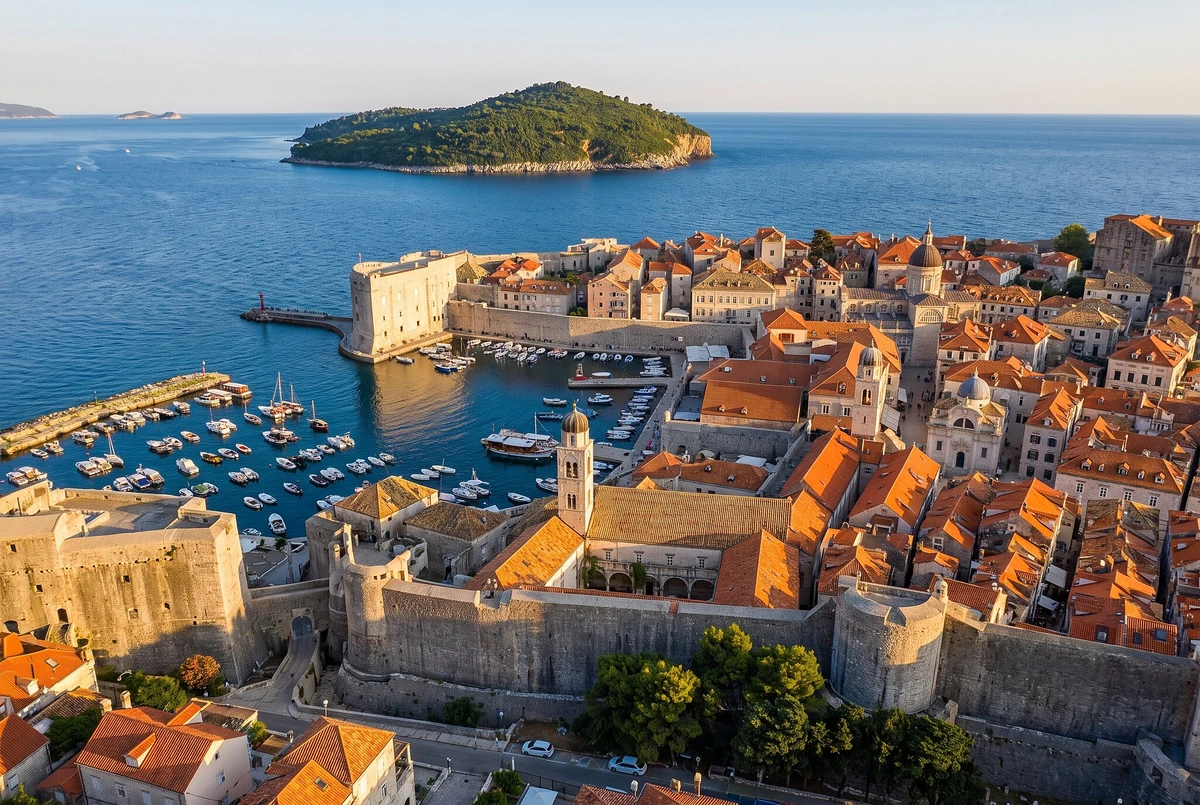
Early morning on the Stradun in Dubrovnik: the limestone paving is polished to a soft shine, swifts wheel around the bell tower, and the scent of fresh bread and strong coffee spills from a side lane as wooden shutters open one by one. Up on the city walls, the Adriatic stretches away in shades of sapphire, scattered with islands where lavender fields, olive groves and stone villages run down to water so clear you can count the pebbles below.
Destinations
Choose a city to see everything we arrange there.


Services by city in Croatia
Attraction Tickets
The essence of Croatia
Croatia is irreplaceable because its coast is a living museum. A Roman emperor's palace still forms the beating heart of Split, Venetian bell towers rise over island harbours, and Habsburg-era cafés line the squares of Zagreb. Inland, the terraced lakes of Plitvice spill over waterfalls in impossible shades of green. Our team arranges day tours, ferry and train tickets, flights and private transfers, so moving between walled towns, islands and national parks becomes part of the pleasure.
Why visit Croatia?
Emperors, Republics and Walled Cities
Croatia's history is written in stone. In Split, Diocletian's Palace, built for a Roman emperor around the year three hundred, still shelters homes, shops and cafés within its walls. Pula keeps one of the best-preserved Roman amphitheatres anywhere, Poreč treasures Byzantine mosaics in the Euphrasian Basilica, and Dubrovnik's walls recall the proud Republic of Ragusa, a maritime power that traded across the Mediterranean for centuries.
Islands, Lakes and Limestone Mountains
More than a thousand islands scatter along the Croatian Adriatic, from lavender-scented Hvar to green Mljet and the long ridge of Brač with its famous Zlatni Rat beach. Inland, the Dinaric Alps run parallel to the coast, and limestone gives birth to wonders such as the Plitvice Lakes, where sixteen terraced lakes tumble through beech forest, and Krka, whose waterfalls cascade toward the sea.
Olive Oil, Truffles and Klapa Song
Croatian cooking follows the landscape. On the coast, grilled fish, black squid-ink risotto and Ston oysters meet golden olive oil; inland, peka, lamb or octopus slow-cooked under an iron bell in embers, is a ritual of patience. Istria is famous for truffles, Zagreb for štrukli baked with fresh cheese. In Dalmatia, klapa singing, unaccompanied harmonies listed by UNESCO, still echoes through old town squares on summer evenings.
Experiences Unique to Croatia
Walk the full circuit of Dubrovnik's medieval walls above terracotta rooftops, then listen to the Sea Organ in Zadar, where Adriatic waves play music through marble steps. Follow wooden boardwalks over the waterfalls of Plitvice, swim in the clear coves of the Elaphiti Islands and watch the sun set behind the islands from Marjan Hill in Split. In December, Zagreb's Advent market turns the capital into a glowing festival.
Who is Croatia for?
Ideal for
- Couples and honeymooners
- History and architecture lovers
- Families seeking safe beaches and easy travel
- Island-hoppers and sailors
- Nature lovers and photographers
- Travellers combining several Balkan countries
Pace & travel style
- Coastal road trip with island ferries
- Two or three city bases linked by private transfers
- Relaxed island stay with day trips
- Active days of walking, swimming and kayaking
When to visit Croatia
Peak season · July–August
High summer brings hot sunshine, a warm sea and long evenings on the waterfront promenades. Dubrovnik, Split and Hvar are at their busiest, cruise ships call frequently and ferries fill quickly, so rates for hotels and transfers are at their highest. Book well ahead, visit the old towns early in the morning, and save the heat of the afternoon for swimming.
Shoulder season · May–June and September–October
This is the sweet spot for Croatia. The sea is warm enough for swimming from late May into October, the old towns are calmer, and walking Dubrovnik's walls or exploring Plitvice is far more pleasant without the peak crowds. Hotels offer better availability and value, ferry services still run frequently, and late-summer fruit fills the markets of Split and Zagreb.
Low season · November–April
The coast grows quiet in winter, with mild, sometimes wet weather, fewer ferry connections and many island hotels closed. Yet this suits travellers who want Dubrovnik and Split almost to themselves, and Plitvice can be magical under frost or snow. Zagreb shines in December with one of Europe's most celebrated Advent markets, while museums, cafés and theatres keep the capital lively.
The regions of Croatia and how to combine its cities
Croatia curves like a crescent around Bosnia and Herzegovina. Continental Croatia, centred on Zagreb, is a land of rolling hills, Baroque towns such as Varaždin and the green valleys of Zagorje, with a Central European rhythm of cafés, markets and museums. To the northwest, Istria brings hilltop villages, truffle forests and Venetian-style harbour towns such as Rovinj.
The long Dalmatian coast runs south from Zadar and Šibenik through Split to Dubrovnik, backed by the Dinaric Alps and fronted by islands such as Hvar, Brač, Korčula and Vis. The Lika region between the coast and the capital holds the Plitvice Lakes, while the Kvarner Gulf near Rijeka links the north to islands such as Krk.
Our city directory below follows the classic route. Zagreb is the cultural capital, with attraction tickets, day tours and train connections to the coast. Split is the Dalmatian hub, linked by ferries to the islands and by our day tours to Krka and Trogir. Dubrovnik is the walled finale, with ferry tickets to the Elaphiti Islands and day tours along the southern coast. Pairing all three with flights, trains and private transfers we arrange builds Croatia's ideal north-to-south itinerary.
Before you go: practical tips for Croatia
Entry & visas
Croatia is a member of the European Union and joined the Schengen area in 2023, so standard Schengen rules apply: a valid Schengen visa generally covers Croatia, and many nationalities can visit visa-free for short stays. Others must apply through a Croatian embassy or consulate. Requirements depend on your passport, so always check the official government portal or embassy before booking flights or hotels.
Money, cards & tipping
Croatia uses the euro. Cards are widely accepted in hotels, restaurants and shops in Dubrovnik, Split and Zagreb, though cash is useful for markets, small bakeries and island kiosks. Tipping is appreciated rather than obligatory; rounding up or leaving around ten percent for good restaurant service is common. Prices are fixed in shops, and bargaining is not customary, except perhaps for larger purchases at open-air craft stalls.
Etiquette & dress code
Croatians are courteous and somewhat formal at first; a handshake and “dobar dan” (good day) go a long way. Cover shoulders and knees in churches and cathedrals, and keep voices low during services. Several coastal towns, including Split and Dubrovnik, prohibit walking around the old town in swimwear or shirtless, and fines can apply. Ask before photographing people, and respect quiet hours in residential lanes.
Getting around
Domestic flights connect Zagreb with Split and Dubrovnik, while trains link Zagreb with Split through the mountains. Ferries and fast catamarans connect the Dalmatian islands with Split and Dubrovnik, and modern coaches run along the coast. Our private chauffeured transfers are ideal for airport arrivals, for the coastal stretch between Split and Dubrovnik, and for day trips inland to Plitvice and Krka.
Must-do things in Croatia
- Walk the complete circuit of Dubrovnik's medieval walls in the cool early morning.
- Explore the vaulted substructures and Peristyle of Diocletian's Palace in Split.
- Follow the wooden boardwalks past the terraced lakes and waterfalls of Plitvice.
- See the Krka waterfalls and the riverside town of Skradin on a day trip.
- Take a ferry or catamaran to Hvar, Brač or Korčula for a day on the islands.
- Listen to the Sea Organ and watch the Sun Salutation light up Zadar at dusk.
- Wander Zagreb's Upper Town to St Mark's Church and the candlelit Stone Gate.
- Swim and kayak around the Elaphiti Islands off the Dubrovnik coast.
- Taste peka slow-cooked under an iron bell, followed by warm fritule doughnuts.
- Watch sunset from Marjan Hill over Split's harbour and the surrounding islands.
Do’s and don’ts in Croatia
Do
- Visit Dubrovnik's old town early or late to avoid cruise crowds.
- Book summer ferries and island transfers well in advance.
- Wear water shoes on pebble beaches and rocky coves.
- Greet shopkeepers with “dobar dan” when you enter.
- Carry a refillable bottle; tap water is safe and excellent.
Don’t
- Don't walk around old towns in swimwear or shirtless.
- Don't swim in the lakes of Plitvice or Krka; both are strictly protected.
- Don't sit on monuments or church steps to eat in historic centres.
- Don't underestimate the summer sun on the city walls; shade is scarce.
- Don't leave ferry bookings to the last minute in July and August.
Croatia at a glance
Plan Croatia with Haqqi Tours
Every option is confirmed by our team on WhatsApp before you pay, and delivered by our own people or by trusted local partners we work with in every city. Because we send travellers from all over the world, our partners give us special rates and priority, so you always receive the best. Prices are per person unless marked per vehicle.
About Haqqi Tours: About us Contact us Legal NoticePrivacy PolicyCookies & Marketing PreferencesTerms & ConditionsBooking, Payment & Refunds
Good to know
Frequently Asked Questions
Straight answers to what travellers ask most about Croatia.
Is it safe to visit Croatia?
Croatia is one of the safest countries in Europe for visitors, with low crime and a welcoming atmosphere in its cities and islands. Keep an eye on belongings in crowded old towns during summer and take care with sun and sea conditions. Check your own government's official travel advice before departure, and keep our WhatsApp line handy.
How many days do I need for a first trip to Croatia?
A first trip to Croatia fits beautifully into ten days: two nights in Zagreb, a day at Plitvice, three or four nights in Split with an island ferry trip, and three nights in Dubrovnik. With only a week, focus on the coast between Split and Dubrovnik and enjoy it slowly.
What is the best way to travel between Croatia's major cities?
Domestic flights connect Zagreb with Split and Dubrovnik in under an hour, and trains run between Zagreb and Split. Along the coast, ferries, catamarans and coaches link towns and islands. Our team books flight, train and ferry tickets, and our private chauffeured transfers cover the scenic road between Split and Dubrovnik in comfort.
Can a trip to Croatia be tailored for luxury or private travel?
Yes. Croatia has elegant boutique hotels inside historic palaces, luxurious seafront resorts and private villas on the islands. We can tailor private guided day tours to Plitvice, Krka or the islands, chauffeured transfers in premium vehicles and ferry and flight connections timed around you. Tell our team your preferences, and we confirm every detail with you on WhatsApp.
Is Croatia tourist friendly?
Very much so. Tourism is central to Croatian life, English is widely spoken, especially by younger people and in the coastal cities, and signage is clear. Accommodation ranges from family guesthouses to grand hotels, and halal and vegetarian options can be found in the main cities with a little planning. Croatians are proud, helpful hosts.
Is it safe to travel to Croatia now?
Croatia receives millions of visitors each year in a calm, orderly atmosphere. For the latest information, check your own government's official travel advice shortly before you travel. In summer, guard your belongings in busy old towns, use licensed taxis or our private drivers, and keep our WhatsApp line handy so our team can help at any moment.
What is the best time to visit Croatia?
The best time to visit Croatia is May, June, September or early October, when the sea is warm, the weather sunny and the old towns calmer. July and August are the hottest and busiest months. Winter is quiet on the coast but ideal for Zagreb's Advent season and peaceful sightseeing.
What is Croatia famous for?
Croatia is famous for its Adriatic coastline and more than a thousand islands, the walled old town of Dubrovnik, Diocletian's Palace in Split and the waterfalls of Plitvice and Krka. It is also known for its crystal-clear sea, Istrian truffles, olive oil, klapa singing and a long, proud maritime history.
Which cities in Croatia does Haqqi Tours cover?
Split, Dubrovnik, Zadar, Zagreb and Pula. Each city has its own page with everything available there, and a trip across several cities is planned in one WhatsApp conversation.
What can I book in Croatia?
Day tours, attraction tickets, private airport transfers, flight tickets, train tickets and ferry tickets - all run or confirmed by Haqqi Tours, each with a fixed price agreed on WhatsApp before you pay.
How do I book a tour or transfer in Croatia?
Fill in the form on the page you are interested in, or message us on WhatsApp with the date, the number of travellers and your hotel. A member of our team confirms the price and the details in writing within minutes.
Are the prices fixed?
Yes. Every price is agreed in writing on WhatsApp before you travel and does not change on the day - not for traffic, not for a late flight, not for the hour.
Do you arrange transfers between cities in Croatia?
Yes. Intercity transfers by private car or van are booked the same way as airport transfers; tell the desk the two hotels and the date and it quotes a fixed price for the whole vehicle.
Can you plan a full itinerary across Croatia?
Yes - tell the desk your dates, the cities you want and who is travelling, and it proposes a day-by-day plan with the tours, transfers and tickets priced in writing. You adjust it in the same chat before confirming.
Are your tours private or in a group?
Both exist, and the page of each tour says which. Private tours have a car and guide for your party alone; small-group tours share a guide with a few other travellers. The desk can convert most group tours into a private day on request.
Do the drivers and guides speak Arabic?
It depends on the country, the city and the day, so we do not promise a particular language for the driver or guide. Tell us your preference and we do our best; the WhatsApp desk itself always works in Arabic and English.