
Peru
Haqqi Tours arranges day tours, private airport transfers, attraction tickets and multi-day packages across Peru, confirmed on WhatsApp before you pay.
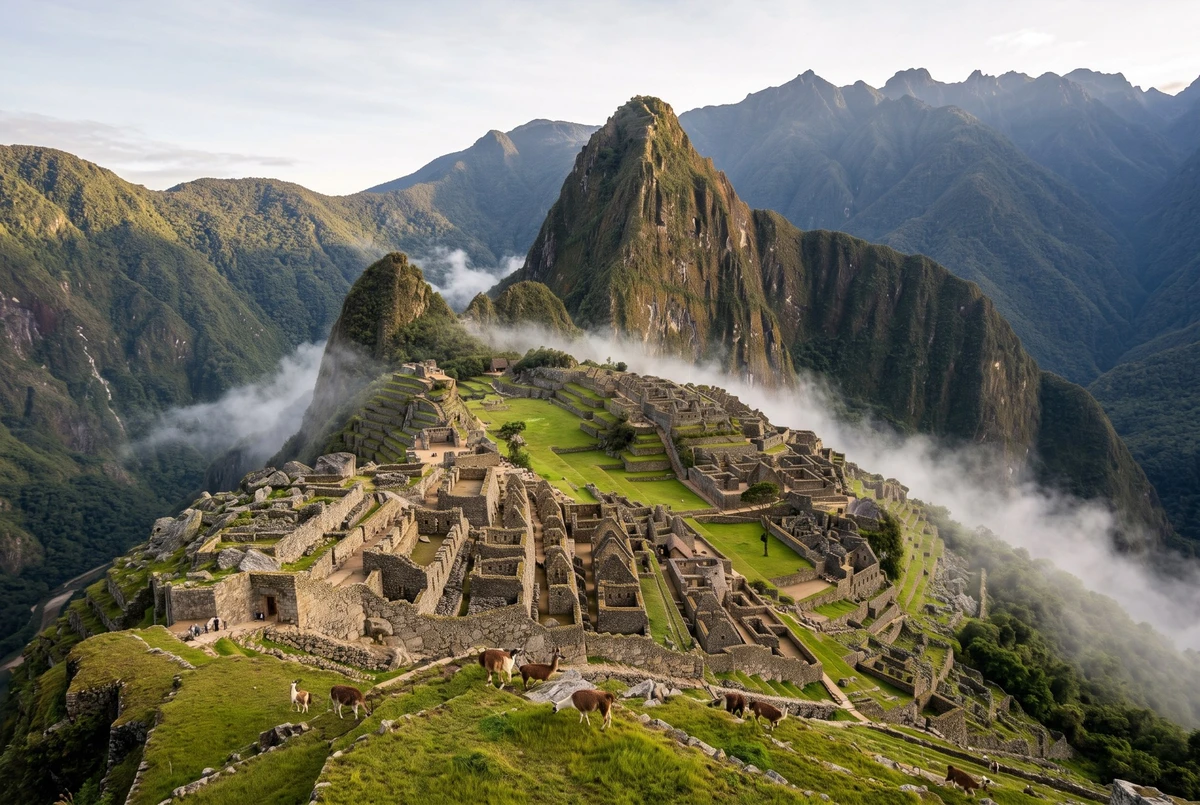
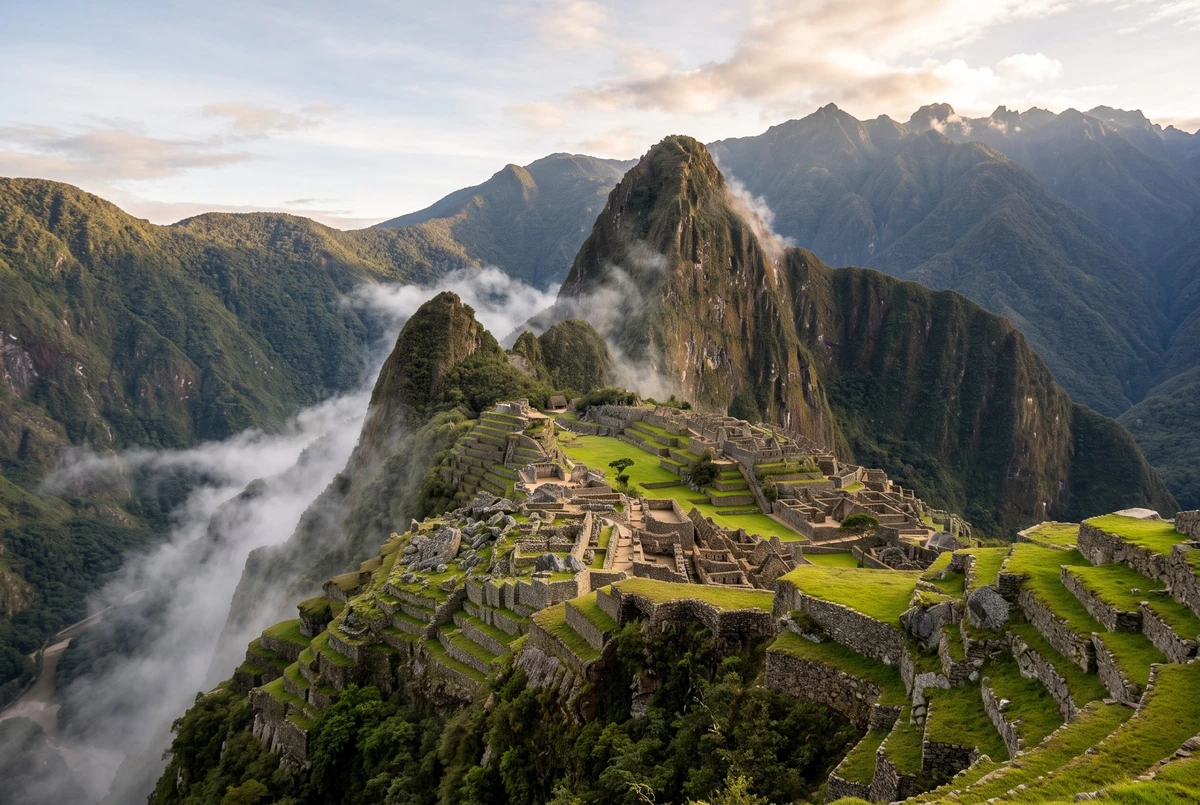
Dawn comes slowly to Machu Picchu. Cloud pours over the saddle between Huayna Picchu and the terraces, the granite walls of the Temple of the Sun turn from grey to gold, and far below the Urubamba River keeps up its low roar. Hours earlier you were in Cusco, where the scent of wood smoke and toasted corn drifts through cobbled lanes and women in layered skirts lead their alpacas past Inca stonework so precise that a knife blade cannot slip between the blocks.
Destinations
Choose a city to see everything we arrange there.

Services by city in Peru
Train Tickets
The essence of Peru
Peru is not a country you simply see; you climb into it. The Andes, the Amazon and a long desert coast sit side by side, and each has its own civilisation, its own crops and its own way of cooking a potato. Lima has become one of the great food capitals of the world, Cusco remains the living heart of the Inca story, and in between lie valleys, lakes and canyons that feel untouched by time. We arrange the flights, trains, transfers and guided days that turn all of it into one smooth journey.
Why visit Peru?
Empire of the Sun and Its Ancestors
Peru’s story runs far deeper than the Incas. Caral, on the northern coast, is among the oldest cities in the Americas; the Nazca people etched giant figures into the desert; the Chimú built the adobe metropolis of Chan Chan. Then came the Inca, who ruled an empire stretching along the Andes from Cusco, linking it with stone roads and building Machu Picchu, Sacsayhuamán and Ollantaytambo with masonry that still defies earthquakes.
Desert, Andes and Amazon
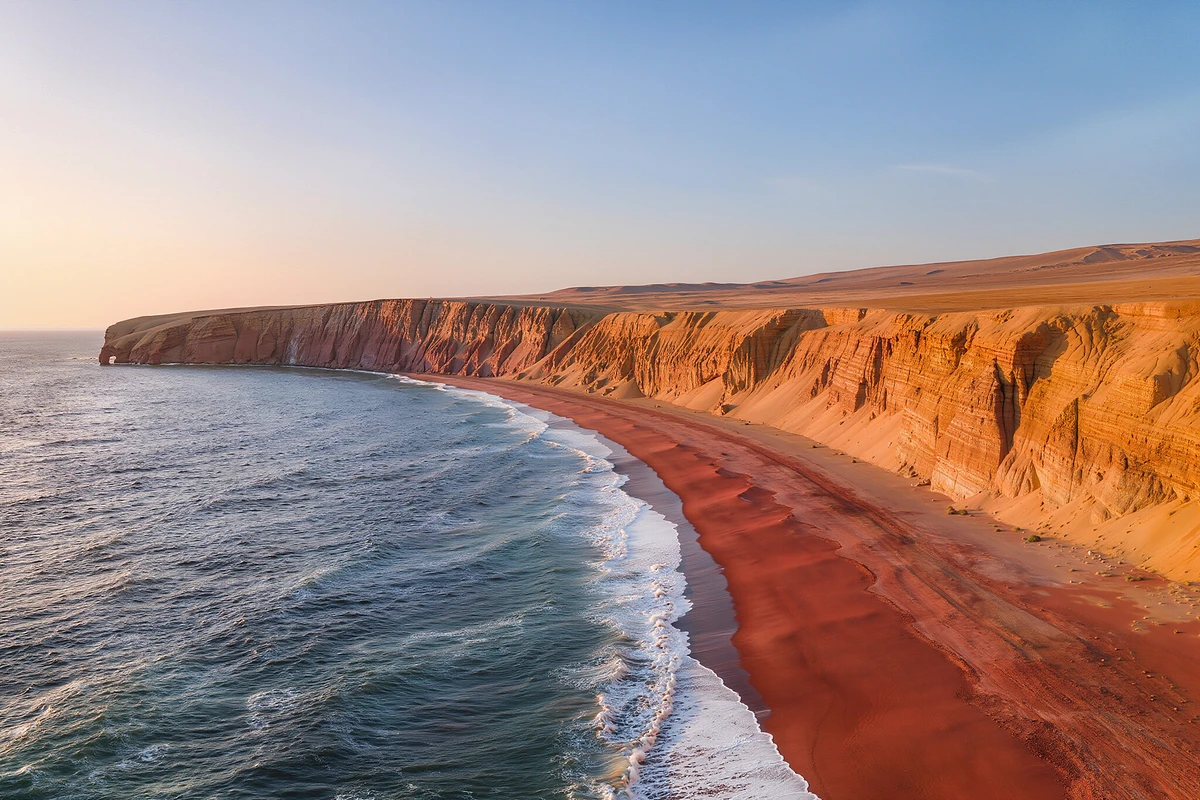
Few countries pack such extremes into one border. A thin desert coast runs the length of Peru, cooled by the Pacific and dotted with oases such as Huacachina. Behind it the Andes rise to glaciated peaks above six thousand metres, cut by the Colca Canyon and the Sacred Valley. Further east the mountains fall away into the Amazon basin, where rivers, cloud forest and scarlet macaws define a completely different Peru.
A Kitchen Built on Three Worlds
Peruvian food is a national obsession and a source of fierce pride. Lima’s ceviche, sharp with lime and ají chilli, sits beside lomo saltado, a Chinese-Peruvian stir-fry, and causa, a layered potato terrine. Andean markets heap thousands of potato varieties, quinoa and purple corn, which becomes the spiced drink chicha morada. Festivals such as Inti Raymi in Cusco keep Quechua music, dance and handwoven textiles vividly alive from one generation to the next.
Moments Found Only in Peru
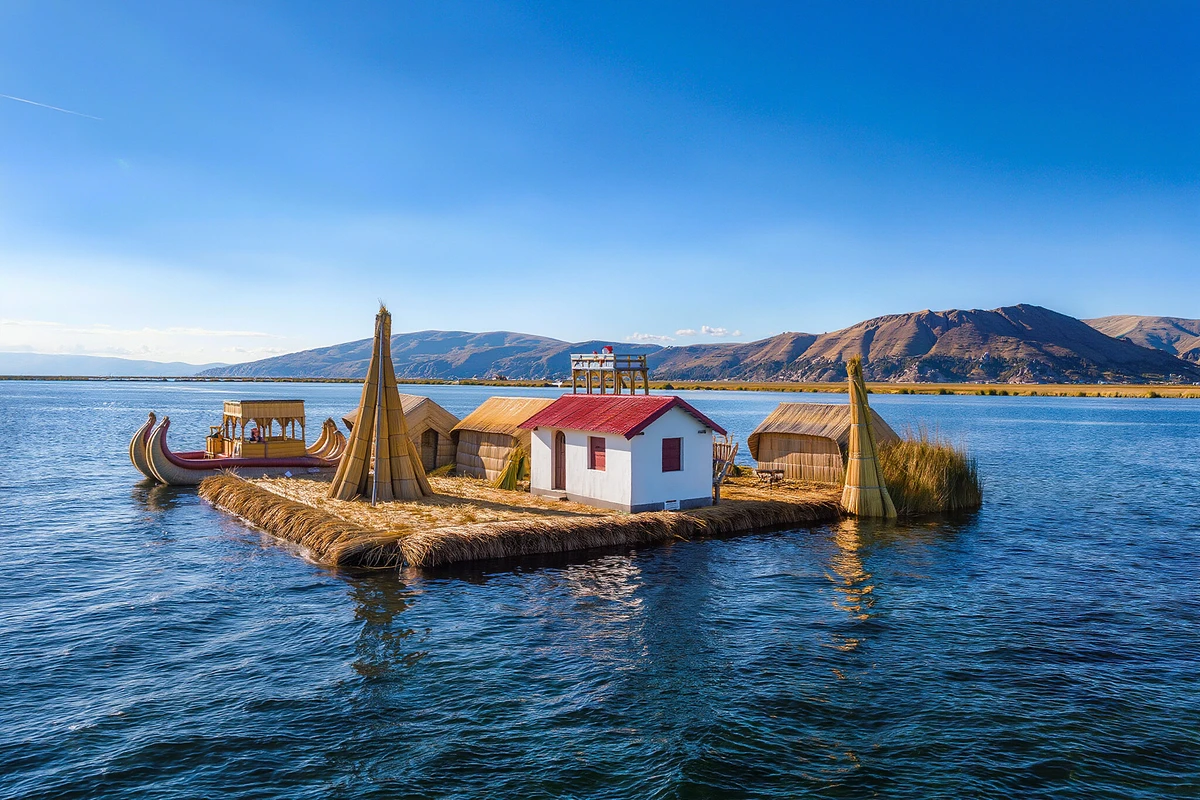
Watch the sun break over Machu Picchu from the citadel’s upper terraces. Travel on a panoramic train beside the roaring Urubamba to Aguas Calientes. Stand on the rim of the Colca Canyon as Andean condors glide on the morning thermals. Fly over the enigmatic Nazca Lines, or cross Lake Titicaca to the floating reed islands of the Uros, built entirely by hand and renewed layer by layer every season.
Who is Peru for?
Ideal for
- History lovers drawn to the Inca world
- Food travellers chasing ceviche and Andean markets
- Active travellers keen on high-altitude hiking
- Photographers seeking mountains, ruins and textiles
- Families with older children ready for adventure
- Couples planning a once-in-a-lifetime journey
Pace & travel style
- Allow two days in Cusco to adjust to altitude before hiking
- Combine Lima’s dining with the Andes for real contrast
- Mix guided day tours with slow mornings in the Sacred Valley
- Best enjoyed at a measured pace rather than rushing between regions
When to visit Peru
Peak season · June–August
The Andean dry season brings crisp, sunny days, cold nights and brilliant blue skies over Cusco and Machu Picchu. Inti Raymi fills Cusco with ceremony every June, and school holidays around the world make this the busiest time on the trains and at the citadel. Book entry tickets, trains and hotels well in advance, as availability tightens and rates climb noticeably.
Shoulder season · April–May and September–October
These months bracket the dry season and are favoured by experienced travellers. The Sacred Valley is green after the rains, wildflowers line the trails and crowds at Machu Picchu thin noticeably. Days are mostly bright with the occasional shower, hotels have better availability, and the whole experience feels calmer and more personal, with good conditions for hiking and photography.
Low season · November–March
This is the rainy season in the Andes, with afternoon downpours and misty mornings, and the classic Inca Trail closes each February for maintenance. Yet it is summer on the coast, when Lima enjoys sunshine and long beach days. Machu Picchu is quieter and wrapped in dramatic cloud, rates soften, and flexible travellers who pack a rain jacket are well rewarded.
The regions of Peru and how to combine its cities
Peru divides naturally into three bands. The costa is the arid Pacific coast, home to Lima, the oasis of Huacachina, the Nazca Lines and the great adobe ruins around Trujillo in the north. It is a land of fishing towns, surf breaks and the country’s finest seafood.
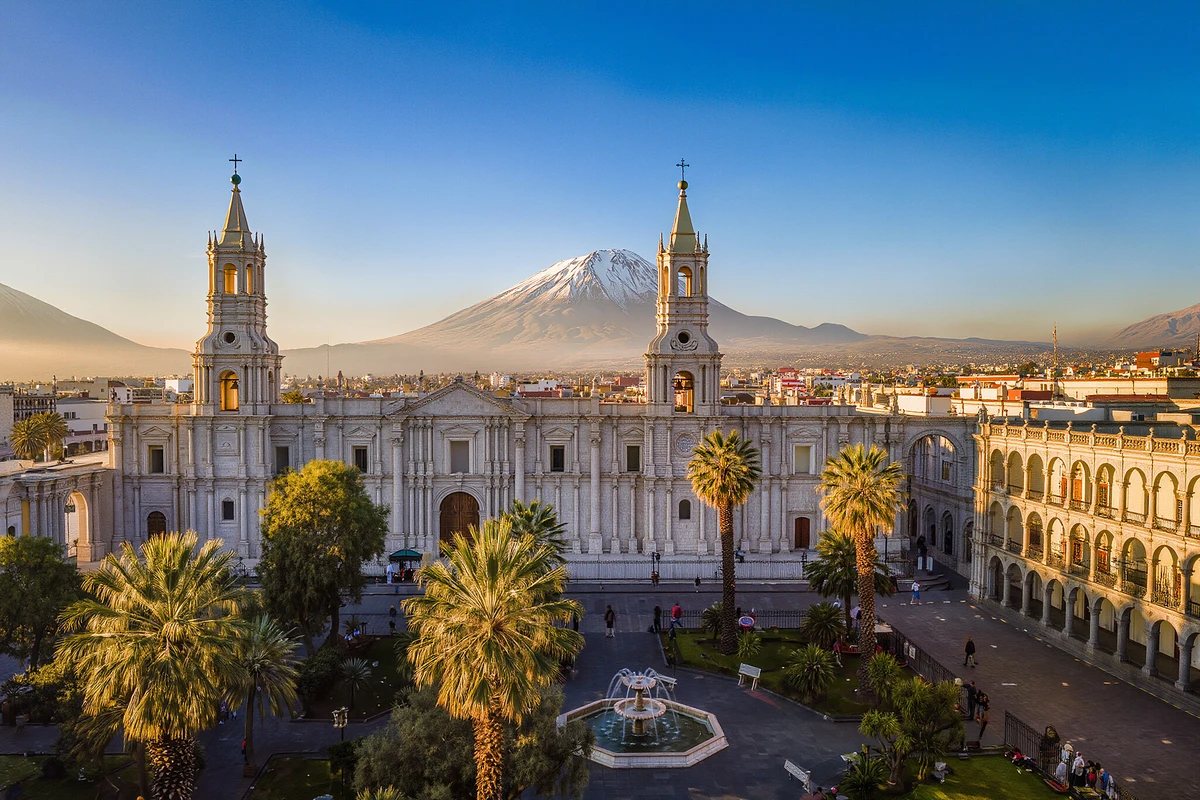
The sierra is the Andean spine, where most visitors spend their time: Cusco and the Sacred Valley, Machu Picchu, the white volcanic city of Arequipa, the Colca Canyon and Lake Titicaca around Puno. Quechua and Aymara traditions run strongest here. East of the mountains lies the selva, the Amazon rainforest reached from Iquitos or Puerto Maldonado, with river lodges and extraordinary wildlife.
Our city directory below focuses on the two cities that anchor almost every first journey. Lima is the gateway, where international flights land and where a day or two of museums, colonial squares and celebrated restaurants sets the scene. Cusco is the Andean heart, the base for the Sacred Valley and for our guided day tours and the train tickets we issue to Machu Picchu. Pairing them, linked by a short domestic flight we can book for you, gives you the coast and the mountains in one balanced itinerary, with our private airport transfers waiting at each end.
Before you go: practical tips for Peru
Entry & visas
Many nationalities, including citizens of most of Europe and the Americas, can visit Peru for tourism without a visa and receive their permitted stay on arrival. Other passports require a visa issued in advance by a Peruvian consulate. The rules depend entirely on your passport, so check the official Peruvian government portal or your nearest embassy before booking, and carry a passport valid well beyond your travel dates.
Money, cards & tipping
Peru’s currency is the sol. Cards are widely accepted in hotels, restaurants and larger shops in Lima and Cusco, but carry small notes for markets, taxis, village crafts and entrance fees in rural areas. Cash machines are easy to find in cities. Tipping is appreciated: around ten percent in restaurants and a gratuity for guides and drivers. Gentle bargaining is normal in craft markets, less so in shops.
Etiquette & dress code
Peruvians are warm and courteous; greet people with a handshake or a friendly “buenos días” before asking anything. Always ask before photographing people, particularly women and children in traditional dress in the Andes, and expect that some may request a small tip in return. Dress modestly in churches and cathedrals, and at archaeological sites stay on marked paths and never climb on Inca walls.
Getting around
Distances in Peru are vast and mountainous, so domestic flights are the quickest way between Lima, Cusco, Arequipa and the Amazon gateways, and we can issue them for you. Scenic trains link Cusco and the Sacred Valley with Machu Picchu, and we book those too. Long-distance buses cover the rest. For airports, hotels and valley excursions, our private chauffeured transfers remove the stress of altitude and traffic.
Must-do things in Peru
- Watch sunrise light spill across the stone terraces of Machu Picchu
- Take the scenic train along the Urubamba River to Aguas Calientes
- Explore the colossal zigzag walls of Sacsayhuamán high above Cusco
- Browse the Pisac market and wander the Inca town of Ollantaytambo
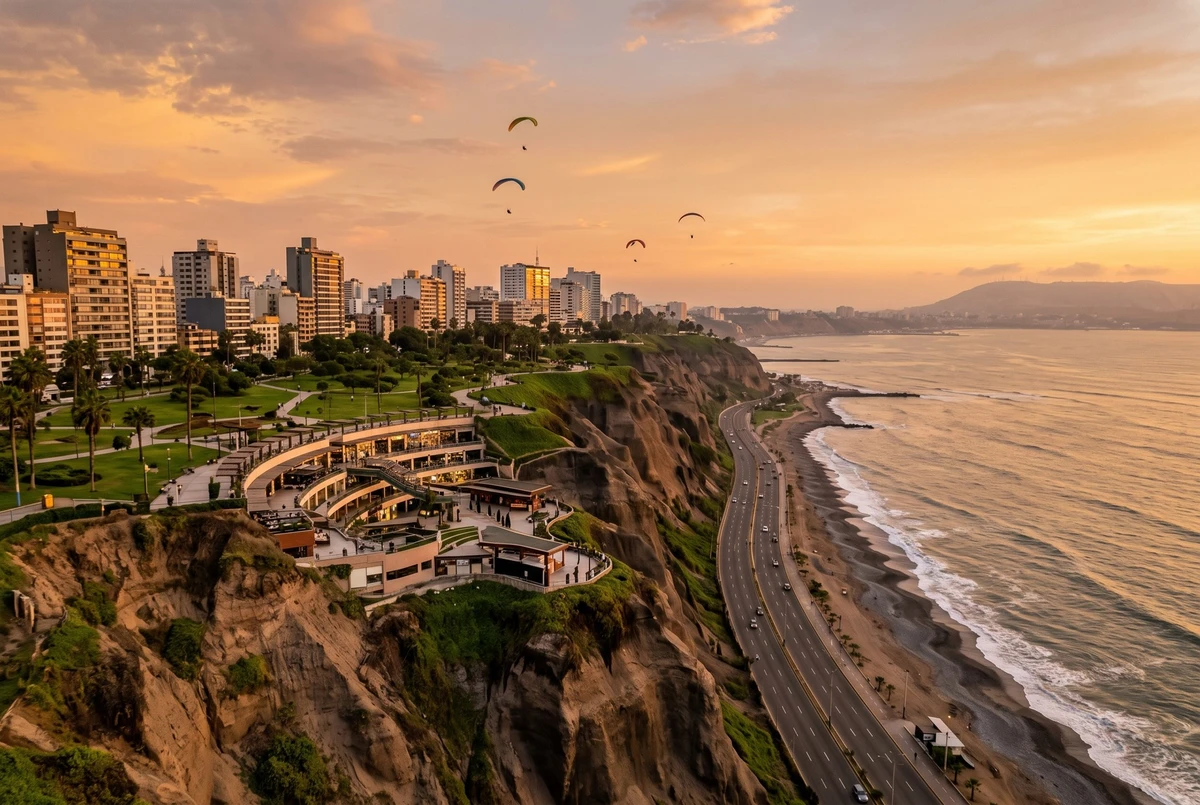
- Taste fresh ceviche and Nikkei cooking in Lima’s Miraflores and Barranco
- Watch Andean condors glide over the depths of the Colca Canyon at dawn
- Fly over the mysterious Nazca Lines etched into the southern desert
- Visit the floating reed islands of the Uros on Lake Titicaca
- Stroll the lanes of Arequipa’s white-stone Santa Catalina Monastery
- Stay at an Amazon lodge spotting macaws, monkeys and wild river dolphins
Do’s and don’ts in Peru
Do
- Drink plenty of water and sip mate de coca tea to ease altitude adjustment
- Book Machu Picchu entry and train tickets well ahead in high season
- Pack layers: Andean days are warm but nights turn cold quickly
- Try regional dishes in local markets, choosing the busiest stalls
- Learn a few words of Spanish, and perhaps a Quechua greeting
Don’t
- Don’t plan strenuous hikes on your first day at altitude
- Don’t drink tap water; choose bottled or filtered water instead
- Don’t photograph people in traditional dress without asking first
- Don’t touch or climb on Inca stonework at archaeological sites
- Don’t flag random street taxis late at night; use licensed taxis or our drivers
Peru at a glance
Plan Peru with Haqqi Tours
Every option is confirmed by our team on WhatsApp before you pay, and delivered by our own people or by trusted local partners we work with in every city. Because we send travellers from all over the world, our partners give us special rates and priority, so you always receive the best. Prices are per person unless marked per vehicle.
About Haqqi Tours: About us Contact us Legal NoticePrivacy PolicyCookies & Marketing PreferencesTerms & ConditionsBooking, Payment & Refunds
Where we operate in Peru
Good to know
Frequently Asked Questions
Straight answers to what travellers ask most about Peru.
Is it safe to visit Peru?
Peru welcomes millions of visitors each year, and the main routes through Lima, Cusco and the Sacred Valley are well travelled. As anywhere, watch your belongings in crowded markets and buses, use licensed taxis or our private drivers, and respect the altitude. Check your own government’s official travel advice before departure and keep our WhatsApp line handy.
How many days do I need for a first trip to Peru?
Ten to twelve days is ideal for a first trip: two in Lima, four or five in Cusco and the Sacred Valley including Machu Picchu, and a few more for Lake Titicaca, Arequipa or the Amazon. With only a week, focus on Lima and Cusco. Our team can shape the route around your pace.
What is the best way to travel between Peru's major cities?
Domestic flights are the fastest way to cover Peru’s long distances, linking Lima with Cusco, Arequipa, Juliaca and the Amazon in roughly an hour or two. Trains connect Cusco and the Sacred Valley with Machu Picchu. We issue flight and train tickets and arrange private transfers so every connection runs smoothly from door to door.
Can a trip to Peru be tailored for luxury or private travel?
Absolutely. We can arrange private airport transfers, a dedicated guide for Machu Picchu and the Sacred Valley, premium panoramic train services and refined hotels in Lima and Cusco. Itineraries can be paced around altitude, family needs or dietary preferences, including halal-friendly dining suggestions. Our team confirms every detail with you on WhatsApp before anything is paid.
Is Peru tourist friendly?
Yes. Peru has a well-developed tourism industry, especially along the Lima, Cusco and Machu Picchu route, with English spoken in hotels, by guides and in many restaurants. People are hospitable and proud to share their heritage. Outside the main hubs Spanish is more useful, which is exactly where our guided tours and drivers make travel easier.
Is it safe to travel to Peru now?
Peru remains open to visitors, and travel along the main tourist routes generally runs normally. Occasional strikes or road protests can affect transport in some regions, which is why flexible planning and local support matter. Check your own government’s official travel advice before departure, and keep our WhatsApp line handy so our team can adjust plans if needed.
What is the best time to visit Peru?
May to September is the dry season in the Andes, with sunny days ideal for Machu Picchu and hiking, and June to August is the busiest stretch. April and October offer a pleasant balance with fewer crowds. Lima is sunniest from December to March, when the mountains see more rain and greener landscapes.
What is Peru famous for?
Peru is famous for Machu Picchu and the Inca heritage of Cusco, for one of the world’s most celebrated cuisines led by ceviche, and for extraordinary landscapes from the Andes and Lake Titicaca to the Amazon. It is also known for alpaca textiles, the Nazca Lines and colourful Andean festivals throughout the year.
Which cities in Peru does Haqqi Tours cover?
Cusco, Lima, Arequipa, Puno, Huacachina, Paracas, Puerto Maldonado and Nazca. Each city has its own page with everything available there, and a trip across several cities is planned in one WhatsApp conversation.
What can I book in Peru?
Day tours, attraction tickets, private airport transfers, flight tickets and train tickets - all run or confirmed by Haqqi Tours, each with a fixed price agreed on WhatsApp before you pay.
How do I book a tour or transfer in Peru?
Fill in the form on the page you are interested in, or message us on WhatsApp with the date, the number of travellers and your hotel. A member of our team confirms the price and the details in writing within minutes.
Are the prices fixed?
Yes. Every price is agreed in writing on WhatsApp before you travel and does not change on the day - not for traffic, not for a late flight, not for the hour.
Do you arrange transfers between cities in Peru?
Yes. Intercity transfers by private car or van are booked the same way as airport transfers; tell the desk the two hotels and the date and it quotes a fixed price for the whole vehicle.
Can you plan a full itinerary across Peru?
Yes - tell the desk your dates, the cities you want and who is travelling, and it proposes a day-by-day plan with the tours, transfers and tickets priced in writing. You adjust it in the same chat before confirming.
Are your tours private or in a group?
Both exist, and the page of each tour says which. Private tours have a car and guide for your party alone; small-group tours share a guide with a few other travellers. The desk can convert most group tours into a private day on request.
Do the drivers and guides speak Arabic?
It depends on the country, the city and the day, so we do not promise a particular language for the driver or guide. Tell us your preference and we do our best; the WhatsApp desk itself always works in Arabic and English.