
Eswatini
Haqqi Tours arranges day tours, private airport transfers, attraction tickets and multi-day packages across Eswatini, confirmed on WhatsApp before you pay.
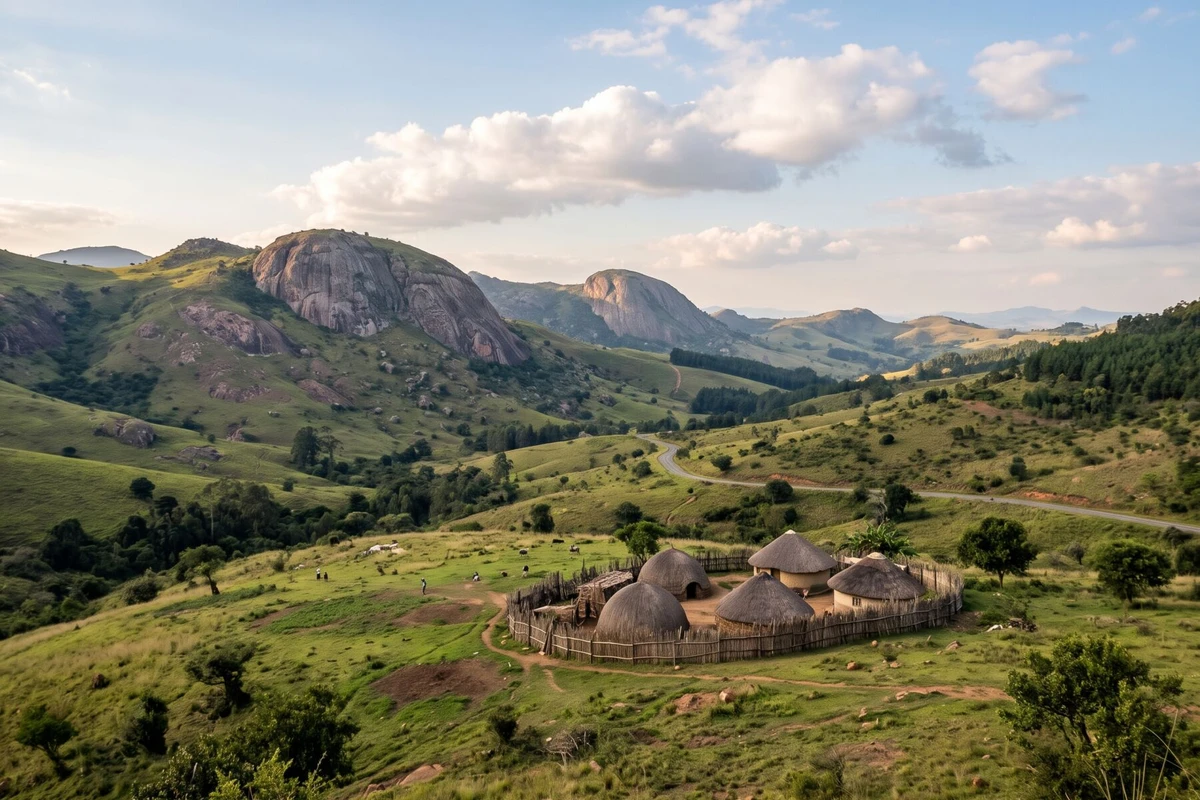
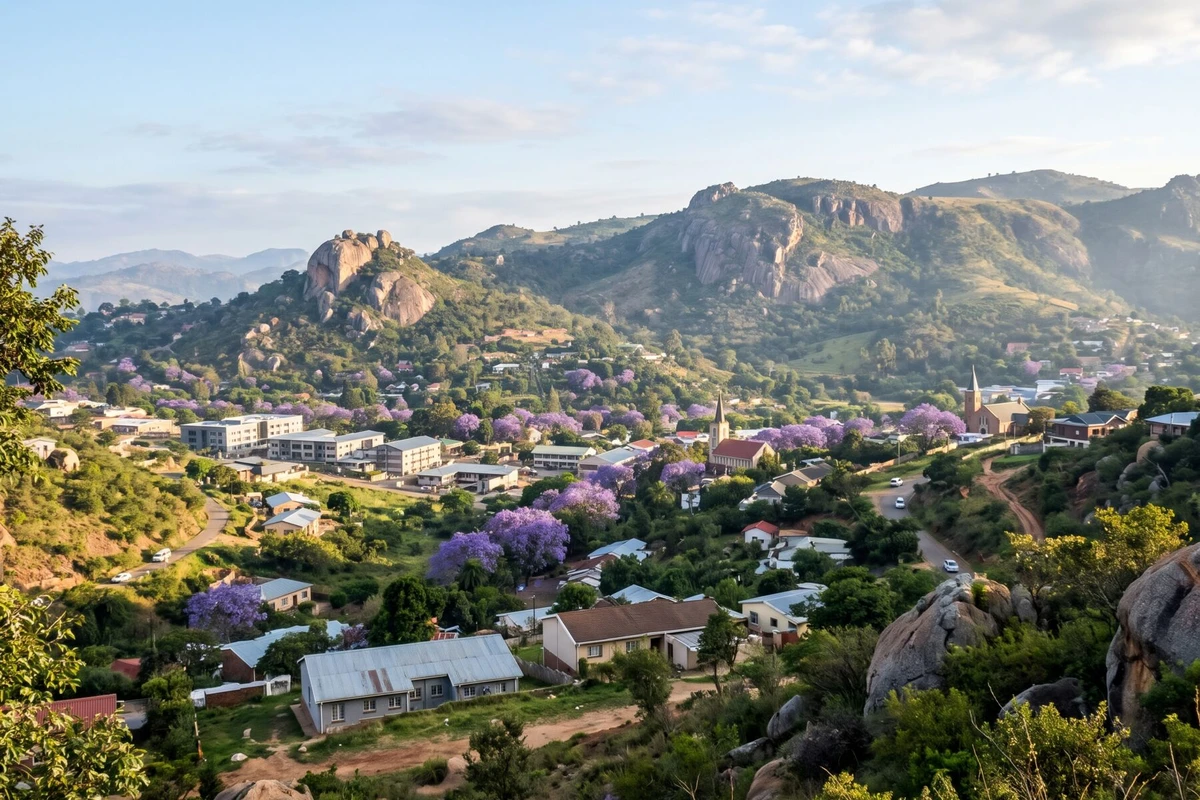
Morning mist lifts slowly from the hills around Mbabane, revealing pine forests, red earth roads and the great bare dome of Sibebe Rock above the valley. Below the city, the road winds down into the Ezulwini Valley, the Valley of Heaven, where beehive huts of woven grass stand in a cultural village beside the river, drums sound for the morning dance, and a short forest path leads to the white curtain of the Mantenga Falls tumbling over dark granite.
Destinations
Choose a city to see everything we arrange there.
Services by city in Eswatini
Tours
The essence of Eswatini
Eswatini is small enough to cross in a few hours, yet it holds misty highlands, green valleys and warm lowveld plains where rhinos, elephants and lions roam the royal parks. Ancient ceremonies such as the Umhlanga Reed Dance are still part of national life, and siSwati traditions of song, dress and craft are proudly kept. Eswatini is unique because a living kingdom culture and wild African landscapes meet in one friendly, compact country. We arrange the journey with city tours, cultural village visits, waterfall walks and private airport transfers, delivered with calm, attentive service.
Why visit Eswatini?
A Kingdom of Living Traditions
The Swazi nation took shape in the eighteenth and nineteenth centuries as clans united in the hills between today's South Africa and Mozambique. The country became a British protectorate and regained independence in 1968, and in 2018 it took the name Eswatini, meaning land of the Swazi. Lobamba is the royal and legislative capital, Mbabane the administrative one, and great national ceremonies such as Umhlanga and Incwala still gather people from every corner of the kingdom.
Highveld, Valleys and Lowveld
Eswatini falls from cool, misty highveld in the west, around Mbabane and Malolotja, through the green middleveld of the Ezulwini and Malkerns valleys to the hot lowveld bush in the east, closed by the Lubombo Mountains. The Ngwenya hills hold an ancient iron ore mine dated to tens of thousands of years ago, Mlilwane protects zebra, antelope and hippos close to the capital, and Hlane and Mkhaya shelter rhinos, elephants and lions.
Maize Porridge, Emasi and Roasted Corn
Swazi cooking is simple and hearty. Sishwala, a thick maize porridge, is eaten with stewed meat or vegetables, emasi, the soured milk loved across the country, is served with porridge, and roadside sellers roast fresh mealies over coals. Grilled meat is a weekend favourite, sidvudvu pumpkin porridge comes from the countryside, and markets sell avocados, pineapples and litchis in season. Halal food is limited, but the towns have small Muslim communities with mosques; vegetarian dishes are easy, and our team can advise.
Experiences You Can Only Have Here
Step into a traditional compound of beehive huts at the cultural village in the Ezulwini Valley, watch dancers in bright cloth and cowhide perform to drums and song, then walk through the forest to the Mantenga Falls. Explore Mbabane's markets and hillside streets, climb or gaze up at Sibebe Rock, cycle among zebra and antelope at Mlilwane, and in the east track white rhinos on foot or by vehicle in the royal parks of the lowveld.
Who is Eswatini for?
Ideal for
- Culture lovers and curious first-timers
- Wildlife watchers combining safaris
- Families looking for gentle adventure
- Hikers and mountain bikers
- Travellers touring southern Africa by road
- Photographers seeking villages and valleys
Pace & travel style
- Base yourself in Mbabane or the Ezulwini Valley
- Plan cultural visits for the morning dance times
- Two or three nights for the highlands and valleys
- Add one or two nights in the lowveld for wildlife
When to visit Eswatini
Peak season · May–September
The dry winter brings clear blue skies, crisp mornings and comfortable days, ideal for city tours, cultural visits and walks to the waterfalls around Mbabane. Bush in the lowveld thins out, making wildlife easier to see in Hlane and Mkhaya. Nights in the highveld can be cold, so warm layers are useful. Late August or early September usually brings the Umhlanga Reed Dance at Ludzidzini, when reserving tours, drivers and transfers early is wise.
Shoulder season · April, October–November
April marks the end of the rains, with green hills, fewer visitors and mild temperatures across the country. October and November bring warmer days, jacaranda blossom in the towns and the first spring storms in the afternoons, while young animals appear in the game reserves. Both periods are comfortable for exploring the valleys and the capital, though showers are possible, so keep plans flexible around the weather.
Low season · December–March
Summer is the rainy season, with hot days in the lowveld, mild temperatures and frequent mist in Mbabane, and dramatic afternoon thunderstorms that usually clear by evening. The landscape is at its greenest and the waterfalls at their fullest. The Incwala ceremony takes place around December and January, a solemn and important royal ritual. Some dirt roads can become muddy, so travel insurance, flexible dates and good rain gear are wise.
The regions of Eswatini and how to combine its cities
Eswatini is a landlocked kingdom in southern Africa, bordered by South Africa on three sides and by Mozambique to the east. Mbabane sits in the cool highlands of the Hhohho region in the north-west and is the country's administrative capital, with the Ezulwini Valley, Lobamba and the commercial city of Manzini stretching south-east along the main road.
The Hhohho region holds Malolotja Nature Reserve, the Ngwenya hills and the forested hills of Piggs Peak, while the Manzini region covers the Ezulwini and Malkerns valleys with Mlilwane Wildlife Sanctuary and the craft centres. The eastern Lubombo region is lowveld bush and sugar plantations with Hlane, Mlawula and Mkhaya, and the southern Shiselweni region is quiet farming country around Nhlangano.
Our city directory below is anchored in Mbabane, the natural base for the highlands and the Ezulwini Valley. From the capital we arrange city tours and visits to the cultural village and the Mantenga Falls, while our private drivers handle transfers from Eswatini's international airport at Sikhuphe (SHO) and the long drive from Johannesburg airport (JNB). Eswatini also pairs naturally with Kruger National Park in South Africa or with Maputo and the coast of Mozambique.
Before you go: practical tips for Eswatini
Entry & visas
Citizens of many countries, including the United Kingdom, the United States, European Union nations and most southern African states, can visit Eswatini without a visa for short stays, usually up to thirty days. Other nationalities must apply for a visa in advance. Many travellers arrive by road from South Africa or Mozambique, so if you cross those borders, check their entry rules too. A passport valid for at least six months with blank pages is expected, so check the current rules before you travel.
Money, cards & tipping
The currency is the lilangeni, plural emalangeni, which is pegged to the South African rand, and rand notes and coins are accepted everywhere. Cards work in malls, hotels and larger restaurants in Mbabane, the Ezulwini Valley and Manzini, while markets, craft stalls and rural shops prefer cash. Cash machines are common in the towns. Tipping guides, dancers' collection boxes and drivers for good service is customary and appreciated.
Etiquette & dress code
Emaswati are warm, courteous and respectful of tradition, and a greeting of sawubona, with a smile, is the polite way to begin any conversation. Respect elders, use both hands or the right hand when giving and receiving, and dress modestly in villages and at cultural events. Always ask before photographing people, and follow instructions at royal sites and ceremonies, where photography may be restricted. Speak respectfully about the monarchy and national traditions.
Getting around
Eswatini is compact and best explored by road; the main highway links Mbabane, the Ezulwini Valley and Manzini in well under an hour. Minibus taxis serve local routes but are crowded and informal, and there are no passenger trains. Traffic drives on the left, and rural roads can be narrow, with animals on the verge. For airport and border arrivals, city tours and trips to the valleys and reserves, our private transfers with a driver are the most comfortable choice.
Must-do things in Eswatini
- Visit the beehive huts of the cultural village in the Ezulwini Valley
- Watch traditional dancing to drums and song
- Walk through the forest to the Mantenga Falls
- Explore the markets and hillside streets of Mbabane
- Hike or admire the great granite dome of Sibebe Rock
- See zebra and antelope at Mlilwane Wildlife Sanctuary
- Visit the National Museum at Lobamba
- Hike the hills and gorges of Malolotja Nature Reserve
- Shop for baskets and woven crafts in the Malkerns Valley
- Look for white rhinos in the lowveld parks
Do’s and don’ts in Eswatini
Do
- Greet people with sawubona and a smile
- Carry small notes in emalangeni or rand
- Pack warm layers for misty highland evenings
- Ask before photographing people and ceremonies
- Bring sturdy shoes for waterfall and forest paths
Don’t
- Don't photograph royal residences without permission
- Don't drive rural roads after dark
- Don't swim below waterfalls after heavy rain
- Don't rush; Eswatini rewards a slower pace
- Don't drink tap water outside the main towns
Eswatini at a glance
Plan Eswatini with Haqqi Tours
Every option is confirmed by our team on WhatsApp before you pay, and delivered by our own people or by trusted local partners we work with in every city. Because we send travellers from all over the world, our partners give us special rates and priority, so you always receive the best. Prices are per person unless marked per vehicle.
About Haqqi Tours: About us Contact us Legal NoticePrivacy PolicyCookies & Marketing PreferencesTerms & ConditionsBooking, Payment & Refunds
Where we operate in Eswatini
Good to know
Frequently Asked Questions
Straight answers to what travellers ask most about Eswatini.
Is it safe to visit Eswatini?
Eswatini is generally a friendly and relaxed country for travellers, and the Mbabane and Ezulwini Valley areas are well used to visitors. As anywhere, take sensible precautions: keep valuables out of sight, avoid walking alone after dark in towns, and use licensed guides and drivers. Check your own government's official travel advice before departure, and keep our WhatsApp line handy for help with tours and transfers.
How many days do I need in Eswatini?
Two to four days work well for a first visit: one day for Mbabane and the cultural village with the Mantenga Falls, one for Mlilwane, Lobamba and the Malkerns Valley, and one or two in the lowveld parks for rhinos and other wildlife. Eswatini also fits easily into a longer road journey with Kruger National Park or Mozambique.
What is the Umhlanga Reed Dance?
Umhlanga is one of Eswatini's most important national ceremonies, held over several days in late August or early September at the royal residence of Ludzidzini near Lobamba. Young women gather and cut reeds, then present them in a great procession with song and dance in traditional dress. Visitors may watch the main days respectfully, following the photography rules and the guidance of local hosts.
Can a trip to Eswatini be tailored for luxury or private travel?
Yes. Eswatini offers comfortable valley hotels, peaceful mountain lodges and well-run safari camps in the lowveld. We can tailor private city and cultural tours, private guides for the waterfalls and reserves, chauffeured airport and border transfers and a relaxed family pace, then confirm every detail with you on WhatsApp before anything is paid.
What is the best time to visit Eswatini?
May to September is the best time for most travellers, with dry, sunny days, cool nights and the easiest wildlife viewing. April and October to November are pleasant and quieter, while December to March is hot and rainy in the lowveld, misty in the highlands and at its greenest, with the fullest waterfalls.
What is Eswatini famous for?
Eswatini is famous for its living traditions, especially the Umhlanga Reed Dance and the Incwala ceremony, and for its beehive-hut villages, songs and colourful dress. It is also known for the Ezulwini Valley, Sibebe Rock, the ancient Ngwenya mine, rhino conservation in the royal parks, handwoven baskets and crafts, and for being one of Africa's smallest and friendliest countries.
Is halal food available in Eswatini?
Halal options are limited in Eswatini, though Mbabane and Manzini have small Muslim communities with mosques, and a few shops and takeaways offer halal meat. Vegetarian dishes, maize porridge, beans, fresh vegetables, fruit and fish are easy to find in the towns and valleys. Ask when ordering meat dishes; our team can advise.
How do I get to Mbabane from the airport?
Eswatini's international airport at Sikhuphe (SHO) lies in the east of the country, about one hour and a half by road from Mbabane. Many travellers instead fly into Johannesburg airport (JNB) and drive about four hours via the Oshoek border post, or arrive from Maputo in Mozambique. We arrange a private transfer with a driver waiting at arrivals to take you directly to your hotel.
Which cities in Eswatini does Haqqi Tours cover?
Mbabane. Each city has its own page with everything available there, and a trip across several cities is planned in one WhatsApp conversation.
What can I book in Eswatini?
Day tours - all run or confirmed by Haqqi Tours, each with a fixed price agreed on WhatsApp before you pay.
How do I book a tour or transfer in Eswatini?
Fill in the form on the page you are interested in, or message us on WhatsApp with the date, the number of travellers and your hotel. A member of our team confirms the price and the details in writing within minutes.
Are the prices fixed?
Yes. Every price is agreed in writing on WhatsApp before you travel and does not change on the day - not for traffic, not for a late flight, not for the hour.
Do you arrange transfers between cities in Eswatini?
Yes. Intercity transfers by private car or van are booked the same way as airport transfers; tell the desk the two hotels and the date and it quotes a fixed price for the whole vehicle.
Can you plan a full itinerary across Eswatini?
Yes - tell the desk your dates, the cities you want and who is travelling, and it proposes a day-by-day plan with the tours, transfers and tickets priced in writing. You adjust it in the same chat before confirming.
Are your tours private or in a group?
Both exist, and the page of each tour says which. Private tours have a car and guide for your party alone; small-group tours share a guide with a few other travellers. The desk can convert most group tours into a private day on request.
Do the drivers and guides speak Arabic?
It depends on the country, the city and the day, so we do not promise a particular language for the driver or guide. Tell us your preference and we do our best; the WhatsApp desk itself always works in Arabic and English.