
Canada
Haqqi Tours arranges day tours, private airport transfers, attraction tickets and multi-day packages across Canada, confirmed on WhatsApp before you pay.
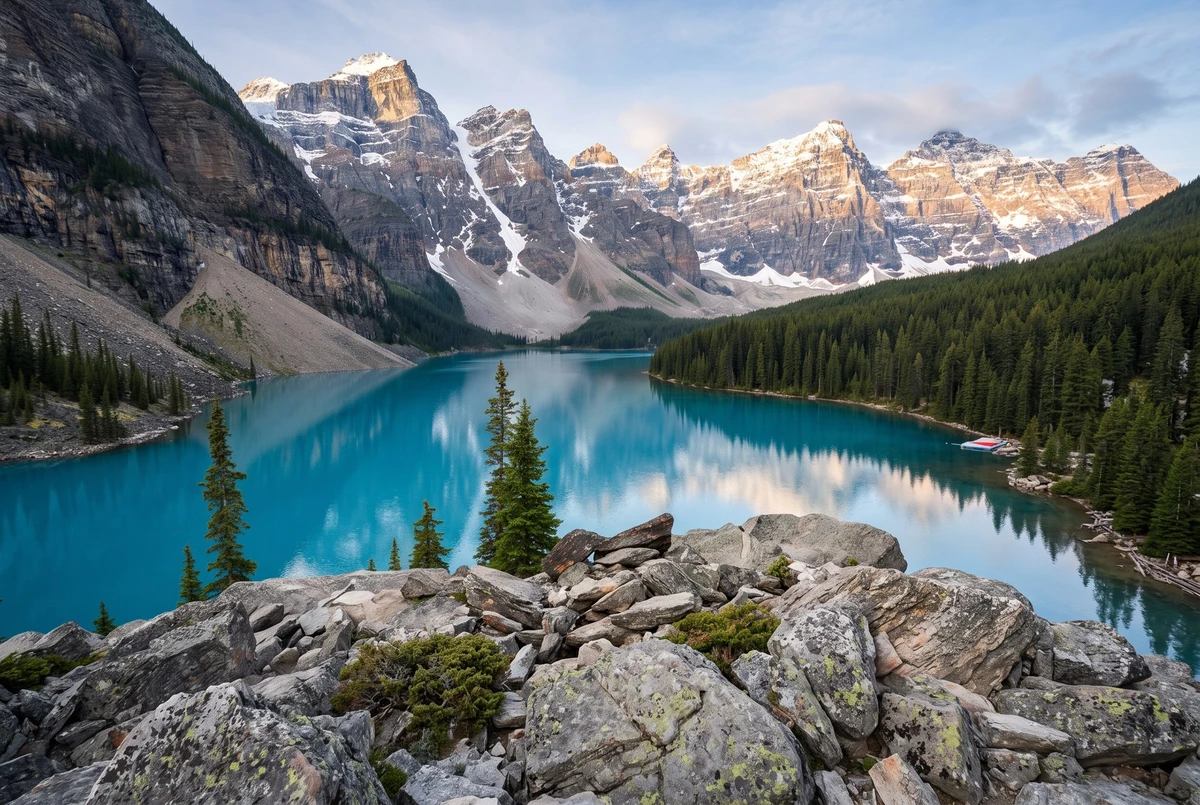
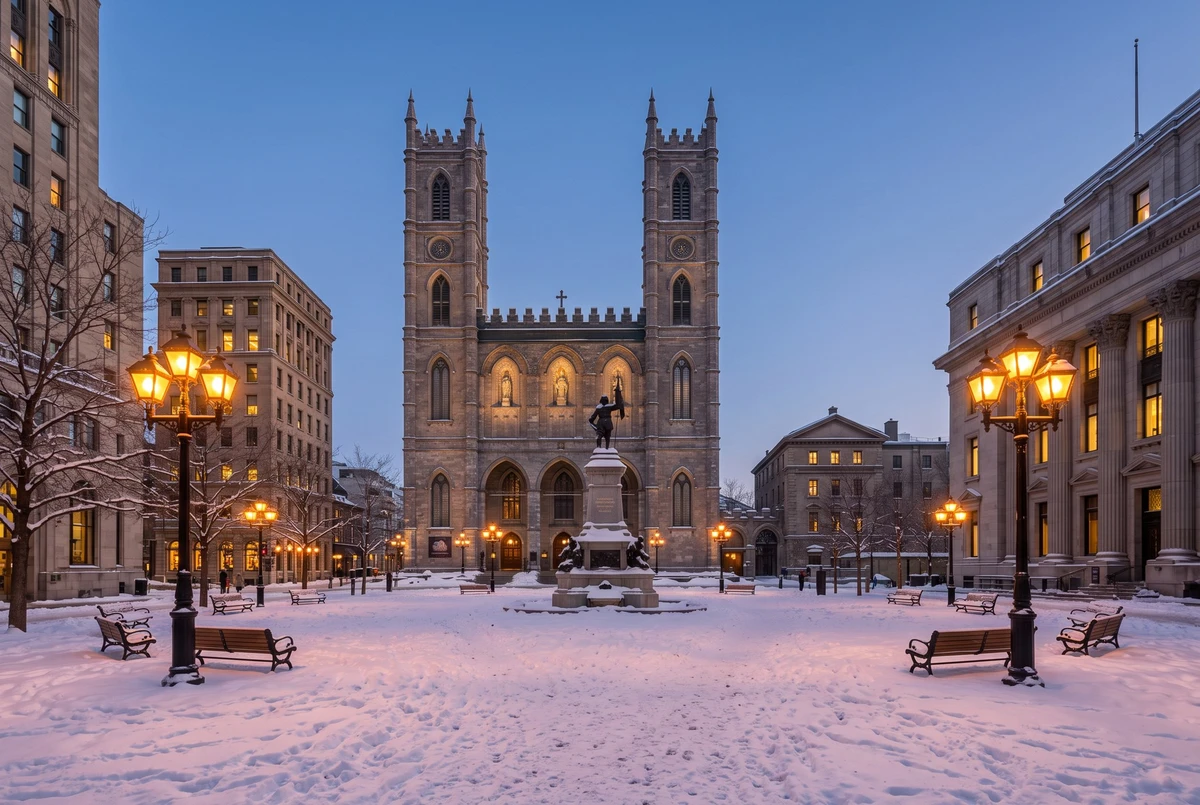
Just after sunrise at Moraine Lake, the water is so still it holds a perfect copy of the Valley of the Ten Peaks, and its turquoise is so intense it hardly seems real. A canoe slides out from the shore, the paddle drips, and the only other sound is a jay calling from the pines. Far to the east, Old Montreal is already awake, its cobbled lanes smelling of wood-fired bagels while the bells of Notre-Dame ring over the St Lawrence.
Destinations
Choose a city to see everything we arrange there.
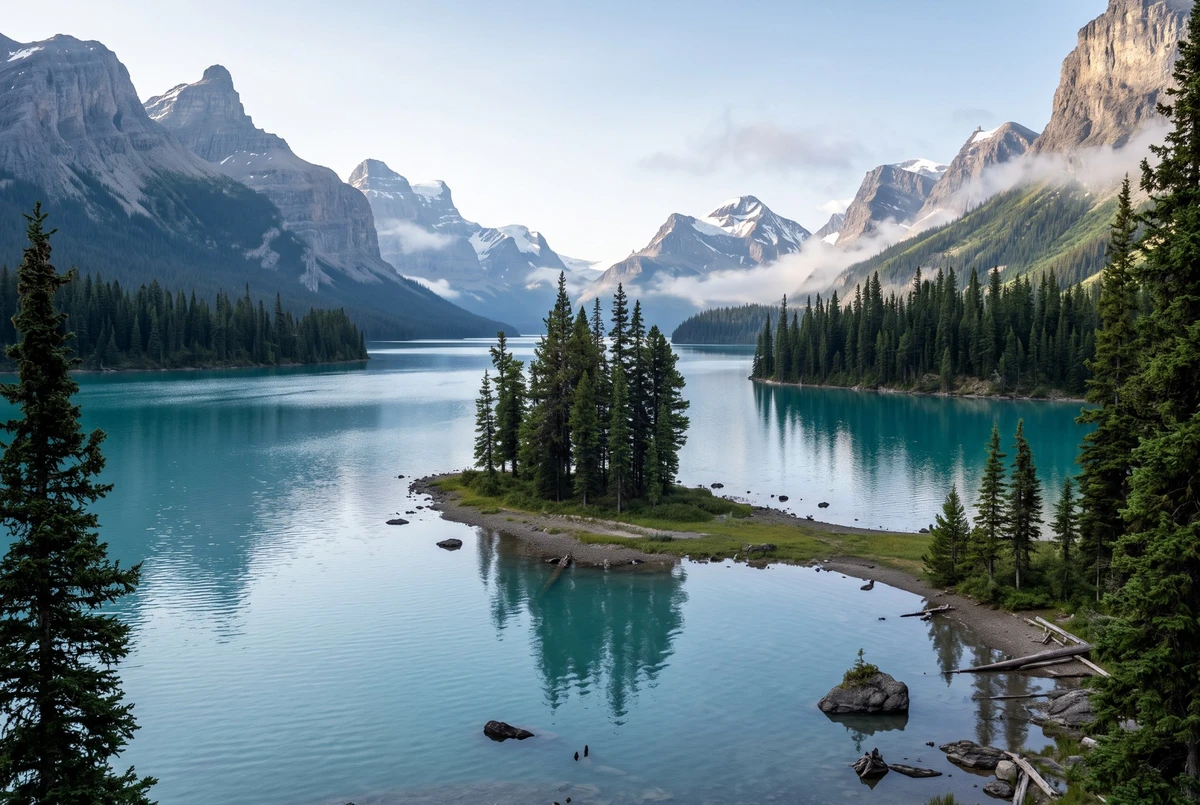
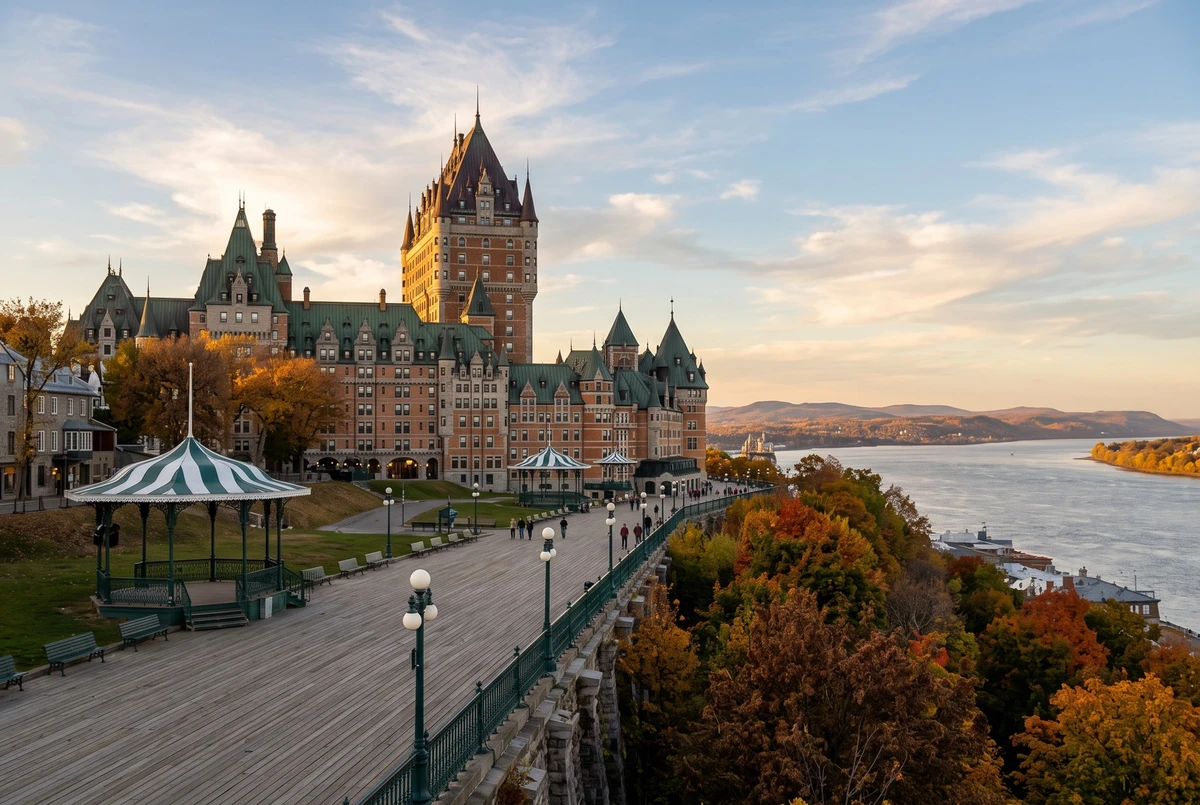
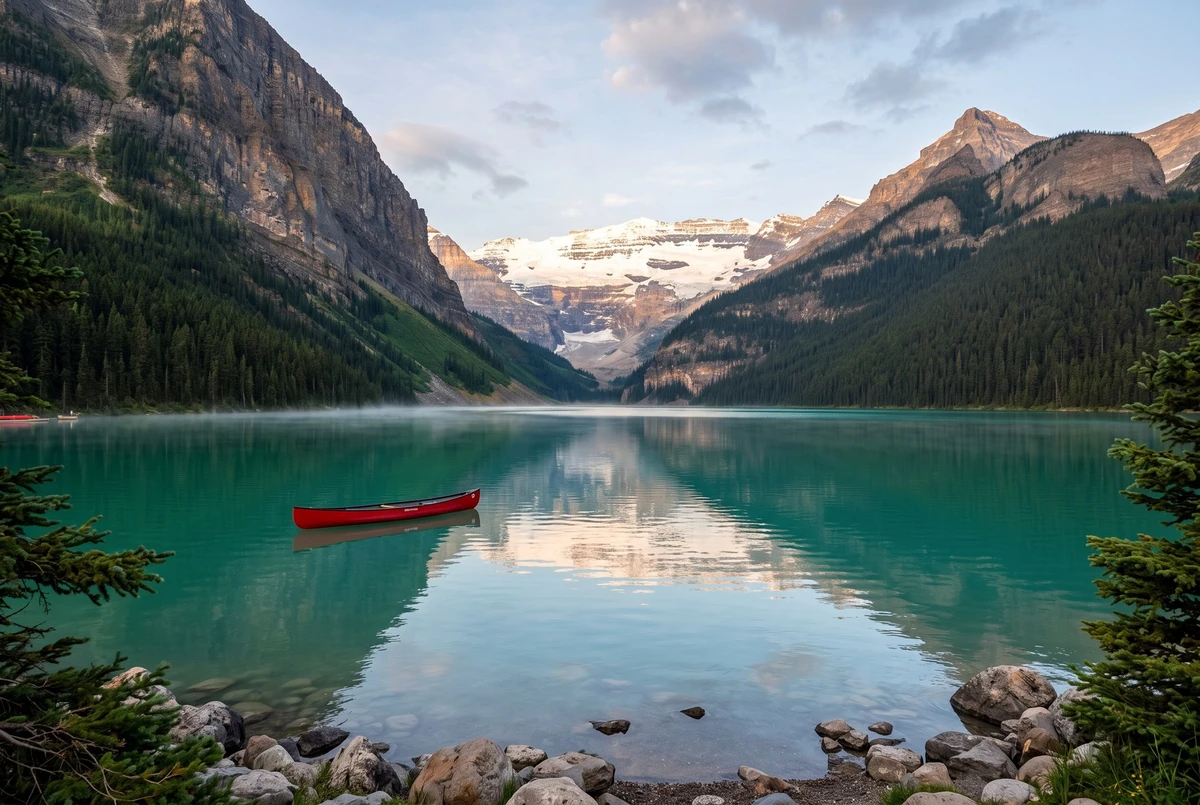
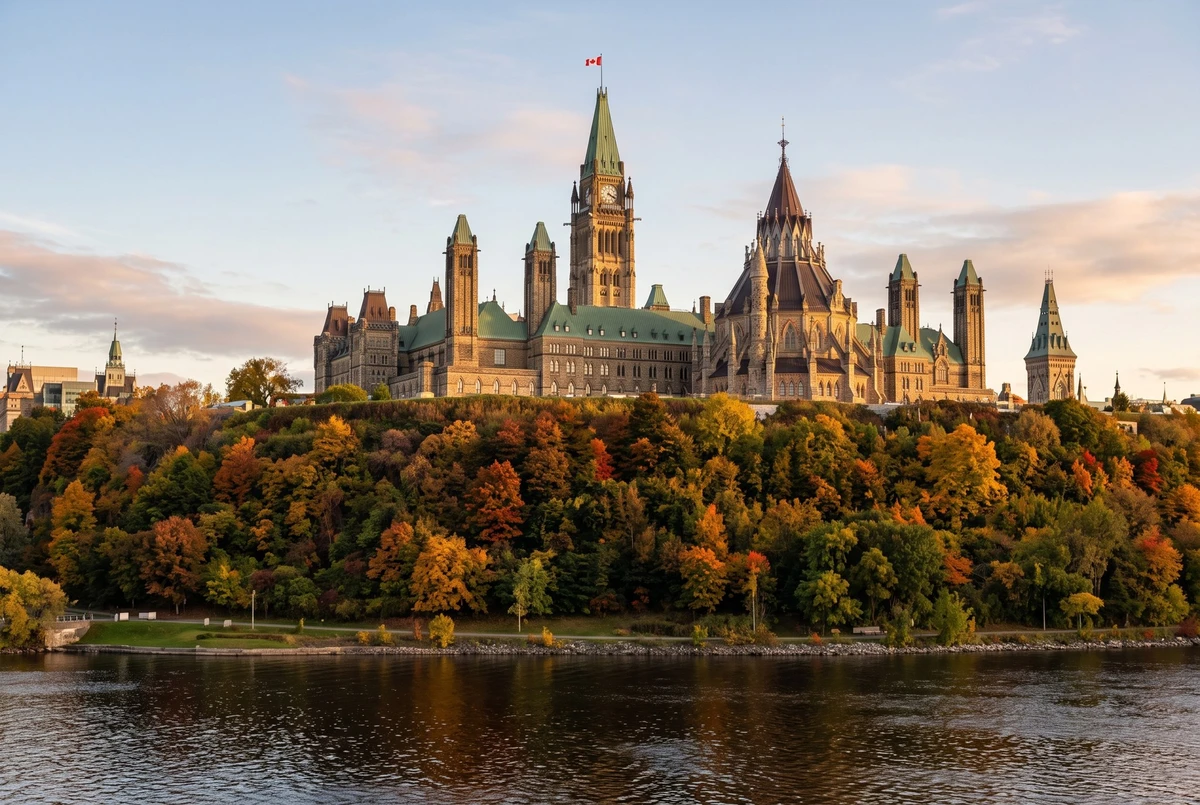
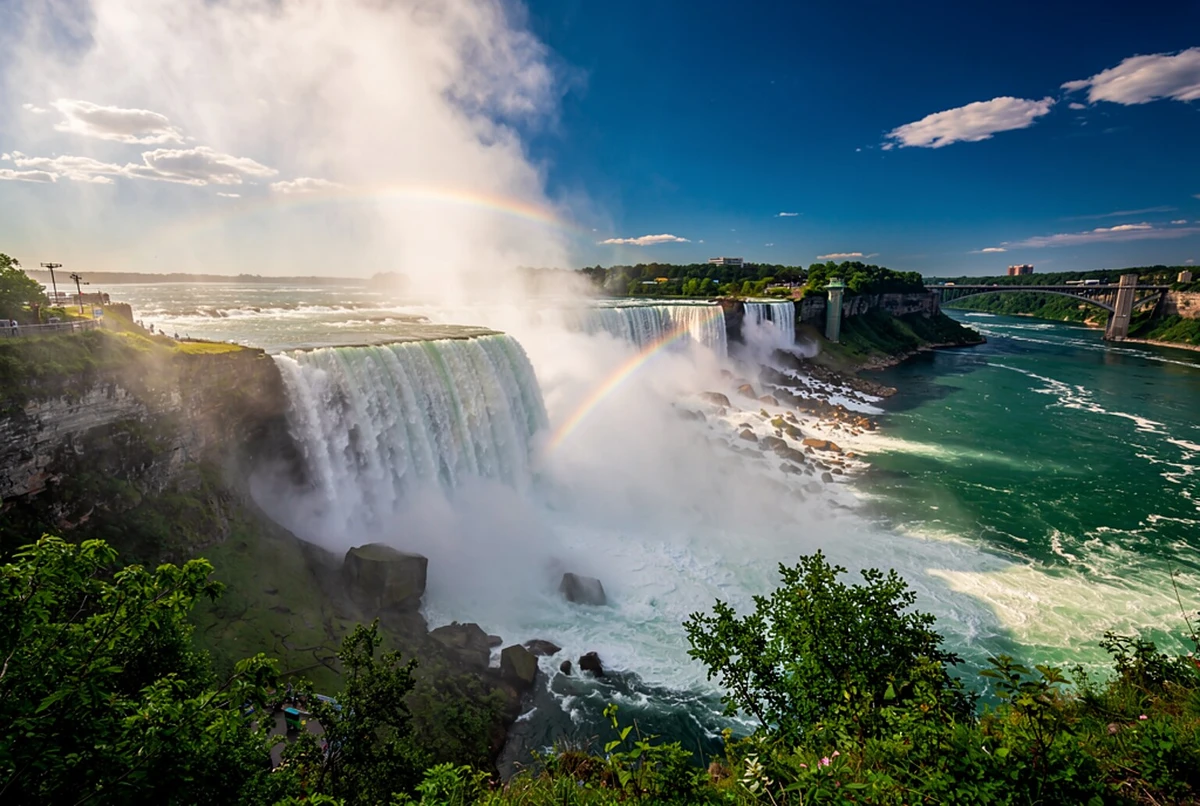
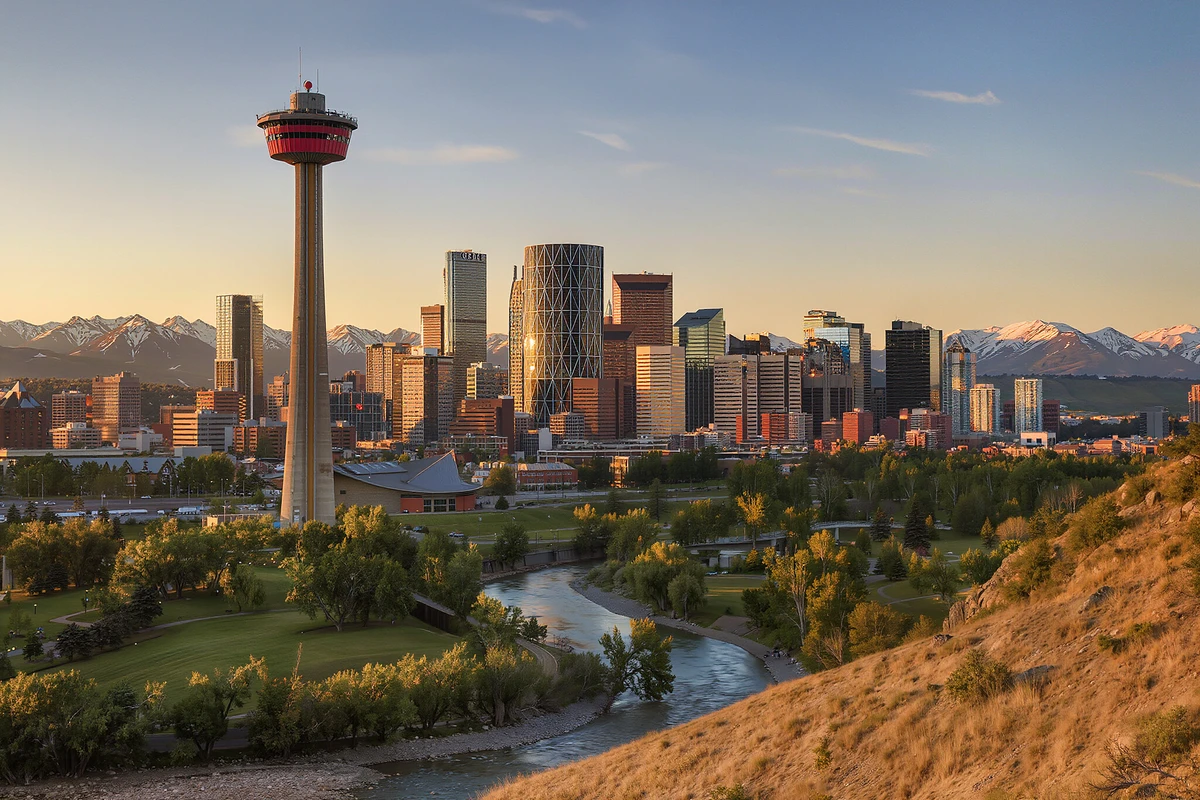
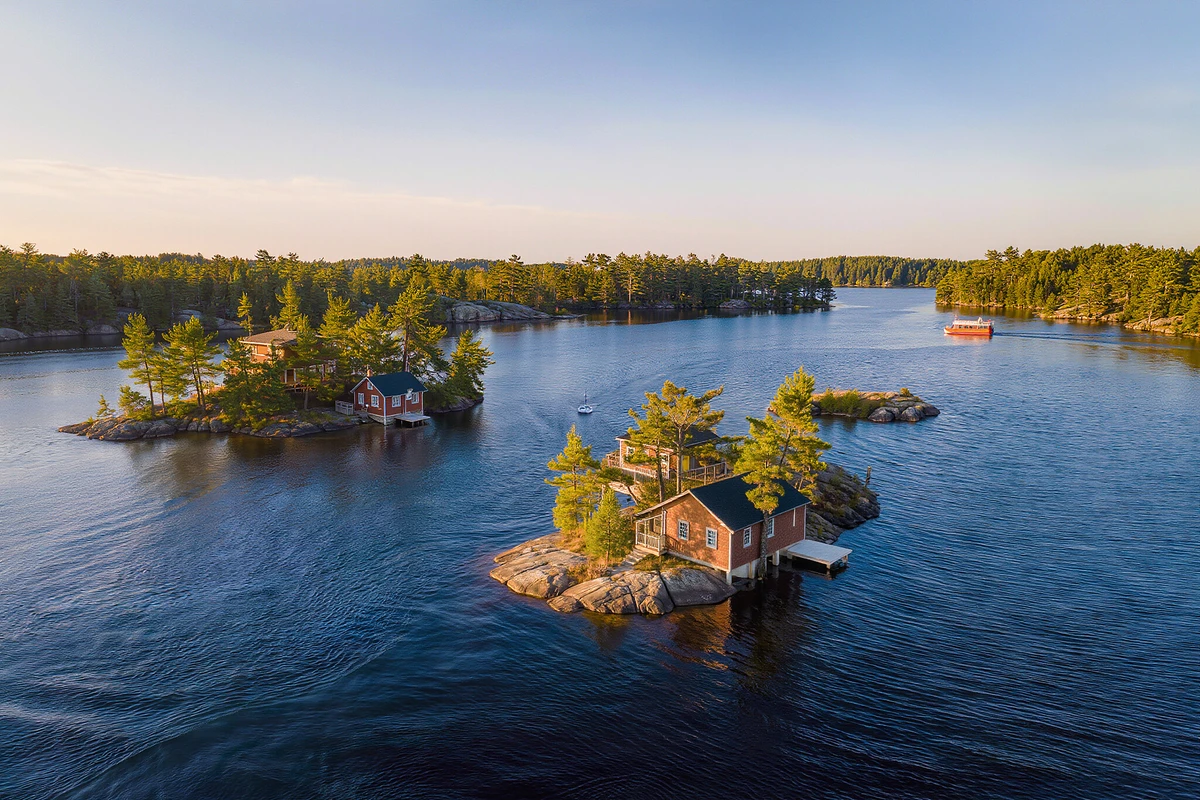
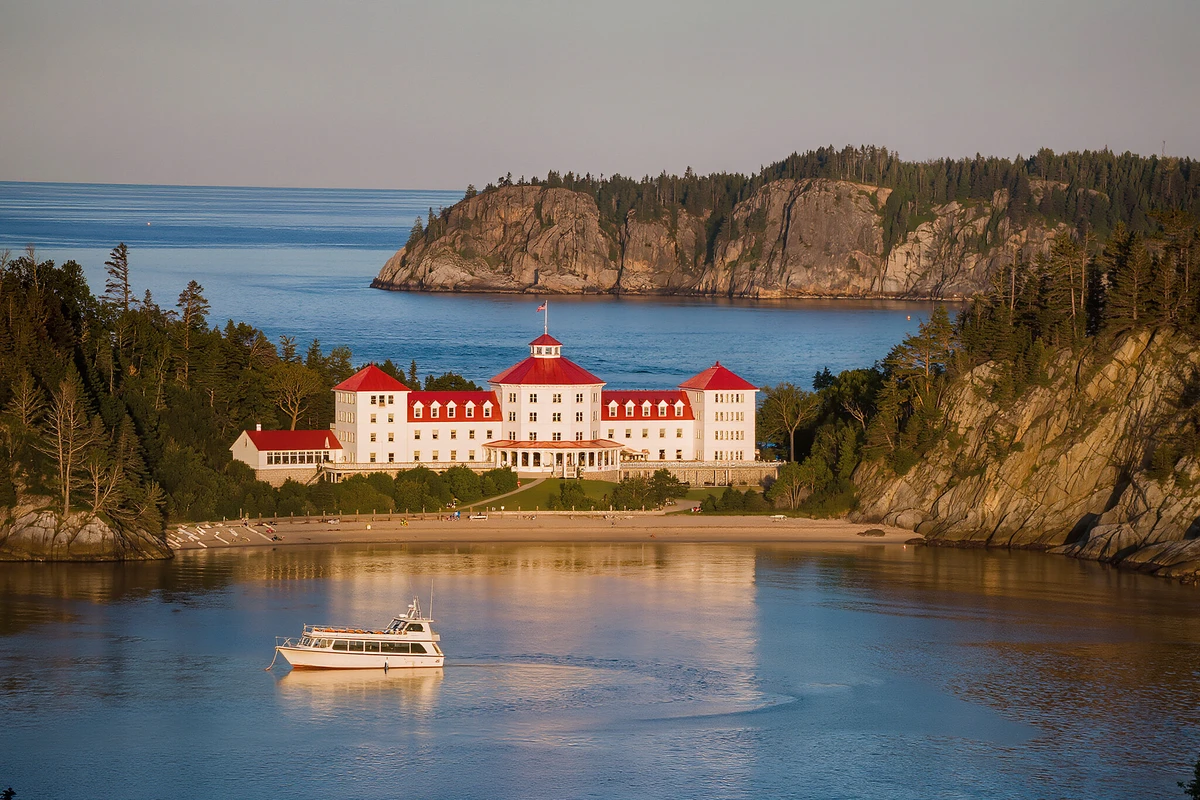
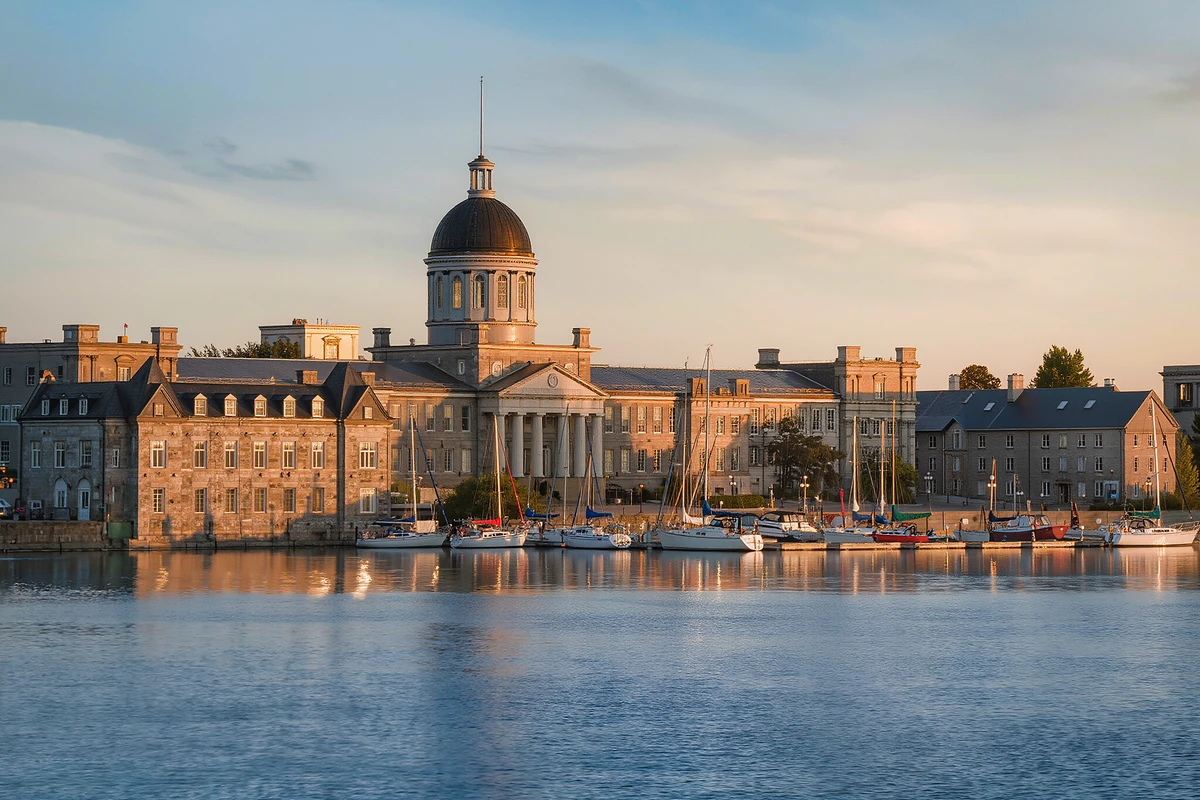
 Victoria Tours Halifax Tours Canmore Tours Charlottetown Tours
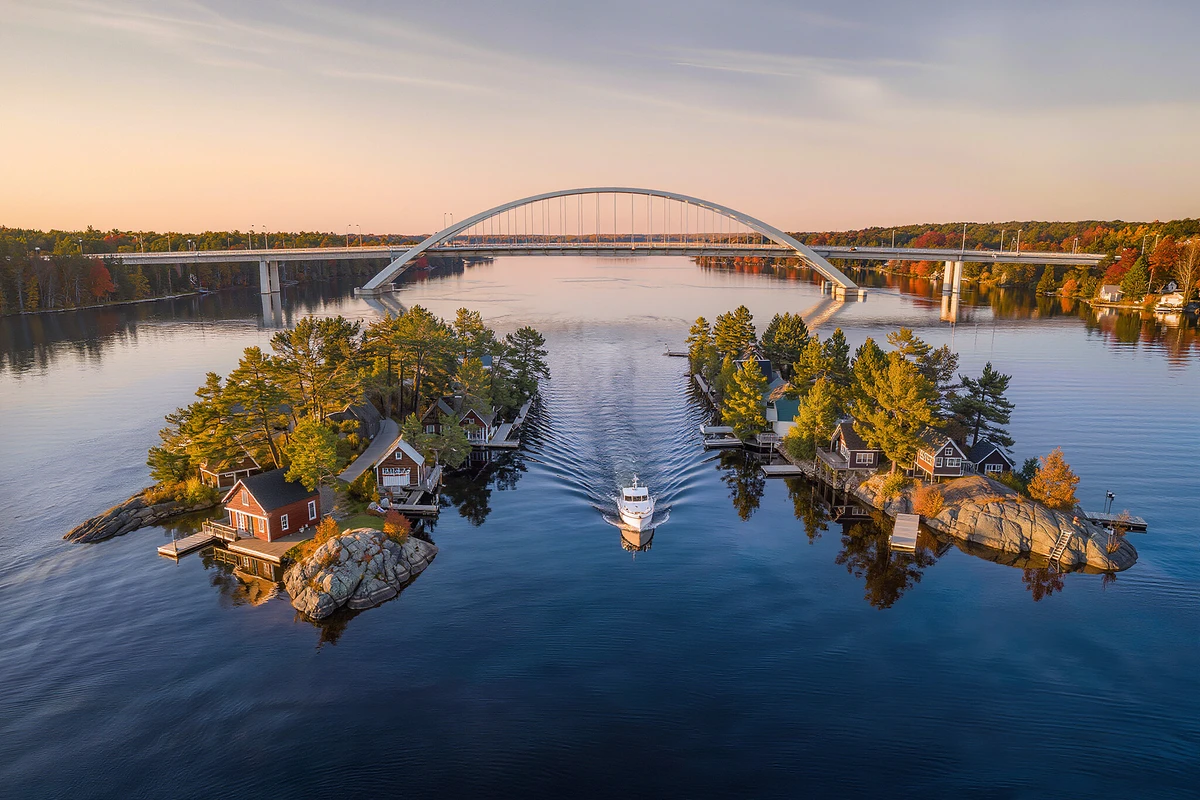 Montebello Attraction Tickets Whistler Tours
Services by city in Canada
Tours
Attraction Tickets
Airport Transfers
Ferry Tickets
The essence of Canada
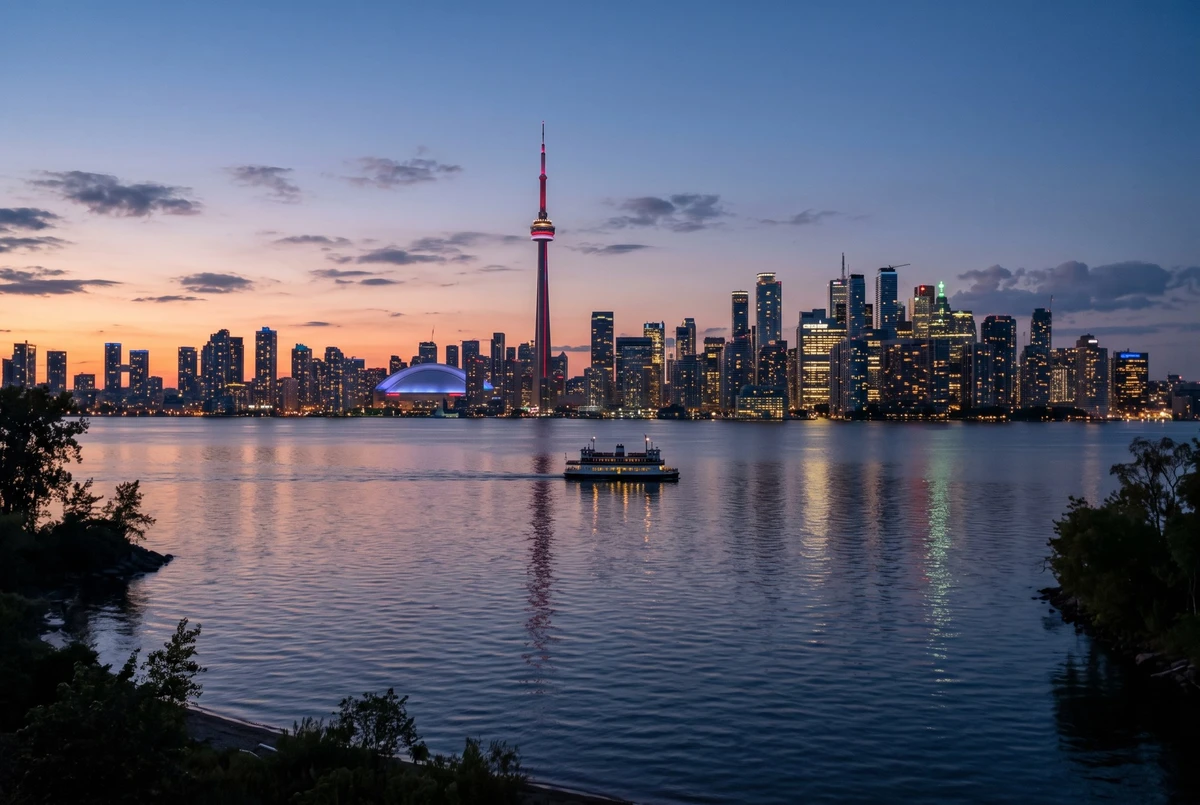
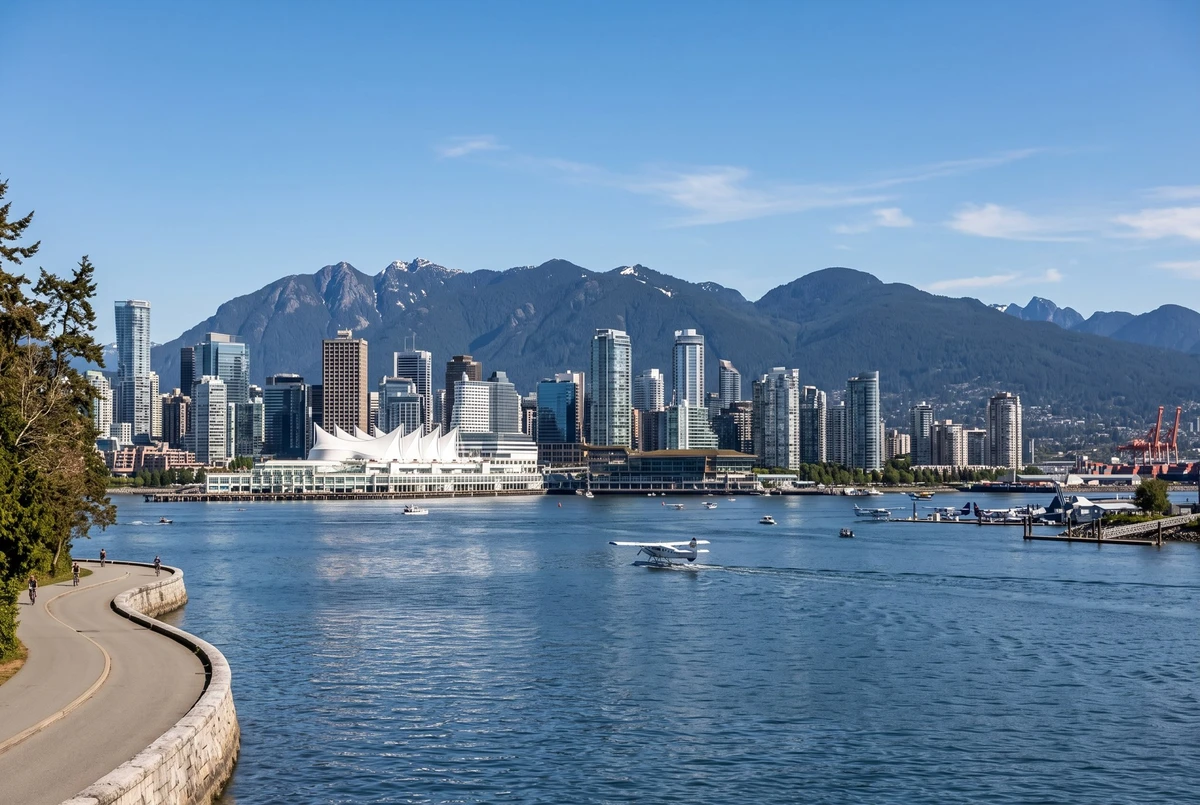
Canada is the world’s second-largest country, and it uses every kilometre generously. Here, cosmopolitan cities sit within reach of true wilderness: Vancouver’s towers stand between ocean and mountains, Toronto’s skyline is a short drive from the thunder of Niagara Falls, and Quebec City guards French-speaking streets that feel centuries old. Clean, safe, welcoming and spectacularly wild, Canada is a country where a single trip can hold glacier lakes, maple-scented markets and some of North America’s most livable cities.
Why visit Canada?
First Nations, New France and a Young Confederation
Canada’s story begins with First Nations, Inuit and Métis peoples, whose carved cedar poles still rise in Vancouver’s Stanley Park and whose art fills the city’s Museum of Anthropology. In 1608 Samuel de Champlain founded Quebec City, today the only fortified city north of Mexico and a UNESCO World Heritage site. Old Montreal’s stone streets, Ottawa’s Gothic Parliament and the Rideau Canal trace the making of the modern country.
Rockies, Lakes and Endless Wilderness
Canada’s landscapes operate on a vast scale. In the Rockies, Banff and Jasper national parks hold glacier-fed lakes such as Lake Louise and Moraine Lake, linked by the Icefields Parkway. On the Pacific coast, temperate rainforest meets the sea around Vancouver, while in Ontario the Horseshoe Falls at Niagara thunder along the border. Further north, boreal forest and tundra stretch towards the Arctic, where the northern lights dance across winter skies.
Maple, Markets and Two Languages
Canada lives in English and French, and its food tells the same layered story. Montreal’s wood-fired bagels, smoked meat sandwiches and poutine, and spring visits to a sugar shack for maple taffy poured on snow, sit beside wild Pacific salmon in Vancouver and Atlantic lobster in the Maritimes. Toronto, one of the world’s most diverse cities, makes halal dining and flavours from every continent remarkably easy to find.
Only in Canada
Canada is where you paddle a canoe across a glacier-blue lake beneath the Rockies, ride a boat into the mist at the foot of Niagara’s Horseshoe Falls, and stand on the Athabasca Glacier beside the Icefields Parkway. It is where you walk Quebec City’s ramparts in falling snow during the Winter Carnival, cross the Capilano Suspension Bridge above a rainforest canyon, and watch the aurora ripple green above the Yukon.
Who is Canada for?
Ideal for
- Nature lovers and mountain photographers
- Families seeking safe, spacious and well-organised travel
- Couples drawn to romantic lakes and historic old towns
- Rail travellers and scenic road-trippers
- Winter-sports fans and snow seekers
- Travellers trading summer heat for cool mountain air
Pace & travel style
- Fly coast to coast, then slow down by train and car
- City culture in the east, mountain wilderness in the west
- Early starts for lakes and wildlife, relaxed evenings
- Ten days for one region, two weeks for both coasts
When to visit Canada
Peak season · June–August
Canadian summer is warm, long and bright, with daylight stretching late into the evening. It is the prime season for Banff’s turquoise lakes, Vancouver’s beaches and Niagara’s boat rides, while Montreal and Quebec City fill with festivals and open-air terraces. Popular national parks and hotels are at their busiest and in highest demand, so we recommend reserving tours, train seats and transfers well ahead.
Shoulder season · May and September–October
These are the connoisseur’s months. September brings crisp air and quieter trails in the Rockies, while late September and early October set the forests of Quebec and Ontario ablaze in red and gold. Spring in May means waterfalls in full flow and blossom across Vancouver. Accommodation is easier to secure, temperatures are comfortable for walking, and the scenery is often at its most photogenic.
Low season · November–April
Winter is cold, especially in the east and the interior, and some mountain roads and lakes become inaccessible, with Moraine Lake closed until early summer. Yet the season is magical: Banff becomes a ski and snow destination, Quebec City hosts its Winter Carnival in February, and the northern lights shine in the far north. Vancouver stays mild and rainy. It suits snow-seeking families and lovers of a quieter Canada.
The regions of Canada and how to combine its cities
Canada divides naturally from west to east. British Columbia faces the Pacific, with Vancouver, Victoria on Vancouver Island and the mountains around Whistler. Next door, Alberta holds the Canadian Rockies, with Banff, Lake Louise and Jasper reached through Calgary. Beyond them, the Prairies roll out in wheat fields and wide skies towards the Great Lakes.
Central Canada is the country’s populous heart: Ontario, with Toronto, Niagara Falls and the capital Ottawa, and French-speaking Quebec, with Montreal and historic Quebec City along the St Lawrence River. Further east, the Atlantic provinces offer lighthouses and fishing villages, while the vast North, from the Yukon to Nunavut, is a land of tundra, Inuit culture and aurora.
Our city directory below covers Vancouver, Banff, Toronto, Montreal and Quebec City. In the east, a seven- to ten-day loop links Toronto and Niagara Falls with Montreal and Quebec City by train along the St Lawrence corridor. In the west, pair Vancouver’s ocean and rainforest with Banff’s lakes and peaks. With two weeks, fly between the two to cover both coasts. We issue flight and train tickets, arrange private airport transfers and run guided day tours in each city.
Before you go: practical tips for Canada
Entry & visas
Most visitors to Canada need either an Electronic Travel Authorization, if their passport is visa-exempt and they arrive by air, or a visitor visa applied for in advance, often with biometrics. United States citizens need neither for short visits. Requirements depend on your passport, and processing times for visitor visas can be long, so check the official Government of Canada immigration portal or embassy well before booking.
Money, cards & tipping
The Canadian dollar is used nationwide, and cards and contactless payments are accepted almost everywhere, including taxis and markets. Displayed prices usually exclude sales tax, which is added at the till. Tipping is customary: around fifteen to twenty percent in restaurants, and for taxis and guides. Bargaining is not part of the culture. Canada is a moderately expensive destination, though careful planning delivers excellent value.
Etiquette & dress code
Canadians are polite and reserved; queue patiently, hold doors and say thank you. In Quebec, greet shop and restaurant staff with “Bonjour” before switching to English; it is warmly appreciated. Respect First Nations cultural sites and ask before photographing ceremonies. In national parks, keep a safe distance from bears, elk and other wildlife and never feed them. Dress is casual, but warm layers are essential.
Getting around
Canada is vast, so domestic flights connect regions efficiently: Toronto to Vancouver is a cross-country journey of several hours. Rail is excellent in the Quebec City–Montreal–Toronto corridor, and scenic trains cross the Rockies. Ferries link Vancouver with Vancouver Island and Toronto with its islands. We issue flight, train and ferry tickets, and our private chauffeured transfers connect airports to hotels, including the drive from Calgary to Banff.
Must-do things in Canada
- Canoe the turquoise waters of Moraine Lake or Lake Louise in Banff National Park.
- Drive the Icefields Parkway and step onto the ancient ice of the Athabasca Glacier.
- Ride a boat into the spray at the foot of Niagara’s Horseshoe Falls.
- Look down over Toronto from the glass floor of the CN Tower.
- Walk the ramparts of Old Quebec and admire the turrets of the Château Frontenac.
- Explore Old Montreal’s cobbled lanes and the glowing interior of Notre-Dame Basilica.
- Cycle the seawall around Vancouver’s Stanley Park at golden hour.
- Cross the Capilano Suspension Bridge above a coastal rainforest canyon.
- Taste maple taffy rolled on snow at a traditional Quebec sugar shack in spring.
- Ride the Banff Gondola up Sulphur Mountain for panoramic views of the Rockies.
Do’s and don’ts in Canada
Do
- Pack layers; mountain weather can change within an hour, even in summer.
- Greet people with “Bonjour” first in Montreal and Quebec City.
- Reserve popular Banff experiences and summer hotels well in advance.
- Keep your passport and travel authorisation details handy for every flight.
- Follow park rules and keep a respectful distance from all wildlife.
Don’t
- Don’t forget to tip; service staff across Canada rely on it.
- Don’t underestimate distances; driving between provinces can take days.
- Don’t approach or feed bears, elk or any other wild animals.
- Don’t plan to drive yourself to Moraine Lake; access is by shuttle or guided tour.
- Don’t leave litter or stray from marked trails in national parks.
Canada at a glance
Plan Canada with Haqqi Tours
Every option is confirmed by our team on WhatsApp before you pay, and delivered by our own people or by trusted local partners we work with in every city. Because we send travellers from all over the world, our partners give us special rates and priority, so you always receive the best. Prices are per person unless marked per vehicle.
About Haqqi Tours: About us Contact us Legal NoticePrivacy PolicyCookies & Marketing PreferencesTerms & ConditionsBooking, Payment & Refunds
Where we operate in Canada
Good to know
Frequently Asked Questions
Straight answers to what travellers ask most about Canada.
Is it safe to visit Canada?
Yes. Canada is consistently ranked among the safest countries in the world, with low crime, excellent healthcare and well-maintained infrastructure. The main precautions are natural: dress for changing weather, respect wildlife in national parks and take care on winter roads. Our private transfers handle mountain driving, and our team is reachable on WhatsApp throughout.
How many days do I need for a first trip to Canada?
Allow at least seven to ten days for a first trip to Canada, focusing on one region: Toronto, Niagara Falls, Montreal and Quebec City in the east, or Vancouver and Banff in the west. With fourteen days or more, you can combine both coasts using a domestic flight between Toronto and Vancouver or Calgary.
What is the best way to travel between Canada's major cities?
Fly for long distances, such as Toronto to Vancouver or Calgary, and take the train in the east, where rail links Quebec City, Montreal and Toronto comfortably. For Banff, a private transfer from Calgary airport through the foothills is the easiest option. We issue flight and train tickets and arrange private transfers at every stage.
Can a trip to Canada be tailored for luxury or private travel?
Absolutely. We can tailor Canada around private airport transfers, private guided day tours in the Rockies and at Niagara, premium train seats and landmark hotels, from lakeside mountain lodges to historic railway châteaux. Tell our team your interests and pace, and we design the itinerary and confirm every detail with you on WhatsApp before anything is paid.
Is Canada tourist friendly?
Very. Canada is welcoming, orderly and easy to navigate, with English widely spoken and French alongside it in Quebec. Visitor information is excellent, public spaces are clean and accessible, and multicultural cities make halal food and prayer facilities easy to find, especially in Toronto, Montreal and Vancouver. Canadians are famously courteous and helpful to travellers.
Is it safe to travel to Canada now?
Canada is a calm, stable destination for travel. Seasonal conditions such as summer wildfires in parts of the west or heavy winter storms can occasionally affect specific areas and roads, so check the official travel advice of your own government before departure and follow local alerts. Keep our WhatsApp line handy; our team can adjust plans if needed.
What is the best time to visit Canada?
The best time to visit Canada is June to September for national parks, lakes and city festivals, with late September and early October ideal for autumn colours in Quebec and Ontario. December to March suits winter sports in Banff and Quebec City’s snowy charm, while spring brings quieter travel and flowing waterfalls.
What is Canada famous for?
Canada is famous for the Rocky Mountains and turquoise lakes of Banff, for Niagara Falls, maple syrup and vast wilderness. It is known for multicultural cities such as Toronto and Vancouver, the French heritage of Montreal and Quebec City, ice hockey, the northern lights and the warmth and politeness of its people.
Which cities in Canada does Haqqi Tours cover?
Toronto, Vancouver, Montreal, Jasper, Quebec City, Banff, Ottawa, Niagara Falls, Calgary, Gananoque, Tadoussac, Kingston, Victoria, Halifax, Canmore, Charlottetown, Ivy Lea, Montebello and Whistler. Each city has its own page with everything available there, and a trip across several cities is planned in one WhatsApp conversation.
What can I book in Canada?
Day tours, attraction tickets, private airport transfers, flight tickets, train tickets and ferry tickets - all run or confirmed by Haqqi Tours, each with a fixed price agreed on WhatsApp before you pay.
How do I book a tour or transfer in Canada?
Fill in the form on the page you are interested in, or message us on WhatsApp with the date, the number of travellers and your hotel. A member of our team confirms the price and the details in writing within minutes.
Are the prices fixed?
Yes. Every price is agreed in writing on WhatsApp before you travel and does not change on the day - not for traffic, not for a late flight, not for the hour.
Do you arrange transfers between cities in Canada?
Yes. Intercity transfers by private car or van are booked the same way as airport transfers; tell the desk the two hotels and the date and it quotes a fixed price for the whole vehicle.
Can you plan a full itinerary across Canada?
Yes - tell the desk your dates, the cities you want and who is travelling, and it proposes a day-by-day plan with the tours, transfers and tickets priced in writing. You adjust it in the same chat before confirming.
Are your tours private or in a group?
Both exist, and the page of each tour says which. Private tours have a car and guide for your party alone; small-group tours share a guide with a few other travellers. The desk can convert most group tours into a private day on request.
Do the drivers and guides speak Arabic?
It depends on the country, the city and the day, so we do not promise a particular language for the driver or guide. Tell us your preference and we do our best; the WhatsApp desk itself always works in Arabic and English.