
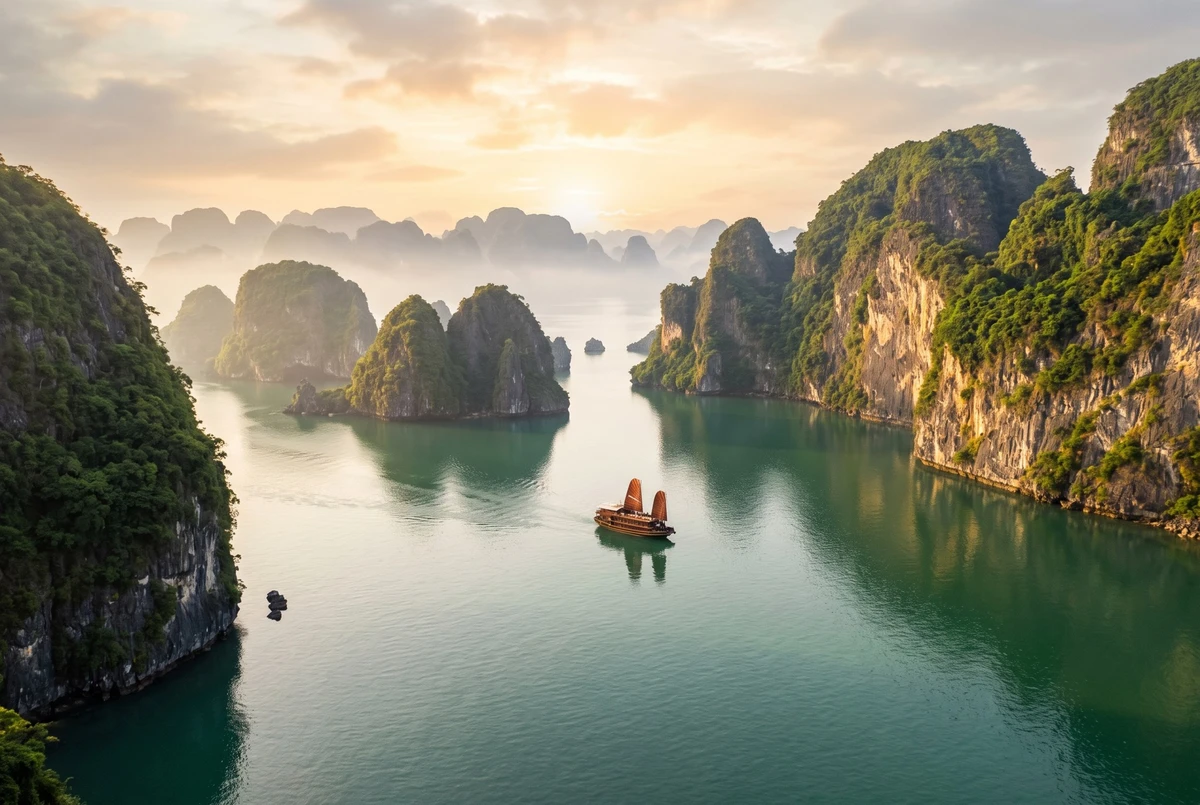
Vietnam
Haqqi Tours arranges day tours, private airport transfers, attraction tickets and multi-day packages across Vietnam, confirmed on WhatsApp before you pay.
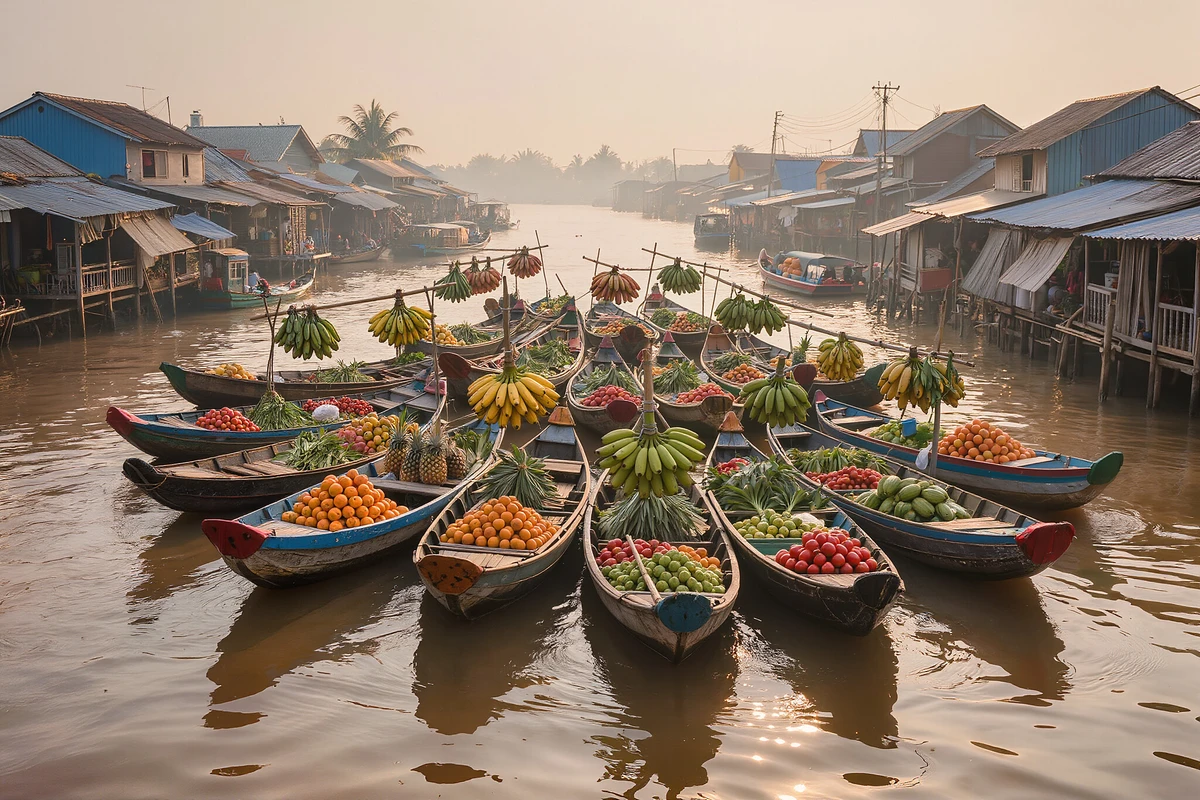
Dawn in Vietnam smells of charcoal, star anise and fresh-cut herbs. On a Hanoi pavement, a woman ladles steaming pho into bowls for workers perched on tiny plastic stools while motorbikes stream past like a river. Hundreds of kilometres south, a wooden boat glides through the Mekong Delta past floating fruit stalls stacked with dragon fruit and rambutan, and on the central coast lanterns still glow in the old merchant streets of Hoi An from the night before.
Destinations
Choose a city to see everything we arrange there.
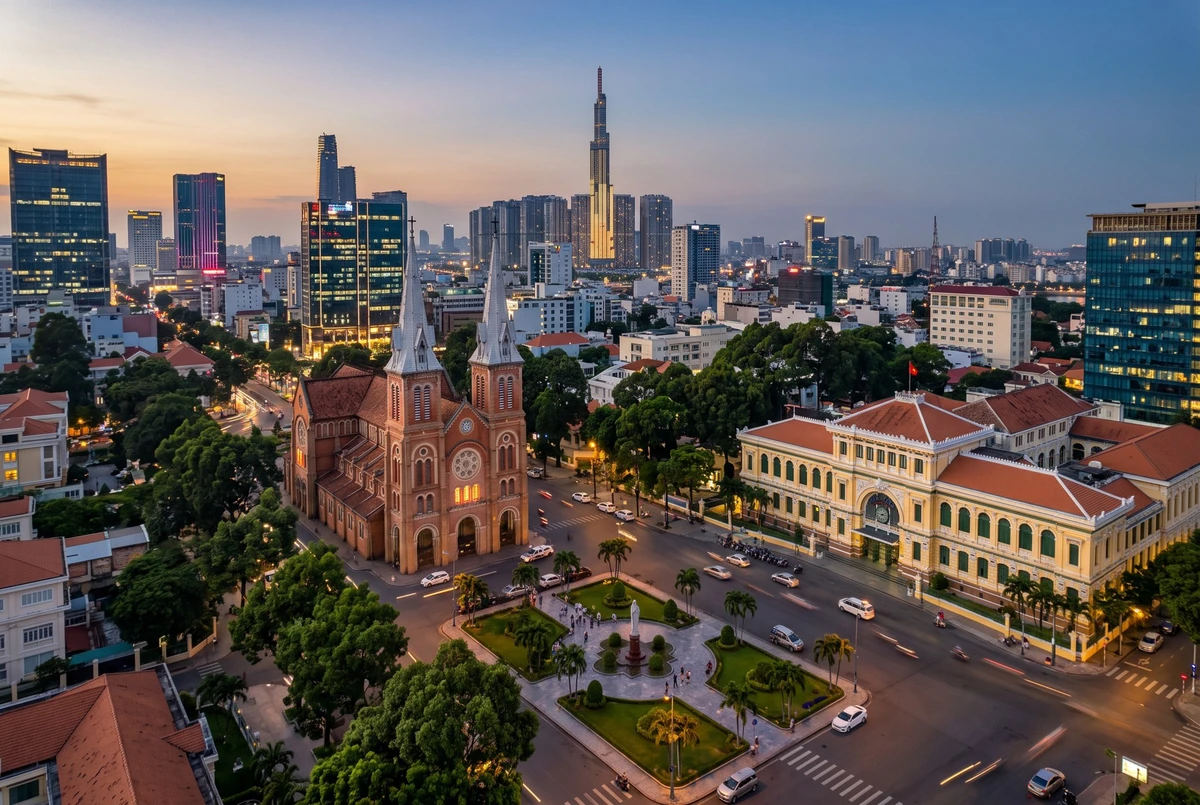
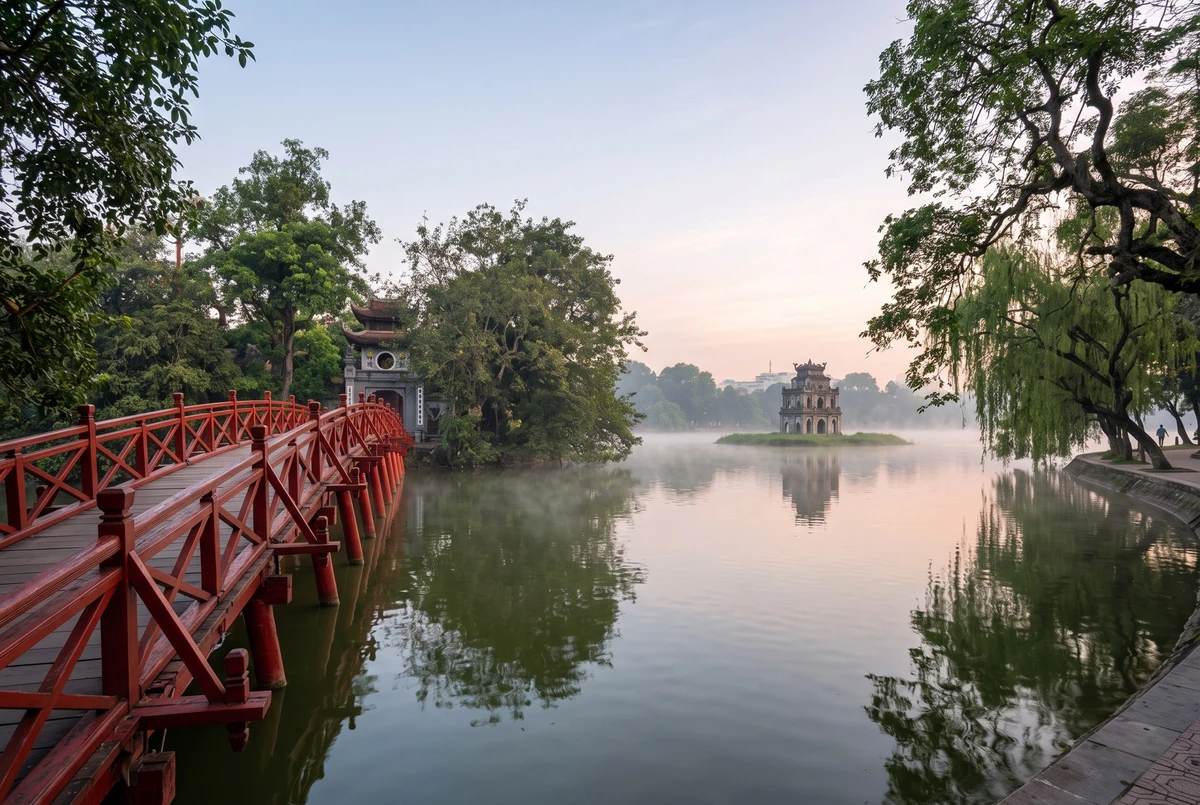
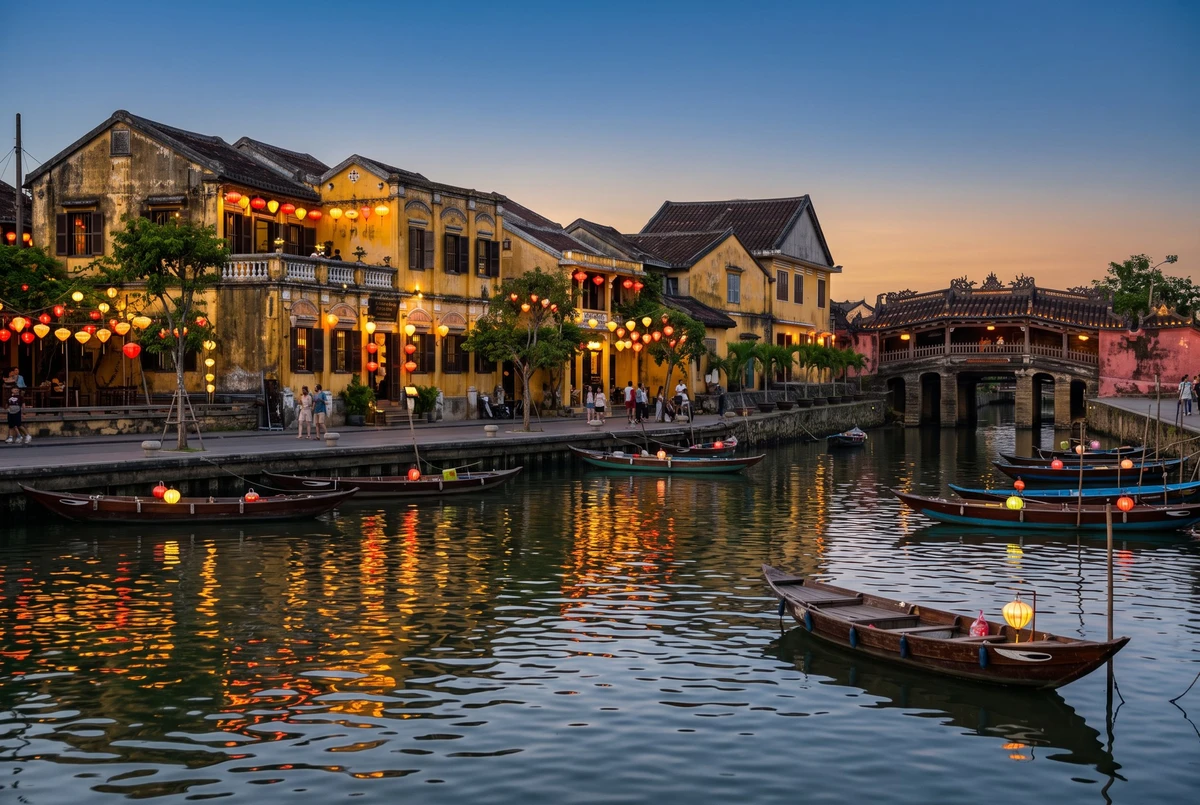
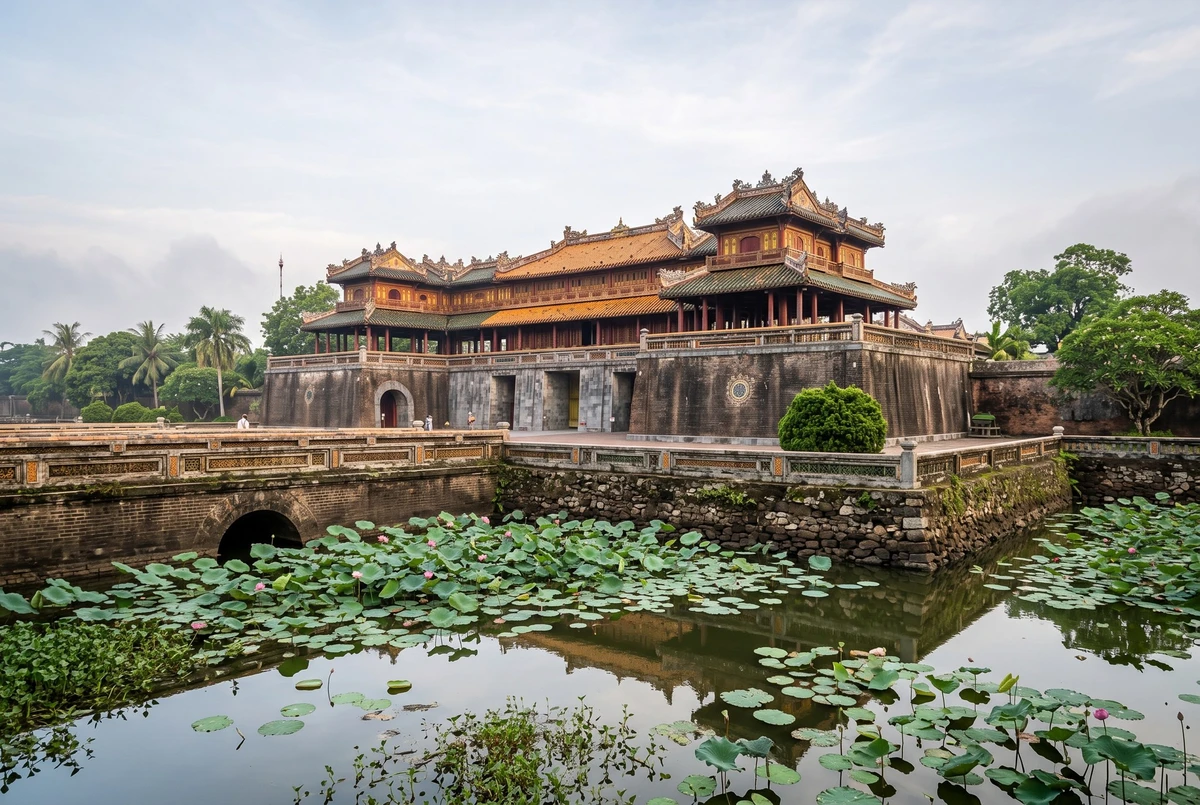
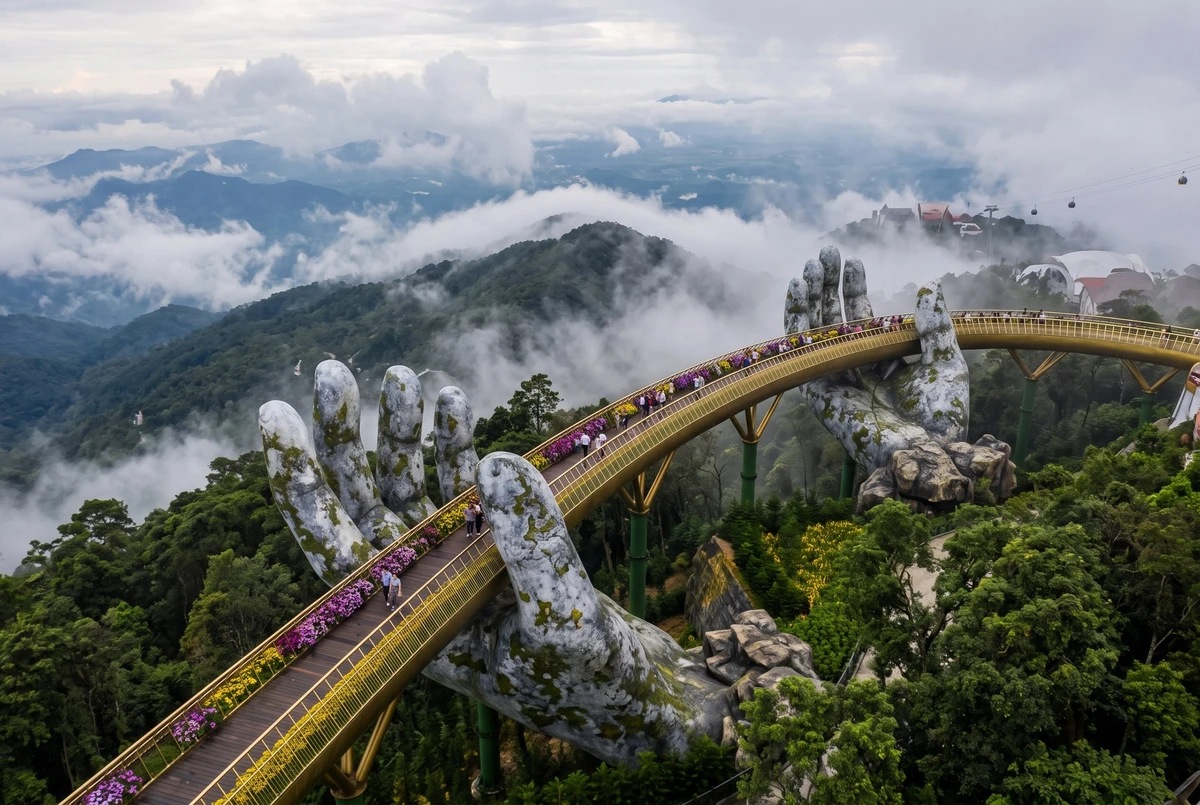
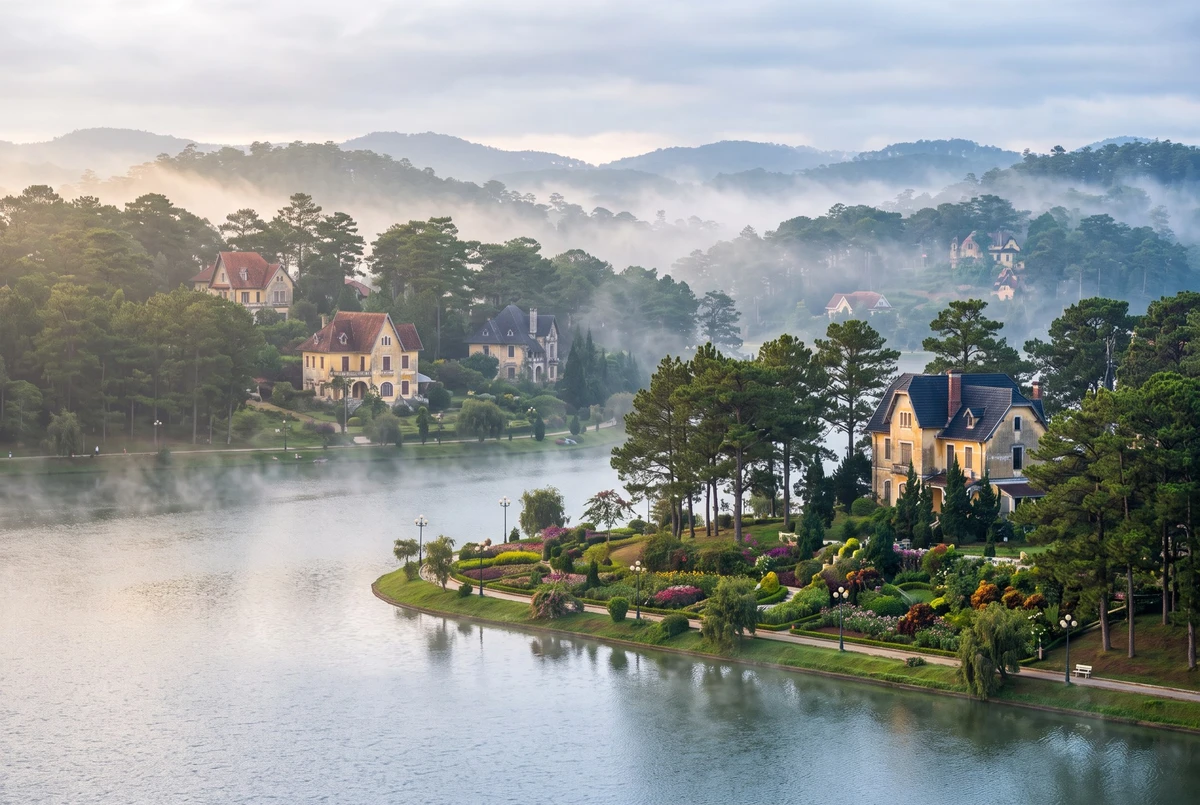
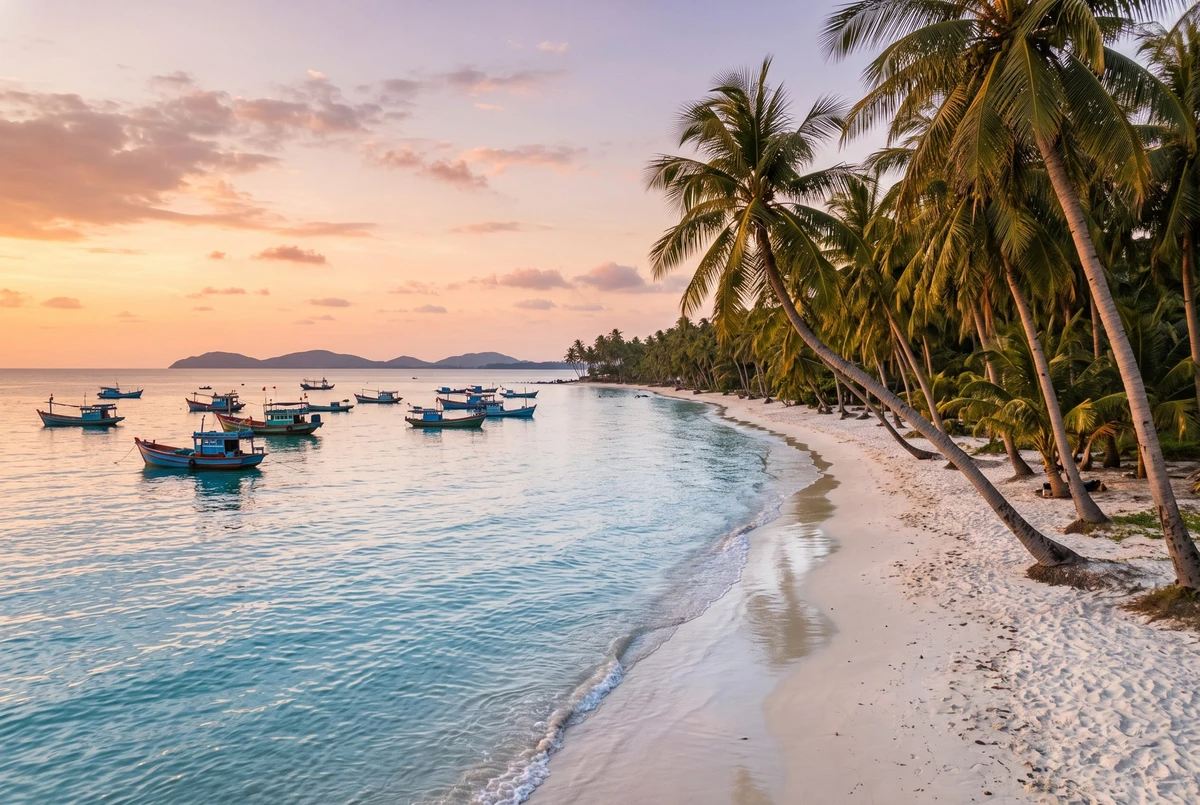
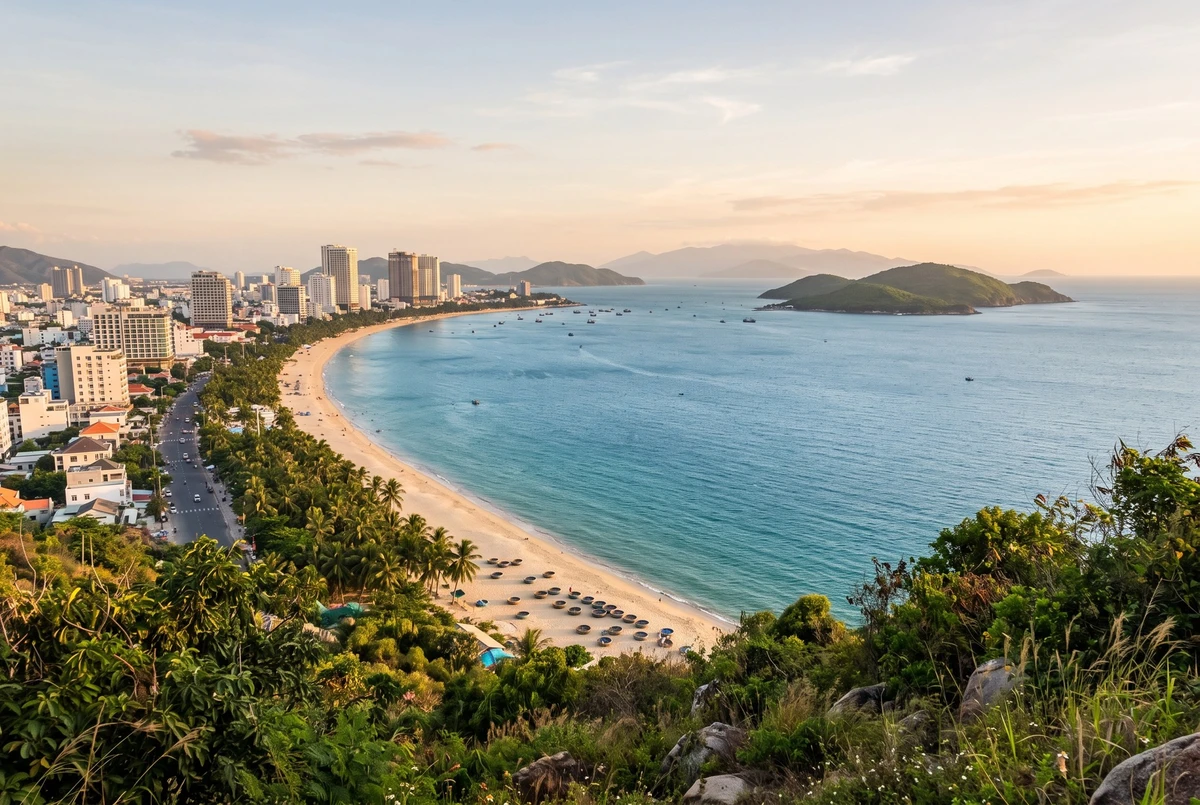
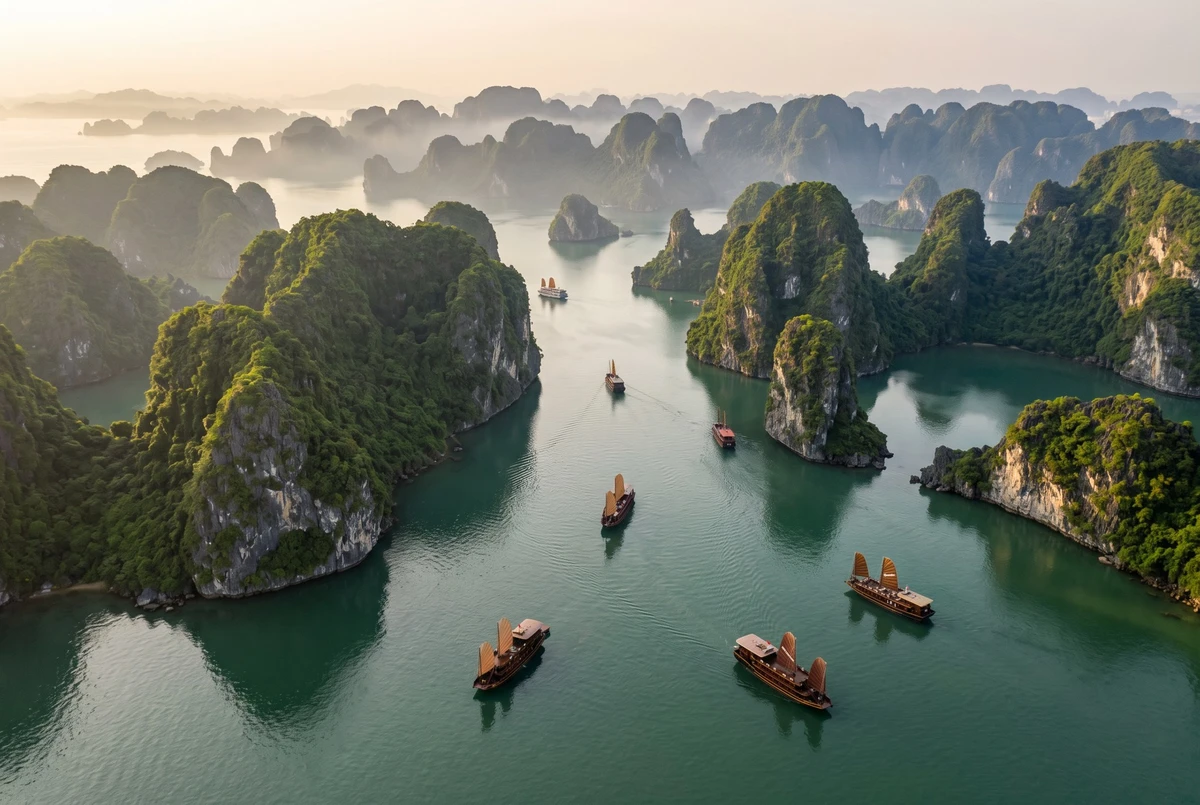
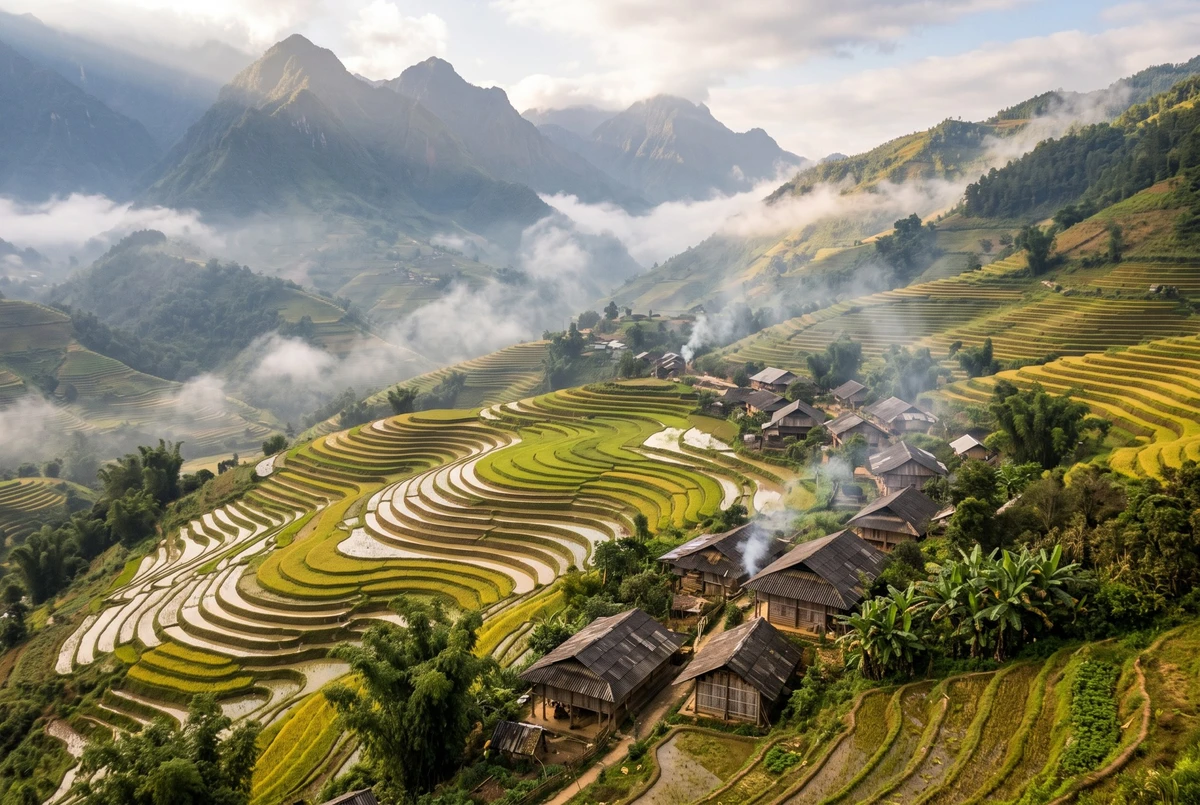
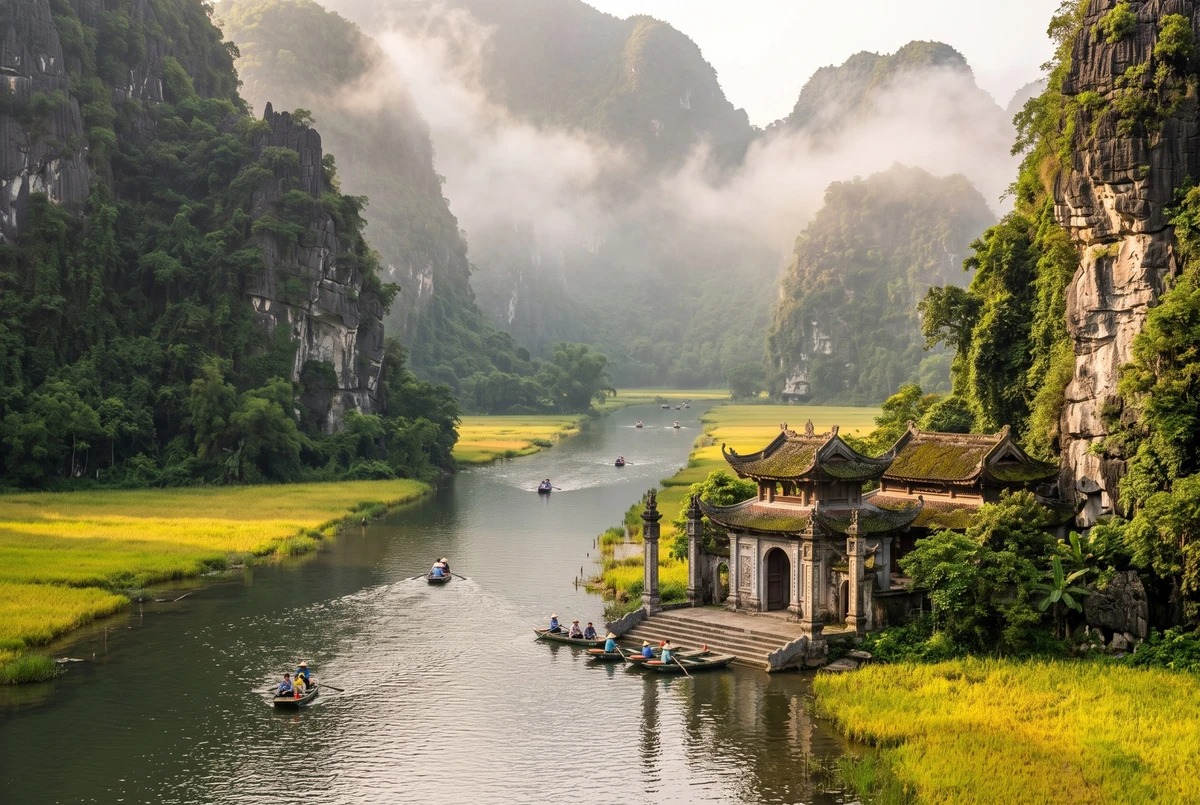
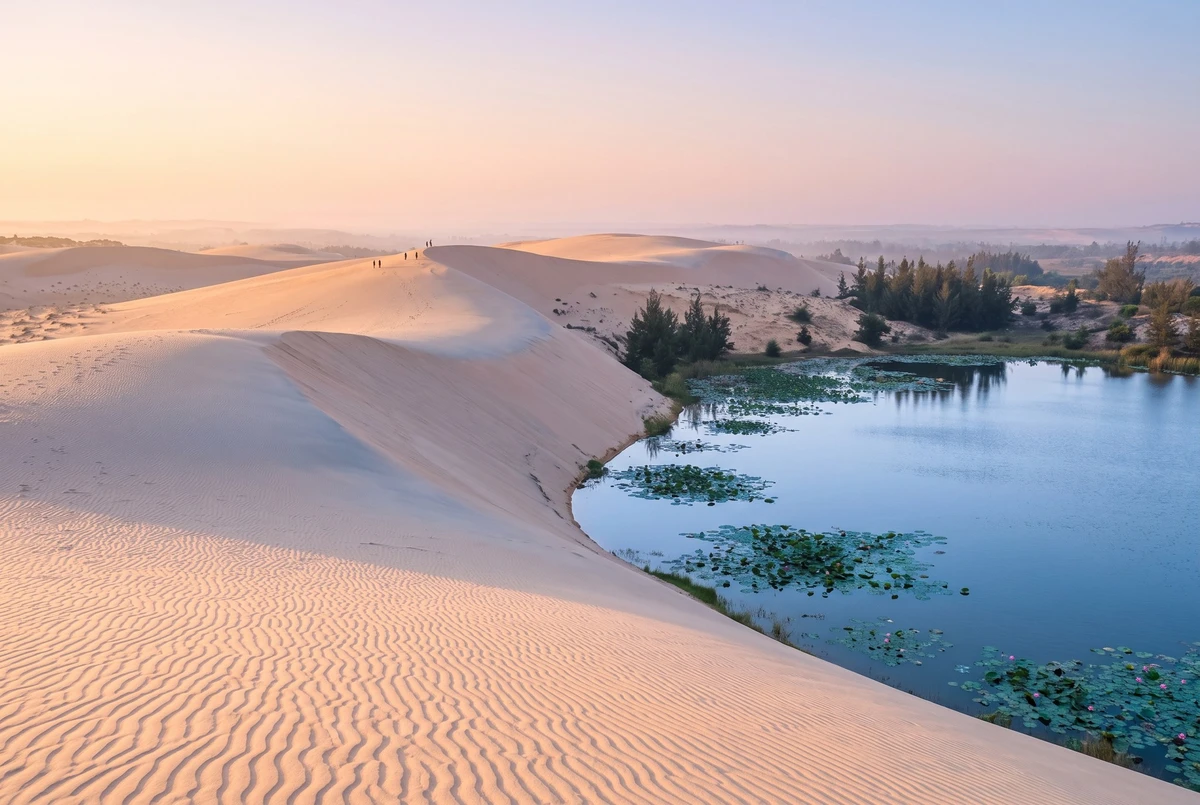
Services by city in Vietnam
Tours
Attraction Tickets
Airport Transfers
Ferry Tickets
The essence of Vietnam
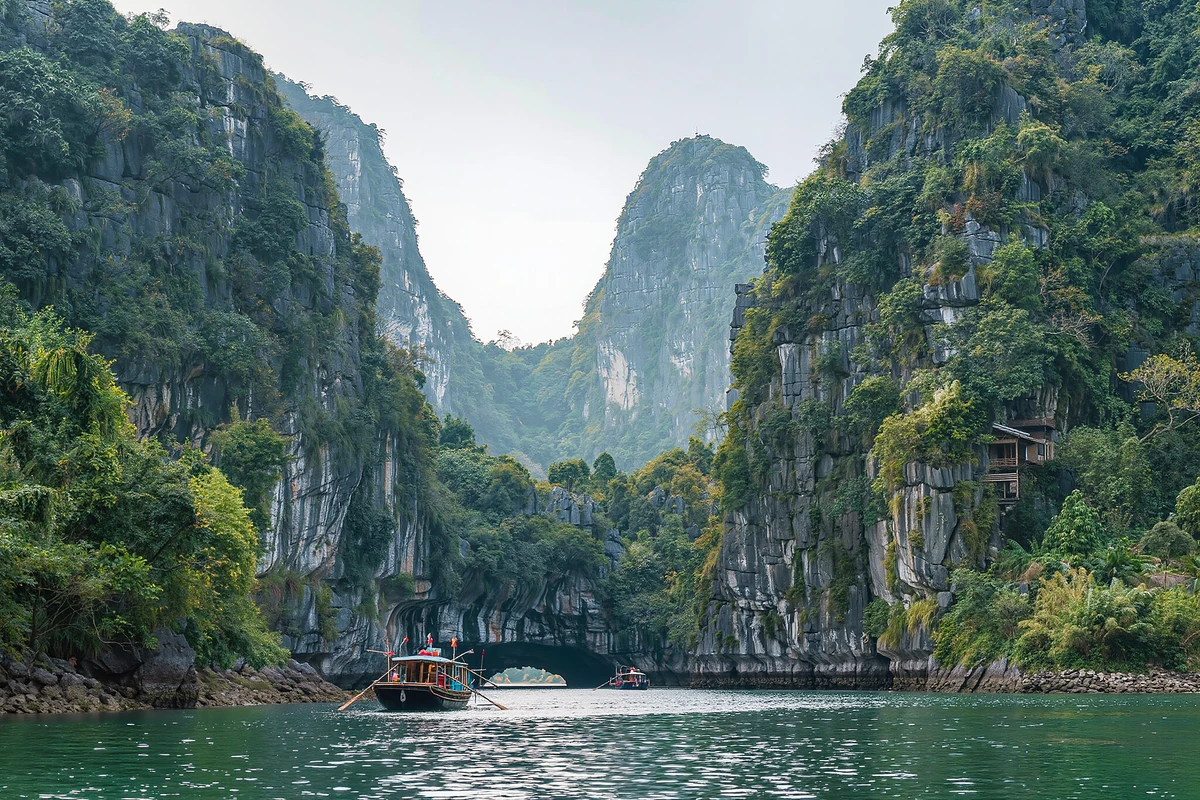
Vietnam is long and slender, curving along the South China Sea for more than three thousand kilometres, and every stretch feels like a different journey. In the north, limestone towers rise from the emerald water of Ha Long Bay and rice terraces climb the mountains of Sapa. The centre holds imperial Hue, the beaches of Da Nang and the lantern-lit town of Hoi An. The south pulses with the energy of Ho Chi Minh City and the slow rhythm of the delta. It is extraordinary value, deeply welcoming and endlessly delicious.
Why visit Vietnam?
Imperial Citadels and Ancient Kingdoms
Vietnam's past is layered across a thousand years of dynasties. In Hanoi, the Temple of Literature, founded in 1070, honours scholars beneath ancient trees, and the Imperial Citadel of Thang Long reveals royal foundations. Hue's moated citadel and riverside royal tombs recall the Nguyen emperors, while the brick towers of My Son tell of the Hindu kingdom of Champa. Hoi An's merchant houses preserve centuries of trade with China, Japan and Europe.
Limestone Bays, Rice Terraces and the Mekong
Few countries pack so much scenery into one coastline. Ha Long Bay and Lan Ha Bay scatter thousands of limestone islands across jade water, and Ninh Binh's rivers wind through karst valleys and rice paddies. In the far north, Sapa and Ha Giang offer mountain passes and terraces carved by ethnic minority communities. Phong Nha holds some of the largest caves on earth, and the south ends in the Mekong Delta's waterways and Phu Quoc's beaches.
Pho, Street Kitchens and Lantern Festivals
Vietnamese food is fresh, fragrant and balanced: pho simmered for hours, crusty banh mi, grilled bun cha, fresh spring rolls wrapped with mint and basil, and Hoi An's cao lau noodles. Coffee culture is a ritual, from strong drip coffee to Hanoi's creamy egg coffee. Life follows the lunar calendar, with Tet, the Lunar New Year, as the year's great celebration, and water puppetry, conical hats and silk ao dai keep tradition visible everywhere.
Moments Only Vietnam Can Give
Sleep aboard a cruise among the limestone islands of Ha Long Bay and wake to mist lifting off the water. Spin in a round bamboo basket boat through the coconut palms near Hoi An, then have a suit or silk dress tailored overnight. Ride the Hai Van Pass between mountains and sea, crawl through the Cu Chi Tunnels, and learn the art of crossing a sea of motorbikes in Ho Chi Minh City.
Who is Vietnam for?
Ideal for
- Food lovers and street-food explorers
- Families wanting culture, beaches and value
- Adventurous travellers and photographers
- History and heritage enthusiasts
- Couples seeking beaches and lantern-lit evenings
- First-time visitors to Southeast Asia
- Multi-city journeys from north to south
Pace & travel style
- A north-to-south journey linked by short domestic flights
- Busy city days balanced with beach and countryside stays
- Overnight bay cruises and slow river days
- Flexible itineraries with private drivers between towns
When to visit Vietnam
Peak season · December–April
These months bring the dry season to the south, cool and often misty days to Hanoi and the north, and increasingly sunny weather to the central coast from February. Tet, the Lunar New Year, usually falls in late January or February, a joyful time though some businesses close for several days. It is the busiest season, so Ha Long cruises, flights and hotels in Hoi An book up early.
Shoulder season · May–August
Summer is beach season on the central coast, with long, bright days in Da Nang and Hoi An and calm seas. The south enters its rainy season, but showers usually come as short afternoon downpours that cool the air. The north is hot and humid with occasional storms. Many international travellers stay away, so smart visitors enjoy good availability and excellent value.
Low season · September–November
This is the wettest period on the central coast, when heavy rain and storms can affect Hue, Hoi An and Da Nang, so flexible plans matter. Yet the north is at its finest: clear autumn skies in Hanoi, golden harvest terraces in Sapa and comfortable cruising on Ha Long Bay. The south dries out from late November. Quieter sights and attractive hotel rates reward travellers who plan around the weather.
The regions of Vietnam and how to combine its cities
Vietnam falls naturally into three regions. The north centres on Hanoi, the thousand-year-old capital, with Ha Long Bay to the east, the karst landscapes of Ninh Binh to the south and the mountains of Sapa and Ha Giang toward the Chinese border. The climate here has real seasons, and the culture feels more traditional and reserved.
The centre is a narrow strip between the Truong Son mountains and the sea, home to the imperial city of Hue, the caves of Phong Nha, the modern beach city of Da Nang and the UNESCO-listed old town of Hoi An. The south is tropical and fast-paced: Ho Chi Minh City, the country's commercial engine, opens onto the canals and orchards of the Mekong Delta and the island of Phu Quoc.
Our team covers Vietnam's four great bases. In Hanoi we arrange day tours to Ha Long Bay and Ninh Binh with private airport transfers; Da Nang and Hoi An pair perfectly for beaches, heritage and day trips to Ba Na Hills and My Son; and Ho Chi Minh City leads to the Cu Chi Tunnels and the Mekong Delta. We issue the domestic flight, train and ferry tickets that link them, so a north-to-south itinerary flows effortlessly.
Before you go: practical tips for Vietnam
Entry & visas
Vietnam operates an online eVisa system open to travellers of most nationalities, and citizens of some countries can enter visa-free for short stays. Apply only through the official government eVisa portal, allow several working days for processing, and make sure your passport has enough validity and blank pages. Rules depend on your passport and change from time to time, so check the official portal or a Vietnamese embassy before booking.
Money, cards & tipping
Vietnam uses the dong, and cash remains king at markets, street-food stalls and small shops, so carry small notes. Cards are widely accepted in hotels, malls and restaurants in the big cities, and ATMs are common. Tipping is not traditional but is appreciated by guides, drivers and spa staff. Bargaining is expected at markets and souvenir stalls, politely and with a smile. Vietnam offers outstanding value for travellers.
Etiquette & dress code
At pagodas and temples, cover shoulders and knees, remove shoes where indicated and never point your feet toward altars. Visits to the Ho Chi Minh Mausoleum require modest dress, silence and no photography inside. Ask before photographing people, especially in ethnic minority villages. Avoid touching anyone's head, hand items over with both hands, and keep calm in disagreements, since raising your voice causes everyone to lose face.
Getting around
Domestic flights are the fastest way to cover Vietnam's length, linking Hanoi, Da Nang and Ho Chi Minh City in under two hours. The Reunification Express railway runs along the coast, with comfortable sleeper cabins and the beautiful Hai Van stretch. Ferries serve Cat Ba, Phu Quoc and Con Dao. Traffic is chaotic for self-drivers, so our team arranges private chauffeured transfers and issues flight, train and ferry tickets.
Must-do things in Vietnam
- Cruise among the limestone islands of Ha Long Bay or quieter Lan Ha Bay.
- Wander Hoi An's old town at dusk when hundreds of silk lanterns glow.
- Eat pho for breakfast on a Hanoi pavement, sitting on a tiny stool.
- Explore the Cu Chi Tunnels and the stories of wartime Vietnam near Saigon.
- Glide by sampan through the rice fields and karst caves of Ninh Binh.
- Visit Hue's Imperial City and the riverside tombs of the Nguyen emperors.
- Drift through the canals and fruit orchards of the Mekong Delta by boat.
- Cross the Hai Van Pass between Da Nang and Hue for sweeping sea views.
- Have a tailored suit or silk dress made in Hoi An within a day or two.
- Sip Hanoi's creamy egg coffee in a hidden café above the Old Quarter.
Do’s and don’ts in Vietnam
Do
- Carry small cash for markets, street food and tips.
- Cross streets slowly and steadily so motorbikes can flow around you.
- Dress modestly and remove shoes at pagodas and temples.
- Check regional weather, as north, centre and south differ greatly.
- Apply for your eVisa only on the official government portal.
Don’t
- Don't run or stop suddenly when crossing busy roads.
- Don't point your feet at altars or touch people's heads.
- Don't drink tap water; use bottled or filtered water.
- Don't raise your voice in disputes; stay calm and polite.
- Don't try to see the whole country in one week.
Vietnam at a glance
Plan Vietnam with Haqqi Tours
Every option is confirmed by our team on WhatsApp before you pay, and delivered by our own people or by trusted local partners we work with in every city. Because we send travellers from all over the world, our partners give us special rates and priority, so you always receive the best. Prices are per person unless marked per vehicle.
About Haqqi Tours: About us Contact us Legal NoticePrivacy PolicyCookies & Marketing PreferencesTerms & ConditionsBooking, Payment & Refunds
Good to know
Frequently Asked Questions
Straight answers to what travellers ask most about Vietnam.
Is it safe to visit Vietnam?
Yes. Vietnam is considered one of the safer destinations in Southeast Asia, with low violent crime and a friendly attitude to visitors. The main risks are traffic and petty theft, such as bag snatching from motorbikes in busy cities, so keep phones and bags secure. Our team stays reachable on WhatsApp throughout your trip.
How many days do I need for a first trip to Vietnam?
Allow ten to fourteen days for a first trip to Vietnam. That covers Hanoi and Ha Long Bay in the north, Da Nang and Hoi An in the centre, and Ho Chi Minh City with the Mekong Delta in the south, linked by short domestic flights. With one week, focus on two regions.
What is the best way to travel between Vietnam's major cities?
Domestic flights are the most efficient way to travel between Hanoi, Da Nang and Ho Chi Minh City, each taking under two hours. The coastal train suits travellers with more time, especially between Da Nang and Hue. We issue flight, train and ferry tickets and arrange private chauffeured transfers between airports, stations and hotels.
Can a trip to Vietnam be tailored for luxury or private travel?
Absolutely. Vietnam excels at luxury: beachfront resorts in Da Nang, elegant heritage hotels in Hanoi, private Ha Long cruises and boutique villas in Hoi An. We arrange private guides, chauffeured cars and day tours shaped around your family, pace and dining needs, and our team confirms every detail with you on WhatsApp before payment.
Is Vietnam tourist friendly?
Very. Vietnamese people are warm and welcoming, tourism infrastructure is excellent in the main cities, and English is widely spoken in hotels and restaurants. Halal food is available in Ho Chi Minh City and Hanoi, near the cities' mosques, and seafood and vegetarian dishes are everywhere. Families find the country easy, affordable and fun.
Is it safe to travel to Vietnam now?
Vietnam remains a stable and popular destination with a good safety record for visitors. As with any trip, check your own government's official travel advice before departure, follow local guidance, especially during storm season on the central coast, and keep our WhatsApp line handy so our team can adjust plans quickly.
What is the best time to visit Vietnam?
For a full north-to-south trip, February to April is the best time to visit Vietnam, with pleasant weather across all three regions. December and January suit the south and centre but are cool in Hanoi. May to August is ideal for central beaches, while autumn is the north's finest season.
What is Vietnam famous for?
Vietnam is famous for Ha Long Bay's limestone islands, the lantern-lit old town of Hoi An, pho and banh mi, the energy of Ho Chi Minh City and the history of Hanoi. It is also known for rice terraces, the Mekong Delta, imperial Hue, tailor-made clothing, strong coffee and outstanding value.
Which cities in Vietnam does Haqqi Tours cover?
Ho Chi Minh City, Hanoi, Hoi An, Hue, Da Nang, Dalat, Phu Quoc, Nha Trang, Ha Long Bay, Sapa, Ninh Binh, Mui Ne, Can Tho and Phong Nha. Each city has its own page with everything available there, and a trip across several cities is planned in one WhatsApp conversation.
What can I book in Vietnam?
Day tours, attraction tickets, private airport transfers, flight tickets, train tickets and ferry tickets - all run or confirmed by Haqqi Tours, each with a fixed price agreed on WhatsApp before you pay.
How do I book a tour or transfer in Vietnam?
Fill in the form on the page you are interested in, or message us on WhatsApp with the date, the number of travellers and your hotel. A member of our team confirms the price and the details in writing within minutes.
Are the prices fixed?
Yes. Every price is agreed in writing on WhatsApp before you travel and does not change on the day - not for traffic, not for a late flight, not for the hour.
Do you arrange transfers between cities in Vietnam?
Yes. Intercity transfers by private car or van are booked the same way as airport transfers; tell the desk the two hotels and the date and it quotes a fixed price for the whole vehicle.
Can you plan a full itinerary across Vietnam?
Yes - tell the desk your dates, the cities you want and who is travelling, and it proposes a day-by-day plan with the tours, transfers and tickets priced in writing. You adjust it in the same chat before confirming.
Are your tours private or in a group?
Both exist, and the page of each tour says which. Private tours have a car and guide for your party alone; small-group tours share a guide with a few other travellers. The desk can convert most group tours into a private day on request.
Do the drivers and guides speak Arabic?
It depends on the country, the city and the day, so we do not promise a particular language for the driver or guide. Tell us your preference and we do our best; the WhatsApp desk itself always works in Arabic and English.