
Australia
Haqqi Tours arranges day tours, private airport transfers, attraction tickets and multi-day packages across Australia, confirmed on WhatsApp before you pay.
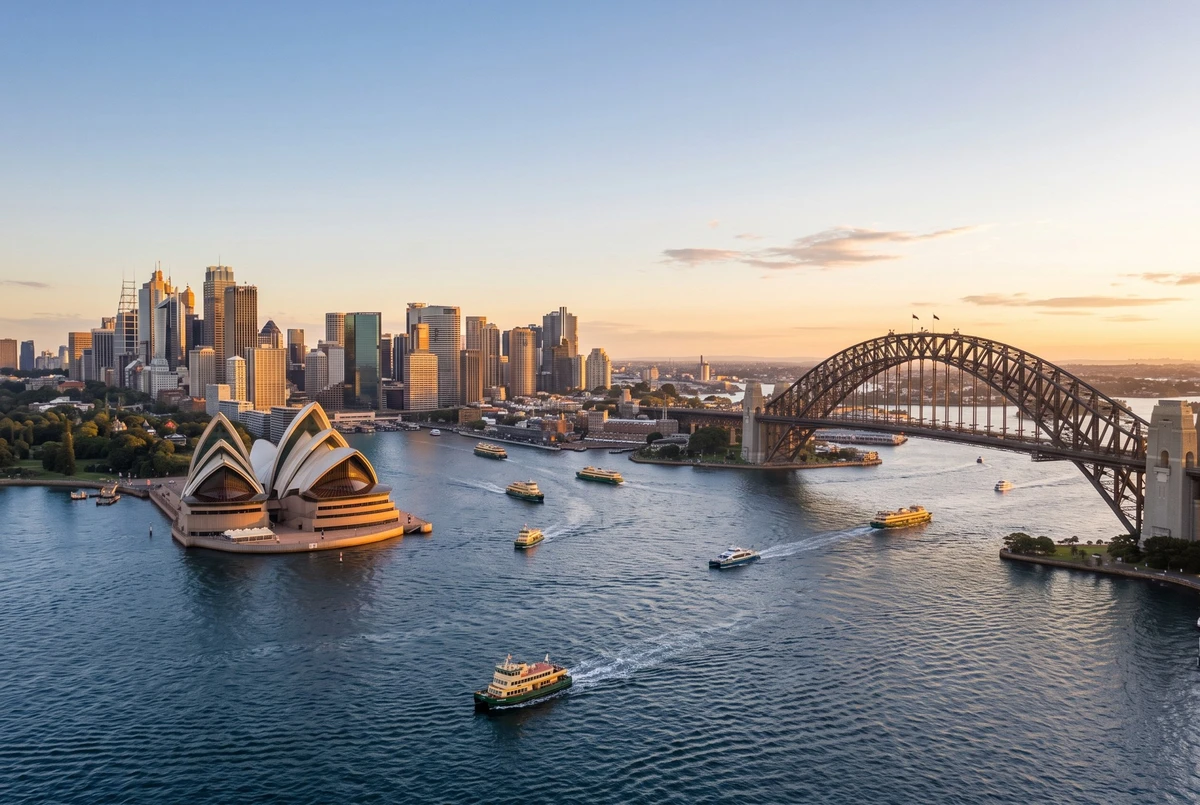
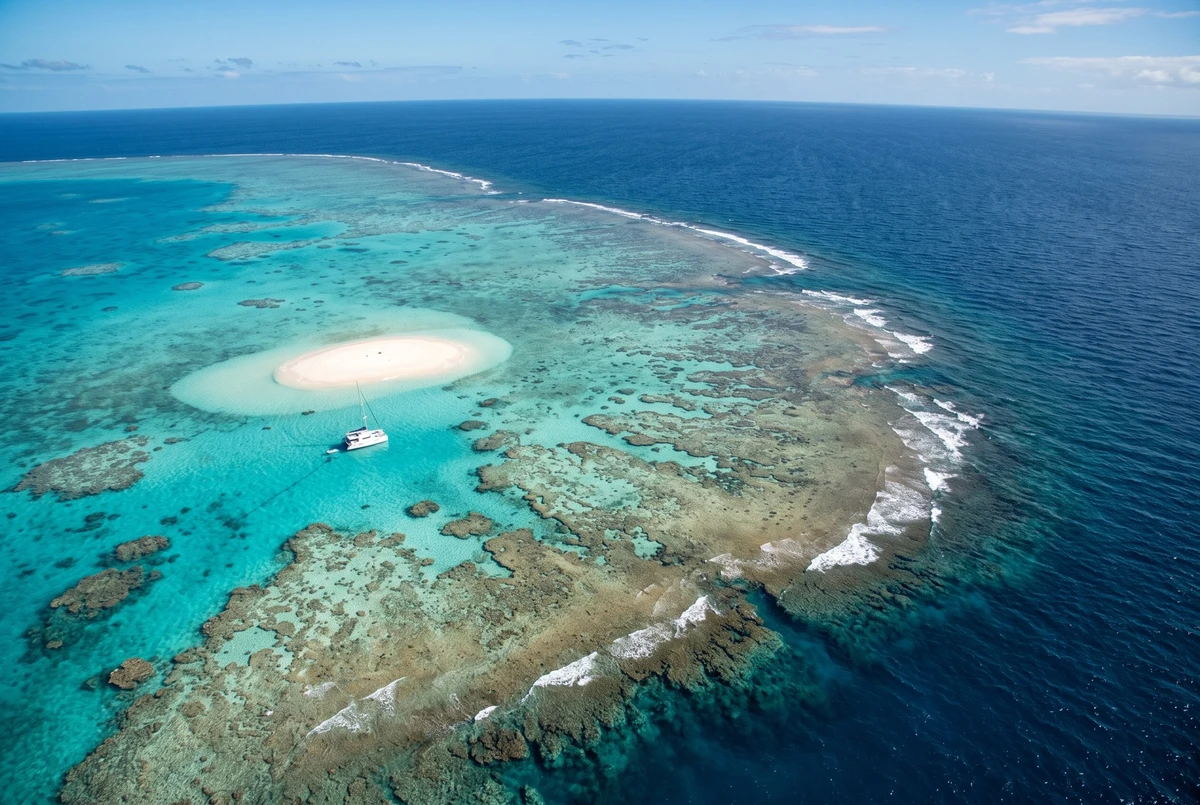
Dawn on Sydney Harbour arrives in layers: first the pale gold on the sails of the Opera House, then the green-and-cream ferries pushing out from Circular Quay, then the scent of eucalyptus drifting down from the headlands as the first swimmers cut across the ocean pool at Bondi. A few hours’ flight north, the same sun lights up the coral gardens of the Great Barrier Reef, where parrotfish graze in water so clear you can count the ridges of a giant clam from the boat.
Destinations
Choose a city to see everything we arrange there.
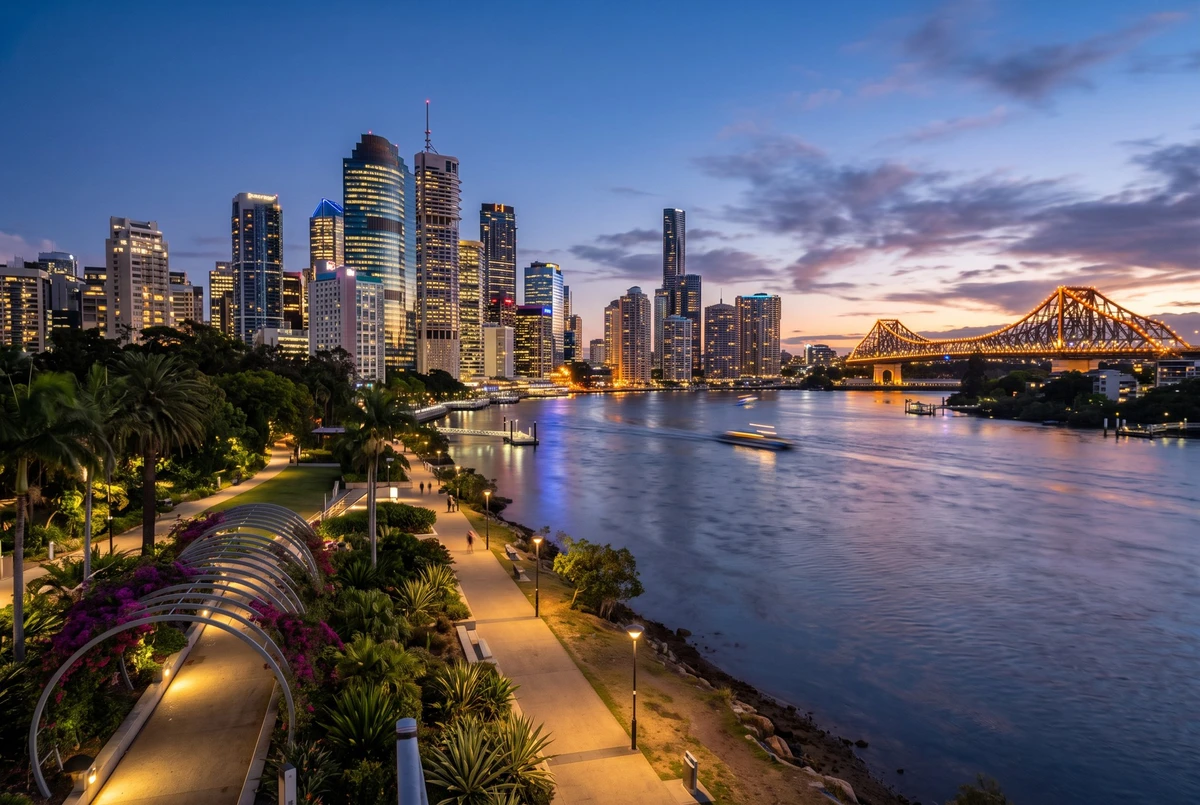
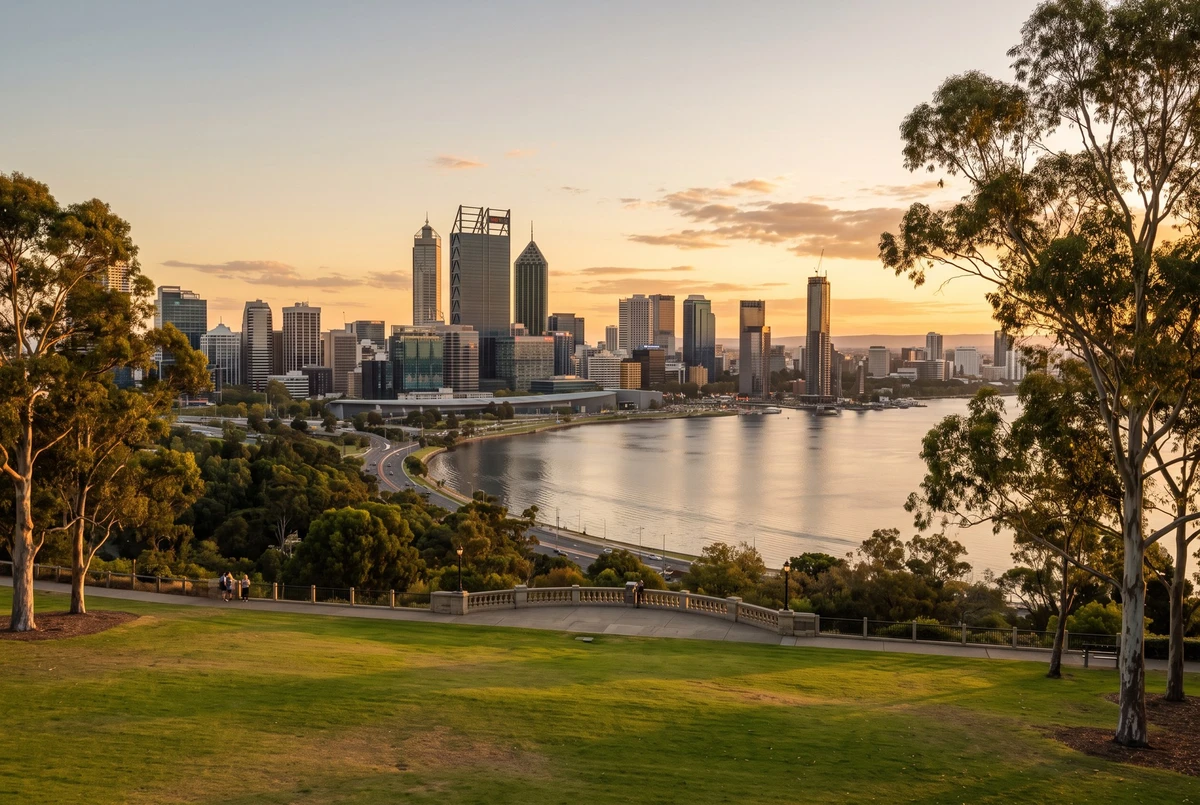
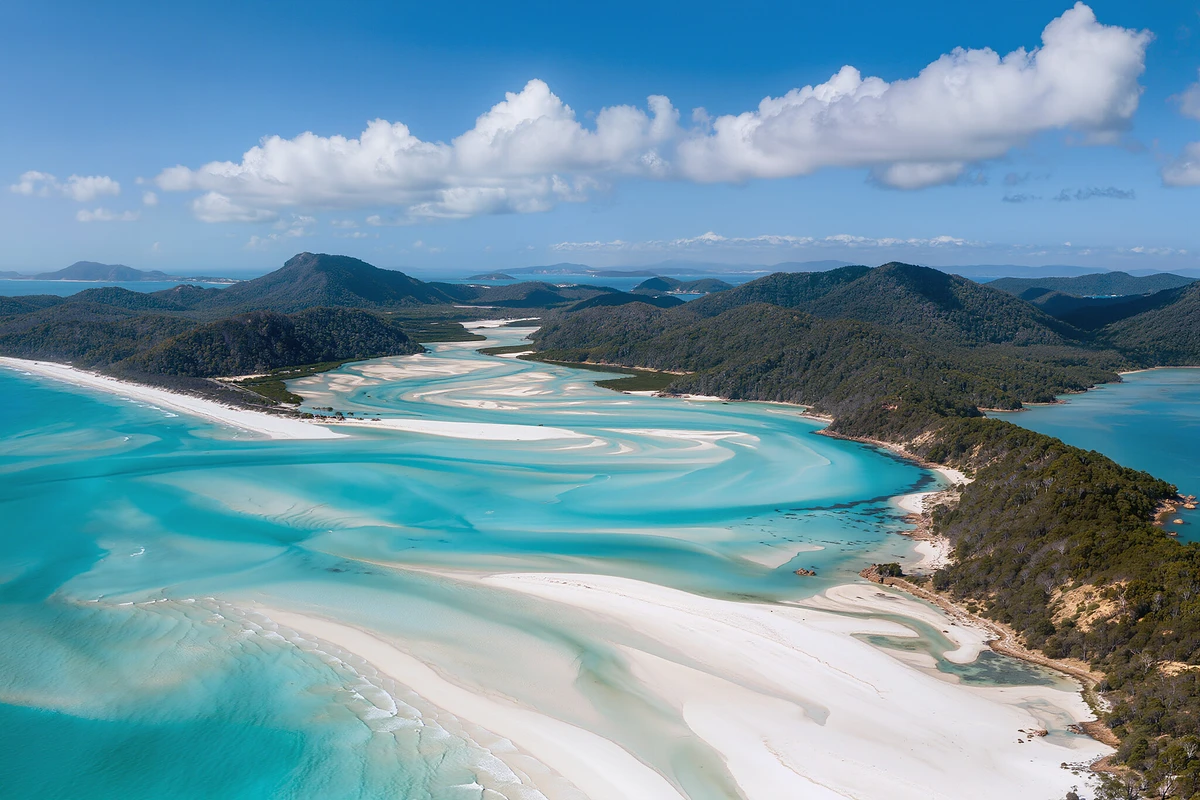
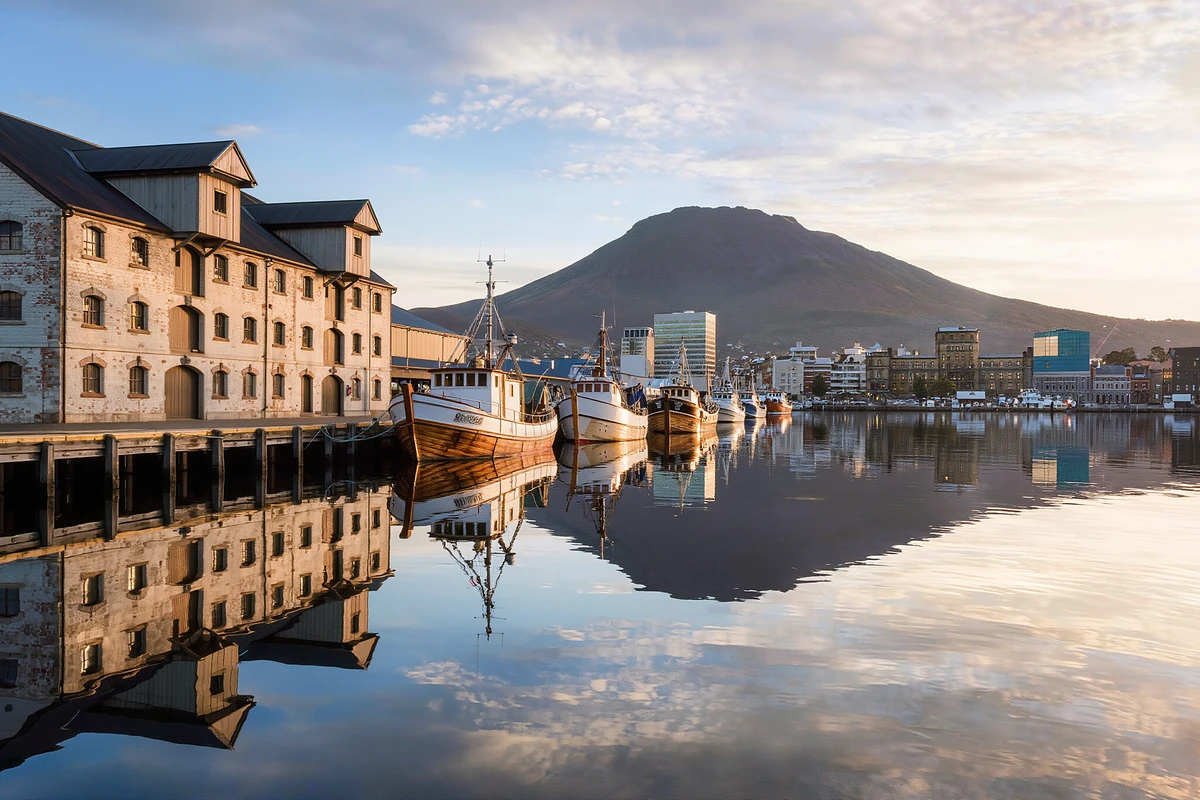
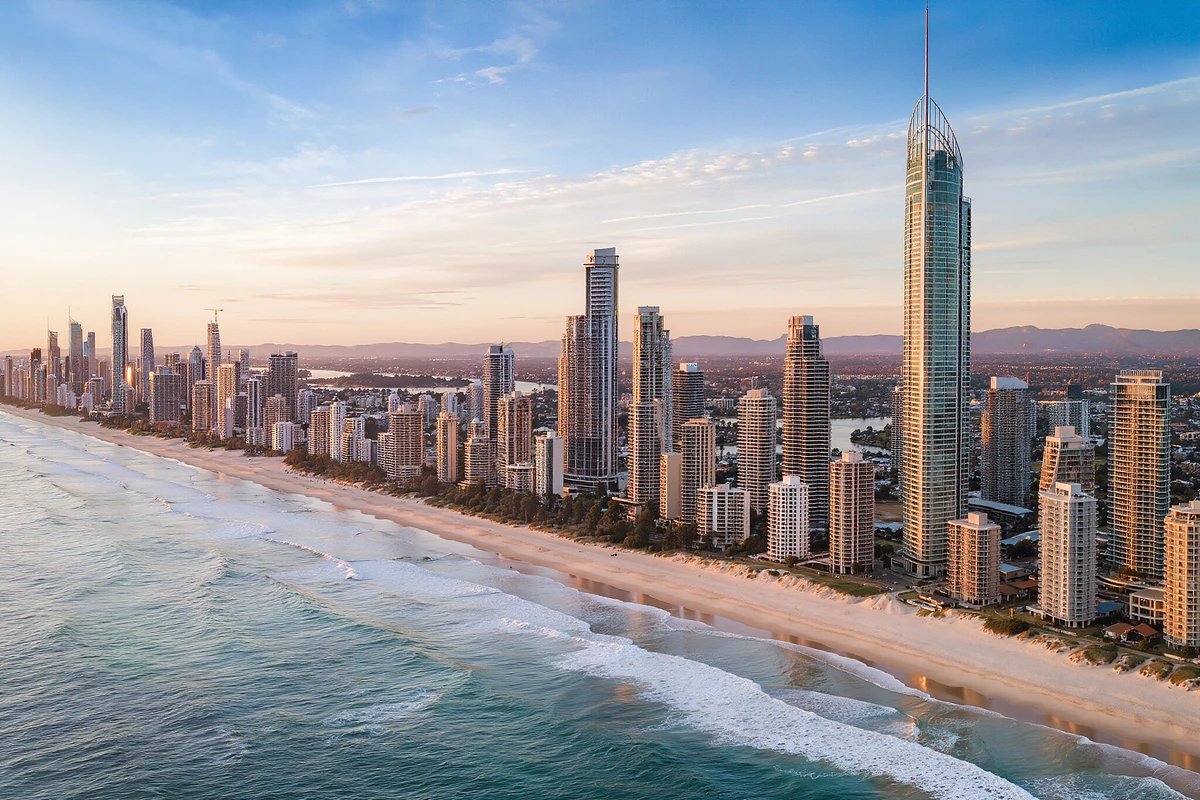
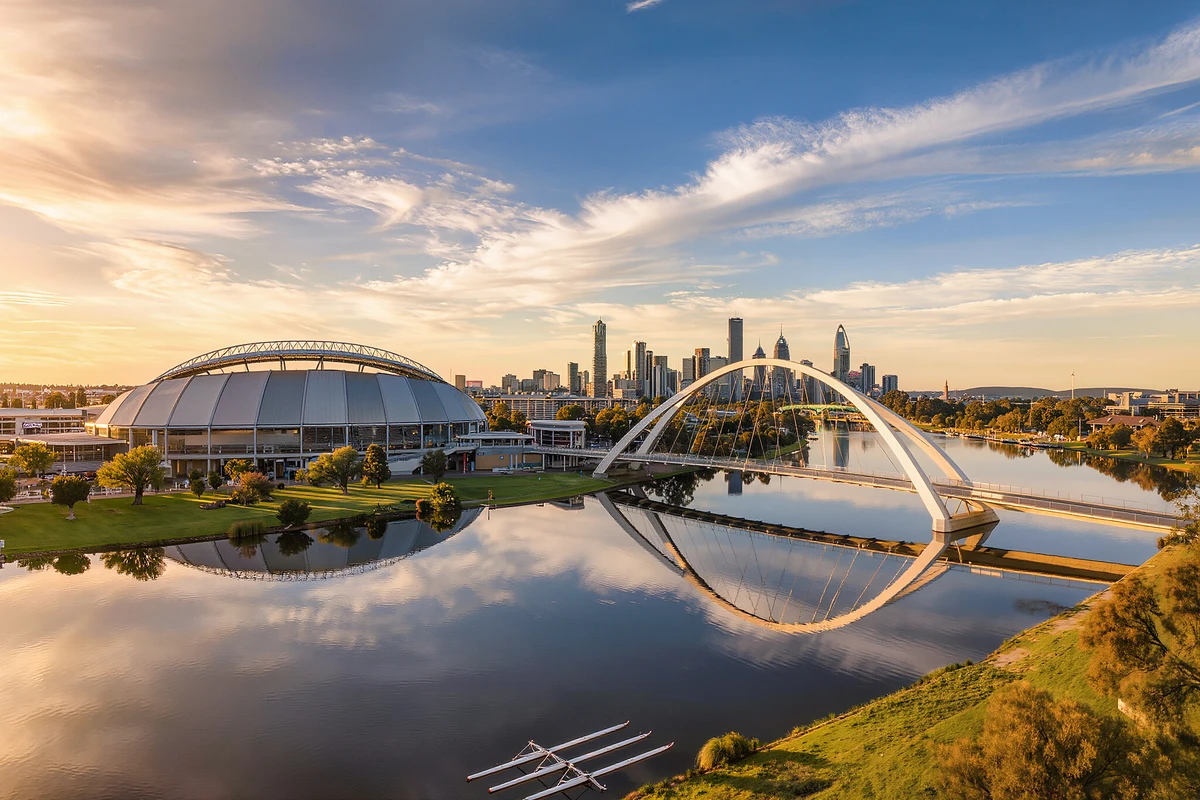
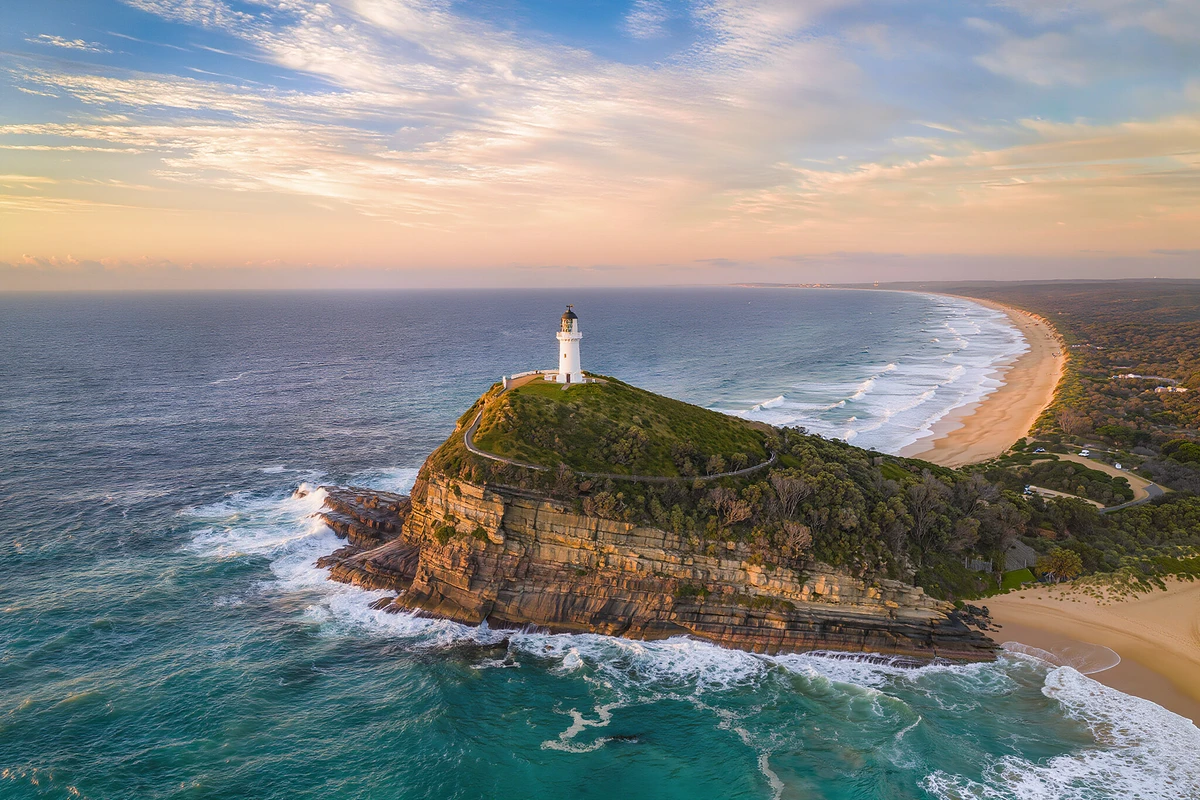
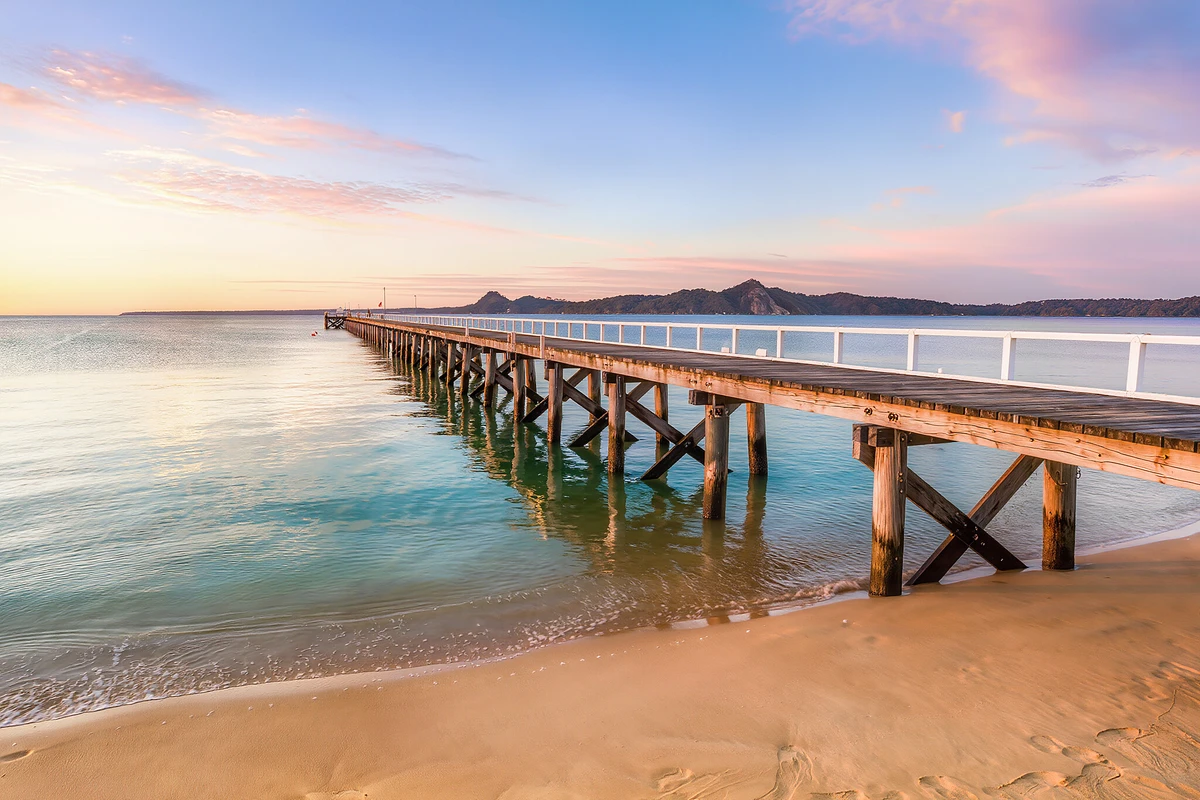
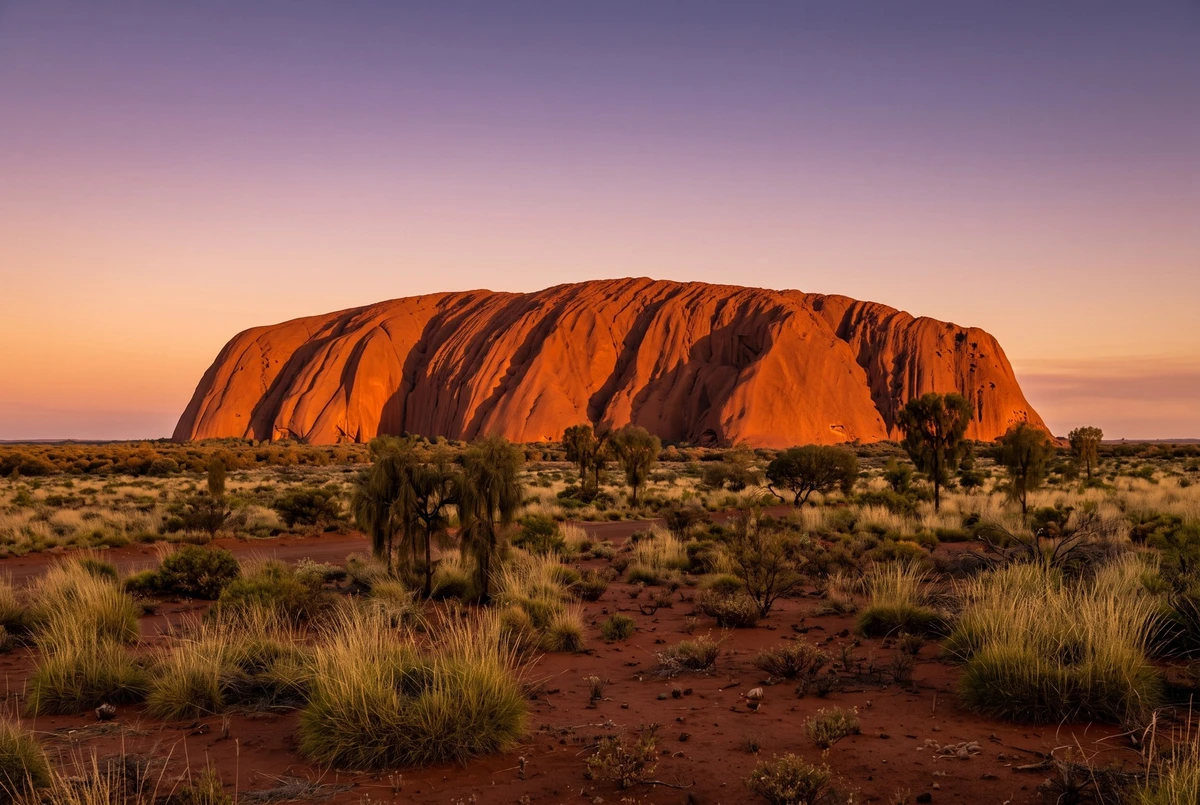
 Uluru Tours
 Port Douglas Tours
 Darwin Tours
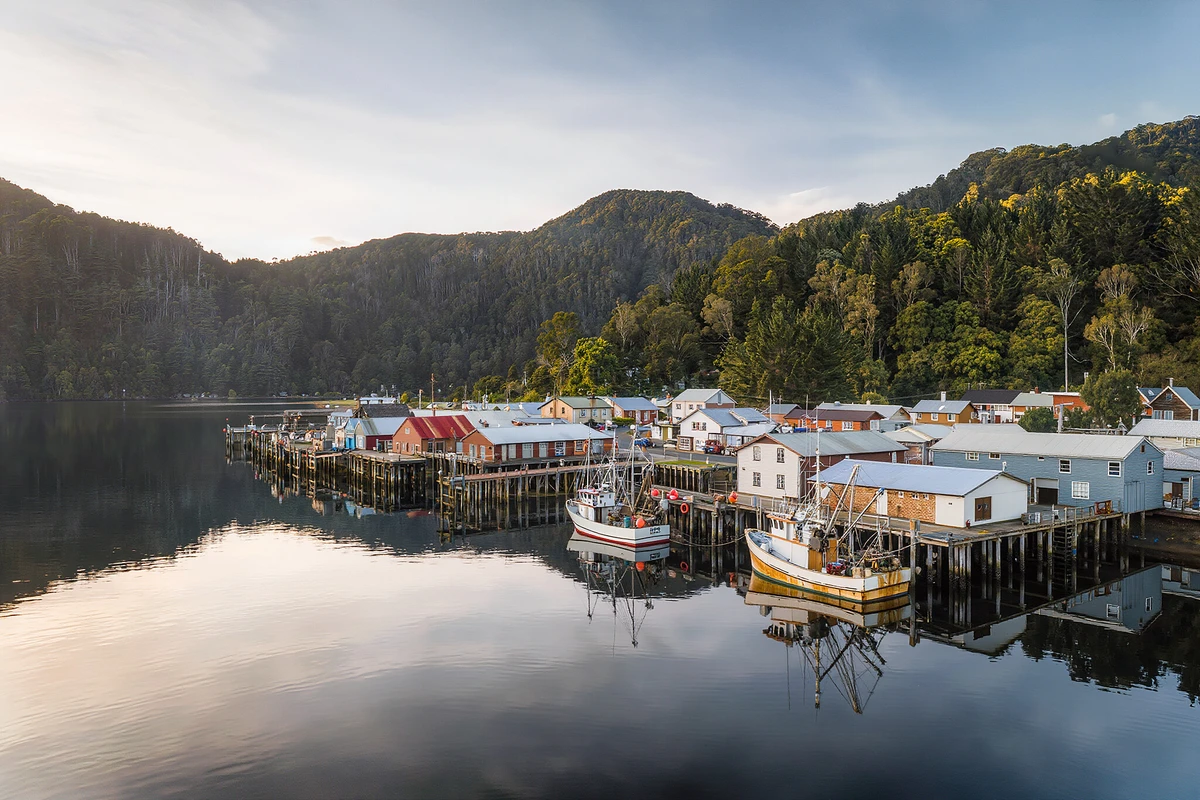 Blue Mountains Tours · Attraction Tickets Launceston Tours Alice Springs Tours
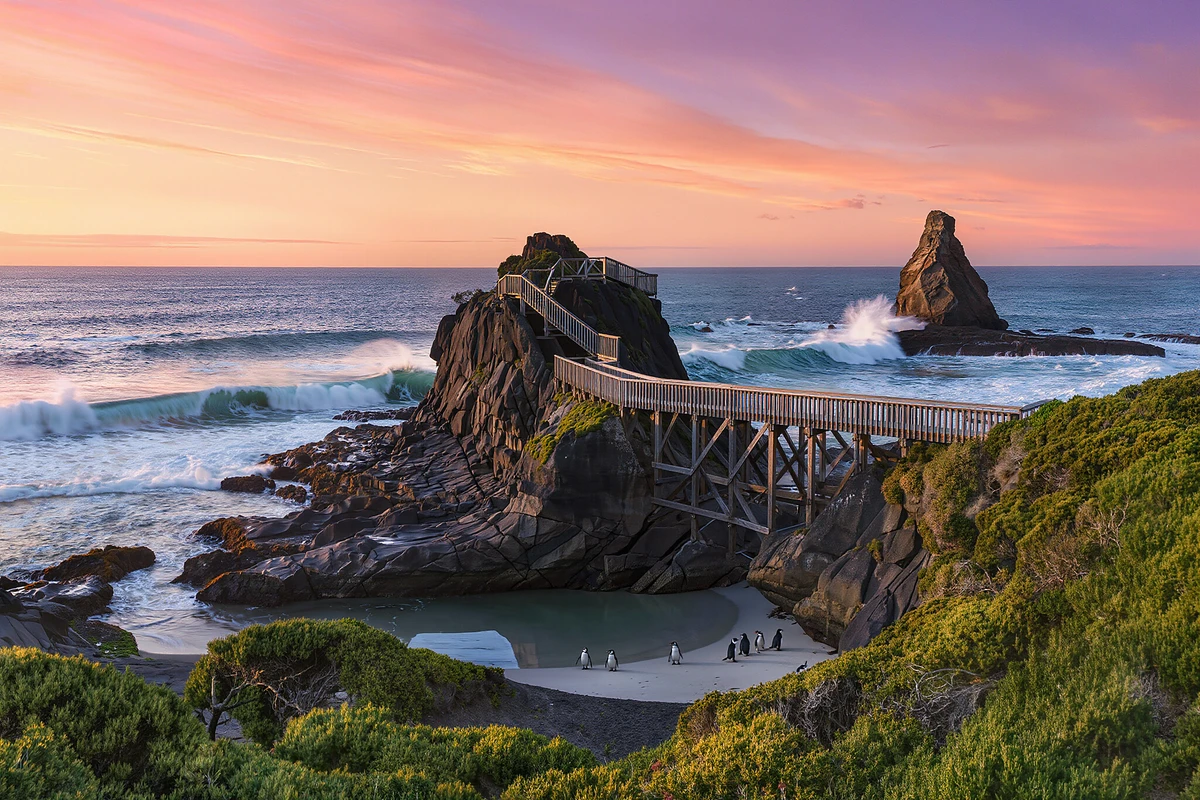 Sunshine Coast Tours Augusta Tours Bundaberg Tours Busselton Tours Margaret River Tours Rockhampton Tours
Services by city in Australia
Tours
Attraction Tickets
Airport Transfers
The essence of Australia
Australia is a continent that happens to be a country, and nothing about it feels borrowed. Its rainforests are older than the Amazon, its rock art reaches back tens of thousands of years, and its cities pair world-class galleries with beaches a short train ride from the centre. Few places let you snorkel a living reef, walk an ancient rainforest and eat a fearless modern breakfast in a laneway café within the same week. That combination of scale, wildness and easy urban comfort is why Australia rewards every hour of the long flight.
Why visit Australia?
The Oldest Living Culture on Earth
Australia’s history did not begin with the convict ships of 1788. Aboriginal and Torres Strait Islander peoples have lived here for more than sixty thousand years, leaving rock art galleries in Kakadu and on the Burrup Peninsula, songlines that map the land and stories bound to places like Uluru. Layered over this are the sandstone colonial streets of The Rocks in Sydney and the gold-rush grandeur of Melbourne, both best understood with a knowledgeable local guide.
A Continent of Reef, Rainforest and Red Earth
Australia’s geography operates at continental scale. The Great Barrier Reef stretches for more than two thousand kilometres off Queensland, while the Daintree, the world’s oldest surviving tropical rainforest, tumbles down to the coast north of Cairns. Inland, the Red Centre glows around Uluru and Kata Tjuta, and the Blue Mountains rise just west of Sydney in haze-blue eucalyptus valleys. In the far west, Perth faces the Indian Ocean, with white-sand beaches and wildflower country that blooms each spring.
Café Culture, Bush Food and Open-Air Living
Australian life is lived outdoors. Mornings start with a flat white, a coffee style Australians proudly claim, and smashed avocado on sourdough in Melbourne’s laneways. Weekends mean fresh barramundi, Moreton Bay bugs and prawns eaten by the water, lamb grilled at a seaside barbecue, and pavlova heaped with passionfruit. Bush ingredients such as wattleseed, finger lime and lemon myrtle now star on fine-dining menus, while Sydney’s diverse suburbs serve outstanding Lebanese, Vietnamese and halal cooking.
Only in Australia
Where else can you snorkel the world’s largest coral reef system in the morning and walk beneath ancient rainforest canopy by afternoon? Australia is the place to watch kangaroos graze at dusk in the wild, meet quokkas on car-free Rottnest Island off Perth, climb the arch of the Sydney Harbour Bridge, and follow the Great Ocean Road past the limestone stacks of the Twelve Apostles. These are experiences shaped by a landscape found nowhere else.
Who is Australia for?
Ideal for
- Couples on a once-in-a-lifetime honeymoon
- Families who love beaches, wildlife and the outdoors
- Divers and snorkellers drawn to the Great Barrier Reef
- Food lovers and café-culture devotees
- Road-trippers and nature photographers
- Travellers escaping northern summer heat during the mild Australian winter
Pace & travel style
- A long-haul trip best given at least two weeks
- Fly between regions, explore each city on foot and by ferry
- Mix city days with reef, rainforest and coastal day tours
- Relaxed, outdoorsy, early to bed and early to rise
When to visit Australia
Peak season · December–February
Australian summer brings long, bright days, warm seas and the country’s main holiday season. Sydney’s beaches and harbour are at their liveliest, with fireworks on New Year’s Eve. Expect heat in the south and humid, rainy wet-season weather in tropical Cairns, where stinger suits are standard for swimming. Flights and hotels are in high demand, so book early and let our team secure transfers and tours well in advance.
Shoulder season · March–May and September–November
Autumn and spring are Australia’s sweet spots. Temperatures in Sydney, Melbourne and Perth are comfortable for long walking days, Queensland’s reef waters are clear and calm after the wet season, and Western Australia’s wildflowers bloom from September. Crowds thin after the summer holidays, accommodation is easier to secure, and the light is soft and golden for photography. For many travellers, families included, these months offer the best balance across the whole country.
Low season · June–August
Winter is cool and crisp in Melbourne and Sydney, with occasional rain, shorter days and fewer visitors. Yet it is the finest season in tropical Cairns: dry, sunny and comfortable, ideal for reef trips and rainforest walks. Whale migration along the east and west coasts begins, and city museums, galleries and cafés feel unhurried. It suits families from the northern hemisphere travelling in their summer break, who trade summer heat for mild, bright days.
The regions of Australia and how to combine its cities
Australia divides into distinct worlds. The south-east is the urban heart: Sydney with its harbour and surf beaches, Melbourne with its laneways, arcades and the Great Ocean Road, and the capital Canberra between them. Queensland stretches north into the subtropics, from Brisbane’s riverside lifestyle and the nearby Gold Coast to tropical Cairns, the gateway to the Great Barrier Reef and the Daintree.
The interior, known as the Outback and the Red Centre, is a vast realm of desert, gorges and sacred sites around Uluru. Western Australia is a world apart: Perth faces the Indian Ocean, Rottnest Island and the Pinnacles lie close by, and the coast runs north to Ningaloo Reef. Tasmania, the island state to the south, adds wilderness and cool-climate produce.
Our city directory below covers Sydney, Melbourne, Brisbane, Cairns and Perth. A classic first itinerary pairs Sydney’s harbour with Melbourne’s culture and the Great Ocean Road, then flies north to Cairns for the reef and rainforest. Add Brisbane for a relaxed subtropical chapter, or Perth to finish on the Indian Ocean. We arrange the flights between them, private airport transfers on arrival and guided day tours in each city, so the distances feel effortless.
Before you go: practical tips for Australia
Entry & visas
Every visitor to Australia except New Zealand citizens needs authorisation before travelling. Depending on your passport, that may be an Electronic Travel Authority, an eVisitor permit or a visitor visa, all applied for online through the Australian Department of Home Affairs. Processing times vary, so apply well ahead of your trip. Rules depend on your passport; always check the official government portal or embassy before booking.
Money, cards & tipping
Australia is close to cashless: contactless cards and phone payments are accepted almost everywhere, from city cafés to remote national park kiosks, though a little cash helps at rural markets. ATMs are widespread. Tipping is not expected because wages are high; rounding up or leaving around ten percent for excellent restaurant service is appreciated. Bargaining is not part of shopping culture. Australia is generally an expensive destination, so planning ahead brings good value.
Etiquette & dress code
Australians are informal, friendly and direct; first names are used quickly. Treat Aboriginal sacred sites with deep respect: Uluru is no longer climbed, and some sites ask visitors not to photograph specific areas. Dress is casual, but swimwear belongs at the beach, not in shops or cafés. Queue patiently, respect personal space, and always swim between the red-and-yellow flags patrolled by lifeguards.
Getting around
Distances are vast, so domestic flights are the backbone of any Australia itinerary: Sydney to Cairns or Perth takes several hours. Scenic long-distance trains cross the continent for those with time, and ferries are part of daily life on Sydney Harbour and Brisbane’s river. We issue flight, train and ferry tickets, and our private chauffeured transfers meet you at every airport, so each new city begins calmly.
Must-do things in Australia
- Ride the ferry from Circular Quay to Manly for sweeping Sydney Harbour views.
- Snorkel or dive the Great Barrier Reef on a day trip from Cairns.
- Walk the cliff-top coastal path from Bondi to Coogee at sunrise.
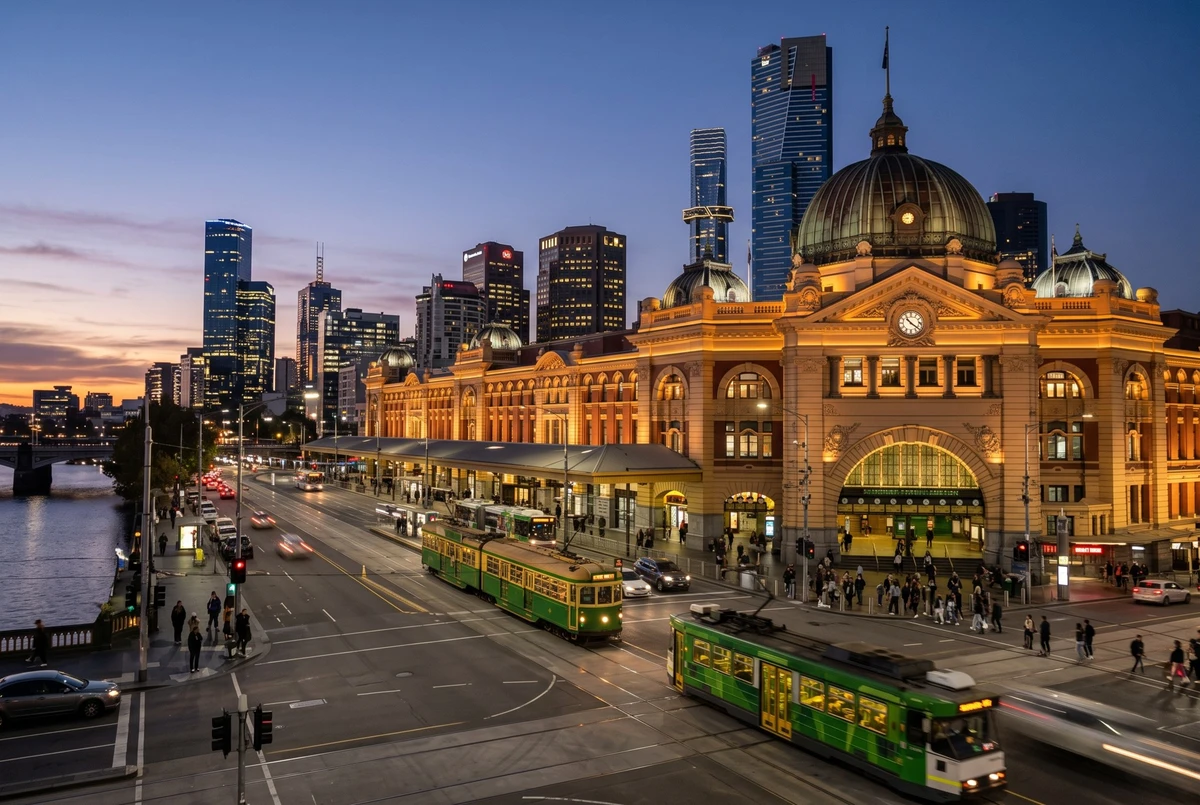
- Explore Melbourne’s laneways, arcades and street art with a flat white in hand.
- Follow the Great Ocean Road to the limestone Twelve Apostles at sunset.
- Gaze over the Blue Mountains’ eucalyptus valleys from Echo Point near Katoomba.
- Wander the Daintree Rainforest, where ancient forest meets the reef-fringed coast.
- Cycle car-free Rottnest Island off Perth and spot quokkas in the wild.
- Watch Uluru change colour at dawn on a journey into the Red Centre.
- Stroll Brisbane’s South Bank parklands and swim at its city-centre lagoon beach.
Do’s and don’ts in Australia
Do
- Wear high-factor sunscreen, a hat and sunglasses, even on cloudy days.
- Swim only between the red-and-yellow flags on patrolled beaches.
- Book domestic flights and peak-season tours early, given the distances involved.
- Carry plenty of water and share your plans before longer bush walks.
- Respect Aboriginal cultural sites and follow on-site guidance about photography.
Don’t
- Don’t underestimate distances; Australia is roughly the size of the continental United States.
- Don’t swim in tropical waters without checking stinger and crocodile warnings.
- Don’t touch or stand on coral when snorkelling the reef.
- Don’t feed wild animals, including kangaroos, birds and quokkas.
- Don’t carry undeclared food, plants or animal products through Australian biosecurity.
Australia at a glance
Plan Australia with Haqqi Tours
Every option is confirmed by our team on WhatsApp before you pay, and delivered by our own people or by trusted local partners we work with in every city. Because we send travellers from all over the world, our partners give us special rates and priority, so you always receive the best. Prices are per person unless marked per vehicle.
About Haqqi Tours: About us Contact us Legal NoticePrivacy PolicyCookies & Marketing PreferencesTerms & ConditionsBooking, Payment & Refunds
Where we operate in Australia
- Sydney
- Melbourne
- Cairns
- Brisbane
- Perth
- Airlie Beach
- Hobart
- Gold Coast
- Adelaide
- Byron Bay
- Hervey Bay
- Uluru
- Noosa
- Port Douglas
- Port Stephens
- Darwin
- Mandurah
- Rainbow Beach
- Strahan
- Blue Mountains
- Launceston
- Alice Springs
- Phillip Island
- Sunshine Coast
- Augusta
- Bundaberg
- Busselton
- Margaret River
- Rockhampton
Good to know
Frequently Asked Questions
Straight answers to what travellers ask most about Australia.
Is it safe to visit Australia?
Yes. Australia is one of the safest destinations in the world, with low crime, excellent healthcare and well-run public services. The main risks are natural: strong sun, ocean currents and, in the tropics, marine stingers. Swim between the flags, follow park signage, and our team stays reachable on WhatsApp throughout your trip.
How many days do I need for a first trip to Australia?
Plan at least twelve to fourteen days for a first visit to Australia. That allows four days in Sydney, three in Melbourne including the Great Ocean Road, and three or four in Cairns for the reef and rainforest, plus flight days. With three weeks, add Brisbane or Perth for a fuller picture.
What is the best way to travel between Australia's major cities?
Fly. Australia’s major cities are separated by long distances, and domestic flights connect Sydney, Melbourne, Brisbane, Cairns and Perth several times a day. Trains suit scenic journeys rather than speed. We issue your flight and train tickets and arrange private airport transfers at each end, so connections stay smooth from door to door.
Can a trip to Australia be tailored for luxury or private travel?
Absolutely. We can tailor an Australia journey around private airport transfers in premium vehicles, private guided day tours, reef trips on premium vessels and carefully chosen hotels with harbour or ocean views. Tell our team your pace, interests and family needs, and we build the itinerary, then confirm every detail with you on WhatsApp before anything is paid.
Is Australia tourist friendly?
Very. Australia is English-speaking, well signposted and used to international visitors, with excellent visitor centres, clean public facilities and reliable transport. Halal food is easy to find in Sydney, Melbourne and Brisbane, and prayer rooms exist in major airports. Locals are relaxed and helpful, and asking for directions usually starts a friendly conversation.
Is it safe to travel to Australia now?
Australia is generally a calm, stable destination. Seasonal conditions such as summer bushfires or cyclones in the tropical north can affect specific areas, so check the official travel advice of your own government before departure and follow local alerts. Keep our WhatsApp line handy; our team can adjust your plans if needed.
What is the best time to visit Australia?
The best time to visit Australia depends on the region. Spring and autumn, roughly September to November and March to May, suit Sydney, Melbourne and Perth. For Cairns and the Great Barrier Reef, the dry season from June to October is ideal. Summer is lively on the beaches but busier and hotter.
What is Australia famous for?
Australia is famous for the Sydney Opera House and Harbour Bridge, the Great Barrier Reef, Uluru and the Red Centre, and unique wildlife such as kangaroos, koalas and quokkas. It is also known for surf beaches, the Great Ocean Road, a renowned coffee culture and one of the world’s oldest living Indigenous cultures.
Which cities in Australia does Haqqi Tours cover?
Sydney, Melbourne, Cairns, Brisbane, Perth, Airlie Beach, Hobart, Gold Coast, Adelaide, Byron Bay, Hervey Bay, Uluru, Noosa, Port Douglas, Port Stephens, Darwin, Mandurah, Rainbow Beach, Strahan, Blue Mountains, Launceston, Alice Springs, Phillip Island, Sunshine Coast, Augusta, Bundaberg, Busselton, Margaret River and Rockhampton. Each city has its own page with everything available there, and a trip across several cities is planned in one WhatsApp conversation.
What can I book in Australia?
Day tours, attraction tickets, private airport transfers, flight tickets, train tickets and ferry tickets - all run or confirmed by Haqqi Tours, each with a fixed price agreed on WhatsApp before you pay.
How do I book a tour or transfer in Australia?
Fill in the form on the page you are interested in, or message us on WhatsApp with the date, the number of travellers and your hotel. A member of our team confirms the price and the details in writing within minutes.
Are the prices fixed?
Yes. Every price is agreed in writing on WhatsApp before you travel and does not change on the day - not for traffic, not for a late flight, not for the hour.
Do you arrange transfers between cities in Australia?
Yes. Intercity transfers by private car or van are booked the same way as airport transfers; tell the desk the two hotels and the date and it quotes a fixed price for the whole vehicle.
Can you plan a full itinerary across Australia?
Yes - tell the desk your dates, the cities you want and who is travelling, and it proposes a day-by-day plan with the tours, transfers and tickets priced in writing. You adjust it in the same chat before confirming.
Are your tours private or in a group?
Both exist, and the page of each tour says which. Private tours have a car and guide for your party alone; small-group tours share a guide with a few other travellers. The desk can convert most group tours into a private day on request.
Do the drivers and guides speak Arabic?
It depends on the country, the city and the day, so we do not promise a particular language for the driver or guide. Tell us your preference and we do our best; the WhatsApp desk itself always works in Arabic and English.