
El Salvador
Haqqi Tours arranges day tours, private airport transfers, attraction tickets and multi-day packages across El Salvador, confirmed on WhatsApp before you pay.
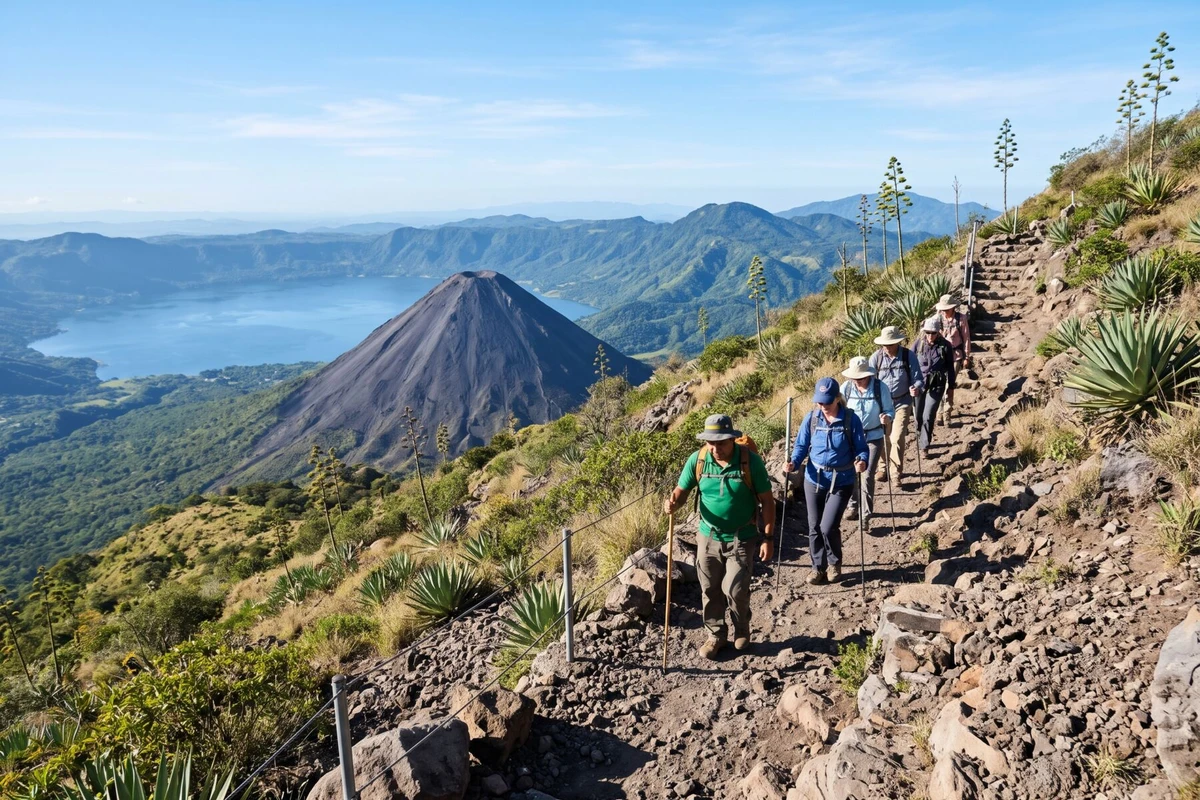
In the cool of the morning on the slopes of the Santa Ana Volcano, the trail climbs through pine and agave towards a bare grey summit. Then, at the crater rim, the view opens: far below lies a small lake of startling turquoise, steaming gently inside the walls of the volcano, while on the other side the perfect cone of Izalco rises beside the deep blue caldera of Lake Coatepeque. On a clear day the Pacific Ocean shines silver on the horizon.
Destinations
Choose a city to see everything we arrange there.
Services by city in El Salvador
Tours
The essence of El Salvador
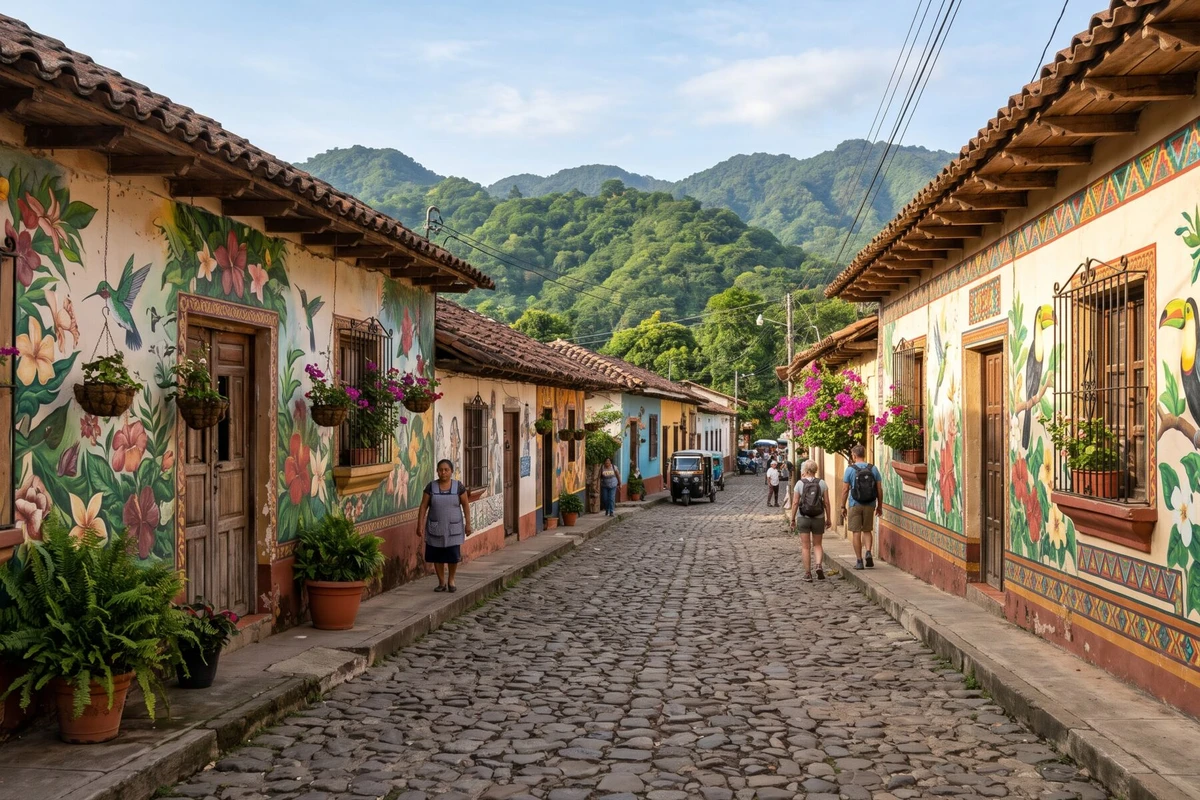
To the west, the Ruta de las Flores winds through highland villages where murals cover the walls, weekend food fairs fill the squares and coffee grows in the shade of tall trees. El Salvador is the smallest country in Central America, and that is its gift: volcanoes, crater lakes, Maya sites, colonial towns and black-sand surf beaches all lie within a couple of hours of the capital. We arrange the journey with volcano hikes, coffee route tours and private airport transfers, delivered with calm, attentive service.
Why visit El Salvador?
Maya Villages, Colonial Towns and a Young Nation
Long before the Spanish arrived, Maya and later Pipil peoples farmed the fertile volcanic valleys of El Salvador. At Joya de Cerén, listed by UNESCO, a farming village buried by volcanic ash around the year 600 preserves houses, kitchens and fields as they were left, while Tazumal and San Andrés show ceremonial pyramids. Spanish rule shaped colonial towns such as Suchitoto, and El Salvador gained independence with the rest of Central America in 1821. Its name means the Saviour, and its people are known for their warmth and hard work.
Volcanoes, Crater Lakes and a Pacific Coast
El Salvador lies on the Pacific side of the isthmus, along a chain of volcanoes that shapes the whole country. Santa Ana, its highest volcano, holds a turquoise crater lake, Izalco rises as a young, bare cone beside it, and Lake Coatepeque fills an ancient caldera nearby. Lake Ilopango lies just east of the capital, and the cloud forest of Montecristo in the north-west shelters orchids, ferns and rare birds. Along the coast, black-sand beaches and long point breaks draw surfers, while mangroves shelter nesting sea turtles.
Pupusas, Coffee and Highland Markets
Salvadoran food is comforting and close to the land. The national dish is the pupusa, a thick corn tortilla stuffed with beans, cheese or loroco flower buds, cooked on a griddle until golden and served with tangy cabbage curtido and tomato salsa. Markets sell tamales, fried or boiled yuca, tropical fruit and sweet corn atol, and the western highlands grow some of the region's finest coffee. Halal food is limited, so vegetarian pupusas, seafood and vegetable dishes are the easiest choices; our team can advise.
Experiences You Can Only Have Here
Hike to the rim of the Santa Ana Volcano and look down into its turquoise crater lake, then relax or take a boat on the calm water of Lake Coatepeque. Follow the Ruta de las Flores through Nahuizalco, Juayúa, Apaneca and Concepción de Ataco, visit a coffee farm to follow the journey from cherry to cup and bathe beneath the waterfalls of Los Chorros de la Calera. Walk through the ash-preserved village of Joya de Cerén and watch the sun set over the Pacific surf at El Tunco.
Who is El Salvador for?
Ideal for
- Hikers and volcano lovers
- Coffee lovers and food explorers
- History lovers drawn to Maya sites
- Couples seeking authentic, uncrowded travel
- Active families with older children
- Surfers and beach lovers
Pace & travel style
- Base yourself in San Salvador for easy day trips
- Start volcano hikes early, before the clouds gather
- Five to seven nights suit a relaxed first visit
- Combine highlands, lakes and coast in one loop
When to visit El Salvador
Peak season · December–April
The dry season brings clear skies, cool highland mornings and the best conditions for hiking the Santa Ana Volcano and enjoying the views over Lake Coatepeque. The coffee harvest continues into the early months of the year, filling the farms of the Ruta de las Flores with pickers, and Holy Week brings processions and colourful carpets of dyed sawdust to towns such as Sonsonate and Izalco. Easter and the end-of-year holidays are busy, so reserve tours and transfers ahead.
Shoulder season · November, May
November marks the end of the rains, with green landscapes, clearing skies and the wildflowers that give the Ruta de las Flores its name in bloom. May brings heat and the first afternoon storms of the wet season, though mornings are often bright and clear. Both months are quieter, with easy availability for hikes and coffee tours, but keep plans flexible and start outdoor activities early in the day.
Low season · June–October
The rainy season paints the volcanoes and coffee hills deep green, with mornings often clear and heavy storms in the afternoons and evenings. Volcano hikes start early to beat the clouds, and some trails may close after very heavy rain. The surf on the Pacific coast is at its strongest, and in early August San Salvador celebrates its patron festival with parades and fairs. September and October are the wettest months, so flexible dates are wise.
The regions of El Salvador and how to combine its cities
El Salvador is the smallest country in Central America and the only one without a Caribbean coast, bordered by Guatemala to the west and Honduras to the north and east, with a long Pacific shoreline to the south. San Salvador, the capital, sits in a green valley at the foot of the San Salvador volcano in the centre of the country, and most of the great sights lie within two hours of the city, along good main roads.
The west holds the most popular highlights: the Santa Ana and Izalco volcanoes, Lake Coatepeque, the Maya sites of Joya de Cerén and Tazumal and the coffee villages of the Ruta de las Flores. North and east of the capital lie the colonial town of Suchitoto above Lake Suchitlán and the painted crafts of La Palma near the Honduran border, while the Pacific coast stretches from the surf beaches around El Tunco to the mangroves and islands of the far east.
Our city directory below is anchored in San Salvador, the natural base for the volcanoes, lakes and coffee highlands of the west. From the capital we arrange guided hikes on the Santa Ana Volcano with time at Lake Coatepeque, full-day tours of the Ruta de las Flores with a coffee farm visit, and private transfers from San Salvador international airport (SAL). El Salvador also pairs naturally with Guatemala or Honduras on a wider Central American journey.
Before you go: practical tips for El Salvador
Entry & visas
Citizens of many countries, including the United States, Canada, the United Kingdom and European Union nations, can visit El Salvador without a visa for short stays, usually up to ninety days, though some nationalities may need to buy a tourist card or pay an entry fee on arrival. El Salvador belongs to the CA-4 agreement with Guatemala, Honduras and Nicaragua, so time in all four usually counts towards one permitted stay. Other nationalities need a visa in advance, and rules differ by passport, so check the current rules before you travel.
Money, cards & tipping
El Salvador uses the US dollar as its official currency, so there is no need to change money if you travel with dollars. Cards are accepted in hotels, malls and larger restaurants in San Salvador, while markets, village food stalls, small coffee farms and local buses work in cash, and small notes are much easier to use than large ones. Cash machines are common in the capital and larger towns but scarce in villages. Tipping guides and drivers is appreciated, and many restaurants add a service charge.
Etiquette & dress code
Salvadorans are warm, courteous and often curious about visitors, and a polite buenos días or buenas tardes before any question is expected. Spanish is the language of daily life, and English is spoken mainly in hotels and by tour guides. Dress neatly in the city and modestly in churches, keeping swimwear for the beach. Ask before photographing people, especially at markets and in indigenous towns such as Nahuizalco, and follow your guide's instructions on volcano trails.
Getting around
El Salvador is compact, and most sights lie within one to two hours of the capital on good main roads. Colourful public buses connect the towns but are crowded and slow for visitors, and services thin out in the evening. Inside San Salvador, taxis booked through your hotel or a ride-hailing app are the usual choice. For airport arrivals, volcano hikes and day tours to the highlands and lakes, our private transfers and guided tours with licensed drivers are the most comfortable and practical option.
Must-do things in El Salvador
- Hike to the crater rim of the Santa Ana Volcano
- Look down into the turquoise crater lake from the summit
- Swim or take a boat on Lake Coatepeque
- Follow the Ruta de las Flores through the highland villages
- Visit a coffee farm and follow the bean from cherry to cup
- Bathe beneath the waterfalls of Los Chorros de la Calera
- Walk through the ash-preserved village of Joya de Cerén
- Wander the cobbled streets of colonial Suchitoto
- Peer into the crater of El Boquerón above the capital
- Watch the Pacific sunset at El Tunco
Do’s and don’ts in El Salvador
Do
- Start volcano hikes early and bring warm layers
- Carry small US dollar notes for markets
- Wear sturdy shoes with good grip on the trails
- Bring sunscreen and a hat for the summit
- Try pupusas fresh from a village griddle
Don’t
- Don't hike the volcano without an official park guide
- Don't show valuables or expensive phones in busy streets
- Don't swim at surf beaches without checking the currents
- Don't squeeze the volcano and the flower route into one day
- Don't drink tap water unless it is filtered
El Salvador at a glance
Plan El Salvador with Haqqi Tours
Every option is confirmed by our team on WhatsApp before you pay, and delivered by our own people or by trusted local partners we work with in every city. Because we send travellers from all over the world, our partners give us special rates and priority, so you always receive the best. Prices are per person unless marked per vehicle.
About Haqqi Tours: About us Contact us Legal NoticePrivacy PolicyCookies & Marketing PreferencesTerms & ConditionsBooking, Payment & Refunds
Where we operate in El Salvador
Good to know
Frequently Asked Questions
Straight answers to what travellers ask most about El Salvador.
Is it safe to visit El Salvador?
El Salvador welcomes growing numbers of visitors, and the main travel routes, including the central districts of San Salvador, the Santa Ana Volcano, Lake Coatepeque, the Ruta de las Flores and the surf coast, are well used to travellers. Take sensible precautions: keep valuables discreet, avoid walking in unfamiliar areas at night and use licensed guides and our arranged transfers. Check your own government's official travel advice before departure, and keep our WhatsApp line handy for help with tours and transfers.
How many days do I need in El Salvador?
Five to seven days work well for a first visit: a day for the Santa Ana Volcano and Lake Coatepeque, a day for the Ruta de las Flores and a coffee farm, a day for San Salvador, El Boquerón and Joya de Cerén, and time for colonial Suchitoto and the Pacific coast at El Tunco. With ten days you can add Tazumal, the Montecristo cloud forest or a few slow days by the sea.
How hard is the Santa Ana Volcano hike?
The hike to the crater rim of the Santa Ana Volcano, also called Ilamatepec, starts in the Cerro Verde area and takes around two hours up and a little less down on a rocky, well-marked trail. It is moderate rather than technical, but the final section is steep, open to sun and wind, and loose underfoot, so good shoes, water, sunscreen and a warm layer are essential. Groups walk with official park guides.
Can a trip to El Salvador be tailored for luxury or private travel?
Absolutely. El Salvador offers elegant city hotels in the capital, boutique lodges on coffee farms and beautiful lakeside and beachfront stays. We can tailor private guides for the volcano and the Maya sites, private tours of the Ruta de las Flores, chauffeured airport transfers and a relaxed family pace, then confirm every detail with you on WhatsApp before anything is paid.
What is the best time to visit El Salvador?
November to April is the best time to visit El Salvador, with dry weather, clear volcano views and the coffee harvest in the highlands, while the Ruta de las Flores is in bloom from October to February. May to October is the rainy season, with clear mornings, afternoon storms, the greenest landscapes and the strongest surf on the Pacific coast.
What is El Salvador famous for?
El Salvador is famous for its chain of volcanoes, including Santa Ana with its turquoise crater lake, for Lake Coatepeque, and for the UNESCO-listed Maya village of Joya de Cerén. It is also known for its highland coffee, the murals and food fairs of the Ruta de las Flores, colonial Suchitoto, world-class surf beaches and the pupusa, the beloved national dish.
Is halal food available in El Salvador?
Halal options are limited in El Salvador, and dedicated halal restaurants are rare. Bean and cheese pupusas, loroco pupusas, fresh fish and seafood, rice, vegetables, fried yuca and tropical fruit are easy to find, and many kitchens cook to order. Pork appears in many pupusa fillings and local dishes, so ask when ordering; our team can advise.
How do I get to San Salvador from the airport?
San Salvador international airport (SAL) lies near the Pacific coast about forty kilometres south-east of the capital, roughly forty-five minutes to an hour by motorway depending on traffic. It is a busy hub with direct flights to the United States, Mexico and across Latin America. We arrange a private transfer with a driver waiting at arrivals to take you directly to your hotel.
Which cities in El Salvador does Haqqi Tours cover?
San Salvador. Each city has its own page with everything available there, and a trip across several cities is planned in one WhatsApp conversation.
What can I book in El Salvador?
Day tours - all run or confirmed by Haqqi Tours, each with a fixed price agreed on WhatsApp before you pay.
How do I book a tour or transfer in El Salvador?
Fill in the form on the page you are interested in, or message us on WhatsApp with the date, the number of travellers and your hotel. A member of our team confirms the price and the details in writing within minutes.
Are the prices fixed?
Yes. Every price is agreed in writing on WhatsApp before you travel and does not change on the day - not for traffic, not for a late flight, not for the hour.
Do you arrange transfers between cities in El Salvador?
Yes. Intercity transfers by private car or van are booked the same way as airport transfers; tell the desk the two hotels and the date and it quotes a fixed price for the whole vehicle.
Can you plan a full itinerary across El Salvador?
Yes - tell the desk your dates, the cities you want and who is travelling, and it proposes a day-by-day plan with the tours, transfers and tickets priced in writing. You adjust it in the same chat before confirming.
Are your tours private or in a group?
Both exist, and the page of each tour says which. Private tours have a car and guide for your party alone; small-group tours share a guide with a few other travellers. The desk can convert most group tours into a private day on request.
Do the drivers and guides speak Arabic?
It depends on the country, the city and the day, so we do not promise a particular language for the driver or guide. Tell us your preference and we do our best; the WhatsApp desk itself always works in Arabic and English.