
Philippines
Haqqi Tours arranges day tours, private airport transfers, attraction tickets and multi-day packages across Philippines, confirmed on WhatsApp before you pay.
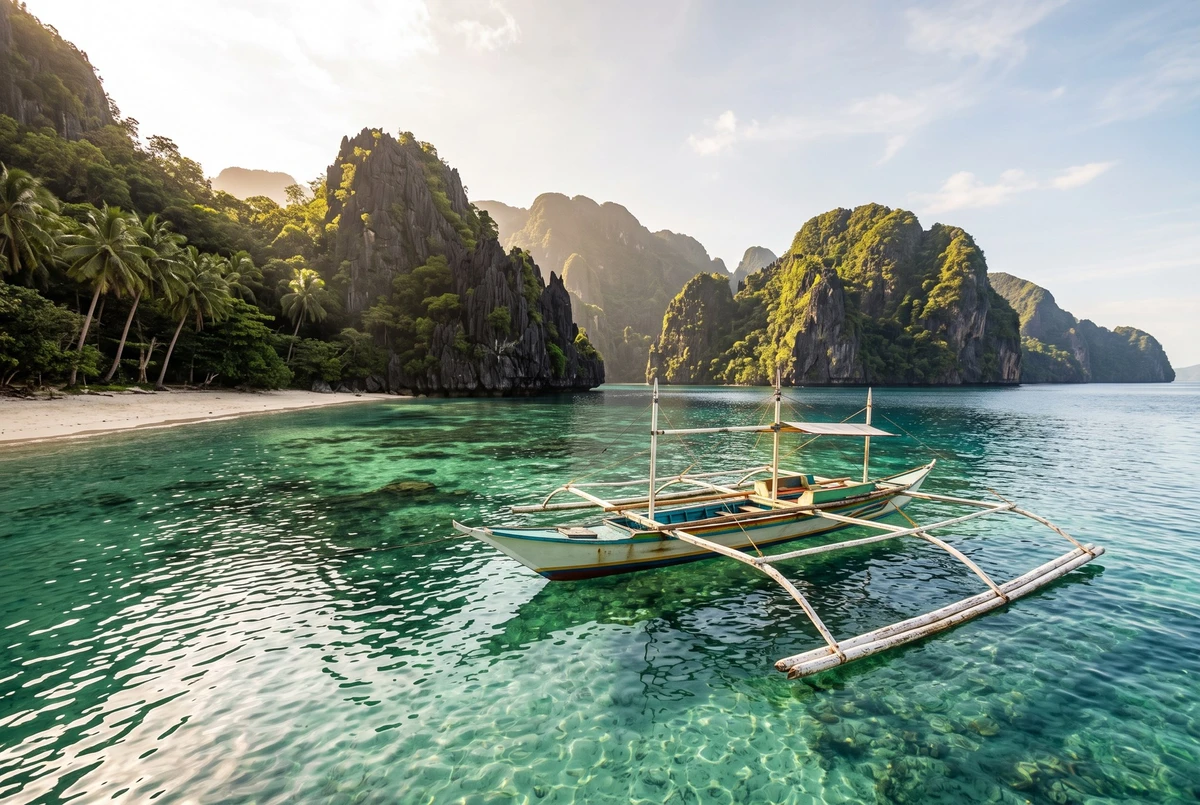
In the Philippines the day often begins on the water. A bangka slips away from the shore with its bamboo outriggers skimming the surface, the sea so clear that coral shows beneath the hull, and limestone cliffs rise ahead out of the morning mist. In Manila, jeepneys painted in chrome and colour rattle past the old walls of Intramuros, vendors ladle warm taho from steaming cans, and church bells mingle with the call to prayer from the Golden Mosque.
Destinations
Choose a city to see everything we arrange there.
Services by city in Philippines
The essence of Philippines
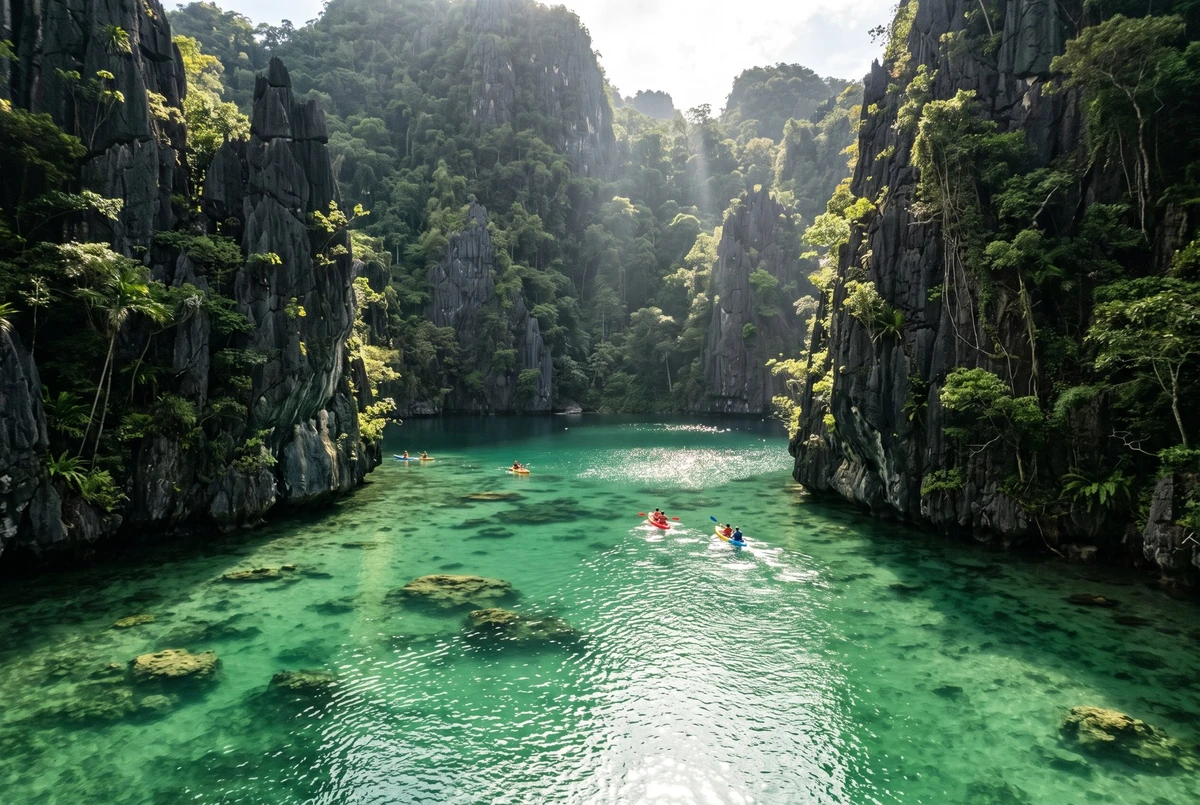
Then comes the moment that stops every traveller: a kayak glides through a gap in the rock, and an emerald lagoon opens up, silent and ringed by cliffs. The Philippines is irreplaceable because it gathers so many worlds across the islands of one archipelago, from Spanish-era stone churches to whale sharks, white-sand beaches and a river flowing beneath the mountains. We arrange the journey with island-hopping and day tours, private airport transfers and flight and ferry tickets, delivered with warm Filipino hospitality.
Why visit Philippines?
Galleons, Stone Churches and Chinatowns
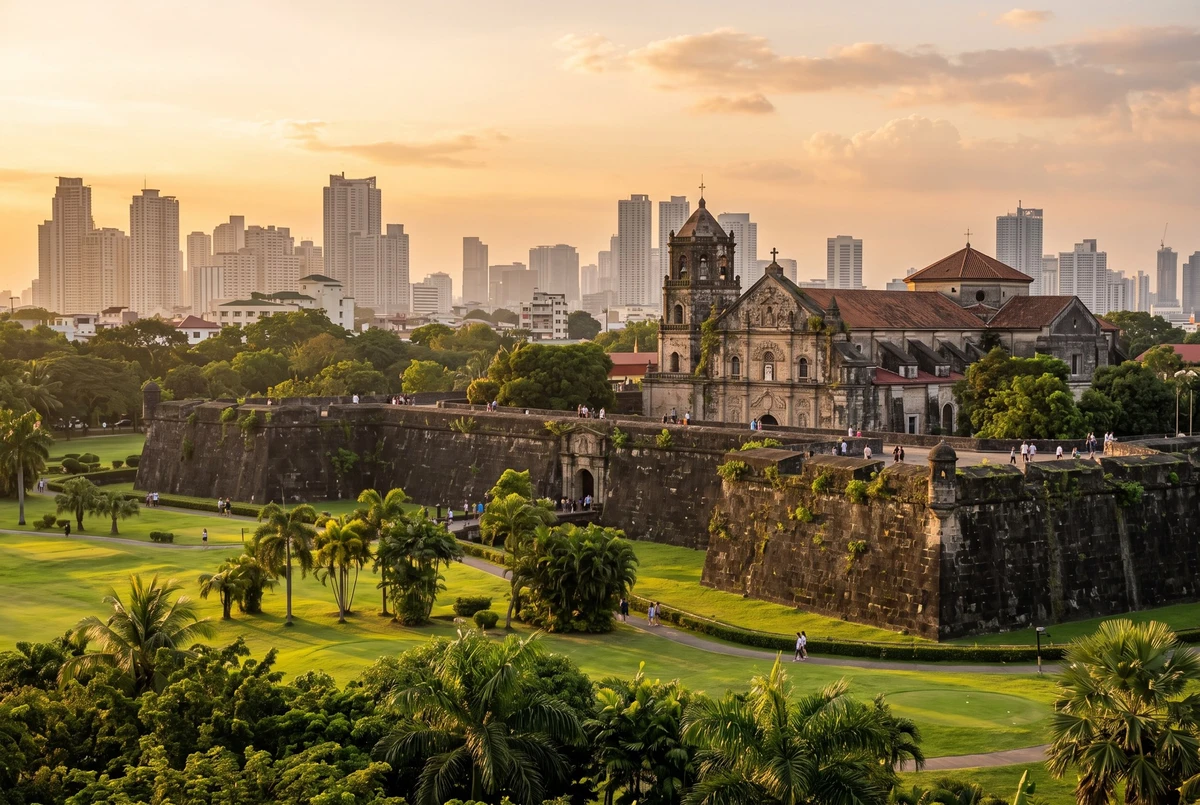
The Philippines' past is a meeting of oceans. Long before Europeans arrived, island kingdoms traded with China, Borneo and the Malay world, and Islam reached the southern sultanates centuries ago. Spain ruled for over three centuries, leaving walled Intramuros, baroque churches listed by UNESCO and the forts of Manila and Cebu. Binondo grew into a historic Chinatown, and Corregidor still bears the scars of the Second World War.
Lagoons, Volcanoes and Coral Reefs
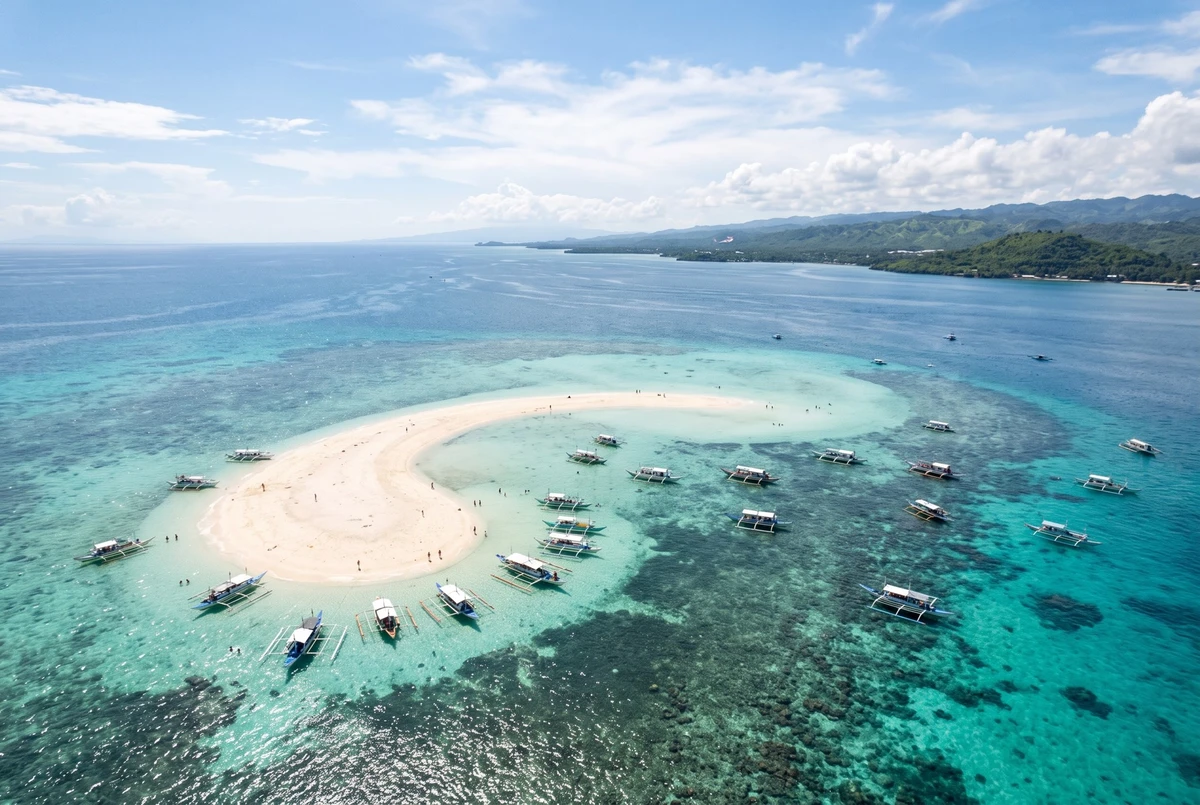
Few countries hold such variety at sea level and below. El Nido's limestone lagoons and Coron's crystal lakes rise from turquoise water, the Underground River flows through a mountain near Puerto Princesa, and Taal's volcano sits inside a lake near Manila. Bohol's Chocolate Hills roll to the horizon, Boracay's sand is famously fine, and the reefs of the Coral Triangle teem with turtles, sardines and whale sharks.
Grilled Seafood, Mangoes and Fiestas
Hospitality is the soul of the Philippines. Meals centre on rice, with adobo stews, sour sinigang soup, kinilaw fish cured in vinegar and calamansi, and seafood grilled on the beach. Sweet mangoes, coconut and halo-halo, a shaved-ice dessert of fruit, beans and ube purple yam, cool the afternoons. Pork is common, so halal travellers should ask; Manila's Quiapo quarter and city malls offer halal restaurants.
Experiences You Can Only Have Here
Kayak into El Nido's Big Lagoon as morning light turns the water emerald, and swim in Coron's Kayangan Lake beneath jagged cliffs. Watch whale sharks surface off Oslob from a respectful distance, and snorkel above the swirling sardines of Moalboal. Sail a paraw at sunset on Boracay, glide by boat into the Underground River, and gaze across Bohol's Chocolate Hills on a day trip from Cebu.
Who is Philippines for?
Ideal for
- Beach lovers and island hoppers
- Families seeking calm, shallow seas
- Snorkellers and certified divers
- Couples looking for tropical escapes
- Photographers chasing lagoons and sunsets
- Nature and wildlife enthusiasts
Pace & travel style
- Manila as the hub, with short flights to every island
- Early boats catch the calmest seas and softest light
- Two or three bases are better than rushing many
- Spare days protect your plans from the weather
When to visit Philippines
Peak season · December–April
The dry season is the Philippines at its finest. Seas are calm, skies are clear and the water is perfect for island hopping, snorkelling and diving, while December to February brings slightly cooler, less humid days. Christmas, New Year and Holy Week are the busiest periods, with fuller hotels, flights and boats, so reserve tours, transfers and tickets in good time.
Shoulder season · May, October–November
May is hot and usually still dry, with calm water ideal for lagoon tours and diving before the rains begin. October and November bring the end of the wet season, with greener landscapes and fewer visitors, though typhoons can still pass. Flexible travellers enjoy quieter beaches in these months, with spare days in their plans in case boats are cancelled.
Low season · June–September
The southwest monsoon brings rain, humid heat and the main typhoon season. Showers often come in short bursts, landscapes are lush and green, and hotels and boats are calmer. However, island-hopping tours and ferries can be suspended by the coast guard for safety, especially in Palawan and on Boracay. This season suits flexible travellers, city stays and sheltered day trips.
The regions of Philippines and how to combine its cities
The Philippines spreads across a vast archipelago in three great groups. In the north, Luzon holds Manila, the capital, with Intramuros, Binondo and the business districts of Makati and BGC, surrounded by volcanoes, lakes and rice terraces. Day trips from Manila reach Taal and Tagaytay, Pagsanjan Falls and the wartime island of Corregidor.
The Visayas, the central islands, include Cebu with its heritage, reefs and whale sharks, Bohol and its Chocolate Hills, and Boracay off the tip of Panay, with its famous white sand. To the west, the long island of Palawan holds El Nido, Coron and Puerto Princesa. The southern island of Mindanao holds many of the country's Muslim communities, with their own mosques and traditions.
Our city directory below is anchored in Manila, Cebu, Boracay and Palawan, the four bases that cover the best of the country. From each we run island-hopping trips, day tours and private boat outings, while our private drivers handle airport transfers and long road journeys. Pairing Manila with one or two island bases, linked by short flights or ferries, builds the ideal Philippine itinerary.
Before you go: practical tips for Philippines
Entry & visas
Many nationalities can enter the Philippines visa-free for a short stay, often up to thirty days, while others must apply in advance at a Philippine embassy or through the official eVisa system where available. All travellers complete the official eTravel online registration shortly before arrival and need a passport valid for at least six months plus an onward or return ticket. Rules depend on your passport, so check official Philippine government sources before booking.
Money, cards & tipping
The Philippine peso is the currency. Cards are accepted in malls, hotels and larger restaurants, but carry cash for markets, tricycles, boat fees and small islands, where ATMs can be few and sometimes run out. Many restaurants add a service charge; where they don't, a modest tip is appreciated, and guides, drivers and boat crews welcome a tip for good service. Local environmental fees are paid on arrival at some islands.
Etiquette & dress code
Filipinos are warm, gentle and courteous. Smile, stay calm in any disagreement and add the respectful word po when speaking to elders. The country is largely Christian with a significant Muslim minority, so dress modestly in churches and mosques, covering shoulders and knees; women should carry a scarf for mosques. Keep swimwear for the beach and boats, and always ask before photographing people.
Getting around
The Philippines is an island-hopping country: domestic flights link Manila with Cebu, Caticlan for Boracay, Puerto Princesa, El Nido and Busuanga for Coron in about an hour, while fast craft and ferries connect nearby islands, such as Cebu and Bohol or El Nido and Coron. Road travel is slow, especially in Manila traffic, so our private transfers are the most comfortable choice, and we issue flight and ferry tickets for every leg.
Must-do things in Philippines
- Kayak into the emerald Big Lagoon on an El Nido boat tour
- Swim in the crystal water of Kayangan Lake in Coron
- Glide by boat into the Underground River near Puerto Princesa
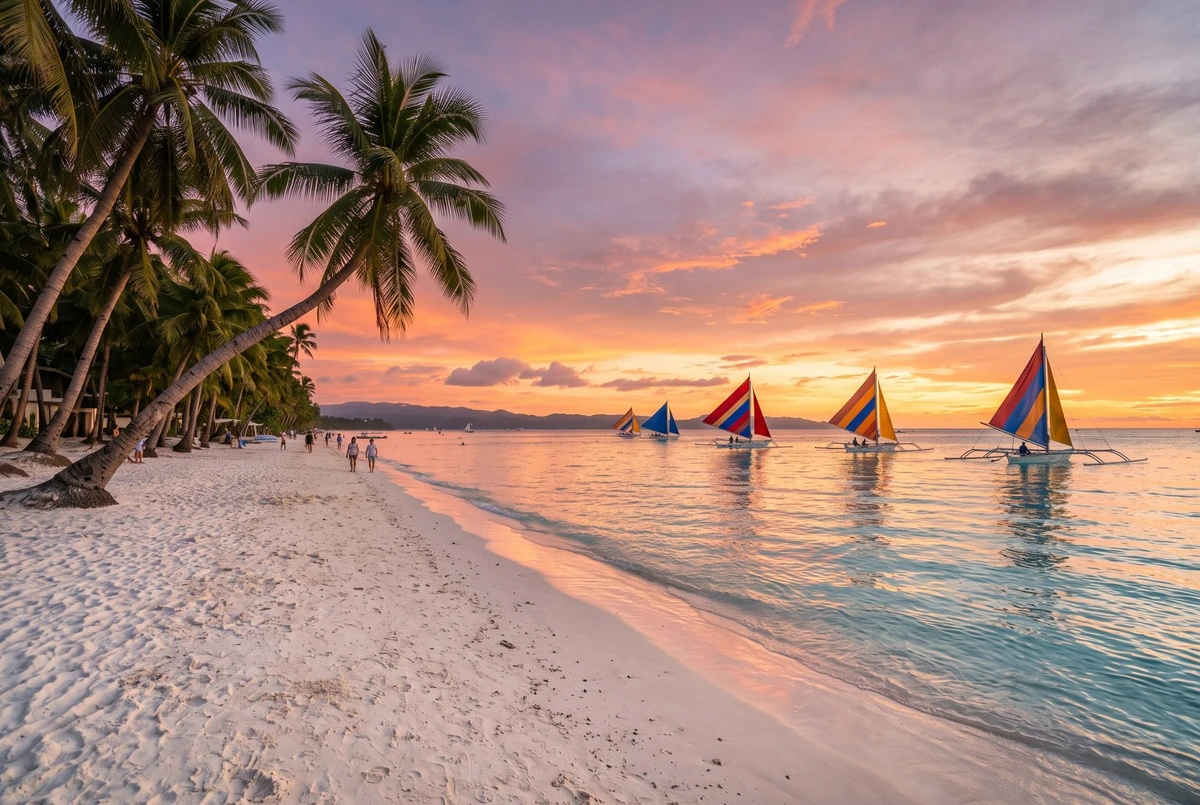
- Sail a traditional paraw at sunset off Boracay's White Beach
- Watch whale sharks at Oslob from a respectful distance
- Snorkel above the swirling sardine shoals of Moalboal
- Gaze across the Chocolate Hills on a Bohol day trip
- Walk the stone ramparts of Intramuros and Fort Santiago
- Visit the Golden Mosque in Manila's Quiapo quarter
- Look over Taal Lake and its volcano from Tagaytay
Do’s and don’ts in Philippines
Do
- Dress modestly in churches, mosques and villages
- Book boat tours and permits early in peak season
- Keep spare days in case boats are cancelled
- Carry cash for small islands, tricycles and fees
- Use reef-safe sunscreen and drink plenty of water
Don’t
- Don't touch coral, turtles, whale sharks or tarsiers
- Don't take shells, sand or coral from the beaches
- Don't plan a ferry and an onward flight on the same day
- Don't photograph locals, especially children, without asking
- Don't raise your voice; calm politeness works best
Philippines at a glance
Plan Philippines with Haqqi Tours
Every option is confirmed by our team on WhatsApp before you pay, and delivered by our own people or by trusted local partners we work with in every city. Because we send travellers from all over the world, our partners give us special rates and priority, so you always receive the best. Prices are per person unless marked per vehicle.
About Haqqi Tours: About us Contact us Legal NoticePrivacy PolicyCookies & Marketing PreferencesTerms & ConditionsBooking, Payment & Refunds
Good to know
Frequently Asked Questions
Straight answers to what travellers ask most about Philippines.
Is it safe to visit the Philippines?
Yes. Manila's visitor areas, Cebu, Boracay and Palawan welcome travellers from around the world and are generally considered safe. Some governments advise caution in specific regions far from these destinations, so check your own government's official travel advice before departure, use licensed transport such as our private transfers, and keep our WhatsApp line handy.
How many days do I need for a first trip to the Philippines?
Ten to fourteen days is ideal for a first trip. Spend two or three days in Manila, then add two island bases, such as El Nido and Coron in Palawan, or Cebu and Boracay, linked by short flights. With seven days, choose Manila and one island base, and leave a spare day for weather.
What is the best way to travel between the Philippine islands?
Domestic flights are the best way to cover long distances, as most islands are about an hour from Manila or Cebu. Fast craft and ferries link nearby islands, such as Cebu and Bohol or El Nido and Coron. We issue flight and ferry tickets and arrange private transfers between airports, ports and hotels.
Can a trip to the Philippines be tailored for luxury or private travel?
Absolutely. The Philippines offers elegant island resorts in Palawan, refined beachfront hotels on Boracay and Mactan, and polished city hotels in Makati and BGC. We can tailor private boat tours, private day trips, chauffeured transfers and a relaxed family pace, then confirm every detail with you on WhatsApp before anything is paid.
Is the Philippines tourist friendly?
Very. Filipinos are famous for their warmth, and English is an official language, so communication is easy. Tourism is well organised for island hopping and day trips. Halal food is available in Manila and some of Cebu but limited on Boracay and in Palawan, where seafood and vegetarian dishes are easy; our team can advise.
Is it safe to travel to the Philippines now?
The Philippines continues to welcome visitors, and Manila, Cebu, Boracay and Palawan operate normally. The most common disruption is weather, especially typhoons from roughly June to November, when boats and flights can be delayed. Check your own government's official travel advice before departure, and keep our WhatsApp line handy; our team can adjust transfers and tours if plans change.
What is the best time to visit the Philippines?
December to May is the best time to visit the Philippines, with dry weather, calm seas and clear water for island hopping, while December to February is the most comfortable. June to November is the rainy and typhoon season, when boat trips may be cancelled, though landscapes are greener and resorts quieter.
What is the Philippines famous for?
The Philippines is famous for its islands and beaches, from Boracay's White Beach to the lagoons of El Nido and the lakes of Coron. It is also known for the Underground River, the Chocolate Hills, whale sharks, Spanish-era Intramuros, sweet mangoes, warm hospitality and some of the richest coral reefs on Earth.
Which cities in Philippines does Haqqi Tours cover?
Manila, Palawan, Cebu and Boracay. Each city has its own page with everything available there, and a trip across several cities is planned in one WhatsApp conversation.
What can I book in Philippines?
Day tours, private airport transfers, flight tickets and ferry tickets - all run or confirmed by Haqqi Tours, each with a fixed price agreed on WhatsApp before you pay.
How do I book a tour or transfer in Philippines?
Fill in the form on the page you are interested in, or message us on WhatsApp with the date, the number of travellers and your hotel. A member of our team confirms the price and the details in writing within minutes.
Are the prices fixed?
Yes. Every price is agreed in writing on WhatsApp before you travel and does not change on the day - not for traffic, not for a late flight, not for the hour.
Do you arrange transfers between cities in Philippines?
Yes. Intercity transfers by private car or van are booked the same way as airport transfers; tell the desk the two hotels and the date and it quotes a fixed price for the whole vehicle.
Can you plan a full itinerary across Philippines?
Yes - tell the desk your dates, the cities you want and who is travelling, and it proposes a day-by-day plan with the tours, transfers and tickets priced in writing. You adjust it in the same chat before confirming.
Are your tours private or in a group?
Both exist, and the page of each tour says which. Private tours have a car and guide for your party alone; small-group tours share a guide with a few other travellers. The desk can convert most group tours into a private day on request.
Do the drivers and guides speak Arabic?
It depends on the country, the city and the day, so we do not promise a particular language for the driver or guide. Tell us your preference and we do our best; the WhatsApp desk itself always works in Arabic and English.