
South Korea
Haqqi Tours arranges day tours, private airport transfers, attraction tickets and multi-day packages across South Korea, confirmed on WhatsApp before you pay.
Morning in South Korea starts with a temple bell. In the hills above Seoul, a monk strikes the great bronze bell of a mountain monastery, and its low note rolls down over tiled palace roofs, glass towers and the first commuters stepping onto spotless trains. In the lanes of Bukchon, steam rises from a street stall frying sweet hotteok pancakes; on Jeju, women divers in black wetsuits wade into a cold, glittering sea; in Busan, fishmongers at Jagalchi call out the morning’s catch as gulls wheel above the harbour.
Destinations
Choose a city to see everything we arrange there.
Services by city in South Korea
Attraction Tickets
The essence of South Korea
South Korea is irreplaceable because it holds two worlds in perfect balance. Royal palaces where visitors still stroll in flowing hanbok sit minutes from districts that set global trends in design, beauty and technology. Mountain temples welcome guests for quiet temple stays, while volcanic Jeju offers lava tubes, tangerine groves and crater sunrises. Add impeccable safety, spotless public transport and cuisine built on fermentation, grilling and generous shared side dishes, and few countries feel so effortless. Our team arranges the transfers, tickets and guided days that let you enjoy Korea at its best.
Why visit South Korea?
Palaces of Joseon, Tombs of Silla
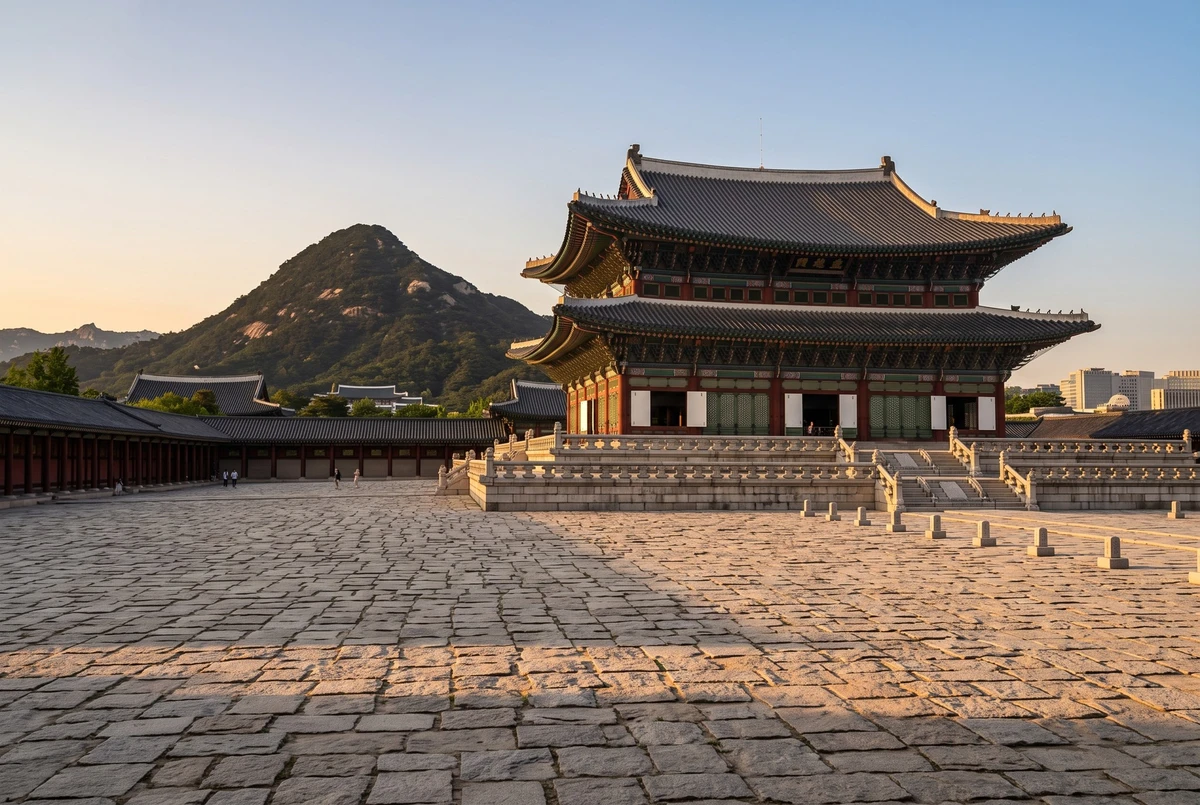
South Korea’s heritage spans two thousand years of kingdoms. In Seoul, the Joseon dynasty’s five grand palaces, led by Gyeongbokgung and the gardens of Changdeokgung, still frame the city’s skyline. In Gyeongju, the ancient Silla capital, grassy royal tombs rise like gentle hills beside Bulguksa Temple and the granite Buddha of Seokguram. Hangul, the elegant alphabet created by King Sejong, remains one of the world’s great cultural inventions.
Granite Peaks, Volcanic Islands and Three Seas
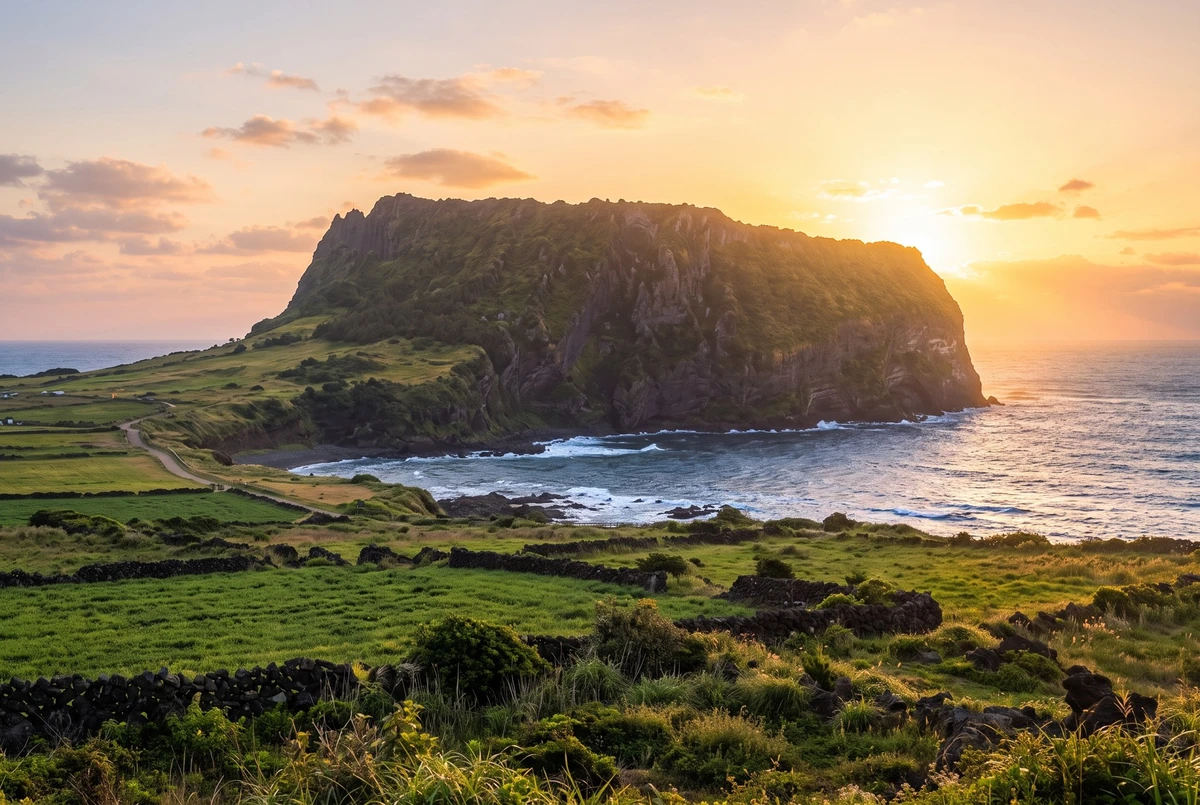
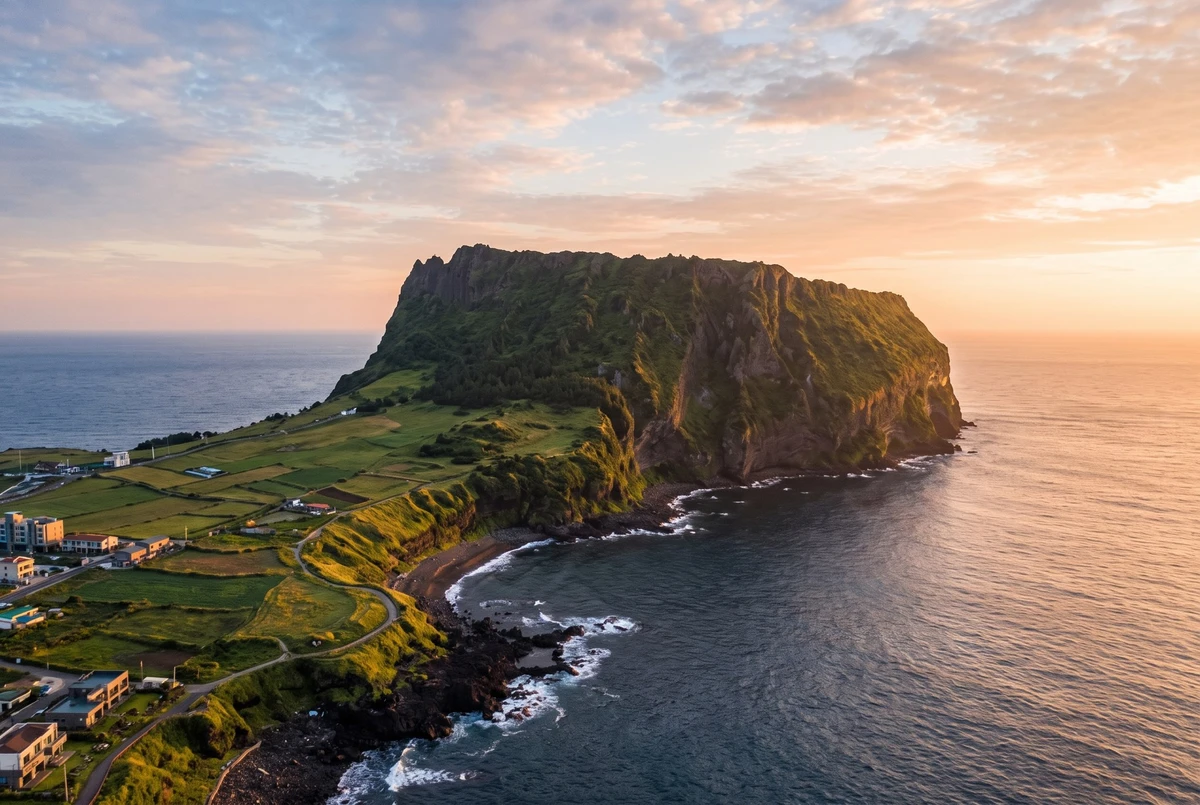
Mountains cover most of the Korean peninsula, wrapped by the East Sea, Yellow Sea and Korea Strait. Seoraksan’s granite ridges blaze red and gold each autumn, while the southwest dissolves into islands, tidal flats and bamboo forests. Jeju, a volcanic island in the south, rises to snowy Hallasan and is ringed by black lava coasts, waterfalls and the crater of Seongsan Ilchulbong, all recognised by UNESCO.
Kimchi, Hanbok and the Art of Sharing
Korean culture revolves around the shared table. Meals arrive with a parade of banchan side dishes, from crisp kimchi to seasoned spinach, alongside bibimbap, beef bulgogi and comforting ginseng chicken soup. Traditional markets such as Gwangjang in Seoul hum with mung-bean pancakes and hand-cut noodles. Elegance lives on in hanbok, celadon pottery, temple cuisine and tea rituals, while growing halal options around Seoul Central Mosque welcome Muslim visitors.
Experiences Found Only in Korea
Spend a night in a mountain temple, rising before dawn for chanting and meditation with monks. Wear hanbok and enter Gyeongbokgung’s gates to watch the royal guard change. Look across the Demilitarized Zone from an observation post, a sobering window onto modern history. On Jeju, meet the haenyeo, women free-divers carrying on a centuries-old tradition, then climb a crater at sunrise and walk inside an ancient lava tube.
Who is South Korea for?
Ideal for
- Families seeking a very safe, well-organised destination
- Couples and honeymooners drawn to Jeju’s volcanic coast
- Shoppers and beauty enthusiasts
- History lovers exploring palaces and temples
- Food lovers ready for markets and shared tables
- Hikers chasing autumn foliage and mountain views
Pace & travel style
- Fast, efficient city days linked by high-speed rail
- Short flights or ferries to Jeju for slower island time
- Early palace visits, evenings in lively markets
- Seven to ten days for a classic first loop
When to visit South Korea
Peak season · April–May, October–early November
Spring brings cherry blossoms to Seoul’s palaces, Busan’s riverside avenues and Jeju’s roadsides, followed by fresh green mountains in May. Autumn paints Seoraksan and the palace gardens in crimson and gold under crisp blue skies. These are Korea’s most beautiful and popular months, so hotels and festivals fill quickly and rates rise. Book flights to Jeju and rail seats early, and visit palaces at opening time.
Shoulder season · June–September
Summer is green, lively and ideal for Busan’s beaches and Jeju’s coast. The monsoon brings humid weeks of showers, typically from late June into July, and August can be hot, yet museums, malls and covered markets keep days comfortable. Evenings by the Han River and night markets are at their liveliest. Outside local school holidays, smart travellers find good hotel availability and greener, quieter mountains.
Low season · December–March
Winter is cold and dry, often with brilliantly clear skies and snow on palace roofs and mountain temples. It suits travellers who enjoy winter landscapes, ski slopes in Gangwon, steaming bowls of soup and cosy tea houses. Jeju stays milder, with camellias blooming. Crowds are thinner, hotels offer good value and indoor attractions are excellent, though you should pack proper warm layers.
The regions of South Korea and how to combine its cities
South Korea is compact, but its regions feel distinct. The capital region around Seoul holds half the population, with royal palaces, the Han River, mountain fortresses and day trips to the Demilitarized Zone. To the east, Gangwon province rises into the granite peaks of Seoraksan and descends to quiet beaches on the East Sea. The southeast, Gyeongsang, is the historic heartland of the Silla kingdom, home to Gyeongju, Andong’s traditional villages and the port city of Busan.
The southwest, Jeolla, is Korea’s culinary soul, famous for Jeonju’s hanok village and bibimbap, bamboo forests and island-studded coasts. Offshore, Jeju province stands apart with its volcanic landscapes, distinctive stone walls, tangerine orchards and a milder, almost subtropical climate.
Our city guides below cover Seoul, Busan and Jeju, the three anchors of an ideal first visit. Start in Seoul for palaces, markets and guided day tours beyond the city, then ride the KTX high-speed train south to Busan for beaches, temples and the great fish market, with Gyeongju an easy stop on the way. Finish with a short flight or ferry to Jeju for craters, waterfalls and coastal walks. Our team links every leg with flight, train and ferry tickets and private airport transfers.
Before you go: practical tips for South Korea
Entry & visas
Many nationalities can enter South Korea visa-free for short tourist stays, though some of these travellers must obtain an electronic travel authorisation (K-ETA) online before departure. Other passports require a visa issued through a Korean embassy or consulate. Jeju has its own special entry arrangements for certain nationalities. Rules depend on your passport and can change, so check the official Korean government portal or embassy before booking.
Money, cards & tipping
The Korean won is the local currency, and cards are accepted almost everywhere, from taxis to convenience stores. Carry some cash for traditional markets, street-food stalls and small temples. Global ATMs are found in convenience stores and banks. Tipping is not customary and can even confuse staff, as service is included. Prices are fixed in shops and malls, though gentle bargaining is possible in some traditional markets.
Etiquette & dress code
Respect for elders and quiet courtesy shape daily life. Bow slightly when greeting, and give or receive items with both hands. Remove your shoes in homes, temples and some traditional restaurants. Dress modestly at temples and speak softly near monks at prayer. Keep your voice low on the metro and leave priority seats free. Wait for elders to begin eating, and never stick chopsticks upright in rice.
Getting around
South Korea’s transport is superb. KTX high-speed trains link Seoul and Busan in under three hours, and the Seoul–Jeju air route is among the busiest in the world, with frequent short flights. Ferries reach Jeju and the southern islands from coastal ports. City metros are clean and easy, with signs in English. Our private chauffeured transfers connect airports, stations and hotels with luggage handled smoothly.
Must-do things in South Korea
- Wear hanbok and watch the royal guard change at Gyeongbokgung Palace
- Walk the hanok lanes of Bukchon at dawn before the crowds arrive
- Eat mung-bean pancakes and hand-cut noodles in Seoul’s Gwangjang Market
- Visit the Demilitarized Zone on a guided day tour from Seoul
- Spend a night in a mountain temple and rise for dawn chanting
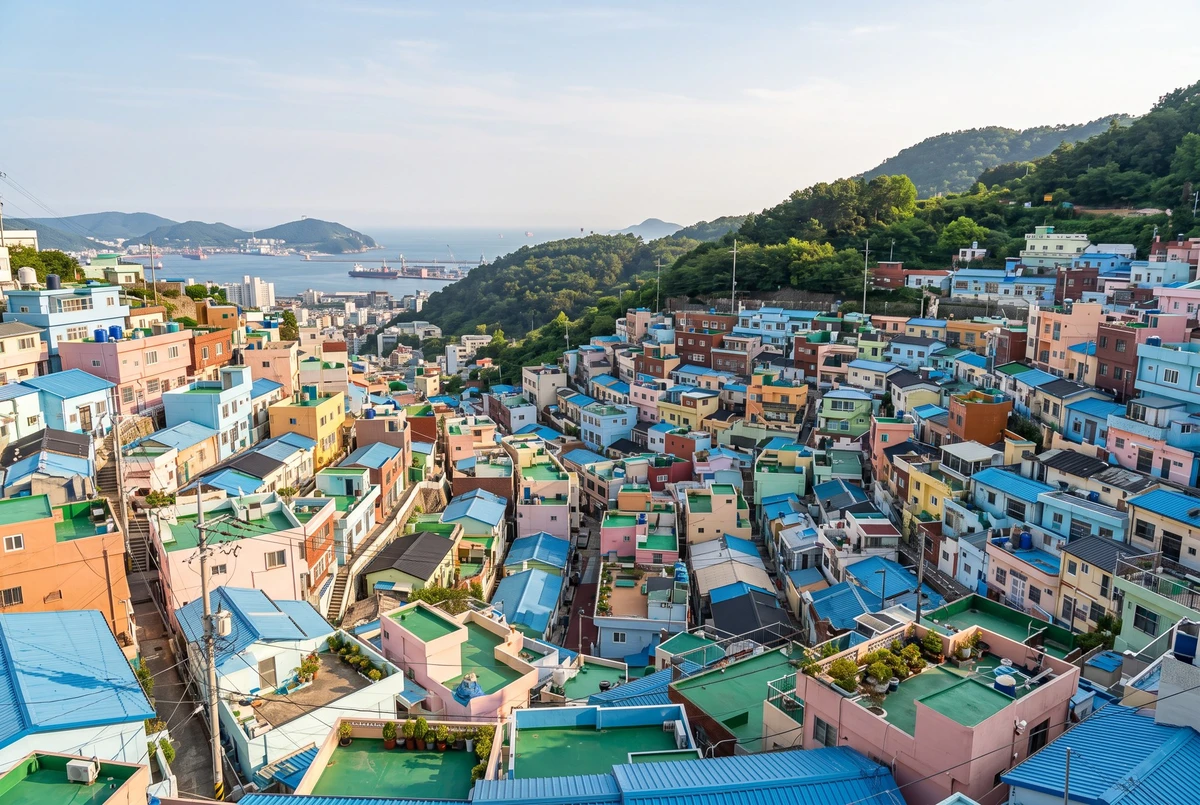
- Wander the colourful hillside houses of Gamcheon Culture Village in Busan
- Browse Jagalchi Fish Market and taste fresh grilled seafood by the harbour
- Climb Seongsan Ilchulbong crater on Jeju for a sunrise over the sea
- Explore the ancient Silla tombs and Bulguksa Temple in Gyeongju
- Ride the KTX high-speed train from Seoul to Busan through the countryside
Do’s and don’ts in South Korea
Do
- Bow slightly and use both hands when giving or receiving
- Remove your shoes where you see a raised floor or shoe racks
- Carry a rechargeable transport card for metros and buses
- Ask for Muslim-friendly restaurants, especially around Itaewon in Seoul
- Book palace, temple-stay and Jeju tickets early in spring and autumn
Don’t
- Don’t tip in restaurants or taxis: it is not expected
- Don’t talk loudly or take calls on the metro
- Don’t sit in priority seats reserved for elderly and pregnant passengers
- Don’t write a person’s name in red ink
- Don’t photograph inside temple halls without permission
South Korea at a glance
Plan South Korea with Haqqi Tours
Every option is confirmed by our team on WhatsApp before you pay, and delivered by our own people or by trusted local partners we work with in every city. Because we send travellers from all over the world, our partners give us special rates and priority, so you always receive the best. Prices are per person unless marked per vehicle.
About Haqqi Tours: About us Contact us Legal NoticePrivacy PolicyCookies & Marketing PreferencesTerms & ConditionsBooking, Payment & Refunds
Good to know
Frequently Asked Questions
Straight answers to what travellers ask most about South Korea.
Is it safe to visit South Korea?
South Korea is one of the safest destinations in Asia, with very low crime, efficient transport and well-lit streets late into the night. Families and solo travellers feel at ease in Seoul, Busan and Jeju alike. As anywhere, check your own government’s official travel advice before departure and keep our WhatsApp line handy throughout your stay.
How many days do I need for a first trip to South Korea?
Seven to ten days is ideal for a first trip to South Korea: four days in Seoul including a day trip, two or three in Busan with a stop in Gyeongju, and two or three on Jeju. With only five days, focus on Seoul and add either Busan or Jeju rather than rushing all three.
What is the best way to travel between South Korea’s major cities?
The KTX high-speed train is the best way to travel between Seoul and Busan, running city centre to city centre in under three hours. For Jeju, short domestic flights from Seoul or Busan are fastest, while ferries suit travellers who enjoy the sea. Our team books your tickets and arranges private transfers at each end.
Can a trip to South Korea be tailored for luxury or private travel?
Yes. South Korea offers refined hotels, private dining and seamless premium travel. We can tailor a private itinerary with dedicated drivers, guided day tours at your pace, temple stays, hanbok experiences and Jeju resort time, plus Muslim-friendly dining suggestions. Every detail is confirmed with our team on WhatsApp before anything is paid.
Is South Korea tourist friendly?
Very. Signs, metro announcements and menus in tourist areas often include English, public transport is easy to navigate and staff are courteous and helpful. Free Wi-Fi is widespread. Muslim travellers will find a growing number of Muslim-friendly restaurants and prayer rooms, particularly in Seoul. Our local team adds a personal layer of support.
Is it safe to travel to South Korea now?
Travel to South Korea generally continues normally, and daily life in Seoul, Busan and Jeju is calm and orderly. Regional news headlines rarely affect visitors on the ground. Before departure, review your own government’s official travel advice, follow local guidance and keep our WhatsApp line handy, and our team will advise if anything changes.
What is the best time to visit South Korea?
Spring, from April to May, and autumn, from October to early November, are the best times to visit South Korea, bringing cherry blossoms, autumn foliage and mild, clear days. Summer is green and lively but humid, with monsoon showers in late June and July. Winter is cold but clear, quieter and excellent value.
What is South Korea famous for?
South Korea is famous for Seoul’s royal palaces and dynamic skyline, Jeju’s volcanic island scenery and Busan’s beaches and seafood. It is celebrated for Korean cuisine such as kimchi, bibimbap and bulgogi, for skincare and fashion, for hanbok and temple stays, and for remarkable technology, safety and efficiency.
Which cities in South Korea does Haqqi Tours cover?
Seoul, Busan and Jeju. Each city has its own page with everything available there, and a trip across several cities is planned in one WhatsApp conversation.
What can I book in South Korea?
Day tours, attraction tickets, private airport transfers, flight tickets, train tickets and ferry tickets - all run or confirmed by Haqqi Tours, each with a fixed price agreed on WhatsApp before you pay.
How do I book a tour or transfer in South Korea?
Fill in the form on the page you are interested in, or message us on WhatsApp with the date, the number of travellers and your hotel. A member of our team confirms the price and the details in writing within minutes.
Are the prices fixed?
Yes. Every price is agreed in writing on WhatsApp before you travel and does not change on the day - not for traffic, not for a late flight, not for the hour.
Do you arrange transfers between cities in South Korea?
Yes. Intercity transfers by private car or van are booked the same way as airport transfers; tell the desk the two hotels and the date and it quotes a fixed price for the whole vehicle.
Can you plan a full itinerary across South Korea?
Yes - tell the desk your dates, the cities you want and who is travelling, and it proposes a day-by-day plan with the tours, transfers and tickets priced in writing. You adjust it in the same chat before confirming.
Are your tours private or in a group?
Both exist, and the page of each tour says which. Private tours have a car and guide for your party alone; small-group tours share a guide with a few other travellers. The desk can convert most group tours into a private day on request.
Do the drivers and guides speak Arabic?
It depends on the country, the city and the day, so we do not promise a particular language for the driver or guide. Tell us your preference and we do our best; the WhatsApp desk itself always works in Arabic and English.