
Seoul
Plan Seoul with Haqqi Tours: day tours, private airport transfers, attraction tickets and packages, run by our own team and confirmed on WhatsApp in Arabic or English.
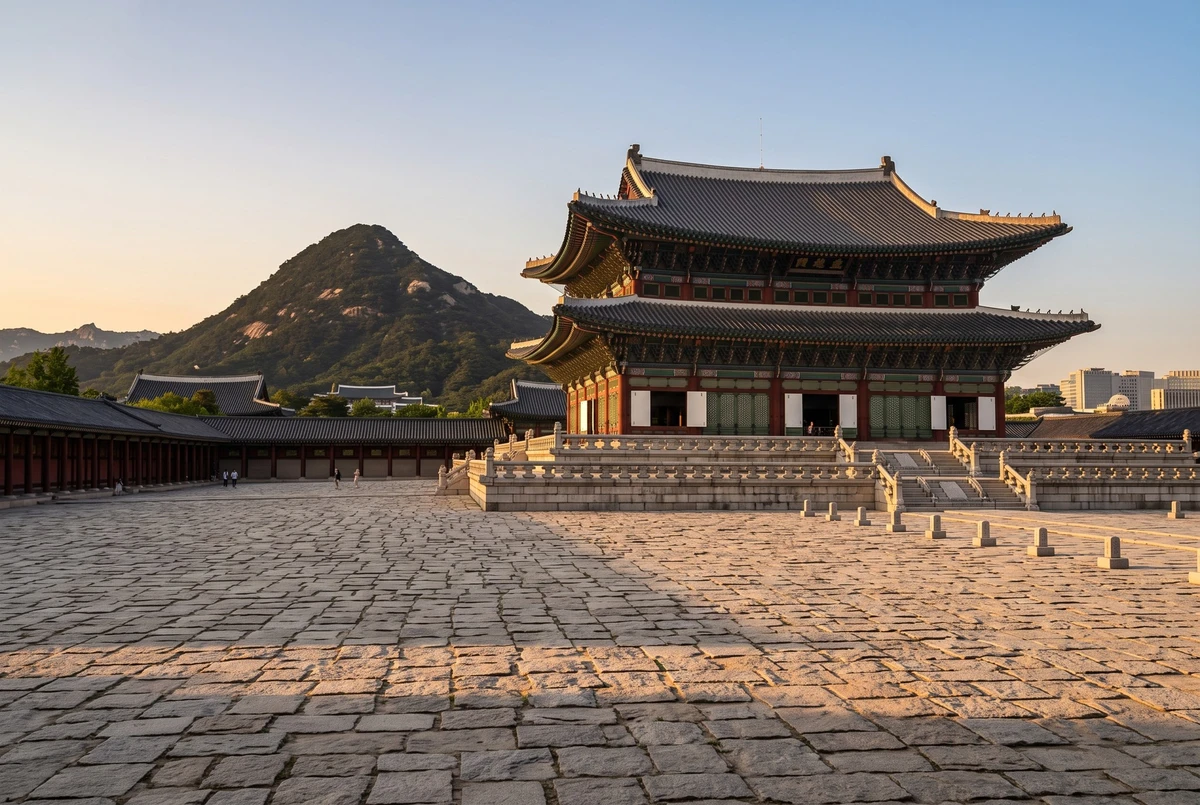
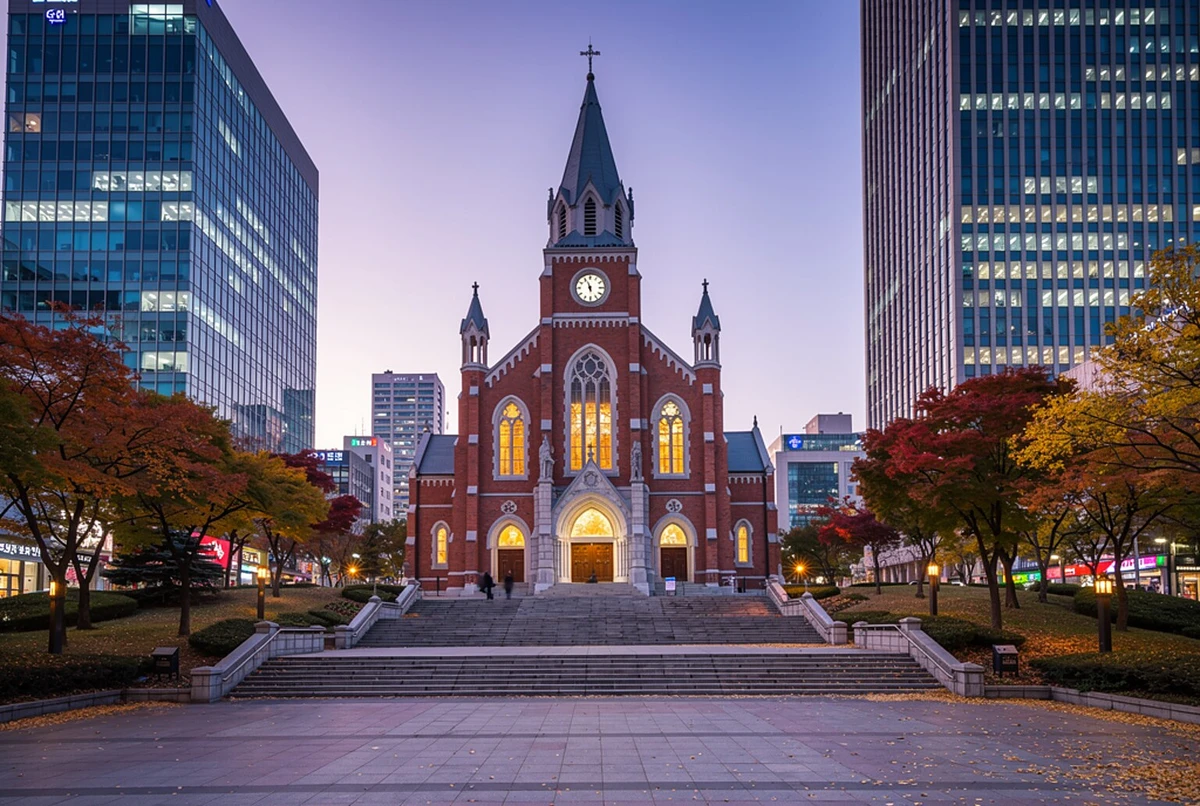
Step out of your hotel in Seoul on a crisp autumn morning and the city arrives all at once: the hiss of a street cart pressing sweet hotteok pancakes, the soft chime of a subway announcement, office workers with iced coffee crossing beneath ginkgo trees turning gold. Behind the glass towers, granite peaks such as Bugaksan, Inwangsan and Bukhansan frame the skyline, and the curved tiled roofs of a Joseon palace sit calmly between them.
Nothing matches those filters yet. Widen your search or message us on WhatsApp.
Seoul Day Tours
View all 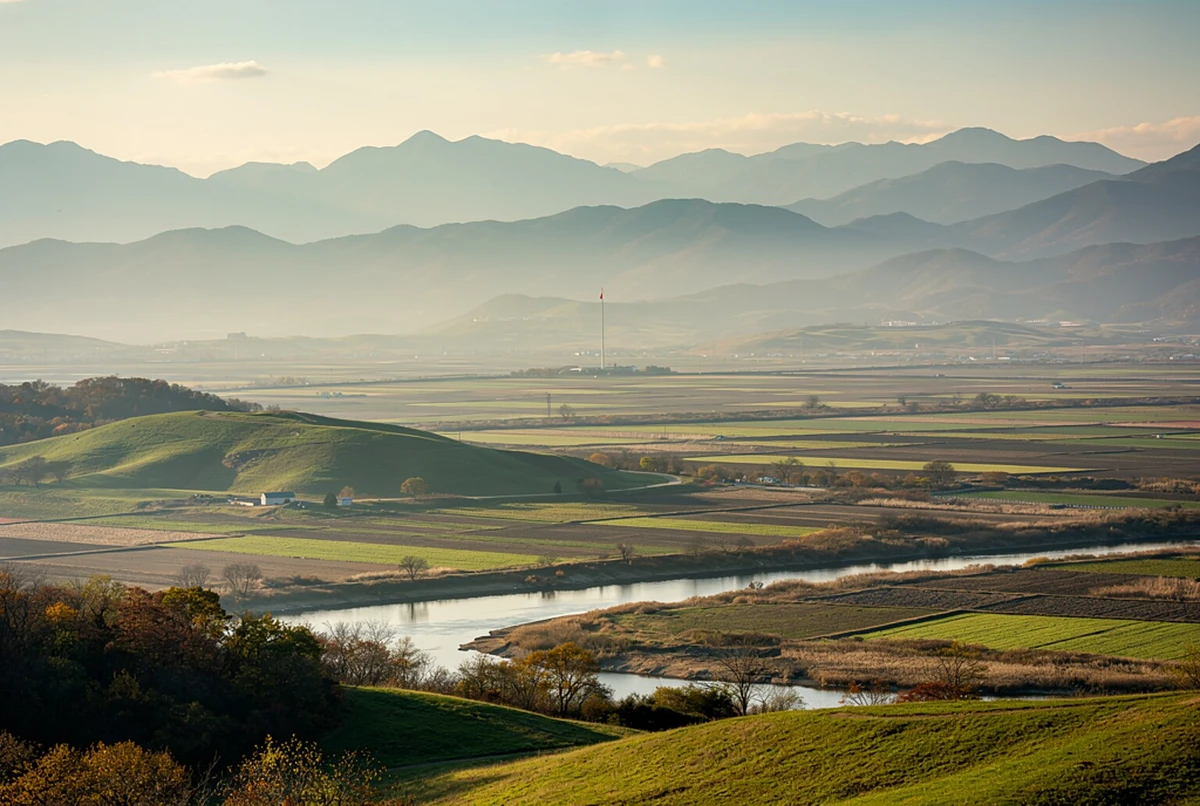
Seoul Attraction Tickets
View all
Seoul Airport Transfers
View all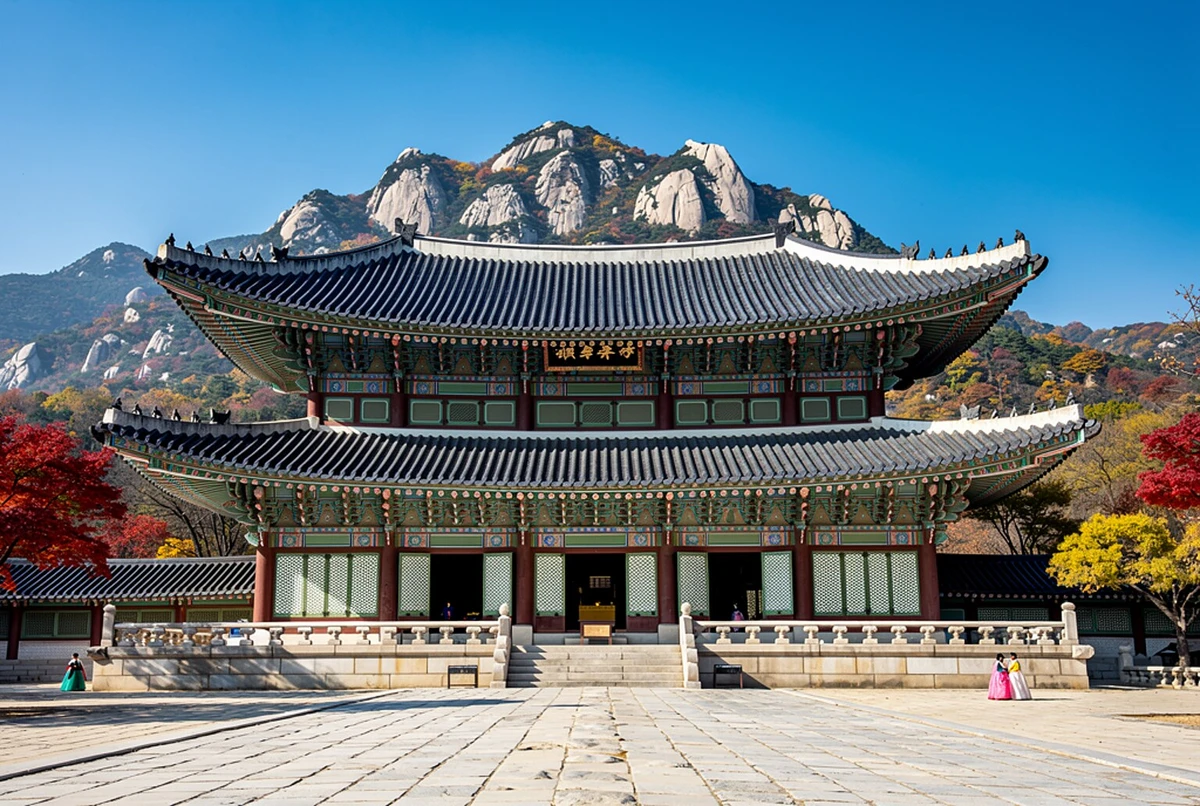
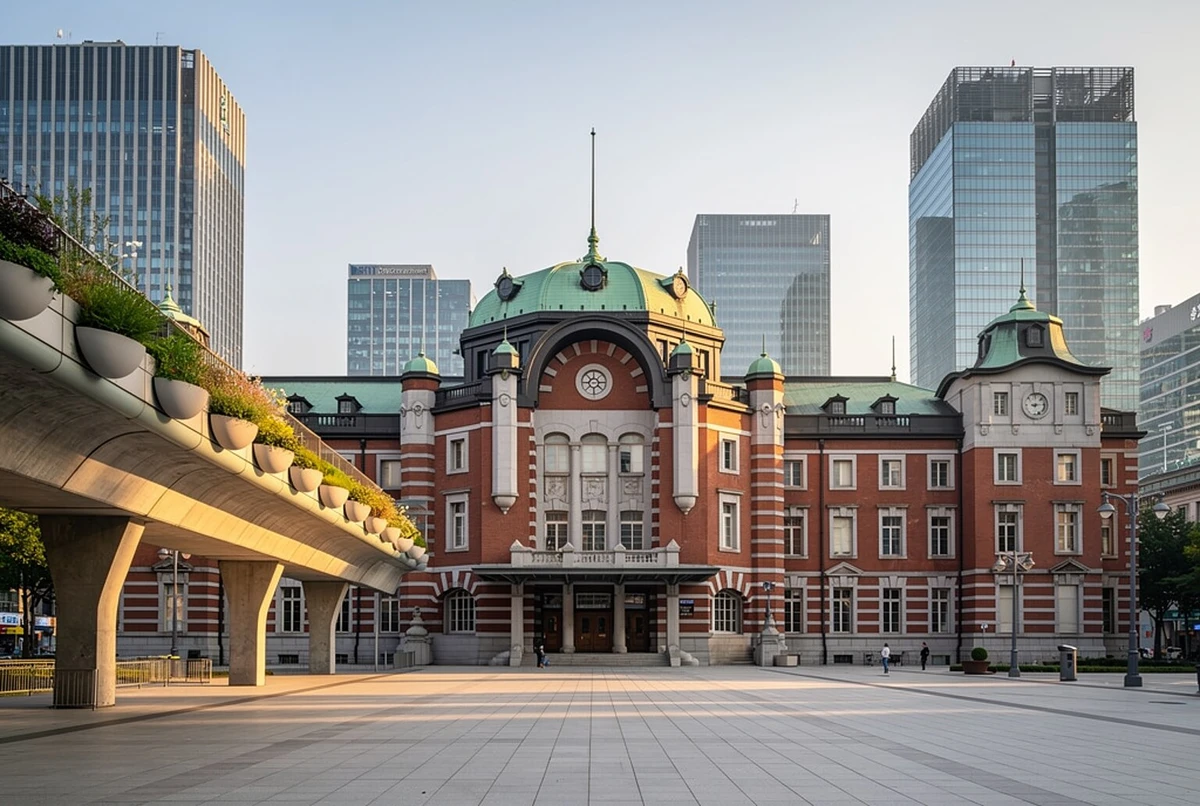
Seoul Flight Tickets
View all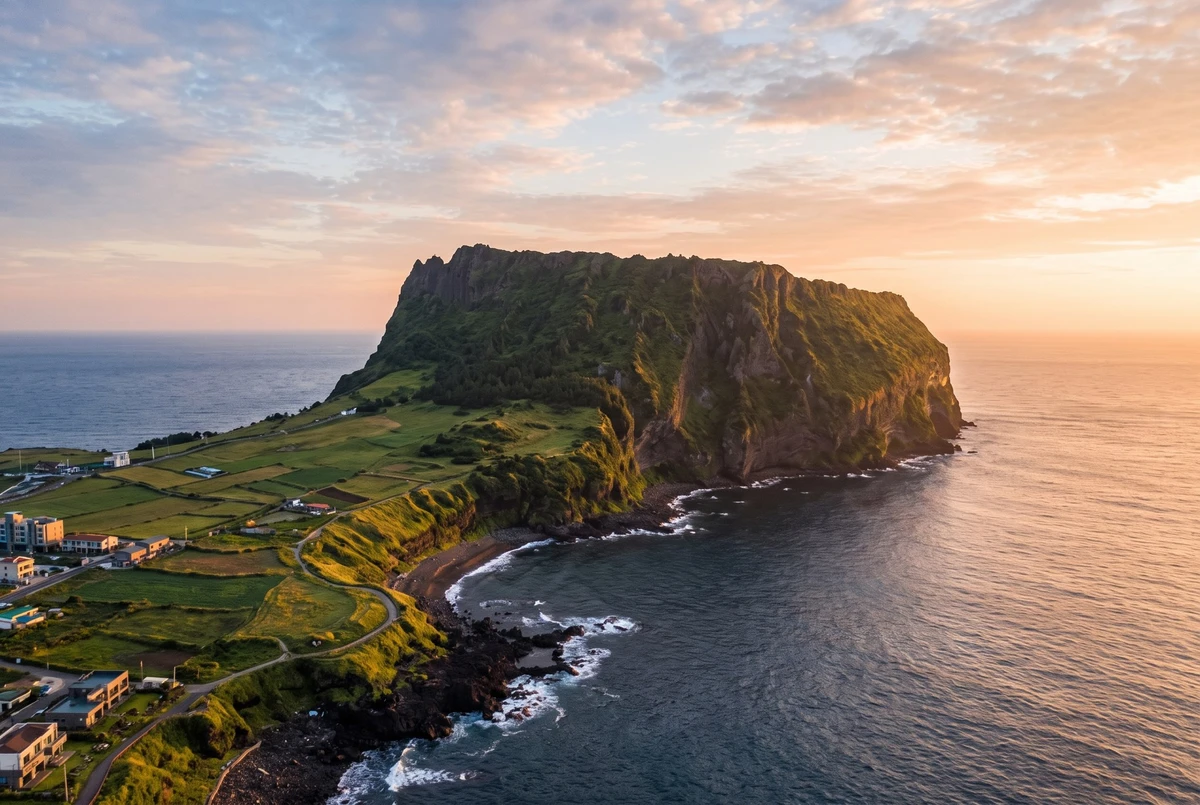
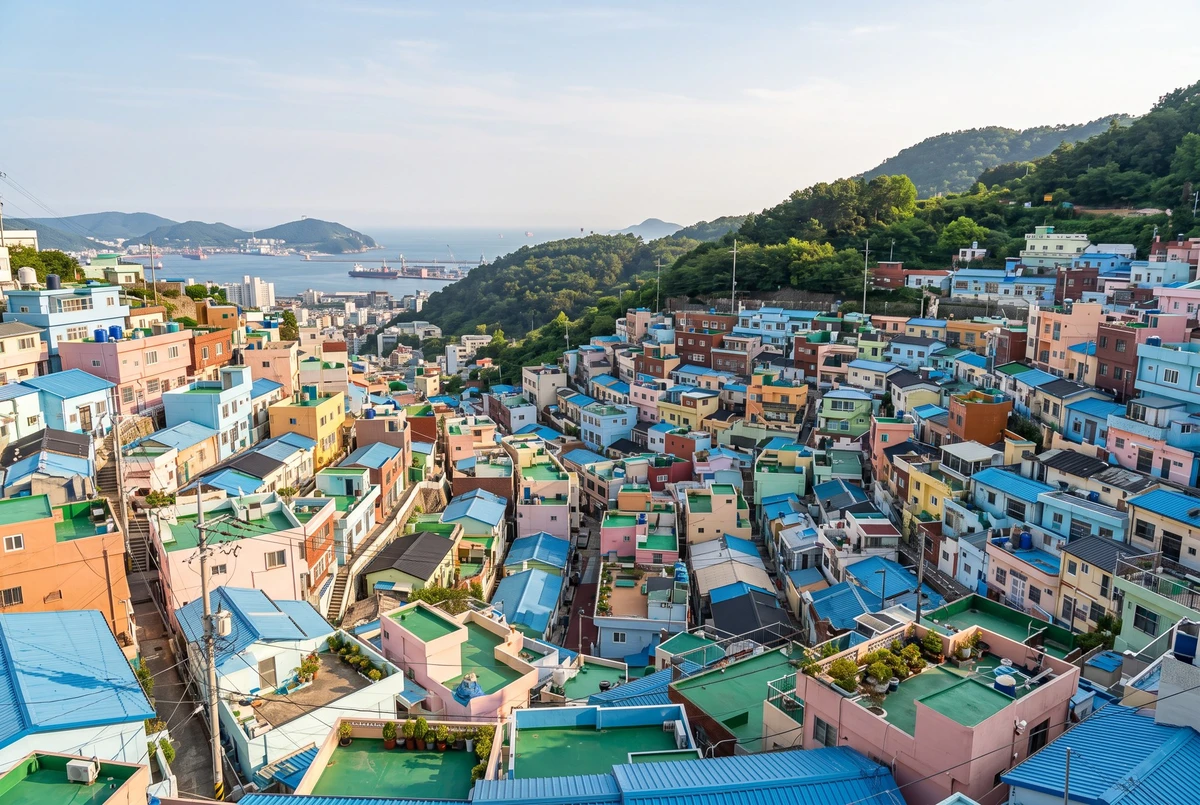
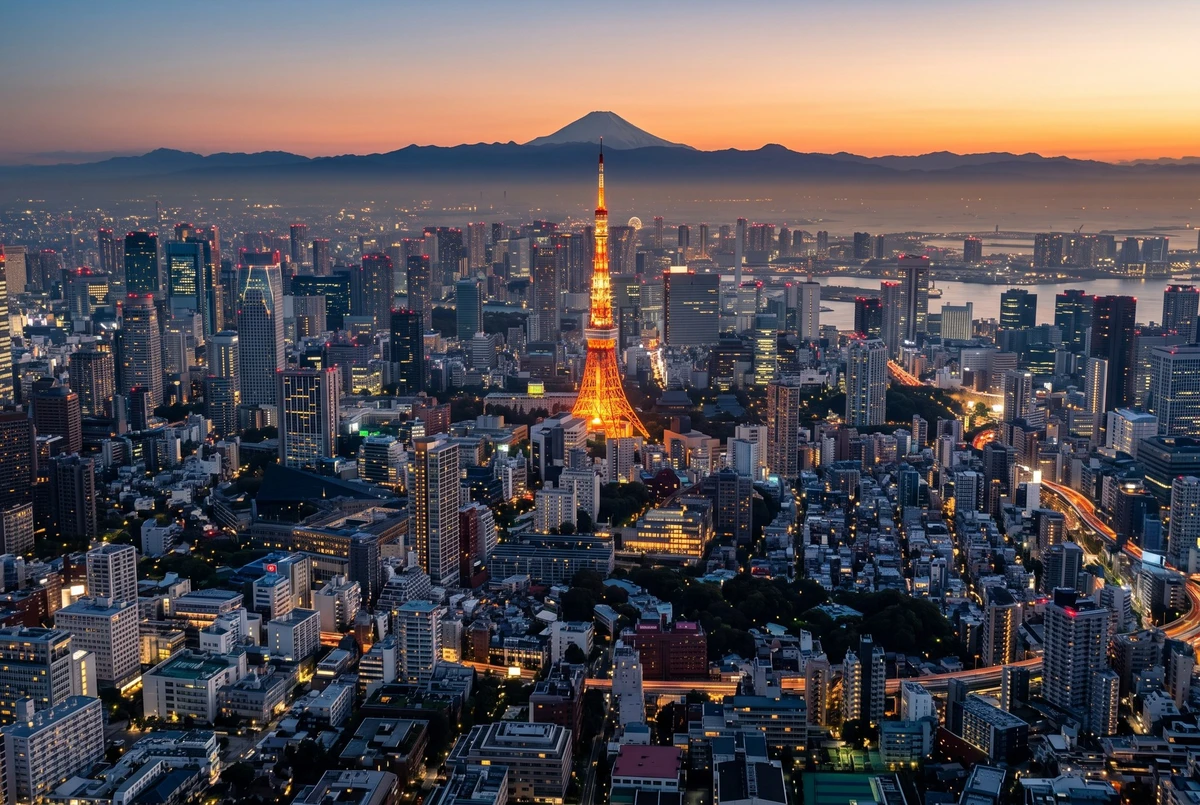
Seoul Train Tickets
View all 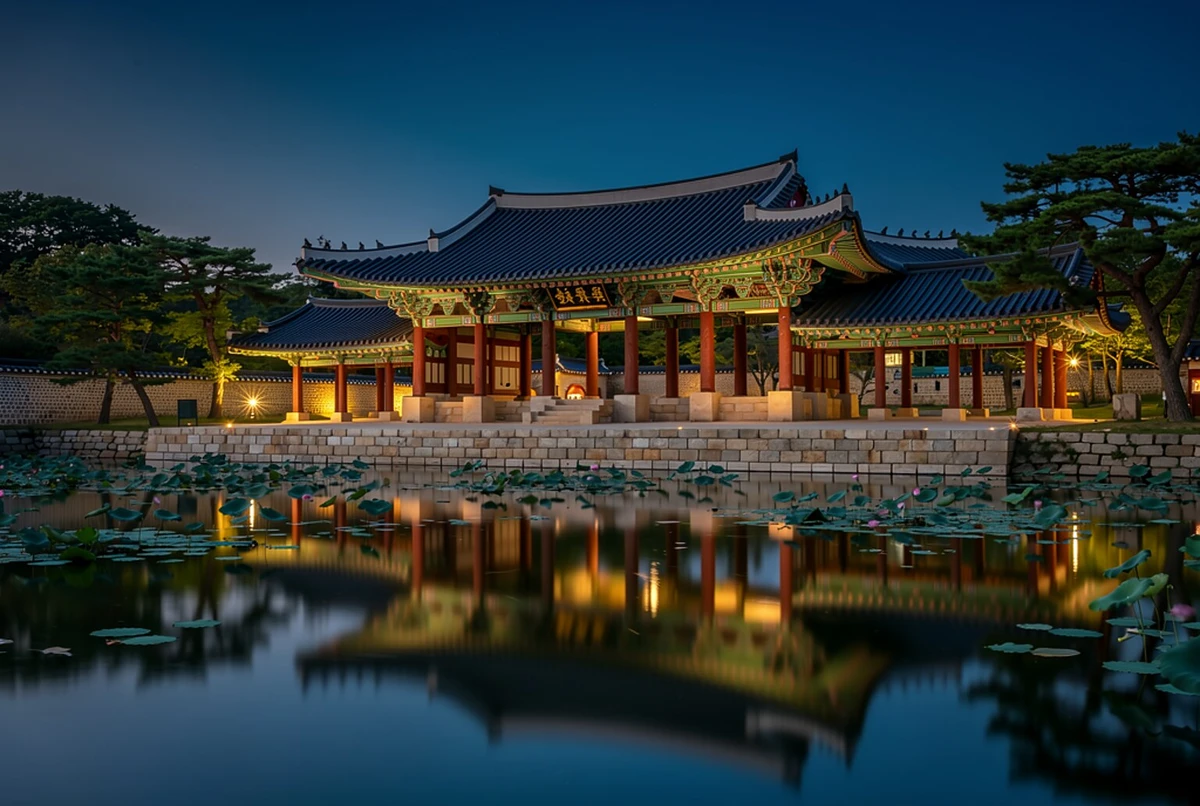
Seoul Ferry Tickets
View allSeoul at first sight
Seoul has been Korea's capital for more than six centuries, first as the seat of the Joseon kings and today as the restless engine of a nation that rebuilt itself within a single lifetime. It is where Korean pop culture, design and food trends are born, where old rituals are guarded with care, and where almost every journey through South Korea begins and ends.
Why include Seoul in your itinerary?
- Five royal palaces in one capital. Gyeongbokgung, Changdeokgung with its Secret Garden, Deoksugung, Changgyeonggung and Gyeonghuigung lie within a short ride of each other, and the daily changing of the guard at Gwanghwamun brings Joseon court ceremony vividly back to life.
- Mountains inside the city limits. Few capitals let you walk a granite ridge before lunch: Bukhansan National Park, the Seoul City Wall trail and Namsan are all reachable by subway, and even a short climb rewards you with sweeping views over the Han River.
- The gateway to the DMZ. Seoul is the natural base for visiting the Demilitarized Zone, where observatories, infiltration tunnels and a lonely railway station tell the story of a divided peninsula with a quiet gravity that no museum can fully match.
Signature experiences in Seoul
Gyeongbokgung Palace and the Royal Heart of Seoul
Founded in 1395, Gyeongbokgung is the grandest of Seoul's palaces: vast throne halls, the Gyeonghoeru Pavilion floating on its lotus pond, and mountain views framed by painted eaves. Many visitors stroll its courtyards in a rented hanbok, which turns every photograph into a portrait. Our guided day tours pair the palace with Bukchon and Jogyesa Temple, with a guide who decodes court rituals, colours and symbols that are easy to miss alone, and we can issue palace entry tickets in advance.
Gwangjang Market and the Flavours of Seoul
Seoul's soul is in its food. At Gwangjang Market, the city's oldest, mung-bean bindaetteok crackle in oil, grandmothers roll bite-sized mayak gimbap, and steaming bowls of knife-cut kalguksu arrive in seconds. Further afield, a temple-food lunch or a kimchi-making class reveals the patience behind Korean cooking. On our guided food day tour a local guide orders for you, explains the etiquette of shared banchan side dishes, and leads you to stalls you would never find by yourself.
Bukchon, Ikseon-dong and the Old Lanes
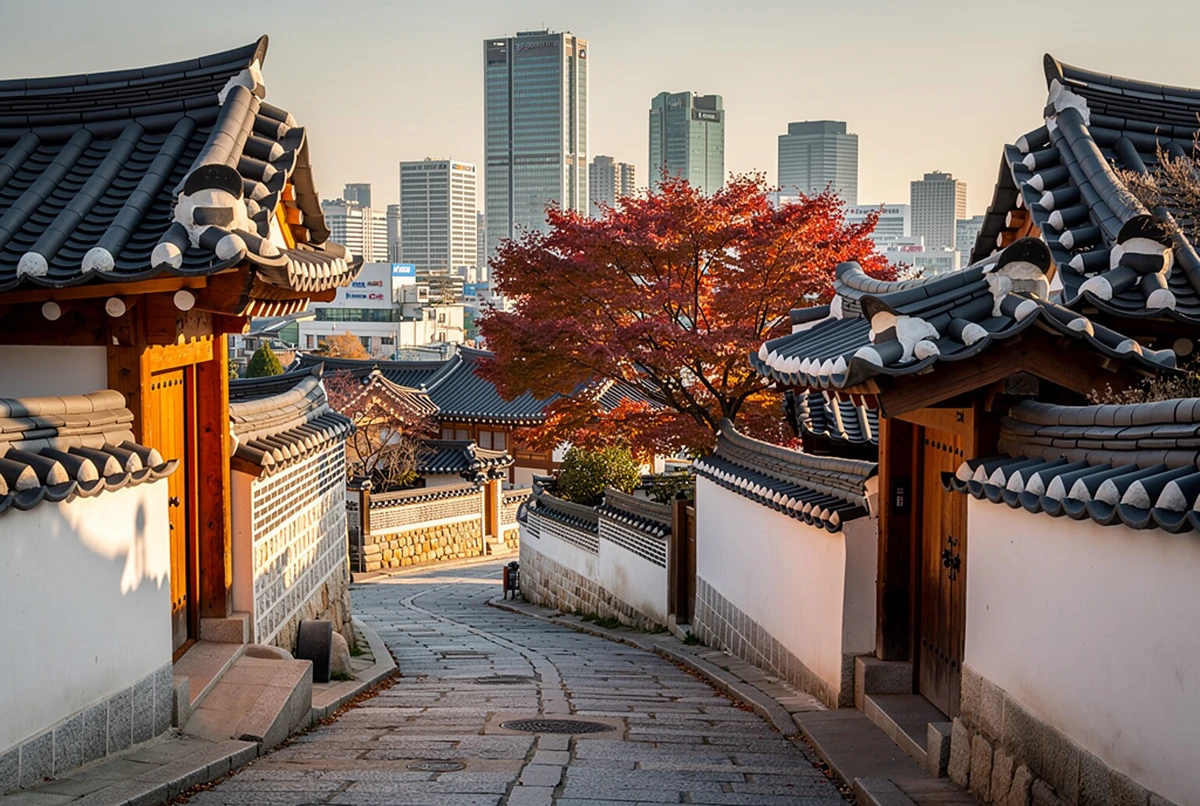
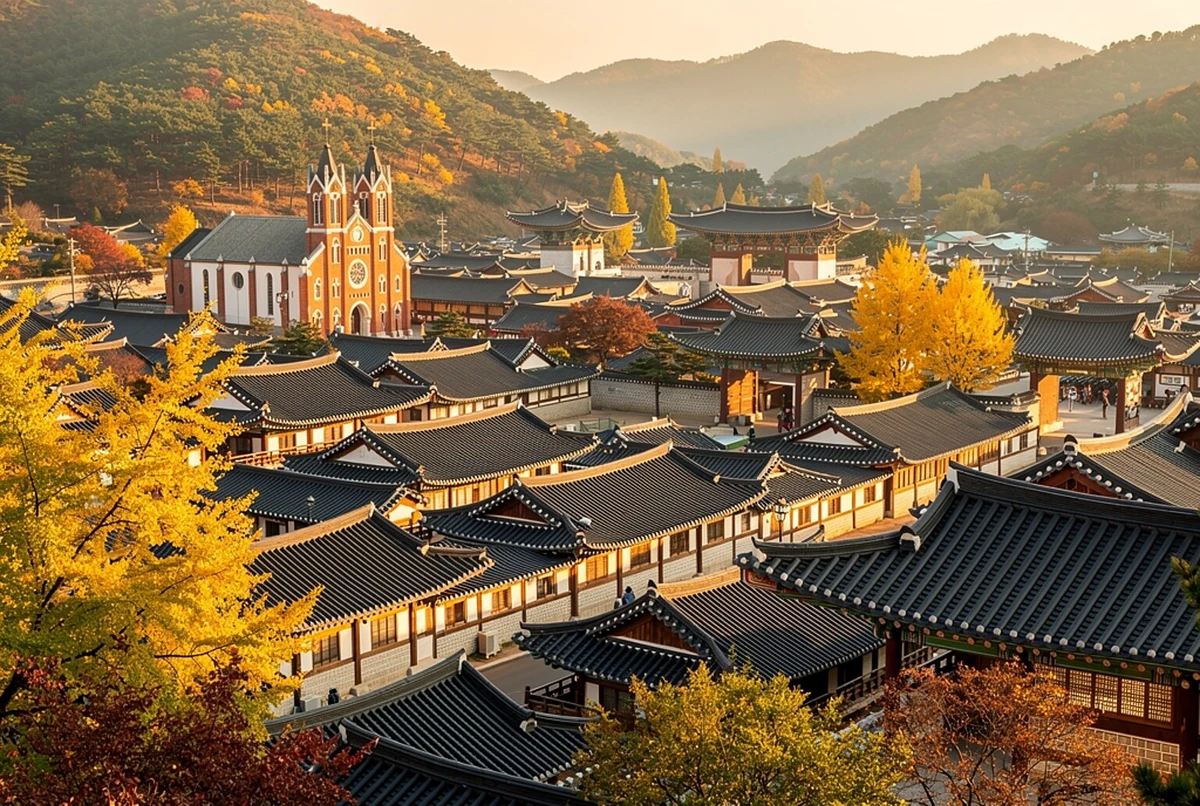
Between Gyeongbokgung and Changdeokgung, Bukchon Hanok Village climbs a hillside of tiled-roof houses, many still lived in, with views down to the downtown towers. Below, Ikseon-dong hides tea houses and craft studios inside century-old hanok, while Insadong sells calligraphy brushes, celadon and handmade paper. These quarters are best explored slowly on our guided day tour, or with a private car and driver arranged by our team to carry you between hills and shopping bags.
The DMZ: Standing at the Edge of a Divided Peninsula
An hour north of Seoul, the Demilitarized Zone is one of the most sobering places in Asia. Visitors look across to the North from observation decks, walk down into an infiltration tunnel, and stand on the platform of Dorasan Station, built for a railway that does not yet run. Access is controlled and passports are checked, so the DMZ can only be visited on an organised tour; our guided day tour handles registration and brings deep historical context.
Seoul from Above: Namsan and the City's Skyline Decks
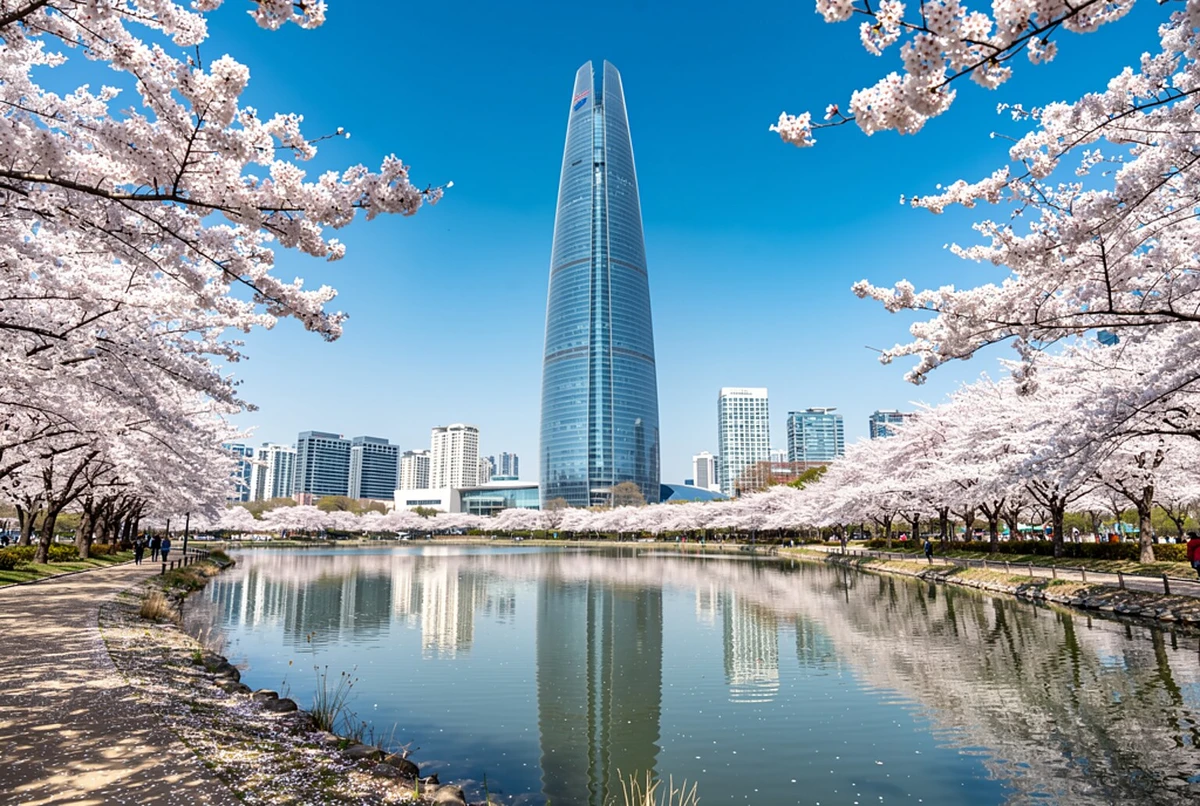
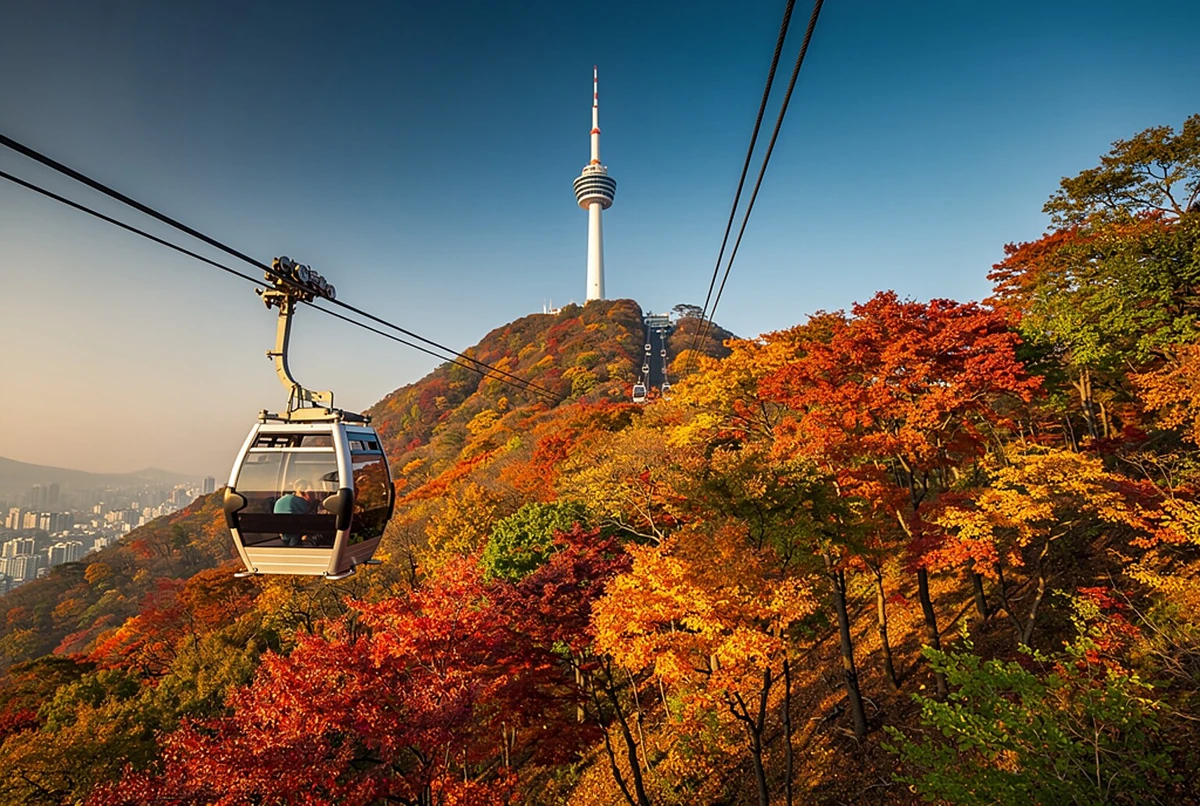
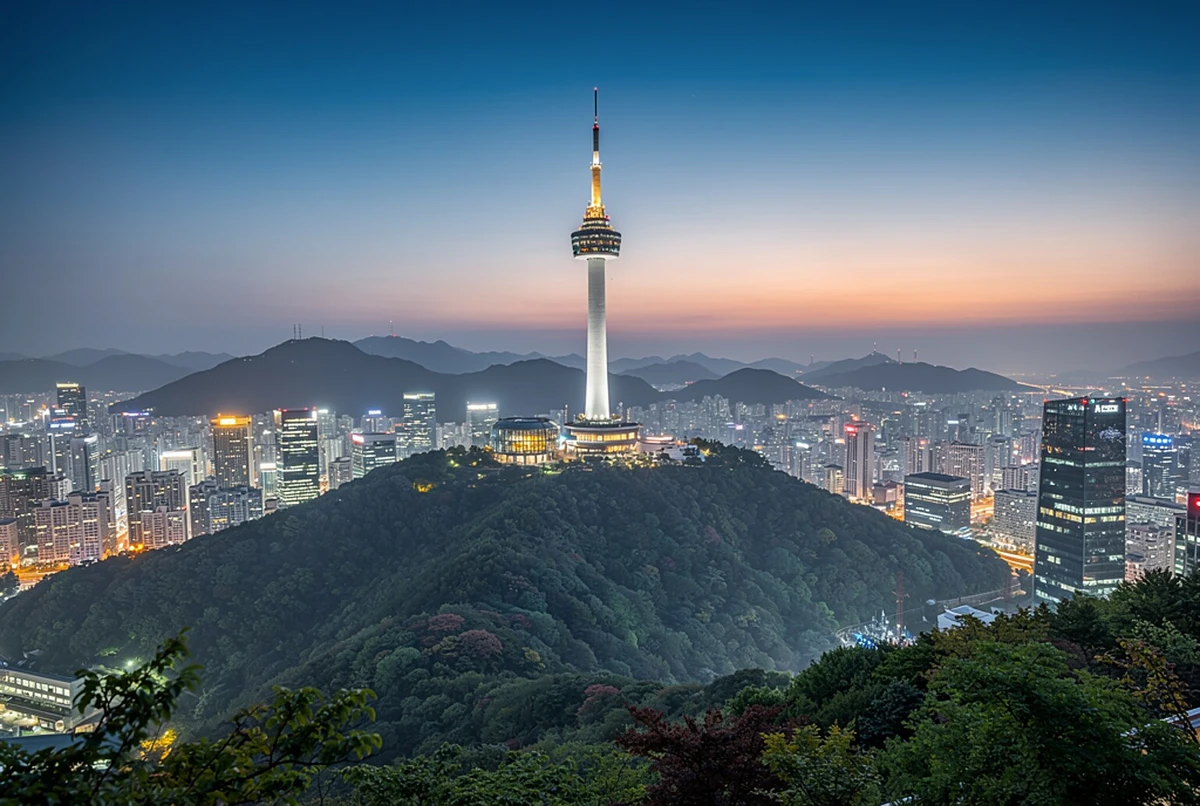
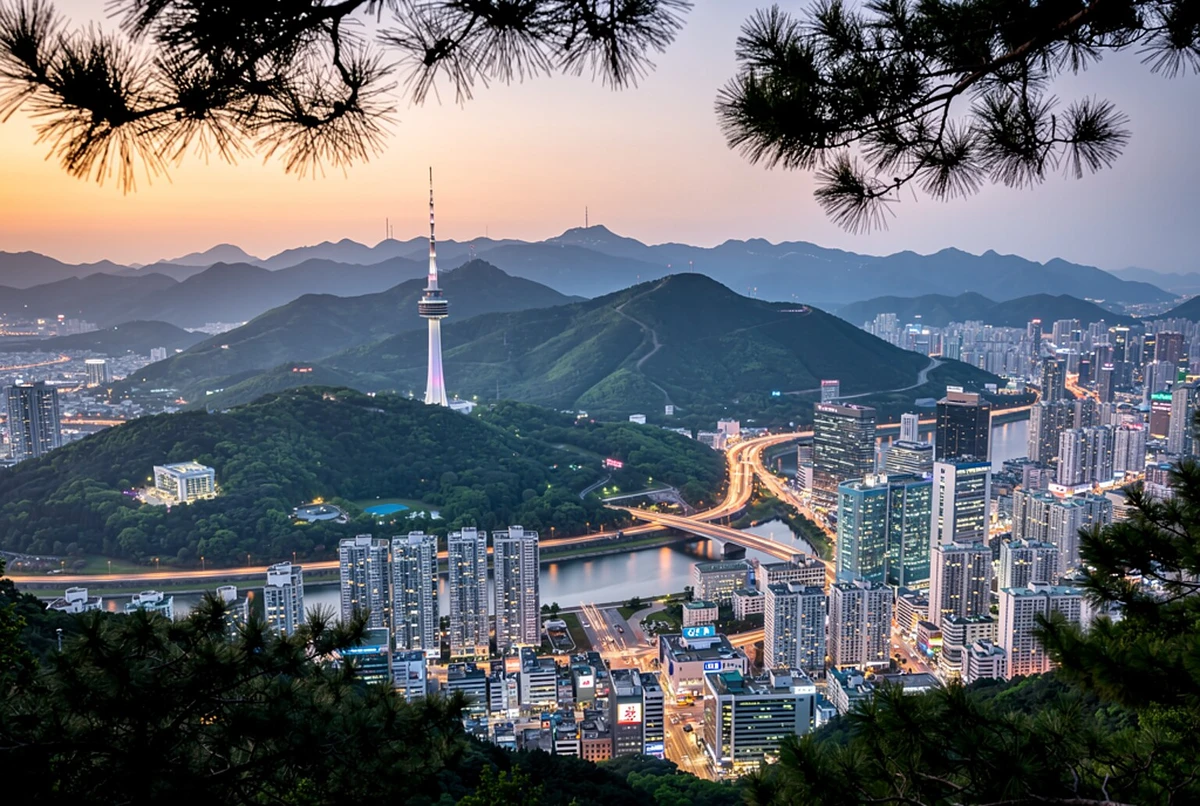
As evening falls, Seoul's lights spread to the horizon. Ride the cable car up Namsan to N Seoul Tower, where padlocks of promises cover the railings and the whole basin of the Han River glows below, or rise to the glass-floored observatory of Lotte World Tower in Jamsil, among the tallest buildings in the world. We issue attraction tickets for both, and our team can add a private driver so the evening flows without waiting for taxis.
Neighbourhoods and quarters to know in Seoul
Jongno and Insadong
The historic heart of Seoul, Jongno holds the palaces, Jogyesa Temple, Bukchon and the craft lanes of Insadong. It is calm, central and very safe, with hanok guesthouses and fine hotels close to the Gwanghwamun boulevard. Choose Jongno if your trip is about heritage, early palace visits and evening walks along the restored Cheonggyecheon stream.
Myeongdong and Jung-gu
Myeongdong is Seoul's busiest shopping district, a grid of skincare boutiques, fashion stores and evening street-food stalls beneath Namsan. It is crowded, cheerful and safe at all hours, with excellent subway links and hotels at every level. It suits first-time visitors who want to step out of the lobby straight into the energy of the city.
Gangnam and Jamsil
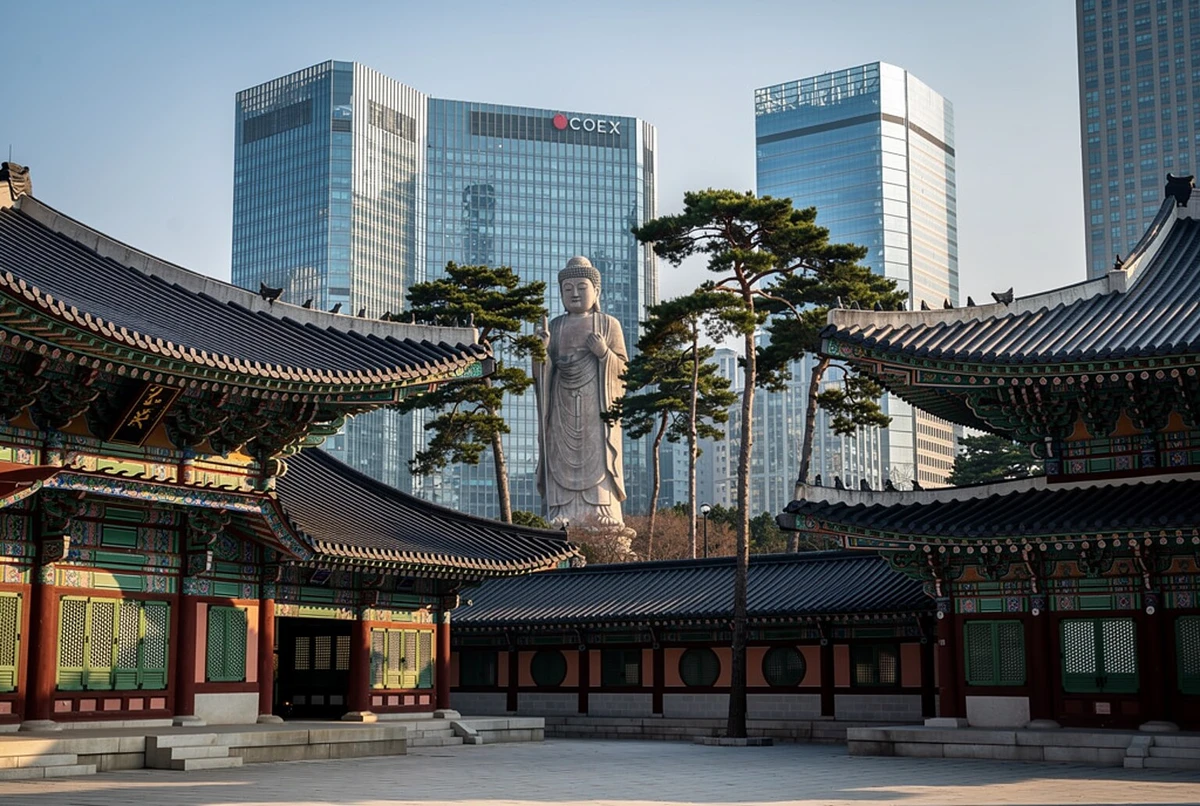
South of the Han River, Gangnam is the polished, modern face of Seoul: wide avenues, design flagships, the COEX complex with its soaring Starfield Library, and the ancient Bongeunsa Temple surrounded by towers. Nearby Jamsil adds Lotte World Tower and Seokchon Lake. It is ideal for business travellers, luxury shopping and families who enjoy spacious hotels.
Hongdae and Mapo
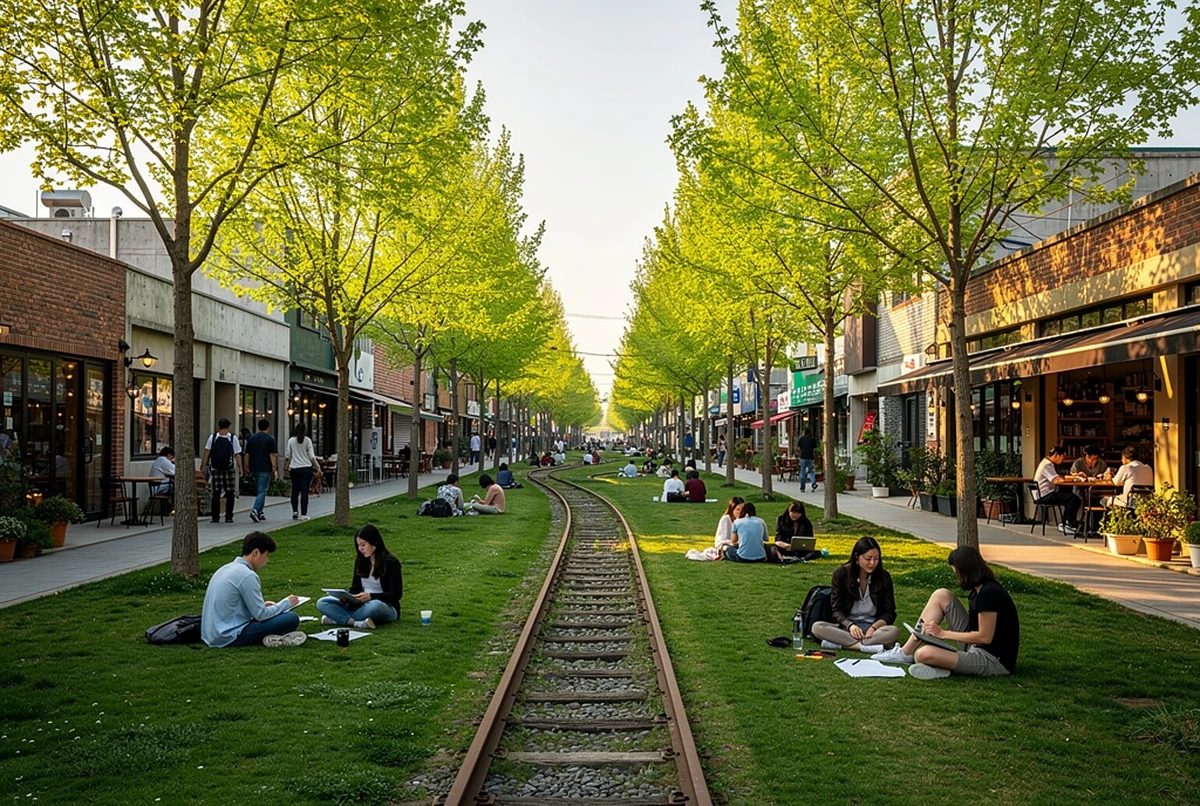
Around Hongik University, Hongdae is young, creative and lively, with street performers, independent fashion, quirky themed cafés and murals on every corner. Neighbouring Yeonnam-dong follows a linear park built over an old railway line, lined with bakeries and small restaurants. It is safe and easy-going, and perfect for travellers who want Seoul's contemporary pulse.
How long to stay in Seoul and how to pair it
Recommended stay
Plan four to five nights in Seoul for a first visit. That gives a full day for the palaces and Bukchon, a day for markets and food, a day for the DMZ, and time for Gangnam, Namsan and a mountain walk. With six nights you can add Suwon's Hwaseong Fortress or a day in the countryside.
How to pair it
Seoul links beautifully with the rest of South Korea. For a seven-day loop, spend four days in Seoul and ride the high-speed KTX train south to Busan for beaches, seafood and Gamcheon's painted hillsides. Over ten days, add a short flight to Jeju for volcanic craters, lava tubes and coastal trails. In fourteen days, include Gyeongju between Seoul and Busan for royal tombs and Bulguksa Temple. We issue the train, flight and ferry tickets that connect them.
Best time to visit Seoul and the rhythm of the day
Best months
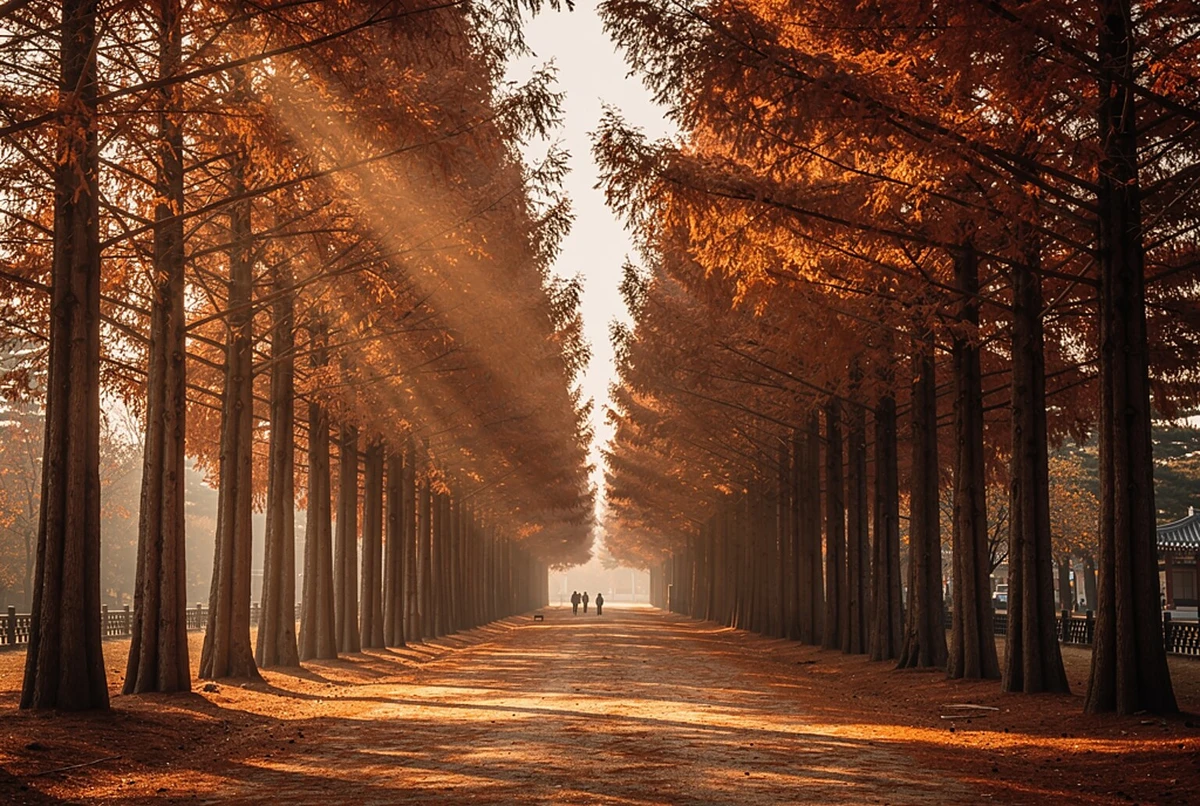
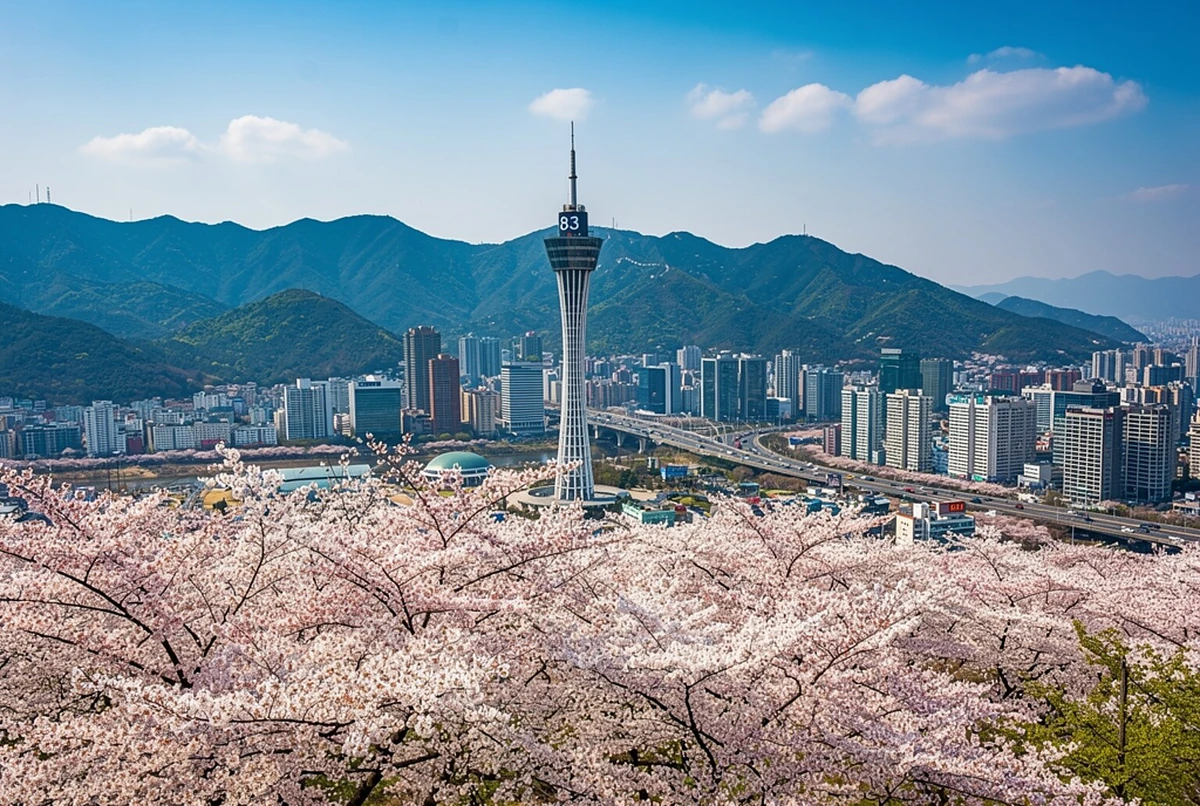
The best time to visit Seoul is spring, from late March to May, when cherry blossoms line Yeouido and Seokchon Lake and the air is mild. Autumn, from late September to early November, is equally lovely, with blazing foliage on the palace grounds and clear blue skies. July and August bring humid heat and monsoon rain, while January is cold, dry and bright.
The daily rhythm
Seoul wakes gradually. Palaces open in the morning, while many cafés and boutiques only lift their shutters around ten. Lunch is a fast, busy affair as office workers fill noodle shops at noon. Afternoons belong to museums, markets and cafés. After dark the city comes fully alive, with street food, illuminated rivers and shops open late, and convenience stores glowing around the clock.
On-the-ground logistics in Seoul
Arrival
Most international travellers land at Incheon International Airport, about an hour to ninety minutes by road from Myeongdong, Jongno or Gangnam depending on traffic. Gimpo Airport handles many domestic and some regional flights and is closer to the city. Our private airport transfer meets you in the arrivals hall and takes you straight to your hotel door, luggage included.
Getting around
Seoul's subway is one of the best in the world: clean, punctual and signposted in English, with a rechargeable transport card that also works on buses. Taxis are plentiful and honest, and ride-hailing apps operate widely, though some need local registration. Central neighbourhoods are walkable but hilly. For day trips or a relaxed pace, a private car with driver arranged by our team is ideal.
Local etiquette tip
Respect for elders shapes daily life in Seoul. Offer and receive cards, gifts and payment with two hands, or with your right hand supported by the left. On the subway, leave the priority seats at the ends of each carriage for older passengers, even when the train is crowded. Never stand chopsticks upright in a bowl of rice.
Must-do things in Seoul
- Watch the changing of the guard at Gwanghwamun, then explore Gyeongbokgung Palace
- Walk Changdeokgung's Secret Garden on a guided visit through ponds and pavilions
- Wander the tiled-roof lanes of Bukchon Hanok Village early in the morning
- Eat bindaetteok and knife-cut noodles among the stalls of Gwangjang Market
- Join a guided day tour to the DMZ and Dorasan Station
- Ride the cable car up Namsan for sunset views from N Seoul Tower
- Hike a section of the Seoul City Wall trail for skyline views
- Browse calligraphy, celadon and tea houses along Insadong and Ikseon-dong
- Stroll the Cheonggyecheon stream and Dongdaemun Design Plaza after dark
- Take a day trip to Suwon's UNESCO-listed Hwaseong Fortress
Do’s and don’ts in Seoul
Do
- Carry a rechargeable transport card for the subway, buses and convenience stores
- Book palace visits early in the day to enjoy them before tour groups arrive
- Keep your voice low in Bukchon, where residents live inside the hanok houses
- Try shared banchan side dishes, which are refilled for free at most restaurants
- Bring your passport on DMZ day, as identity checks are strictly enforced
Don’t
- Do not tip in restaurants or taxis; it is not expected in Seoul
- Do not sit in the subway's priority seats if an older passenger may need them
- Do not stick chopsticks upright in your rice bowl
- Do not photograph soldiers or military areas on a DMZ visit without permission
- Do not blow your nose loudly at the dining table
Seoul at a glance
Plan Seoul with Haqqi Tours
Every option is confirmed by our team on WhatsApp before you pay, and delivered by our own people or by trusted local partners we work with in every city. Because we send travellers from all over the world, our partners give us special rates and priority, so you always receive the best. Prices are per person unless marked per vehicle.
About Haqqi Tours: About us Contact us Legal NoticePrivacy PolicyCookies & Marketing PreferencesTerms & ConditionsBooking, Payment & Refunds
More services in Seoul
Good to know
Frequently Asked Questions
Straight answers to what travellers ask most about Seoul.
Where should first-time visitors stay in Seoul?
First-time visitors are happiest in Jongno or Myeongdong, which put the palaces, Bukchon, Namsan and the main shopping streets within a short walk or subway ride. Gangnam suits those who prefer a modern, upscale base. Our team can recommend hotels in each district and arrange a private transfer from Incheon straight to the door.
Can Seoul be done as a day trip, or does it need an overnight stay?
Seoul is far too large for a day trip. Even a fast highlights visit needs two nights, and four or five nights let you see the palaces, markets and DMZ without rushing. If you arrive on a long layover, our private car with driver can show you Gyeongbokgung and Bukchon in a few efficient hours.
What is the dress code and etiquette in Seoul?
Seoul is fashionable and casual; there is no strict dress code. At temples, cover shoulders and knees and remove your shoes where asked. Bow slightly when greeting, use two hands to give or receive items, and keep conversations quiet on public transport. Tipping is not customary, and politeness is valued everywhere.
Is Seoul tourist friendly?
Very much so. Seoul has English signage across the subway, tourist information centres in major districts, free public wifi in many spots and a deeply service-minded culture. Many younger people speak some English. For extra ease, our guided day tours and private transfers remove language barriers entirely and let you focus on the experience.
Is it safe to travel to Seoul now?
Seoul is widely regarded as one of the safest large cities in the world, with low street crime and a calm, orderly atmosphere day and night. As with any trip, check the official travel advice of your own government before departure, watch your belongings in crowds, and keep our WhatsApp line handy throughout your stay.
What are the must-do things in Seoul?
The essentials are Gyeongbokgung and Changdeokgung palaces, Bukchon Hanok Village, Gwangjang Market, a day tour to the DMZ, sunset at N Seoul Tower and an evening in Myeongdong or Hongdae. Add a hike on the City Wall trail and a temple visit. We can combine these into guided days with attraction tickets included.
How many days do you need in Seoul?
Four to five days is ideal for a first visit to Seoul. Three days covers the palaces, food markets and Namsan; the fourth adds the DMZ, and a fifth leaves time for Gangnam, shopping or Suwon. Most travellers then continue south to Busan or fly to Jeju to complete their South Korea journey.
What can I book in Seoul with Haqqi Tours?
Day tours, attraction tickets, private airport transfers, flight tickets, train tickets and ferry tickets, including Gangnam Walking Tour on Korean Youth & Society Seoul, Mt Seorak & Naksansa Temple or Nami Island Day Trip from Seoul and Ghost Stories, Folklore & Dark History Walking Tour Seoul. Each has its own page, and the WhatsApp desk combines any of them into one plan with one written price.
How do I get from the airport to my hotel in Seoul?
Incheon International Airport (ICN) is about 50 km west of central Seoul on Yeongjong Island, with Terminal 1 and Terminal 2 about 15 km apart; Gimpo (GMP) is the closer airport for domestic and short regional flights. Our private transfer meets you at arrivals with a name board, tracks your flight and takes you door to door at a fixed price for the whole vehicle; the transfer pages list every route.
Is there public transport from the airport to Seoul?
The AREX express train links Incheon Airport with Seoul Station in about 45 minutes and Gimpo in half that, and airport limousine buses stop at the big hotels; with luggage, a family or a Gangnam hotel off the line, a car door to door is simpler, and Daegu or Jeonju are road trips of two to three hours. With luggage, a family or a late flight, the private car is the simpler choice.
Which tours are available in Seoul?
Among them: Gangnam Walking Tour on Korean Youth & Society Seoul, Mt Seorak & Naksansa Temple or Nami Island Day Trip from Seoul, Ghost Stories, Folklore & Dark History Walking Tour Seoul, Korean Baseball Game at Jamsil Stadium with Dinner Seoul and Personal Colour, Fashion & Make-Up Analysis Session Seoul. Each page says whether the day is private or small-group, what it includes and how long it lasts.
Are the tours private or in a group?
Both exist, and each tour page says which. A private tour has a vehicle and guide for your party alone; the desk can make most group tours private on request.
How do I book?
Fill in the form on any page or message us on WhatsApp with the date, the number of travellers and the hotel. A member of our team confirms the price and the details in writing within minutes.
Are the prices fixed?
Yes - every price is agreed in writing on WhatsApp before you travel and does not change on the day.
Do the drivers and guides speak Arabic or English?
It depends on the city and the day, so we do not promise a particular language; tell us your preference and we do our best. The WhatsApp desk always works in Arabic and English.
Can I change or cancel a booking in Seoul?
Yes, in the same WhatsApp conversation. The terms depend on the product and on how close to the date the change comes; the desk states them before you pay.