
South Africa
Haqqi Tours arranges day tours, private airport transfers, attraction tickets and multi-day packages across South Africa, confirmed on WhatsApp before you pay.
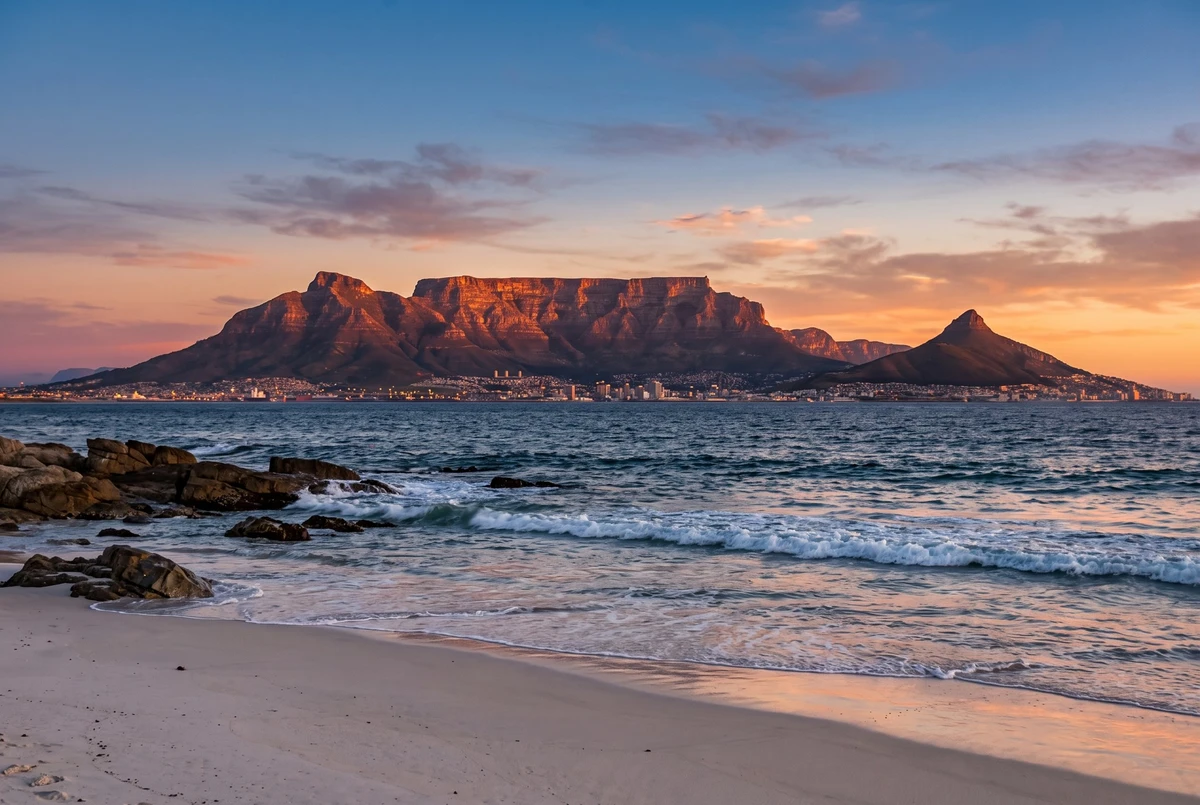
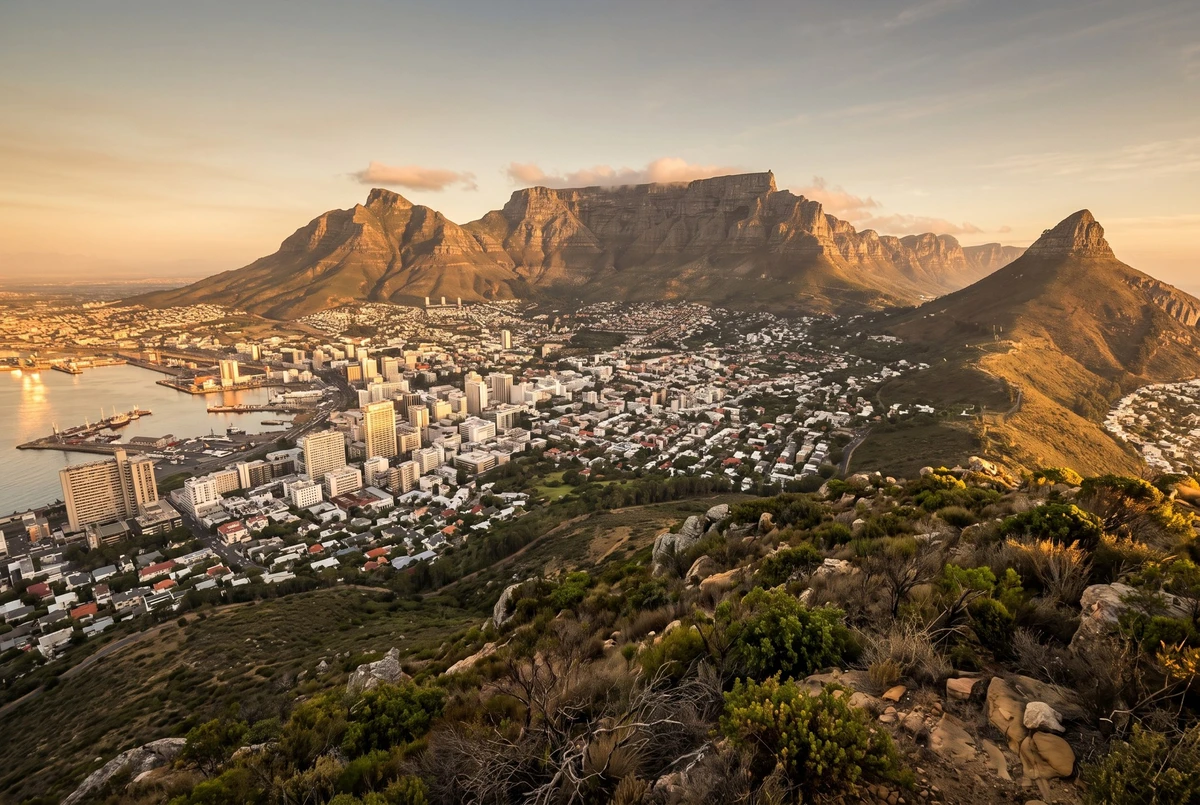
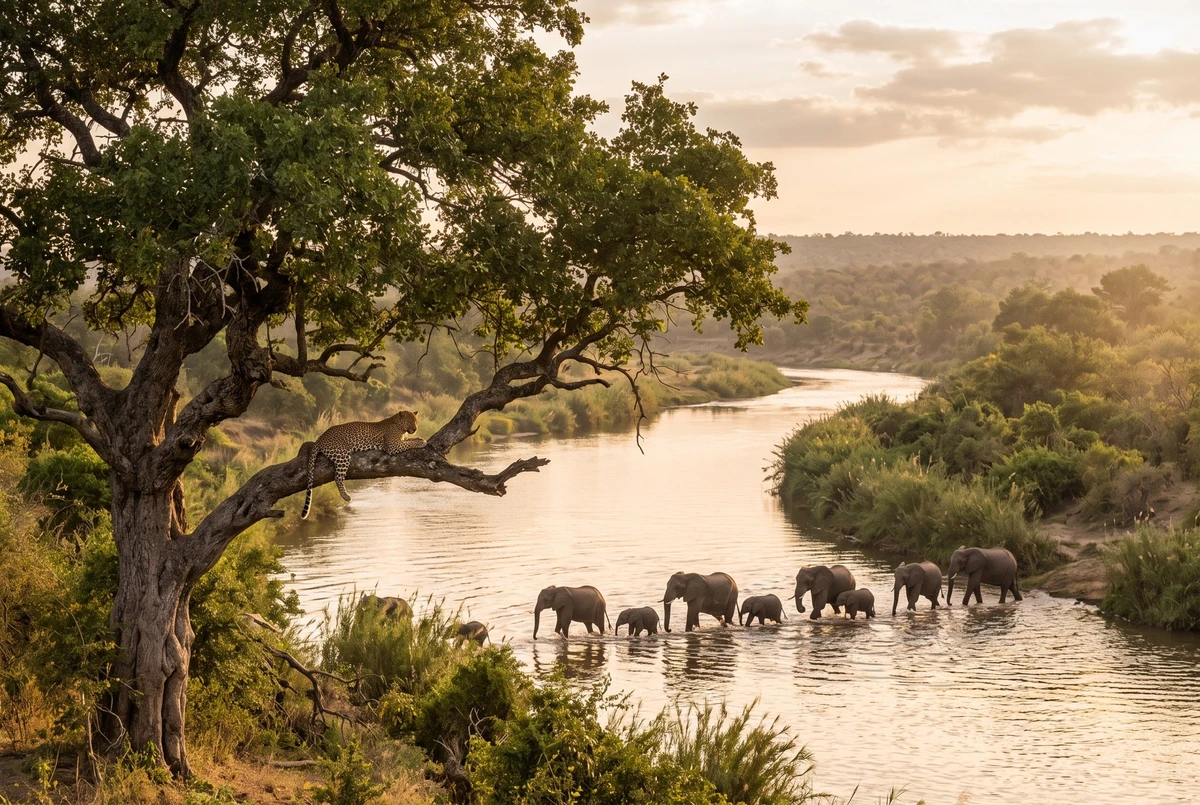
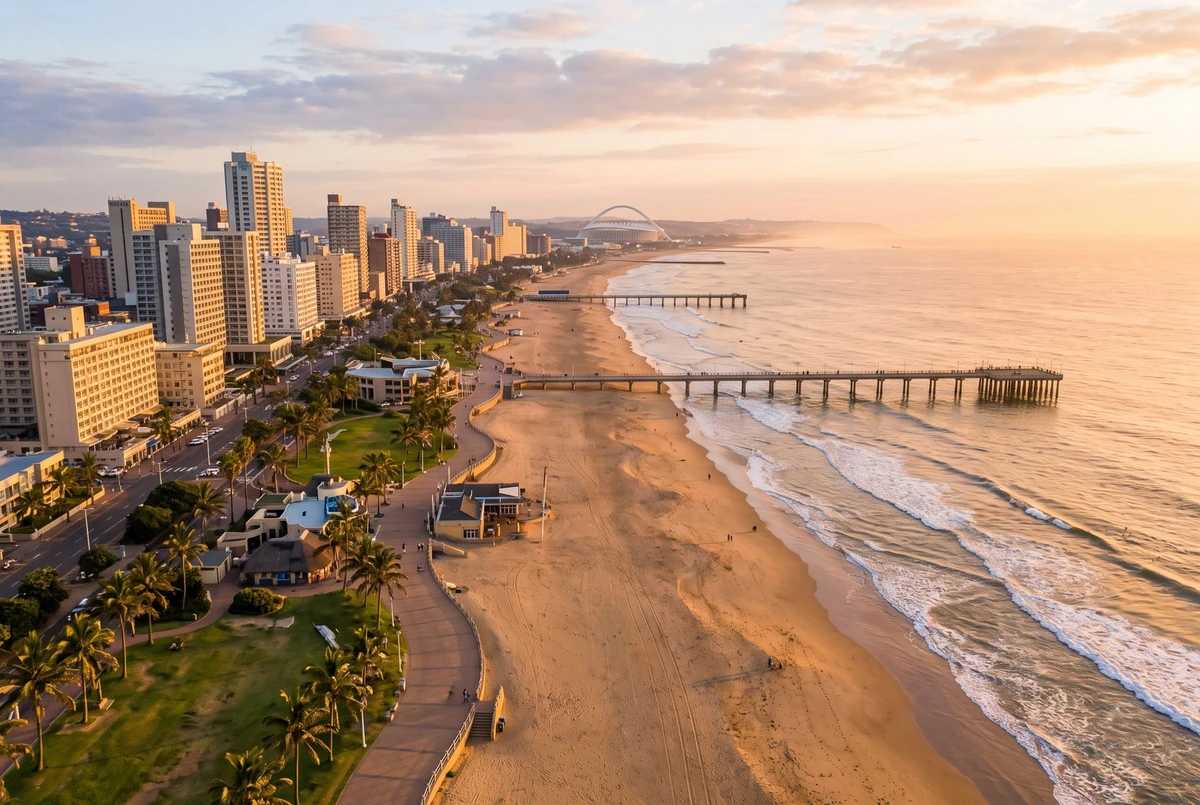
In South Africa the day begins with the cable car rising through a thin veil of cloud, and then the whole of Cape Town is at your feet: the harbour, the curve of white beaches, Robben Island floating in a blue bay and the mountain spine running south to Cape Point. In Durban the morning smells of curry leaf and sea air along the Golden Mile, while on the far side of the country a ranger’s vehicle rolls out at first light and a herd of elephants crosses the red road of Kruger without a glance.
Destinations
Choose a city to see everything we arrange there.
Services by city in South Africa
Airport Transfers
Flight Tickets
Train Tickets
The essence of South Africa
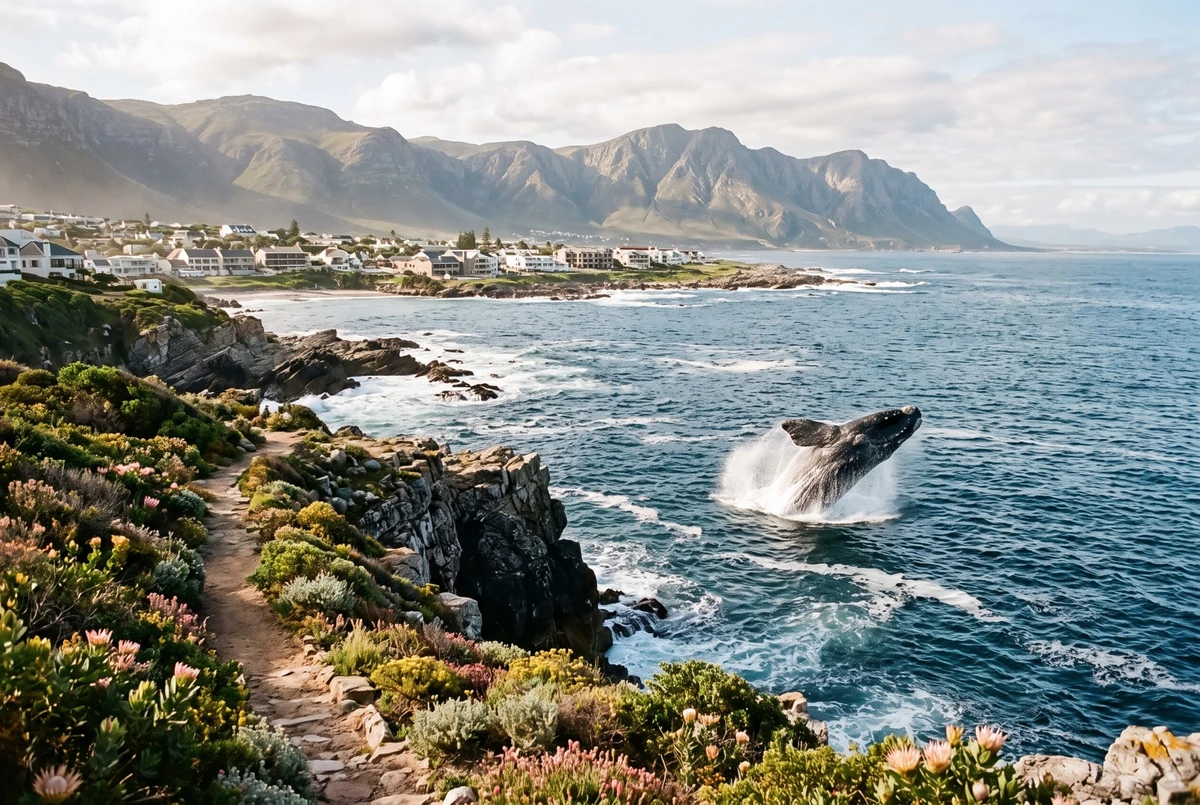
Then comes the moment that stops every traveller: a whale breaching off the cliffs of Hermanus, a leopard draped over a branch in the lowveld, or the Blyde River Canyon opening beneath God’s Window. South Africa is irreplaceable because it holds the Big Five, two oceans, a coast of penguins and whales, the Garden Route’s forests and a layered human story in one country. We arrange guided day tours in Cape Town and Johannesburg, Kruger and Garden Route journeys, private airport transfers and domestic flight tickets, and we confirm every detail with you on WhatsApp.
Why visit South Africa?
Kruger and the Big Five
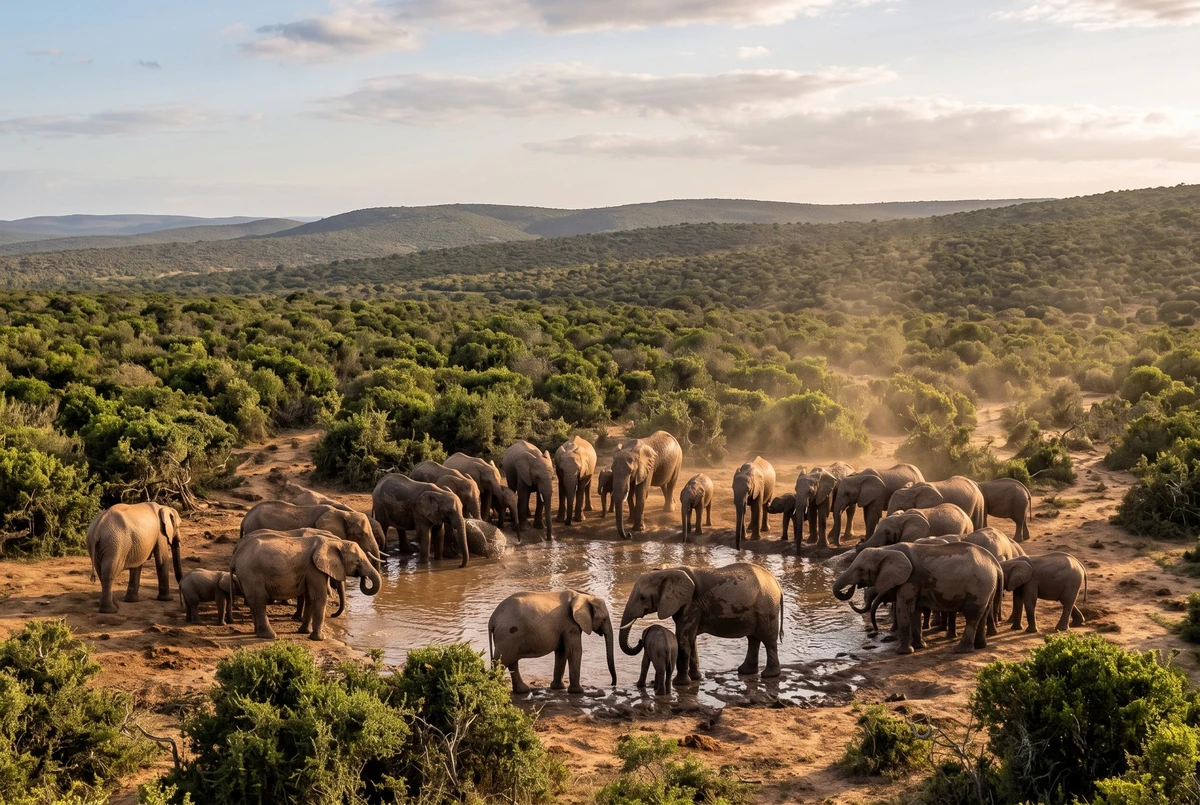
Kruger National Park is the size of a small country and the classic self-contained safari: lions, leopards, elephants, buffalo and rhinos share the lowveld with giraffes, zebras, hippos and a chorus of birds. Hazyview and the towns along the park’s edge are the gateways for full-day drives and sunset drives in open vehicles with a ranger, and the private reserves around Hoedspruit offer off-road tracking. Elsewhere, Addo near Gqeberha is famous for its elephant herds, Hluhluwe-iMfolozi in Zululand for rhinos, Pilanesberg for a malaria-free safari near Johannesburg, and the reserves outside Cape Town for a day safari in the Karoo. Sightings are never guaranteed, which is what keeps every drive exciting.
Two Oceans, One Mountain and a Garden Route
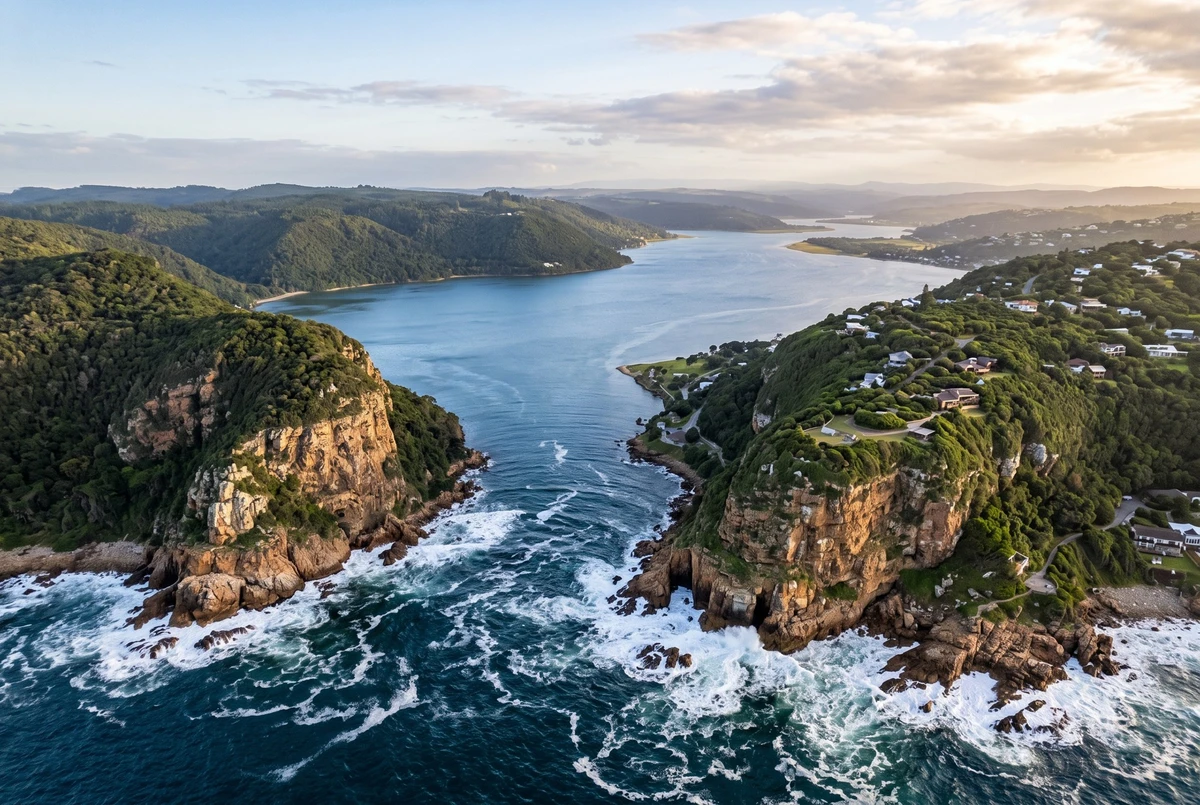
Cape Town is the meeting point of the Atlantic and the warmer Indian Ocean, with Table Mountain in the middle. Its day trips are legendary: the cableway to the summit, the drive over Chapman’s Peak to Cape Point and the Cape of Good Hope, the penguin colony at Boulders Beach, the botanical garden at Kirstenbosch and the ferry to Robben Island. Eastwards, the Garden Route threads forests, lagoons and cliffs from George to Knysna, Plettenberg Bay and the Tsitsikamma coast, with the Cango Caves and ostrich farms of Oudtshoorn inland. At Hermanus, southern right whales come close to shore from June to November, and the continent ends at Cape Agulhas.
Many Cultures, One Table
South Africa calls itself the rainbow nation, and its food tells the story. The braai, meat grilled over wood, is a national ritual; bobotie and koeksisters come from the Cape Malay kitchen of Bo-Kaap, Durban’s Indian quarter invented bunny chow and serves fragrant curries, and biltong, boerewors and rooibos tea are everywhere. Halal food is easy to find in Cape Town’s Bo-Kaap and across Durban, both cities with long-established Muslim communities and historic mosques. Johannesburg and Soweto tell the history of the struggle against apartheid through museums, Constitution Hill and township visits, while the Cradle of Humankind caves hold some of the oldest human fossils ever found.
Experiences You Can Only Have in South Africa
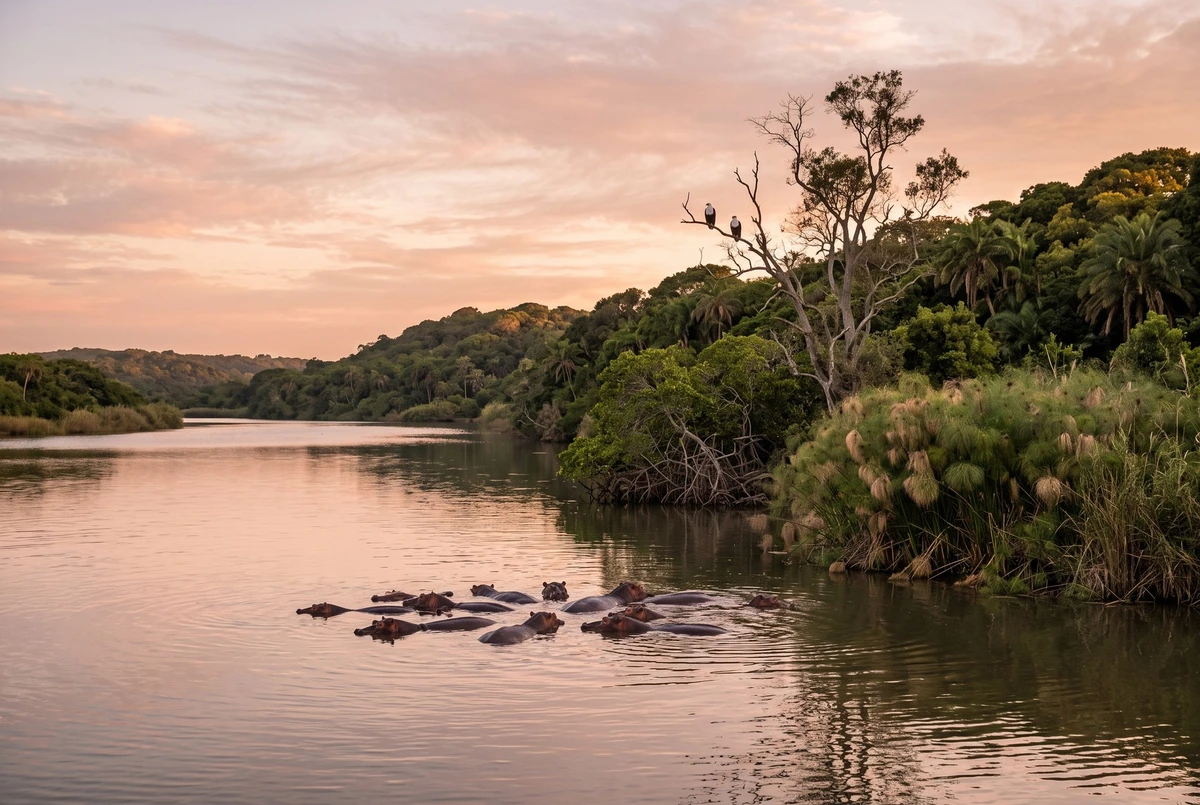
Stand on Table Mountain as the cloud tablecloth pours over the edge, then walk among penguins at Boulders. Watch whales from a boat in Walker Bay or lower into a cage to see great white sharks at Gansbaai. Drive the Panorama Route from God’s Window to the Three Rondavels above the Blyde River Canyon and spend the afternoon in Kruger. Cruise among hippos and crocodiles on the St Lucia estuary, meet elephants at Addo, gaze over the Valley of a Thousand Hills and the Drakensberg from Durban, and taste bunny chow and Cape Malay curry in the cities that created them.
Who is South Africa for?
Ideal for
- Safari travellers who want the Big Five with easy logistics
- Families combining beaches, penguins and wildlife
- Honeymooners pairing Cape Town with a Kruger safari
- Road-trip lovers drawn to the Garden Route and Panorama Route
- Whale and shark watchers on the southern coast
- Travellers interested in history, culture and great food
Pace & travel style
- Pick two regions, not five; the country is vast
- Cape Town needs four nights, Kruger three, the Garden Route three
- Fly between cities and let a driver handle the scenic roads
- Game drives start at dawn; keep afternoons for pools and views
When to visit South Africa
Peak season · November–March
Southern summer brings long, hot, dry days to Cape Town and the Garden Route, with the sea at its warmest in February and March and the beaches, mountain trails and coastal drives at their best. Durban is hot and humid, and the Kruger lowveld is green and lush with afternoon thunderstorms and newborn animals, though thicker bush makes game harder to spot. The December and January holiday weeks are the busiest of the year across the country, so hotels, flights and transfers should be reserved well ahead.
Shoulder season · April–May, September–October
Autumn and spring are many travellers’ favourite seasons. April and May bring calm, golden days to the Cape with cooling nights and far fewer visitors, while the Kruger bush begins to thin out for easier game viewing. September and October are spring in the Cape, with wildflowers on the west coast, whales still off Hermanus, and warming days along the Garden Route, while the lowveld is dry and animals gather at the rivers before the rains. Pack layers, since mornings and evenings can be cool.
Low season · June–August
Winter is the rainy season in Cape Town, with cool, grey spells broken by bright clear days and snow on the high peaks, and the Garden Route is mild and green. The same months are the best of all for Kruger, Addo and Hluhluwe: dry, cool mornings, thin bush and animals gathered at the water. Whales arrive off Hermanus and the southern coast, and Durban enjoys mild, sunny days and a sea warm enough for swimming. Hotels in the Cape offer better value, and the country feels relaxed and uncrowded.
The regions of South Africa and how to combine its cities
South Africa is vast, and its highlights fall into three broad regions. The Western Cape holds Cape Town, Table Mountain, the Cape Peninsula and, along the southern coast, the whale town of Hermanus, Cape Agulhas and the Garden Route through George, Knysna and Plettenberg Bay to the Tsitsikamma forests, ending near Gqeberha and the elephants of Addo. This is the South Africa of mountains, two oceans, valleys of orchards and wheat, and some of the most beautiful coastal drives anywhere.
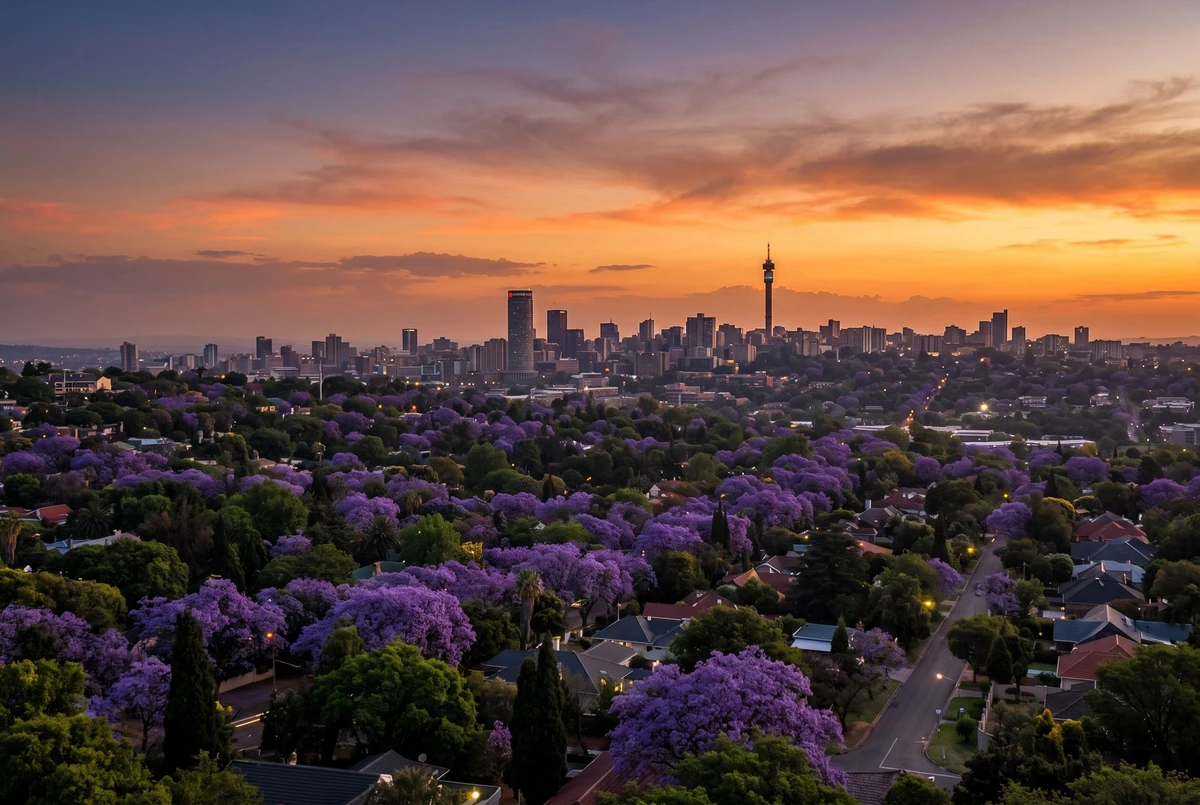
The north-east is safari country. Johannesburg and Pretoria are the gateway, with Soweto, the Cradle of Humankind and the malaria-free Pilanesberg reserve nearby, and the Kruger National Park a short flight or a day’s drive away through the Panorama Route and Hazyview. On the east coast, Durban is the warm-water city of the Indian Ocean, with the Drakensberg mountains and the Valley of a Thousand Hills inland and, to the north, Zululand’s Hluhluwe-iMfolozi reserve and the wetlands, estuary and beaches of St Lucia.
Our city directory below covers Cape Town, Hermanus, Knysna, Port Elizabeth, Johannesburg, Hazyview, Durban and St Lucia, the natural bases for exploring the country. From them we run guided day tours, Kruger and Addo safaris, whale and shark boat trips, Garden Route and Panorama Route journeys and Drakensberg excursions, while our private drivers handle airport transfers and the long scenic roads. Pairing four nights in Cape Town with a Kruger safari, or adding the Garden Route between them, builds the ideal South Africa itinerary.
Before you go: practical tips for South Africa
Entry & visas
Many nationalities, including most European, North American and several Asian passports, may enter South Africa without a visa for stays of up to 90 days, while others must apply at a South African embassy or through the official online application system before travelling. A passport with at least two blank pages and validity beyond your stay, a return ticket and proof of accommodation are normally required, and parents travelling with children may be asked for the children’s full birth certificates. Rules depend on your passport and change from time to time, so check the official South African immigration website or the nearest embassy before booking.
Money, cards & tipping
The South African rand is the currency. Cards are accepted almost everywhere, from hotels and restaurants to fuel stations, national park gates and small shops, and contactless payment is common; carry some cash for markets, car guards, tips and rural stops, and use ATMs inside malls or banks rather than on the street. A tip of around ten percent is customary in restaurants, and guides, rangers, drivers and porters appreciate a tip for good service. Prices at craft markets can be gently negotiated.
Etiquette & dress code
South Africans are friendly, informal and proud of their many cultures and languages; a greeting and a smile go a long way, and “howzit” is the universal hello. Dress is casual, but cover shoulders and knees when visiting mosques in Bo-Kaap or Durban, churches and township homes, and swimwear belongs on the beach. Ask before photographing people, especially in townships and rural villages, and visit townships only with a guide. On safari, keep your voice down, never leave the vehicle unless your ranger says so, and never feed or approach wildlife.
Getting around
Distances are huge, so most itineraries combine domestic flights with private road transfers. Johannesburg to Cape Town takes about two hours by air, Johannesburg to Durban about one, Cape Town to George about one, and Johannesburg to Kruger’s Mpumalanga airport about fifty minutes. The Gautrain links Johannesburg’s airport with Sandton and Pretoria in under forty minutes. Driving is on the left and roads are excellent, which makes the Garden Route and the Panorama Route natural journeys for a private driver. We issue domestic flight tickets and arrange private transfers at every airport and hotel.
Must-do things in South Africa
- Ride the cableway up Table Mountain and look down on two oceans
- Drive over Chapman’s Peak to Cape Point and the Cape of Good Hope
- Walk among the penguins at Boulders Beach
- Take the ferry to Robben Island and hear its history
- Watch whales breach off Hermanus between June and November
- Follow the Garden Route from Knysna to Tsitsikamma and the Cango Caves
- Track the Big Five on a full-day safari in Kruger
- Stand at God’s Window above the Blyde River Canyon
- Cruise among hippos and crocodiles at St Lucia
- Taste bunny chow in Durban and Cape Malay curry in Bo-Kaap
Do’s and don’ts in South Africa
Do
- Book Kruger lodges and domestic flights early for the dry season
- Pack layers; Cape Town can be hot at noon and cool by evening
- Use a guide for township visits and licensed drivers for transfers
- Carry children’s birth certificates when travelling as a family
- Wear sun protection and a hat, even on cool, breezy days
Don’t
- Don’t walk alone in city centres after dark or display valuables
- Don’t leave your vehicle or lean out of windows in Kruger
- Don’t feed or approach wild animals, including baboons at Cape Point
- Don’t swim outside lifeguard zones or ignore shark flags
- Don’t photograph people in townships without permission
South Africa at a glance
Plan South Africa with Haqqi Tours
Every option is confirmed by our team on WhatsApp before you pay, and delivered by our own people or by trusted local partners we work with in every city. Because we send travellers from all over the world, our partners give us special rates and priority, so you always receive the best. Prices are per person unless marked per vehicle.
About Haqqi Tours: About us Contact us Legal NoticePrivacy PolicyCookies & Marketing PreferencesTerms & ConditionsBooking, Payment & Refunds
Where we operate in South Africa
Good to know
Frequently Asked Questions
Straight answers to what travellers ask most about South Africa.
Is it safe to visit South Africa?
Yes, with sensible precautions. South Africa’s tourist areas, national parks, Garden Route towns and resorts are well organised and welcome visitors, but city crime is a concern, so avoid walking alone after dark, keep valuables out of sight and visit townships only with a guide. Check your own government’s official travel advice before departure, use licensed transport such as our private transfers, and keep our WhatsApp line handy throughout your stay.
How many days do I need for a first trip to South Africa?
Ten to twelve days is ideal for a first trip. Spend four nights in Cape Town with day trips to Cape Point, the penguins and Hermanus, three nights on the Garden Route around Knysna and Plettenberg Bay, then fly to Johannesburg or Kruger’s airport for three nights of safari. With two weeks, add Durban and the St Lucia wetlands, or a night in Johannesburg for Soweto and the apartheid history museums.
What is the best way to travel between South Africa’s main cities?
Domestic flights are the best way to cover the long distances: Johannesburg to Cape Town takes about two hours, and Johannesburg to Durban or to Kruger’s airport about an hour or less. For the scenic stretches, the Garden Route and the Panorama Route, a private car with driver turns the journey into part of the holiday. We issue flight tickets and arrange private transfers at every airport and hotel.
Can a trip to South Africa be tailored for luxury or private travel?
Absolutely. South Africa is renowned for elegant safari lodges in private reserves bordering Kruger, boutique hotels on the Cape Town seafront and refined guesthouses along the Garden Route. We can tailor private guided day tours, chauffeured transfers in premium vehicles, helicopter flights over the Cape and a relaxed family pace, then confirm every detail with you on WhatsApp before anything is paid.
Is South Africa tourist friendly?
Very. South Africans are warm and welcoming, English is spoken everywhere, roads and airports are excellent, and tourism is highly developed. Halal food is easy to find in Cape Town, especially Bo-Kaap, and across Durban, where long-established Muslim communities keep historic mosques, and many restaurants elsewhere offer halal or vegetarian options. Every traveller will feel instantly welcome, and our team is always available to help.
Is it safe to travel to South Africa now?
South Africa continues to welcome visitors, and its main areas, including Cape Town, the Garden Route, Kruger, Johannesburg and Durban, operate normally. Occasional power cuts and city protests are best planned around, so check your own government’s official travel advice before departure. Keep our WhatsApp line handy; our team can adjust transfers and tours if your plans change.
What is the best time to visit South Africa?
It depends on the region. November to March is the best time for Cape Town and the Garden Route, with hot, dry days and warm seas, while May to September is the best time for safari in Kruger, Addo and Hluhluwe, with dry weather and thin bush. June to November brings the whales to Hermanus, and April, May, September and October are pleasant almost everywhere.
What is South Africa famous for?
South Africa is famous for Table Mountain and Cape Town, the Kruger National Park and the Big Five, the Garden Route, the penguins of Boulders Beach and the whales of Hermanus. It is also known for the history of the struggle against apartheid, the rainbow nation’s many cultures, the braai, bunny chow and Cape Malay cooking, and the dramatic Blyde River Canyon and Drakensberg mountains.
Which cities in South Africa does Haqqi Tours cover?
Cape Town, Johannesburg, Knysna, Hazyview, Durban, Hermanus, Port Elizabeth and St Lucia. Each city has its own page with everything available there, and a trip across several cities is planned in one WhatsApp conversation.
What can I book in South Africa?
Day tours, private airport transfers, flight tickets and train tickets - all run or confirmed by Haqqi Tours, each with a fixed price agreed on WhatsApp before you pay.
How do I book a tour or transfer in South Africa?
Fill in the form on the page you are interested in, or message us on WhatsApp with the date, the number of travellers and your hotel. A member of our team confirms the price and the details in writing within minutes.
Are the prices fixed?
Yes. Every price is agreed in writing on WhatsApp before you travel and does not change on the day - not for traffic, not for a late flight, not for the hour.
Do you arrange transfers between cities in South Africa?
Yes. Intercity transfers by private car or van are booked the same way as airport transfers; tell the desk the two hotels and the date and it quotes a fixed price for the whole vehicle.
Can you plan a full itinerary across South Africa?
Yes - tell the desk your dates, the cities you want and who is travelling, and it proposes a day-by-day plan with the tours, transfers and tickets priced in writing. You adjust it in the same chat before confirming.
Are your tours private or in a group?
Both exist, and the page of each tour says which. Private tours have a car and guide for your party alone; small-group tours share a guide with a few other travellers. The desk can convert most group tours into a private day on request.
Do the drivers and guides speak Arabic?
It depends on the country, the city and the day, so we do not promise a particular language for the driver or guide. Tell us your preference and we do our best; the WhatsApp desk itself always works in Arabic and English.