
Cape Town
Plan Cape Town with Haqqi Tours: day tours, private airport transfers, attraction tickets and packages, run by our own team and confirmed on WhatsApp in Arabic or English.
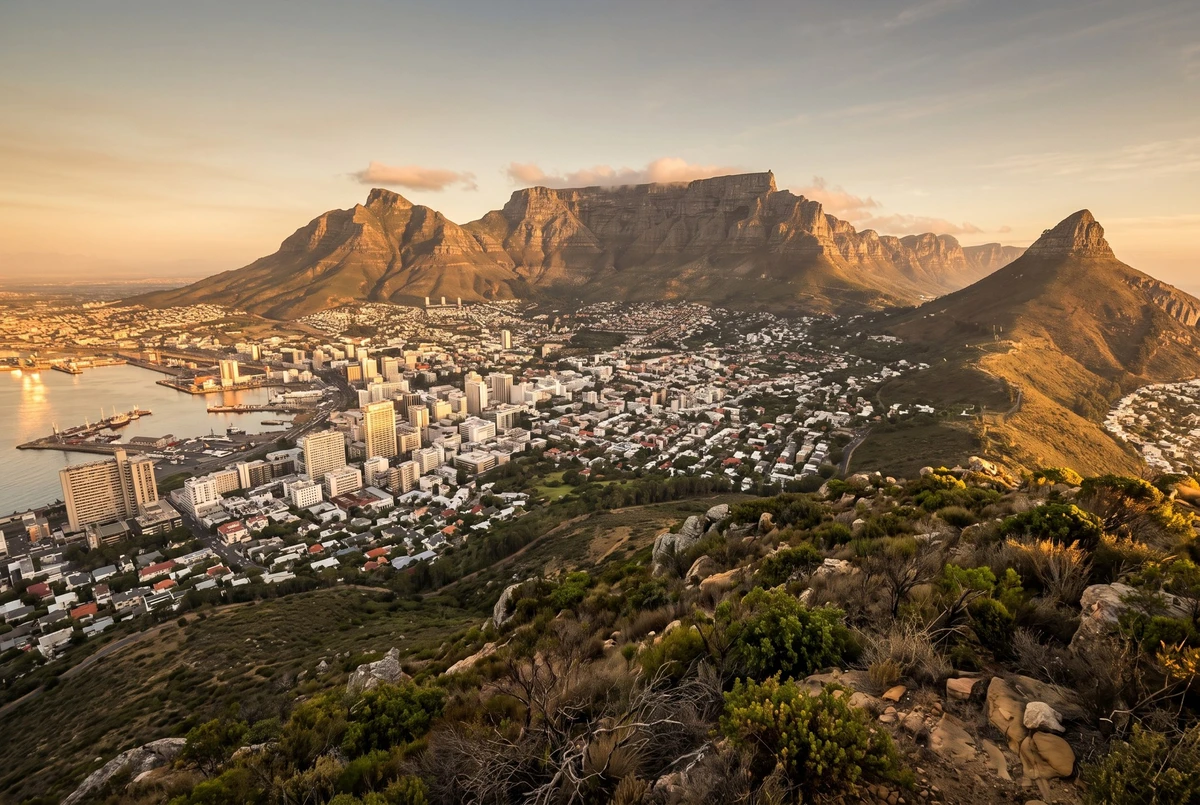
Wake early in Cape Town and look up: Table Mountain fills the window, flat-topped and immense, sometimes wearing its white tablecloth of cloud. Down at the V&A Waterfront the harbour is already busy with fishing boats and seals, and the first cable car of the day glides up the cliff face. By mid-morning you can be standing on the summit with the whole peninsula at your feet, Robben Island a low shape in the bay and the Atlantic stretching to the horizon.
Nothing matches those filters yet. Widen your search or message us on WhatsApp.
Cape Town Day Tours
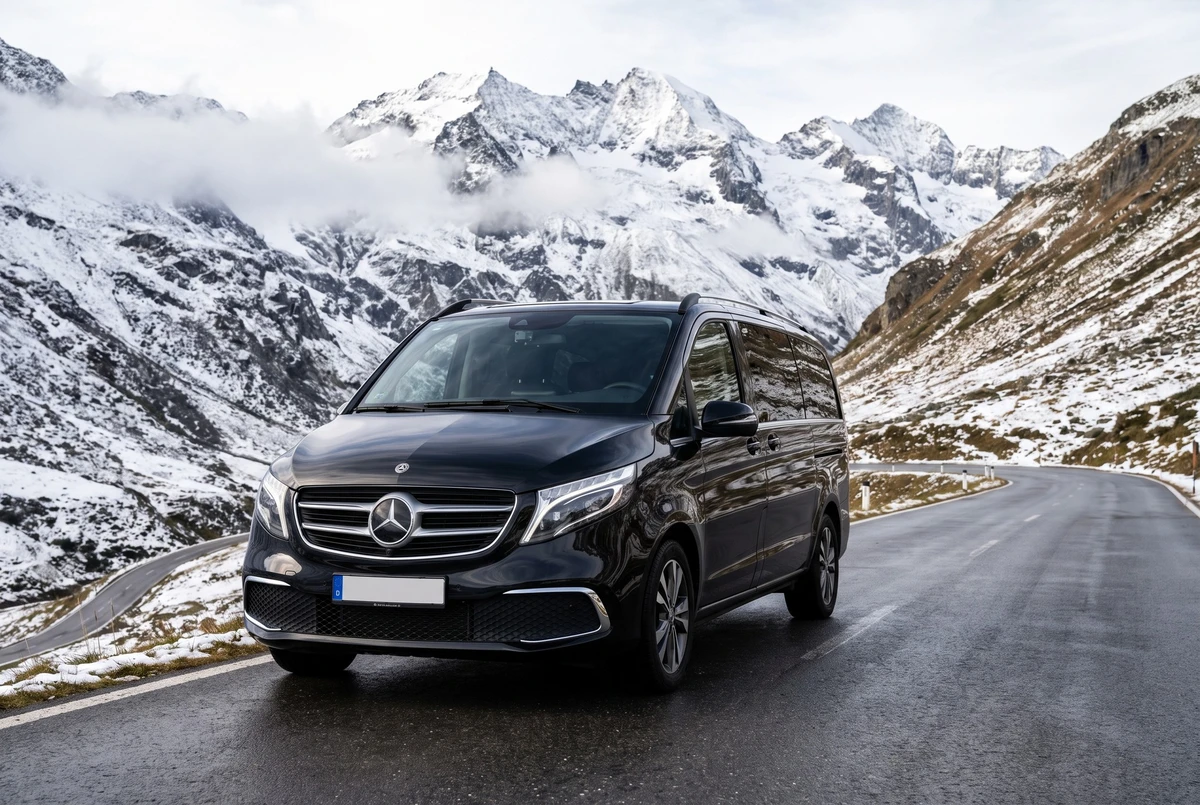
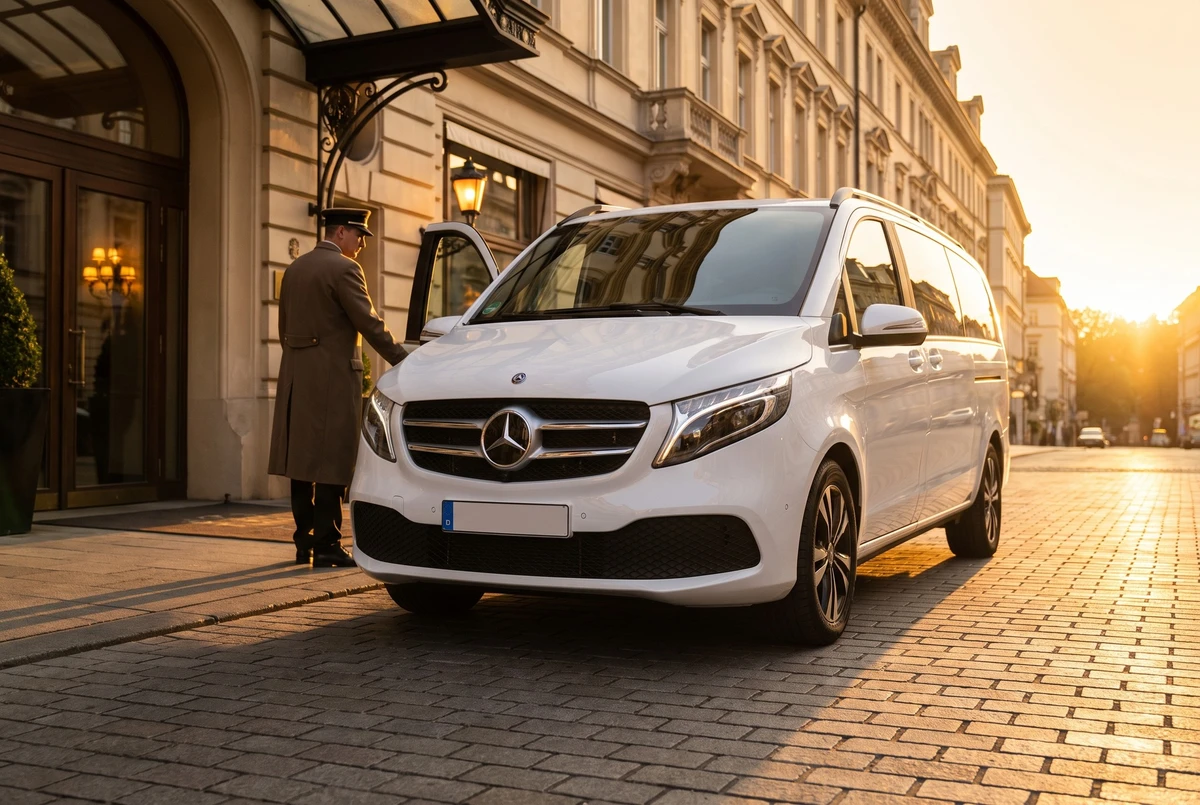
View all Cape Town Airport Transfers
View all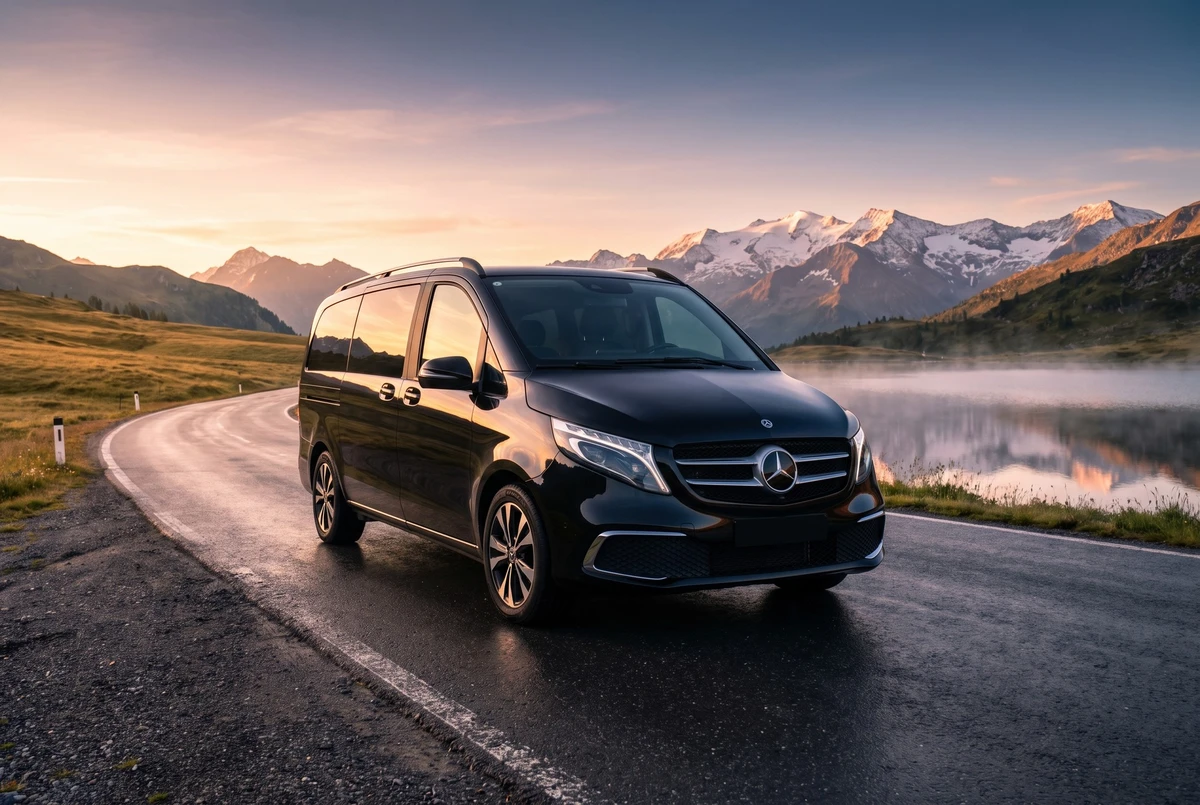

Cape Town Flight Tickets
View all
Cape Town at first sight
Cape Town is where two oceans, a mountain and a city meet. Its coast swings from the white sand of Clifton and Camps Bay to the penguin colony at Boulders and the wild cliffs of Cape Point. In the streets below the mountain, the pastel houses of the Bo-Kaap, the gardens of Kirstenbosch and the markets of the Waterfront tell the story of a city shaped by Africa, Asia and Europe, and by the long struggle against apartheid that ended within living memory.
Why include Cape Town in your itinerary?
- A mountain in the middle of a city. Table Mountain rises straight from the suburbs, with a rotating cable car to the top, sunrise hikes on Lion's Head and sunset views from Signal Hill, so dramatic scenery is part of every day rather than a day trip.
- A peninsula of beaches, penguins and wild coast. In a single day you can drive Chapman's Peak, meet the African penguins at Boulders Beach and stand at Cape Point where the peninsula ends in cliffs and crashing waves.
- History and culture at every turn. Robben Island, the Bo-Kaap, the Castle of Good Hope and the museums of the city centre explain how South Africa became the country it is today, told by guides who lived through the change.
Signature experiences in Cape Town
Table Mountain and the Cableway
The Table Mountain Aerial Cableway carries you to the summit in a few minutes, its floor rotating so everyone sees the city, the Atlantic and the peninsula on the way up. On top, easy paths lead between sandstone boulders, rock hyraxes and viewpoints over Camps Bay and Robben Island. The cableway closes in strong wind, so we build flexibility into our guided day tours and move the mountain to the clearest morning of your stay.
The Cape Peninsula and Cape Point
This is the classic full day. Follow the Atlantic coast through Hout Bay, where boats run out to the seal colony on Duiker Island, cross Chapman's Peak Drive with the ocean far below, and reach the Cape of Good Hope section of Table Mountain National Park. A funicular climbs to the old lighthouse at Cape Point. On the way back, Boulders Beach near Simon's Town brings you face to face with African penguins from boardwalks above the sand.
Robben Island
The ferry from the V&A Waterfront takes about half an hour to reach Robben Island, where political prisoners were held during the apartheid years. Former prisoners and trained guides lead you through the cells, the limestone quarry and the island's story, and the return crossing gives the finest view of Table Mountain from the sea. Crossings depend on sea conditions, and places sell out, so we reserve tickets well ahead.
Kirstenbosch and the Bo-Kaap
Kirstenbosch National Botanical Garden spreads over the eastern slopes of Table Mountain, with proteas, cycads and a tree-canopy walkway that curves above the forest. Pair it with the Bo-Kaap, the historic Cape Malay quarter whose brightly painted houses climb the lower slopes of Signal Hill. The neighbourhood is the heart of the city's Muslim community, with mosques, spice shops and halal cafés serving bobotie, samoosas and koeksisters.
Day Trips to the Whale Coast and the Safari Reserves
Cape Town is the starting point for memorable long days out. To the south-east, boats from Gansbaai head out for shark cage diving and the seal and penguin islands of the bay, with whales in winter and spring. Inland, private game reserves about two hours from the city offer a day safari with lion, elephant, rhino and buffalo in a malaria-free setting. Sightings are never guaranteed, but our guided day tours include a driver, lunch and an early start.
Neighbourhoods and quarters to know in Cape Town
V&A Waterfront
The Victoria and Alfred Waterfront is a working harbour turned into the city's favourite meeting place, with the Two Oceans Aquarium, a museum of contemporary African art inside a converted grain silo, craft markets, restaurants and the ferry to Robben Island. It is secure, well lit and walkable at any hour, which makes it the easiest base for first-time visitors and families.
City Bowl and Gardens
Tucked between Table Mountain and the harbour, the City Bowl holds the Company's Garden, the South African Museum, the Castle of Good Hope and the Bo-Kaap on its western edge. Hotels here put you close to the cableway and the main sights. The centre is lively by day; after dark, use arranged transport rather than walking between venues.
Atlantic Seaboard
Sea Point, Clifton and Camps Bay line the Atlantic beneath Lion's Head and the Twelve Apostles. The Sea Point promenade is ideal for an evening stroll, Clifton's sheltered coves are the calmest beaches, and Camps Bay's palm-lined strip faces the sunset. The water is cold but the setting is unmatched, and the Waterfront is a short drive away.
False Bay and Simon's Town
On the warmer eastern side of the peninsula, Muizenberg's colourful beach huts and gentle surf, Kalk Bay's fishing harbour and Simon's Town's naval history make a relaxed base about forty minutes from the centre. Boulders Beach and its penguins are on the doorstep, Cape Point is close, and the sea is noticeably warmer than on the Atlantic side.
How long to stay in Cape Town and how to pair it
Recommended stay
We recommend four nights in Cape Town. One day for Table Mountain, the Bo-Kaap and the city centre, one full day for the Cape Peninsula with Chapman's Peak, Cape Point and the penguins, a morning for Robben Island with an afternoon at Kirstenbosch or the Waterfront, and a fourth day for a safari reserve or the whale coast. With five nights, add a slower beach day or a second mountain walk.
How to pair it
Cape Town pairs naturally with Hermanus, about two hours along the coast, for whale watching from June to November and the southern tip at Cape Agulhas. From there the Garden Route leads east to Knysna, about five hours from Cape Town by road or an hour's flight to George, and on to Gqeberha for Addo's elephants. A ten-day journey can combine Cape Town with Johannesburg and the Kruger region around Hazyview, reached by a two-hour flight and a short onward hop, or with Durban and the wetlands of St Lucia.
Best time to visit Cape Town and the rhythm of the day
Best months
Cape Town is a year-round destination. From November to March days are warm, dry and long, with the south-easterly wind blowing hardest in December and January and the city at its busiest. March to May brings calm, clear and gentle weather, our favourite season. Winter from June to August is cool with rainy days between bright ones, the mountain is green and whales visit False Bay. September and October bring spring flowers and whales with fewer visitors.
The daily rhythm
Cape Town days follow the weather. Clear, windless mornings are for Table Mountain and Robben Island, so plan these first and keep an afternoon free as a backup. Lunch is often by the sea, at the Waterfront or in Kalk Bay. Afternoons suit Kirstenbosch, the beaches or the Bo-Kaap, and evenings end with sunset from Signal Hill or Camps Bay followed by dinner at the Waterfront, where the harbour stays lively after dark.
On-the-ground logistics in Cape Town
Arrival
Cape Town International Airport lies about twenty kilometres east of the centre, roughly twenty-five to forty minutes by road to the Waterfront and the City Bowl depending on traffic, and about the same to Camps Bay. Flights connect Cape Town with Johannesburg in about two hours, Durban in about two hours, George in about an hour and Gqeberha in about an hour and a quarter. We arrange private airport transfers, with our driver meeting you in the arrivals hall.
Getting around
The Waterfront, the Sea Point promenade and the Company's Garden area are pleasant on foot by day, and the open-top sightseeing bus links the main sights. Distances to Cape Point, Boulders and the safari reserves are long, and public transport is limited, so a private car with driver arranged by our team is the most comfortable way to explore. Ride-hailing apps work well within the city for short hops.
Local etiquette tip
Cape Town is relaxed and cosmopolitan, and casual dress is fine almost everywhere, with a jacket for cool evenings even in summer. Greet people before asking for help, and ask before photographing anyone, especially in the Bo-Kaap and the townships. Tipping around ten to fifteen percent in restaurants is customary. Keep phones and valuables out of sight in the street, use arranged transfers after dark and follow your guide's advice on where to walk.
Must-do things in Cape Town
- Ride the rotating cable car to the top of Table Mountain
- Stand at Cape Point where the peninsula ends in cliffs
- Meet the African penguins on the boardwalks at Boulders Beach
- Drive Chapman's Peak with the Atlantic far below
- Take the ferry to Robben Island and walk through the old prison
- Wander the painted streets of the Bo-Kaap and taste Cape Malay cooking
- Walk the tree-canopy path at Kirstenbosch
- Watch the sunset from Signal Hill or Camps Bay beach
- Explore the Waterfront harbour and the Two Oceans Aquarium
- Spend a day on safari at a malaria-free reserve near the city
Do’s and don’ts in Cape Town
Do
- Do book Table Mountain and Robben Island for the clearest morning
- Do carry a windproof layer, even in summer
- Do use sunscreen, the southern sun is strong
- Do keep valuables out of sight and use arranged transport at night
- Do ask before photographing people in the townships and the Bo-Kaap
Don’t
- Don't hike alone on the mountain or leave the marked paths
- Don't feed the baboons at Cape Point or leave food in sight in the car
- Don't walk in the city centre after dark
- Don't underestimate the cold of the Atlantic beaches
- Don't fix Cape Point and the cableway for the same windy day
Cape Town at a glance
Plan Cape Town with Haqqi Tours
Every option is confirmed by our team on WhatsApp before you pay, and delivered by our own people or by trusted local partners we work with in every city. Because we send travellers from all over the world, our partners give us special rates and priority, so you always receive the best. Prices are per person unless marked per vehicle.
About Haqqi Tours: About us Contact us Legal NoticePrivacy PolicyCookies & Marketing PreferencesTerms & ConditionsBooking, Payment & Refunds
More services in Cape Town
Where we operate in South Africa
Good to know
Frequently Asked Questions
Straight answers to what travellers ask most about Cape Town.
Where should first-time visitors stay in Cape Town?
First-time visitors usually stay at the V&A Waterfront or in the City Bowl, close to the cableway, the museums and the harbour, with the Waterfront the safest and easiest base for families. Couples often prefer Camps Bay or Sea Point for the beaches and sunsets. Our team can suggest a hotel in any area and arrange your private airport transfer.
How many days do you need in Cape Town?
Four days is ideal: one for Table Mountain and the city, one for the Cape Peninsula and the penguins, one for Robben Island and Kirstenbosch, and one for a safari reserve, the whale coast or the beaches. Three days covers the highlights at a quicker rhythm, while five allows time for Hermanus or a second mountain walk.
Is Cape Town safe for travellers?
Cape Town welcomes visitors from all over the world, and the main areas such as the Waterfront, Camps Bay and the peninsula are well patrolled and relaxed by day. As in any large city, keep valuables out of sight, use arranged transfers rather than walking at night in the city centre, and hike in groups. Check your own government's travel advice before departure, and keep our WhatsApp line handy throughout your stay.
Can you go on safari from Cape Town?
Yes. Private game reserves about two hours from the city offer day safaris with the chance to see lion, elephant, rhino, buffalo and antelope in a malaria-free area, with lunch included. Sightings are never guaranteed, and the great national parks are far away, so travellers wanting a full safari usually add the Kruger region or Addo near Gqeberha. We arrange both.
Is halal food easy to find in Cape Town?
Yes. Cape Town has a large Muslim community rooted in the Bo-Kaap, and halal restaurants and cafés are common there, at the Waterfront and across the city, from Cape Malay curries to grills and seafood. Many hotels can also cater on request. Our team can point you to halal options near your hotel.
When can you see whales near Cape Town?
Southern right whales visit False Bay and the coast around Hermanus from about June to November, with August to October the peak months. They can often be seen from the shore at places such as Kalk Bay and from the cliff path in Hermanus, about two hours away. Sightings are never guaranteed, but in season they are frequent.
What is the weather like in Cape Town?
Cape Town has a Mediterranean climate: warm, dry and windy summers from November to March, and cool, wetter winters from June to August with bright days in between. The sea on the Atlantic side is cold all year, while False Bay is warmer. Pack layers, as a sunny morning on the mountain can turn windy by afternoon.
What can I book in Cape Town with Haqqi Tours?
Day tours, private airport transfers and flight tickets, including Marine Life Kayak Tour from the V&A Waterfront, Cape Town, Sunset Catamaran Cruise on Table Bay, Cape Town and Robben Island Ferry & Prison Tour from the V&A Waterfront. Each has its own page, and the WhatsApp desk combines any of them into one plan with one written price.
How do I get from the airport to my hotel in Cape Town?
Cape Town International Airport (CPT) is about 20 km east of the city centre, 25 to 35 minutes by car on the N2; the V&A Waterfront and Sea Point are about 30 minutes, Camps Bay 35 to 45 minutes, Stellenbosch about 40 minutes and Hermanus about 1 hour 45 minutes by road. Our private transfer meets you at arrivals with a name board, tracks your flight and takes you door to door at a fixed price for the whole vehicle; the transfer pages list every route.
Is there public transport from the airport to Cape Town?
Cape Town has a bus network and a suburban train line to Simon's Town, but no rail link from the airport; shared airport shuttles and metered taxis reach the centre in about 30 minutes, and the city buses stop early in the evening. A private car with a driver who meets you in arrivals is the simplest choice with luggage or after dark, and the most comfortable way to reach Camps Bay, Stellenbosch or Hermanus. With luggage, a family or a late flight, the private car is the simpler choice.
Which tours are available in Cape Town?
Among them: Marine Life Kayak Tour from the V&A Waterfront, Cape Town, Sunset Catamaran Cruise on Table Bay, Cape Town, Robben Island Ferry & Prison Tour from the V&A Waterfront, Harbour Boat Cruise with Seal Watching, Cape Town and Boulders Beach Penguins Half-Day Tour from Cape Town. Each page says whether the day is private or small-group, what it includes and how long it lasts.
Are the tours private or in a group?
Both exist, and each tour page says which. A private tour has a vehicle and guide for your party alone; the desk can make most group tours private on request.
How do I book?
Fill in the form on any page or message us on WhatsApp with the date, the number of travellers and the hotel. A member of our team confirms the price and the details in writing within minutes.
Are the prices fixed?
Yes - every price is agreed in writing on WhatsApp before you travel and does not change on the day.
Do the drivers and guides speak Arabic or English?
It depends on the city and the day, so we do not promise a particular language; tell us your preference and we do our best. The WhatsApp desk always works in Arabic and English.
Can I change or cancel a booking in Cape Town?
Yes, in the same WhatsApp conversation. The terms depend on the product and on how close to the date the change comes; the desk states them before you pay.