
St Lucia
Plan St Lucia with Haqqi Tours: day tours, private airport transfers, attraction tickets and packages, run by our own team and confirmed on WhatsApp in Arabic or English.
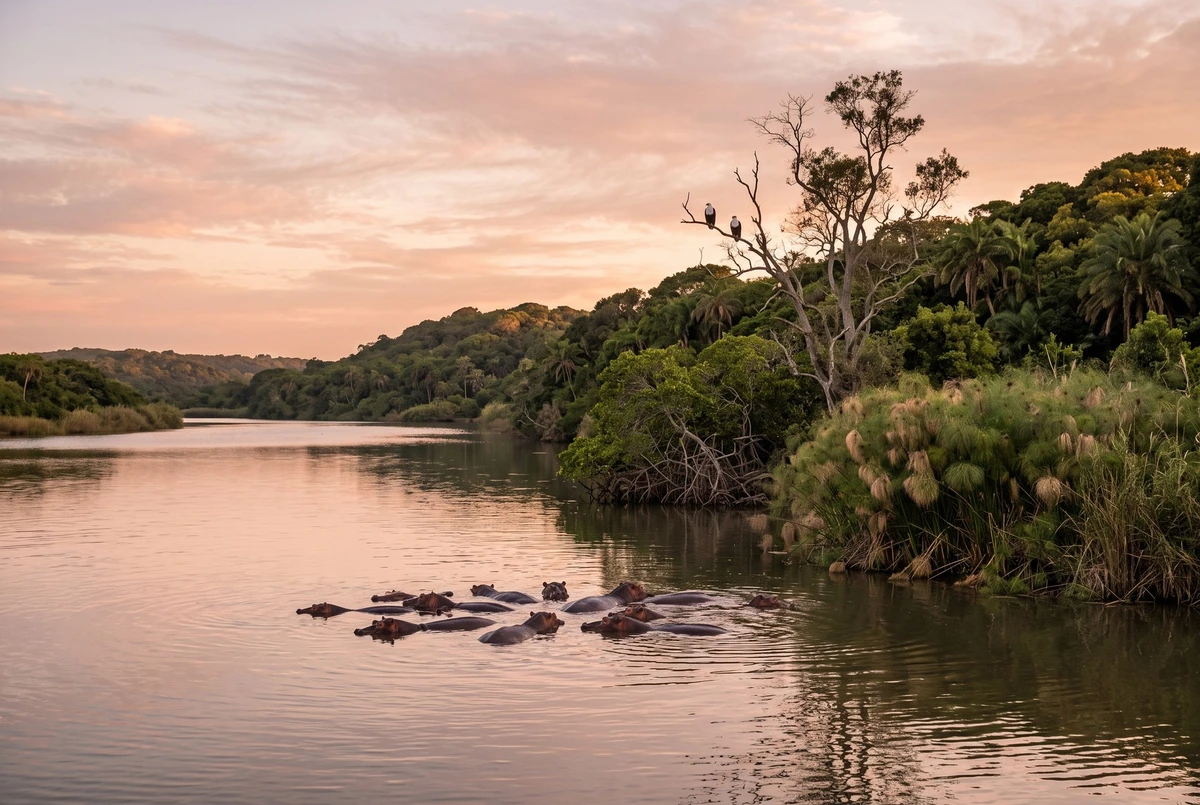
Late afternoon on the St Lucia estuary, the boat idles in a wide bend and the guide points to the reeds. A line of grey backs surfaces with a snort, then another: a pod of hippos, ears flicking, watching you watch them. A crocodile lies on the mudbank like a fallen log, a fish eagle calls from a dead tree, and as the sun drops behind the lake the water turns copper. Back in the village, signs warn drivers that hippos cross the main street at night, and they do.
Nothing matches those filters yet. Widen your search or message us on WhatsApp.
St Lucia Day Tours
View all 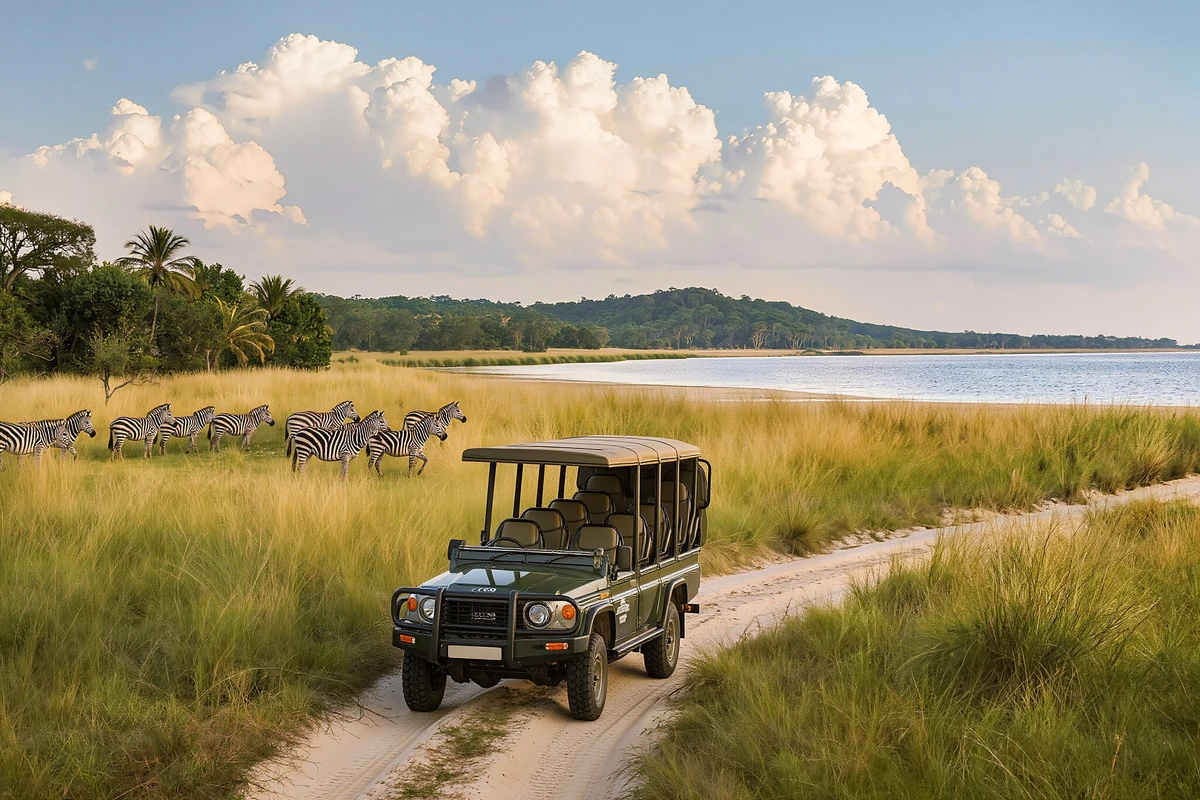
St Lucia Airport Transfers
View all

St Lucia at first sight
St Lucia is a small village on a sandy spit between a vast estuary and the Indian Ocean, and the gateway to the iSimangaliso Wetland Park, a World Heritage Site that stretches north along the coast through lakes, dunes, forests, reefs and beaches. Hippos and crocodiles live on the water, rhino and buffalo graze the Eastern Shores, turtles nest on the beaches in summer, whales pass offshore in winter, and the famous rhino reserve of Hluhluwe-iMfolozi is an hour inland.
Why include St Lucia in your itinerary?
- Hippos and crocodiles from the water. The estuary cruise is one of the most reliable wildlife encounters in Africa, with hippo pods and basking crocodiles seen at close and safe range from a boat, on almost every trip.
- A park of lakes, dunes and ocean. iSimangaliso combines game viewing on the Eastern Shores, snorkelling at Cape Vidal, towering forested dunes and empty beaches in a single reserve, so beach and bush share one day.
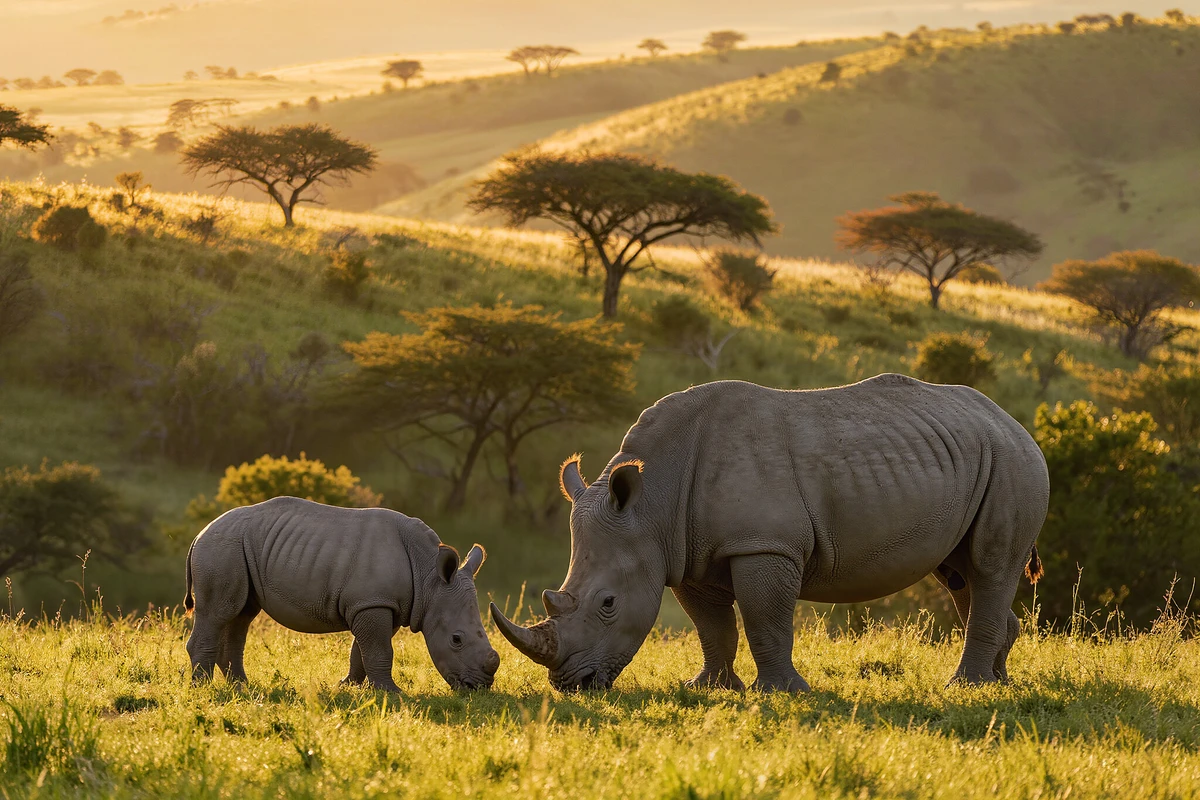
- Rhino country next door. Hluhluwe-iMfolozi, about an hour away, is where white rhino were saved from extinction, and a full-day safari there, with elephant, buffalo, lion and leopard also present, is easy from the village.
Signature experiences in St Lucia
Hippo and Crocodile Estuary Cruise
Flat-bottomed boats leave the jetty several times a day for about two hours on the St Lucia estuary, drifting past hippo pods, crocodiles on the banks, fish eagles, kingfishers and, in summer, flamingos and pelicans. The late-afternoon cruise is the most atmospheric, with the sun setting over the lake and the hippos becoming active before their night-time grazing. Sightings are never guaranteed, but hippos are seen on almost every trip. We book the cruise and collect you from your accommodation.
Cape Vidal and the Eastern Shores
The road north from the village enters the Eastern Shores of iSimangaliso, where open grasslands, pans and forest hold zebra, kudu, waterbuck, buffalo, rhino and plentiful birds, with loops and hides along the way. It ends at Cape Vidal, where a sheltered beach inside the rocky reef offers safe swimming and snorkelling, and the lookout above the coast scans for humpback whales from June to November. A full day with a packed lunch, with our guide driving.
Safari at Hluhluwe-iMfolozi
About an hour inland, Hluhluwe-iMfolozi is the oldest proclaimed reserve in Africa and the birthplace of white rhino conservation, with hills, river valleys and some of the best rhino viewing anywhere. Elephant, buffalo, giraffe, lion, leopard and wild dog also live here. Our full-day safaris leave St Lucia before dawn in an open vehicle with an experienced guide and return in the afternoon; sightings are never guaranteed, but rhino are seen on most days.
Turtle Tours in Summer
From about November to February, loggerhead and leatherback turtles haul themselves onto the beaches north of St Lucia at night to lay their eggs, and licensed guides lead small groups along the sand by vehicle and on foot to watch quietly from a distance, with hatchlings scurrying to the sea from January. The tours run late into the night and are weather-dependent, and sightings are never guaranteed, but they are among the most moving wildlife experiences on the coast.
Whales, Kayaks and the Western Shores
In winter, boats launch through the surf to look for humpback whales migrating along the coast, often with dolphins alongside. Guided kayak trips on the calmer estuary reaches and horse rides on the beach give a slower view of the wetlands. On the Western Shores, reached through Mtubatuba, boardwalks and lookouts over the lake and a quieter game loop add a half-day of birds, antelope and wide-open views.
Neighbourhoods and quarters to know in St Lucia
St Lucia Village
The village is a single main street of guesthouses, lodges, restaurants and craft stalls set among trees, with the estuary jetty at one end and the beach a short drive away. Everything is a few minutes apart, and most tours collect you from your door. It is a sleepy, friendly place where hippos really do walk the streets after dark, so evening strolls are kept short and well lit.
The Estuary and the Main Beach
Guesthouses nearest the jetty and the beach road have the water almost on the doorstep, with early cruises and the surf beach, patrolled in season, a short walk away. The crocodile centre on the edge of the village explains the estuary's reptiles and is a good first stop for families.
Hluhluwe and the Western Shores
About an hour inland, the town of Hluhluwe and the bush around it hold safari lodges and game reserves close to the Hluhluwe-iMfolozi gates, with the Western Shores of the lake between. Travellers focused on rhino and Big Five safaris sometimes split their stay between the village and this side.
Cape Vidal and the Eastern Shores
There is no village here, only the park, the forested dunes and the beach, with simple park accommodation at Cape Vidal for those who want to wake to the sound of the sea inside the reserve. For most travellers it is a day destination from St Lucia, with the game loops on the way.
How long to stay in St Lucia and how to pair it
Recommended stay
We recommend three nights in St Lucia. One day for the estuary cruise and the village, one for Cape Vidal and the Eastern Shores, and one for a full-day safari at Hluhluwe-iMfolozi. With four nights, add a turtle tour in summer or a whale trip in winter, or simply a quiet day on the beach. Two nights covers the cruise and one safari at a quicker pace.
How to pair it
St Lucia pairs naturally with Durban, about three hours south by road, for the warm beaches, the Indian quarter and the Valley of 1000 Hills; a seven-day journey combines the two. From Durban, an hour's flight reaches Johannesburg for Soweto and the museums, and the Kruger region around Hazyview is a further short flight or drive for a second safari. Cape Town, about two hours by air from Durban, adds the mountain and the peninsula, with Hermanus, Knysna and Gqeberha along the southern coast for a longer journey.
Best time to visit St Lucia and the rhythm of the day
Best months
The dry winter from May to September is the best time for St Lucia, with warm sunny days, low humidity, thinner bush for game viewing, humpback whales offshore and few mosquitoes. Summer from October to March is hot and humid with afternoon storms and lush green landscapes, and it brings the turtle nesting season from November to February and the richest birdlife on the estuary. Easter and December are the busiest weeks.
The daily rhythm
St Lucia mornings start early for safaris and the Eastern Shores, when the air is cool and animals are active. Lunch is back in the village or packed for Cape Vidal, and the hot middle of the day is for the beach, the pool or a siesta. Late afternoon belongs to the estuary cruise as the light softens and the hippos stir, and evenings are early and quiet, with dinner on the main street and a careful drive back to your room, watching for hippos.
On-the-ground logistics in St Lucia
Arrival
Richards Bay Airport is the nearest, about an hour and a quarter from St Lucia by road, with flights from Johannesburg of about an hour. King Shaka International Airport north of Durban is about two and a half to three hours away, and Durban itself about three hours along the N2. By road from Hazyview and the Kruger region, allow a long day. We arrange private airport transfers from Richards Bay and Durban, with our driver meeting you in the arrivals hall and taking you straight to the village.
Getting around
The village is small enough to walk by day, and most cruises and safaris include collection from your accommodation. For the Eastern Shores, Cape Vidal and Hluhluwe-iMfolozi, our guides drive you in safari vehicles; self-drive is possible on the park roads but the guides find far more. There is no public transport, so a private car with driver arranged by our team covers everything else, including the journey to and from Durban.
Local etiquette tip
St Lucia is a laid-back village where casual dress is the norm, with a warm layer for dawn safaris and the evening boat. Never walk the streets after dark without checking for hippos, keep well away from the water's edge on the estuary and beach, and follow guide instructions on the boats and in the park. On turtle tours, no white light or flash is allowed. Tip your guides at the end of each trip. The area is a low-risk malaria zone, so ask your doctor about precautions and use repellent in the evenings.
Must-do things in St Lucia
- Cruise the estuary at sunset among the hippos
- Spot crocodiles basking on the banks from the boat
- Drive the game loops of the Eastern Shores to Cape Vidal
- Snorkel inside the reef at Cape Vidal
- Look for humpback whales from the Mission Rocks lookout in winter
- Go on a full-day safari for rhino at Hluhluwe-iMfolozi
- Watch nesting turtles on a summer night tour
- Walk the forest boardwalks of the Western Shores
- Watch for hippos crossing the main street after dark
- See the fish eagles and kingfishers of the wetlands
Do’s and don’ts in St Lucia
Do
- Do take the late-afternoon cruise for the best light and hippo activity
- Do bring binoculars, a hat and plenty of water for park days
- Do ask your doctor about malaria precautions and use repellent at dusk
- Do book turtle and whale trips ahead, they are seasonal and small
- Do keep to the lit main street in the evening and look for hippos
Don’t
- Don't walk near the water's edge on the estuary, crocodiles are present
- Don't approach or try to photograph hippos on foot at night
- Don't swim outside the patrolled area at the main beach
- Don't expect guaranteed sightings, wildlife follows its own timetable
- Don't use flash or white torches on turtle tours
St Lucia at a glance
Plan St Lucia with Haqqi Tours
Every option is confirmed by our team on WhatsApp before you pay, and delivered by our own people or by trusted local partners we work with in every city. Because we send travellers from all over the world, our partners give us special rates and priority, so you always receive the best. Prices are per person unless marked per vehicle.
About Haqqi Tours: About us Contact us Legal NoticePrivacy PolicyCookies & Marketing PreferencesTerms & ConditionsBooking, Payment & Refunds
More services in St Lucia
Where we operate in South Africa
Good to know
Frequently Asked Questions
Straight answers to what travellers ask most about St Lucia.
How do you get to St Lucia?
The nearest airport is Richards Bay, about an hour and a quarter away, with flights from Johannesburg of about an hour. Many travellers drive from Durban, about three hours, or from King Shaka airport in about two and a half to three hours. We arrange private transfers from either airport and from Durban, so the journey is comfortable and direct.
Will I see hippos in St Lucia?
Almost certainly. The estuary holds a large hippo population and the boat cruises find pods on nearly every trip, often close to the boat, with crocodiles on the banks. Sightings are never guaranteed, but hippos are also regularly seen grazing on the village lawns after dark. Always keep a safe distance and never approach them on foot.
Is St Lucia a malaria area?
St Lucia and the iSimangaliso Wetland Park lie in a low-risk malaria zone, with the risk higher in the wet summer months. Consult your doctor about precautions before travelling, use repellent and long sleeves at dusk, and sleep under nets or in screened rooms where provided. Many families visit safely every year with these simple measures.
How many days do you need in St Lucia?
Three days is ideal: one for the estuary cruise and the village, one for Cape Vidal and the Eastern Shores, and one for a full-day safari at Hluhluwe-iMfolozi. Two days covers the cruise and one safari. Four days allows a turtle tour in summer, a whale trip in winter or a quiet beach day.
When can you see turtles in St Lucia?
Loggerhead and leatherback turtles nest on the beaches north of St Lucia from about November to February, with hatchlings emerging from about January to March. Guided night tours run in this season only, in small groups and under strict rules, and sightings are never guaranteed. We book the licensed tour and arrange the late-night collection.
Is St Lucia suitable for families?
Yes. The estuary cruise is safe and exciting for all ages, the crocodile centre is a good introduction, the Cape Vidal beach is sheltered for swimming, and the game loops and Hluhluwe-iMfolozi can be shortened for younger children. The village is quiet and distances are short. Ask your doctor about malaria precautions for children and keep them close near water.
Is St Lucia safe for travellers?
St Lucia is a quiet village and generally considered safe for visitors, with the main precautions being the wildlife: hippos in the streets at night and crocodiles near the water. Keep valuables out of sight, use arranged transport after dark and follow guide instructions. Check your own government's travel advice before departure, and keep our WhatsApp line handy throughout your stay.
What can I book in St Lucia with Haqqi Tours?
Day tours and private airport transfers, including Hippo & Crocodile Estuary Cruise, St Lucia, Hluhluwe-iMfolozi Big Five Safari from St Lucia and iSimangaliso Wetland Park & Cape Vidal Tour from St Lucia. Each has its own page, and the WhatsApp desk combines any of them into one plan with one written price.
How do I get from the airport to my hotel in St Lucia?
Richards Bay Airport (RCB) is a small regional airport with flights from Johannesburg, about 80 km south-west of St Lucia, roughly an hour by car on the N2 and R618 through Mtubatuba; Hluhluwe-iMfolozi is about 1 hour 15 minutes away. Our private transfer meets you at arrivals with a name board, tracks your flight and takes you door to door at a fixed price for the whole vehicle; the transfer pages list every route.
Is there public transport from the airport to St Lucia?
There is no rail or scheduled bus into St Lucia, and taxis are rare; shuttle operators run on request and the drive from Durban takes close to three hours. A private car with a driver is the simplest way to arrive from Richards Bay or King Shaka, with a rest stop on the N2 and the option to continue to Hluhluwe or Sodwana Bay. With luggage, a family or a late flight, the private car is the simpler choice.
Which tours are available in St Lucia?
Among them: Hippo & Crocodile Estuary Cruise, St Lucia, Hluhluwe-iMfolozi Big Five Safari from St Lucia, iSimangaliso Wetland Park & Cape Vidal Tour from St Lucia and Private Hluhluwe-iMfolozi Big Five Safari from St Lucia. Each page says whether the day is private or small-group, what it includes and how long it lasts.
Are the tours private or in a group?
Both exist, and each tour page says which. A private tour has a vehicle and guide for your party alone; the desk can make most group tours private on request.
How do I book?
Fill in the form on any page or message us on WhatsApp with the date, the number of travellers and the hotel. A member of our team confirms the price and the details in writing within minutes.
Are the prices fixed?
Yes - every price is agreed in writing on WhatsApp before you travel and does not change on the day.
Do the drivers and guides speak Arabic or English?
It depends on the city and the day, so we do not promise a particular language; tell us your preference and we do our best. The WhatsApp desk always works in Arabic and English.
Can I change or cancel a booking in St Lucia?
Yes, in the same WhatsApp conversation. The terms depend on the product and on how close to the date the change comes; the desk states them before you pay.