
Romania
Haqqi Tours arranges day tours, private airport transfers, attraction tickets and multi-day packages across Romania, confirmed on WhatsApp before you pay.
Morning in Transylvania begins with a church bell echoing over a Saxon village. Fog lifts from the hay meadows, a horse-drawn cart rattles past pastel houses with ox-blood roofs, and above the rooftops a fortified church that once sheltered the entire village from raiders catches the first sun. Beyond it, the Carpathians fold away in waves of beech and fir where brown bears still roam and shepherds lead their flocks to summer pastures exactly as their grandparents did.
Destinations
Choose a city to see everything we arrange there.

Services by city in Romania
Attraction Tickets
Airport Transfers
Flight Tickets
Train Tickets
The essence of Romania
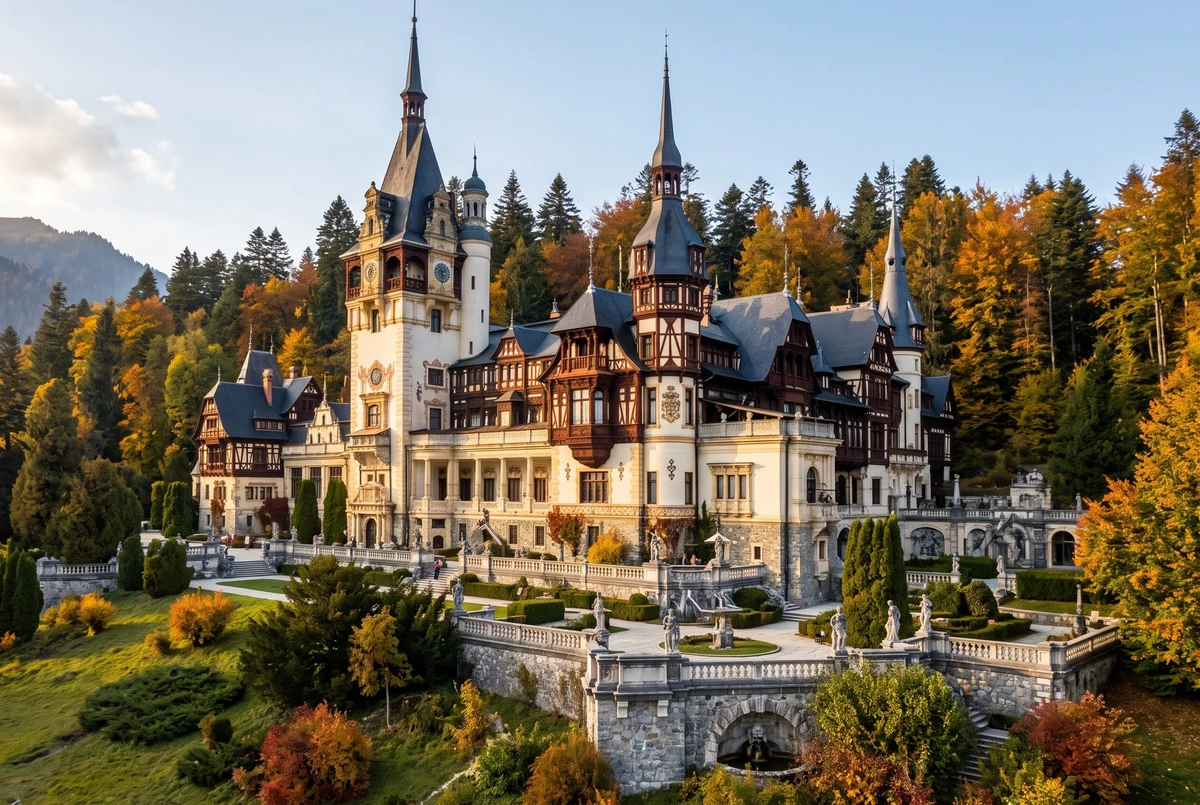
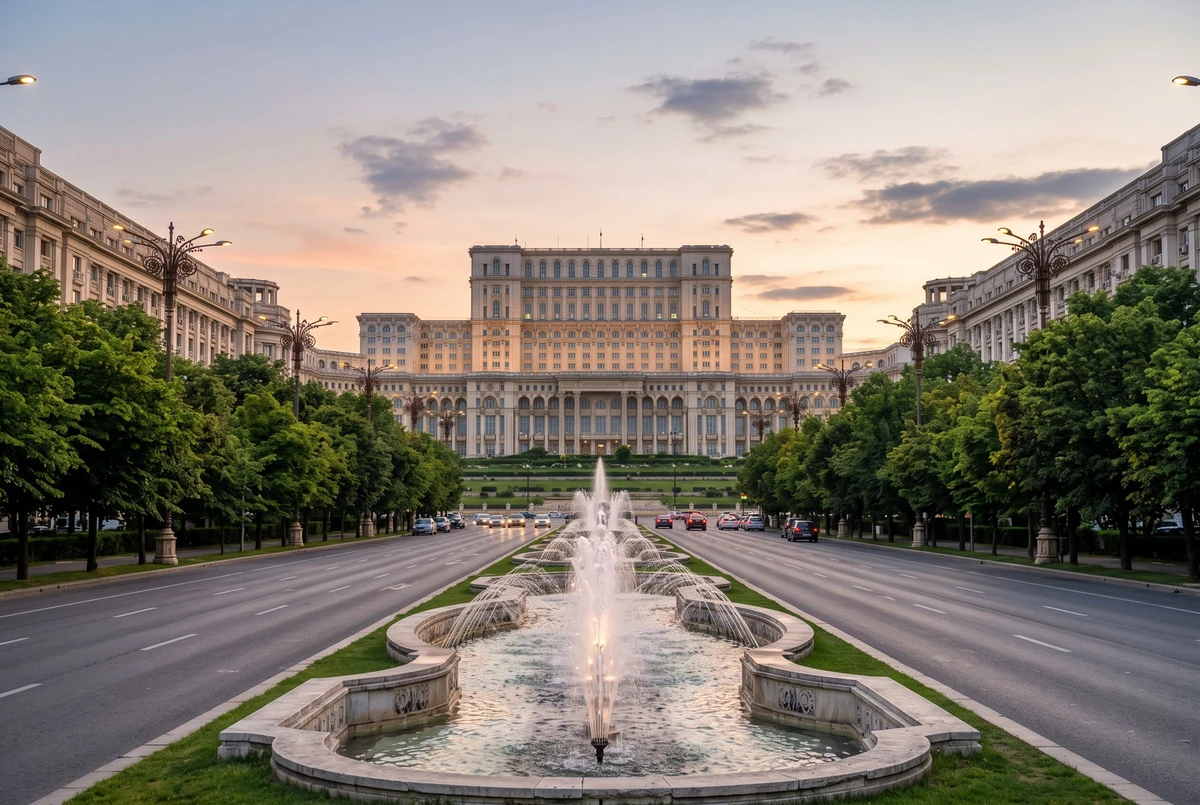
Romania is one of Europe’s most rewarding surprises. It holds castles that look drawn from a storybook, painted monasteries whose outer walls glow with five-hundred-year-old frescoes, wooden churches with needle spires and one of the continent’s largest wetlands where the Danube meets the Black Sea. In Bucharest, Belle Époque boulevards, Orthodox domes and one of the largest buildings on earth share the same skyline. Romanians are proud, hospitable and quick to invite you to their table. Haqqi Tours brings it all within reach, beginning the moment you land in Bucharest.
Why visit Romania?
Dacian Strongholds, Voivodes and Fortress Churches
Long before Rome, the Dacians built mountain citadels such as Sarmizegetusa Regia, conquered by Emperor Trajan in a war still carved on his column. Medieval Wallachia and Moldavia were ruled by warrior princes, from Vlad the Impaler to Stephen the Great. Transylvania’s Saxons raised fortified churches like Biertan and walled towns such as Sighișoara, while Bucovina’s monasteries, led by Voroneț and its famous blue, wrapped their walls in frescoes.
The Carpathian Arc and the Danube Delta
The Carpathian Mountains curve through the heart of Romania, sheltering wolves, lynx and Europe’s largest population of wild brown bears. The Transfăgărășan road climbs in hairpin bends to the glacial lake of Bâlea, and the Bucegi plateau hides strange rock sculptures. In the east, the Danube Delta spreads into a labyrinth of reed channels, floating islands and lakes, home to pelicans and hundreds of bird species, before reaching the Black Sea.
Sarmale, Folk Costume and Living Customs
Romanian cooking is hearty and generous: sarmale, cabbage rolls slow-cooked with smoked meat, golden mămăligă with sour cream and sheep’s cheese, tangy ciorbă soups soured with bran or lemon, and papanași doughnuts crowned with jam. In Maramureș villagers still wear embroidered blouses to Sunday service and craft wooden gates. Spring opens with Mărțișor red-and-white charms, and winter brings carol singers, masked dancers and sweet cozonac bread.
Journeys Unlike Anywhere Else
Drive the Transfăgărășan over the Făgăraș Mountains in summer, a road that seems to unspool through the clouds. Read the witty, colourful epitaphs of the Merry Cemetery at Săpânța, then sleep in a restored Saxon guesthouse. Descend into the vast Salina Turda salt mine, watch wild bears from a ranger-guided forest hide, and glide by boat through Danube Delta channels at dawn as pelicans lift from the water.
Who is Romania for?
Ideal for
- History lovers drawn to castles and citadels
- Nature travellers seeking mountains and wild forests
- Road-trip enthusiasts and photographers
- Families wanting fairytale castles and outdoor adventure
- Culture lovers interested in folk traditions
- Travellers seeking strong value in Europe
Pace & travel style
- Bucharest base with day tours into the mountains
- Unhurried loops through Transylvanian towns
- Private car and driver on scenic mountain roads
- Slow village stays in Maramureș or Bucovina
When to visit Romania
Peak season · June–August
Summer brings long, warm days, open mountain roads and a busy calendar of festivals, from Sibiu’s theatre festival to medieval fairs in Sighișoara. The Transfăgărășan usually opens to traffic and the Delta is green and full of birdlife. Bucharest can be hot, while the mountains stay fresh. Castles such as Peleș and Bran draw their biggest crowds, so book tickets and day tours ahead.
Shoulder season · April–May & September–October
Spring fills Transylvanian meadows with wildflowers and brings bird migration to the Danube Delta, while autumn paints Carpathian forests in copper and gold. Days are mild and ideal for walking medieval towns, the light is soft for photography and castles are noticeably calmer. Many seasoned travellers consider these months the most rewarding time to discover Romania at an easy pace.
Low season · November–March
Winter in Romania is cold and often snowy, especially in the mountains, and some high roads close. Yet this is when Sibiu and Bucharest host glittering Christmas markets, villages keep up ancient carolling customs, and Poiana Brașov becomes a lively ski resort. Castles dusted with snow are magical and quiet, hotels are calmer and city stays in Bucharest remain comfortable and full of culture.
The regions of Romania and how to combine its cities
Romania is shaped by the great arc of the Carpathians. Inside that arc lies Transylvania, the region of Saxon towns, fortified churches and castles: Brașov, Sibiu, Sighișoara and Cluj-Napoca are its anchors, with Bran and the Bucegi peaks close by. South of the mountains stretches Wallachia, the Danube plain where Bucharest stands, while the resort of Sinaia and Peleș Castle sit in the Prahova Valley between the two.
To the north, Maramureș preserves wooden churches and rural life, and neighbouring Bucovina guards the painted monasteries. Moldavia, centred on the university city of Iași, has a softer, rolling character. In the west, Timișoara and the Banat show Central European elegance, and in the far east Dobruja leads to the Danube Delta and the Black Sea coast around Constanța. Each region feels distinct, so a first trip usually combines Bucharest with Transylvania.
Our city directory below starts with Bucharest, Romania’s capital and its main international gateway. From Bucharest we arrange private airport transfers, guided day tours to Peleș Castle, Bran Castle and Brașov, attraction tickets, flight tickets and train tickets, working with our trusted local partners. Pair a few days in Bucharest with day tours into the Carpathians, then continue by train or private car into Transylvania for the ideal Romanian itinerary.
Before you go: practical tips for Romania
Entry & visas
Romania is part of the Schengen area, so the common Schengen rules apply. Many nationalities can visit visa-free for short stays, while others need a Schengen visa obtained through a Romanian or other member-state consulate, depending on your itinerary. Requirements depend on your passport and can change, so always check the official Romanian government portal or the nearest embassy before booking your trip.
Money, cards & tipping
Romania uses the Romanian leu rather than the euro. Cards and contactless payments are accepted almost everywhere in Bucharest and larger towns, but carry some cash for village guesthouses, markets, monastery shops and small cafés. Tipping around ten percent in restaurants is customary, and rounding up for drivers is appreciated. Bargaining is uncommon except at craft fairs and flea markets, where a friendly approach works best.
Etiquette & dress code
In Orthodox churches and monasteries, cover shoulders and knees; women may be asked to cover their hair, and men should remove hats. Photography is often forbidden inside churches or requires a small permit, so look for signs. Speak quietly during services, never walk in front of praying worshippers, and greet people with a handshake and good eye contact. Bringing flowers in odd numbers is the custom.
Getting around
Domestic flights link Bucharest with Cluj-Napoca, Iași and Timișoara in about an hour, and an extensive rail network connects most cities, though trains are often slow. Mountain roads are scenic but winding, so Transylvania and the Carpathians are best explored by private car with driver. Our private chauffeured transfers meet you at Henri Coandă International Airport and link every region of Romania.
Must-do things in Romania
- Tour the opulent rooms of Peleș Castle in the mountain resort of Sinaia
- Climb the towers of Bran Castle above its historic Carpathian pass
- Wander Brașov’s Council Square and the dark spires of the Black Church
- Walk the cobbled lanes of Sighișoara’s citadel and climb its clock tower
- Explore Bucharest’s Palace of the Parliament and the old town around Lipscani
- Drive the Transfăgărășan road to the glacial Bâlea Lake in summer
- See the blue frescoes of Voroneț among Bucovina’s painted monasteries
- Glide through the Danube Delta’s reed channels to spot pelicans
- Read the painted epitaphs of the Merry Cemetery at Săpânța
- Taste sarmale, mămăligă and papanași in a traditional Transylvanian guesthouse
Do’s and don’ts in Romania
Do
- Book castle tickets ahead in summer and on weekends
- Carry a scarf for monastery and church visits
- Allow extra time for winding mountain roads
- Try regional dishes in family-run guesthouses
- Learn a few words such as “mulțumesc” for thank you
Don’t
- Don’t approach or feed bears, even near roads or towns
- Don’t photograph inside churches without checking the rules
- Don’t expect to see Romania’s regions in a few days
- Don’t plan high mountain drives in winter without checking road status
- Don’t give flowers in even numbers, which are for funerals
Romania at a glance
Plan Romania with Haqqi Tours
Every option is confirmed by our team on WhatsApp before you pay, and delivered by our own people or by trusted local partners we work with in every city. Because we send travellers from all over the world, our partners give us special rates and priority, so you always receive the best. Prices are per person unless marked per vehicle.
About Haqqi Tours: About us Contact us Legal NoticePrivacy PolicyCookies & Marketing PreferencesTerms & ConditionsBooking, Payment & Refunds
Good to know
Frequently Asked Questions
Straight answers to what travellers ask most about Romania.
Is it safe to visit Romania?
Romania is generally a safe and welcoming destination with low rates of crime against visitors. Use normal city precautions in Bucharest’s busy areas and on public transport, use licensed taxis or ride-hailing apps, and respect wildlife rules in bear country. Check your own government’s official travel advice before departure, and keep our WhatsApp line handy throughout your trip.
How many days do I need for a first trip to Romania?
Seven to ten days is ideal for a first trip to Romania: two or three days in Bucharest with a day tour to Peleș and Bran castles, then four or five days across Transylvania between Brașov, Sighișoara and Sibiu. With two weeks you can add Maramureș, Bucovina’s monasteries or the Danube Delta.
What is the best way to travel between Romania's major cities?
Domestic flights link Bucharest with Cluj-Napoca, Iași and Timișoara quickly, while trains are comfortable and scenic but often slow. For Transylvania and the mountains, a private car with driver is the most flexible choice, reaching villages and castles that trains miss. We arrange flights, train tickets, transfers and drivers to suit your route.
Can a trip to Romania be tailored for luxury or private travel?
Yes. We can tailor a private Romania journey with a dedicated driver-guide, boutique hotels in Bucharest and Sibiu, restored manor houses and Saxon guesthouses, and private visits to castles and monasteries. Because we send many travellers to Romania, our trusted local partners give us priority and special rates, so our travellers receive the best.
Is Romania tourist friendly?
Very. Romanians are warm and proud to share their country, and many younger people speak excellent English. Tourist services are well developed in Bucharest, Brașov, Sibiu and around the main castles, while rural areas offer genuine village hospitality. Signage is improving everywhere, and our team and local partners smooth out any language gaps.
Is it safe to travel to Romania now?
Travel to Romania generally runs normally, but conditions can change anywhere, so check your own government’s official travel advice shortly before you leave. In winter, snow may close high mountain roads, and summer storms can affect hikes. Keep our WhatsApp line handy, as our team monitors your arrangements and can adjust day tours or transfers.
What is the best time to visit Romania?
May, June and September are the best months to visit Romania, with mild weather, green landscapes and calmer castles. July and August suit mountain drives such as the Transfăgărășan and festivals, while December brings snowy castles and lively Christmas markets in Bucharest and Sibiu. Each season shows a different side of the country.
What is Romania famous for?
Romania is famous for Transylvania’s castles, including Peleș and Bran, the medieval towns of Brașov and Sighișoara, the painted monasteries of Bucovina and the wooden churches of Maramureș. It is also known for the Carpathian Mountains and their wild bears, the Danube Delta, the Palace of the Parliament and hearty dishes like sarmale.
Which cities in Romania does Haqqi Tours cover?
Bucharest, Brașov and Sibiu. Each city has its own page with everything available there, and a trip across several cities is planned in one WhatsApp conversation.
What can I book in Romania?
Day tours, attraction tickets, private airport transfers, flight tickets and train tickets - all run or confirmed by Haqqi Tours, each with a fixed price agreed on WhatsApp before you pay.
How do I book a tour or transfer in Romania?
Fill in the form on the page you are interested in, or message us on WhatsApp with the date, the number of travellers and your hotel. A member of our team confirms the price and the details in writing within minutes.
Are the prices fixed?
Yes. Every price is agreed in writing on WhatsApp before you travel and does not change on the day - not for traffic, not for a late flight, not for the hour.
Do you arrange transfers between cities in Romania?
Yes. Intercity transfers by private car or van are booked the same way as airport transfers; tell the desk the two hotels and the date and it quotes a fixed price for the whole vehicle.
Can you plan a full itinerary across Romania?
Yes - tell the desk your dates, the cities you want and who is travelling, and it proposes a day-by-day plan with the tours, transfers and tickets priced in writing. You adjust it in the same chat before confirming.
Are your tours private or in a group?
Both exist, and the page of each tour says which. Private tours have a car and guide for your party alone; small-group tours share a guide with a few other travellers. The desk can convert most group tours into a private day on request.
Do the drivers and guides speak Arabic?
It depends on the country, the city and the day, so we do not promise a particular language for the driver or guide. Tell us your preference and we do our best; the WhatsApp desk itself always works in Arabic and English.