
Mozambique
Haqqi Tours arranges day tours, private airport transfers, attraction tickets and multi-day packages across Mozambique, confirmed on WhatsApp before you pay.
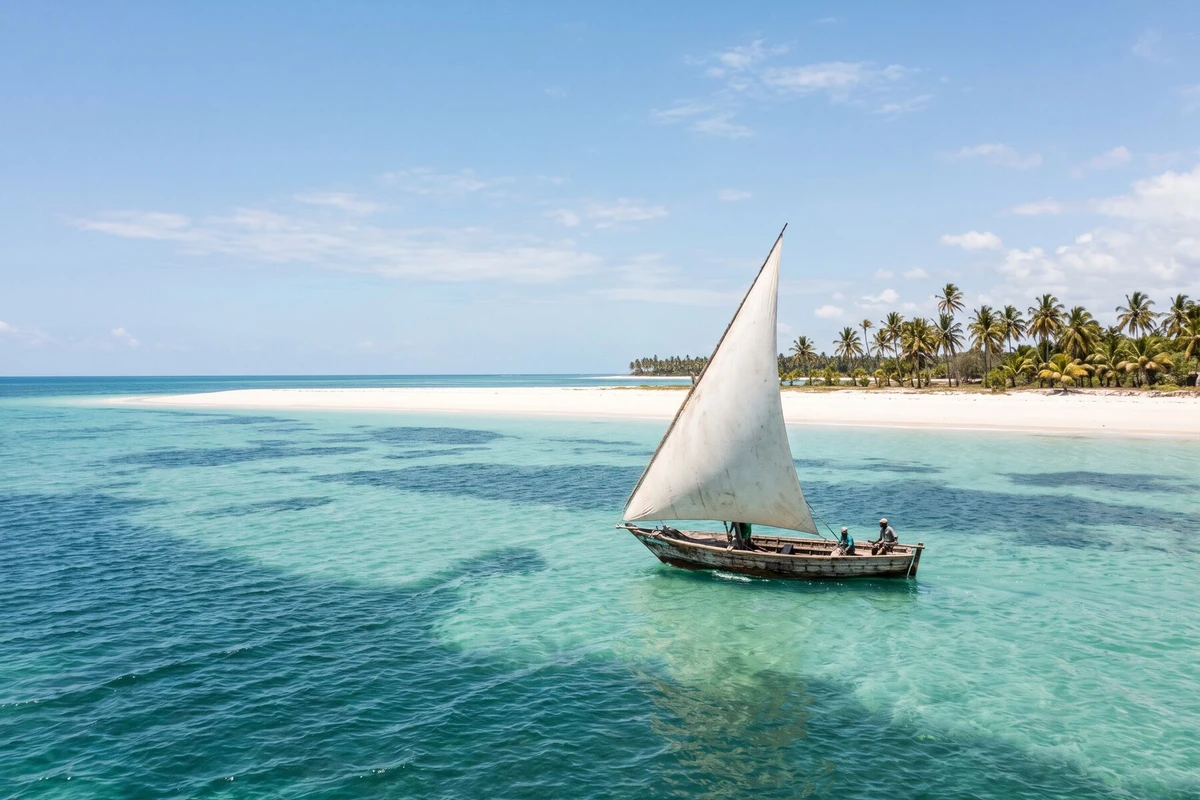
On the Portuguese Island, just off Inhaca, the tide pulls back to reveal ribbons of white sand edged by water so clear you can count the starfish on the seabed. A small boat rests on the shore, fishermen in dugout canoes drift past the mangroves, and the only sounds are the wind and the soft break of the Indian Ocean on the reef. Across the water, the skyline of Maputo shimmers in the heat, barely an hour away yet a world apart.
Destinations
Choose a city to see everything we arrange there.
Services by city in Mozambique
Tours
The essence of Mozambique
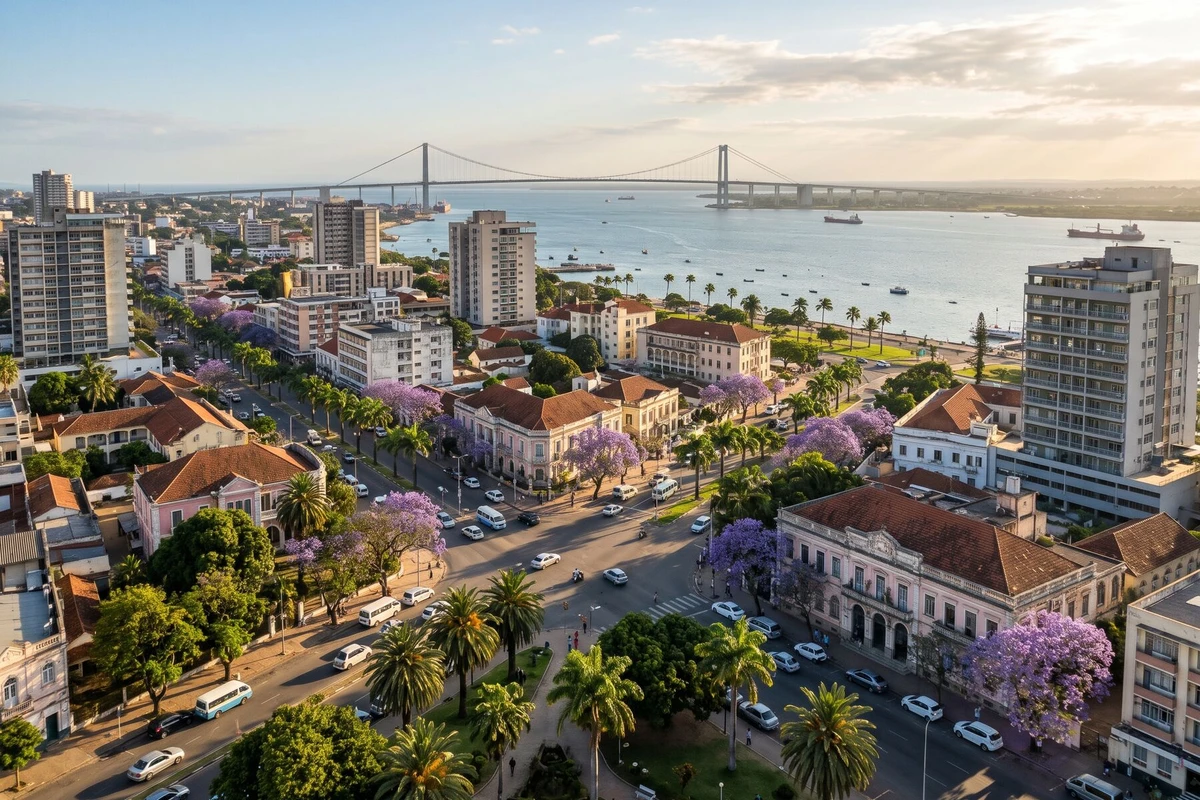
Back in the capital, the rhythm changes. Tuk-tuks weave through wide avenues lined with jacaranda and flame trees, past the domed railway station, the white cathedral and art deco buildings, while the fish market fills with prawns, crabs and the smell of piri-piri on the grill. Mozambique is unique because African, Portuguese, Arab and Indian Ocean influences meet along one of the longest and wildest coastlines on the continent. We arrange the journey with city tours, island day trips and private airport transfers, delivered with calm, attentive service.
Why visit Mozambique?
Trading Coasts, Colonial Towns and Independence
For many centuries Swahili and Arab traders sailed the coast of Mozambique, linking ports such as Sofala and the Island of Mozambique with Arabia, Persia and India, and Islam took root in the north long before Europeans arrived. The Portuguese reached these shores at the end of the fifteenth century and ruled for nearly five centuries, leaving forts, churches and a shared language. Mozambique became independent on 25 June 1975, and since the early 1990s it has rebuilt its cities and coast.
Islands, Reefs and Wild Parks
Mozambique's long Indian Ocean shore runs from the border with South Africa to Tanzania, edged by coral reefs, dunes, mangroves and island chains. The Bazaruto Archipelago shelters dugongs and turtles, the waters off Tofo are famous for whale sharks and manta rays, and humpback whales pass the southern coast in winter. Inland, Gorongosa National Park has been restored with lions, elephants and antelope, while Maputo National Park in the far south combines coastal forests, lakes and a marine reserve.
Prawns, Piri-Piri and Matapa
Mozambican food is a bold meeting of Africa, Portugal and the Indian Ocean. Grilled prawns and crab curry are the pride of the coast, chicken is basted with fiery piri-piri sauce, and matapa, cassava leaves cooked with ground peanuts and coconut milk, is served with xima, a firm maize porridge, or rice. Bakeries sell soft Portuguese-style rolls, and street stalls offer chamuças, cashew nuts and tropical fruit. Halal options exist in Maputo thanks to its Muslim community, while seafood and vegetarian dishes are easy everywhere; our team can advise.
Experiences You Can Only Have Here
Ride a tuk-tuk through the avenues of Maputo, from the railway station and the Iron House to the fish market and the seafront Marginal, then cross by boat to Inhaca to snorkel over coral and walk through mangroves. Wade ashore on the sandbanks of the Portuguese Island, look for dolphins near Santa Maria, swim with whale sharks off Tofo, sail by traditional dhow among the islands of Bazaruto and wander the coral-stone streets of the Island of Mozambique.
Who is Mozambique for?
Ideal for
- Beach lovers and island hoppers
- Snorkellers and divers
- Food lovers who enjoy fresh seafood
- Travellers curious about African cities
- Couples seeking quiet island escapes
- Adventurous families with older children
Pace & travel style
- Spend two or three nights in Maputo first
- Take island trips on calm, sunny mornings
- Fly between regions rather than drive long distances
- Keep one flexible day for weather at sea
When to visit Mozambique
Peak season · May–October
The dry season brings southern Mozambique its most comfortable weather, with sunny days, low humidity and pleasant evenings in Maputo, ideal for city tours and boat trips to Inhaca, the Portuguese Island and Santa Maria. From July to October humpback whales migrate along the coast, and visibility on the reefs is often good. Independence Day on 25 June brings celebrations across the country. Nights can feel cool in June and July, so bring a light jacket.
Shoulder season · April, November
April marks the end of the rains, with green landscapes, warm sea water and fewer visitors on the islands, while November brings rising heat, the first rains and calm, quiet beaches before the holiday season. Both months are good for island trips and seafood by the shore, with comfortable availability. Short showers and humid afternoons are possible, so plan boat trips for the mornings and keep plans flexible around the weather.
Low season · December–March
The wet season is hot and humid, with heavy tropical downpours, lush green scenery and warm water for swimming. The coast is busy over Christmas and New Year with regional holidaymakers, then quieter from mid-January. This is also cyclone season, with storms most likely between January and March, especially in the centre and north, and rough seas can cancel boat trips. Travel insurance, flexible dates and close attention to forecasts are wise.
The regions of Mozambique and how to combine its cities
Mozambique stretches along the south-east coast of Africa, bordered by South Africa and Eswatini to the south, Zimbabwe, Zambia and Malawi to the west and Tanzania to the north, and faces Madagascar across the Mozambique Channel. Maputo, the capital, lies in the far south on a wide bay, with Inhaca Island, the Portuguese Island and the Machangulo peninsula offshore, and Maputo National Park and Ponta do Ouro towards the South African border.
North of the capital, the coast of Inhambane holds the beaches and reefs of Tofo, and Vilankulo is the gateway to the Bazaruto Archipelago. The centre, around Beira, leads inland to Gorongosa National Park and the Chimanimani mountains, while the north holds the Island of Mozambique, listed by UNESCO, the beaches of Pemba, the Quirimbas islands and the shores of Lake Niassa. Parts of the far north are affected by insecurity, so official advice should be checked carefully.
Our city directory below is anchored in Maputo, the natural base for a first visit and the gateway to the south. From the capital we arrange tuk-tuk city tours and full-day boat trips to Inhaca, the Portuguese Island and Santa Maria, while our private drivers handle transfers from Maputo airport (MPM). Mozambique also pairs naturally with South Africa, including Kruger National Park, a few hours to the west by road, or with Eswatini.
Before you go: practical tips for Mozambique
Entry & visas
Mozambique has eased its entry rules in recent years, and citizens of a number of countries, including many European nations, the United Kingdom and the United States, can now visit for short stays without a visa after completing an online pre-registration and paying an entry fee. Other nationalities need a visa arranged in advance or, in some cases, on arrival. A passport valid for at least six months with blank pages is expected, so check the current rules with official Mozambican sources before you travel.
Money, cards & tipping
The Mozambican metical is the local currency. Cards are accepted in larger hotels, shopping centres and many restaurants in Maputo, and cash machines are common in the capital, but markets, tuk-tuks, small cafés and the islands work mostly in cash, so carry small notes. Exchange money at banks or official bureaux only. Tipping is appreciated for good service, around ten percent in restaurants if no service charge is added, and for guides, boat crews and drivers.
Etiquette & dress code
Mozambicans are warm and courteous, and a greeting in Portuguese, bom dia or boa tarde, is always appreciated before any question. Dress modestly away from the beach, especially in markets, mosques and churches. Do not photograph police, military sites, government buildings or airports, and ask before photographing people. Police may ask to see identification, so carry a copy of your passport and visa at all times, and keep your original safely at your hotel.
Getting around
Mozambique is a long country, and distances between regions are great, so domestic flights connecting Maputo with Inhambane, Vilankulo, Beira, Nampula and Pemba save many hours. Roads in the south are generally good, though driving at night is best avoided. In Maputo, tuk-tuks and taxis are easy to find, and the crowded minibuses called chapas are used by locals. Boats link the capital with Inhaca, and for airport arrivals our private transfers are the most comfortable choice.
Must-do things in Mozambique
- Explore Maputo by tuk-tuk
- See the domed Central Railway Station
- Visit the Iron House and the white cathedral
- Choose fresh seafood at the Maputo fish market
- Snorkel over the reefs of Inhaca Island
- Walk the white sandbanks of the Portuguese Island
- Look for dolphins near Santa Maria
- Taste grilled prawns, matapa and piri-piri chicken
- Swim with whale sharks off Tofo
- Wander the coral-stone streets of the Island of Mozambique
Do’s and don’ts in Mozambique
Do
- Carry a copy of your passport and visa
- Use reef-safe sunscreen and never touch coral
- Carry meticais in small notes for markets and tuk-tuks
- Take malaria advice from a doctor before travel
- Drink bottled or filtered water
Don’t
- Don't photograph police, soldiers or government buildings
- Don't walk alone at night in quiet areas
- Don't drive long distances after dark
- Don't buy shells, coral or turtle products
- Don't plan island trips without a weather margin
Mozambique at a glance
Plan Mozambique with Haqqi Tours
Every option is confirmed by our team on WhatsApp before you pay, and delivered by our own people or by trusted local partners we work with in every city. Because we send travellers from all over the world, our partners give us special rates and priority, so you always receive the best. Prices are per person unless marked per vehicle.
About Haqqi Tours: About us Contact us Legal NoticePrivacy PolicyCookies & Marketing PreferencesTerms & ConditionsBooking, Payment & Refunds
Where we operate in Mozambique
Good to know
Frequently Asked Questions
Straight answers to what travellers ask most about Mozambique.
Is it safe to visit Mozambique?
Many travellers visit Maputo and the southern coast each year, and the islands and beaches are relaxed and welcoming. As in any large city, take sensible precautions in Maputo: avoid walking alone at night, keep valuables out of sight and use trusted drivers and guides. Parts of the far north are affected by insecurity, so check your own government's official travel advice before departure, and keep our WhatsApp line handy for help with tours and transfers.
How many days do I need in Mozambique?
Five to seven days work well for a first visit focused on the south: two or three nights in Maputo for a city tour and a full-day trip to Inhaca, the Portuguese Island and Santa Maria, then a few nights on the beach in Ponta do Ouro, Tofo or Vilankulo. With ten days or more you can add the Bazaruto Archipelago, Gorongosa or the Island of Mozambique.
What are Inhaca and the Portuguese Island?
Inhaca is an island at the mouth of Maputo Bay, about an hour or more by boat from the capital, with fishing villages, mangroves, coral reefs and quiet beaches. Just off its north-western shore lies the small, uninhabited Portuguese Island, a strip of white sand and clear shallow water ideal for swimming and snorkelling. Day trips often add Santa Maria on the nearby Machangulo peninsula.
Can a trip to Mozambique be tailored for luxury or private travel?
Absolutely. Maputo has elegant hotels in Polana and along the seafront, and the coast offers boutique beach lodges and private island retreats, especially in the Bazaruto Archipelago. We can tailor private boat trips, private city guides, chauffeured airport transfers and a relaxed family pace, then confirm every detail with you on WhatsApp before anything is paid.
What is the best time to visit Mozambique?
May to October is the best time to visit southern Mozambique, with dry, sunny weather, low humidity, calm days for island trips and humpback whales along the coast from July. April and November are pleasant and quieter, while December to March is hot, humid and rainy, with the main cyclone risk and rougher seas on some days.
What is Mozambique famous for?
Mozambique is famous for its long Indian Ocean coastline, its islands and coral reefs, the Bazaruto Archipelago and whale sharks off Tofo. It is also known for the historic Island of Mozambique, for grilled prawns and piri-piri, for marrabenta music, for the restored wildlife of Gorongosa and for the lively capital Maputo, with its jacaranda-lined avenues and colonial-era architecture.
Is halal food available in Mozambique?
Mozambique has a sizeable Muslim community, especially in the north and among families of Indian origin, and in Maputo there are mosques, halal butchers and some restaurants serving halal dishes. In many other restaurants and on the islands halal is limited, but fresh fish, prawns, crab and vegetarian dishes such as matapa are easy to find. Ask when ordering meat; our team can advise.
How do I get to Maputo city from the airport?
Maputo airport (MPM) lies only about 5 kilometres from the city centre, around 15 to 20 minutes by road to Baixa or Polana depending on traffic. Taxis are available outside the terminal, but a pre-arranged car is safer and easier after a long flight. We arrange a private transfer with a driver waiting at arrivals to take you directly to your hotel.
Which cities in Mozambique does Haqqi Tours cover?
Maputo. Each city has its own page with everything available there, and a trip across several cities is planned in one WhatsApp conversation.
What can I book in Mozambique?
Day tours - all run or confirmed by Haqqi Tours, each with a fixed price agreed on WhatsApp before you pay.
How do I book a tour or transfer in Mozambique?
Fill in the form on the page you are interested in, or message us on WhatsApp with the date, the number of travellers and your hotel. A member of our team confirms the price and the details in writing within minutes.
Are the prices fixed?
Yes. Every price is agreed in writing on WhatsApp before you travel and does not change on the day - not for traffic, not for a late flight, not for the hour.
Do you arrange transfers between cities in Mozambique?
Yes. Intercity transfers by private car or van are booked the same way as airport transfers; tell the desk the two hotels and the date and it quotes a fixed price for the whole vehicle.
Can you plan a full itinerary across Mozambique?
Yes - tell the desk your dates, the cities you want and who is travelling, and it proposes a day-by-day plan with the tours, transfers and tickets priced in writing. You adjust it in the same chat before confirming.
Are your tours private or in a group?
Both exist, and the page of each tour says which. Private tours have a car and guide for your party alone; small-group tours share a guide with a few other travellers. The desk can convert most group tours into a private day on request.
Do the drivers and guides speak Arabic?
It depends on the country, the city and the day, so we do not promise a particular language for the driver or guide. Tell us your preference and we do our best; the WhatsApp desk itself always works in Arabic and English.