
India
Haqqi Tours arranges day tours, private airport transfers, attraction tickets and multi-day packages across India, confirmed on WhatsApp before you pay.
Morning in Old Delhi begins before the sun is fully up. Steam rises from brass pots of masala chai, cycle rickshaws weave through Chandni Chowk, and the scent of marigolds, cardamom and frying jalebi drifts from lanes the width of an outstretched arm. Above it all the red sandstone domes of the Jama Masjid catch the first light, while pigeons wheel over a courtyard that has welcomed worshippers since the age of Shah Jahan.
Destinations
Choose a city to see everything we arrange there.

Services by city in India
Attraction Tickets
Flight Tickets
Train Tickets
The essence of India
India is less a single destination than a subcontinent of worlds. The snow peaks of the Himalaya, the golden forts of Rajasthan, the backwaters of Kerala and the sacred ghats of Varanasi each speak a different language, cook a different curry and celebrate different festivals. Few places reward curiosity so generously, or ask so gently that you slow down and simply watch. We arrange the flights, trains, private transfers and guided days in Delhi that turn this immense country into a journey that feels personal and effortless.
Why visit India?
Five Thousand Years of Empires
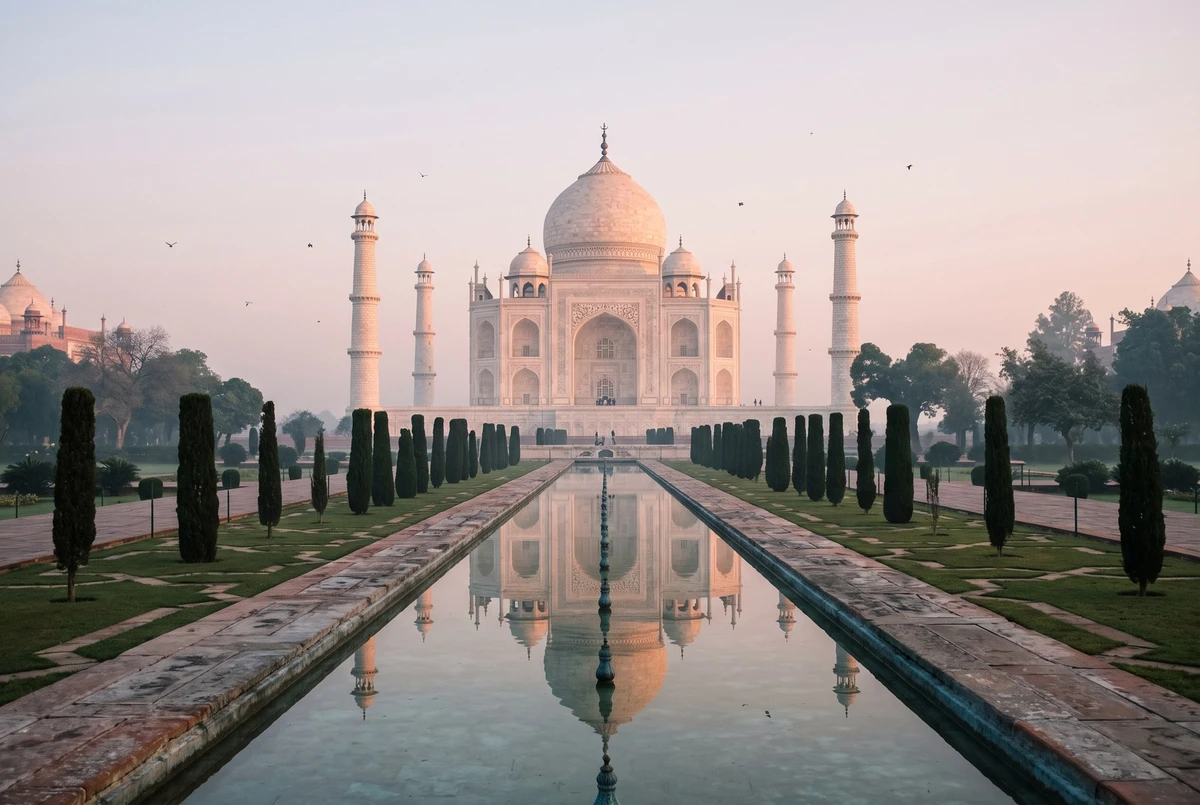
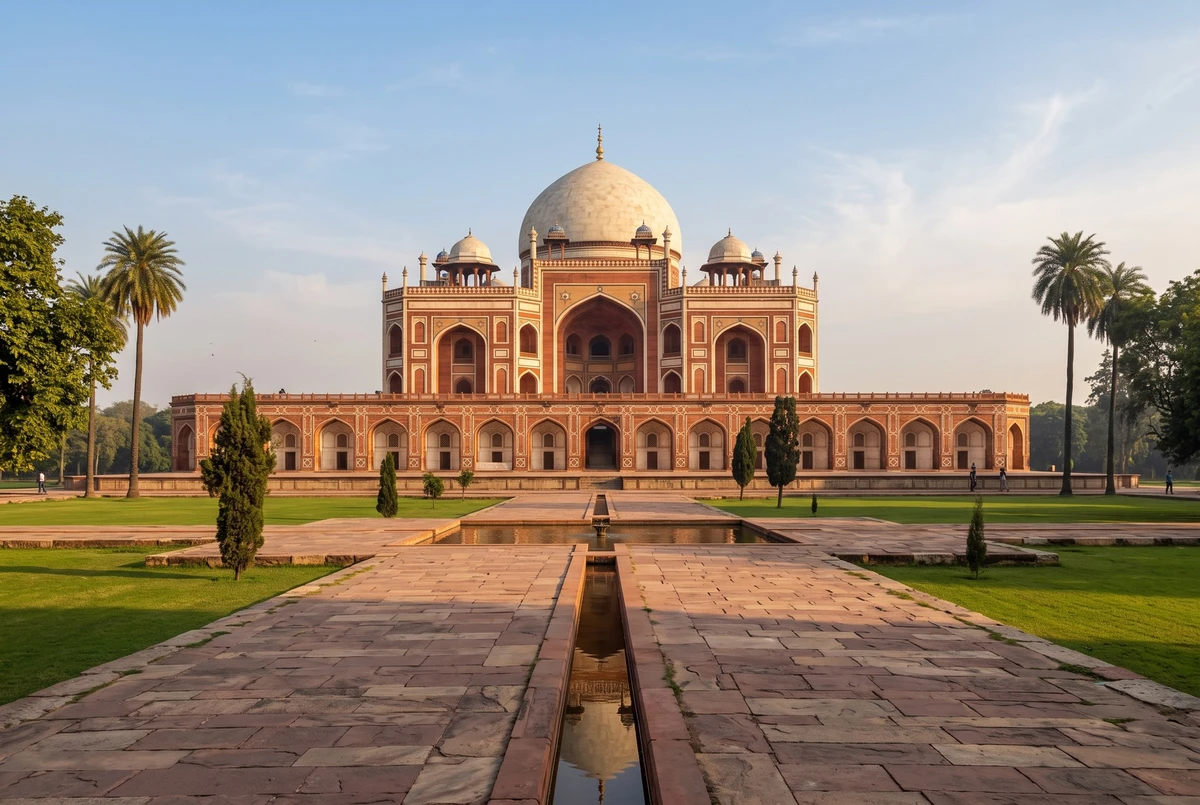
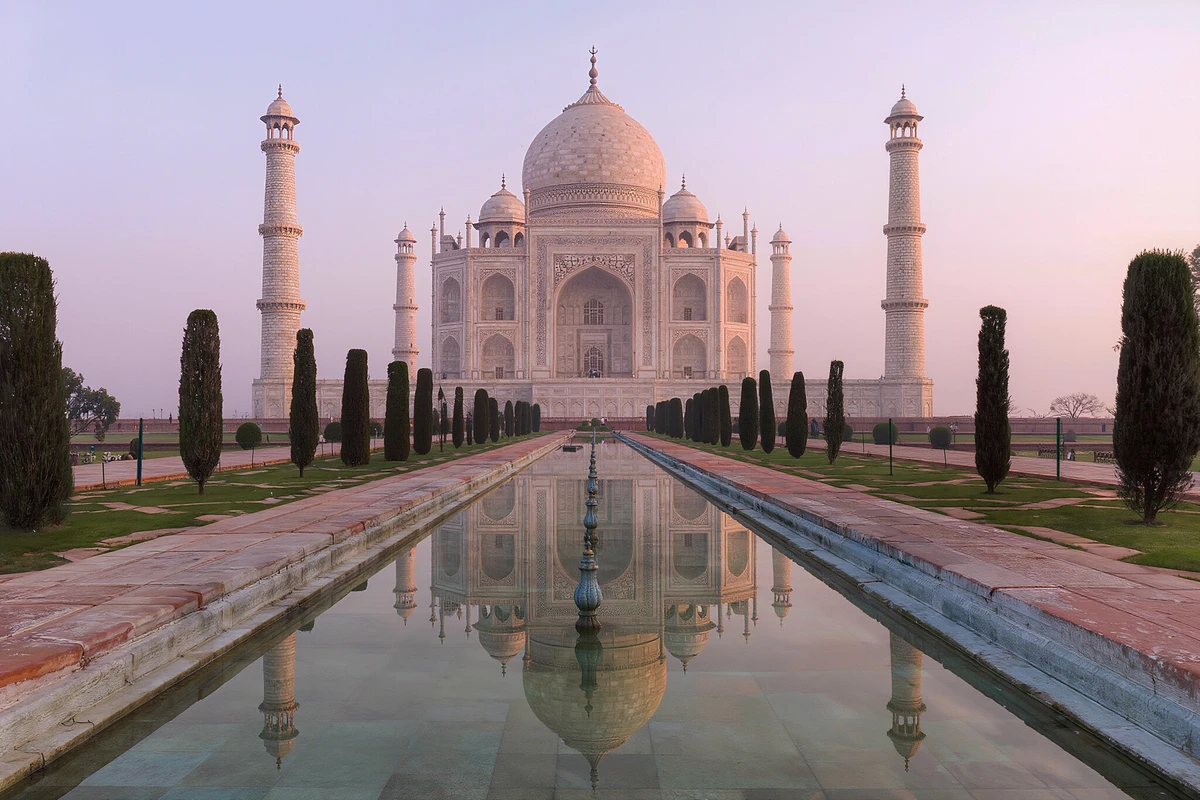
India’s heritage stretches from the planned cities of the Indus Valley to the Buddhist stupas of Sanchi, the rock-cut temples of Ajanta and Ellora and the soaring Chola temples of the south. The Mughals left the Taj Mahal, the Red Fort and Humayun’s Tomb; Rajput kings crowned their hilltops with forts. Delhi alone has been rebuilt as a capital many times, layering dynasties within a single city.
From Himalayan Snow to Tropical Shores
India spans almost every landscape imaginable. The Himalaya forms its northern wall, with Ladakh’s high deserts and the green hill stations of Himachal. The Gangetic plain feeds a vast population, while the Thar Desert rolls across Rajasthan in dunes. Southward the Western Ghats hold tea estates and spice gardens, Kerala’s backwaters wind between coconut palms, and wild tigers still roam reserves such as Ranthambore and Bandhavgarh.
Spice, Faith and Festival
Food changes every few hundred kilometres: smoky kebabs and slow-cooked nihari in Old Delhi, dal baati in Rajasthan, crisp dosa and coconut curries in the south, fish with mustard in Bengal. Masala chai and sweet lassi punctuate every day. Faith is woven into daily life, from temple bells and gurdwara kitchens feeding thousands of guests to the joyful colours of Holi and the glowing lamps of Diwali.
Only in India
Watch the Taj Mahal turn from pearl to rose at sunrise. Join the evening aarti on the ghats of Varanasi as lamps float down the Ganges. Share a meal in the langar of a Sikh gurdwara, sitting cross-legged among strangers. Sleep in a converted palace in Udaipur, drift through Kerala’s backwaters on a rice barge, or look for wild tigers on a jeep safari through the forests of Rajasthan.
Who is India for?
Ideal for
- History lovers fascinated by empires and architecture
- Food travellers eager to taste regional cooking
- Spiritual seekers and admirers of sacred sites
- Photographers drawn to colour, markets and festivals
- Families seeking an educational journey
- Wildlife enthusiasts hoping to see tigers in the wild
- Travellers wanting palace hotels and private touring
Pace & travel style
- Plan fewer places and more time; distances are greater than they look
- Start with Delhi before heading to Agra and Rajasthan
- Balance busy city days with calm mornings and early starts
- Use express or overnight trains to cover long distances comfortably
When to visit India
Peak season · October–March
Cool, dry and sunny across the north, these months are the classic time for Delhi, Agra and Rajasthan. Mornings can be misty and nights chilly in December and January, while festivals such as Diwali light up the autumn. This is the busiest season, so palace hotels, trains and popular guided tours fill early and rates rise accordingly.
Shoulder season · September and April
These transition months strike the right balance for flexible travellers. September follows the monsoon, leaving landscapes lush and skies freshly washed, while April offers warm days before the heat becomes intense. Crowds are thinner at the great monuments, hotels are easier to secure, and the Himalayan foothills begin to open up for comfortable touring.
Low season · May–August
May and June bring fierce heat to the northern plains, followed by the monsoon from late June, with heavy downpours and humid air. It is not ideal for midday sightseeing in Delhi, yet it is the best time for Ladakh and the high Himalaya, and Kerala’s monsoon greenery has its own magic. Hotels are quieter and offer good value.
The regions of India and how to combine its cities
India is best understood region by region. The north holds Delhi, the Mughal city of Agra, the princely state of Rajasthan with Jaipur, Jodhpur and Udaipur, and the Himalayan states of Himachal Pradesh, Uttarakhand and Ladakh. Along the Ganges lie the holy city of Varanasi and the plains of the Hindi-speaking heartland.
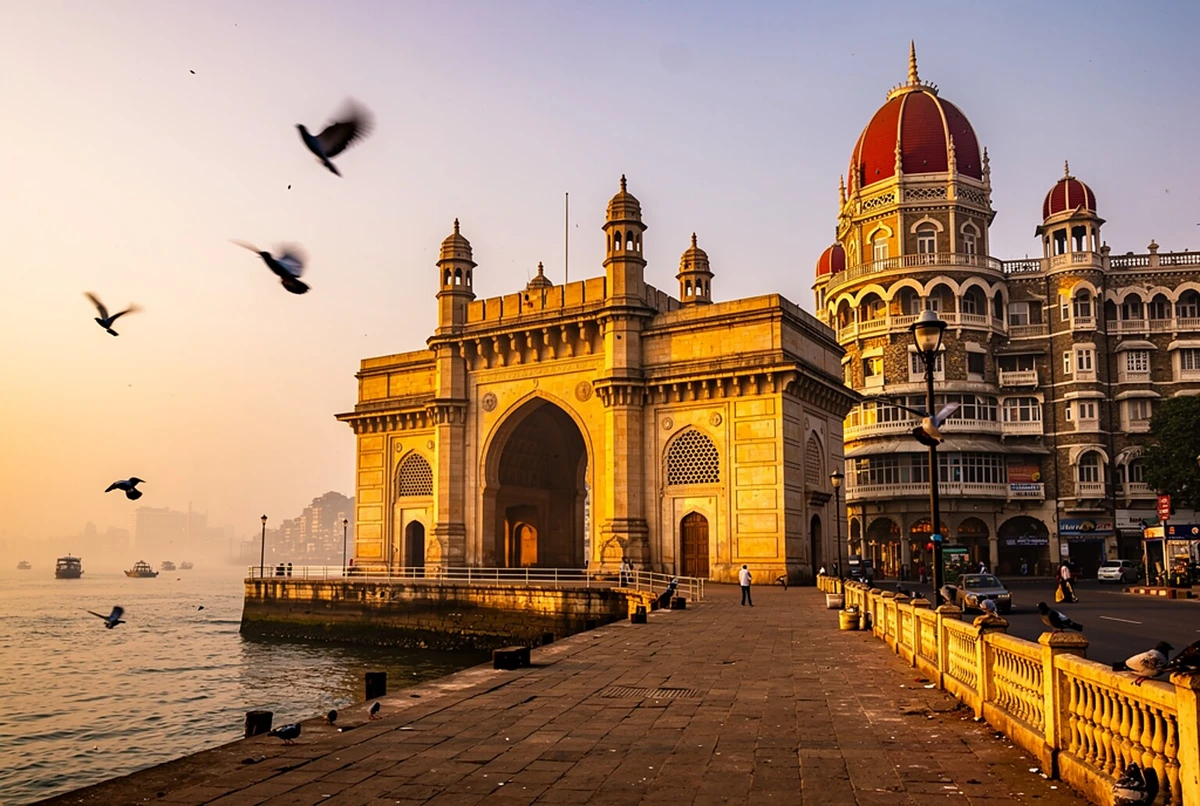
The west centres on Mumbai, India’s commercial capital, and the beaches of Goa, with Gujarat’s step wells and Maharashtra’s cave temples nearby. The south is another India entirely: Kerala’s backwaters and spice hills, Tamil Nadu’s towering temple gateways and the ruins of Hampi in Karnataka. The east brings Kolkata’s colonial grandeur, the tea gardens of Darjeeling and the forested hills of the northeast.
Our city directory below begins with Delhi, the natural gateway for a first journey and the capital where most international flights arrive. We meet you with a private airport transfer, explore Old and New Delhi on our guided day tours, and issue the train and domestic flight tickets that carry you onward to Agra, Jaipur, Varanasi or the mountains. Pairing Delhi with the Taj Mahal and Rajasthan creates the classic Golden Triangle, while adding Varanasi or Kerala by air turns it into a richer, more varied loop.
Before you go: practical tips for India
Entry & visas
Most visitors need a visa for India. Many nationalities can apply online for a tourist e-Visa, which is then presented on arrival at major international airports, while others must apply through an Indian embassy or consulate, and a few passports have special arrangements. Rules depend on your passport, so check the official Indian government visa portal before booking, and apply well ahead of your travel dates.
Money, cards & tipping
India’s currency is the rupee. Cards work in hotels, malls and upscale restaurants, and digital payments are everywhere, but cash remains essential for markets, street food, rickshaws and small temples. Carry small notes, as change can be scarce. Tipping is customary: around ten percent in restaurants if service is not included, and a gratuity for guides and drivers. Bargain politely in bazaars, never in fixed-price shops.
Etiquette & dress code
Remove your shoes before entering temples, mosques and many homes. Cover shoulders and knees at religious sites, and cover your head in gurdwaras and some mosques; scarves are usually provided at the entrance. Use your right hand for eating and passing things. Ask before photographing people or rituals, and never photograph inside temples where signs forbid it. Public displays of affection are best avoided.
Getting around
Domestic flights connect India’s cities quickly and are the best option for long distances such as Delhi to Kerala or Mumbai. The rail network is vast, with fast daytime trains to Agra and Jaipur and comfortable overnight sleepers, and we can issue train tickets for you. Driving yourself is not advisable; our private chauffeured transfers and cars with drivers are the calm way to move between sights.
Must-do things in India
- See the Taj Mahal in Agra at sunrise, when the white marble glows softly
- Explore the lanes of Chandni Chowk and the vast courtyard of Jama Masjid in Old Delhi
- Walk the gardens of Humayun’s Tomb, the elegant forerunner of the Taj Mahal
- Climb to the honey-coloured ramparts of Amber Fort above Jaipur
- Witness the evening aarti ceremony on the ghats of Varanasi
- Drift through Kerala’s backwaters on a traditional rice barge
- Share a meal at the community kitchen of Gurdwara Bangla Sahib in Delhi
- Look for wild tigers on a forest safari in Ranthambore National Park
- Gaze at the lakeside palaces of Udaipur as the sun goes down
- Taste regional thalis, dosas and spicy street chaat from north to south
Do’s and don’ts in India
Do
- Dress modestly, especially at temples, mosques and gurdwaras
- Drink sealed bottled water and eat freshly cooked hot food
- Carry a scarf to cover shoulders or head at sacred sites
- Book trains and peak-season hotels well in advance
- Allow extra time for traffic in the big cities
Don’t
- Don’t wear shoes inside temples, mosques or homes
- Don’t use your left hand to eat or hand over items
- Don’t accept unsolicited offers from touts at stations and monuments
- Don’t photograph people or ceremonies without permission
- Don’t try to squeeze too many cities into a short trip
India at a glance
Plan India with Haqqi Tours
Every option is confirmed by our team on WhatsApp before you pay, and delivered by our own people or by trusted local partners we work with in every city. Because we send travellers from all over the world, our partners give us special rates and priority, so you always receive the best. Prices are per person unless marked per vehicle.
About Haqqi Tours: About us Contact us Legal NoticePrivacy PolicyCookies & Marketing PreferencesTerms & ConditionsBooking, Payment & Refunds
Good to know
Frequently Asked Questions
Straight answers to what travellers ask most about India.
Is it safe to visit India?
India receives millions of international visitors every year, and the classic routes through Delhi, Agra and Rajasthan are well established. Sensible precautions go a long way: use licensed taxis or our private drivers, keep valuables discreet, dress modestly and stay alert in crowds. Check your own government’s official travel advice before departure and keep our WhatsApp line handy.
How many days do I need for a first trip to India?
Ten to fourteen days suits a first trip. Spend two or three days in Delhi, add Agra and Jaipur for the Golden Triangle, then extend to Varanasi, Udaipur or Kerala depending on your interests. With a single week, focus on Delhi, Agra and Jaipur. Our team can tailor the route and pace around you.
What is the best way to travel between India's major cities?
For long distances, domestic flights are fastest, linking Delhi with Mumbai, Varanasi, Kerala and beyond in a couple of hours. Express trains are excellent on shorter routes such as Delhi to Agra or Jaipur. We issue flight and train tickets and arrange private transfers, so every connection from hotel to station or airport is handled.
Can a trip to India be tailored for luxury or private travel?
Yes. India is famous for heritage palace hotels and attentive service. We can arrange private airport transfers in Delhi, a private car with driver, personal guides on our Delhi day tours and premium train or flight tickets onward. Halal dining is widely available, especially in Delhi. Our team confirms every detail with you on WhatsApp before anything is paid.
Is India tourist friendly?
Yes, especially on the main routes. English is widely spoken in hotels, at monuments and by guides, signage is often bilingual, and Indian hospitality is genuinely warm. The intensity of crowds, traffic and touts can surprise first-time visitors, which is why a private transfer on arrival and a guided first day in Delhi make a real difference.
Is it safe to travel to India now?
India remains one of the world’s busiest travel destinations, and tourism runs normally across the main routes. Conditions can vary between regions, and seasonal weather such as monsoon rains or winter fog may affect transport. Check your own government’s official travel advice before departure, and keep our WhatsApp line handy so our team can adjust plans if needed.
What is the best time to visit India?
October to March is the best time for most of India, with cool, dry weather ideal for Delhi, Agra and Rajasthan. April to June is very hot on the plains, while the monsoon arrives from late June to September. Summer, however, is the right season for Ladakh and the high Himalaya.
What is India famous for?
India is famous for the Taj Mahal, Mughal and Rajput architecture, and the spiritual life of places such as Varanasi and Amritsar’s Golden Temple. It is equally known for its spices and regional cuisines, colourful festivals such as Diwali and Holi, the Himalaya, Kerala’s backwaters, yoga, handwoven textiles and wild Bengal tigers.
Which cities in India does Haqqi Tours cover?
Delhi, Agra, Mumbai, Jaipur, Kochi, Varanasi, Goa and Jodhpur. Each city has its own page with everything available there, and a trip across several cities is planned in one WhatsApp conversation.
What can I book in India?
Day tours, attraction tickets, private airport transfers, flight tickets and train tickets - all run or confirmed by Haqqi Tours, each with a fixed price agreed on WhatsApp before you pay.
How do I book a tour or transfer in India?
Fill in the form on the page you are interested in, or message us on WhatsApp with the date, the number of travellers and your hotel. A member of our team confirms the price and the details in writing within minutes.
Are the prices fixed?
Yes. Every price is agreed in writing on WhatsApp before you travel and does not change on the day - not for traffic, not for a late flight, not for the hour.
Do you arrange transfers between cities in India?
Yes. Intercity transfers by private car or van are booked the same way as airport transfers; tell the desk the two hotels and the date and it quotes a fixed price for the whole vehicle.
Can you plan a full itinerary across India?
Yes - tell the desk your dates, the cities you want and who is travelling, and it proposes a day-by-day plan with the tours, transfers and tickets priced in writing. You adjust it in the same chat before confirming.
Are your tours private or in a group?
Both exist, and the page of each tour says which. Private tours have a car and guide for your party alone; small-group tours share a guide with a few other travellers. The desk can convert most group tours into a private day on request.
Do the drivers and guides speak Arabic?
It depends on the country, the city and the day, so we do not promise a particular language for the driver or guide. Tell us your preference and we do our best; the WhatsApp desk itself always works in Arabic and English.