
Italy
Ancient Rome, the canals of Venice and Tuscany's hill towns make up Haqqi Tours' Italy tours, each transfer and ticket priced through a WhatsApp exchange.
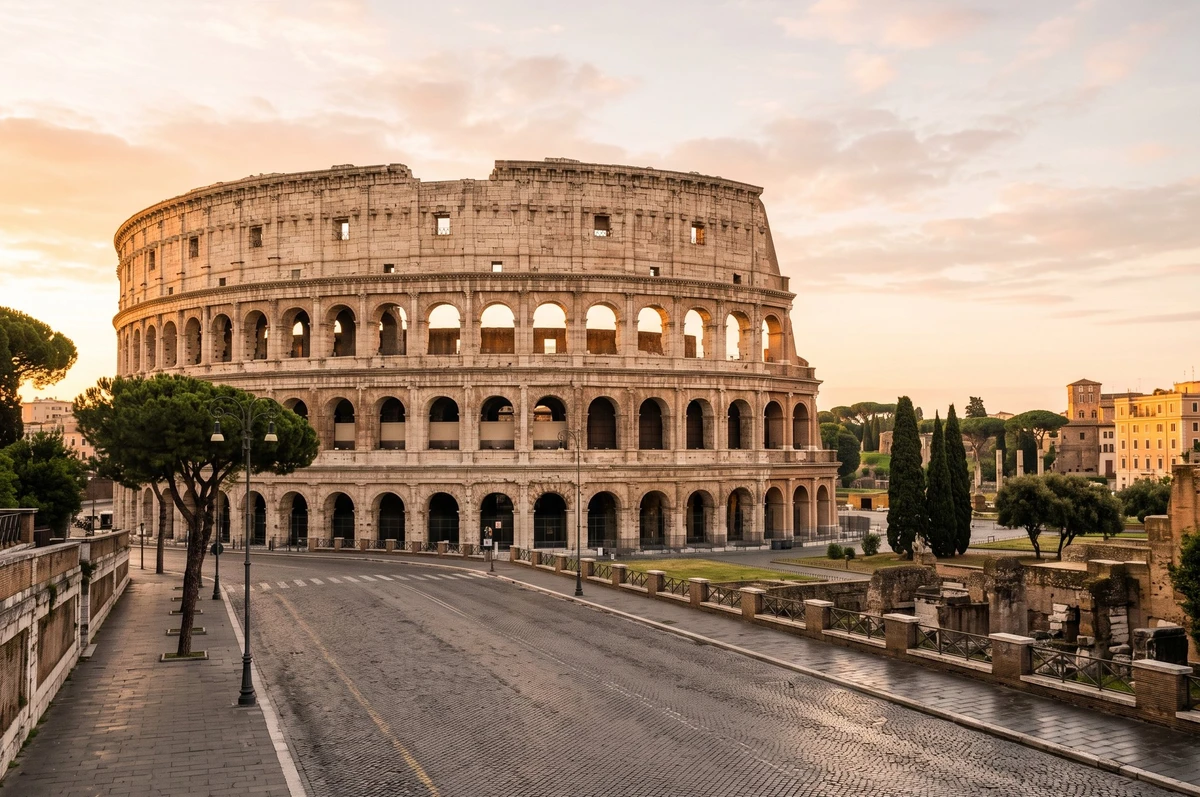
Morning in Rome smells of espresso and warm cornetti. Shutters clatter open above cobbled lanes, a scooter hums past a fountain where water has flowed since the days of the emperors, and the first light turns the travertine of the Colosseum honey-gold. In a café near Piazza Navona, Romans take their coffee standing at the counter, exchange a few words and are gone in minutes, while church bells ring across terracotta rooftops that have watched over the city for two thousand years.
Destinations
Choose a city to see everything we arrange there.
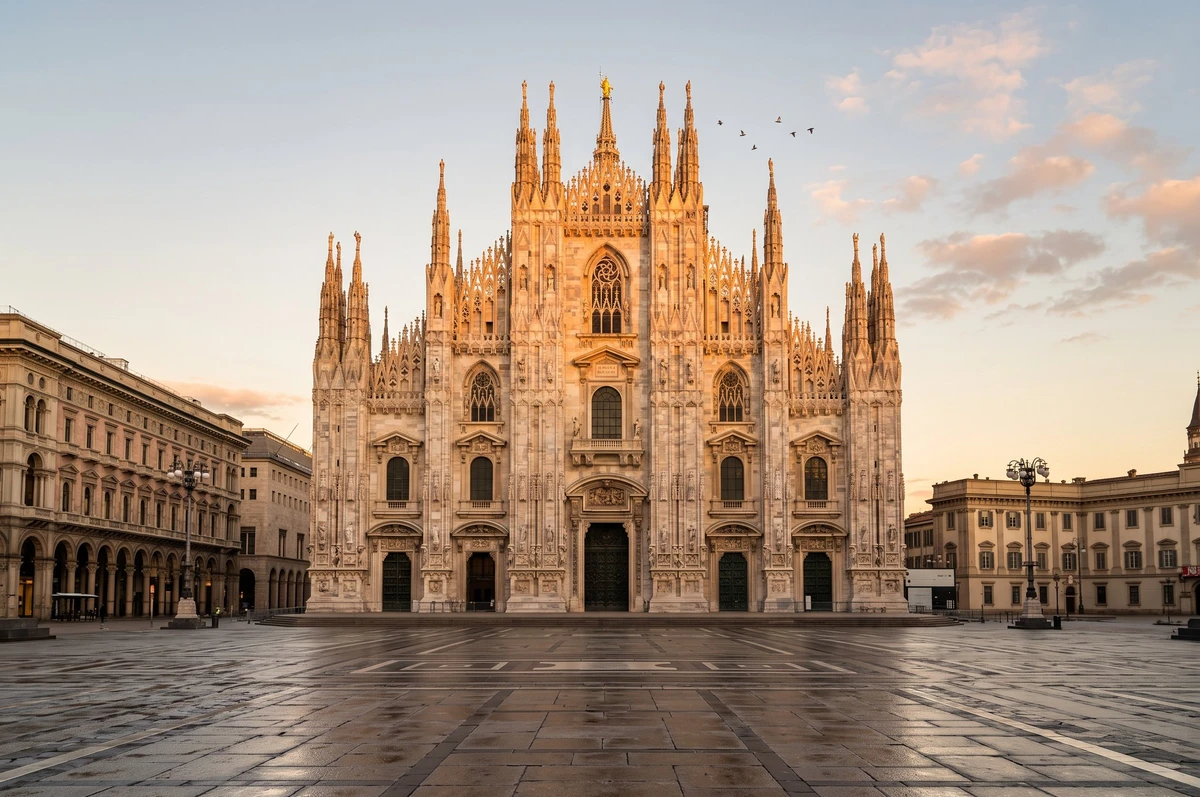

 Sardinia Tours · Airport Transfers · Flight Tickets


 Cinque Terre Tours · Airport Transfers · Flight Tickets


Services by city in Italy
Tours
Airport Transfers
Flight Tickets
Train Tickets
The essence of Italy
Italy is irreplaceable because it never stops being itself. In a single journey you can stand before Michelangelo's David in Florence, drift through Venice on water, watch Vesuvius rise over the Bay of Naples and walk the Arab-Norman palaces of Palermo. Every region guards its own dialect, its own pasta and its own pride. Art here is not locked away in museums; it lives on street corners, in market squares, at family tables and in the slow evening stroll Italians call the passeggiata.
Why visit Italy?
Two Thousand Years in Every Street
Italy holds more UNESCO World Heritage Sites than almost any nation on earth. In Rome you walk the Forum, enter the Pantheon and stand inside the Colosseum; at Pompeii, a Roman town lies frozen by Vesuvius. Florence gave the world the Renaissance through Brunelleschi, Botticelli and Michelangelo, Venice built a maritime empire on water, and Palermo's Arab-Norman monuments recall the centuries when Arabic was spoken in Sicilian courts.
Alps, Lakes, Volcanoes and Coast
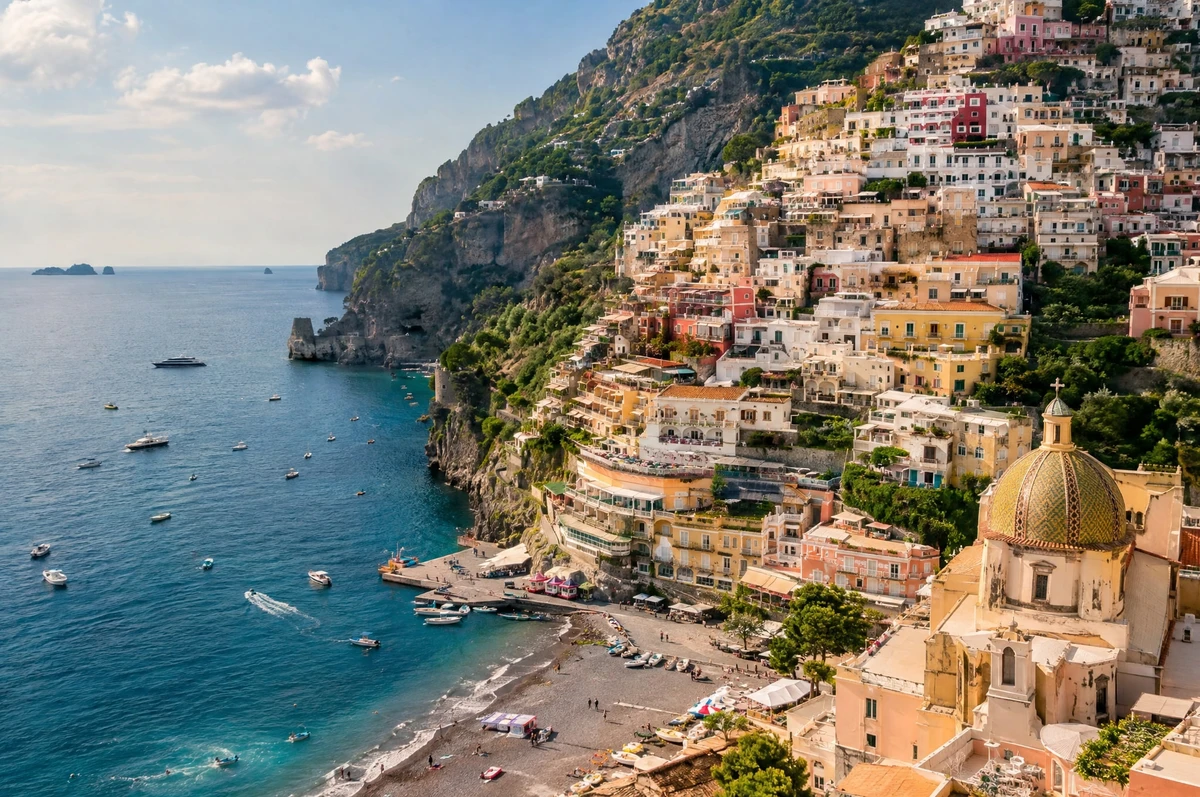
Italy's long boot runs from snowy Alpine peaks and the jagged Dolomites, past glacial lakes such as Como and Garda, down the cypress-lined hills of Tuscany to the plunging cliffs of the Amalfi Coast. In the south, Vesuvius watches over Naples and Capri rises from a sapphire sea, while in Sicily Mount Etna, Europe's tallest active volcano, smokes gently above lemon groves, pistachio orchards and honey-coloured Baroque towns.
The Art of the Italian Table
Food in Italy is fiercely regional. Rome means cacio e pepe and crisp fried artichokes, Naples means wood-fired pizza, a craft recognised by UNESCO, and Milan means golden saffron risotto. Sicily adds arancini, cannoli and almond granita eaten with warm brioche for breakfast. Then there is gelato, the evening passeggiata, long Sunday family lunches and the brisk ritual of espresso taken standing at the counter.
Moments Only Italy Can Give
Glide down Venice's Grand Canal in a gondola as the palazzi glow at sunset. Climb Brunelleschi's dome for a rooftop view of Florence, stand before Leonardo's Last Supper in Milan, and walk through the Vatican Museums to the Sistine Chapel. Take a boat into Capri's Blue Grotto, hear opera beneath the stars in Verona's Roman Arena, and hike the black lava slopes of Etna high above Catania.
Who is Italy for?
Ideal for
- Art and history lovers drawn to Rome, Florence and Venice
- Families wanting gelato, beaches and easy train travel
- Couples seeking lakeside villas, coastal sunsets and romance
- Food lovers exploring regional cooking and markets
- Shoppers heading for Milan's fashion streets and Florence's leather workshops
- Repeat visitors ready for Sicily and the south
Pace & travel style
- Rich and layered: fewer cities, longer stays in each
- High-speed trains make city-hopping fast and easy
- Mornings for monuments, afternoons for a long lunch and rest
- Blend city culture with lakes or coast for balance
When to visit Italy
Peak season · June–August
Summer brings long golden days, sea swims on the Amalfi Coast and in Sicily, and open-air opera in Verona. It also brings real heat, especially in Rome, Florence and the south, and the busiest crowds of the year at the Colosseum, the Vatican and Venice. Rates rise and time slots sell out, so we secure attraction tickets and transfers early and plan sightseeing for the cooler hours.
Shoulder season · April–May, September–October
Spring and autumn are Italy at its finest. Wisteria and roses bloom in April and May, the sea stays warm into October, and harvest season fills markets with chestnuts, figs and porcini. Temperatures are ideal for long walks through Rome and Florence, lake towns are calm yet open, and island ferries still run frequently. Book ahead around Easter, a busy week nationwide.
Low season · November–March
Winter is quieter and cooler, with fog over the northern plains, snow in the Alps and mild, often sunny days in Sicily. Some island and coastal hotels close, and Capri and Sorrento slow right down. In return, the great museums of Rome, Florence and Milan are calmer, Christmas markets brighten the cities, and Venice wrapped in winter mist feels almost private. Pack layers and an umbrella.
The regions of Italy and how to combine its cities
Italy unfolds in three broad parts plus its islands. The north is prosperous and Alpine, framed by the Dolomites and the great lakes, with Milan as its business and fashion capital, Venice floating on its lagoon and Verona poised between the mountains and the plain. Central Italy is the heartland of art: Tuscany with Florence and Pisa, and Rome, the Eternal City, spread across its seven hills.
The south, the Mezzogiorno, is warmer and more spontaneous, centred on Naples, its bay and the cliff-top towns of the Sorrento peninsula and Capri. Further south, Sicily feels almost like a country of its own, shaped by Greeks, Arabs and Normans, with Palermo and Catania as its great cities and Etna always on the horizon.
Our directory below covers Rome, Florence, Venice, Milan, Verona and Como in the centre and north, Pisa near the Tuscan coast, Naples, Sorrento and Capri in the south, and Catania and Palermo in Sicily. A classic week pairs Rome, Florence and Venice by high-speed train; ten days adds Milan, Como and Verona, while two weeks can sweep south to Naples, Sorrento and Capri or fly on to Sicily. Throughout, we arrange day tours, attraction tickets, private transfers and train, ferry and flight tickets.
Before you go: practical tips for Italy
Entry & visas
Italy is part of the Schengen area, so a Schengen visa issued for your trip, or visa-free status for eligible passports, covers short stays across most of Europe. Citizens of some Gulf countries enter visa-free, while others need a Schengen visa arranged in advance. The EU is also rolling out new electronic entry checks. Requirements depend on your passport, so confirm with the official Italian visa portal or embassy before booking.
Money, cards & tipping
Italy uses the euro, and cards and contactless payments are accepted in most hotels, shops and restaurants, though small cafés, markets and some taxis still prefer cash. Restaurants often add a small cover charge for bread and service, so tipping is modest: rounding up or leaving around five to ten percent for excellent service is plenty. Prices are fixed in shops; gentle bargaining only works at flea markets.
Etiquette & dress code
Italian churches, including St Peter's Basilica and the Vatican Museums, require covered shoulders and knees, and guards do turn visitors away, so carry a light scarf. Photography without flash is usually fine, but never during Mass. Greet shopkeepers with a cheerful buongiorno, dress neatly in the cities, and respect local rules such as not sitting on the Spanish Steps or picnicking on church steps in Florence and Venice.
Getting around
High-speed trains are the backbone of Italian travel, linking Milan, Venice, Florence, Rome and Naples in a few comfortable hours, and we issue train tickets on these routes. Ferries reach Capri and the islands, while domestic flights are the smart way to Sicily. For airports, hotel doors and scenic routes such as the Amalfi Coast or Lake Como, our private chauffeured transfers remove every logistical worry.
Must-do things in Italy
- Step inside the Colosseum and walk the Roman Forum at golden hour.
- See the Sistine Chapel ceiling on a guided Vatican Museums visit.
- Glide along the Grand Canal in Venice by gondola or water bus.
- Climb Brunelleschi's dome for a sweeping view over Florence's terracotta rooftops.
- Book a timed visit to Leonardo's Last Supper in Milan.
- Take a boat around Capri and into the luminous Blue Grotto.
- Walk the excavated streets of Pompeii in the shadow of Vesuvius.
- Eat a true Neapolitan pizza in the historic centre of Naples.
- Cruise Lake Como between Bellagio, Varenna and their lakeside villa gardens.
- Hike the lava fields of Mount Etna, then taste almond granita in Catania.
Do’s and don’ts in Italy
Do
- Carry a scarf to cover shoulders and knees in churches.
- Book major museums and the Last Supper well in advance.
- Travel between cities by high-speed train to save time and stress.
- Say buongiorno or buonasera when entering shops and cafés.
- Keep our WhatsApp line handy for drivers, tickets and timings.
Don’t
- Don't sit on the Spanish Steps or eat on church steps.
- Don't swim in Venice's canals or feed the pigeons in its squares.
- Don't order a cappuccino after lunch if you want to blend in.
- Don't leave bags unattended in crowded stations and metro carriages.
- Don't try to see every city in one trip; fewer stops, deeper days.
Italy at a glance
Plan Italy with Haqqi Tours
Every option is confirmed by our team on WhatsApp before you pay, and delivered by our own people or by trusted local partners we work with in every city. Because we send travellers from all over the world, our partners give us special rates and priority, so you always receive the best. Prices are per person unless marked per vehicle.
About Haqqi Tours: About us Contact us Legal NoticePrivacy PolicyCookies & Marketing PreferencesTerms & ConditionsBooking, Payment & Refunds
Good to know
Frequently Asked Questions
Straight answers to what travellers ask most about Italy.
Is it safe to visit Italy?
Yes. Italy is a safe and welcoming country for visitors, including families and solo travellers. The main concern is petty theft, especially pickpocketing in busy stations, metros and around major monuments in Rome, Naples, Florence and Venice, so keep bags zipped and close. Check your government's official travel advice before departure and keep our WhatsApp line handy.
How many days do I need for a first trip to Italy?
Seven to ten days is ideal for a first trip to Italy: three nights in Rome, two or three in Florence and two in Venice, linked by high-speed train. With ten to fourteen days, add Milan and Lake Como, or head south to Naples, Sorrento and Capri. Sicily deserves its own week on a later visit.
What is the best way to travel between Italy's major cities?
High-speed trains are the fastest, most relaxing way between Italy's major cities, often quicker than flying once you count airport time. Ferries serve Capri and the Bay of Naples, and domestic flights reach Sicily. We issue train, ferry and flight tickets, and our private chauffeured transfers connect airports, stations and hotels door to door.
Can a trip to Italy be tailored for luxury or private travel?
Certainly. We tailor Italy with private airport transfers, chauffeured cars for the Amalfi Coast and Lake Como, private guides on our day tours, timed attraction tickets and first-class train seats. Families can travel at their own pace, with halal dining suggestions and quiet prayer breaks. Share your wishes with our team on WhatsApp and we design the route around you.
Is Italy tourist friendly?
Very. Italy has welcomed travellers for centuries, and its major cities are well signed, well connected and used to visitors from around the world. English is common in hotels and tourist areas, less so in small towns. Halal restaurants exist in Rome, Milan and Florence, seafood and vegetarian dishes are everywhere, and our team on WhatsApp is always ready to help.
Is it safe to travel to Italy now?
Italy is generally calm and stable for travellers, and its cities and coasts welcome visitors throughout the year. Strikes occasionally affect trains or flights, so keep plans a little flexible. Check the official travel advice of your own government shortly before departure. During your trip, our team and drivers stay reachable on WhatsApp and we adjust plans whenever needed.
What is the best time to visit Italy?
The best time to visit Italy is April to June and September to October, when the weather is warm, the light is golden and crowds are more manageable. July and August are hot and busy but perfect for the coast and islands. Winter suits museum lovers, Christmas markets and skiing in the Alps.
What is Italy famous for?
Italy is famous for the Colosseum and ancient Rome, Renaissance art in Florence, the canals of Venice and the treasures of the Vatican. It is also loved for pizza, pasta and gelato, Milan's fashion, the Amalfi Coast and Lake Como, volcanoes such as Vesuvius and Etna, and a way of life built around family, beauty and the table.
Which season suits a family trip across Rome, Milan and Venice
Spring and autumn bring mild weather for walking between the historic centers, while the busier summer months suit families more interested in the coastline and longer evening hours outdoors.
How are the train connections between Italian cities booked with Haqqi Tours
The WhatsApp desk arranges each leg, such as Milan to Rome or Rome to Florence, sending the schedule and a fixed price in writing before any ticket is issued to the family.
Does the Rome city tour include private transport for the family
Yes, the Rome Bus Tour and the Rome Airport transfer both run with a dedicated vehicle and driver rather than a shared group service, which suits families traveling with young children.
Which cities in Italy does Haqqi Tours cover?
Milan, Rome, Venice, Sardinia, Florence, Bari, Catania, Naples, Genoa, Pisa, Palermo, Sorrento, Verona, Cinque Terre, Turin, Como and Capri. Each city has its own page with everything available there, and a trip across several cities is planned in one WhatsApp conversation.
What can I book in Italy?
Day tours, attraction tickets, private airport transfers, flight tickets, train tickets and ferry tickets - all run or confirmed by Haqqi Tours, each with a fixed price agreed on WhatsApp before you pay.
How do I book a tour or transfer in Italy?
Fill in the form on the page you are interested in, or message us on WhatsApp with the date, the number of travellers and your hotel. A member of our team confirms the price and the details in writing within minutes.
Are the prices fixed?
Yes. Every price is agreed in writing on WhatsApp before you travel and does not change on the day - not for traffic, not for a late flight, not for the hour.
Do you arrange transfers between cities in Italy?
Yes. Intercity transfers by private car or van are booked the same way as airport transfers; tell the desk the two hotels and the date and it quotes a fixed price for the whole vehicle.