
Kenya
Haqqi Tours arranges day tours, private airport transfers, attraction tickets and multi-day packages across Kenya, confirmed on WhatsApp before you pay.
In Kenya the savannah wakes slowly. Mist hangs over the Masai Mara as a herd of elephants walks in single file towards the river, a Maasai herder in a red shuka leads his cattle along the ridge, and somewhere beyond the acacias a lion calls once and falls silent. In Nairobi the morning is different: giraffes graze against the skyline of a capital city, and on the coast the muezzin of Mombasa’s Old Town calls over dhows resting on the tide.
Destinations
Choose a city to see everything we arrange there.
Services by city in Kenya
The essence of Kenya
Then comes the moment that stops every traveller: a cheetah rising from the grass at full stretch, or wildebeest plunging into the Mara River in a cloud of dust and spray. Kenya is irreplaceable because the classic safari, the snow of Mount Kenya, the flamingo lakes of the Rift Valley and a warm Swahili coast of coral reefs and white sand sit within a few hours of each other. We arrange guided safaris and day tours from Nairobi, coastal excursions from Mombasa, Diani and Watamu, private airport transfers and flight and train tickets, and we confirm every detail with you on WhatsApp.
Why visit Kenya?
The Masai Mara and the Great Plains
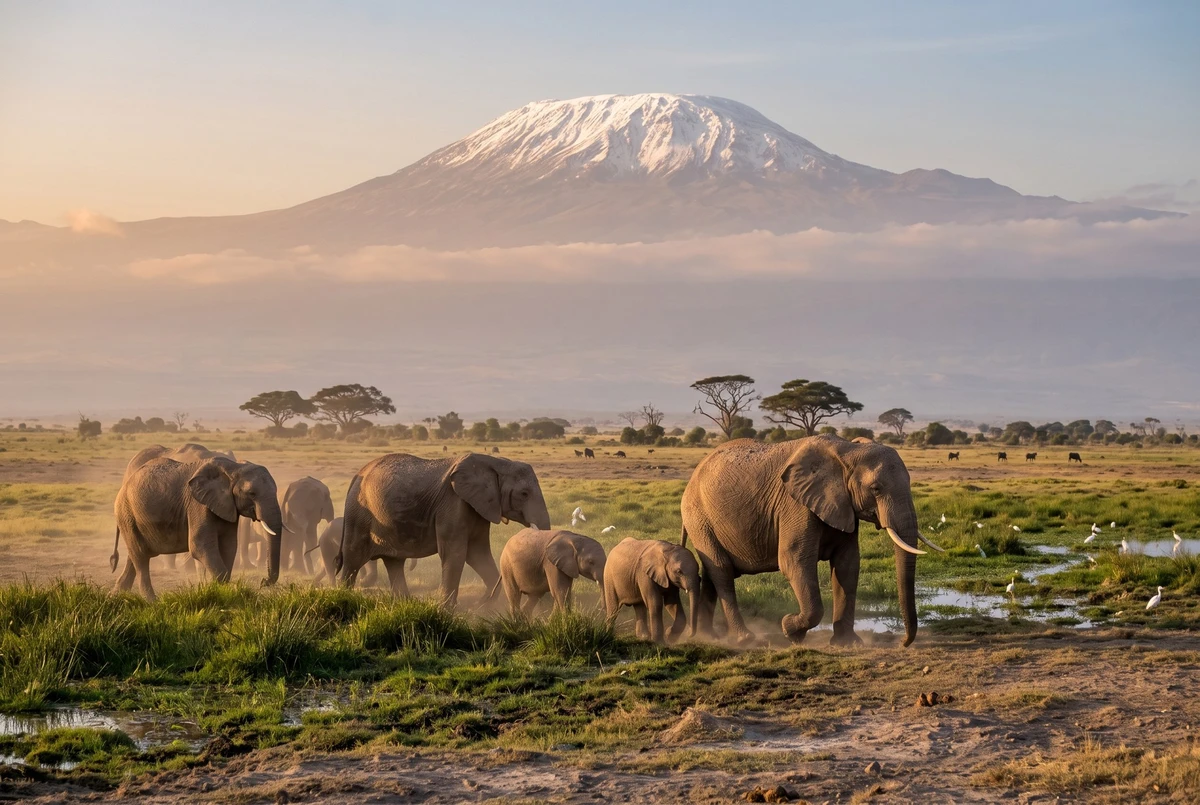
The Masai Mara is the stage for the most famous wildlife drama on Earth. Between July and October, vast herds of wildebeest and zebra cross from the Serengeti into the Mara, braving the crocodiles of the Mara River, while lions, leopards, cheetahs and hyenas follow. Outside the migration the Mara remains superb all year, with big cats, elephants, giraffes and rhinos on open plains that make them easier to spot. Amboseli adds elephant herds walking beneath the snows of Kilimanjaro, Lake Nakuru its rhinos and flamingos, and Tsavo its red-dust elephants and lava landscapes. Sightings are never guaranteed, which is what keeps every drive exciting.
Nairobi, the Rift Valley and Mount Kenya
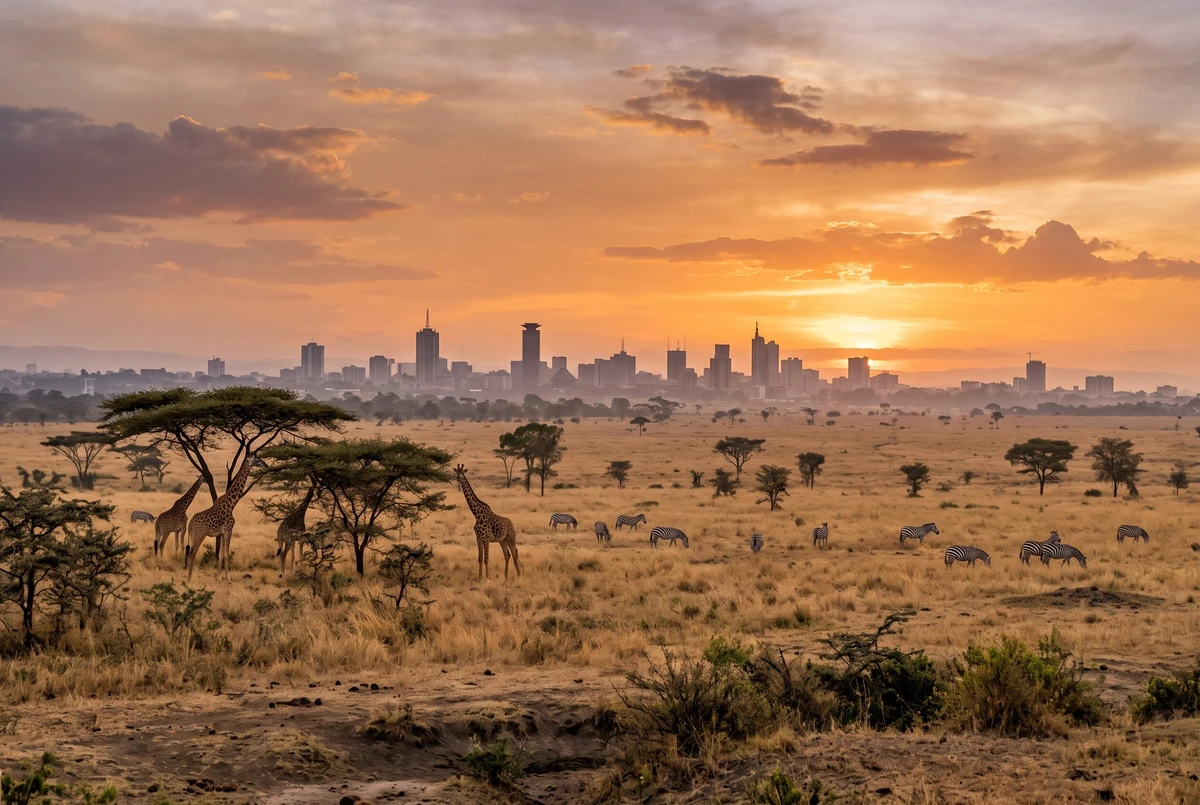
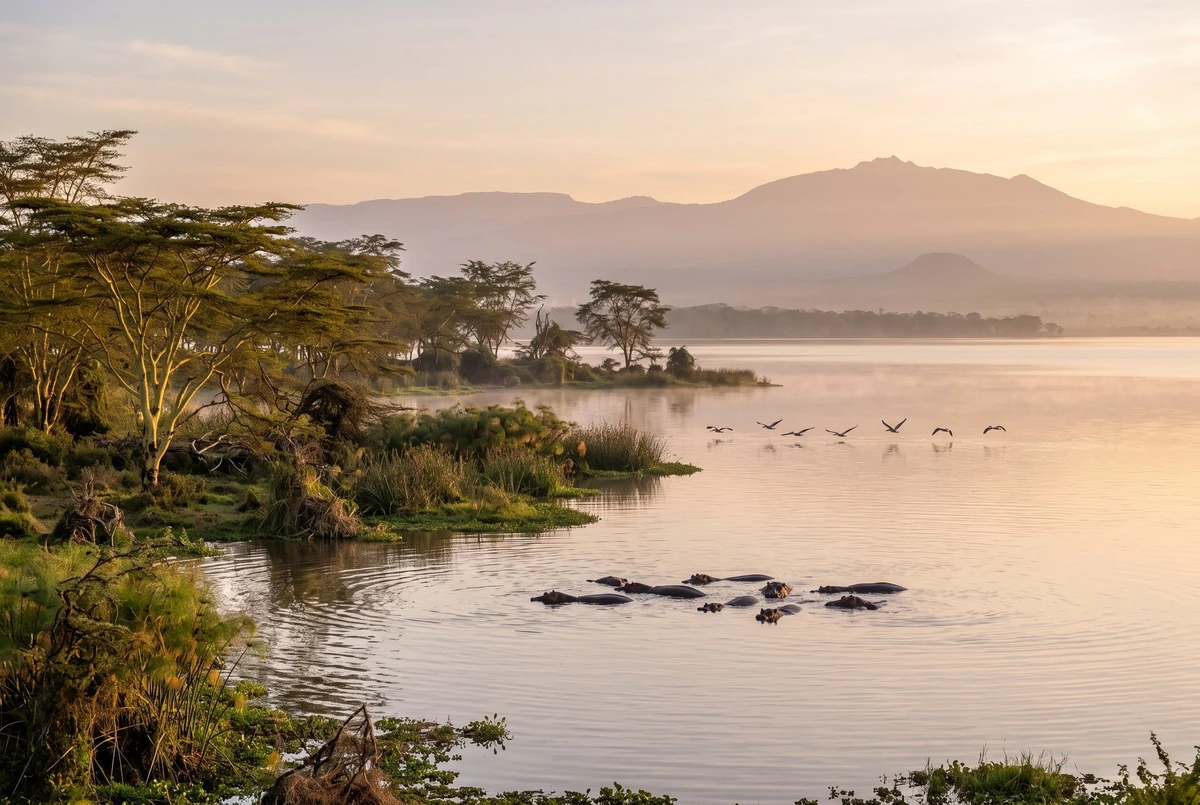
Nairobi is the only capital with a national park on its doorstep, where rhinos and lions roam against a backdrop of office towers. The city also keeps a giraffe sanctuary, an orphanage for rescued elephants and the cultural villages of Bomas of Kenya, and Kenyan cuisine, from nyama choma grilled meat to ugali, sukuma wiki and coastal pilau, is easy to find. An hour or two away the Great Rift Valley drops into view, with Lake Naivasha’s hippos, the walkable Crescent Island, the gorges and hot springs of Hell’s Gate, the climb up Mount Longonot and the flamingos of Lake Nakuru. To the north, Mount Kenya’s glaciers and forests crown the country.
Swahili Coast and Coral Reefs
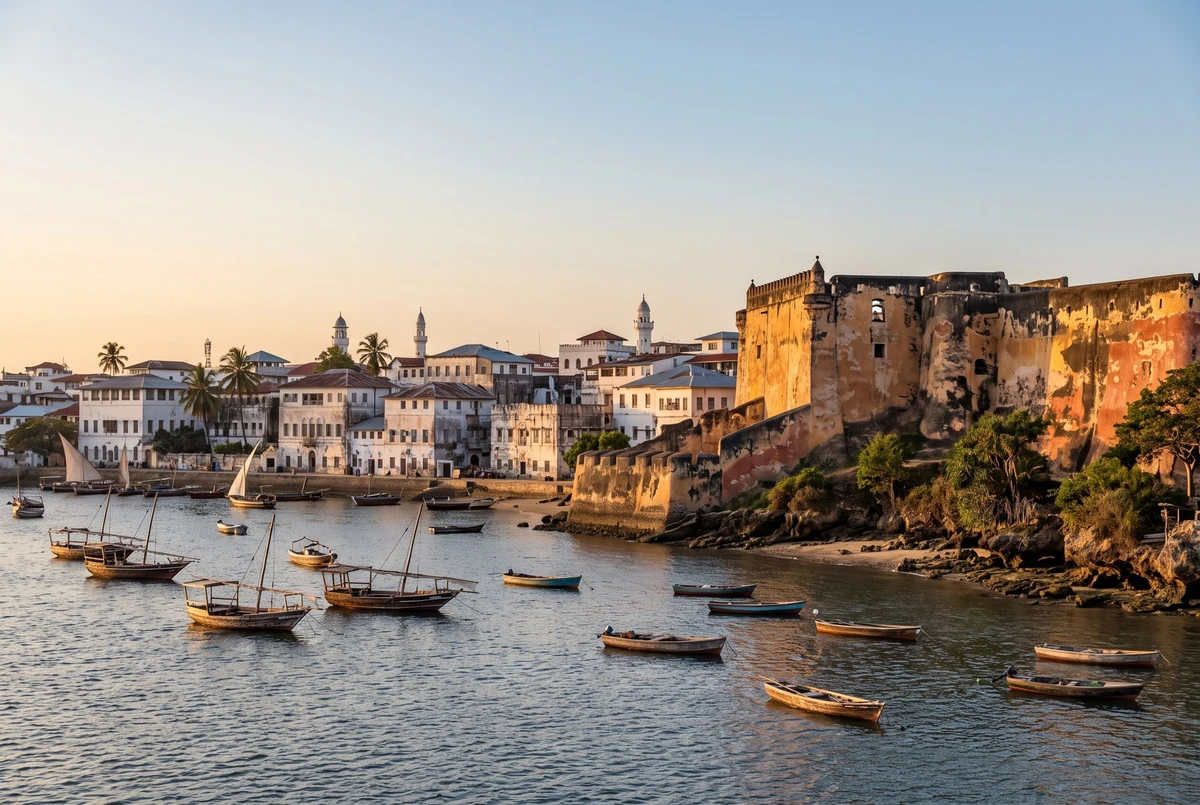
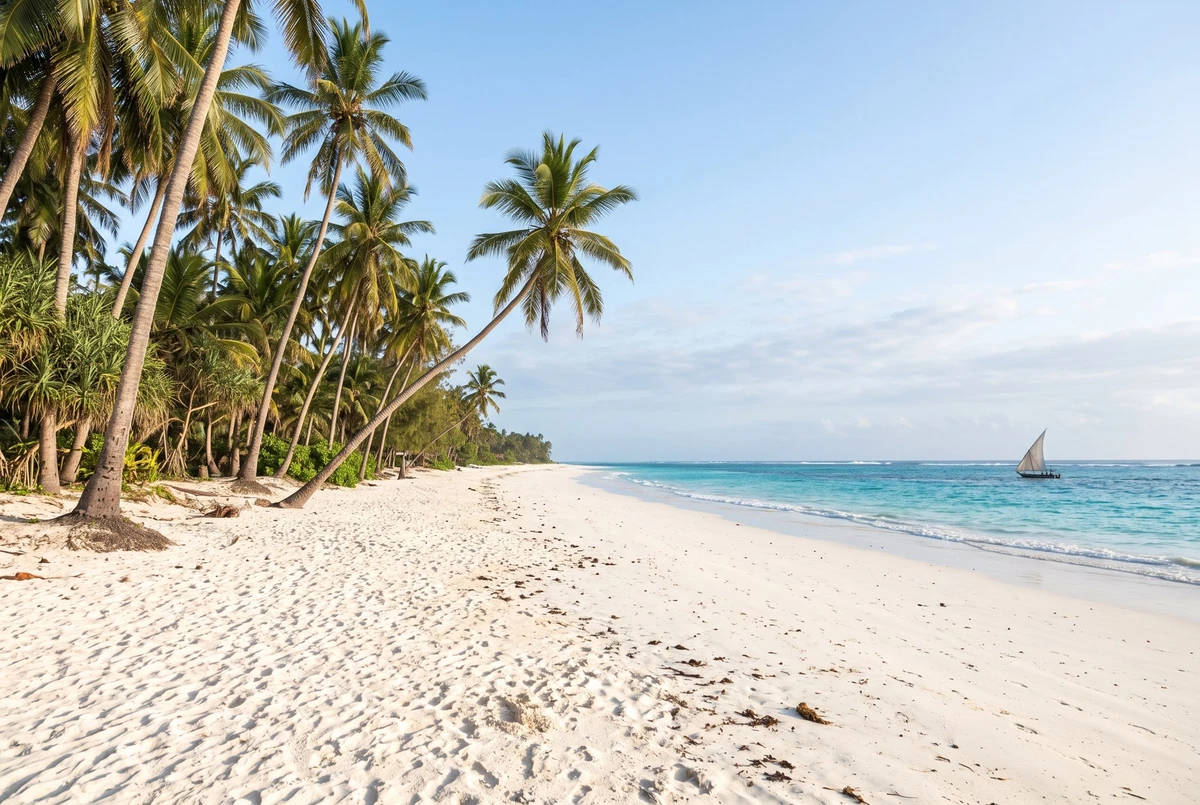
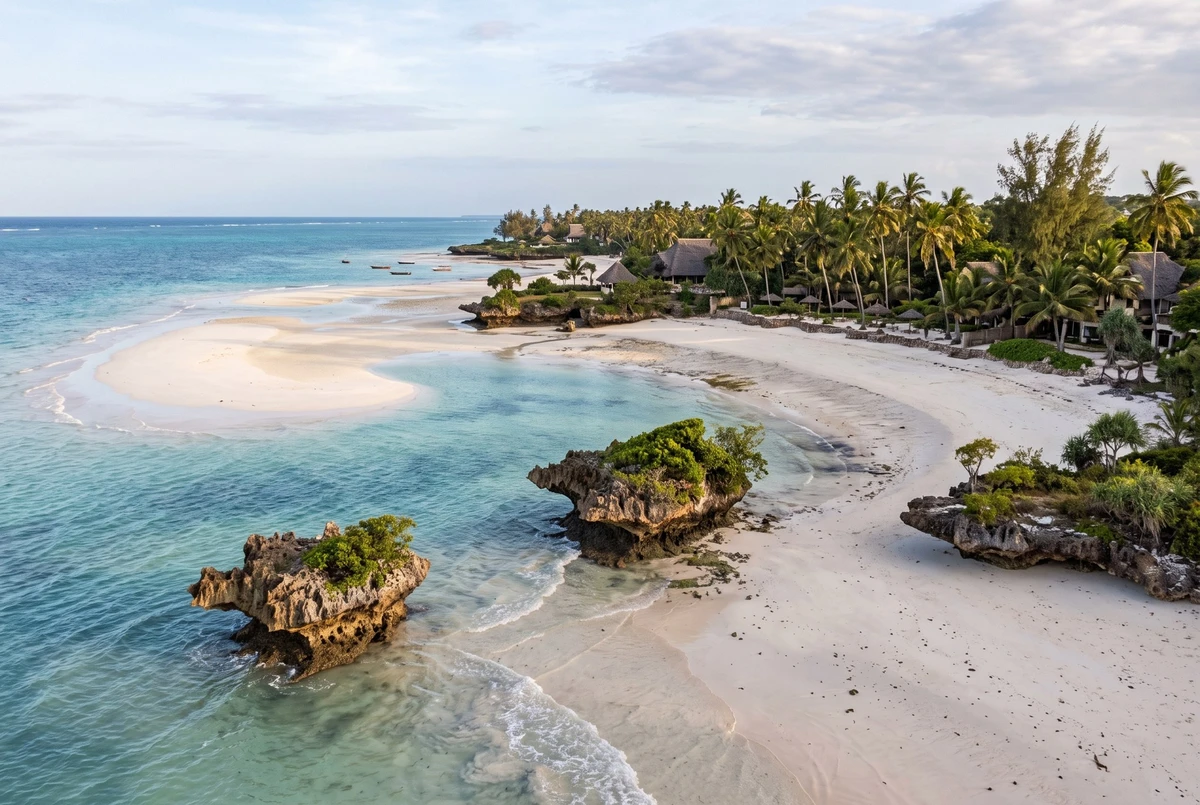
Kenya’s coast is a different world, shaped by centuries of trade with Arabia, Persia and India. Mombasa’s Old Town holds carved balconies, old mosques and the Portuguese-built Fort Jesus, and halal food is everywhere thanks to the coast’s large Muslim community: biryani, pilau, coconut-bean dishes and grilled fish with lime. South of the city, Diani Beach is a long ribbon of white sand with dolphins and reefs at Kisite marine park and the mangroves and forested hills of Shimba behind. North lie Watamu’s marine park, the mangrove creek of Mida, the ruined Swahili town of Gede and the quiet beaches of Malindi.
Experiences You Can Only Have in Kenya
Watch the sun rise from a hot-air balloon over the Masai Mara and land to breakfast on the plains. Feed a giraffe at eye level in Nairobi and watch orphaned elephant calves splash in the mud. Walk or drive past zebras and giraffes between the cliffs of Hell’s Gate, then boat among hippos on Lake Naivasha. Sail a dhow at sunset off Diani, snorkel with turtles at Watamu, ride the modern train between Nairobi and Mombasa past herds in Tsavo, and share a meal in a Maasai village where the elders explain the life of the herders.
Who is Kenya for?
Ideal for
- First-time safari travellers wanting the classic experience
- Families who want animals, beaches and short distances
- Honeymooners pairing the Mara with a Diani or Watamu beach
- Birdwatchers drawn to the Rift Valley lakes
- Photographers chasing big cats and migration crossings
- Travellers who want halal food and a welcoming Muslim coast
Pace & travel style
- Nairobi for safari, the coast for the sea: two bases cover the country
- Game drives run at dawn and late afternoon, with a long rest at midday
- Allow a full day of driving or a short flight between Nairobi and the Mara
- Finish on the coast so the holiday ends with rest, not a road
When to visit Kenya
Peak season · July–October
The cool dry season is Kenya’s classic safari time. Grass is short, animals gather at rivers and waterholes, and the wildebeest and zebra herds arrive in the Masai Mara from the Serengeti, with river crossings most likely between late July and September. Days are warm and nights can be chilly in the highlands, so pack a fleece for early game drives. The coast is dry and breezy with a slightly cooler sea. These are the busiest months, so camps, flights and transfers should be reserved well ahead.
Shoulder season · December–February
After the short rains, a warm and mostly dry spell brings green plains and clear skies. Wildlife viewing is excellent across the Mara, Amboseli and the Rift Valley lakes, and the views of Kilimanjaro from Amboseli are at their sharpest in the mornings. The coast is hot, sunny and calm, with the warmest sea of the year and fine visibility for snorkelling and diving at Watamu and Kisite. The year-end holiday weeks are busy, but January and February combine great wildlife with fewer vehicles.
Low season · March–May, November
The long rains fall from March to May, heaviest in April, bringing afternoon downpours, muddy tracks and the occasional closed camp, while the short rains of November are lighter and brief. In return the parks are lush and quiet, newborn animals and migrant birds fill the plains, and lodges offer better value. On the coast the sea can be rough and some beach hotels close for maintenance. Pack a light rain jacket, keep plans flexible and ask us which parks are driest in a given week.
The regions of Kenya and how to combine its cities
Kenya divides naturally into three travel zones. The centre is Nairobi, the capital and gateway, with its own national park, giraffe and elephant sanctuaries and the green highlands around it. From the city, roads and light aircraft fan out to the great parks: the Masai Mara in the south-west, Amboseli at the foot of Kilimanjaro to the south, and Tsavo on the road to the coast. North of Nairobi, the Great Rift Valley holds Lake Naivasha, Hell’s Gate, Mount Longonot and Lake Nakuru, while Mount Kenya rises beyond.
The Indian Ocean coast is the second zone. Mombasa is its historic heart, with the Old Town, Fort Jesus and Nyali beach, and the gateway to Tsavo East on safaris from the sea. South across the ferry, Diani Beach stretches towards Wasini Island and the Kisite marine park, with Shimba Hills inland. North of Mombasa, Watamu and Malindi offer a marine park, Mida Creek’s mangroves, the ruins of Gede and the Arabuko Sokoke forest, all within easy reach of Malindi’s airport.
Our city directory below covers Nairobi, Naivasha, Mombasa, Diani and Watamu, the natural bases for exploring the country. From Nairobi we run day tours and two- to five-day safaris to the Mara, Amboseli and Lake Nakuru; from Naivasha, boat trips and Hell’s Gate; and from the coast, dhow cruises, snorkelling, dolphin outings and Tsavo safaris, while our private drivers handle airport, station and hotel transfers. Pairing three or four safari nights with a week on the coast builds the ideal Kenya itinerary.
Before you go: practical tips for Kenya
Entry & visas
Kenya has replaced visas for most visitors with an electronic travel authorisation, the eTA, which is applied for online through the official government portal before departure and is usually approved within a few days. Citizens of several African countries are exempt. A passport valid for at least six months, a return ticket and accommodation details are normally required, and proof of yellow fever vaccination is needed if you arrive from a country where the disease is present. Rules depend on your passport and change from time to time, so check the official portal or the nearest embassy before booking.
Money, cards & tipping
The Kenyan shilling is the currency. Cards are accepted in hotels, malls, supermarkets and larger restaurants, and mobile money is used everywhere by locals, but carry cash for markets, small cafés, curio sellers and tips; ATMs are common in cities and at the airports. US dollars are often accepted for safaris and park fees. Tipping safari guides, drivers and camp staff for good service is customary, and prices at markets and craft stalls can be bargained with a smile.
Etiquette & dress code
Kenyans are friendly and formal in greeting; a handshake and “jambo” or “habari” open every encounter. Dress is relaxed in Nairobi and on safari, but the coast is largely Muslim and conservative: cover shoulders and knees in Mombasa’s Old Town, coastal villages and markets, and keep swimwear for the beach and hotel. During Ramadan, avoid eating or drinking in public on the coast during fasting hours. Always ask before photographing people, especially the Maasai, and follow your guide around wildlife; keeping distance protects the animals and improves the sighting.
Getting around
Nairobi and Mombasa are linked by the modern Madaraka Express train in about five to six hours, with daily departures, and by flights of about an hour; flights also connect Nairobi with Diani and Malindi. The Masai Mara is a long day’s drive or a short light-aircraft flight from Nairobi, and Amboseli, Lake Nakuru and Naivasha are easy road journeys. Safari parks are explored in four-wheel-drive vehicles with a driver-guide, and we arrange private transfers at the airports, the train stations and between hotels, issuing train and flight tickets for onward travel.
Must-do things in Kenya
- Watch big cats hunt on the open plains of the Masai Mara
- See the wildebeest cross the Mara River in the dry season
- Photograph elephants beneath Kilimanjaro in Amboseli
- Feed a giraffe at eye level in Nairobi
- Watch orphaned elephant calves at their mud bath
- Walk among zebras and giraffes on Crescent Island at Naivasha
- Spot rhinos and flamingos at Lake Nakuru
- Explore Mombasa’s Old Town and the ramparts of Fort Jesus
- Sail a dhow and snorkel with dolphins at Kisite off Diani
- Watch turtles glide over the reef at Watamu Marine Park
Do’s and don’ts in Kenya
Do
- Apply for your eTA online before you fly
- Book Mara camps and flights months ahead for the migration season
- Pack a warm layer for dawn game drives in the highlands
- Take malaria precautions and bring sun protection and a hat
- Dress modestly in Mombasa’s Old Town and coastal villages
Don’t
- Don’t ask your guide to leave the track or crowd the animals
- Don’t photograph people, especially the Maasai, without asking
- Don’t walk alone on city streets after dark
- Don’t buy shells, coral or wildlife products as souvenirs
- Don’t eat or drink publicly on the coast during Ramadan fasting hours
Kenya at a glance
Plan Kenya with Haqqi Tours
Every option is confirmed by our team on WhatsApp before you pay, and delivered by our own people or by trusted local partners we work with in every city. Because we send travellers from all over the world, our partners give us special rates and priority, so you always receive the best. Prices are per person unless marked per vehicle.
About Haqqi Tours: About us Contact us Legal NoticePrivacy PolicyCookies & Marketing PreferencesTerms & ConditionsBooking, Payment & Refunds
Good to know
Frequently Asked Questions
Straight answers to what travellers ask most about Kenya.
Is it safe to visit Kenya?
Yes. Kenya is one of Africa’s most experienced safari destinations, and its parks, camps and beach resorts are well organised for visitors. Take ordinary care with valuables in Nairobi and Mombasa, avoid walking alone after dark, follow your guide around wildlife, and check your own government’s official travel advice before departure. Use licensed transport such as our private transfers, and keep our WhatsApp line handy throughout your stay.
How many days do I need for a first trip to Kenya?
Ten days is ideal for a first trip. Spend a day in Nairobi with the giraffe and elephant sanctuaries, three nights in the Masai Mara, a night or two at Naivasha or Lake Nakuru, then take the train or a flight to the coast for four or five nights at Diani or Watamu. With a week only, choose a three-day Mara safari and four nights on the coast.
What is the best way to travel between Kenya’s main areas?
Light-aircraft flights are the quickest way into the Masai Mara, while Amboseli, Naivasha and Lake Nakuru are comfortable road journeys from Nairobi in a four-wheel-drive with your driver-guide. Between Nairobi and the coast, the Madaraka Express train takes about five to six hours and flights about an hour. We issue train and flight tickets and arrange private transfers at every airport, station and hotel.
Can a trip to Kenya be tailored for luxury or private travel?
Absolutely. Kenya offers elegant tented camps in the Mara, private conservancies with fewer vehicles, and beach villas on Diani and Watamu. We can tailor a private safari vehicle with your own guide, light-aircraft flights between parks, chauffeured transfers in premium vehicles and a relaxed family pace, then confirm every detail with you on WhatsApp before anything is paid.
Is Kenya tourist friendly?
Very. Kenyans are warm and welcoming, English is an official language alongside Swahili, and safari guides are superbly trained. The coast has a large Muslim community, so halal food, mosques and modest dress are the norm around Mombasa, Diani and Watamu, and halal restaurants are easy to find in Nairobi too. Every traveller will feel instantly welcome, and our team is always available to help.
Is it safe to travel to Kenya now?
Kenya continues to welcome visitors, and its main areas, including Nairobi, the Masai Mara, the Rift Valley lakes and the coast, operate normally. Heavy rain can occasionally close tracks, and city demonstrations are best avoided, so check your own government’s official travel advice before departure. Keep our WhatsApp line handy; our team can adjust transfers and tours if your plans change.
What is the best time to visit Kenya?
July to October is the best time to visit Kenya, with dry weather, short grass and the wildebeest migration in the Masai Mara. January and February are warm and dry with excellent wildlife and the calmest, warmest sea on the coast, while March to May is the rainy season, lush and quiet with better value.
What is Kenya famous for?
Kenya is famous for the Masai Mara and the Great Migration, the classic safari and the Maasai people. It is also known for Amboseli’s elephants beneath Kilimanjaro, the flamingo lakes of the Great Rift Valley, Nairobi’s giraffes and rhinos on the city’s edge, Mombasa’s Swahili Old Town and the white beaches and coral reefs of Diani and Watamu.
Which cities in Kenya does Haqqi Tours cover?
Nairobi, Mombasa, Diani, Naivasha and Watamu. Each city has its own page with everything available there, and a trip across several cities is planned in one WhatsApp conversation.
What can I book in Kenya?
Day tours, private airport transfers, flight tickets and train tickets - all run or confirmed by Haqqi Tours, each with a fixed price agreed on WhatsApp before you pay.
How do I book a tour or transfer in Kenya?
Fill in the form on the page you are interested in, or message us on WhatsApp with the date, the number of travellers and your hotel. A member of our team confirms the price and the details in writing within minutes.
Are the prices fixed?
Yes. Every price is agreed in writing on WhatsApp before you travel and does not change on the day - not for traffic, not for a late flight, not for the hour.
Do you arrange transfers between cities in Kenya?
Yes. Intercity transfers by private car or van are booked the same way as airport transfers; tell the desk the two hotels and the date and it quotes a fixed price for the whole vehicle.
Can you plan a full itinerary across Kenya?
Yes - tell the desk your dates, the cities you want and who is travelling, and it proposes a day-by-day plan with the tours, transfers and tickets priced in writing. You adjust it in the same chat before confirming.
Are your tours private or in a group?
Both exist, and the page of each tour says which. Private tours have a car and guide for your party alone; small-group tours share a guide with a few other travellers. The desk can convert most group tours into a private day on request.
Do the drivers and guides speak Arabic?
It depends on the country, the city and the day, so we do not promise a particular language for the driver or guide. Tell us your preference and we do our best; the WhatsApp desk itself always works in Arabic and English.