
Watamu
Plan Watamu with Haqqi Tours: day tours, private airport transfers, attraction tickets and packages, run by our own team and confirmed on WhatsApp in Arabic or English.
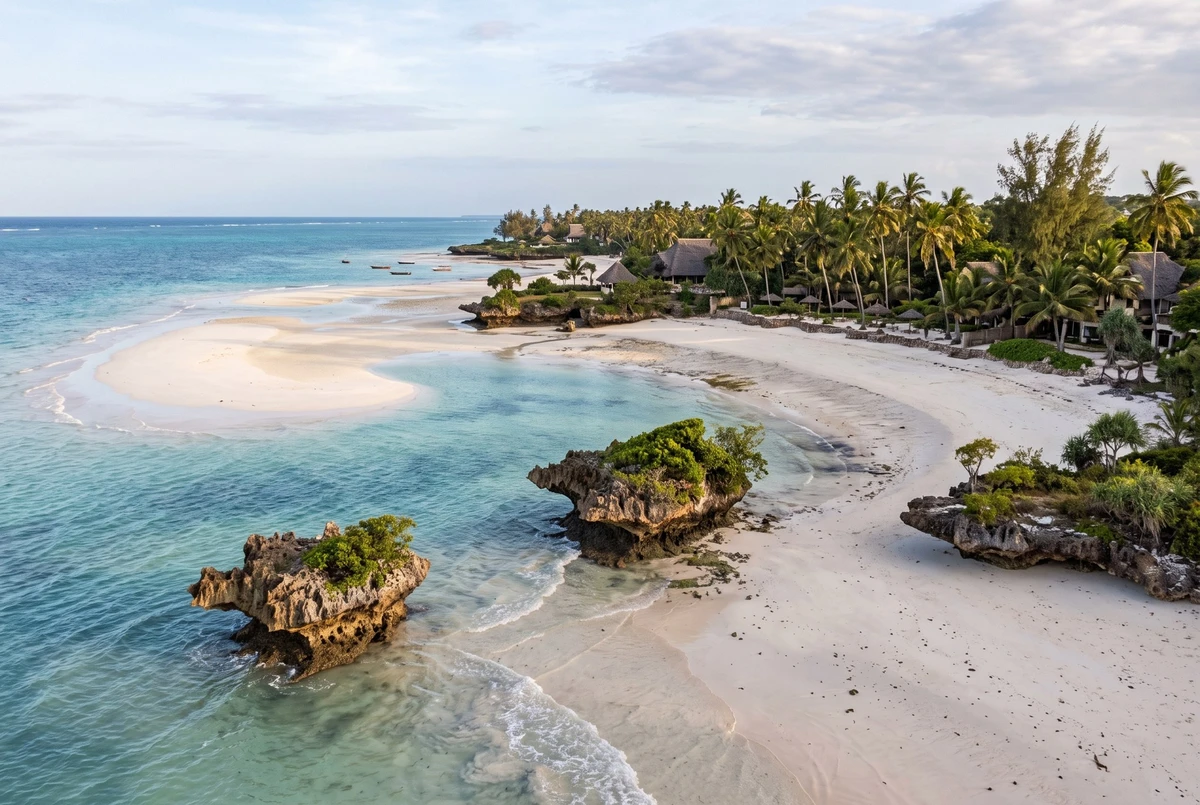
At first light in Watamu the bay is glassy and the coral islets off Turtle Bay stand like dark sculptures against a pink sky. Fishermen row out past the reef, a sea turtle lifts its head in the shallows, and from the mangroves of Mida Creek comes the whistle of kingfishers and the slow flap of a heron. By breakfast the sand is bright white and the water has turned the clear turquoise that gives the marine park its name.
Nothing matches those filters yet. Widen your search or message us on WhatsApp.



Watamu at first sight
Watamu sits on Kenya's north coast, about two hours from Mombasa and half an hour south of Malindi. It is smaller and gentler than the big resorts, with a marine national park at the door, a mangrove creek behind it, the ruined Swahili town of Gede in the forest, and the Arabuko Sokoke woodland alive with rare birds. It is a place for snorkelling, birdwatching and slow days by the sea.
Why include Watamu in your itinerary?
- A marine park at your doorstep. Watamu Marine National Park protects coral gardens, turtles and reef fish in calm, shallow water, so snorkelling and glass-bottom boat trips start right from the beach.
- Mangroves, forest and ruins. Mida Creek, the Arabuko Sokoke forest and the ruins of Gede lie within minutes of each other, offering birds, elephants, monkeys and a lost Swahili city in a single day.
- A relaxed village feel. Watamu is a small community of fishermen and boutique hotels rather than a resort strip, with three sheltered bays, Swahili food and a warm welcome.
Signature experiences in Watamu
Snorkelling the Watamu Marine Park
The coral gardens inside the marine park lie a short boat ride from the beach, in water shallow and clear enough for first-time snorkellers. Expect parrotfish, angelfish, moray eels and, with luck, green turtles grazing on the seagrass. Glass-bottom boats suit children and non-swimmers. Our guided day tours include the park entry, boat and equipment, timed for the high tide when visibility is best. Marine life is wild, and sightings are never guaranteed.
Mida Creek at Sunset
Behind Watamu, Mida Creek is a wide tidal inlet of mangrove forest and sandbanks, famous for crab plovers, flamingos in season and the local Giriama fishermen in their canoes. A suspended boardwalk leads through the mangroves to a bird hide, and a sunset canoe or dhow trip across the creek is one of the most peaceful experiences on the coast. We arrange the visit with a community guide and transfers from your hotel.
Gede Ruins and Arabuko Sokoke Forest
Hidden in the forest a few minutes inland, the Gede ruins are the coral-stone remains of a Swahili trading town abandoned centuries ago, with a palace, mosques, tombs and wells among giant baobabs where Sykes' monkeys play. Next door, the Arabuko Sokoke forest is the largest coastal forest in East Africa, with elephants, rare golden-rumped elephant shrews and endemic birds. Our guided day tours combine both with a local naturalist.
Malindi and Marafa Hell's Kitchen
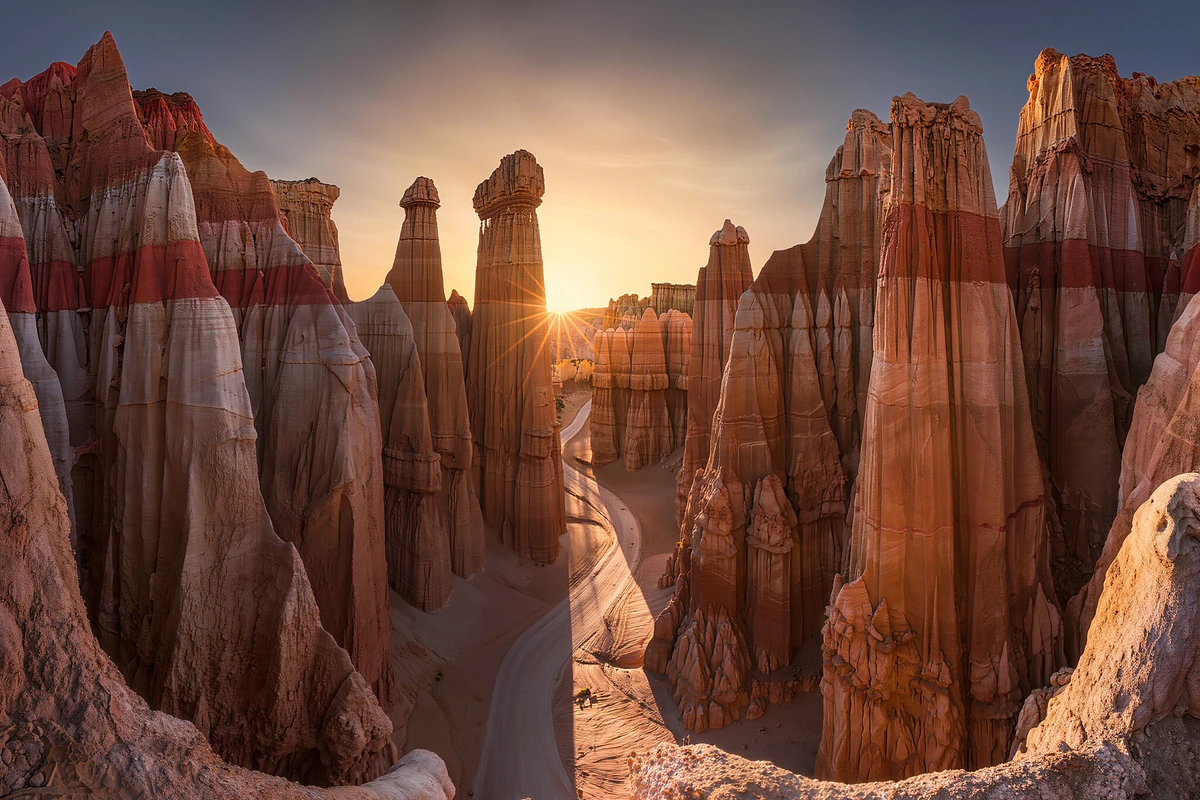
Half an hour north, Malindi is an old Swahili port with a lively seafront, a historic Portuguese pillar, mosques and a coastal museum. Inland, the sandstone canyon of Marafa, known as Hell's Kitchen, glows red and white in the late afternoon light. We combine Malindi town with a sunset at Marafa in a relaxed day trip with a private driver, returning to Watamu for dinner.
Turtles, Boats and the Open Sea
Watamu is one of the most important nesting sites for sea turtles in Kenya, and a local rescue centre rehabilitates injured turtles and releases them back to the sea; visitors can learn about the work and sometimes watch a release. Offshore, the deep water beyond the reef attracts sailfish and, between November and March, whale sharks, while humpback whales pass from July to September. We arrange boat trips for snorkelling, fishing and whale watching.
Neighbourhoods and quarters to know in Watamu
Turtle Bay and Watamu Village
The main bay and the village behind it form the heart of Watamu, with boutique hotels, small restaurants, dive centres and the marine park office. The beach is sheltered by coral islets and good for swimming at most tides. It is the most convenient base for first-time visitors and for snorkelling trips.
Blue Lagoon and Garoda Beach
South of the village, the coast curves into Blue Lagoon and Garoda beach, quieter bays with larger resort hotels, villas and wide sand at low tide. The reef is close and the water is calm, making this stretch ideal for families and long beach days, a short tuk-tuk ride from the village.
Mida Creek Shore
On the landward side of the peninsula, a few lodges and eco-camps face the mangroves of Mida Creek rather than the ocean, with birdlife, canoe trips and spectacular sunsets over the water. It is a tranquil, nature-focused choice for birdwatchers and couples, still only minutes from the beaches by road.
Malindi
About half an hour north, Malindi is a proper town with a long beach, the Vasco da Gama Pillar, Swahili markets, Italian and Swahili restaurants and the airport. It suits travellers who want more urban life and services, and makes a good stop before or after a stay in Watamu.
How long to stay in Watamu and how to pair it
Recommended stay
We recommend four nights in Watamu. One day for snorkelling in the marine park and an afternoon at Mida Creek, one for Gede and the Arabuko Sokoke forest, one for Malindi and Marafa Hell's Kitchen, and one simply for the beach and the turtles. With five or six nights, add a boat trip beyond the reef or a day in Mombasa's Old Town.
How to pair it
Watamu pairs naturally with Mombasa, about two hours south, for Fort Jesus and the Old Town, and with Diani on the south coast for a second beach. A seven-day journey combines Nairobi, a short Masai Mara safari and a flight to Malindi for Watamu. In ten days, add Naivasha and the Rift Valley lakes. Fourteen days can continue by air to Zanzibar for Stone Town and the spice farms.
Best time to visit Watamu and the rhythm of the day
Best months
The best time to visit Watamu is from October to March, when the sea is calm and clear, the days hot and sunny and the snorkelling at its best; whale sharks may be seen in the deep water in these months. July to September is cooler and breezier, with humpback whales passing offshore. The long rains fall from April to June, and several hotels close in May.
The daily rhythm
Watamu days are unhurried. Mornings start with a swim or a snorkelling trip on the high tide, or an early walk among the Gede ruins before the heat. Lunch is grilled fish or a coconut curry in the shade. Afternoons are for the beach, the turtle centre or a rest, and most evenings end with a canoe across Mida Creek as the sun sets over the mangroves.
On-the-ground logistics in Watamu
Arrival
Malindi Airport (MYD) is about thirty minutes north of Watamu by road and receives daily flights from Nairobi. Moi International Airport in Mombasa (MBA) is about two hours south along the coast road, and the Madaraka Express from Nairobi arrives in Mombasa for the same drive. Our private airport transfers meet you at Malindi or Mombasa and take you straight to your hotel.
Getting around
Watamu is small, and the village, the main bay and the marine park office are within walking distance. Tuk-tuks and boda-boda motorbikes cover the short hops to Blue Lagoon, Gede and Mida Creek cheaply. For Malindi, Marafa, the Arabuko Sokoke forest and Mombasa, a private car with driver arranged by our team is the most comfortable option.
Local etiquette tip
Watamu's villages are Muslim Giriama and Swahili communities, so keep swimwear to the beach and dress modestly in the village and at Gede's mosques. Ask before photographing fishermen and villagers, tip boat crews and guides modestly, and never touch turtles or coral. During Ramadan, eat discreetly in public by day. Plastic bags are banned in Kenya, so bring a cloth bag for the market.
Must-do things in Watamu
- Snorkel over the coral gardens of Watamu Marine National Park
- Paddle a canoe across Mida Creek at sunset
- Walk the mangrove boardwalk to the bird hide at Mida
- Explore the lost Swahili city of Gede among the baobabs
- Look for elephant shrews in the Arabuko Sokoke forest
- Visit the turtle rescue centre and learn about nesting
- Watch the sandstone canyon of Marafa glow at sunset
- See the historic Portuguese pillar on the Malindi seafront
- Swim in the sheltered waters of Turtle Bay
- Take a boat beyond the reef for whales in season
Do’s and don’ts in Watamu
Do
- Do time snorkelling trips for the high tide
- Do take malaria precautions advised by your doctor
- Do wear reef shoes and reef-safe sunscreen in the water
- Do bring binoculars for Mida Creek and the forest
- Do carry small change for tuk-tuks and tips
Don’t
- Don't touch turtles, coral or shells in the marine park
- Don't shine lights on the beach at night during nesting season
- Don't walk the beach alone after dark
- Don't buy shell or coral souvenirs
- Don't carry plastic bags; they are banned in Kenya
Watamu at a glance
Plan Watamu with Haqqi Tours
Every option is confirmed by our team on WhatsApp before you pay, and delivered by our own people or by trusted local partners we work with in every city. Because we send travellers from all over the world, our partners give us special rates and priority, so you always receive the best. Prices are per person unless marked per vehicle.
About Haqqi Tours: About us Contact us Legal NoticePrivacy PolicyCookies & Marketing PreferencesTerms & ConditionsBooking, Payment & Refunds
More services in Watamu
Good to know
Frequently Asked Questions
Straight answers to what travellers ask most about Watamu.
Where should first-time visitors stay in Watamu?
First-time visitors usually stay around Turtle Bay and the village, close to restaurants, dive centres and the marine park. Blue Lagoon and Garoda suit families wanting a larger resort, and the Mida Creek shore suits birdwatchers. Our team suggests a hotel to match your plans and arranges your private transfer from Malindi or Mombasa.
Can Watamu be done as a day trip, or does it need an overnight stay?
Watamu can be visited for a long day from Mombasa or Malindi, combining Gede and a snorkelling trip, but it deserves more. The marine park, Mida Creek, the forest and Malindi each take a day at an easy pace, so four nights are ideal. We arrange flights to Malindi, private transfers and guided day tours.
What is the dress code and etiquette in Watamu?
Swimwear is fine on the beach and at the pool. In the village, at Gede and in Malindi, cover shoulders and knees out of respect for the local Muslim community. Ask before photographing people, tip boat crews and guides modestly, follow the park rangers' rules in the marine park, and keep well away from turtles and nesting beaches at night.
Is Watamu tourist friendly?
Yes. Watamu has hosted travellers for decades and has boutique hotels, dive centres, restaurants and community guides used to visitors from around the world. English and Swahili are widely spoken, halal food is easy to find on the coast, and the small scale makes it easy to feel at ease. Our guided day tours and private driver make it simpler still.
Is it safe to travel to Watamu now?
Watamu is generally safe and quiet. Hotels have security, and the main precautions are not walking on dark beaches at night and keeping valuables locked away. Take malaria precautions as advised by your doctor, check your government's official travel advice before departure, and keep our WhatsApp line handy throughout your stay.
What are the must-do things in Watamu?
The must-do things in Watamu include snorkelling in the marine park, a sunset canoe on Mida Creek, the Gede ruins, the Arabuko Sokoke forest, the turtle rescue centre, Malindi town and the Marafa canyon at sunset. Our guided day tours combine these with pickups from your hotel and local naturalist guides.
How many days do you need in Watamu?
Four days are ideal for Watamu: one for the marine park and Mida Creek, one for Gede and the forest, one for Malindi and Marafa, and one for the beach and turtles. Five or six days allow a boat trip beyond the reef, a day in Mombasa or simply more time in the water.
What can I book in Watamu with Haqqi Tours?
Day tours and private airport transfers, including Marafa Hell's Kitchen Canyon Sunset Tour from Watamu. Each has its own page, and the WhatsApp desk combines any of them into one plan with one written price.
How do I get from the airport to my hotel in Watamu?
Malindi Airport (MYD) is about 3 km south-west of Malindi town, 10 minutes by car, and about 25 km north of Watamu, 30 to 40 minutes on the coast road past the Gede junction, with scheduled flights from Nairobi; Mombasa is about 120 km and 2 hours 30 minutes south. Our private transfer meets you at arrivals with a name board, tracks your flight and takes you door to door at a fixed price for the whole vehicle; the transfer pages list every route.
Is there public transport from the airport to Watamu?
Watamu has no rail link; tuk-tuks and boda-boda motorbikes run around the village, matatus link it with Malindi and Kilifi on the coast road, and short flights from Nairobi land at Malindi Airport. A private car is the simplest choice with luggage from either airport, for a night arrival or for the longer run up the coast from Mombasa. With luggage, a family or a late flight, the private car is the simpler choice.
Which tours are available in Watamu?
Among them: Marafa Hell's Kitchen Canyon Sunset Tour from Watamu. Each page says whether the day is private or small-group, what it includes and how long it lasts.
Are the tours private or in a group?
Both exist, and each tour page says which. A private tour has a vehicle and guide for your party alone; the desk can make most group tours private on request.
How do I book?
Fill in the form on any page or message us on WhatsApp with the date, the number of travellers and the hotel. A member of our team confirms the price and the details in writing within minutes.
Are the prices fixed?
Yes - every price is agreed in writing on WhatsApp before you travel and does not change on the day.
Do the drivers and guides speak Arabic or English?
It depends on the city and the day, so we do not promise a particular language; tell us your preference and we do our best. The WhatsApp desk always works in Arabic and English.
Can I change or cancel a booking in Watamu?
Yes, in the same WhatsApp conversation. The terms depend on the product and on how close to the date the change comes; the desk states them before you pay.