
Albania
Haqqi Tours arranges day tours, private airport transfers, attraction tickets and multi-day packages across Albania, confirmed on WhatsApp before you pay.
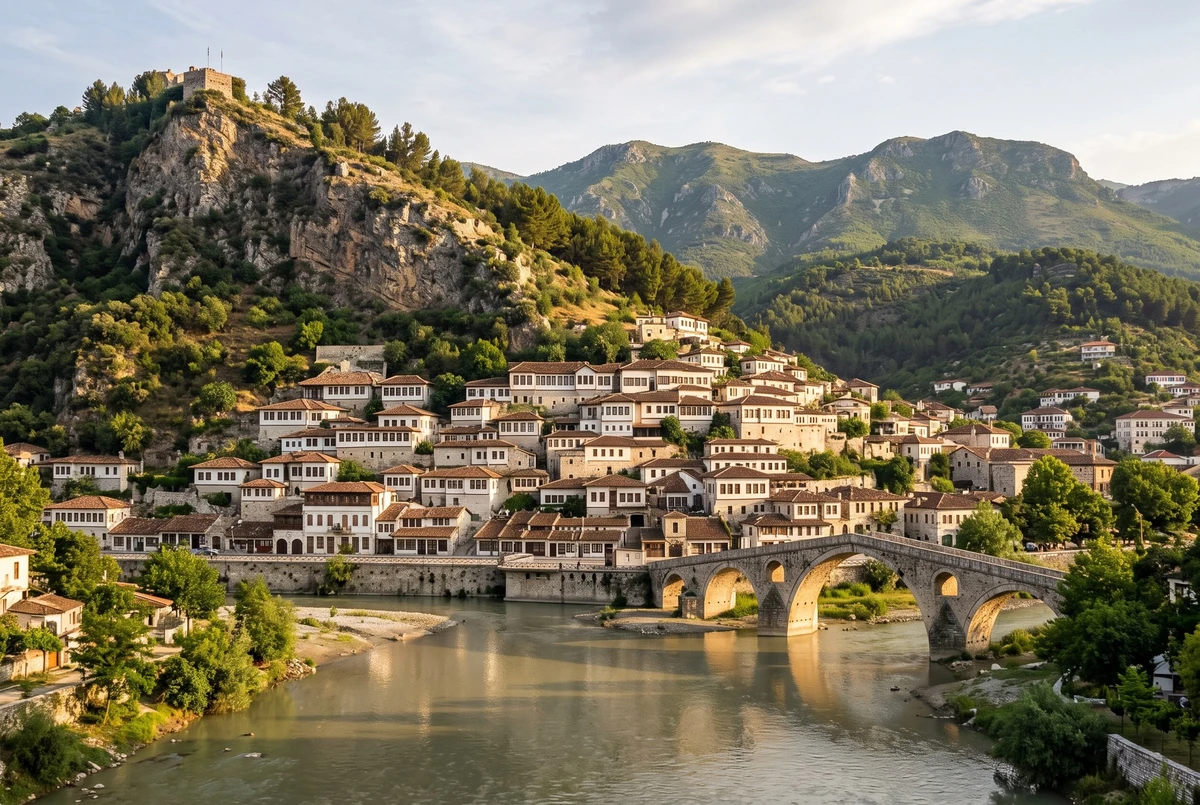
Evening in Albania begins with the xhiro. In Tirana, Berat and every coastal town, families, couples and grandparents step out at sunset to stroll the main boulevard, stopping for a small cup of thick coffee or a glass of mountain tea while swifts wheel over minarets and church domes. Just a short drive away, white Ottoman houses climb a hillside like a thousand watching windows, snow still lingers on the Albanian Alps in May, and the Ionian Sea glows a turquoise you might expect only in the tropics.
Destinations
Choose a city to see everything we arrange there.
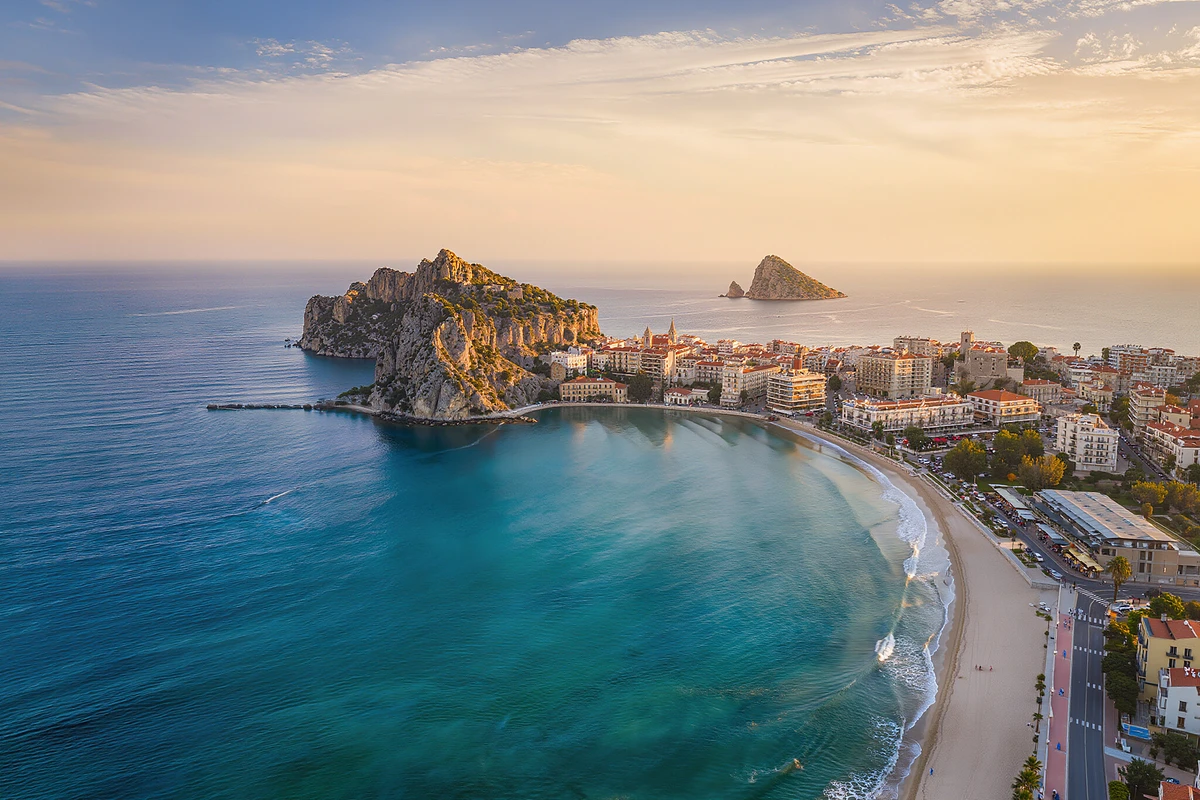
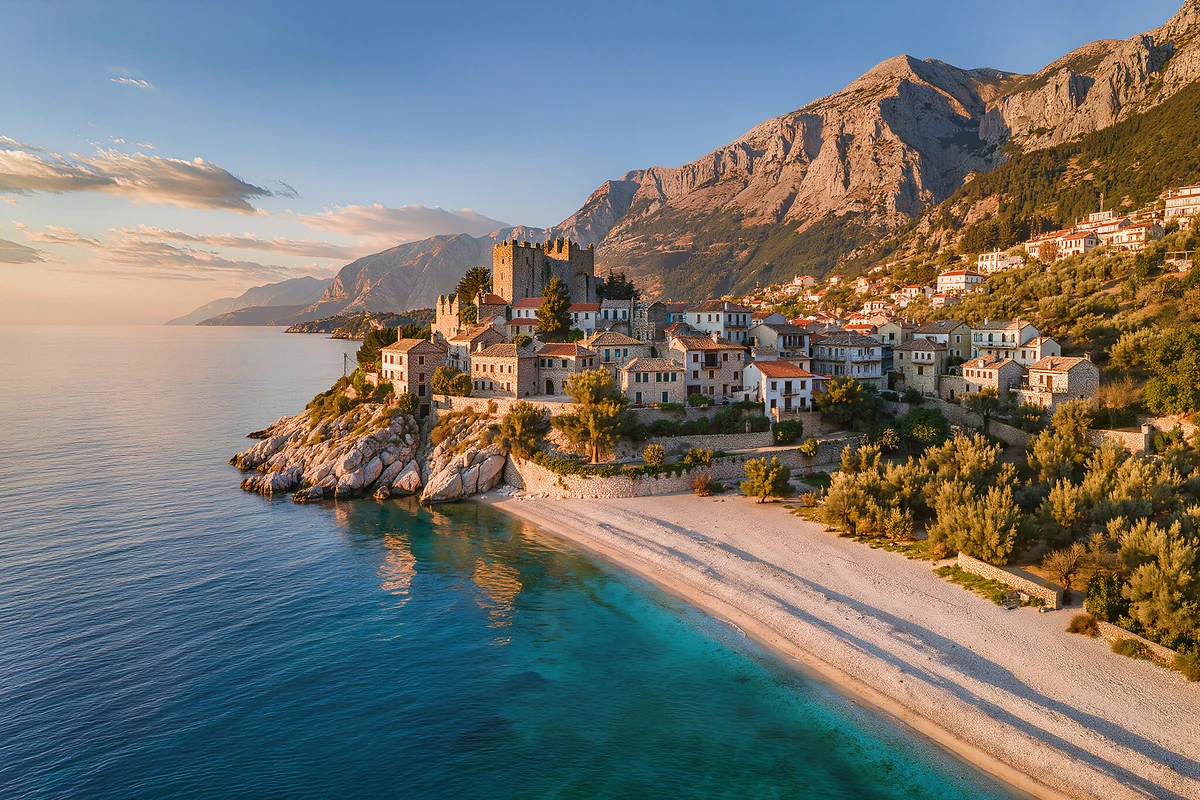
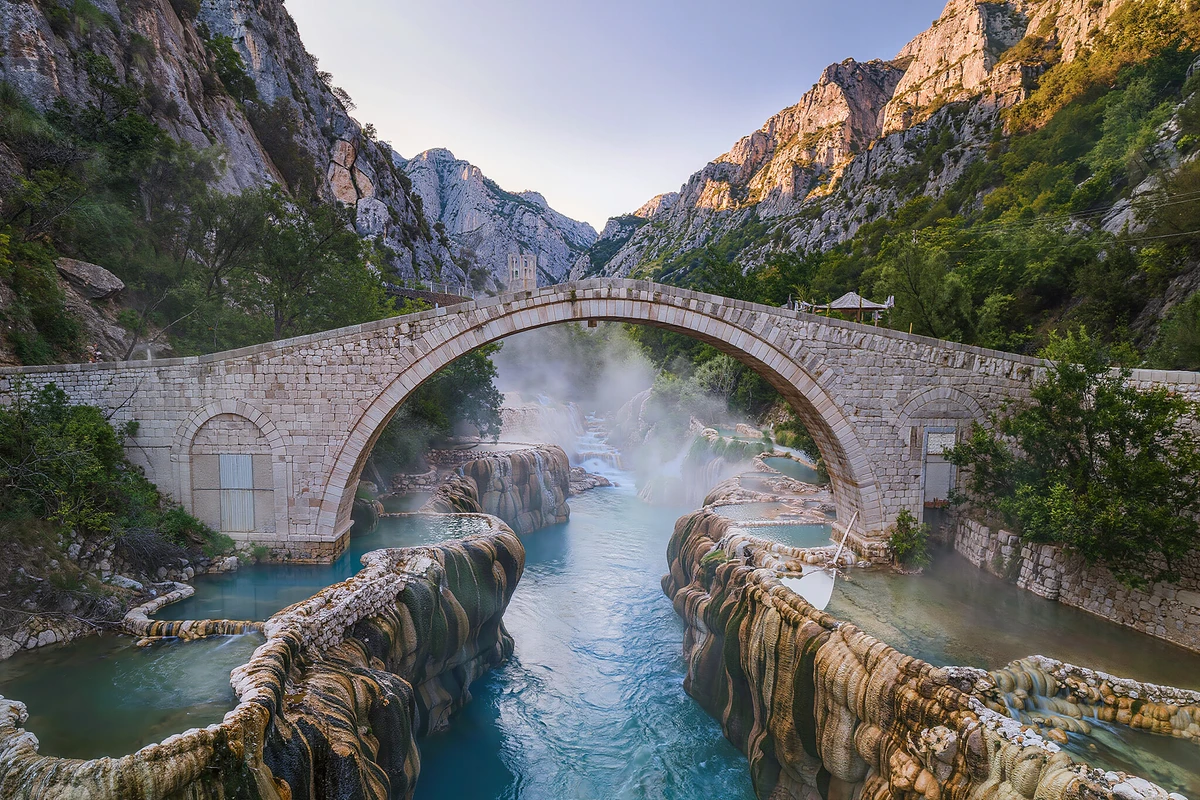

Services by city in Albania
Attraction Tickets
Flight Tickets
Ferry Tickets
The essence of Albania
Albania is irreplaceable because it stayed closed to the world for decades and now opens like a well-kept secret: Greek and Roman ruins without crowds, UNESCO-listed stone towns, wild mountain valleys and beaches that still feel local. Albanians live by besa, a code of honour that makes guests sacred. Is Albania worth visiting? It is one of Europe's most rewarding surprises. Haqqi Tours arranges your flights, ferry tickets, private transfers and guided day tours from Tirana so you can discover it with ease.
Why visit Albania?
Illyrians, Empires and Stone Cities
Albania's story runs from Illyrian tribes and Greek colonies to Rome's Via Egnatia, Byzantium and five centuries of Ottoman rule. Butrint, in the far south, layers a Greek theatre, Roman baths and a Venetian tower in one lagoon-side park. Berat and Gjirokastër, both UNESCO-listed, preserve Ottoman townscapes of stone and timber, while Krujë's castle recalls the national hero Skanderbeg, whose resistance shaped Albanian identity for centuries.
Alps, Lakes and the Ionian Coast
For a small country, Albania packs extraordinary terrain. In the north, the Albanian Alps rise in limestone walls above the valleys of Theth and Valbona, linked by a dramatic ferry across Lake Komani. The centre holds olive groves, canyons such as the Osum and the shores of ancient Lake Ohrid. In the south, the Riviera runs from Vlorë to Ksamil, where pine-backed coves meet startlingly clear water and the Blue Eye spring bubbles from the depths.
Byrek, Besa and the Evening Stroll
Albanian food is generous, rustic and honest: flaky byrek filled with spinach or cheese, tavë kosi of lamb baked in yoghurt, fërgesë of peppers and curd, grilled qofte, mountain honey and olive oil pressed nearby. Hospitality is sacred under the old code of besa, and a stranger is often invited for coffee. Polyphonic singing from the south is recognised by UNESCO, and the nightly xhiro stroll remains the heartbeat of every town.
Experiences You Will Find Only Here
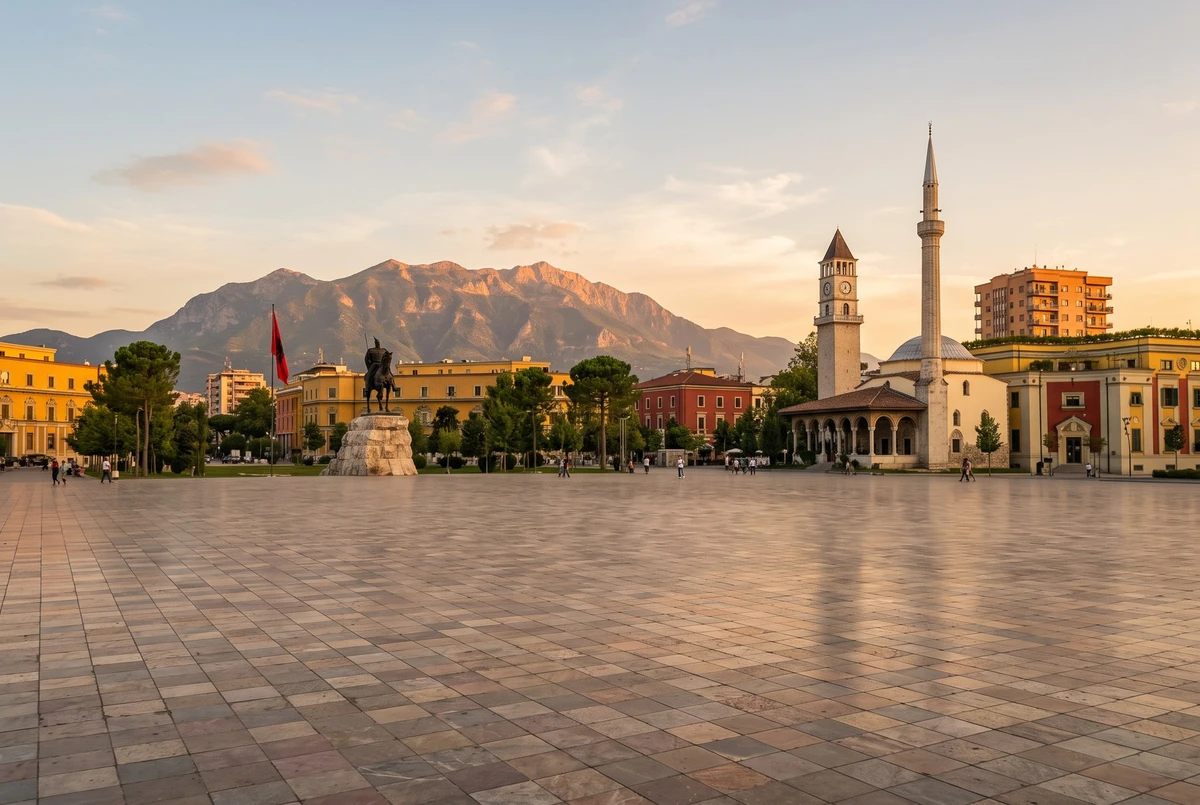
Sail Lake Komani's fjord-like gorges on a small ferry into the mountains. Walk the cobbled lanes of Berat, the City of a Thousand Windows, then swim in the startling blue of the Blue Eye spring. Explore Bunk'Art, a vast Cold War bunker turned museum beneath Tirana's hills. Watch the sun set over Butrint's ruins, and visit Tirana's Et'hem Bey Mosque, whose painted interior survived decades of official atheism.
Who is Albania for?
Ideal for
- Travellers seeking Europe off the usual trail
- History lovers fascinated by layered civilisations
- Families looking for great value beach holidays
- Hikers and nature lovers drawn to wild mountains
- Food lovers who enjoy farm-to-table cooking
- Muslim travellers interested in Ottoman heritage and mosques
Pace & travel style
- Base in Tirana, then add the south coast
- Day tours to stone towns and castles
- Slow summer days by the Ionian Sea
- Private drivers for winding mountain roads
When to visit Albania
Peak season · June–August
Summer brings long hot days, warm seas and the busiest weeks on the Riviera, when Albanians from abroad return home and Ksamil, Sarandë and Himarë fill with families. Tirana is hot but lively in the evenings. Rates rise along the coast and ferry crossings sell out, so book early. Mountain valleys like Theth stay cooler and fresher for hiking.
Shoulder season · April–May and September–October
These are Albania's golden months. Spring paints the hills with wildflowers and makes Berat, Gjirokastër and Butrint ideal for walking, while September's sea is still warm and the beaches quieten. October brings harvest markets and soft light in the mountains. Hotel choice widens, roads are calmer and our guides can tailor each day with more flexibility.
Low season · November–March
Winter brings rain to the coast and snow to the high mountains, and many beach hotels close. Yet this is a fine season for a Tirana city break, museums, cafés and day tours to Krujë, Durrës and Berat, which feel wonderfully local without crowds. It suits culture-focused travellers who value quiet streets, warm hospitality and softer rates.
The regions of Albania and how to combine its cities
Albania divides neatly into three regions. The north is rugged and mountainous, home to Shkodër, its lake and castle, the Albanian Alps and the Komani ferry, where traditional stone kullas and centuries-old customs survive. The centre is the country's beating heart, with Tirana, the port city of Durrës, Krujë's castle and bazaar, and Berat in its river valley.
The south is where Albania turns Mediterranean: Gjirokastër's grey-stone citadel, the Greek and Roman ruins of Butrint and Apollonia, olive groves, citrus orchards and the Ionian Riviera from Vlorë to Ksamil. Distances are short on the map, but mountain roads twist, so a first trip usually combines the centre with either the north or the south.
Our city directory below centres on Tirana, Albania's capital and its natural gateway. From Tirana we arrange guided day tours to Krujë, Berat, Durrës and Shkodër, issue attraction tickets, provide private airport transfers and book ferry tickets from Albania's ports across the Adriatic and Ionian seas. Pair Tirana with a private drive south to the Riviera and you have a complete Albanian itinerary of history, mountains and sea.
Before you go: practical tips for Albania
Entry & visas
Albania is not part of the Schengen area and sets its own rules. Many nationalities, including EU, UK and US citizens, enter visa-free for short stays, and holders of certain valid Schengen, UK or US visas are often admitted without a separate visa. Some Gulf passports have also enjoyed visa-free access. Rules depend on your passport, so check the official Albanian government portal or embassy before booking.
Money, cards & tipping
The Albanian lek is the currency, though euros are widely accepted in tourist areas, often at a less favourable rate. Cards work in Tirana's hotels, malls and larger restaurants, but cash rules in villages, small cafés and markets. ATMs are common in towns. Tipping of around ten percent is appreciated in restaurants. Gentle bargaining is fine in bazaars like Krujë's, but not in shops.
Etiquette & dress code
Albanians are hospitable and proud of their faith-tolerant heritage, with mosques and churches side by side. Dress modestly in mosques, women covering their hair, and remove shoes before entering. Accept offered coffee or sweets graciously. Be aware that some older Albanians nod for no and shake their heads for yes, so confirm answers verbally. Ask before photographing people in villages.
Getting around
There are no regular passenger trains worth relying on, and domestic flights are not part of travel within Albania, so roads are key. Intercity minibuses are cheap but crowded, which is why our private chauffeured transfers are the most comfortable way to link Tirana, Berat and the coast. We also issue international flight tickets and book ferries from Durrës, Vlorë and Sarandë to Italy and Corfu.
Must-do things in Albania
- Stroll Tirana's Skanderbeg Square and climb the clock tower beside Et'hem Bey Mosque.
- Explore Berat's Ottoman quarters and the inhabited citadel above the Osum River.
- Walk the stone streets of Gjirokastër and visit its towering hilltop castle.
- Discover Greek, Roman and Venetian ruins in the lagoon park of Butrint.
- Swim near the crystal-clear waters of the Blue Eye spring in the south.
- Cruise Lake Komani's narrow gorges on the scenic mountain ferry.
- Hike in Theth's Alpine valley to its waterfall and the Blue Eye of Theth.
- Shop for carpets and copperware in Krujë's restored Ottoman bazaar.
- Relax on the white pebbles and turquoise coves of Ksamil on the Riviera.
- Descend into Bunk'Art to understand Albania's Cold War isolation.
Do’s and don’ts in Albania
Do
- Do join the evening xhiro stroll to see Albanian life at its best.
- Do carry cash in lek for villages, markets and small cafés.
- Do accept coffee or sweets when offered; it honours your host.
- Do confirm yes and no verbally, as head gestures can be reversed.
- Do allow extra time on mountain roads and travel by daylight.
Don’t
- Don't rely only on euros; you will often get a poor rate.
- Don't drive mountain roads at night if you are unfamiliar with them.
- Don't wear beachwear away from the beach, especially in mosques or churches.
- Don't joke about the communist past or regional rivalries with strangers.
- Don't expect strict timetables for minibuses; private transfers save stress.
Albania at a glance
Plan Albania with Haqqi Tours
Every option is confirmed by our team on WhatsApp before you pay, and delivered by our own people or by trusted local partners we work with in every city. Because we send travellers from all over the world, our partners give us special rates and priority, so you always receive the best. Prices are per person unless marked per vehicle.
About Haqqi Tours: About us Contact us Legal NoticePrivacy PolicyCookies & Marketing PreferencesTerms & ConditionsBooking, Payment & Refunds
Good to know
Frequently Asked Questions
Straight answers to what travellers ask most about Albania.
Is it safe to visit Albania?
Albania is generally considered a safe and welcoming destination, with low levels of crime against visitors and a strong tradition of hospitality. Take normal precautions with valuables in busy places and drive carefully on mountain roads. Check your own government's official travel advice before departure and keep our WhatsApp line handy throughout your trip.
How many days do I need for a first trip to Albania?
Seven to ten days is ideal for a first trip to Albania. Spend two or three days in Tirana with day trips to Krujë and Durrës, then visit Berat and Gjirokastër before relaxing on the Riviera. With ten days or more, add the northern Alps, Lake Komani and Shkodër.
What is the best way to travel between Albania's major cities?
Roads are the backbone of travel in Albania, since trains are limited and there are no domestic flights. Intercity minibuses run often but can be crowded and unpredictable. The most comfortable option is a private car with driver arranged by our team, linking Tirana, Berat, Gjirokastër and the coast on your own schedule.
Can a trip to Albania be tailored for luxury or private travel?
Absolutely. We can tailor a private journey with boutique hotels in Tirana and Berat, seafront resorts on the Riviera, guided day tours led by licensed guides, chauffeured transfers throughout and ferry connections onward. Families and couples receive a personalised plan, with every detail confirmed by our team on WhatsApp before anything is paid.
Is Albania tourist friendly?
Yes, and increasingly so. Albanians are famous for their hospitality, young people often speak English or Italian, and tourism infrastructure has grown fast, especially in Tirana and on the coast. Some rural areas remain simple, which is part of their charm, and our guides and drivers ensure everything runs smoothly.
Is it safe to travel to Albania now?
Travel to Albania generally continues normally, with growing numbers of international visitors each year. The main risks are ordinary ones, such as petty theft in crowded places and challenging mountain roads. Before departure, check your own government's latest official travel advice and keep our WhatsApp line handy so our team can help at any time.
What is the best time to visit Albania?
The best time to visit Albania is from May to June and September to early October, when the weather is warm, the sea is pleasant and sites are calmer. July and August are perfect for beach lovers but busy and hot. Winter suits Tirana city breaks and cultural day tours without crowds.
What is Albania famous for?
Albania is famous for its turquoise Ionian Riviera, the UNESCO-listed Ottoman towns of Berat and Gjirokastër, the ancient ruins of Butrint, the wild Albanian Alps and the code of besa that makes hospitality sacred. It is also known for its Cold War bunkers, hearty cuisine and remarkable religious harmony.
Which cities in Albania does Haqqi Tours cover?
Tirana, Saranda, Durres, Vlora, Himara, Permet, Osum Canyon and Shkoder. Each city has its own page with everything available there, and a trip across several cities is planned in one WhatsApp conversation.
What can I book in Albania?
Day tours, attraction tickets, private airport transfers, flight tickets and ferry tickets - all run or confirmed by Haqqi Tours, each with a fixed price agreed on WhatsApp before you pay.
How do I book a tour or transfer in Albania?
Fill in the form on the page you are interested in, or message us on WhatsApp with the date, the number of travellers and your hotel. A member of our team confirms the price and the details in writing within minutes.
Are the prices fixed?
Yes. Every price is agreed in writing on WhatsApp before you travel and does not change on the day - not for traffic, not for a late flight, not for the hour.
Do you arrange transfers between cities in Albania?
Yes. Intercity transfers by private car or van are booked the same way as airport transfers; tell the desk the two hotels and the date and it quotes a fixed price for the whole vehicle.
Can you plan a full itinerary across Albania?
Yes - tell the desk your dates, the cities you want and who is travelling, and it proposes a day-by-day plan with the tours, transfers and tickets priced in writing. You adjust it in the same chat before confirming.
Are your tours private or in a group?
Both exist, and the page of each tour says which. Private tours have a car and guide for your party alone; small-group tours share a guide with a few other travellers. The desk can convert most group tours into a private day on request.
Do the drivers and guides speak Arabic?
It depends on the country, the city and the day, so we do not promise a particular language for the driver or guide. Tell us your preference and we do our best; the WhatsApp desk itself always works in Arabic and English.