
Nicaragua
Haqqi Tours arranges day tours, private airport transfers, attraction tickets and multi-day packages across Nicaragua, confirmed on WhatsApp before you pay.
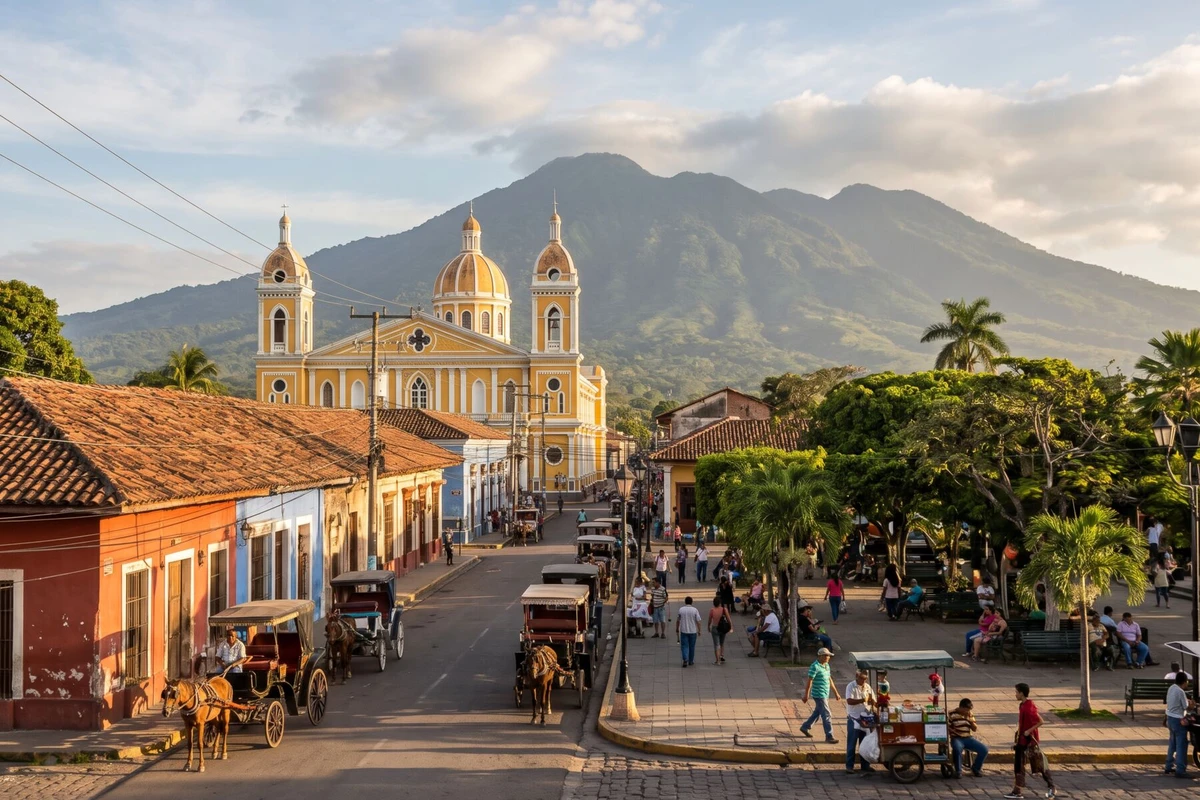
In Granada the morning breeze comes off Lake Nicaragua, so wide it looks like an inland sea, and carries the sound of church bells across streets of yellow, red and blue colonial houses. Horse-drawn carriages wait beside the central park, the great cathedral glows ochre in the sun, and just offshore a scatter of small volcanic islets, Las Isletas, rises from the water wrapped in mango trees and palms, where herons, egrets and kingfishers fish among the rocks.
Destinations
Choose a city to see everything we arrange there.
Services by city in Nicaragua
Tours
The essence of Nicaragua
Nicaragua is the largest country in Central America, a land of lakes and volcanoes between the Pacific and the Caribbean. Near Granada, the Masaya Volcano glows red at night above a lava lake, cloud forest clings to the slopes of Mombacho, and the crater lake of Apoyo invites a quiet swim. We arrange kayak tours among Las Isletas, evening visits to the Masaya Volcano and private airport transfers, all delivered with calm, attentive service.
Why visit Nicaragua?
Ancient Peoples and Colonial Cities
Before the Spanish arrived, Nicaragua's Pacific lowlands were the land of the Nicarao and Chorotega peoples, who left stone statues on the islands of Lake Nicaragua and gave the country its name. In 1524 the Spanish founded Granada on the lake and León near the Pacific, two cities that remained rivals for centuries. Granada grew rich on trade via the lake and the San Juan river to the Caribbean, survived attacks by pirates and a great fire in 1856, and still keeps much of its colonial heart.
A Land of Lakes and Volcanoes
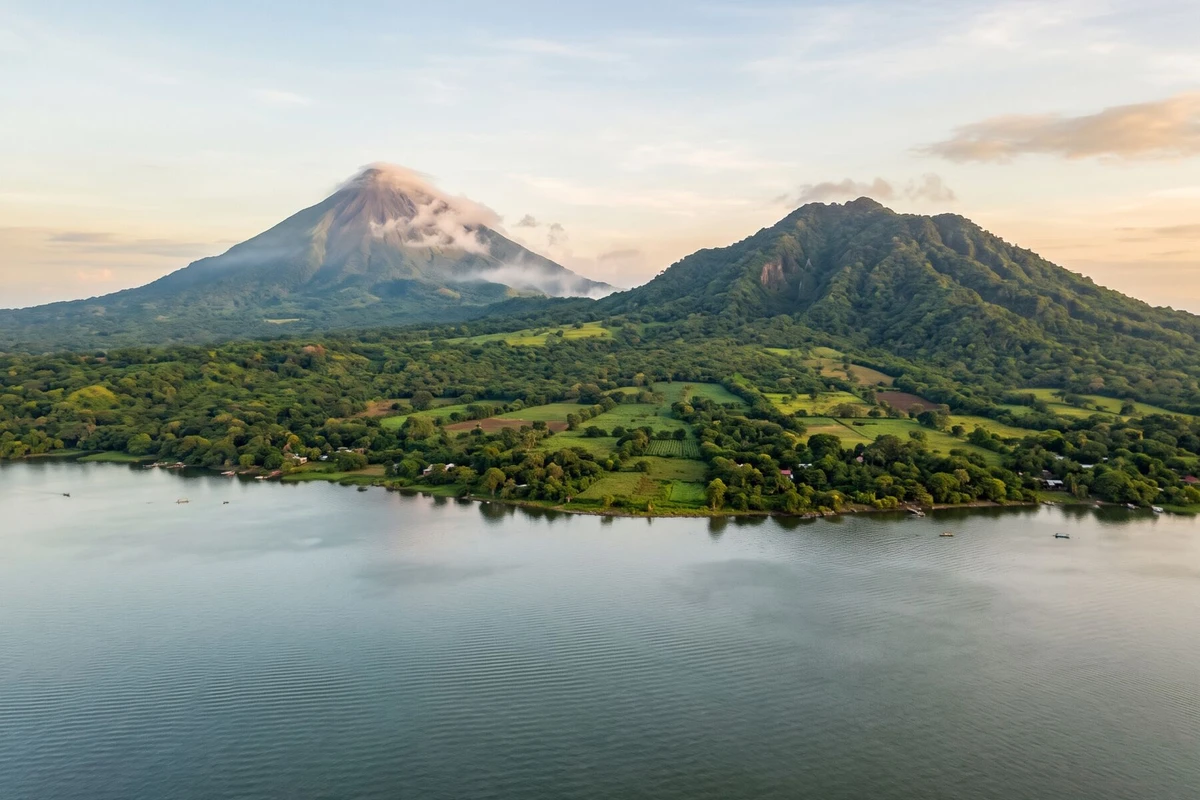
A chain of volcanoes runs along the Pacific side of Nicaragua, from San Cristóbal and Momotombo near León to Masaya, Mombacho and the twin cones of Ometepe Island. Lake Nicaragua, the largest lake in Central America, is dotted with islands, and Las Isletas near Granada were formed by an ancient eruption of Mombacho. Crater lakes such as Laguna de Apoyo, cloud forests, Pacific surf beaches and, on the Caribbean side, the Corn Islands and vast rainforest reserves complete the picture.
Gallo Pinto, Vigorón and Fresh Lake Fish
Nicaraguan food is simple, hearty and full of corn. Gallo pinto, rice and red beans fried together, appears at almost every breakfast, quesillo wraps soft cheese and cream in a warm tortilla, and indio viejo is a thick corn and beef stew. Granada is known for vigorón, boiled yuca with cabbage salad served on a banana leaf, and lakeside kitchens fry whole fish from Lake Nicaragua. Halal food is very limited and pork is common, so seafood, fish and vegetarian dishes are the easiest choices; our team can advise.
Experiences You Can Only Have Here
Paddle a kayak at sunrise between the islets of Lake Nicaragua, passing island homes, an old Spanish fort and trees full of birds, then climb the bell tower of La Merced for a view over Granada's tiled roofs to the volcano. At dusk, drive up to the rim of the Masaya Volcano and look down at the glow of molten lava in the Santiago crater, walk through cloud forest on Mombacho and swim in the clear, warm waters of Laguna de Apoyo.
Who is Nicaragua for?
Ideal for
- Adventure seekers and kayakers
- History lovers drawn to colonial cities
- Nature lovers and birdwatchers
- Couples seeking a slower Central America
- Active families with older children
- Photographers of volcanoes and lakes
Pace & travel style
- Base yourself in Granada for the lake and volcanoes
- Kayak early in the morning when the lake is calm
- Three or four nights suit Granada and its surroundings
- Keep one flexible evening for the volcano visit
When to visit Nicaragua
Peak season · December–April
The dry season brings Nicaragua its sunniest weather, with clear skies, calm mornings on Lake Nicaragua and easy access to volcano trails and viewpoints. The Pacific side grows hotter and drier towards March and April, while the landscape turns golden. Christmas, New Year and Holy Week are the busiest periods, when Nicaraguan families travel too, so reserve tours and transfers well ahead.
Shoulder season · May, November
May is hot, with the first rains arriving towards the end of the month, while November marks the return of drier weather as the landscapes stay green after the rainy season. Both months are quieter, with good availability and pleasant conditions for kayaking and city walks. In early December, the Purísima celebrations fill Granada and León with altars, songs and fireworks honouring the Virgin Mary.
Low season · June–October
The rainy season paints the volcanoes and fields a deep green, with heavy afternoon showers that often follow sunny mornings, and a short drier spell usually comes in July or August. September and October are the wettest months, and some rural roads can become difficult. There are fewer travellers, and mornings remain ideal for kayaking among Las Isletas, so flexible plans work best.
The regions of Nicaragua and how to combine its cities
Nicaragua lies in the heart of Central America, bordered by Honduras to the north and Costa Rica to the south, with the Pacific Ocean on one side and the Caribbean Sea on the other. Most visitors explore the Pacific lowlands, where the capital Managua sits on the shore of Lake Managua, and where the colonial cities of Granada and León, the volcano of Masaya and the craft towns of the Pueblos Blancos lie within easy reach.
South of Granada, Lake Nicaragua holds the island of Ometepe with its two volcanoes, reached by ferry from San Jorge, and the Pacific coast around San Juan del Sur offers surf beaches and sunsets. The central highlands around Matagalpa and Jinotega are cool coffee country, while the Caribbean side, around Bluefields, Pearl Lagoon and the Corn Islands, has a distinct Creole and Indigenous culture and is reached mainly by domestic flights.
Our city directory below is anchored in Granada, the classic base for the lake and the volcanoes. From Granada we arrange kayak tours among Las Isletas on Lake Nicaragua and evening visits to the Masaya Volcano National Park, while our private drivers handle transfers from Managua airport (MGA). Nicaragua pairs naturally with neighbouring Costa Rica.
Before you go: practical tips for Nicaragua
Entry & visas
Citizens of many countries, including the United States, Canada, the United Kingdom and European Union nations, can enter Nicaragua without a visa for short stays by buying a tourist card on arrival, while other nationalities need a visa arranged in advance. Airlines may require advance passenger information, and entry rules have changed in recent years, so check the current rules before you travel. A passport valid for at least six months is expected.
Money, cards & tipping
The currency is the Nicaraguan córdoba, and US dollars are widely accepted in hotels, tour offices and larger shops, with change often given in córdobas. Cards work in hotels and many restaurants in Granada, but markets, small cafés, street stalls and taxis prefer cash, and cash machines are found mainly in the cities. Tipping guides, drivers and boat crews is customary for good service, and some restaurants add a service charge to the bill.
Etiquette & dress code
Nicaraguans are friendly and courteous, and a simple buenos días goes a long way. Spanish is spoken everywhere, and English is limited outside hotels and tour companies. Dress modestly when visiting churches, keep swimwear for the beach and the crater lake, and ask before photographing people. Political conversations are best avoided with strangers, and it is wise to follow your guide's advice at volcano viewpoints and on the lake.
Getting around
Managua airport (MGA) lies on the eastern edge of the capital, about forty-five minutes to an hour by road from Granada. Buses and minibuses link the main cities but are crowded and slow, ferries cross Lake Nicaragua from San Jorge to Ometepe in about an hour, and small domestic planes reach the Caribbean coast. In Granada you walk or ride a horse-drawn carriage, while for airport arrivals and trips to the volcano and the lakes our private transfers are the most comfortable choice.
Must-do things in Nicaragua
- Kayak among Las Isletas on Lake Nicaragua
- Look into the glowing crater of the Masaya Volcano at dusk
- Climb the bell tower of La Merced in Granada
- Visit the cathedral and central park of Granada
- See ancient stone statues at the San Francisco convent
- Walk the cloud forest trails of Mombacho Volcano
- Swim in the crater lake of Laguna de Apoyo
- Browse the crafts of the Masaya market
- Taste vigorón, gallo pinto and fried lake fish
- Take the ferry to the twin volcanoes of Ometepe
Do’s and don’ts in Nicaragua
Do
- Kayak in the early morning when the lake is calm
- Carry córdobas in small notes for markets and taxis
- Wear a hat and sunscreen on the lake
- Bring a light jacket for the volcano at night
- Follow your guide's instructions at the crater rim
Don’t
- Don't stray beyond the barriers at volcano viewpoints
- Don't swim in the lake without local advice
- Don't walk alone in quiet streets late at night
- Don't discuss politics with people you have just met
- Don't drink tap water unless it is filtered
Nicaragua at a glance
Plan Nicaragua with Haqqi Tours
Every option is confirmed by our team on WhatsApp before you pay, and delivered by our own people or by trusted local partners we work with in every city. Because we send travellers from all over the world, our partners give us special rates and priority, so you always receive the best. Prices are per person unless marked per vehicle.
About Haqqi Tours: About us Contact us Legal NoticePrivacy PolicyCookies & Marketing PreferencesTerms & ConditionsBooking, Payment & Refunds
Where we operate in Nicaragua
Good to know
Frequently Asked Questions
Straight answers to what travellers ask most about Nicaragua.
Is it safe to visit Nicaragua?
Granada and the main tourist areas of the Pacific side receive visitors every year and are generally calm, but the political situation in Nicaragua has been tense in recent years, and advice for travellers can change quickly. Take sensible precautions, use licensed guides and drivers and avoid demonstrations. Check your own government's official travel advice before booking and again before departure, and keep our WhatsApp line handy for help.
How many days do I need in Nicaragua?
Five to seven days work well for a first visit: three or four nights in Granada for the city, the kayak tour among Las Isletas, the Masaya Volcano, Mombacho and Laguna de Apoyo, then two or three nights on Ometepe Island or in León. With ten days or more you can add the Pacific beaches around San Juan del Sur.
What are Las Isletas?
Las Isletas are a scatter of small volcanic islands in Lake Nicaragua, just off the shore of Granada, formed when part of the Mombacho Volcano collapsed in an ancient eruption. Fishing families live on some, while others hold private houses, a small Spanish fort and trees full of birds. They are best explored by kayak or small boat in the calm early morning.
Can a trip to Nicaragua be tailored for luxury or private travel?
Yes. Granada has elegant boutique hotels in restored colonial houses, and quiet lodges sit on the shores of Laguna de Apoyo and the islets. We tailor private kayak tours, private guides for the city and the volcanoes, family-friendly timings and chauffeured airport transfers, then confirm every detail with you on WhatsApp before anything is paid.
What is the best time to visit Nicaragua?
The dry season from December to April is the best time to visit Nicaragua, with sunny days, calm mornings on the lake and easy volcano visits. May and November are quieter and pleasant, while June to October brings green landscapes and heavy afternoon rain, with September and October the wettest months.
What is Nicaragua famous for?
Nicaragua is famous for its lakes and volcanoes, including the lava glow of Masaya and the twin peaks of Ometepe, for the colonial cities of Granada and León, for Lake Nicaragua and its islets, and for Pacific surf beaches. It is also known for its coffee, its colourful crafts and pottery, and its strong traditions of poetry and music.
Is halal food available in Nicaragua?
Halal food is very limited in Nicaragua, and dedicated halal restaurants are rare in Granada. Pork appears in many local dishes, including some versions of vigorón and nacatamales, so ask when ordering. Fresh fish from the lake, seafood, rice and beans, eggs, cheese, vegetables and tropical fruit are easy to find, and many kitchens cook to order; our team can advise.
How do I get to Granada from the airport?
Managua airport (MGA) lies on the eastern edge of the capital, about forty-five minutes to an hour by road from Granada. Some travellers also arrive overland from Costa Rica, about two hours from the border. We arrange a private transfer with a driver waiting at arrivals to take you directly to your hotel in Granada.
Which cities in Nicaragua does Haqqi Tours cover?
Granada. Each city has its own page with everything available there, and a trip across several cities is planned in one WhatsApp conversation.
What can I book in Nicaragua?
Day tours - all run or confirmed by Haqqi Tours, each with a fixed price agreed on WhatsApp before you pay.
How do I book a tour or transfer in Nicaragua?
Fill in the form on the page you are interested in, or message us on WhatsApp with the date, the number of travellers and your hotel. A member of our team confirms the price and the details in writing within minutes.
Are the prices fixed?
Yes. Every price is agreed in writing on WhatsApp before you travel and does not change on the day - not for traffic, not for a late flight, not for the hour.
Do you arrange transfers between cities in Nicaragua?
Yes. Intercity transfers by private car or van are booked the same way as airport transfers; tell the desk the two hotels and the date and it quotes a fixed price for the whole vehicle.
Can you plan a full itinerary across Nicaragua?
Yes - tell the desk your dates, the cities you want and who is travelling, and it proposes a day-by-day plan with the tours, transfers and tickets priced in writing. You adjust it in the same chat before confirming.
Are your tours private or in a group?
Both exist, and the page of each tour says which. Private tours have a car and guide for your party alone; small-group tours share a guide with a few other travellers. The desk can convert most group tours into a private day on request.
Do the drivers and guides speak Arabic?
It depends on the country, the city and the day, so we do not promise a particular language for the driver or guide. Tell us your preference and we do our best; the WhatsApp desk itself always works in Arabic and English.