
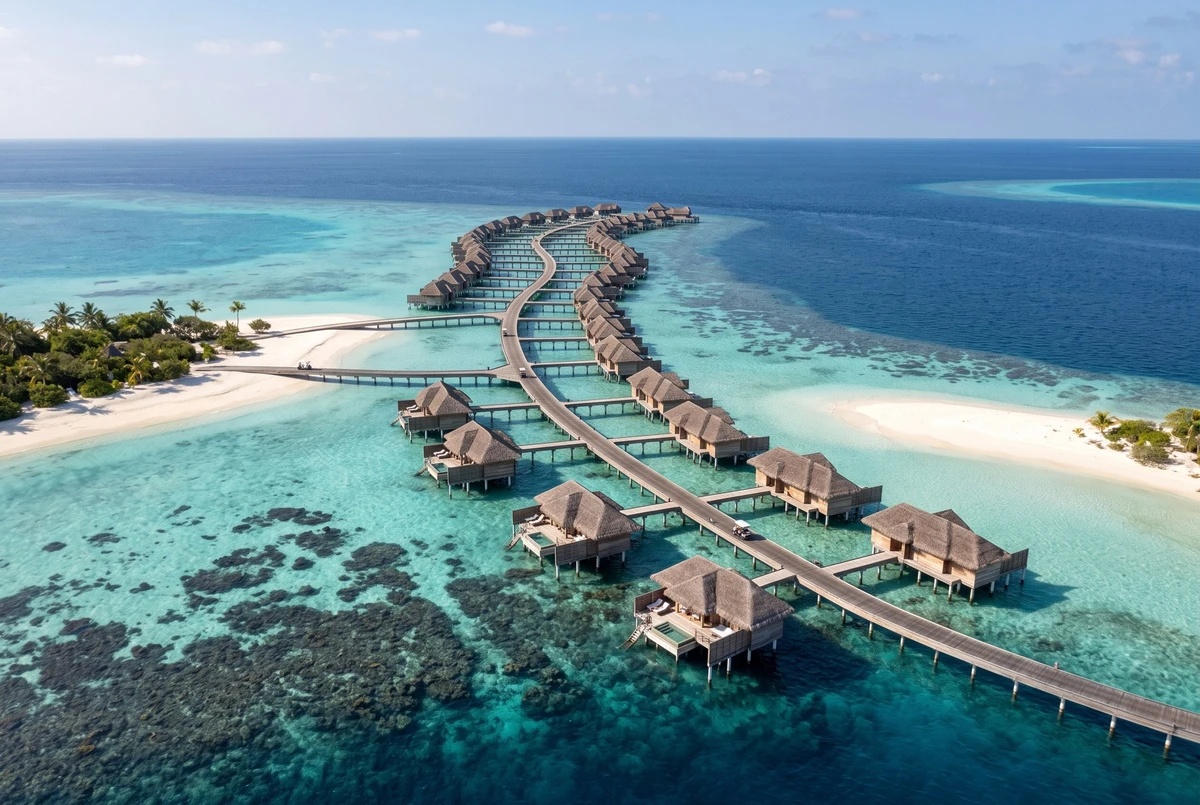
Maldives
Haqqi Tours arranges day tours, private airport transfers, attraction tickets and multi-day packages across Maldives, confirmed on WhatsApp before you pay.
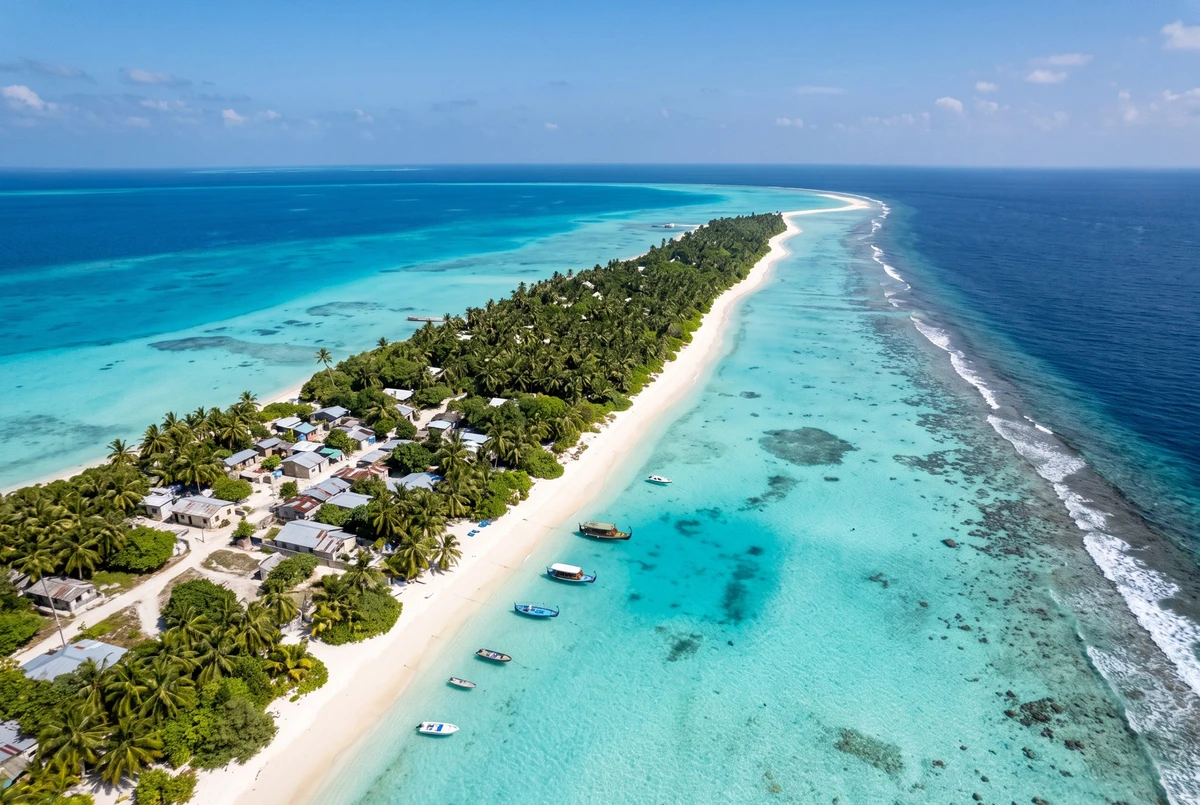
In the Maldives the day begins in shades of blue. From a speedboat or a seaplane window, ring-shaped reefs float on the deep ocean like scattered pearls, each lagoon a different turquoise and each island a ribbon of white sand and palms. In Malé, the compact capital, boats unload the morning catch of skipjack and yellowfin tuna at the fish market, the call to prayer rises over mosques of carved coral stone, and teashops lay out short eats with sweet milky tea.
Destinations
Choose a city to see everything we arrange there.
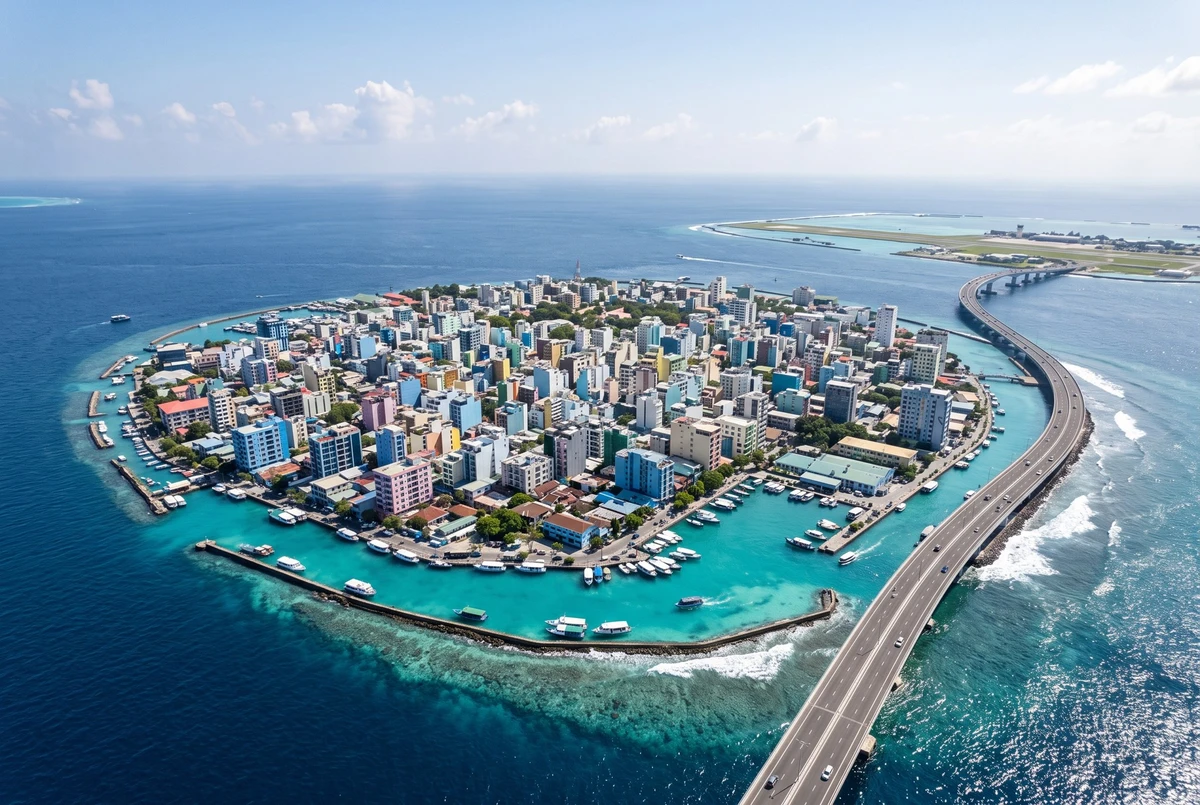
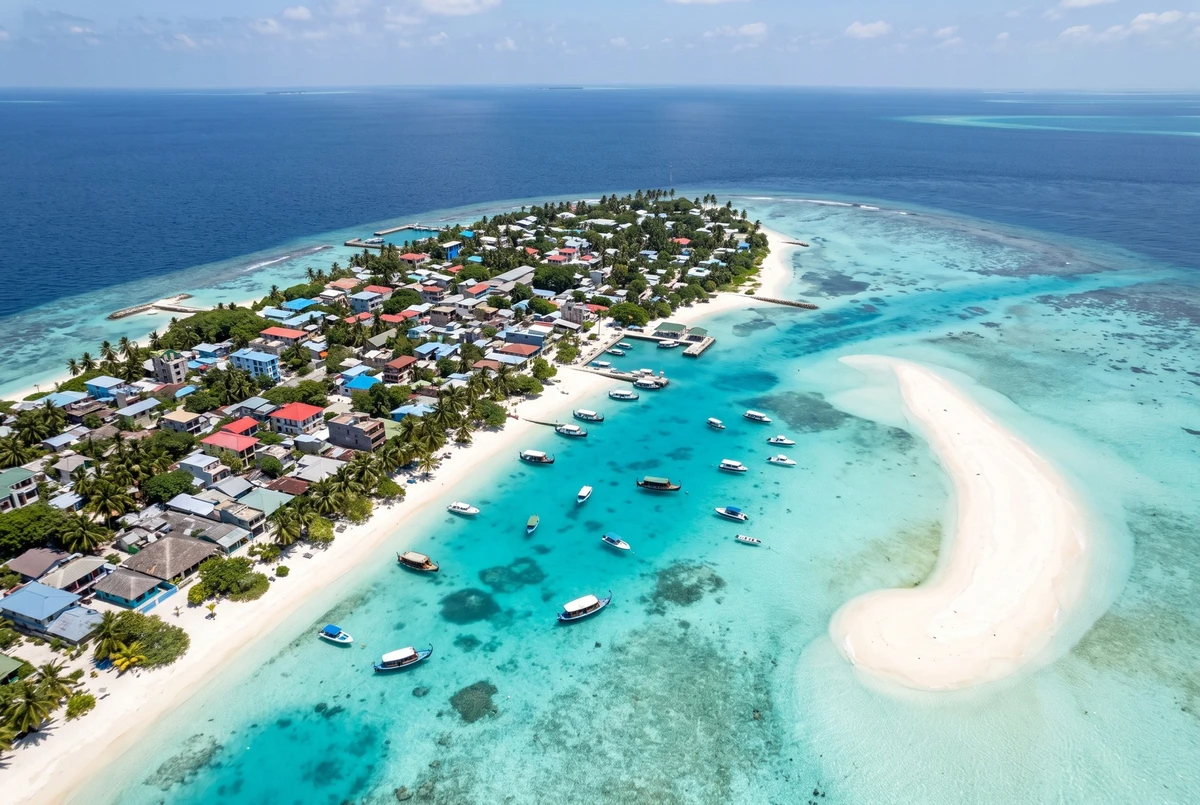
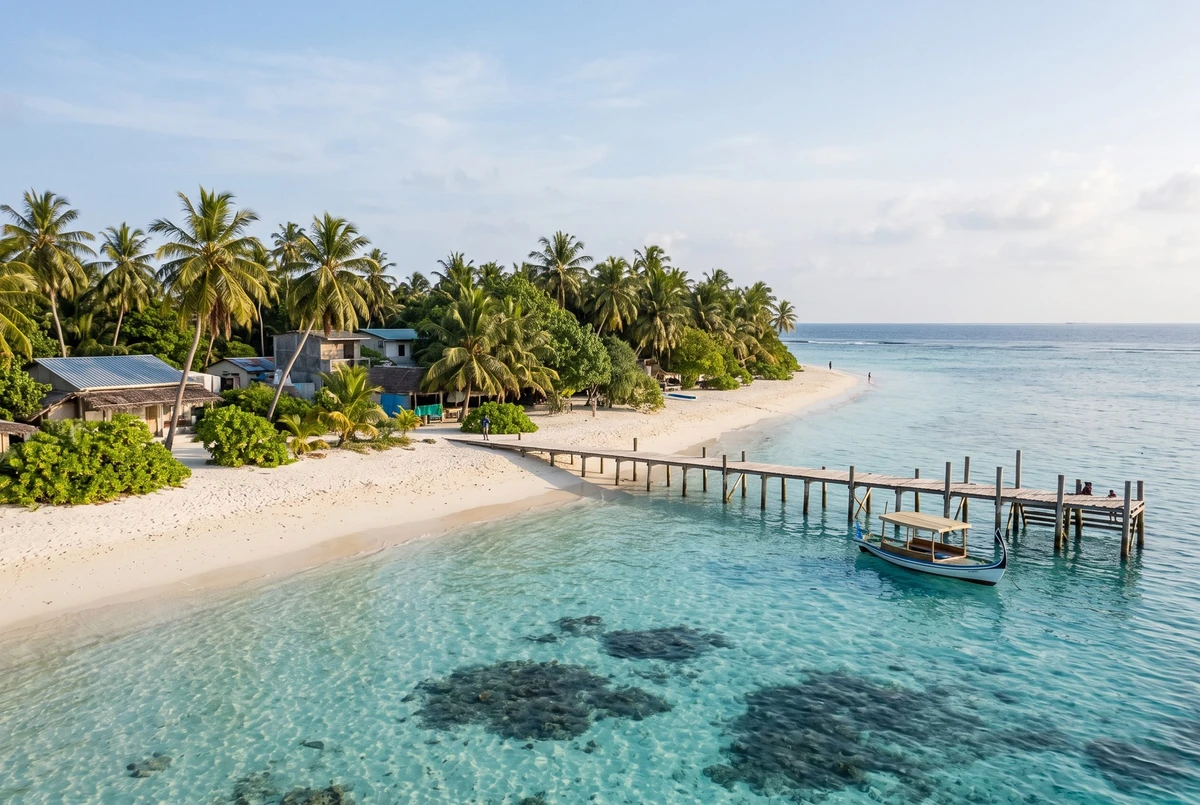
Services by city in Maldives
Attraction Tickets
Ferry Tickets
The essence of Maldives
Then comes the moment that stops every traveller: slipping off the boat into warm, clear water as a manta ray glides past, or watching a pod of dolphins arc beside the bow at sunset. The Maldives is irreplaceable because the reef, the lagoon and the open ocean are never more than a few steps away, whether you stay in a resort villa or a guesthouse on a local island. We arrange the journey with speedboat and seaplane transfers from the airport, snorkelling and dolphin cruises, sandbank trips and stays on local islands such as Maafushi.
Why visit Maldives?
Sultans, Seafarers and Coral-Stone Mosques
For centuries the Maldives sat on the great Indian Ocean trade routes between East Africa, the Middle East and Asia, and its sultans ruled a nation of seafarers. Islam arrived in the twelfth century and has shaped daily life ever since. In Malé, the Old Friday Mosque is built of finely carved coral stone, with Quranic inscriptions and lacquered woodwork, while the Muliaage palace and Sultan Park recall the sultanate. Cowrie shells from these reefs once served as currency across the ocean.
Atolls, Reefs and Open Ocean
The Maldives is a chain of coral atolls rising from the Indian Ocean, so low that the sea is always in view. Each atoll is a ring of reefs and islands around a calm lagoon, cut by channels where currents carry nutrients and draw in big marine life. Manta rays gather at cleaning stations, whale sharks cruise the outer reefs of South Ari, turtles graze on sea grass, and Hanifaru Bay in Baa Atoll, part of a UNESCO biosphere reserve, draws feeding mantas in season.
Tuna, Coconut and Short Eats
Maldivian cooking is built on fish, coconut and chilli. Breakfast is often mas huni, shredded tuna mixed with grated coconut, onion and chilli, scooped up with warm roshi flatbread. Garudhiya, a clear fish broth served with rice, lime and chilli, is the national comfort dish, and fish curries are rich and fragrant. In Malé’s teashops, trays of hedhikaa, savoury short eats such as gulha, fried dough balls filled with tuna, are served with sweet milky tea, especially at iftar in Ramadan.
Experiences You Can Only Have in the Maldives
Snorkel straight from your villa or beach onto a living house reef, then cruise at sunset as spinner dolphins leap beside the boat. Step onto a sandbank that is nothing but white sand surrounded by turquoise water. Swim alongside manta rays or a whale shark with a licensed guide, take a seaplane over the atolls for a view of reefs like jewels, and spend a day on a local island to share tea with islanders and see everyday Maldivian life.
Who is Maldives for?
Ideal for
- Honeymooners and couples celebrating milestones
- Snorkellers and divers drawn to rich reefs
- Families seeking calm lagoons and resort comfort
- Travellers looking for complete rest and privacy
- Ocean lovers hoping to see mantas and dolphins
- Value-minded guests exploring local islands
Pace & travel style
- Choose your resort by transfer: speedboat or seaplane
- Arrival time matters; seaplanes fly only by day
- Mix lazy lagoon days with a few boat excursions
- Malé and Hulhumalé make easy first or last stops
When to visit Maldives
Peak season · December–April
The dry north-east monsoon brings the Maldives’ classic weather: long sunny days, low humidity, calm seas and superb visibility for snorkelling and diving. Sandbank trips, dolphin cruises and seaplane flights run at their best, and the lagoons glow in every shade of blue. This is the busiest season, especially around the festive weeks and spring holidays, so reserve resorts, excursions and airport transfers well ahead.
Shoulder season · May, October–November
These transition months bring a change of winds, mixing long sunny spells with occasional showers and humid afternoons. The sea is warm, marine life is plentiful, and manta and whale shark sightings can be excellent in the right atolls. Resorts and local islands are quieter than in peak season, offering a welcome balance of good weather, availability and better value for flexible travellers.
Low season · June–September
The south-west monsoon brings more wind, cloud and rain, often in short heavy bursts followed by sunshine, and seas can be choppier on some crossings. In return, this is the season for manta rays in Hanifaru Bay, good waves for surfers, lush islands and the best value of the year. Keep plans flexible, allow extra time for transfers and choose a resort with a sheltered house reef.
The regions of Maldives and how to combine its cities
The Maldives is a nation of coral atolls strung from north to south across the equator, made up of small islands, only some of them inhabited and many given over entirely to a single resort. At its heart is Malé, the dense, colourful capital with its fish market, mosques and harbour, linked by bridge to the airport island and on to Hulhumalé, a newer island with a long public beach close to arrivals.
The atolls nearest the capital, North and South Malé, are reached quickly by speedboat and hold many resorts as well as local islands such as Maafushi, Himmafushi and Guraidhoo. Ari Atoll to the west is famous for whale sharks and manta rays, Baa Atoll to the north for Hanifaru Bay, while more distant atolls in the far north and south are reached by seaplane or domestic flight for deep seclusion.
Our city directory below is anchored in Malé and the resort atolls, the natural framework for any Maldives stay. From Malé and Hulhumalé we arrange private transfers from Velana International Airport, by speedboat or seaplane depending on your resort, and run snorkelling and dolphin cruises, sandbank trips and excursions to local islands. Pairing a resort stay with a night in Hulhumalé or on a local island such as Maafushi builds the ideal Maldives itinerary.
Before you go: practical tips for Maldives
Entry & visas
The Maldives welcomes visitors of most nationalities with a tourist visa issued on arrival at Velana International Airport, provided they meet the entry conditions. These usually include a passport valid beyond your stay, a confirmed return or onward ticket and a confirmed resort, hotel or guesthouse booking, and an online traveller declaration must be completed shortly before arrival. Rules can change and depend on your passport, so check the official Maldives Immigration website before booking.
Money, cards & tipping
The Maldivian rufiyaa is the local currency, but US dollars are widely used and accepted at resorts, where bills are usually settled by card at checkout. In Malé and on local islands, carry rufiyaa for small shops, cafés and public ferries; ATMs are found in Malé, Hulhumalé and on some larger islands. Resorts and many guesthouses add a service charge and taxes, and boat crews, guides and housekeeping staff appreciate a tip for good service.
Etiquette & dress code
The Maldives is a Muslim nation, and its local islands are conservative. In Malé and on local islands, dress modestly, covering shoulders and knees, and wear swimwear only at resort beaches or the designated tourist beaches on local islands. Friday is the weekly holy day, and shops close briefly at prayer times, longer around the Friday midday prayer. During Ramadan, avoid eating in public in daylight. Resort islands are relaxed, but always ask before photographing locals.
Getting around
Water is the Maldives’ highway. Resorts in North and South Malé atolls are reached by speedboat, while more distant atolls are served by seaplane or by a domestic flight followed by a boat. Seaplanes fly only in daylight, so late arrivals may spend a night in Hulhumalé. Public ferries and speedboats link Malé with local islands such as Maafushi. We arrange your private transfer from Velana International Airport and coordinate every boat and seaplane connection.
Must-do things in Maldives
- Snorkel your resort’s house reef among turtles and reef fish
- Cruise at sunset to watch spinner dolphins at play
- Picnic and swim on a sandbank in the open lagoon
- Fly over the atolls by seaplane for unforgettable views
- Swim with whale sharks in South Ari with a licensed guide
- See manta rays feeding at Hanifaru Bay in season
- Visit the carved coral-stone Old Friday Mosque in Malé
- Browse the bustling fish and produce markets of Malé
- Spend a day on Maafushi to see local island life
- Taste mas huni with roshi and short eats with tea
Do’s and don’ts in Maldives
Do
- Dress modestly in Malé and on local islands
- Plan arrival times around seaplane daylight hours
- Use reef-safe sunscreen and a rash guard when snorkelling
- Swim only at designated beaches on local islands
- Respect prayer times and the calm of Friday
Don’t
- Don’t touch, stand on or break the coral
- Don’t collect shells, sand or coral from any island
- Don’t chase or touch manta rays, turtles or whale sharks
- Don’t wear swimwear in Malé or village streets
- Don’t eat or drink publicly during Ramadan fasting hours
Maldives at a glance
Plan Maldives with Haqqi Tours
Every option is confirmed by our team on WhatsApp before you pay, and delivered by our own people or by trusted local partners we work with in every city. Because we send travellers from all over the world, our partners give us special rates and priority, so you always receive the best. Prices are per person unless marked per vehicle.
About Haqqi Tours: About us Contact us Legal NoticePrivacy PolicyCookies & Marketing PreferencesTerms & ConditionsBooking, Payment & Refunds
Good to know
Frequently Asked Questions
Straight answers to what travellers ask most about Maldives.
Is it safe to visit the Maldives?
Yes. The Maldives is a peaceful, welcoming destination, and its resorts and local islands are calm and well run. Take ordinary care with valuables in Malé, follow your guide’s advice on currents and sun, and check your own government’s official travel advice before departure. Use licensed transport such as our private transfers, and keep our WhatsApp line handy throughout your stay.
How many days do I need for a first trip to the Maldives?
Five to seven nights is ideal for a first trip to the Maldives. Spend most of your time on one resort or local island to settle into the rhythm of the lagoon, with a snorkelling trip, a dolphin cruise and a sandbank picnic. With ten nights or more, split your stay between two islands or add a night in Hulhumalé or Maafushi.
What is the best way to travel between the Maldives islands?
Boats and seaplanes are the only way between most islands. Speedboats serve resorts and local islands near Malé, seaplanes reach farther atolls by day, and domestic flights connect distant regions. Public ferries are slower with limited schedules, so our private transfers are the most comfortable choice, and we coordinate every connection from Velana International Airport to your island and back.
Can a trip to the Maldives be tailored for luxury or private travel?
Absolutely. The Maldives is a byword for luxury, with overwater villas, private pools, spas and resorts that each occupy their own island. We can tailor private seaplane and speedboat transfers, private sandbank picnics, snorkelling and dolphin cruises with your own crew and a relaxed family pace, then confirm every detail with you on WhatsApp before anything is paid.
Is the Maldives tourist friendly?
Very. Maldivians are gentle and hospitable, English is widely spoken, and resorts are designed around every guest’s comfort. Halal food is the norm across the country, and local islands offer an authentic glimpse of daily life. Every traveller will feel instantly welcome, and our team is always available to help.
Is it safe to travel to the Maldives now?
The Maldives continues to welcome visitors, and Malé, Hulhumalé, the resort islands and local islands operate normally. Weather in the south-west monsoon can occasionally delay boats or seaplanes, so check your own government’s official travel advice and local updates before departure. Keep our WhatsApp line handy; our team can adjust transfers and excursions if your plans change.
What is the best time to visit the Maldives?
December to April is the best time to visit the Maldives, with dry, sunny days, calm seas and excellent visibility for snorkelling. May and October to November offer a good balance of weather and quieter resorts, while June to September is wetter and windier but brings manta season in Baa Atoll and the best value.
What is the Maldives famous for?
The Maldives is famous for overwater villas, white sand islands and lagoons in impossible shades of turquoise. It is also known for rich coral reefs, manta rays and whale sharks, sandbanks that appear in the middle of the sea, gentle island hospitality, tuna and coconut cooking, and for being the lowest-lying country on Earth.
Which cities in Maldives does Haqqi Tours cover?
Male, Maafushi, Dhiffushi and Dhigurah. Each city has its own page with everything available there, and a trip across several cities is planned in one WhatsApp conversation.
What can I book in Maldives?
Day tours, attraction tickets, private airport transfers and ferry tickets - all run or confirmed by Haqqi Tours, each with a fixed price agreed on WhatsApp before you pay.
How do I book a tour or transfer in Maldives?
Fill in the form on the page you are interested in, or message us on WhatsApp with the date, the number of travellers and your hotel. A member of our team confirms the price and the details in writing within minutes.
Are the prices fixed?
Yes. Every price is agreed in writing on WhatsApp before you travel and does not change on the day - not for traffic, not for a late flight, not for the hour.
Do you arrange transfers between cities in Maldives?
Yes. Intercity transfers by private car or van are booked the same way as airport transfers; tell the desk the two hotels and the date and it quotes a fixed price for the whole vehicle.
Can you plan a full itinerary across Maldives?
Yes - tell the desk your dates, the cities you want and who is travelling, and it proposes a day-by-day plan with the tours, transfers and tickets priced in writing. You adjust it in the same chat before confirming.
Are your tours private or in a group?
Both exist, and the page of each tour says which. Private tours have a car and guide for your party alone; small-group tours share a guide with a few other travellers. The desk can convert most group tours into a private day on request.
Do the drivers and guides speak Arabic?
It depends on the country, the city and the day, so we do not promise a particular language for the driver or guide. Tell us your preference and we do our best; the WhatsApp desk itself always works in Arabic and English.