
Iceland
Waterfalls, glaciers and hot springs sit close together across Iceland, and Haqqi Tours' small-group day tours are priced before you book.
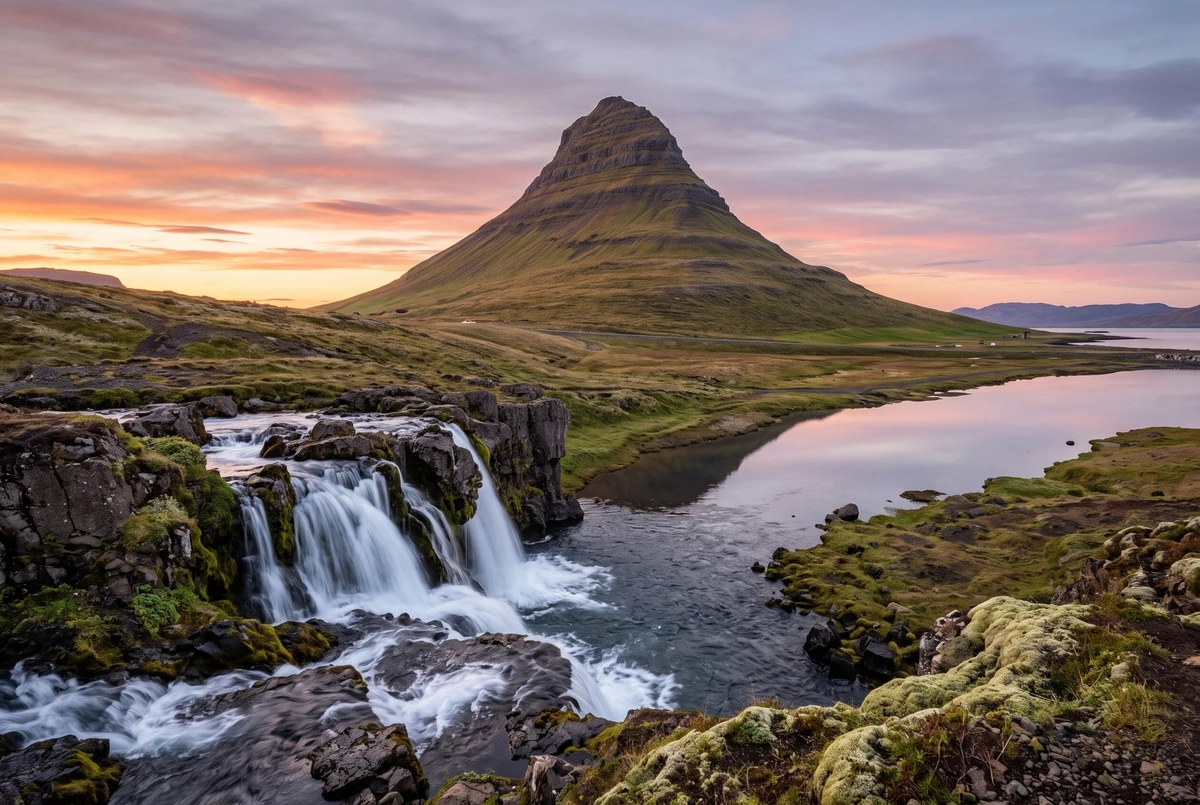
At four in the afternoon in December, the sky over Þingvellir turns the colour of a ripe plum, and the only sound is snow squeaking under your boots. Six months later the same valley glows at midnight, the sun skimming the horizon while golden plovers call across the lava moss. Iceland is an island still being made: Strokkur geyser erupts every few minutes, glaciers calve icebergs into Jökulsárlón lagoon, and young lava fields steam on the Reykjanes Peninsula.
Destinations
Choose a city to see everything we arrange there.
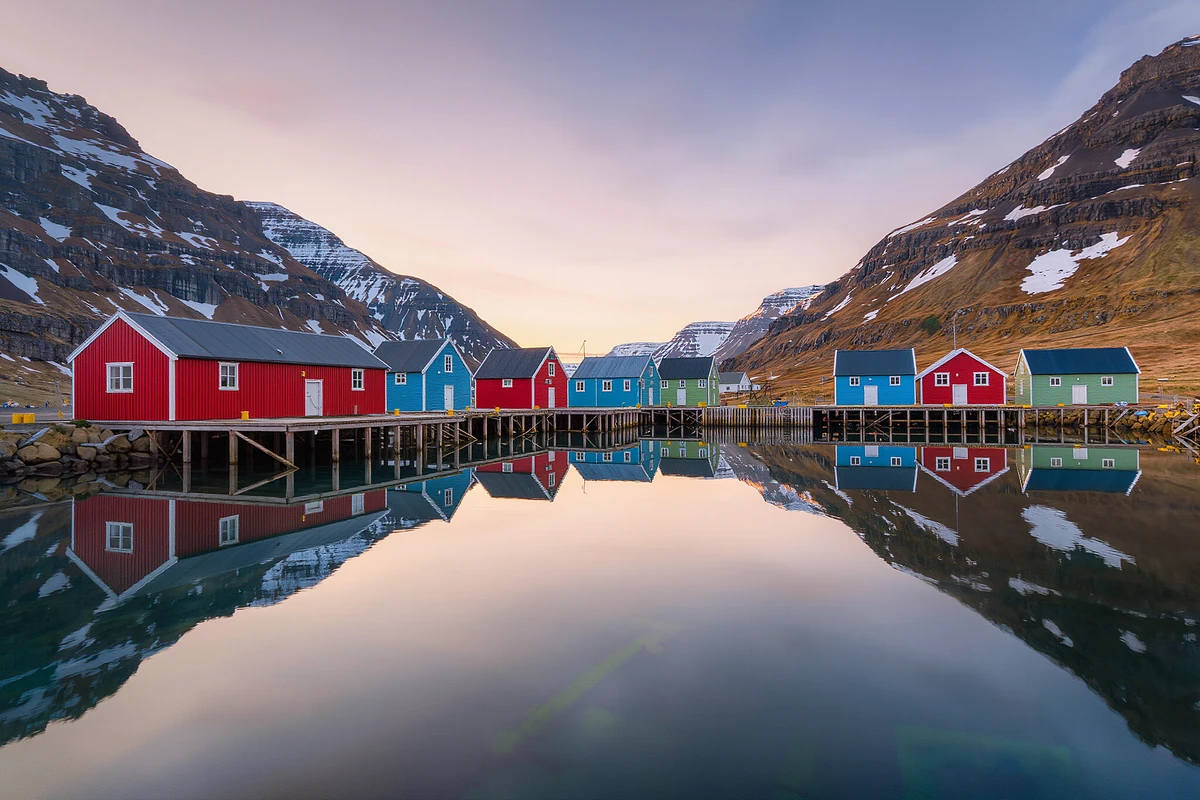
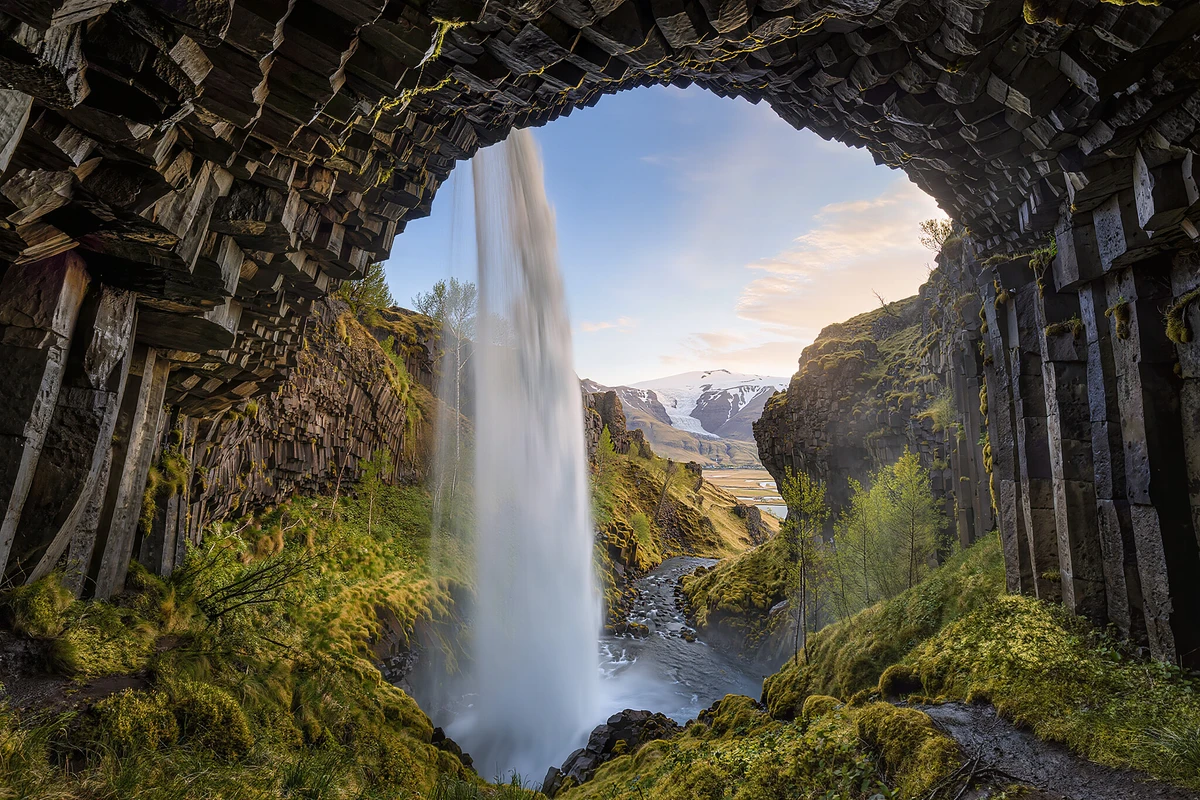
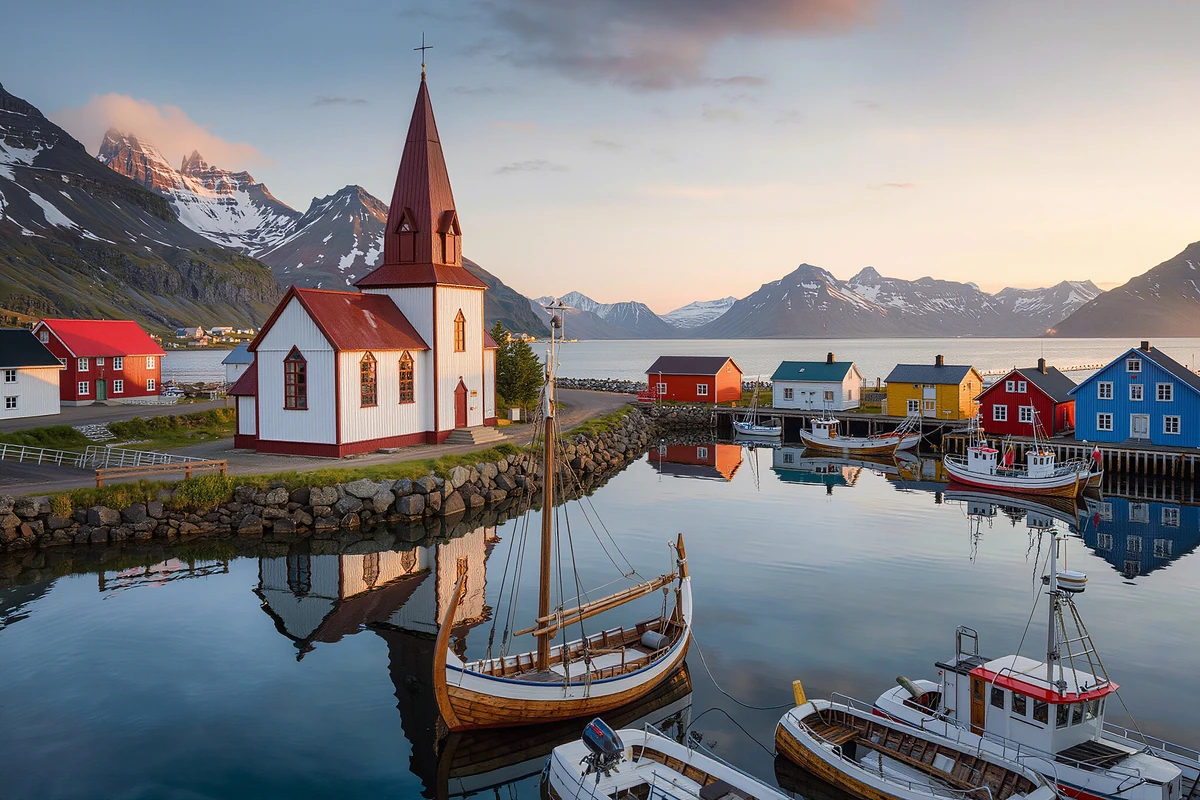
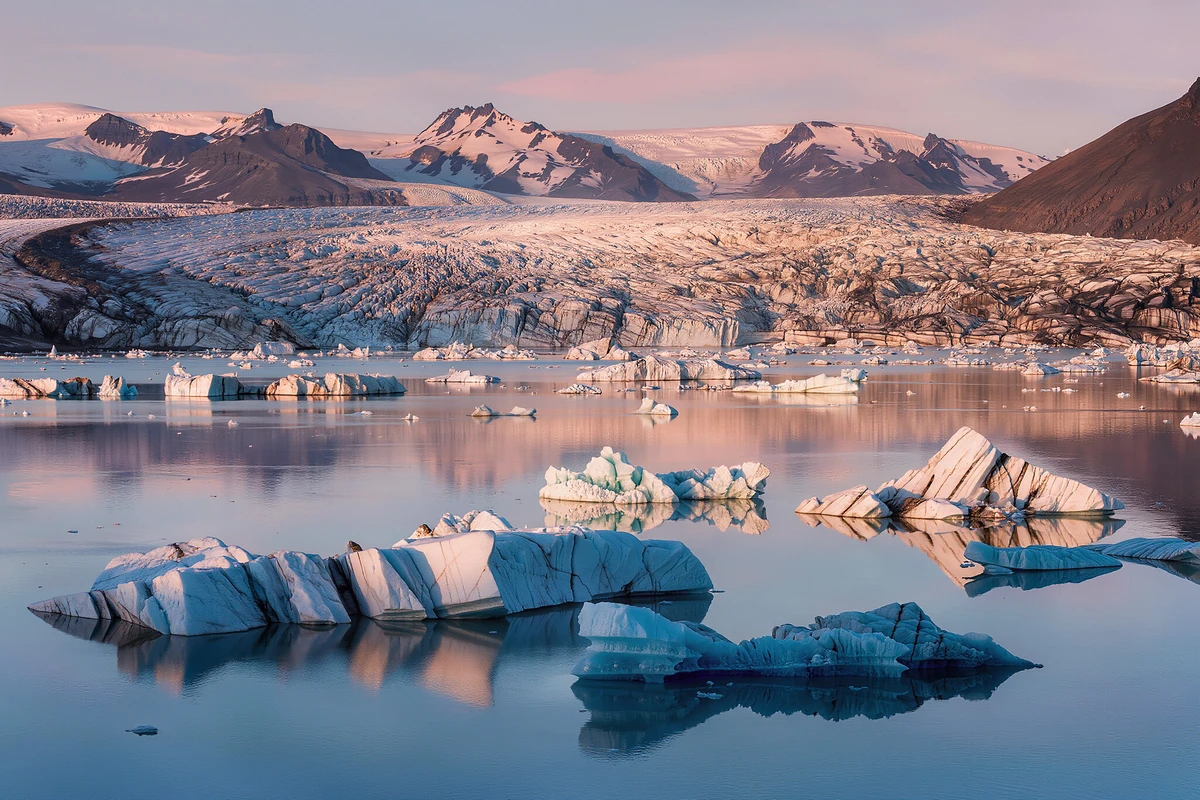
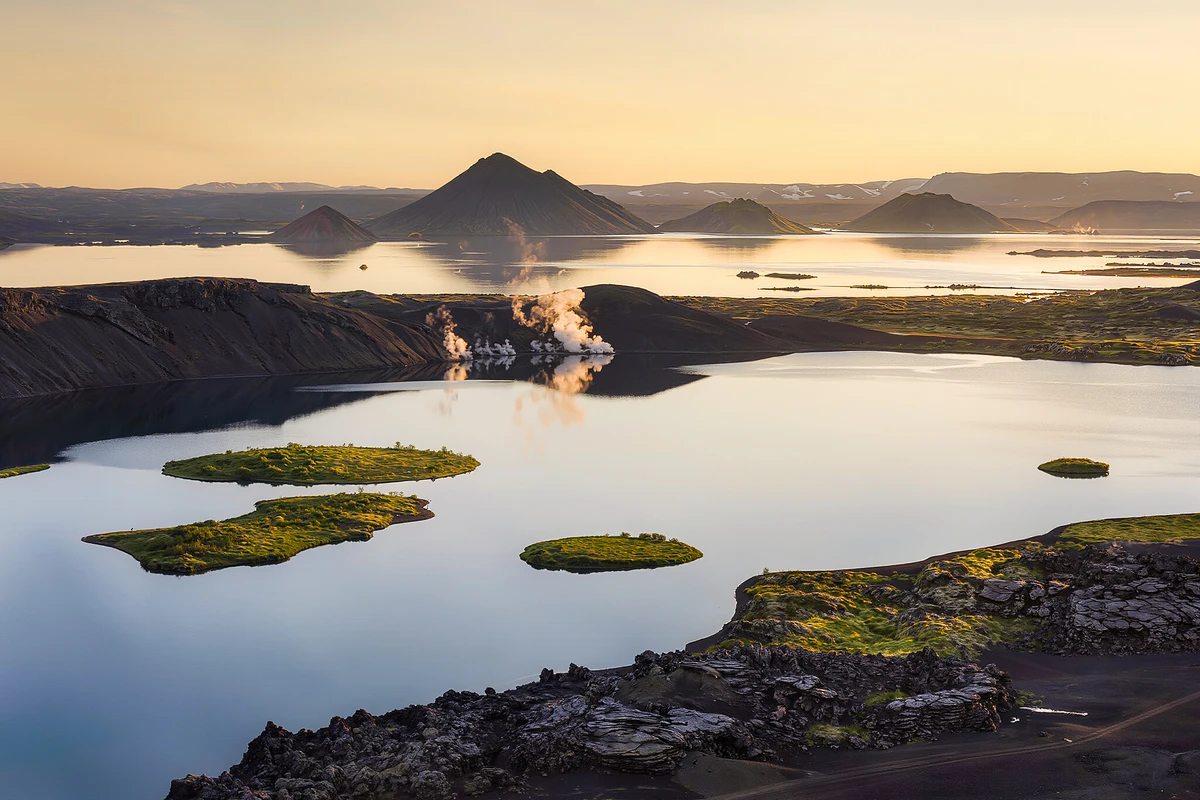
Services by city in Iceland
Airport Transfers
Ferry Tickets
The essence of Iceland
Nowhere else lets you stand in the rift between two continental plates, soak in geothermal water beneath the northern lights and walk a black-sand beach beside basalt columns, all within a day’s reach of the capital. Iceland rewards travellers who plan around weather and daylight, and that is precisely where our team helps: we arrange guided day tours from Reykjavik, private airport transfers from Keflavík, attraction tickets and onward flights, so every hour of precious light goes to the landscape rather than to logistics.
Why visit Iceland?
Sagas, Settlers and the Oldest Parliament
Norse settlers reached Iceland in the late ninth century, and in 930 they founded the Althing at Þingvellir, one of the oldest parliamentary assemblies in the world. The medieval sagas composed here, preserved on vellum manuscripts in Reykjavik, rank among Europe’s great literary treasures. Turf-roofed farmsteads such as Glaumbær, the Settlement Exhibition built around a Viking-age longhouse, and lonely wooden churches show how a small nation endured centuries of isolation and volcanic winters.
Fire, Ice and a Restless Earth
Iceland sits astride the Mid-Atlantic Ridge, so the ground itself is alive. Vatnajökull, Europe’s largest ice cap by volume, sends glacier tongues spilling toward the sea; Gullfoss, Skógafoss and Dettifoss thunder off basalt cliffs; and highland valleys such as Landmannalaugar glow with rhyolite in shades of rust and lilac. Along the coast, puffins nest on sea cliffs through summer and black-sand beaches meet the full force of the North Atlantic.
Lamb Soup, Rye Bread and Pool Culture
Icelandic social life revolves around the geothermal swimming pool, where neighbours trade news in hot tubs from early morning. At the table, expect slow-cooked lamb soup, Arctic char, langoustine from Höfn, creamy skyr with wild bilberries, and dark rye bread baked for a full day in hot volcanic ground near Lake Laugarvatn. Midwinter Þorrablót feasts, a fierce love of books, hand-knitted lopapeysa sweaters and a strong storytelling tradition keep the culture vivid.
Moments Found Only in Iceland
Snorkel between continents in the glassy glacial water of Silfra fissure, walk across a glacier with crampons and an ice axe, or step into a blue ice cave beneath Vatnajökull in winter. Watch the aurora ripple green above a frozen lagoon, sail among wild humpback whales off Húsavík, and bathe in a milky-blue geothermal pool while snow falls around you. In June, the midnight sun simply refuses to end the day.
Who is Iceland for?
Ideal for
- Landscape photographers chasing rare light
- Couples seeking a dramatic winter escape
- Families who love volcanoes, waterfalls and wildlife
- Active travellers keen on glacier hikes and ice caves
- Aurora hunters travelling between September and April
- First-timers who want the road-trip feel without driving themselves
Pace & travel style
- Base in Reykjavik and explore with guided day tours
- A slow ring-road journey with countryside nights
- A short winter break built around the northern lights
- An active summer of hikes, glaciers and highland trails
When to visit Iceland
Peak season · June–August
Summer brings near-endless daylight, mild temperatures and open mountain roads, so the highlands, Landmannalaugar and the Westfjords become reachable. Puffins crowd the cliffs, whale-watching is at its best and the countryside is green and loud with birdsong. It is also the busiest and most sought-after season: hotels outside Reykjavik fill months ahead, so early planning and pre-arranged transport make a real difference.
Shoulder season · May and September–October
Smart travellers love the shoulder months. May offers long, bright days with fewer visitors and fresh snow still on the peaks, while September and early October add golden moss, autumn colour and the first northern lights in dark skies. Roads are generally open, tours run with smaller groups and accommodation is easier to secure, giving you the best balance of daylight and calm.
Low season · November–April
Winter is short on daylight, often only four or five hours around December, and storms can close roads at short notice. Yet this is when ice caves open beneath Vatnajökull, waterfalls freeze into sculpture and the aurora dances over snowy fields. It suits couples, photographers and anyone happy to keep plans flexible, especially when a professional guide is watching the weather on your behalf.
The regions of Iceland and how to combine its cities
Iceland is best understood as a ring. The southwest holds Reykjavik, the Reykjanes Peninsula with its lava fields and geothermal lagoons, and the Golden Circle of Þingvellir, Geysir and Gullfoss. Heading east, the South Coast unfolds as a string of waterfalls, black-sand beaches near Vík, glacier tongues and finally the iceberg lagoon of Jökulsárlón below Vatnajökull.
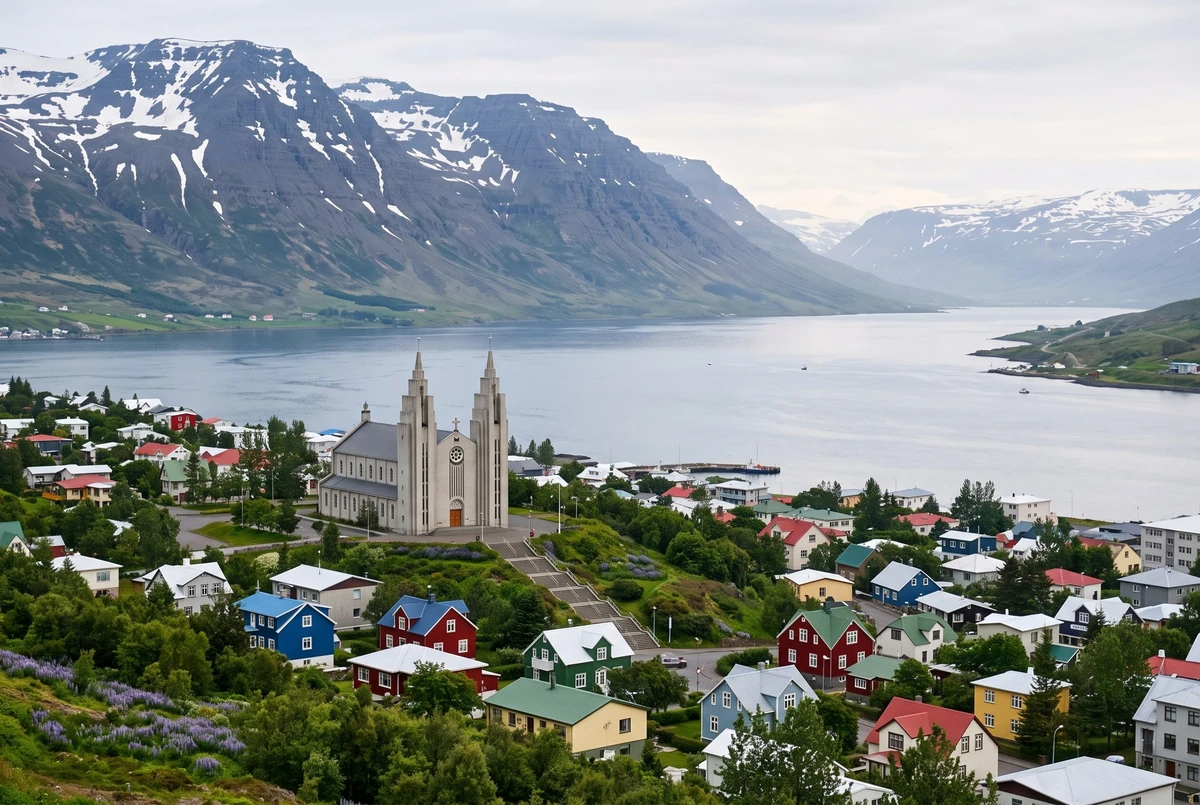
The north feels quieter and more pastoral, centred on Akureyri, the volcanic landscapes of Lake Mývatn and whale-rich Húsavík. The East Fjords hide fishing villages under steep mountains, the remote Westfjords are all cliffs and empty bays, and the uninhabited highlands open only in summer. Snæfellsnes, west of the capital, compresses much of this variety into one peninsula crowned by a glacier-capped volcano.
Our city directory below centres on Reykjavik, the natural base for any first trip to Iceland. From the capital we arrange guided day tours along the Golden Circle, the South Coast and Snæfellsnes, private transfers from Keflavík airport, attraction tickets for geothermal lagoons and museums, domestic flight tickets to Akureyri for the north, and ferry tickets to the Westman Islands. Pairing several Reykjavik nights with one or two journeys outward builds an itinerary that feels unhurried yet covers the island’s great contrasts of fire and ice.
Before you go: practical tips for Iceland
Entry & visas
Iceland belongs to the Schengen area, although it is not an EU member. Travellers who need a Schengen visa apply through the relevant embassy or visa centre, and a valid Schengen visa generally covers Iceland too. Many nationalities enter visa-free for short stays. Requirements depend on your passport, so always check the official government portal or embassy before booking.
Money, cards & tipping
Iceland is one of the most card-friendly countries anywhere: contactless payment works in taxis, cafés, petrol stations and even remote farm shops, so many visitors never handle cash. Prices are high by most standards, which makes pre-planned transport and tours good value for time. Tipping is not expected because service is included, though rounding up for excellent guides is appreciated. Bargaining is not part of local culture.
Etiquette & dress code
The single rule that matters most: shower thoroughly without a swimsuit before entering any geothermal pool or lagoon, as signs explain. Stay on marked paths, because moss takes decades to recover from footsteps. Churches welcome quiet visitors; dress neatly and keep voices low. Ask before photographing people, never fly drones near crowds or protected areas, and respect closed roads and rope barriers at beaches.
Getting around
Iceland has no railway. Domestic flights link Reykjavik’s city airport with Akureyri, Egilsstaðir and Ísafjörður, and ferries serve the Westman Islands and other offshore communities. Roads can be icy, windy and remote, so many visitors prefer not to drive. Our private chauffeured transfers connect Keflavík airport with central Reykjavik, and our drivers and guides handle day journeys while you enjoy the view.
Must-do things in Iceland
- Walk the rift valley at Þingvellir where two continental plates pull apart
- Watch Strokkur geyser erupt, then feel the spray of mighty Gullfoss
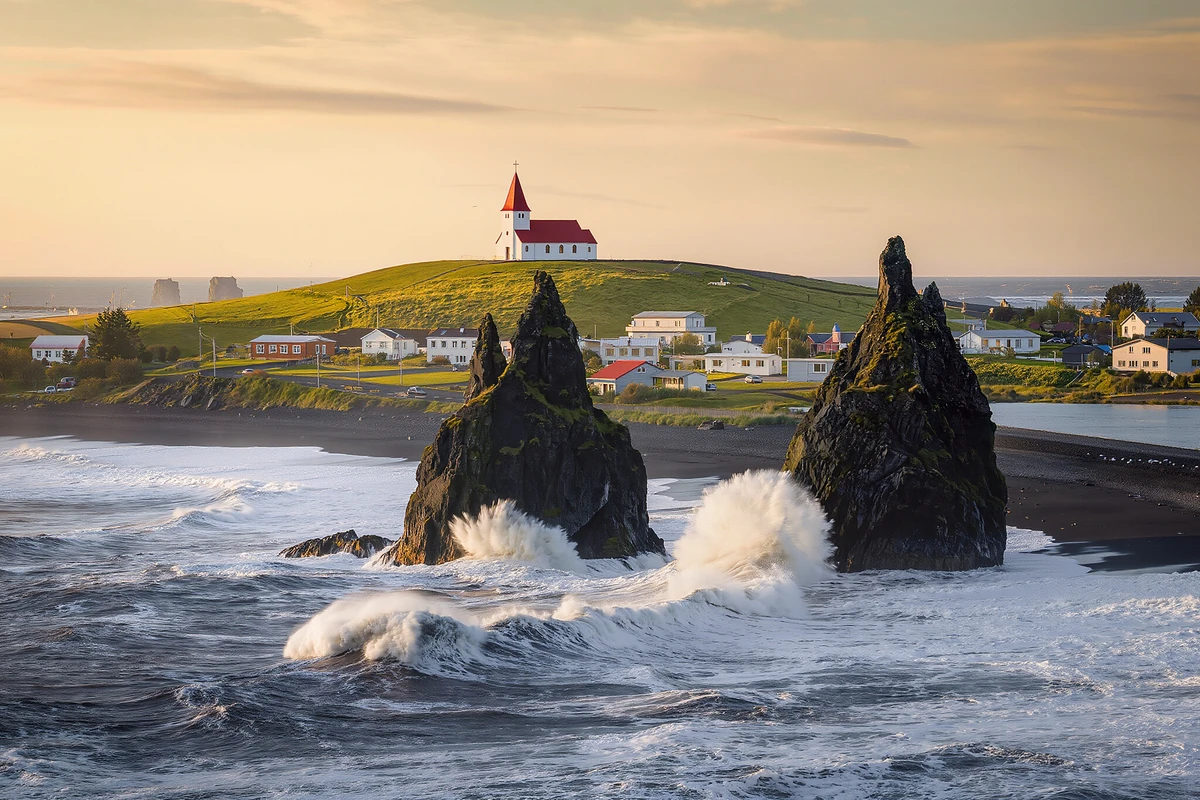
- Stand on Reynisfjara’s black sand beneath towering basalt columns near Vík
- See icebergs drift out to sea from Jökulsárlón glacier lagoon
- Chase the northern lights on a clear winter night away from city glow
- Hike a glacier tongue with crampons and an experienced mountain guide
- Soak in a geothermal lagoon on the Reykjanes Peninsula after arrival
- Circle Snæfellsnes for fishing villages, sea cliffs and a glacier-capped volcano
- Sail out to watch wild humpback whales from Húsavík in the north
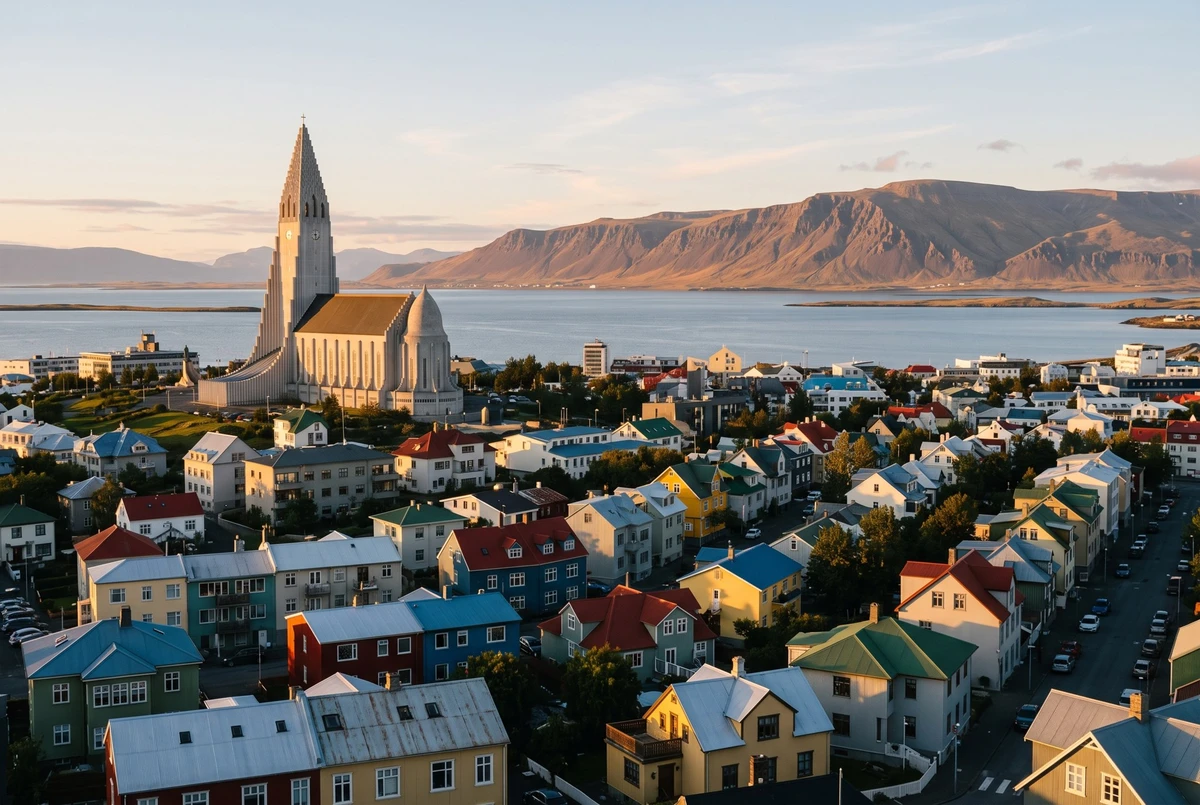
- Climb Hallgrímskirkja’s tower for the colourful rooftops of Reykjavik
Do’s and don’ts in Iceland
Do
- Pack layers, waterproofs and sturdy boots, even in July
- Check weather and road conditions every morning before setting out
- Shower without a swimsuit before entering geothermal pools
- Keep plans flexible around storms and aurora forecasts
- Book summer accommodation and transfers well in advance
Don’t
- Don’t walk on fragile moss or leave marked trails
- Don’t turn your back on the waves at Reynisfjara beach
- Don’t climb onto glaciers or into ice caves without a certified guide
- Don’t underestimate distances and short winter daylight
- Don’t pick up stones or disturb nesting birds
Iceland at a glance
Plan Iceland with Haqqi Tours
Every option is confirmed by our team on WhatsApp before you pay, and delivered by our own people or by trusted local partners we work with in every city. Because we send travellers from all over the world, our partners give us special rates and priority, so you always receive the best. Prices are per person unless marked per vehicle.
About Haqqi Tours: About us Contact us Legal NoticePrivacy PolicyCookies & Marketing PreferencesTerms & ConditionsBooking, Payment & Refunds
Where we operate in Iceland
Good to know
Frequently Asked Questions
Straight answers to what travellers ask most about Iceland.
Is it safe to visit Iceland?
Iceland is consistently ranked among the safest countries in the world, with very low crime and a welcoming, English-speaking population. The real risks come from nature: weather, waves, ice and volcanic activity. Travelling with experienced guides, respecting warning signs and keeping our WhatsApp line handy lets you enjoy the island with genuine peace of mind.
How many days do I need for a first trip to Iceland?
Five to seven days is ideal for a first trip. That allows Reykjavik itself, the Golden Circle, the South Coast as far as Jökulsárlón, and a spare day for weather. With ten days or more, add Snæfellsnes and a flight north to Akureyri and Lake Mývatn. Our team can shape the order around daylight and forecasts.
What is the best way to travel between Iceland's major cities?
Short domestic flights are the fastest link between Reykjavik and Akureyri or the East Fjords, saving a long drive. Elsewhere, travel is by road, and conditions change quickly. Many visitors base themselves in Reykjavik and rely on our guided day tours and private chauffeured transfers, which remove the stress of icy roads and long distances.
Can a trip to Iceland be tailored for luxury or private travel?
Absolutely. We can arrange private airport transfers in comfortable vehicles, guided day tours with your own driver-guide, premium attraction tickets for geothermal lagoons and flights to the north. Iceland’s boutique lodges, glass-roofed cabins and fine Nordic restaurants pair beautifully with a private itinerary, and our team confirms every detail with you on WhatsApp first.
Is Iceland tourist friendly?
Very. Almost everyone speaks fluent English, signage is clear, cards are accepted everywhere and the tourism infrastructure is excellent, from visitor centres to well-marked trails. Icelanders are reserved but genuinely helpful. The main challenge is the weather, which is why travellers often prefer guided day tours and pre-arranged transfers rather than improvising on remote roads.
Is it safe to travel to Iceland now?
Iceland remains a calm, stable destination. Volcanic activity on the Reykjanes Peninsula is closely monitored and access to affected areas is managed by local authorities. Before departure, check the official travel advice of your own government and local safety updates, and keep our WhatsApp line handy so our team can adjust plans quickly if conditions change.
What is the best time to visit Iceland?
It depends on what you want to see. June to August brings midnight sun, puffins and open highland roads. September to March offers the best chance of northern lights, with ice caves opening from roughly November. May and September are excellent compromises, with fewer crowds, reasonable daylight and more relaxed availability for tours and hotels.
What is Iceland famous for?
Iceland is famous for its raw volcanic landscapes, thundering waterfalls, glaciers and the northern lights. It is also known for geothermal lagoons, black-sand beaches, wild whales and puffins, the midnight sun of summer, and a proud literary heritage of medieval sagas. Few places on Earth show geology so visibly at work.
When are the northern lights most likely to be seen on arrival
The darker months of the cold season give the clearest chance, and the transfer from the airport into Reykjavik is timed around the family flight so there is no separate arrangement needed.
How does the Reykjavik airport transfer get booked
The family sends its flight details on WhatsApp, the desk confirms the fixed price in writing, and a driver is waiting at arrivals with the timing adjusted automatically if the flight is delayed.
Is the driver able to communicate in Arabic during the transfer
The booking itself is confirmed by an Arabic-speaking coordinator on the WhatsApp desk, and any change of plan during the ride can be relayed back through that same conversation without confusion.
Which cities in Iceland does Haqqi Tours cover?
Reykjavik, Akureyri, Vik, Isafjordur, Skaftafell, Husavik, Jokulsarlon and Myvatn. Each city has its own page with everything available there, and a trip across several cities is planned in one WhatsApp conversation.
What can I book in Iceland?
Day tours, attraction tickets, private airport transfers, flight tickets and ferry tickets - all run or confirmed by Haqqi Tours, each with a fixed price agreed on WhatsApp before you pay.
How do I book a tour or transfer in Iceland?
Fill in the form on the page you are interested in, or message us on WhatsApp with the date, the number of travellers and your hotel. A member of our team confirms the price and the details in writing within minutes.
Are the prices fixed?
Yes. Every price is agreed in writing on WhatsApp before you travel and does not change on the day - not for traffic, not for a late flight, not for the hour.
Do you arrange transfers between cities in Iceland?
Yes. Intercity transfers by private car or van are booked the same way as airport transfers; tell the desk the two hotels and the date and it quotes a fixed price for the whole vehicle.