
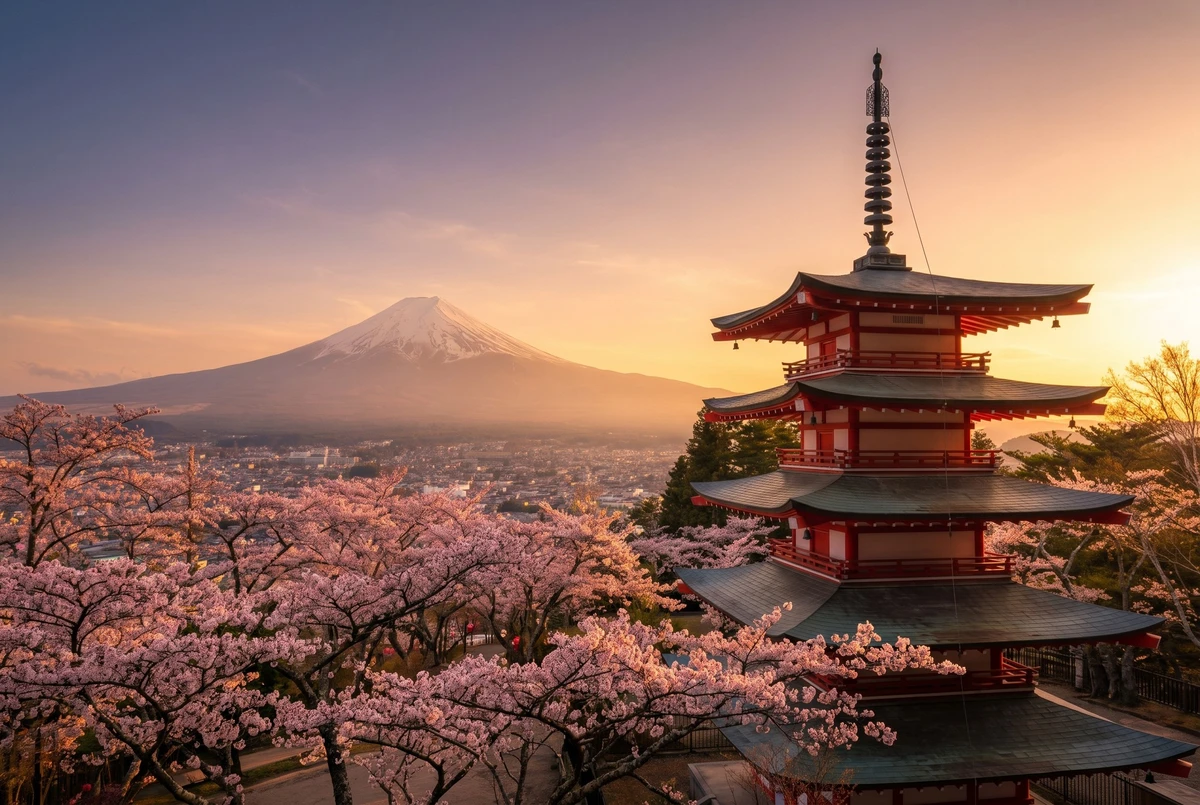
Japan
Haqqi Tours arranges day tours, private airport transfers, attraction tickets and multi-day packages across Japan, confirmed on WhatsApp before you pay.
At dawn in Kyoto, the only sounds on the stone path to a temple are the scratch of a monk's bamboo broom and the soft clack of wooden sandals. By mid-morning you are on a bullet train sliding past the snow-capped cone of Mount Fuji, a bento of grilled salmon and pickled plum balanced on your knees, and by evening Tokyo's Shibuya Crossing pulses beneath towering walls of light as thousands of people cross in perfect, unhurried order.
Destinations
Choose a city to see everything we arrange there.


Services by city in Japan
Ferry Tickets
The essence of Japan
Japan is the rare country where ancient ritual and the future share the same street. Shrine gates stand between glass towers, tea is whisked with gestures unchanged for centuries, and courtesy shapes every encounter, from the bow of a station attendant to the careful wrapping of a single peach. Our team arranges guided day tours, attraction tickets, rail tickets and private drivers so you can enjoy Japan's precision and beauty without wrestling with its complexity.
Why visit Japan?
Temples, Castles and the Imperial Past
Japan's history is written in wood, stone and gold leaf. Kyoto, the imperial capital for over a thousand years, keeps an extraordinary wealth of temples and shrines, from the golden pavilion of Kinkaku-ji to the vermilion gates of Fushimi Inari. Nara's Todai-ji shelters a colossal bronze Buddha, Himeji Castle rises white as a heron, and Hiroshima's Peace Memorial offers a profound reflection on the twentieth century and the meaning of peace.
Volcanoes, Forests and Four Vivid Seasons
Stretching from snowy Hokkaido to the subtropical islands of Okinawa, Japan is a chain of volcanic mountains wrapped in forest. Mount Fuji's perfect cone presides over lakes and hot-spring towns, the Japanese Alps shelter thatched villages, and ancient cedars line the pilgrim trails of the Kumano Kodo. Each season paints the land anew: cherry blossom in spring, green rice terraces in summer, crimson maples in autumn and powder snow in winter.
Craft, Cuisine and the Art of Ritual
Japanese food is an expression of season and place: sushi at Tokyo's markets, kaiseki banquets of exquisite seasonal courses in Kyoto, sizzling okonomiyaki and takoyaki on Osaka's streets, and steaming bowls of ramen everywhere. Beyond the table, the tea ceremony, ikebana flower arranging, calligraphy and festivals such as Kyoto's Gion Matsuri reveal a culture that treats everyday acts as art and craftsmanship as a lifelong discipline.
Moments You Will Find Only in Japan
Walking beneath endless tunnels of torii gates at Fushimi Inari before sunrise. Riding the shinkansen as Mount Fuji fills the window. Soaking in an outdoor onsen while snow settles on the surrounding pines. Glimpsing a geiko gliding through the lanes of Gion at dusk. Watching free-roaming sika deer bow among the temples of Nara. Our guided day tours, rail tickets and attraction tickets let you live each moment with ease.
Who is Japan for?
Ideal for
- Culture seekers fascinated by temples and tradition
- Food lovers on a culinary pilgrimage
- Families with curious children of all ages
- Couples chasing cherry blossom or autumn colour
- Design, technology and shopping enthusiasts
- Luxury travellers seeking ryokan stays and private guides
Pace & travel style
- Fast, efficient travel by bullet train
- Slow, contemplative days among Kyoto's temples
- Energetic city exploration in Tokyo and Osaka
- Restorative nights at hot-spring inns
When to visit Japan
Peak season · Late March–April and October–November
Cherry blossom season and autumn foliage show Japan at its most celebrated. Parks fill with hanami picnics beneath pink canopies in spring, and temple gardens blaze crimson and gold in autumn. The weather is mild and ideal for walking, but crowds are intense, especially in Kyoto, and hotels fill months ahead. Book early, start sightseeing at dawn and let our guides steer you towards quieter viewpoints.
Shoulder season · May–June and September
Late spring brings fresh green maples, iris gardens and comfortable temperatures once the Golden Week holiday rush has passed. June introduces the rainy season, when moss gardens and hydrangeas glow and crowds thin. September stays warm and humid with occasional typhoons, but rates soften and summer festivals linger. These months suit travellers who value space and flexibility over postcard-perfect blossom.
Low season · December–February and July–August
Winter is crisp and clear on the Pacific side, with blue skies over Tokyo and Kyoto, sparkling illuminations in the cities and deep snow in the Alps and Hokkaido, perfect for onsen stays. Midsummer is hot and humid but alive with fireworks and street festivals. Outside the New Year holidays, both periods offer calmer temples and good availability for travellers who plan around the weather.
The regions of Japan and how to combine its cities
Japan is a long archipelago of four main islands and thousands of smaller ones. Honshu, the largest, holds the great cities: Tokyo and Yokohama on the Kanto plain, the Japanese Alps and Kanazawa in the centre, and the Kansai region of Kyoto, Osaka, Nara and Kobe to the west, all joined by the bullet-train corridor that forms the backbone of most journeys.
Further afield, Hokkaido in the north is a land of powder snow, lavender fields and superb seafood; Kyushu in the south offers volcanoes, hot springs and the historic port of Nagasaki; Shikoku is quiet, rural and laced with pilgrimage temples; and the Okinawa islands bring coral reefs and a distinct Ryukyu culture. Hiroshima and the sacred island of Miyajima sit on the calm Seto Inland Sea.
Our city directory below follows the classic golden route. Start in Tokyo for neon districts, gardens and our day tours to Mount Fuji or Nikko, then board the shinkansen with rail tickets we issue to Kyoto for temples, tea houses and lantern-lit lanes. Finish in Osaka for street food, Osaka Castle and easy day trips to Nara and Himeji. Seven days covers the three cities; ten to fourteen days adds Hiroshima, Kanazawa or the Japanese Alps.
Before you go: practical tips for Japan
Entry & visas
Many nationalities can enter Japan visa-free for short tourist stays, an electronic visa system is available to some passport holders, and others must apply through a Japanese embassy or consulate. Rules depend entirely on your passport, so check the official website of Japan's Ministry of Foreign Affairs or your nearest embassy before booking. Keep hotel and transfer confirmations ready, as immigration officers may ask for them.
Money, cards & tipping
Japan uses the yen. Cash remains important despite growing card acceptance, especially at small restaurants, temples, shrines and rural shops, so carry enough notes and withdraw from convenience-store cash machines, which accept foreign cards. Tipping is not customary and can cause confusion; excellent service is simply part of the culture. Prices are fixed and bargaining is not practised. Rechargeable transit cards make trains and convenience stores effortless.
Etiquette & dress code
Bow lightly when greeting, remove shoes wherever you see a raised step or slippers laid out, and never wear toilet slippers beyond the bathroom. Speak quietly on trains and avoid phone calls. At shrines, rinse your hands at the water basin before approaching. Ask before photographing people, and respect geiko privacy in Gion. Eating while walking is frowned upon in many places, and modest dress suits temple visits.
Getting around
Japan's rail network is legendary. The shinkansen links Tokyo, Kyoto and Osaka within a few hours with remarkable punctuality, while domestic flights reach Hokkaido, Kyushu and Okinawa. Local trains and subways are clean and efficient, if busy at rush hour. Our team issues rail and flight tickets and arranges private chauffeured transfers from Narita, Haneda and Kansai airports, sparing you complicated connections with heavy luggage.
Must-do things in Japan
- Walk through the vermilion torii tunnels of Fushimi Inari in Kyoto at sunrise.
- Cross Shibuya Crossing, then view Tokyo at night from a skyscraper observation deck.
- Take a day tour to Mount Fuji and the lakes of Hakone or Kawaguchiko.
- Ride the shinkansen between Tokyo, Kyoto and Osaka along the golden route.
- Join a traditional tea ceremony in a historic Kyoto tea house.
- Feast on takoyaki and okonomiyaki beside Osaka's glowing Dotonbori canal.
- Meet the free-roaming deer and the giant Buddha of Nara on a day trip.
- Spend a night in a ryokan with a kaiseki dinner and an onsen bath.
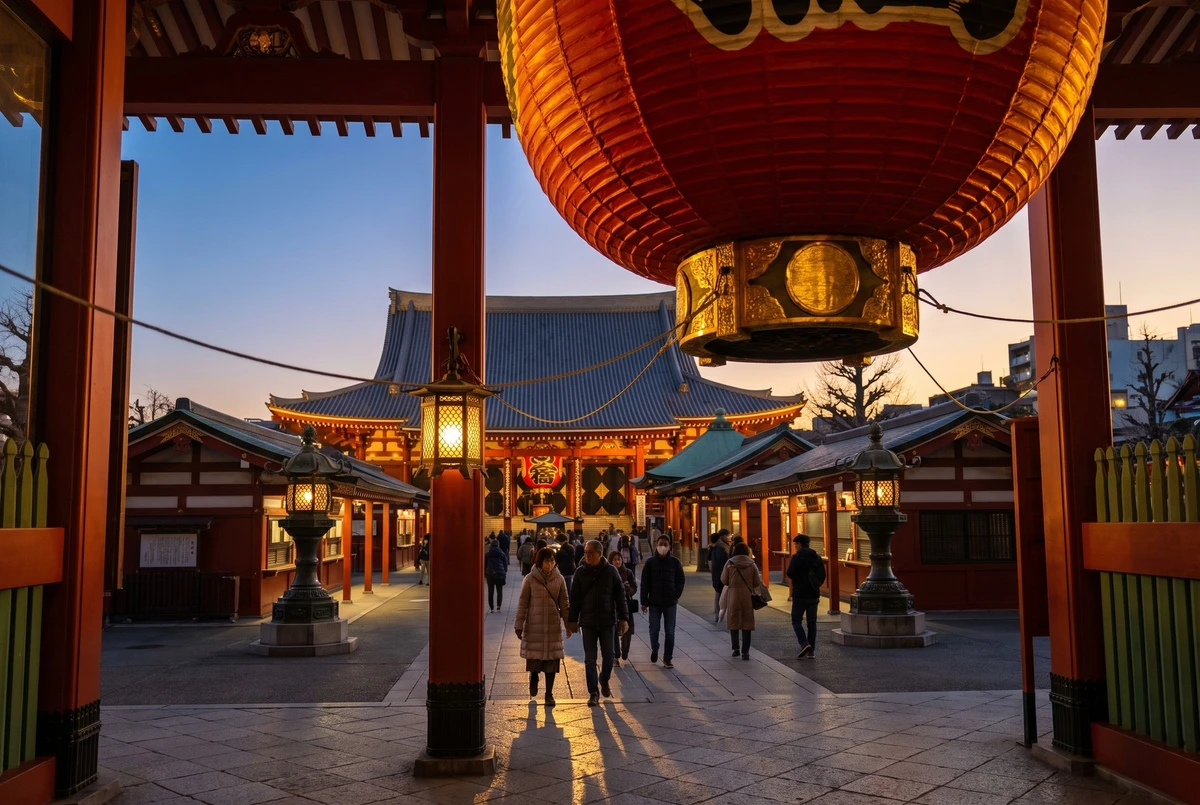
- Explore Tokyo's Senso-ji temple and the old merchant streets of Asakusa.
- Visit Hiroshima's Peace Memorial and the floating torii gate of Miyajima.
Do’s and don’ts in Japan
Do
- Carry cash and a rechargeable transit card for daily purchases.
- Queue neatly on platforms and let passengers exit before boarding.
- Keep a small bag for rubbish, as public bins are rare.
- Book popular attractions, restaurants and ryokan well in advance.
- Learn simple phrases like arigatou gozaimasu (thank you very much).
Don’t
- Don't tip; it can embarrass staff rather than reward them.
- Don't talk on your phone or eat on crowded local trains.
- Don't stand chopsticks upright in rice or pass food between chopsticks.
- Don't enter homes, temples or ryokan rooms wearing outdoor shoes.
- Don't photograph geiko or maiko in Gion without permission.
Japan at a glance
Plan Japan with Haqqi Tours
Every option is confirmed by our team on WhatsApp before you pay, and delivered by our own people or by trusted local partners we work with in every city. Because we send travellers from all over the world, our partners give us special rates and priority, so you always receive the best. Prices are per person unless marked per vehicle.
About Haqqi Tours: About us Contact us Legal NoticePrivacy PolicyCookies & Marketing PreferencesTerms & ConditionsBooking, Payment & Refunds
Good to know
Frequently Asked Questions
Straight answers to what travellers ask most about Japan.
Is it safe to visit Japan?
Yes. Japan is consistently ranked among the safest countries in the world, with very low crime, an honest lost-property culture and well-lit streets even late at night. Natural events such as earthquakes and typhoons are the main consideration, and local preparedness is excellent. Check your own government's official travel advice before departure and keep our WhatsApp line handy.
How many days do I need for a first trip to Japan?
Allow seven to ten days for a first trip: three or four nights in Tokyo, three in Kyoto and two in Osaka, with day trips to Mount Fuji, Nara or Hiroshima. Fourteen days lets you add the Japanese Alps or a ryokan stay at a slower pace. Our team can plan every rail connection for you.
What is the best way to travel between Japan's major cities?
The shinkansen bullet train is the best way to travel between Japan's major cities: fast, punctual and comfortable, with Tokyo to Kyoto taking just over two hours. Domestic flights suit Hokkaido and Okinawa. We issue rail and flight tickets and arrange private drivers for airport transfers and day trips with luggage.
Can a trip to Japan be tailored for luxury or private travel?
Absolutely. We can tailor a private Japan journey with chauffeured transfers from Narita, Haneda or Kansai, private guides in Kyoto's temples, attraction tickets secured in advance, premium shinkansen seats and stays in refined ryokan with private hot-spring baths. Tell our team your interests and pace, and we will confirm every detail on WhatsApp before anything is paid.
Is Japan tourist friendly?
Very, though it can feel complex at first. Signs in major cities and stations appear in English, public transport is superbly organised, and people are courteous and eager to help even with limited English. Halal and vegetarian options are growing in Tokyo, Kyoto and Osaka. Our guides and drivers bridge the language gap and simplify every step.
Is it safe to travel to Japan now?
Japan is a stable, highly organised destination with world-class infrastructure and emergency systems. Conditions anywhere can change, and seasonal typhoons or earthquakes can briefly disrupt transport, so check your own government's official travel advice before departure and follow local guidance. Our team remains reachable on WhatsApp throughout your trip and can rearrange transfers or tours when needed.
What is the best time to visit Japan?
Late March to early April for cherry blossom and October to November for autumn colour are the most beautiful periods, though also the busiest. May and late September offer pleasant weather with fewer crowds. Winter is crisp, clear and ideal for snow scenery and onsen, while July and August are hot, humid and full of festivals.
What is Japan famous for?
Japan is famous for its temples, shrines and Mount Fuji, for cherry blossom and autumn maples, and for cuisine such as sushi, ramen and kaiseki. It is equally known for the bullet train, cutting-edge technology, meticulous craftsmanship, hot-spring onsen, the tea ceremony and a culture of exceptional courtesy and order.
Which cities in Japan does Haqqi Tours cover?
Tokyo, Osaka and Kyoto. Each city has its own page with everything available there, and a trip across several cities is planned in one WhatsApp conversation.
What can I book in Japan?
Day tours, attraction tickets, private airport transfers, flight tickets, train tickets and ferry tickets - all run or confirmed by Haqqi Tours, each with a fixed price agreed on WhatsApp before you pay.
How do I book a tour or transfer in Japan?
Fill in the form on the page you are interested in, or message us on WhatsApp with the date, the number of travellers and your hotel. A member of our team confirms the price and the details in writing within minutes.
Are the prices fixed?
Yes. Every price is agreed in writing on WhatsApp before you travel and does not change on the day - not for traffic, not for a late flight, not for the hour.
Do you arrange transfers between cities in Japan?
Yes. Intercity transfers by private car or van are booked the same way as airport transfers; tell the desk the two hotels and the date and it quotes a fixed price for the whole vehicle.
Can you plan a full itinerary across Japan?
Yes - tell the desk your dates, the cities you want and who is travelling, and it proposes a day-by-day plan with the tours, transfers and tickets priced in writing. You adjust it in the same chat before confirming.
Are your tours private or in a group?
Both exist, and the page of each tour says which. Private tours have a car and guide for your party alone; small-group tours share a guide with a few other travellers. The desk can convert most group tours into a private day on request.
Do the drivers and guides speak Arabic?
It depends on the country, the city and the day, so we do not promise a particular language for the driver or guide. Tell us your preference and we do our best; the WhatsApp desk itself always works in Arabic and English.