
Tokyo
Plan Tokyo with Haqqi Tours: day tours, private airport transfers, attraction tickets and packages, run by our own team and confirmed on WhatsApp in Arabic or English.
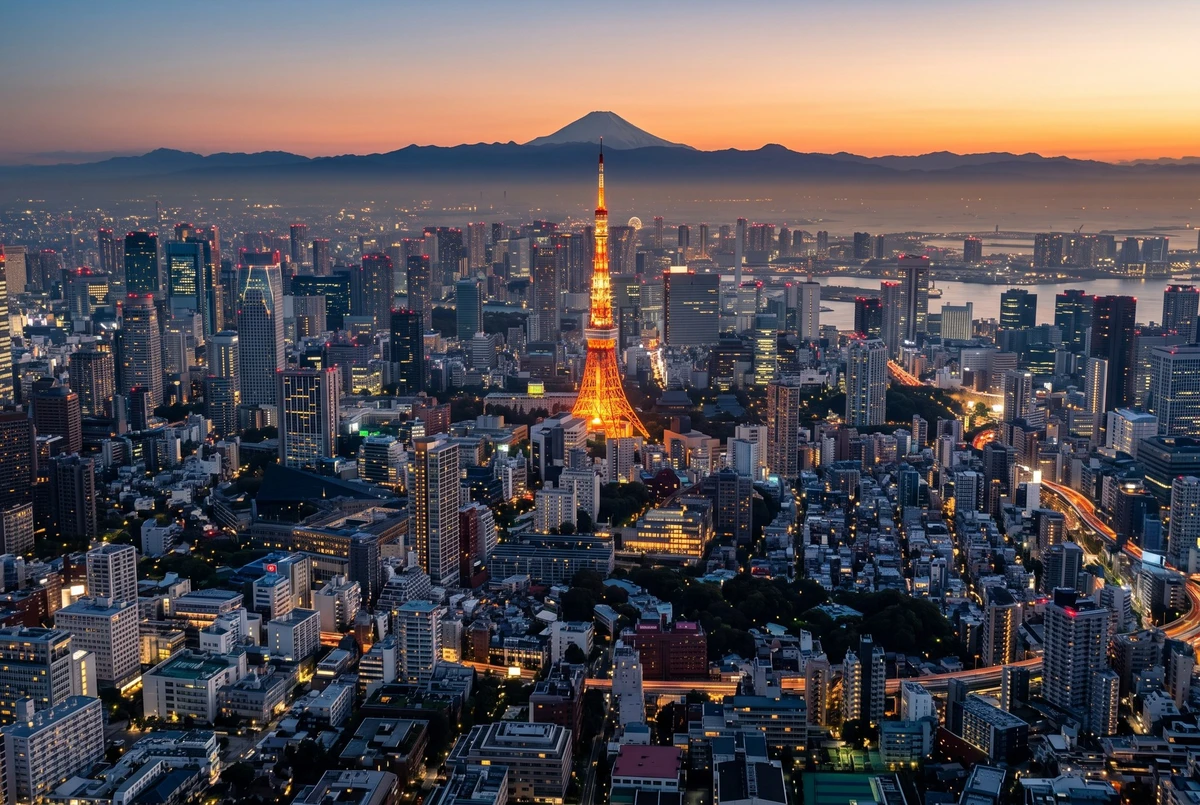
Step out of your hotel in Tokyo at seven in the morning and the city is already moving with quiet precision: salarymen in dark suits flowing toward the station, a shopkeeper sweeping the pavement in front of a tiny noodle counter, the soft chime of a level crossing, the scent of grilled fish and miso drifting from a side street. Above it all, glass towers catch the sun, while below, a vermilion shrine gate hides between two office blocks.
Nothing matches those filters yet. Widen your search or message us on WhatsApp.
Tokyo Day Tours
View all

Tokyo Attraction Tickets
View all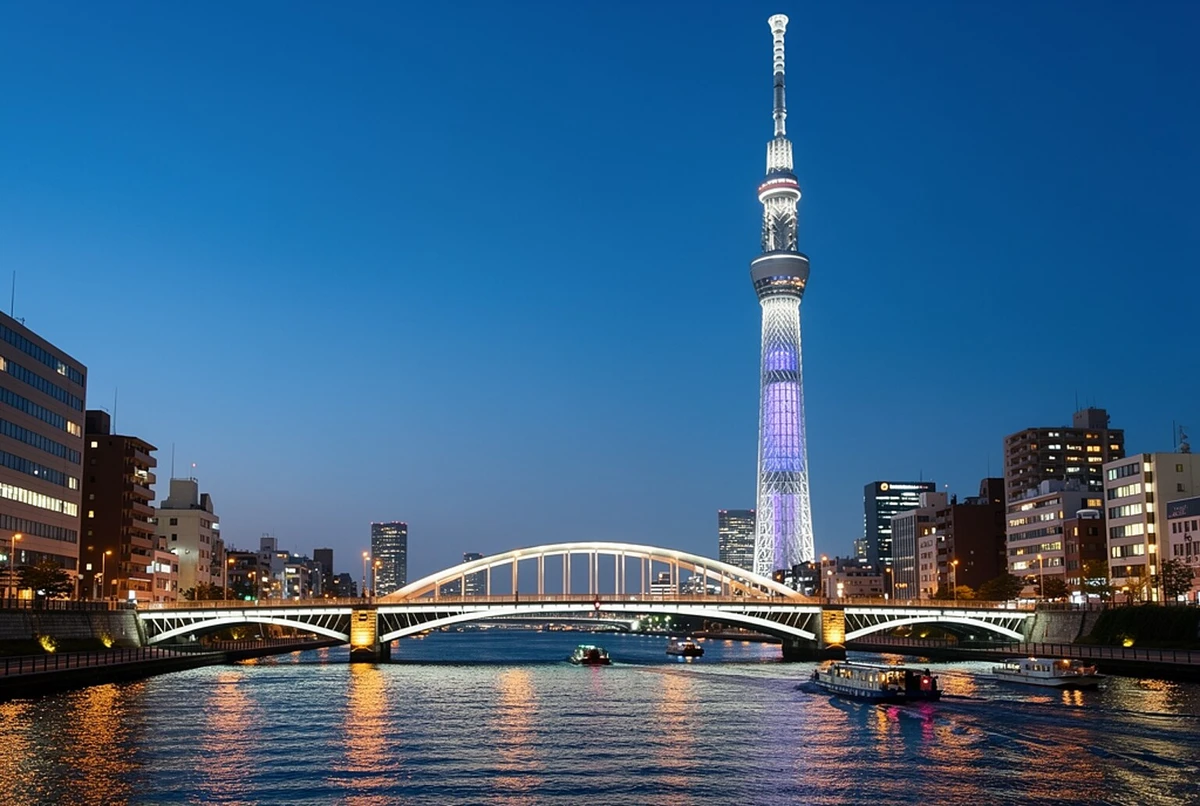
Tokyo Airport Transfers
View all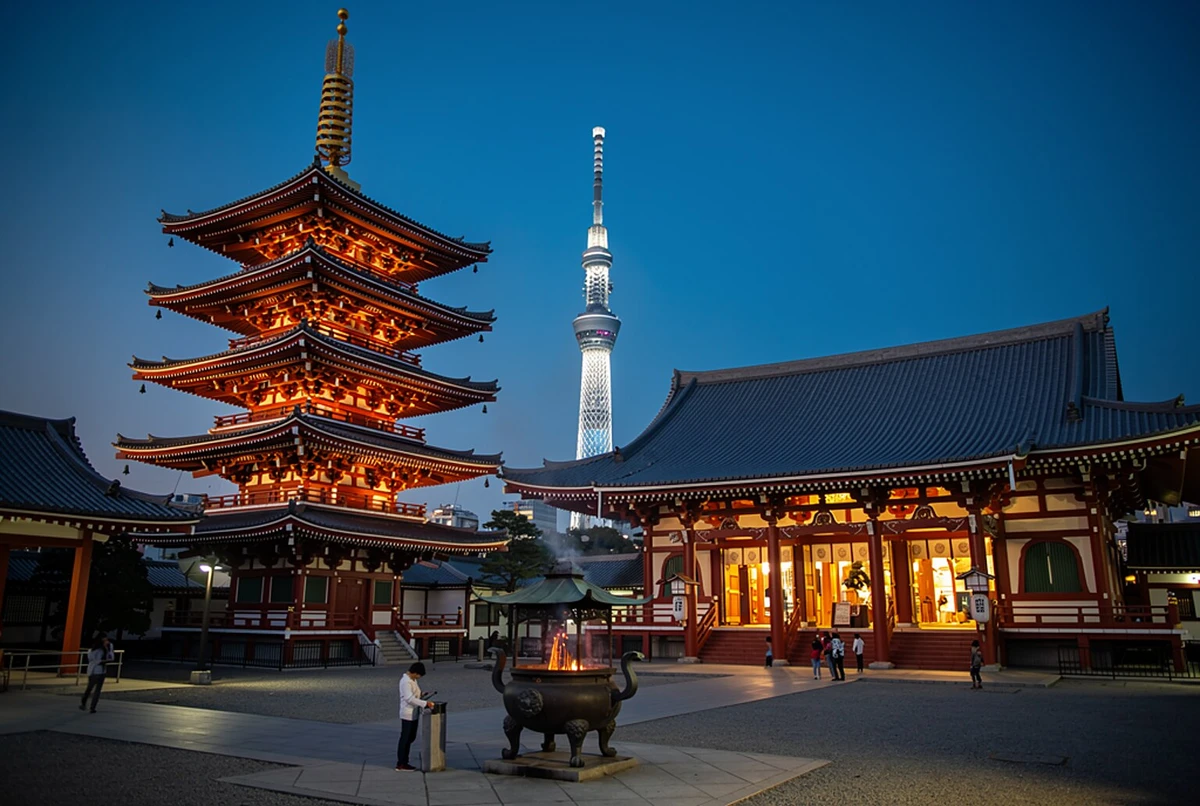
Tokyo Flight Tickets
View all
Tokyo Train Tickets
View all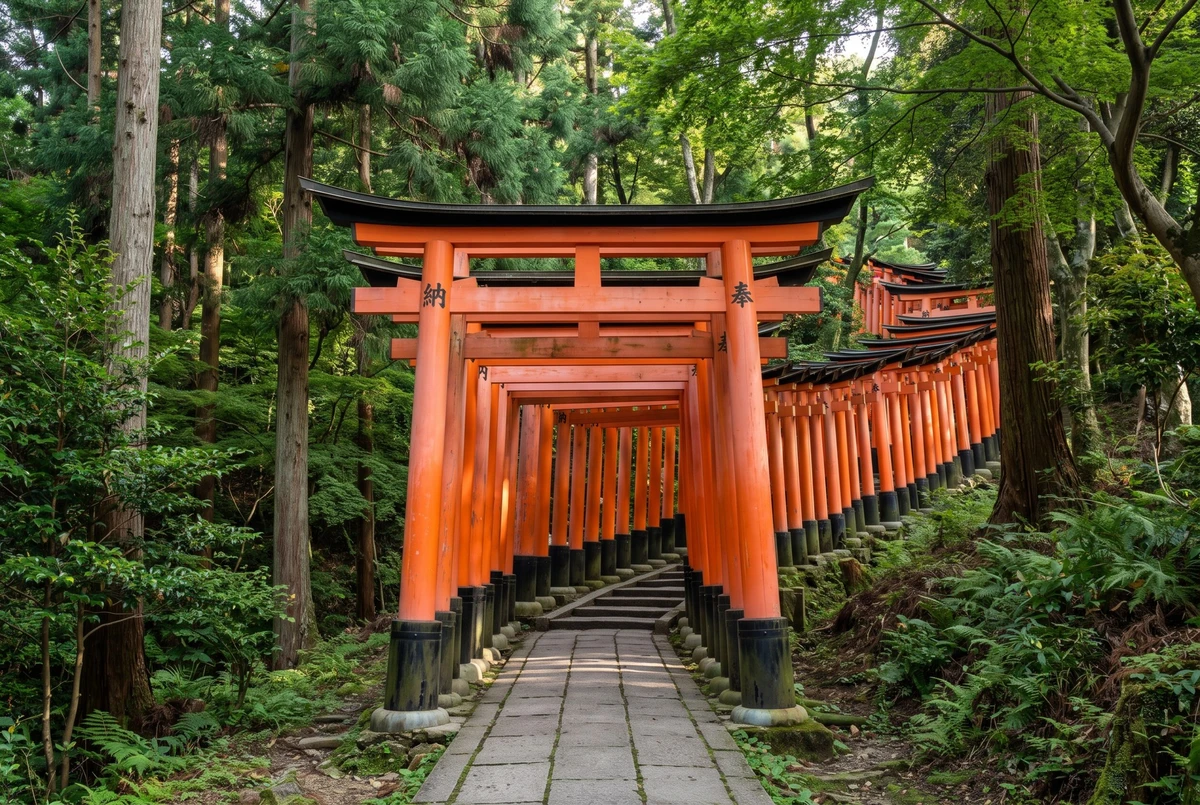
Tokyo at first sight
Tokyo was a fishing village called Edo until the shoguns made it their seat of power four centuries ago, and it has been reinventing itself ever since. Today it is Japan's capital and its beating heart, the place where ancient ritual and relentless invention share the same street corner, and the natural first chapter of any journey through the country.
Why include Tokyo in your itinerary?
- The world's greatest food city at every level. Tokyo holds more celebrated restaurants than anywhere on earth, yet some of its finest meals are humble: a bowl of ramen at a counter for eight, fresh sushi at dawn, crisp tempura in a department-store food hall.
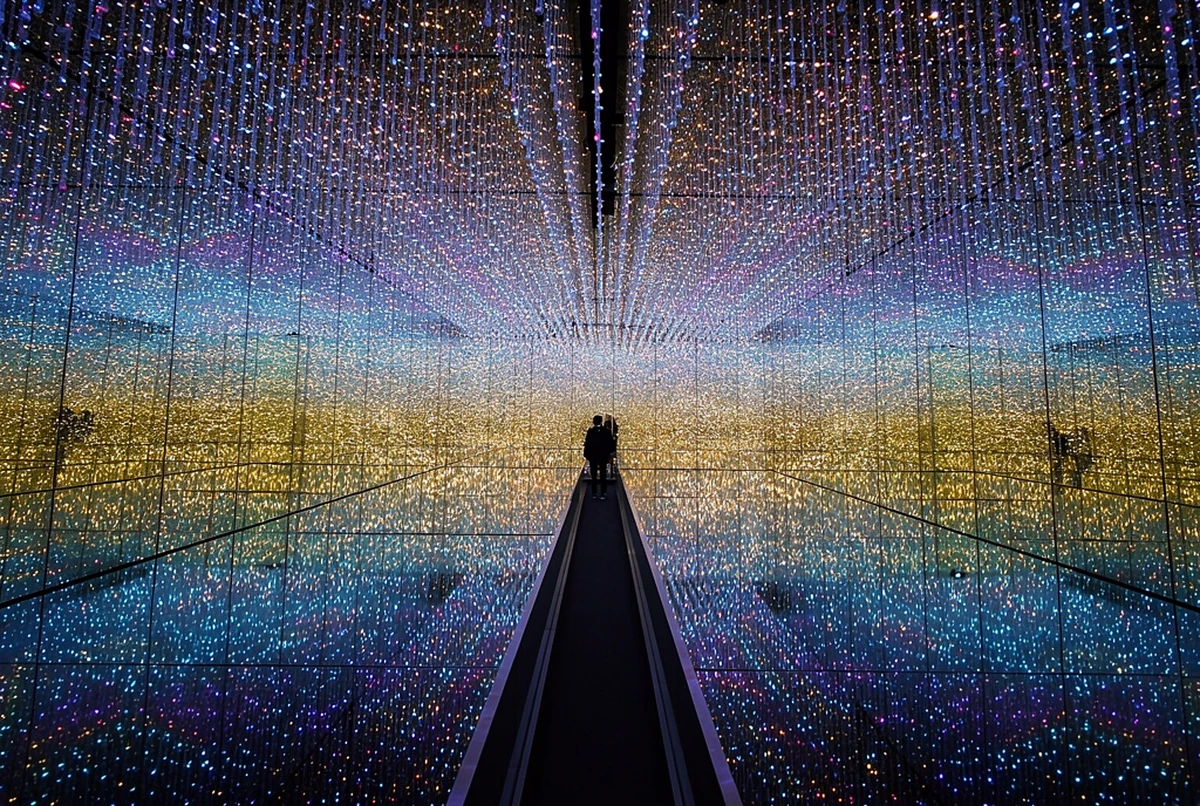
- Tradition living inside a futuristic metropolis. In Tokyo you can light incense at a seventh-century temple in Asakusa in the morning, cross the Shibuya scramble at noon and stroll through a digital art museum by evening, all within a short train ride.
- Order, safety and calm on an enormous scale. Tokyo is one of the safest big cities in the world, its trains run to the minute, its streets are spotless, and lost wallets are routinely returned, which makes it remarkably easy for first-time visitors.
Signature experiences in Tokyo
Senso-ji Temple and Old Asakusa
Tokyo's oldest temple, Senso-ji, rises beyond the giant red lantern of the Kaminarimon Gate, approached along Nakamise Street, a lane of stalls selling rice crackers, sweet bean buns and folding fans. Morning incense smoke curls before the main hall, and the five-storey pagoda glows at dusk. Our guided day tours begin here early, before the crowds, and explain the rituals of purification, prayer and fortune slips that most visitors simply watch.
Tsukiji Outer Market and a Tokyo Food Trail
The lanes of the Tsukiji Outer Market are a breakfast in themselves: tamagoyaki rolled omelette on a stick, grilled scallops, fresh tuna sushi, matcha and strawberry mochi. Beyond the market, Tokyo's food culture spans standing soba counters, yakitori grills under the railway arches of Yurakucho and the glittering basement food halls of Ginza. Our guided day tours lead you to the right stalls, explain the etiquette and translate the menus.
Shibuya, Harajuku and Meiji Jingu
Wander from the forested calm of Meiji Jingu, the great Shinto shrine dedicated to Emperor Meiji, into the youthful energy of Harajuku's Takeshita Street, the elegant boutiques of Omotesando and finally the famous Shibuya Crossing, where thousands of people cross at once. Our guided day tours connect these neighbourhoods on foot and by train, and we issue attraction tickets for the Shibuya Sky observation deck for sunset views.
Mount Fuji and Hakone Day Trip
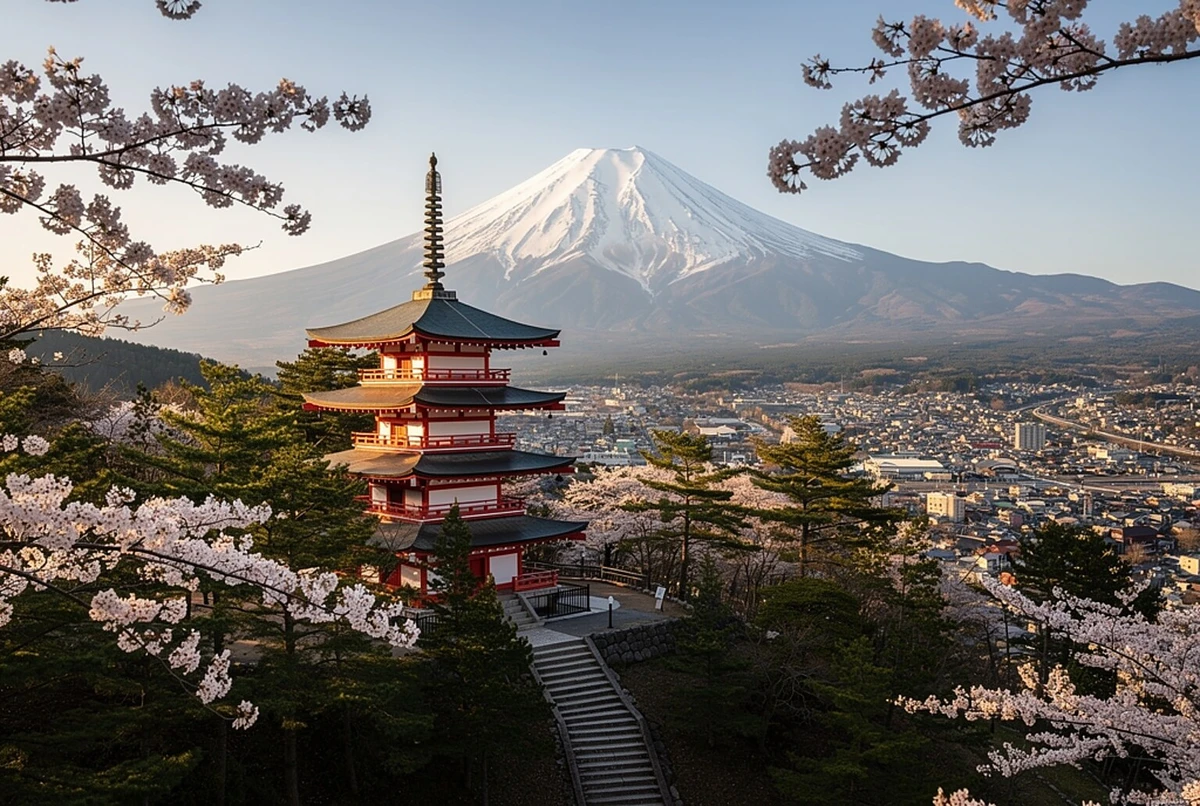
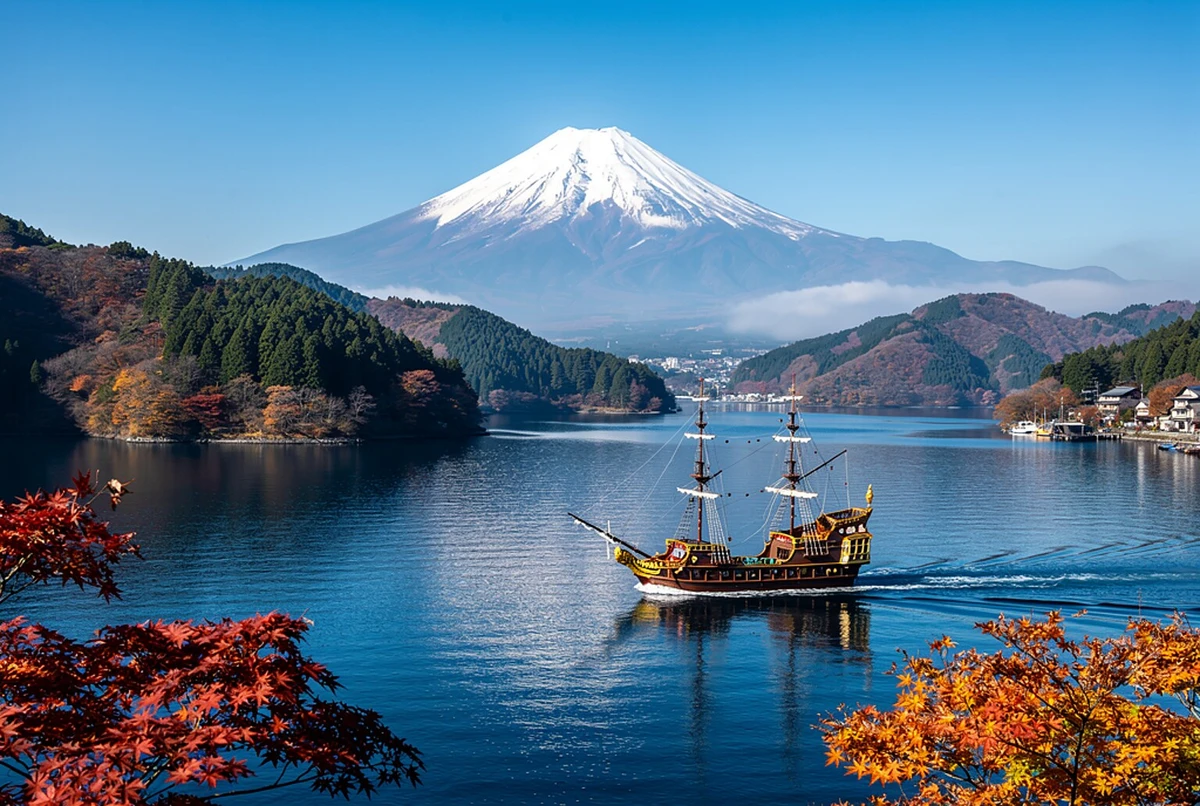
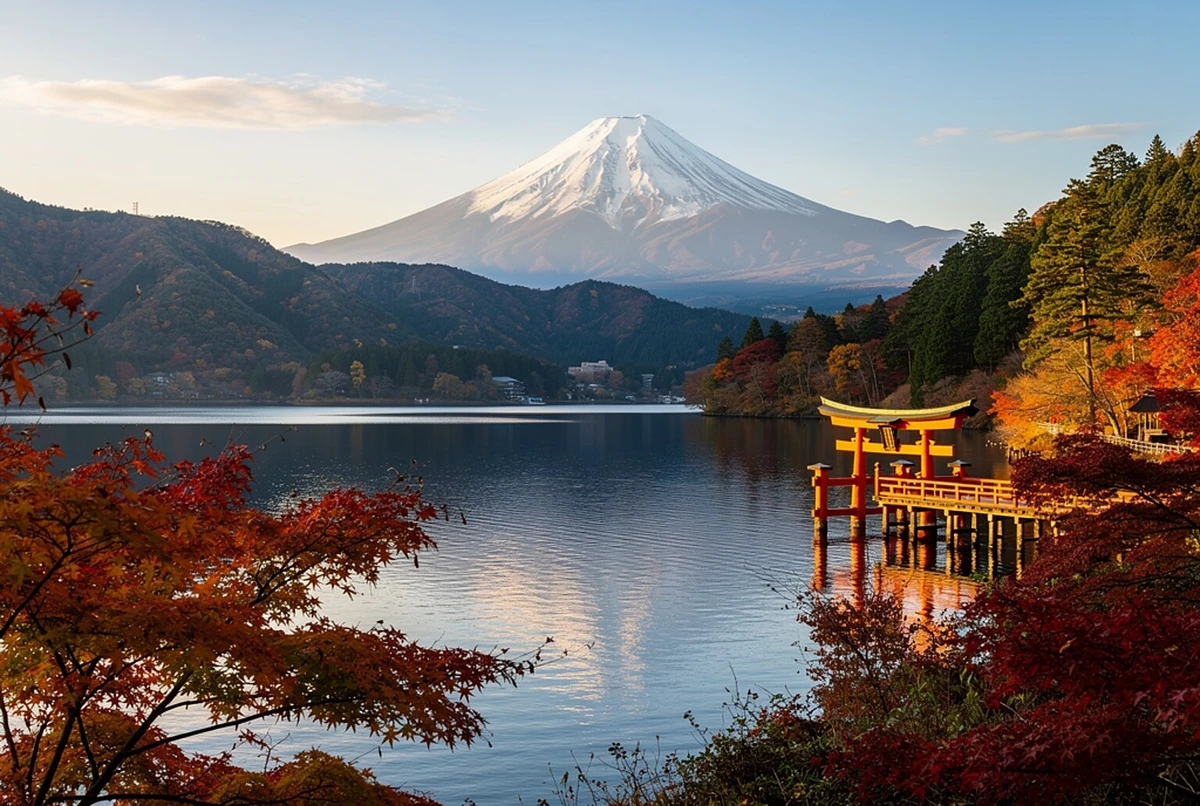
Two hours west of Tokyo, Mount Fuji rises in a perfect cone above lakes and forest. A full day to the Fuji Five Lakes or the hot-spring hills of Hakone brings cruises across Lake Ashi, the steaming volcanic valley of Owakudani and, on clear days, mirror-like reflections of the mountain. Our guided day tour handles the long route and timings, and our team can arrange a private car with driver for a slower pace.
Nikko or Kamakura Beyond the City
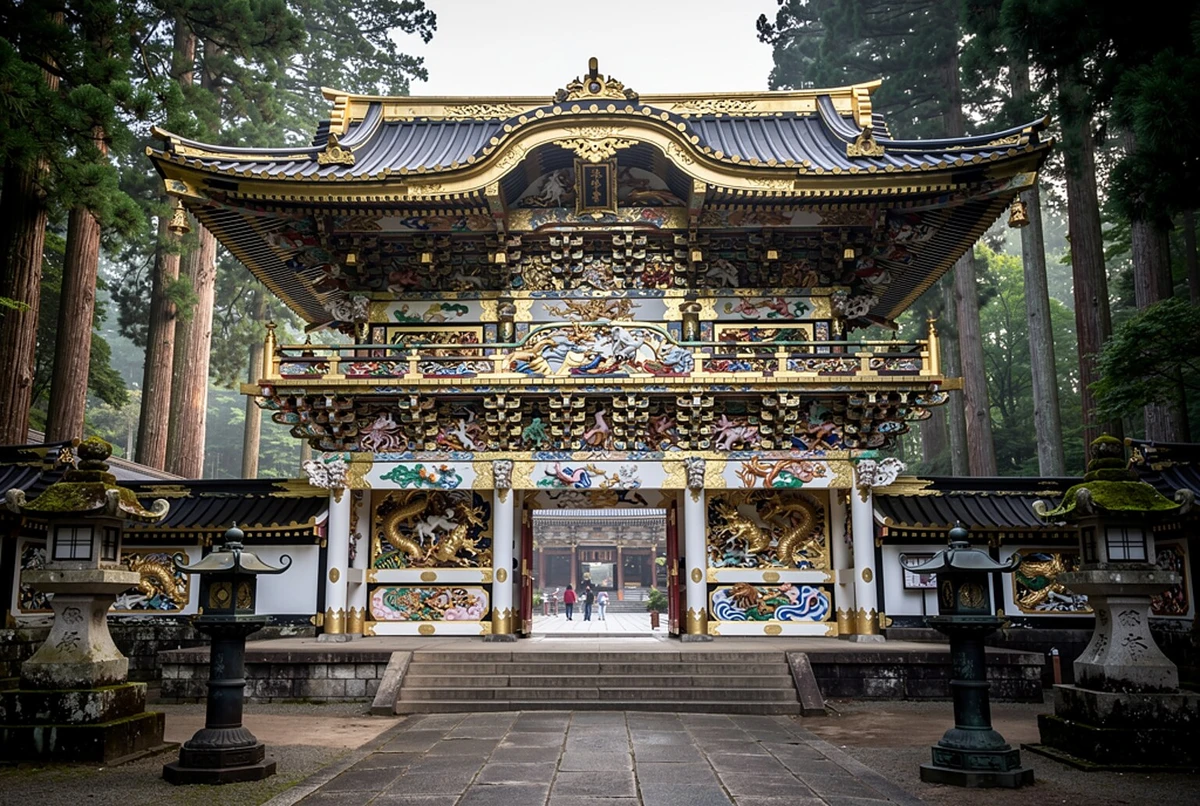
North of Tokyo, Nikko's lavishly carved Toshogu Shrine stands among towering cedars, waterfalls and mountain lakes, a UNESCO-listed world of gold leaf and lacquer. To the south, coastal Kamakura offers the Great Buddha, bamboo groves and Zen temples near the sea. Our guided day tours reach either destination comfortably, and we issue train tickets for travellers who prefer to explore independently.
Neighbourhoods and quarters to know in Tokyo
Ginza and Marunouchi
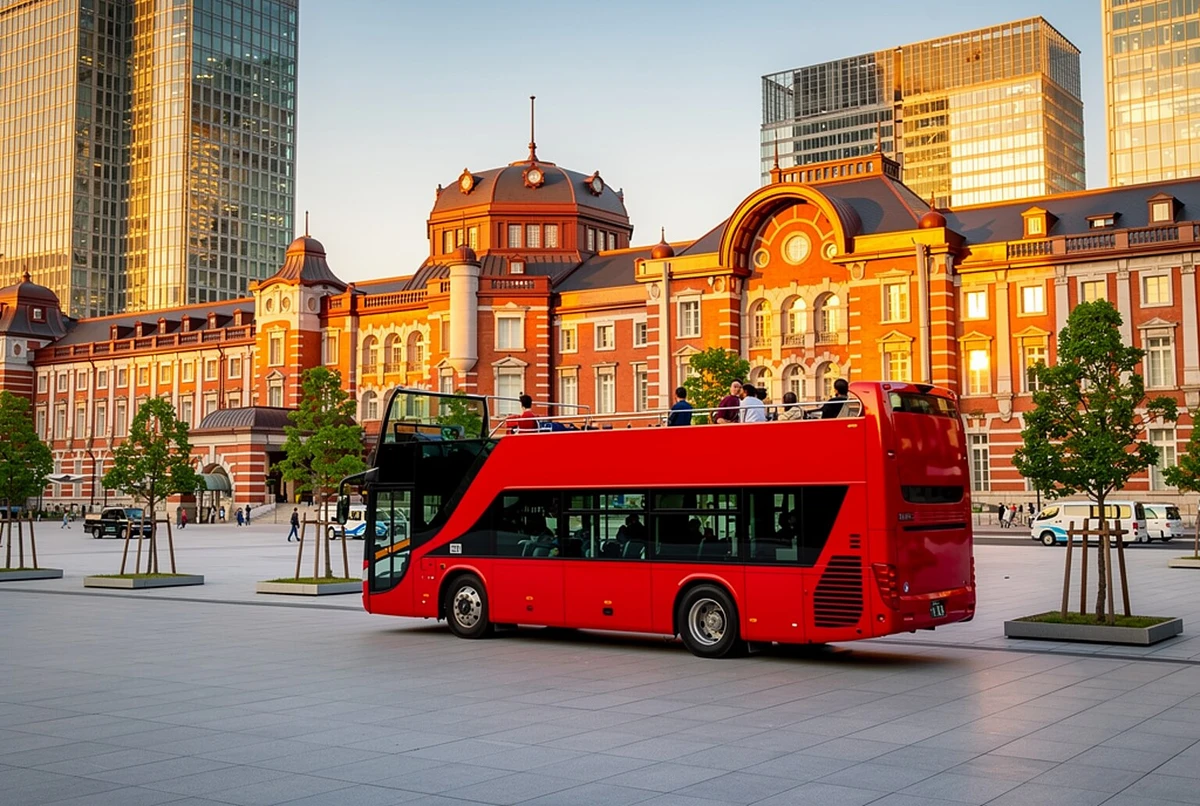
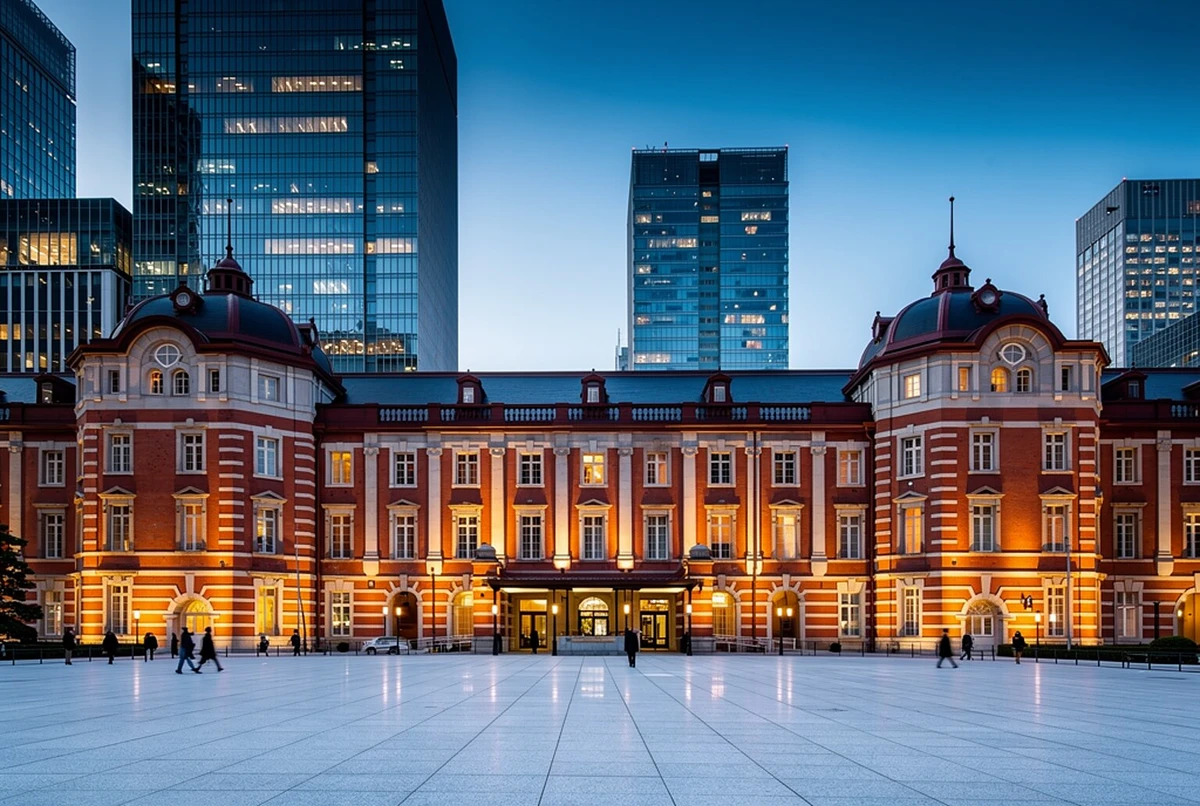
Ginza is Tokyo's polished showcase: wide avenues of flagship stores, elegant department-store food halls, art galleries and refined restaurants, with the Imperial Palace gardens and Tokyo Station a short walk away. Marunouchi next door adds business towers and calm, well-lit streets. Both are very safe, central and ideal for first-time visitors or anyone travelling onward by bullet train.
Shinjuku
Shinjuku is Tokyo at full volume, with neon canyons, the world's busiest railway station, skyscraper hotels and endless dining from tiny ramen counters to rooftop restaurants. The peaceful Shinjuku Gyoen garden offers green relief and spectacular cherry blossoms. It is safe and convenient for transport, though the nightlife streets of Kabukicho can feel boisterous late at night.
Asakusa
Asakusa preserves the flavour of old Edo, with Senso-ji Temple, rickshaws, craft shops and traditional sweet makers. Ryokan-style inns and smaller hotels make it charming and good value, and evenings are quiet and family friendly. The Tokyo Skytree is just across the Sumida River, and boat cruises run downstream toward the bay.
Roppongi and Akasaka
Roppongi Hills and Tokyo Midtown bring world-class art museums, luxury hotels, international dining and fine city views, while neighbouring Akasaka is calmer, with business hotels and the Hie Shrine. The area is cosmopolitan and well connected, though parts of Roppongi stay lively late into the night, so travellers seeking quiet often prefer Akasaka.
How long to stay in Tokyo and how to pair it
Recommended stay
Plan at least four full days in Tokyo to see the main districts at a comfortable pace, plus one or two extra days for Mount Fuji, Hakone, Nikko or Kamakura. Five or six nights is ideal for a first visit, leaving time to wander the neighbourhoods that make Tokyo so rewarding.
How to pair it
Tokyo is the natural opening of Japan's classic Golden Route. In seven days, combine four nights in Tokyo with three in Kyoto, reached in just over two hours by bullet train. Ten days adds Osaka for street food and a day in Nara. Fourteen days allows Hakone, Kanazawa or Hiroshima along the way. We issue the train and flight tickets and arrange private transfers between each city.
Best time to visit Tokyo and the rhythm of the day
Best months
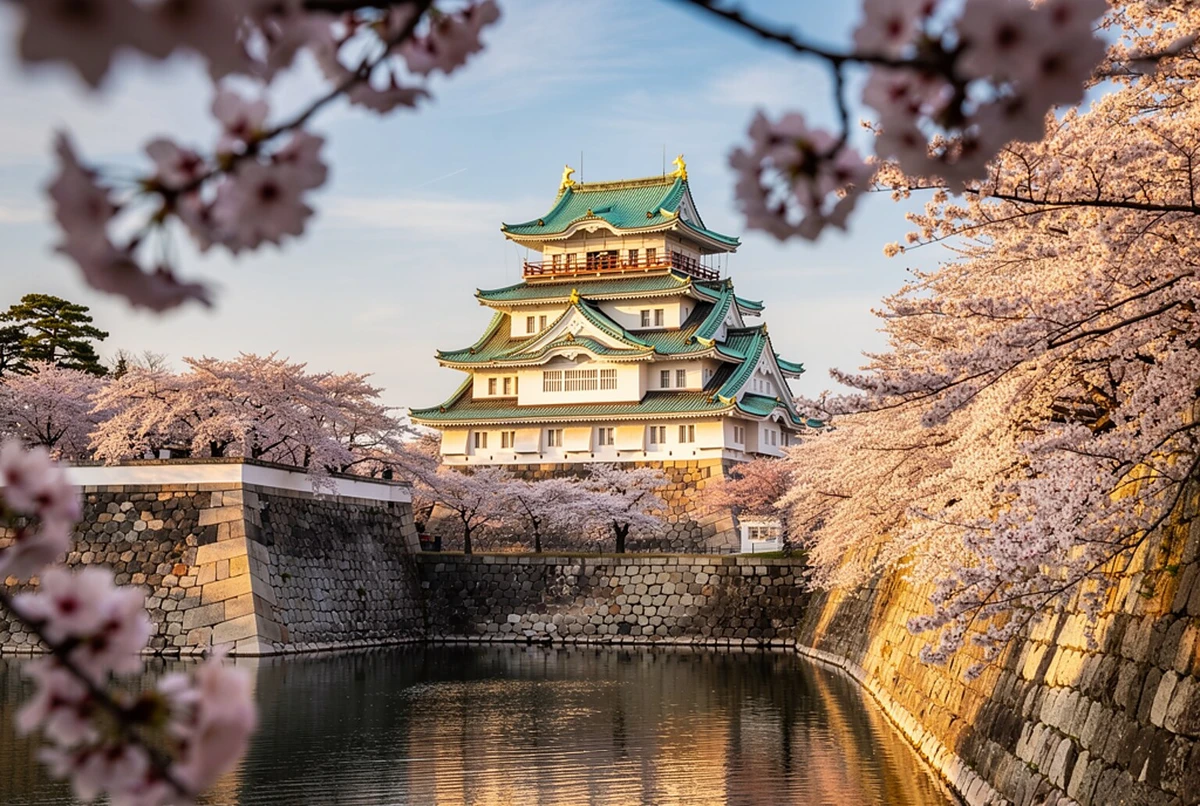
The best months to visit Tokyo are late March to early April, when cherry blossoms frame every park and riverbank, and October to November, when the air is crisp, skies are clear and autumn leaves turn gold and crimson. Summer is hot and humid with a rainy season in June, while winter is cool, dry and sunny.
The daily rhythm
Tokyo wakes early. Temples and markets are best before nine, museums and gardens through the late morning, and lunch is quick and punctual around noon. Afternoons suit shopping districts and observation decks, while evenings bring glowing neon, busy restaurants and department-store food halls. Trains run until around midnight, and the city rarely feels unsafe after dark.
On-the-ground logistics in Tokyo
Arrival
Tokyo has two airports. Haneda is close to the centre, around thirty to forty minutes by road to Ginza or Shinjuku, while Narita lies much further east, usually seventy to ninety minutes away. Our private airport transfers meet you in the arrivals hall with a name sign and take you, with your luggage, straight to your hotel.
Getting around
Tokyo is best explored by train and on foot. The metro and JR lines are clean, punctual and signposted in English, and a rechargeable transit card covers almost everything. Taxis are spotless but slower in traffic, and ride-hailing apps work mainly as a way to book licensed taxis. For full days, our team can arrange a private car with driver.
Local etiquette tip
The custom visitors most often miss in Tokyo is silence on public transport. Phone calls on trains are considered rude, conversations are kept low, and eating while walking is frowned upon. Also note that tipping is not part of Japanese culture: excellent service is simply expected, and leaving money behind can cause confusion rather than gratitude.
Must-do things in Tokyo
- Visit Senso-ji Temple in Asakusa early, before the souvenir lanes fill with crowds
- Cross the Shibuya Scramble, then watch the flow of people from above at sunset
- Walk the forest path to Meiji Jingu Shrine and see a traditional wedding procession
- Eat breakfast sushi and tamagoyaki at the Tsukiji Outer Market stalls
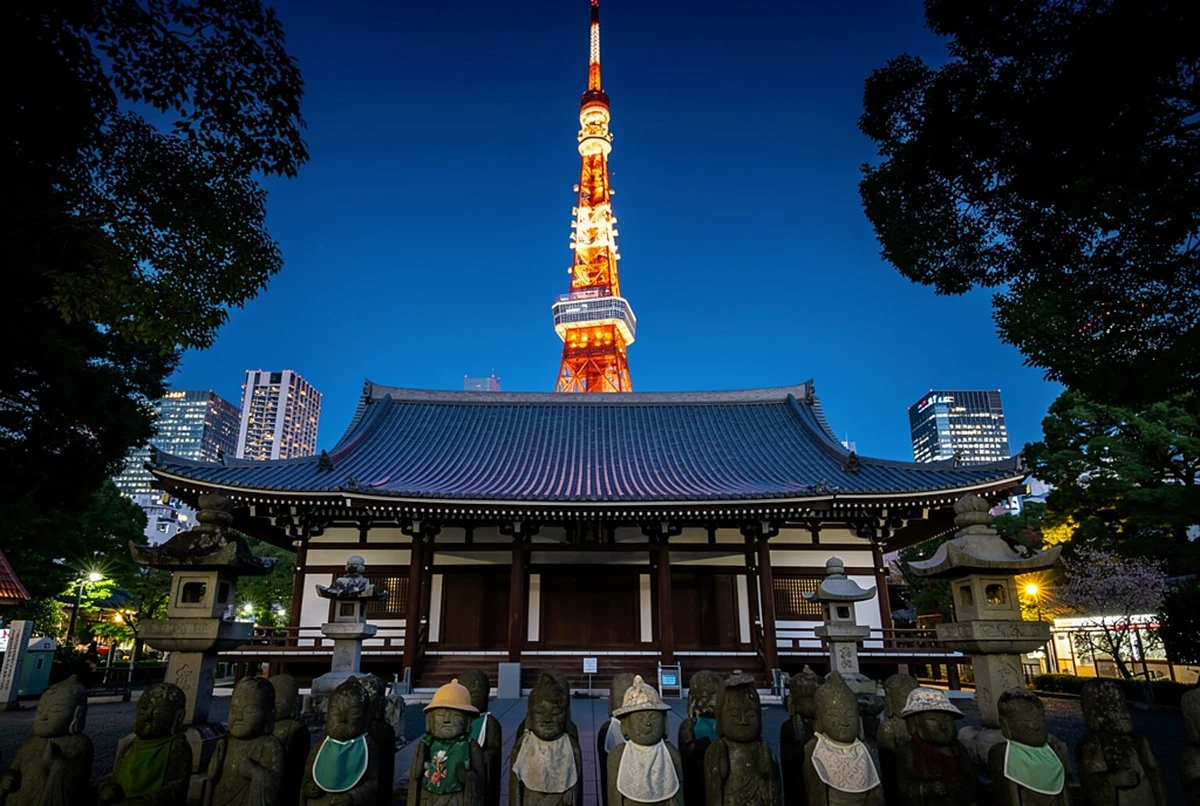
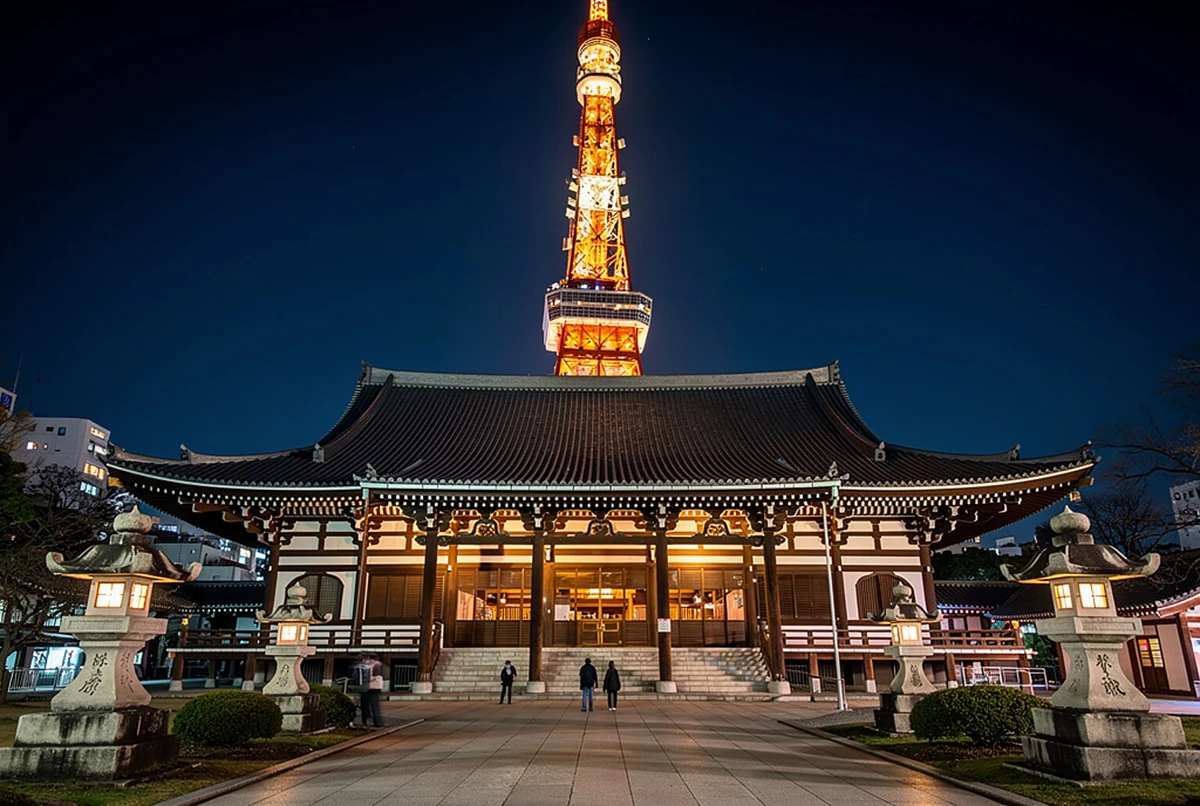
- Climb the Tokyo Skytree or Tokyo Tower for night views over the endless city
- Explore the Imperial Palace East Gardens and the stone walls of old Edo Castle
- Ride a day tour to Mount Fuji and the hot-spring hills of Hakone
- Browse the anime, electronics and retro game shops of Akihabara
- Picnic under cherry blossoms in Ueno Park or Shinjuku Gyoen in spring
- Lose yourself in a digital art museum in the waterfront Odaiba or Azabudai districts
Do’s and don’ts in Tokyo
Do
- Carry a rechargeable transit card for trains, buses and convenience stores
- Keep some cash, as smaller restaurants and shrines may not accept cards
- Remove your shoes where you see a raised entrance step or slippers waiting
- Queue neatly on station platforms and stand to the left on Tokyo escalators
- Carry a small bag for your rubbish, as public bins are rare
Don’t
- Do not talk on the phone or speak loudly on trains
- Do not leave a tip, as it is not expected and may confuse staff
- Do not stick chopsticks upright in rice or pass food chopstick to chopstick
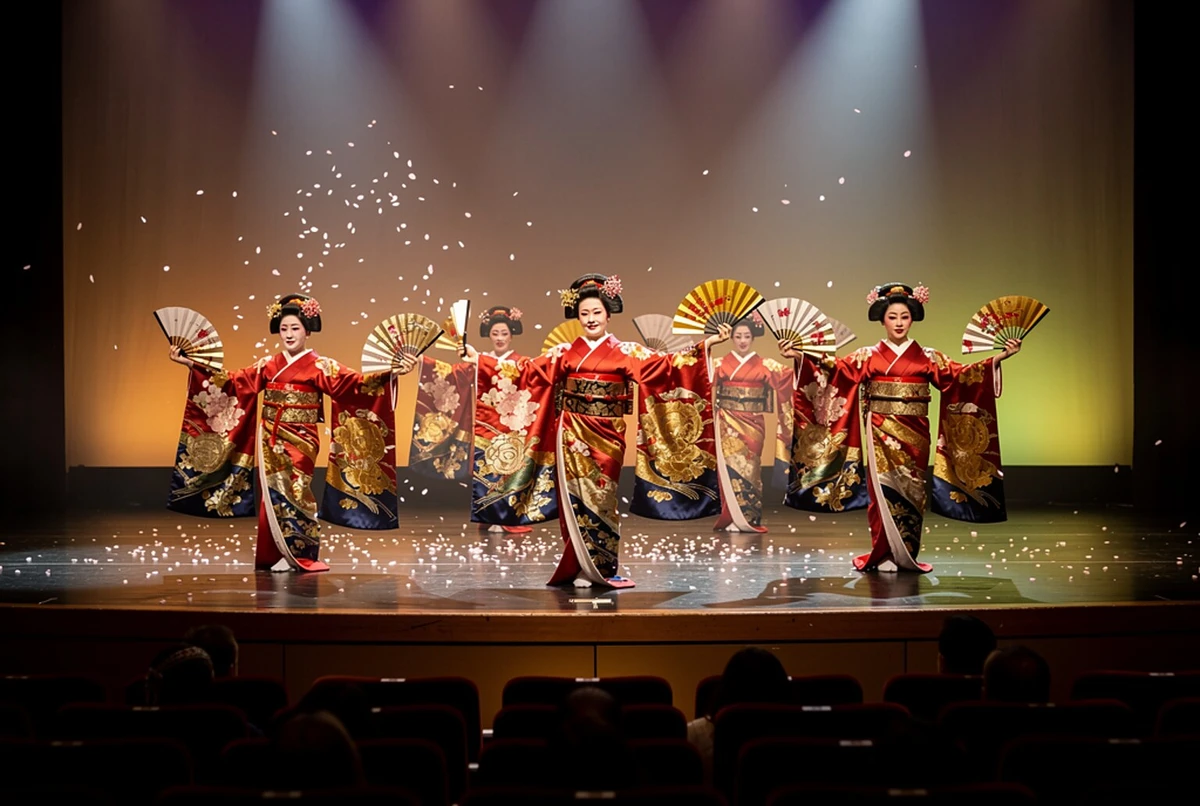
- Do not photograph geisha, apprentices or private residents without permission
- Do not eat or drink while walking along busy streets
Tokyo at a glance
Plan Tokyo with Haqqi Tours
Every option is confirmed by our team on WhatsApp before you pay, and delivered by our own people or by trusted local partners we work with in every city. Because we send travellers from all over the world, our partners give us special rates and priority, so you always receive the best. Prices are per person unless marked per vehicle.
About Haqqi Tours: About us Contact us Legal NoticePrivacy PolicyCookies & Marketing PreferencesTerms & ConditionsBooking, Payment & Refunds
More services in Tokyo
Good to know
Frequently Asked Questions
Straight answers to what travellers ask most about Tokyo.
Where should first-time visitors stay in Tokyo?
Most first-time visitors are happiest in Ginza, Marunouchi or Shinjuku. Ginza and Marunouchi are elegant, calm and next to Tokyo Station for bullet trains, while Shinjuku offers endless dining and rail connections. Asakusa suits travellers who prefer traditional atmosphere. Our team can recommend hotels that match your budget and style when you book.
Can Tokyo be done as a day trip, or does it need an overnight stay?
Tokyo cannot be done justice as a day trip. It is one of the largest cities on earth, with distinct districts that each deserve time. Plan at least four nights to cover the highlights calmly, and add extra nights if you want day trips to Mount Fuji, Hakone, Nikko or Kamakura with our guided tours.
What is the dress code and etiquette in Tokyo?
Tokyo has no strict dress code, but residents dress neatly and modestly, so smart casual clothing fits in well. At temples and shrines, behave quietly, follow purification rituals and remove shoes where indicated. Keep voices low on trains, avoid eating while walking and never leave tips. Politeness and patience are deeply appreciated everywhere.
Is Tokyo tourist friendly?
Yes, Tokyo is extremely tourist friendly. Station signs, maps and many menus are in English, trains are punctual, and staff go out of their way to help, even when language is limited. Convenience stores sell everything at any hour. Our guided tours and private transfers make navigating the city even simpler for first-time visitors.
Is it safe to travel to Tokyo now?
Tokyo is consistently ranked among the safest major cities in the world, with very low street crime and calm streets at night. Japan does experience earthquakes and summer typhoons, and buildings follow strict safety standards. Before departure, check your own government's official travel advice, and keep our WhatsApp line handy throughout your trip.
What are the must-do things in Tokyo?
Essential Tokyo experiences include Senso-ji Temple in Asakusa, Meiji Jingu Shrine, the Shibuya Crossing, the Tsukiji Outer Market, sunset from an observation deck and the electric streets of Shinjuku and Akihabara. Add a day trip to Mount Fuji or Hakone. Our guided day tours and the attraction tickets we issue make every highlight easy.
How many days do you need in Tokyo?
Four to six days is ideal in Tokyo. Three days covers the essentials quickly, but five allows time for Asakusa, Shibuya, Shinjuku, Ginza and the museums at a relaxed pace, plus a full day trip to Mount Fuji or Nikko. Combine Tokyo with Kyoto and Osaka for a classic ten-day journey through Japan.
What can I book in Tokyo with Haqqi Tours?
Day tours, attraction tickets, private airport transfers, flight tickets and train tickets, including Imperial Palace & Edo Castle Walking Tour with a Local Guide Tokyo, Asakusa Chopstick Making Workshop Tokyo and Ginza Chopstick Making Workshop with 26 Rare Woods Tokyo. Each has its own page, and the WhatsApp desk combines any of them into one plan with one written price.
How do I get from the airport to my hotel in Tokyo?
Tokyo has two airports: Haneda (HND), about 15-20 km south of the centre and the closer of the two, and Narita (NRT), about 60-70 km east in Chiba prefecture. Our private transfer meets you at arrivals with a name board, tracks your flight and takes you door to door at a fixed price for the whole vehicle; the transfer pages list every route.
Is there public transport from the airport to Tokyo?
Tokyo's trains are superb - the Keikyu line and monorail from Haneda, the Narita Express and Skyliner from Narita - but they end at big stations where the last leg with suitcases through crowds and stairs is the hard part; a car to the hotel door removes that, and a Sprinter suits a group with ski or golf luggage. With luggage, a family or a late flight, the private car is the simpler choice.
Which tours are available in Tokyo?
Among them: Imperial Palace & Edo Castle Walking Tour with a Local Guide Tokyo, Asakusa Chopstick Making Workshop Tokyo, Ginza Chopstick Making Workshop with 26 Rare Woods Tokyo, Asakusa Walking Tour with Senso-ji Temple & Nakamise Street Tokyo and Tsukiji Outer Fish Market Guided Walking Tour Tokyo. Each page says whether the day is private or small-group, what it includes and how long it lasts.
Are the tours private or in a group?
Both exist, and each tour page says which. A private tour has a vehicle and guide for your party alone; the desk can make most group tours private on request.
How do I book?
Fill in the form on any page or message us on WhatsApp with the date, the number of travellers and the hotel. A member of our team confirms the price and the details in writing within minutes.
Are the prices fixed?
Yes - every price is agreed in writing on WhatsApp before you travel and does not change on the day.
Do the drivers and guides speak Arabic or English?
It depends on the city and the day, so we do not promise a particular language; tell us your preference and we do our best. The WhatsApp desk always works in Arabic and English.
Can I change or cancel a booking in Tokyo?
Yes, in the same WhatsApp conversation. The terms depend on the product and on how close to the date the change comes; the desk states them before you pay.