
Sapporo
Plan Sapporo with Haqqi Tours: day tours, private airport transfers, attraction tickets and packages, run by our own team and confirmed on WhatsApp in Arabic or English.
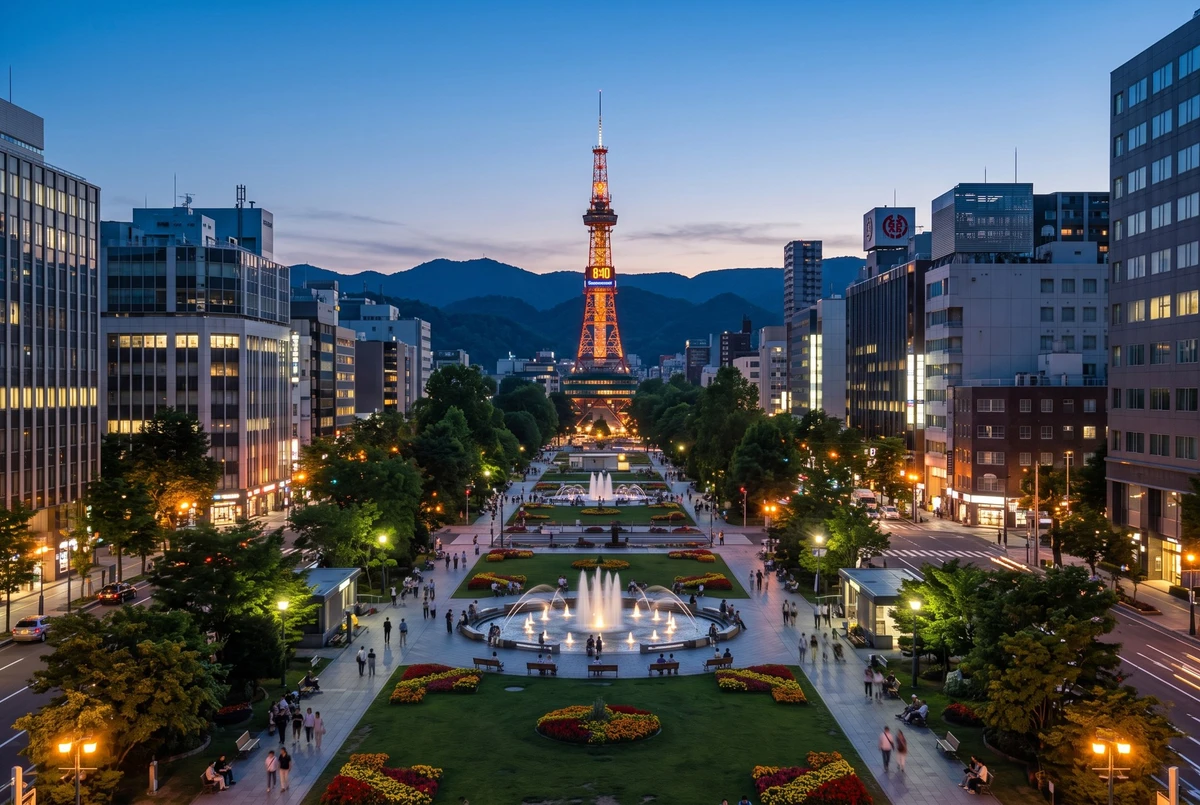
On a crisp morning in Sapporo, the long green ribbon of Odori Park stretches between wide avenues, fountains catch the light, and the TV tower rises at its eastern end. Streetcars hum along the edge of the centre, office workers hurry past the white wooden clock tower, and the smell of grilled corn drifts from a park stall. Beyond the neat grid of streets, the forested slopes of Mount Moiwa and the distant mountains promise snow, hot springs and open country.
Nothing matches those filters yet. Widen your search or message us on WhatsApp.
Sapporo Day Tours
View all
Sapporo Attraction Tickets
View all
Sapporo Airport Transfers
View all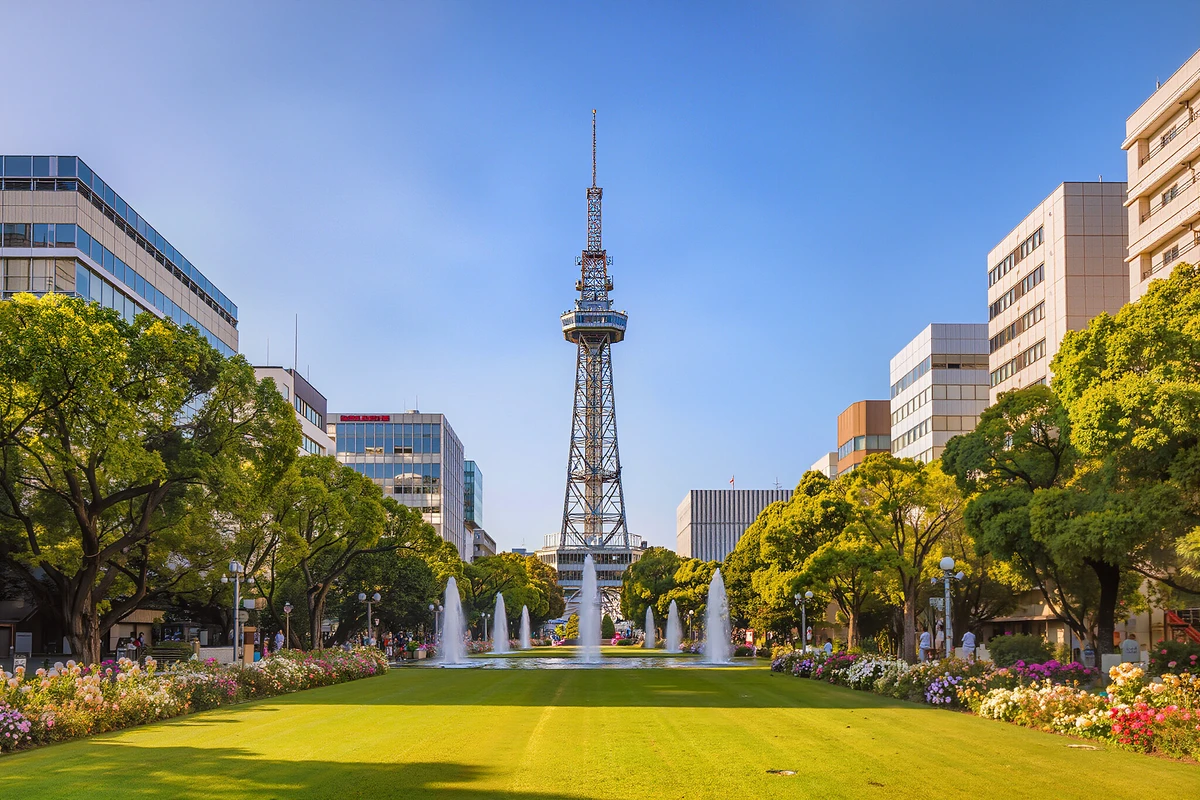

Sapporo Flight Tickets
View allSapporo Train Tickets
View allSapporo at first sight
Sapporo is the capital of Hokkaido, Japan's northern island, long the homeland of the indigenous Ainu people and laid out as a planned city in the late nineteenth century. Today it is a relaxed, modern city famous for its winter Snow Festival, its miso ramen and fresh seafood, and its easy access to canal towns, volcanic lakes, summer flower fields and some of the finest powder snow in the world.
Why include Sapporo in your itinerary?
- A city of real seasons. Sapporo hosts the famous Snow Festival in February, with giant snow and ice sculptures, while summer brings cool, dry days, lavender fields in Furano and blue skies over Odori Park, and autumn turns the mountain valleys red and gold.
- Hot springs, lakes and volcanoes. Within easy reach of the city lie the gorge-side onsen village of Jozankei, the crystal-clear caldera of Lake Shikotsu and the steaming Hell Valley of Noboribetsu, perfect for relaxing days among Hokkaido's wild landscapes.
- Fresh food from the northern seas. Hokkaido's crab, scallops, salmon roe and sea urchin fill the morning markets, alongside rich dairy sweets and hearty miso ramen, and halal-friendly restaurants are increasingly easy to find in central Sapporo.
Signature experiences in Sapporo
Odori Park and Mount Moiwa
Odori Park runs through the heart of Sapporo, lined with flower beds, fountains and seasonal events, with the TV tower's observation deck at one end and the historic clock tower nearby. At dusk, ride the ropeway and a small cable car up Mount Moiwa for one of Japan's most celebrated night views over the glittering city. Our private tours with a driver-guide combine these sights at a comfortable pace.
Otaru Canal and Glassworks
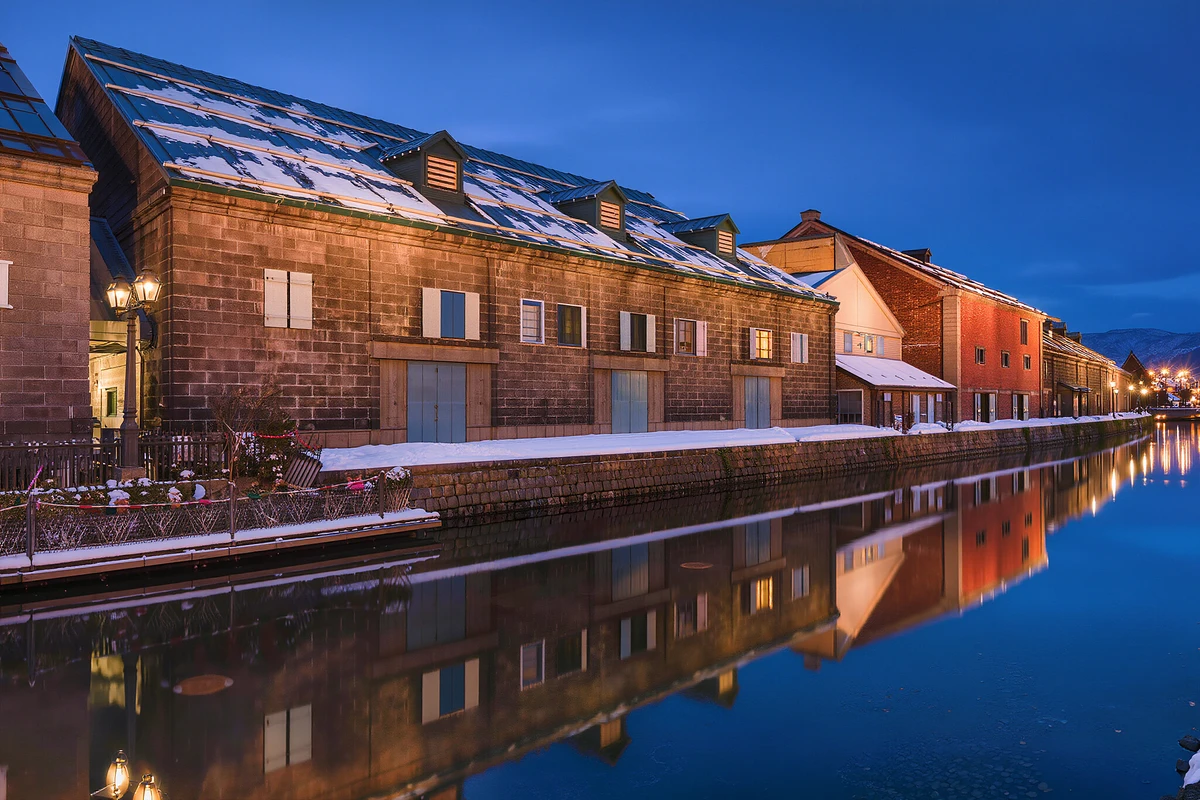
Less than an hour from Sapporo, the port town of Otaru keeps its old stone warehouses along a gently curving canal, lit by gas lamps in the evening. Sakaimachi street is lined with glass workshops, a music-box museum filled with intricate melodies and sweet shops selling rich Hokkaido desserts, while seafood rice bowls are a local favourite. We arrange train tickets or a private car with driver for an easy day.
Noboribetsu and Ainu Culture
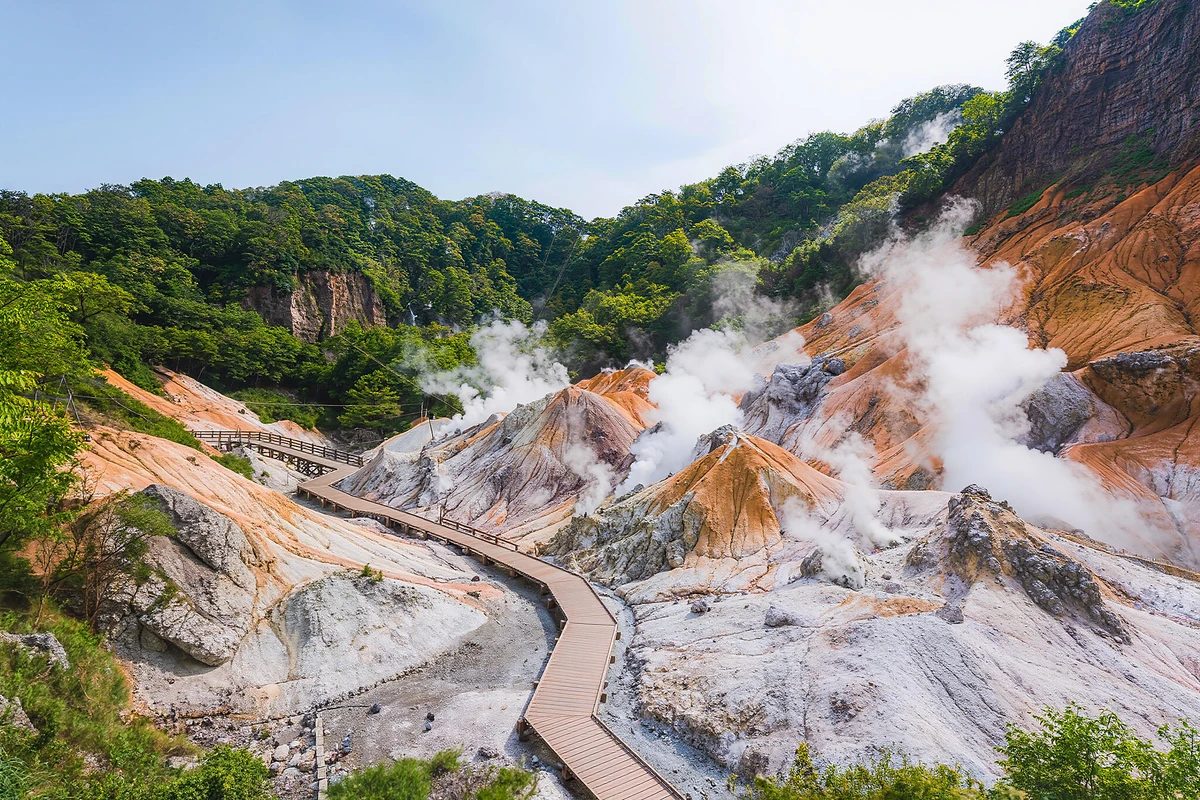
South of Sapporo, Noboribetsu is Hokkaido's best-known hot spring town, where Hell Valley, a volcanic hollow of steaming vents and sulphur-coloured rocks, lies just above the village. On the way, Upopoy, the National Ainu Museum at Shiraoi, presents the language, crafts, music and traditions of Hokkaido's indigenous people beside a quiet lake. Our private tours with a driver-guide combine both in one rewarding day.
Furano and Biei in Summer
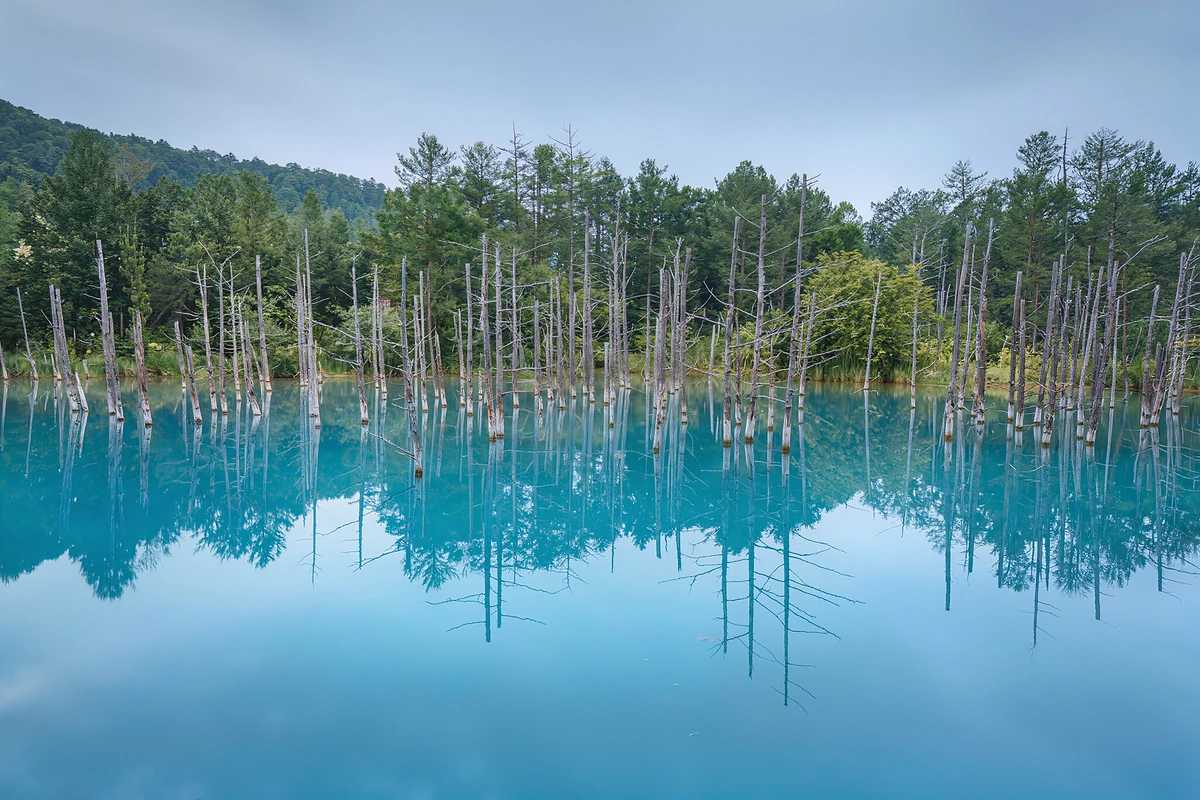
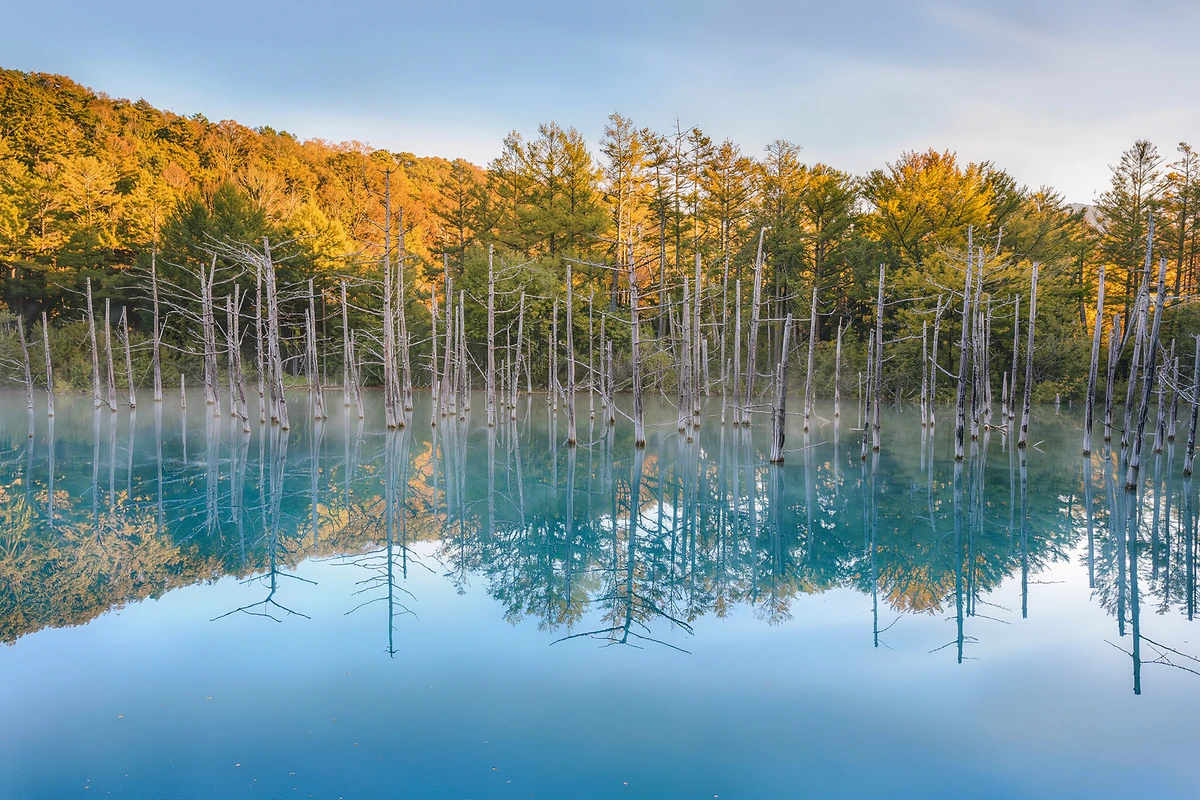
In July, the hills of Furano glow purple with lavender, and the patchwork fields of Biei roll towards distant volcanic peaks. Nearby, the Blue Pond shines an unreal turquoise among silver tree trunks, and flower farms bloom from June to September. The drive from Sapporo takes around two hours each way, so a private car with driver arranged by our team is the most comfortable way to enjoy this full day.
Snow Festival and Winter Days
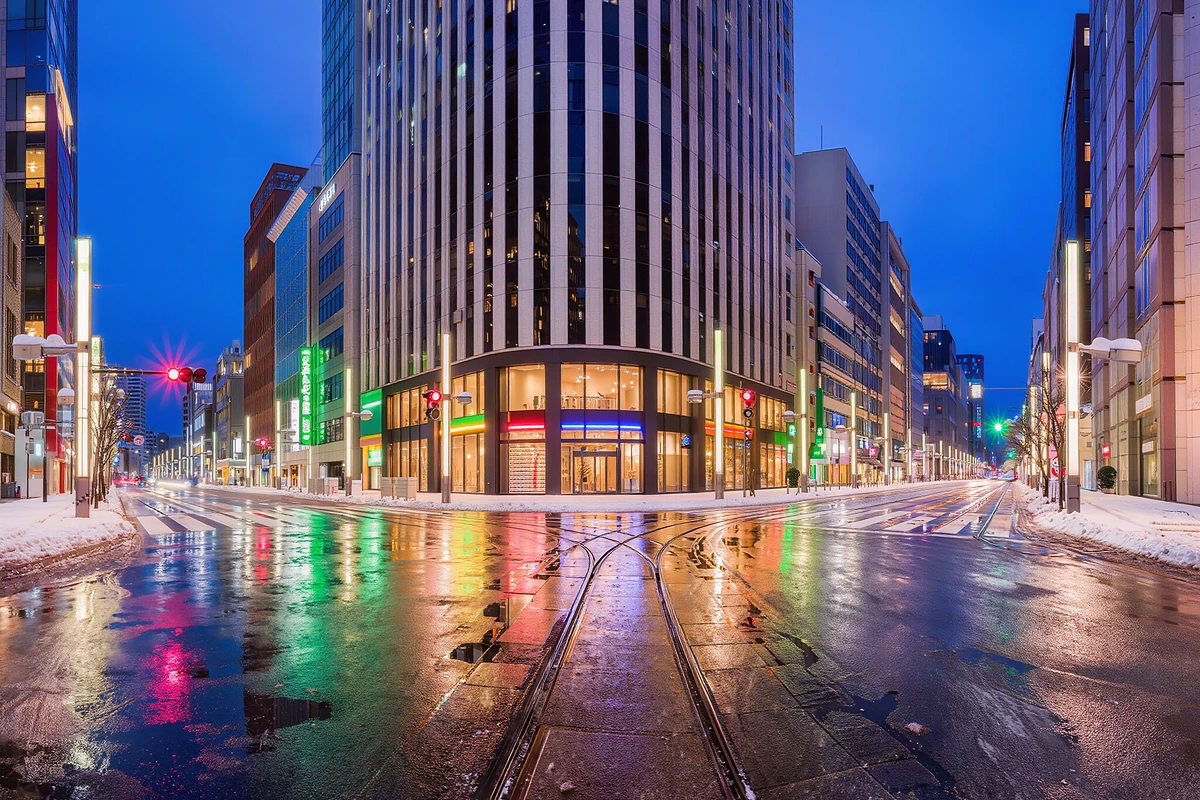
Each February, the Sapporo Snow Festival fills Odori Park with huge, finely detailed snow sculptures, while Susukino displays glittering ice carvings lit up at night. Winter is also the season for skiing in Niseko, snow play in local parks and longer excursions to see drift ice on the northern coast. Dress warmly in layers, and let us book your hotel early and arrange private transfers on snowy roads.
Neighbourhoods and quarters to know in Sapporo
Odori and Sapporo Station
The area between Sapporo Station and Odori Park is the most convenient base, with department stores, underground shopping walkways and direct trains to the airport. Wide streets, clear signs and easy subway connections make it simple for first-time visitors and families. In winter, the heated underground passages let you move between stations and shops without stepping into the snow.
Susukino
Just south of Odori, Susukino is Sapporo's busiest dining and entertainment district, with ramen alleys, seafood restaurants, late-opening shops and bright neon streets. It stays lively well into the night and hosts the Snow Festival's ice sculptures in February. Families may prefer the calmer streets around Odori, but Susukino is safe and very convenient for food lovers.
Maruyama and Nakajima Park
West of the centre, the Maruyama area offers leafy streets, smart cafés and the forested grounds of Hokkaido Shrine, beautiful in cherry blossom season. To the south, Nakajima Park surrounds a pond and a traditional garden. These neighbourhoods are calm and residential, ideal for repeat visitors and travellers who prefer a peaceful base close to the subway.
Jozankei Onsen
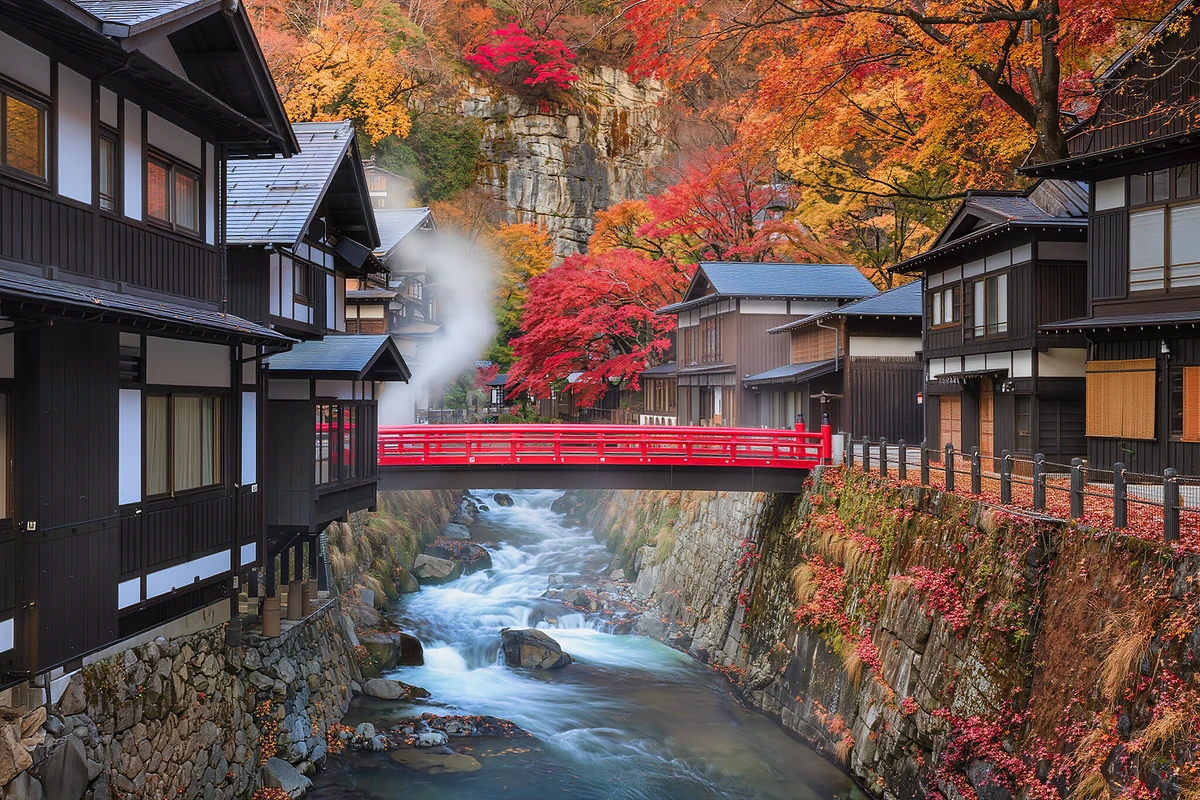
About an hour south-west of the city, Jozankei is a hot spring village set in a forested river gorge. Its traditional inns offer indoor and open-air baths, and the valley is spectacular in autumn colour and hushed under snow in winter. A night here is a relaxing contrast to the city, ideal for couples and families seeking calm after sightseeing.
How long to stay in Sapporo and how to pair it
Recommended stay
We recommend three nights in Sapporo. Spend one day on Odori Park, the clock tower and the Mount Moiwa night view, one in Otaru, and a third in Noboribetsu and Shiraoi or in Jozankei. With four or five nights, add a full day in Furano and Biei in summer, or a day on the slopes of Niseko in winter.
How to pair it
Sapporo pairs naturally with Tokyo, about an hour and a half away by air, for a classic first trip to Japan. A seven-day journey combines Tokyo and Sapporo with a day in Otaru. In ten days, add Kyoto and Osaka, reached from Sapporo by a direct flight of around two hours. A fourteen-day itinerary can include Hiroshima and Miyajima, or a winter week in the snow of Niseko.
Best time to visit Sapporo and the rhythm of the day
Best months
Sapporo is rewarding all year. June to August brings cool, dry summer days, with lavender in Furano at its best in July, while late September and October colour the mountains. December to March is snow season, with the Snow Festival in early February and the best skiing in January and February. Hotels fill quickly during the festival and the summer holidays, so book well ahead.
The daily rhythm
Sapporo's day often starts at a morning market, where seafood rice bowls make a memorable breakfast. Mornings suit day trips to Otaru, Noboribetsu or Lake Shikotsu, returning by late afternoon. Lunch is often ramen or soup curry. Sunset comes early in winter, so evenings centre on illuminations, the Mount Moiwa night view and dinner in the centre from about six.
On-the-ground logistics in Sapporo
Arrival
New Chitose Airport (CTS) lies about 45 km south-east of Sapporo, around 40 minutes by rapid train to Sapporo Station or about an hour by car. Flights link it with Tokyo in about an hour and a half, Osaka in around two hours and cities across Asia, while the bullet train does not yet reach Sapporo. Our private airport transfers meet you on arrival and take you straight to your hotel.
Getting around
Sapporo's grid of numbered streets makes it easy to navigate. Subway lines, a streetcar loop and buses cover the city, and rechargeable transport cards work on most of them. Trains link Sapporo with Otaru and the airport. In winter, pavements can be icy, so footwear with good grip is essential, and a private car with driver arranged by our team is the most comfortable choice for day trips.
Local etiquette tip
Hokkaido is relaxed and friendly, but Japanese courtesy applies: queue patiently, keep voices low on trains and take rubbish with you. In onsen, public baths are separated by gender and bathing suits are not worn; wash fully before entering, and know that private family baths are available at many inns. Tipping is not customary. At Ainu cultural sites, follow your guide's lead and photograph performances only where permitted.
Must-do things in Sapporo
- See the giant sculptures of the Sapporo Snow Festival
- Ride the ropeway up Mount Moiwa for the city night view
- Stroll the length of Odori Park to the TV tower
- Photograph the white wooden Sapporo clock tower
- Walk beside the gas-lit warehouses of the Otaru canal
- Look over the steaming Hell Valley at Noboribetsu
- Discover Ainu culture at the national museum in Shiraoi
- Admire the lavender fields of Furano in July
- Relax in the hot springs of the Jozankei gorge
- Taste miso ramen and a fresh seafood rice bowl
Do’s and don’ts in Sapporo
Do
- Do pack warm layers and grippy shoes in winter
- Do book hotels early for the Snow Festival
- Do try a seafood breakfast at a morning market
- Do carry a rechargeable transport card
- Do allow extra travel time on snowy roads
Don’t
- Don't underestimate the distances between Hokkaido's sights
- Don't leave the marked paths around Hell Valley's volcanic vents
- Don't enter an onsen bath without washing first
- Don't feed or touch the wild foxes you may meet on the road
- Don't expect lavender in Furano outside early summer
Sapporo at a glance
Plan Sapporo with Haqqi Tours
Every option is confirmed by our team on WhatsApp before you pay, and delivered by our own people or by trusted local partners we work with in every city. Because we send travellers from all over the world, our partners give us special rates and priority, so you always receive the best. Prices are per person unless marked per vehicle.
About Haqqi Tours: About us Contact us Legal NoticePrivacy PolicyCookies & Marketing PreferencesTerms & ConditionsBooking, Payment & Refunds
More services in Sapporo
Good to know
Frequently Asked Questions
Straight answers to what travellers ask most about Sapporo.
Where should first-time visitors stay in Sapporo?
First-time visitors usually stay between Sapporo Station and Odori Park, close to shops, restaurants, subway lines and direct trains to the airport. Food lovers may prefer Susukino, while Jozankei suits travellers who want a hot spring night in nature. Our team can suggest a hotel and arrange your private airport transfer.
Can Sapporo be done as a short stop, or does it need several nights?
Sapporo is far from Tokyo and Kyoto, so it rarely works as a quick stop. The city and its surroundings, from Otaru and Noboribetsu to Furano and Lake Shikotsu, deserve at least three nights, and more in winter, when snow slows travel. We arrange flight tickets, private transfers and private tours to fit your schedule.
What is the dress code and etiquette in Sapporo?
Sapporo has no strict dress code; casual, practical clothing suits the city. In winter, wear a warm coat, hat, gloves and shoes with good grip for icy pavements. In onsen, bathing suits are not worn and public baths are separated by gender, with private family baths available. Keep voices low on transport, and remember that tipping is not customary. Our guides explain local customs on the way.
Is Sapporo tourist friendly, and is halal food easy to find?
Yes. Sapporo welcomes visitors from around the world, with clear English signs on the subway and at major sights. Halal food is available at some restaurants in the centre, including ramen and Hokkaido-style dishes, and seafood and vegetarian options are easy to find. Mosques are few, so our team can share reliable restaurant and prayer locations.
Is it safe to travel to Sapporo now?
Sapporo is generally considered a very safe city, with low crime and helpful locals. The main risks are natural: icy pavements and heavy snow in winter, and occasional earthquakes, for which hotels display clear guidance. Follow local instructions and allow extra time on winter roads. Before departure, check your own government's official travel advice, and keep our WhatsApp line handy throughout your stay.
What are the must-do things in Sapporo?
The must-do things in Sapporo include Odori Park, the clock tower, the Mount Moiwa night view, the Otaru canal, Noboribetsu's Hell Valley, the Ainu museum at Shiraoi, the lavender of Furano in summer and the Snow Festival in February. Our private tours combine these in the best order and timing for the season.
How many days do you need in Sapporo?
Three days is ideal for Sapporo: one for the city and the Mount Moiwa night view, one for Otaru, and one for Noboribetsu or Jozankei. Two days covers the city and Otaru at a quicker pace, while four or five allow Furano and Biei in summer or the slopes of Niseko in winter.
What can I book in Sapporo with Haqqi Tours?
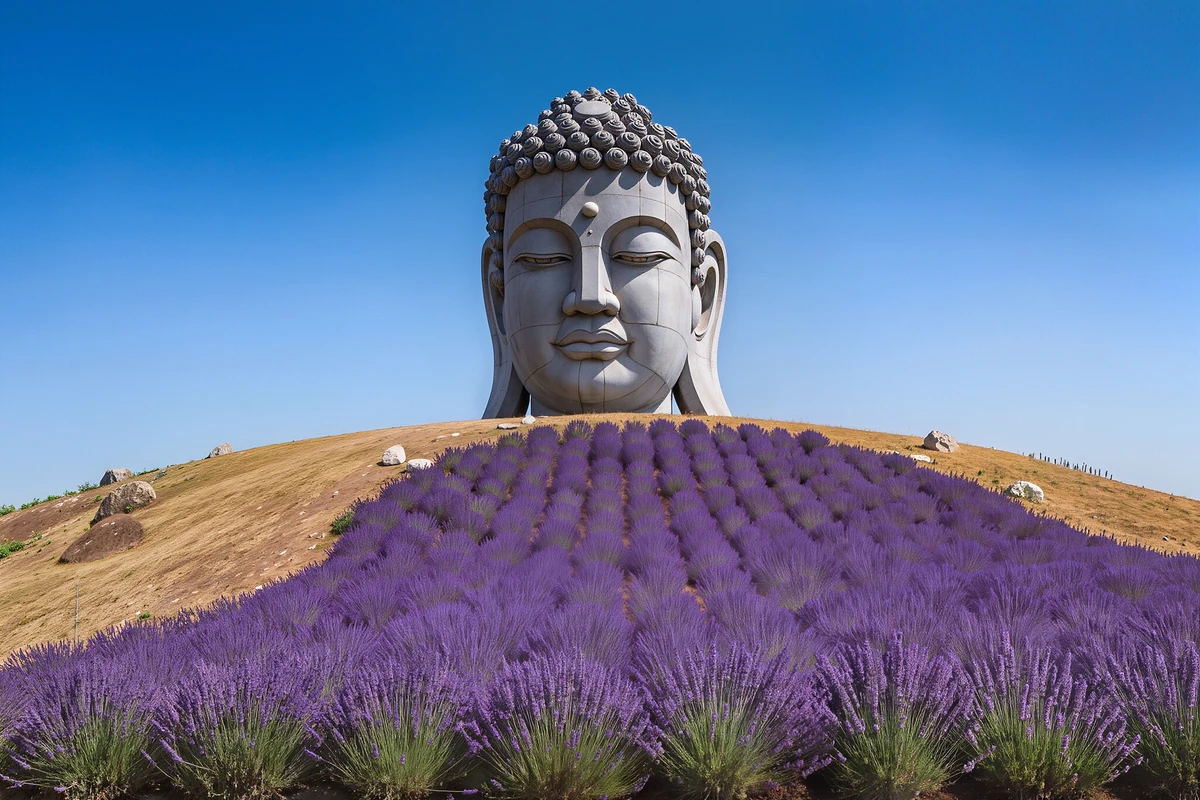
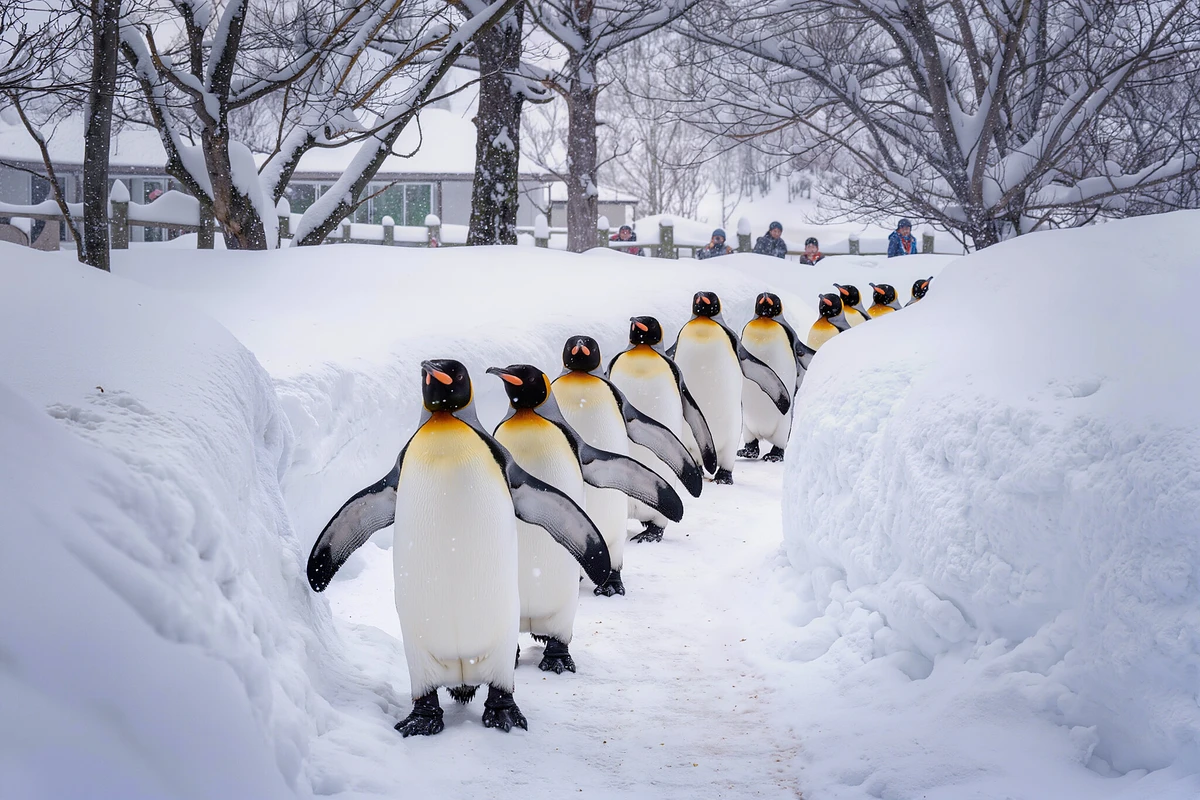
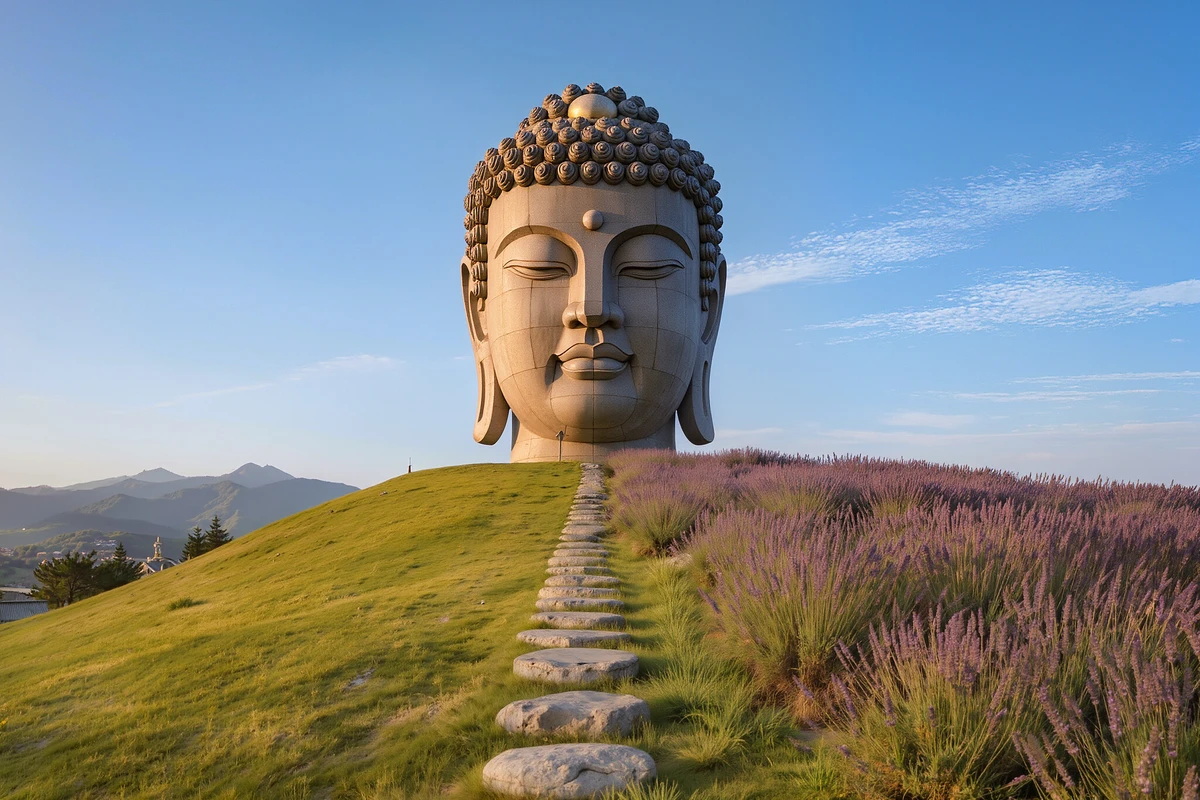
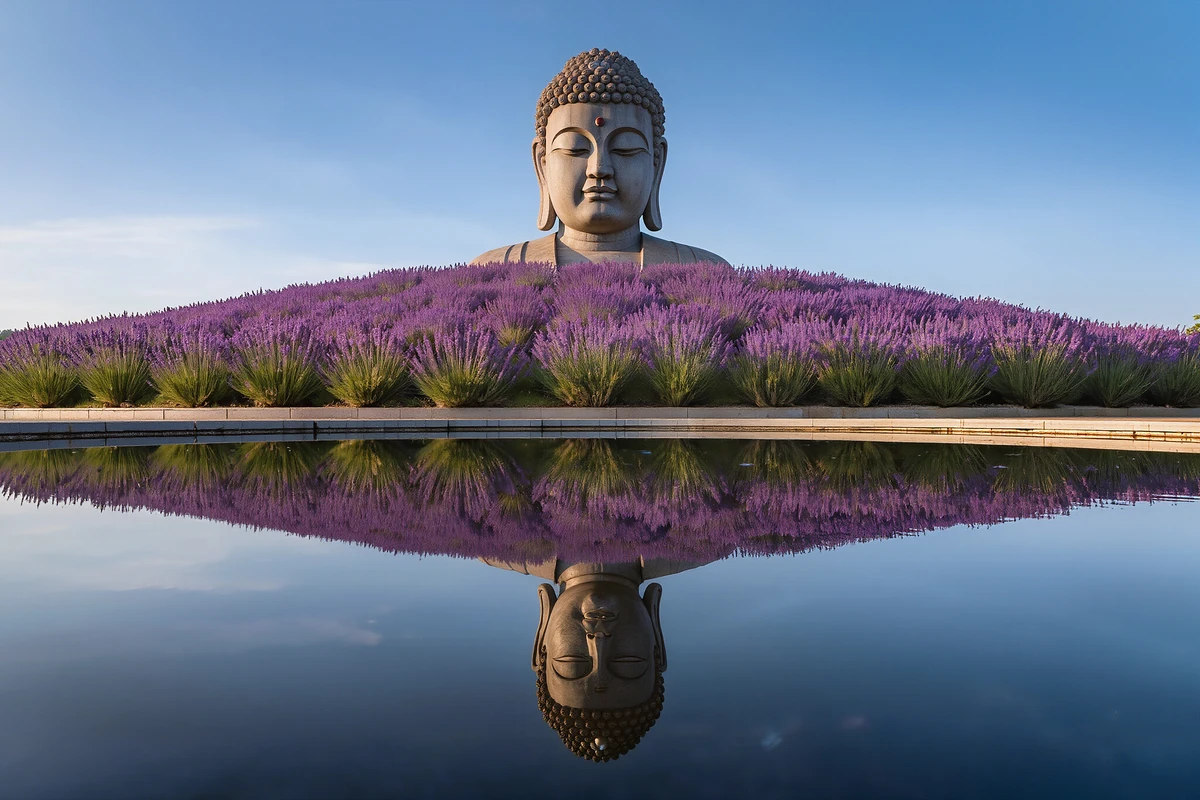
Day tours, attraction tickets, private airport transfers, flight tickets and train tickets, including Asahiyama Zoo, Shirahige Waterfall & Blue Pond Day Tour, Sapporo, Hill of the Buddha, Lake Toya & Hell Valley Day Tour from Sapporo and Asahiyama Zoo Winter Day Trip with Snowmobile from Sapporo. Each has its own page, and the WhatsApp desk combines any of them into one plan with one written price.
How do I get from the airport to my hotel in Sapporo?
New Chitose Airport (CTS) is about 45 km south-east of central Sapporo, around 1 hour by car or about 40 minutes by rapid train to Sapporo Station; Lake Shikotsu is about 25 km, Noboribetsu about 65 km, Otaru about 80 km and Niseko about 110 km by road. Our private transfer meets you at arrivals with a name board, tracks your flight and takes you door to door at a fixed price for the whole vehicle; the transfer pages list every route.
Is there public transport from the airport to Sapporo?
Rapid trains link New Chitose Airport with Sapporo Station in about 40 minutes, and the city has subway lines, a streetcar loop and buses. Trains continue to Otaru in under an hour, while the bullet train does not yet reach Sapporo. A private car is the easiest choice with luggage or skis, for late arrivals, for winter roads and for day trips to Noboribetsu, Furano or Niseko. With luggage, a family or a late flight, the private car is the simpler choice.
Which tours are available in Sapporo?
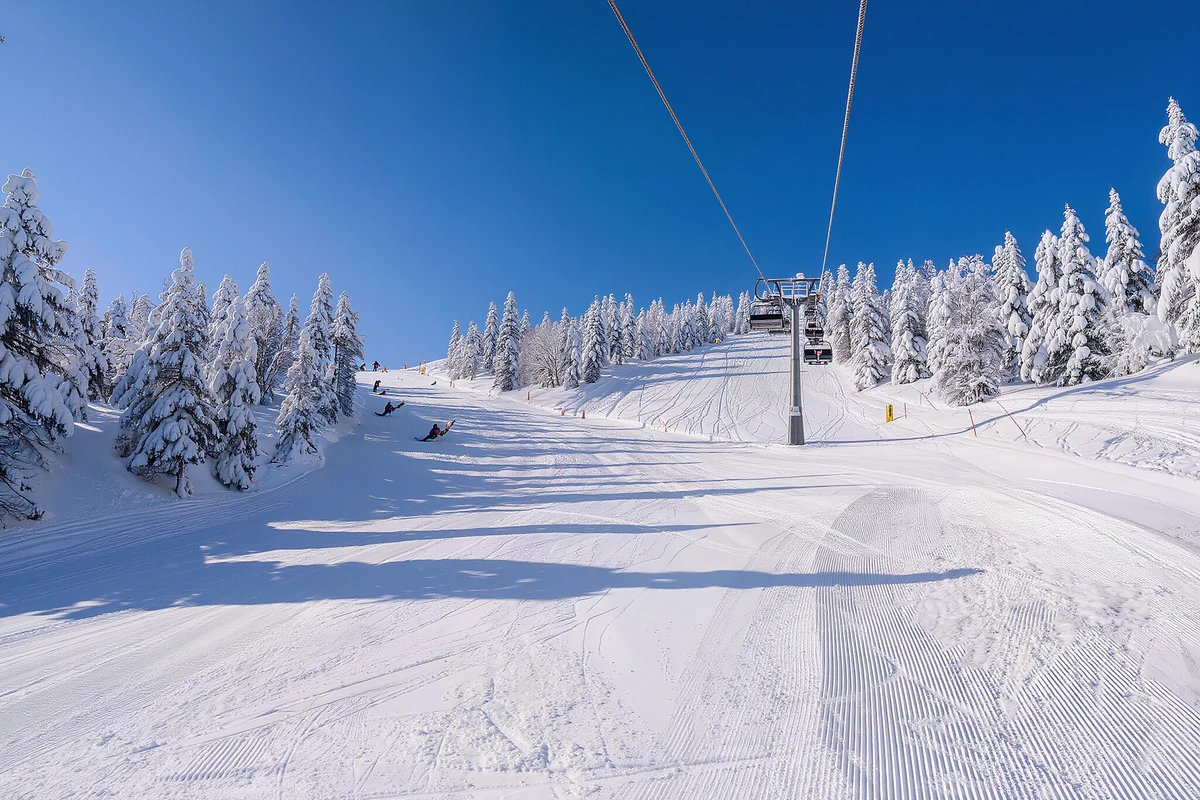
Among them: Asahiyama Zoo, Shirahige Waterfall & Blue Pond Day Tour, Sapporo, Hill of the Buddha, Lake Toya & Hell Valley Day Tour from Sapporo, Asahiyama Zoo Winter Day Trip with Snowmobile from Sapporo, Asarigawa Ski Resort Day Trip with Gear from Sapporo and Hokkaido Shrine, Hill of the Buddha & Jozankei Day Tour, Sapporo. Each page says whether the day is private or small-group, what it includes and how long it lasts.
Are the tours private or in a group?
Both exist, and each tour page says which. A private tour has a vehicle and guide for your party alone; the desk can make most group tours private on request.
How do I book?
Fill in the form on any page or message us on WhatsApp with the date, the number of travellers and the hotel. A member of our team confirms the price and the details in writing within minutes.
Are the prices fixed?
Yes - every price is agreed in writing on WhatsApp before you travel and does not change on the day.
Do the drivers and guides speak Arabic or English?
It depends on the city and the day, so we do not promise a particular language; tell us your preference and we do our best. The WhatsApp desk always works in Arabic and English.
Can I change or cancel a booking in Sapporo?
Yes, in the same WhatsApp conversation. The terms depend on the product and on how close to the date the change comes; the desk states them before you pay.