
Kyoto
Plan Kyoto with Haqqi Tours: day tours, private airport transfers, attraction tickets and packages, run by our own team and confirmed on WhatsApp in Arabic or English.
Step out of your hotel in Kyoto early, before the city fully wakes, and you hear it first: the hollow knock of a temple bell somewhere in the eastern hills, the swish of a shopkeeper sweeping the stone in front of a wooden machiya, bicycles ticking past along the Kamo River. Incense drifts from a neighbourhood shrine, the air smells of roasted green tea from a shop in Higashiyama, and a maiko in a lacquered hairpiece hurries down a lane in Gion toward an appointment you will never see.
Nothing matches those filters yet. Widen your search or message us on WhatsApp.
Kyoto Day Tours
View all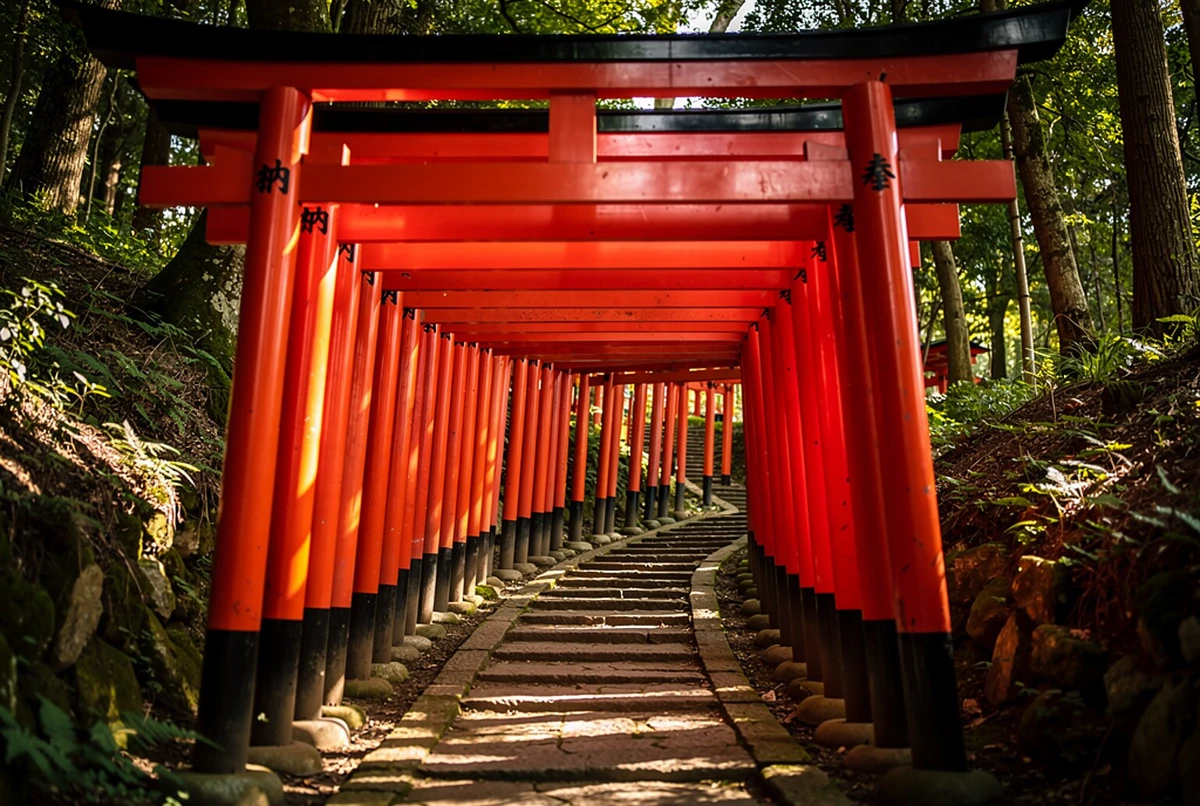
Kyoto Attraction Tickets
View all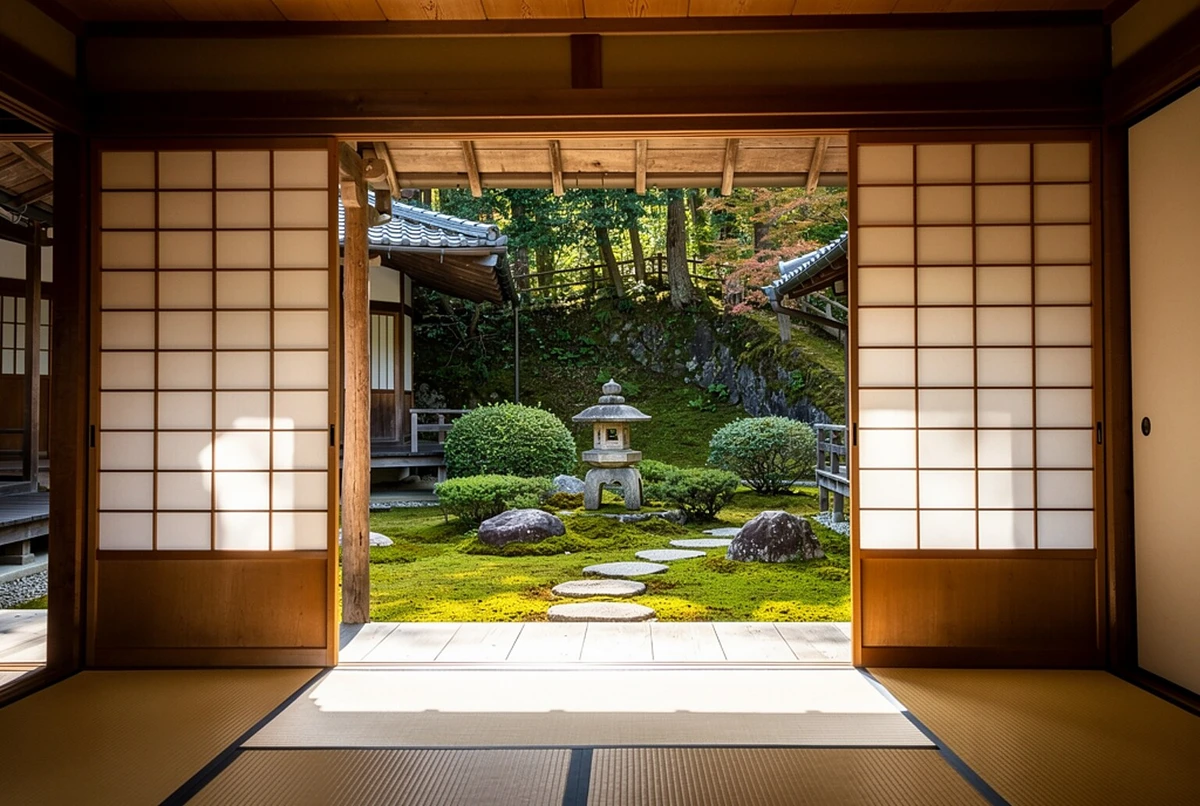
Kyoto Airport Transfers
View all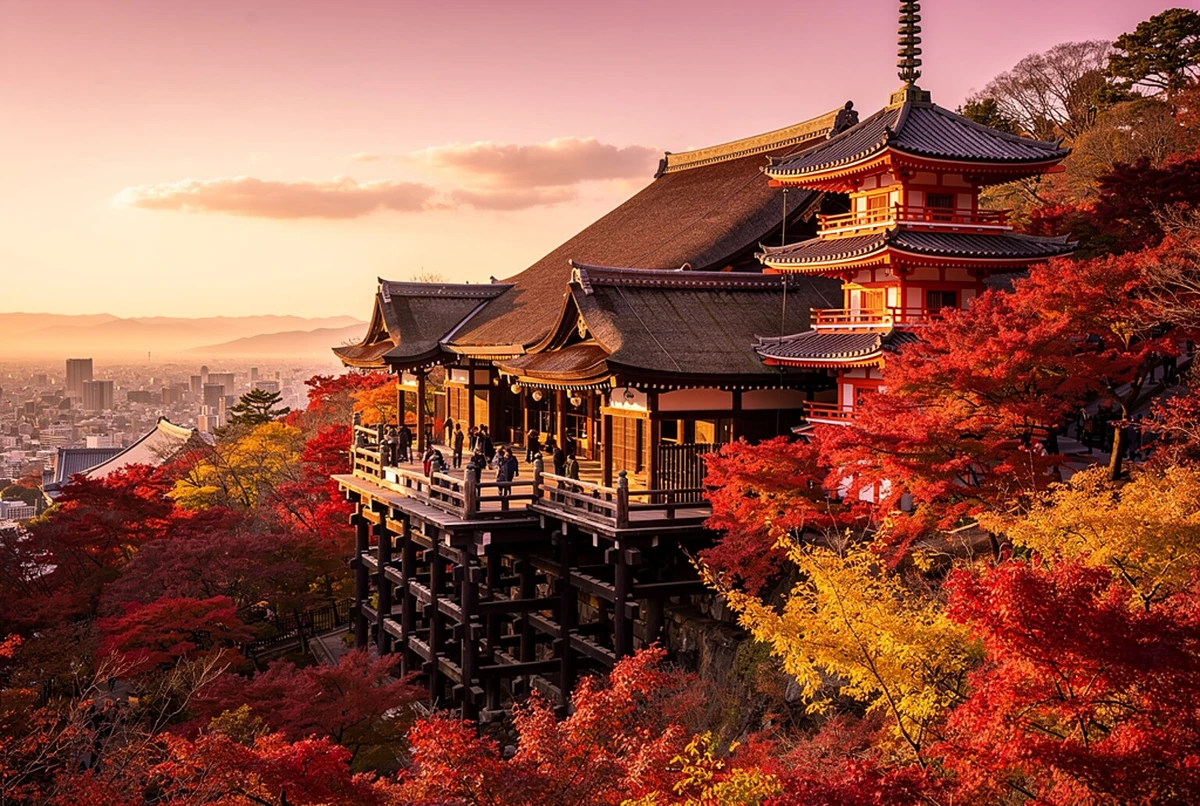

Kyoto Flight Tickets
View all
Kyoto Train Tickets
View all
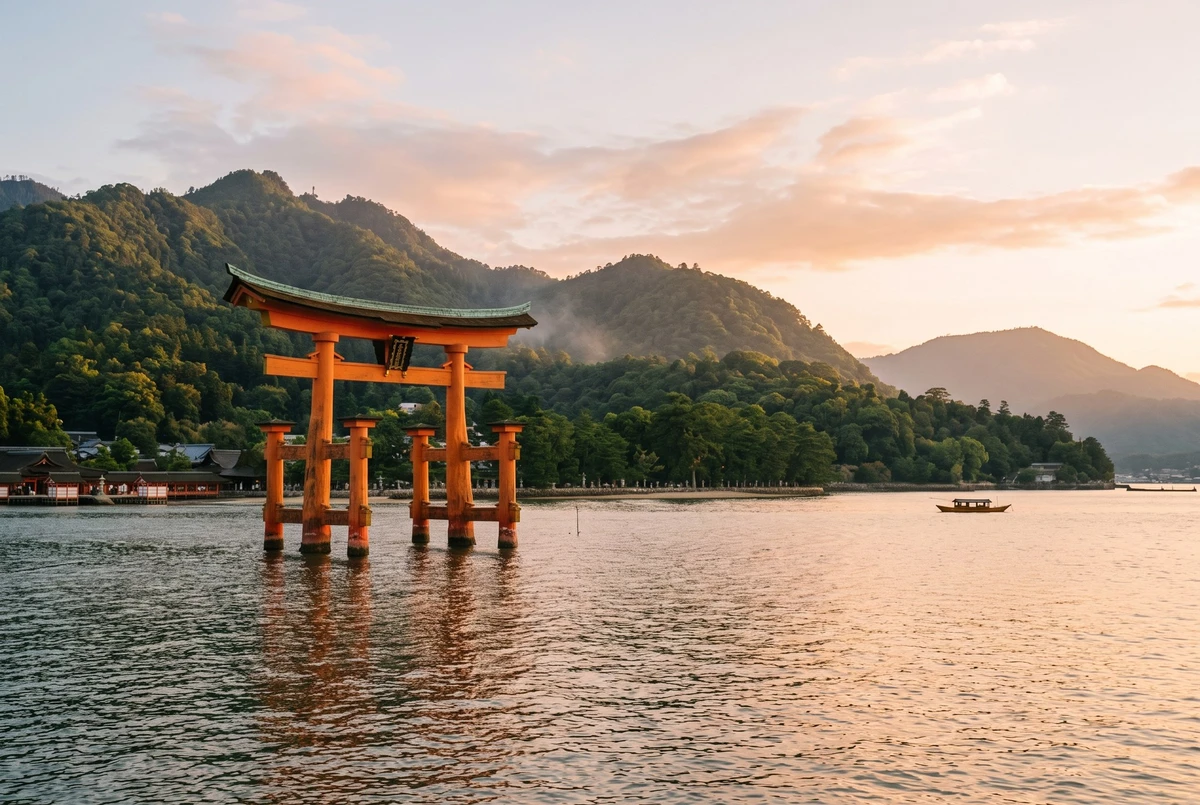
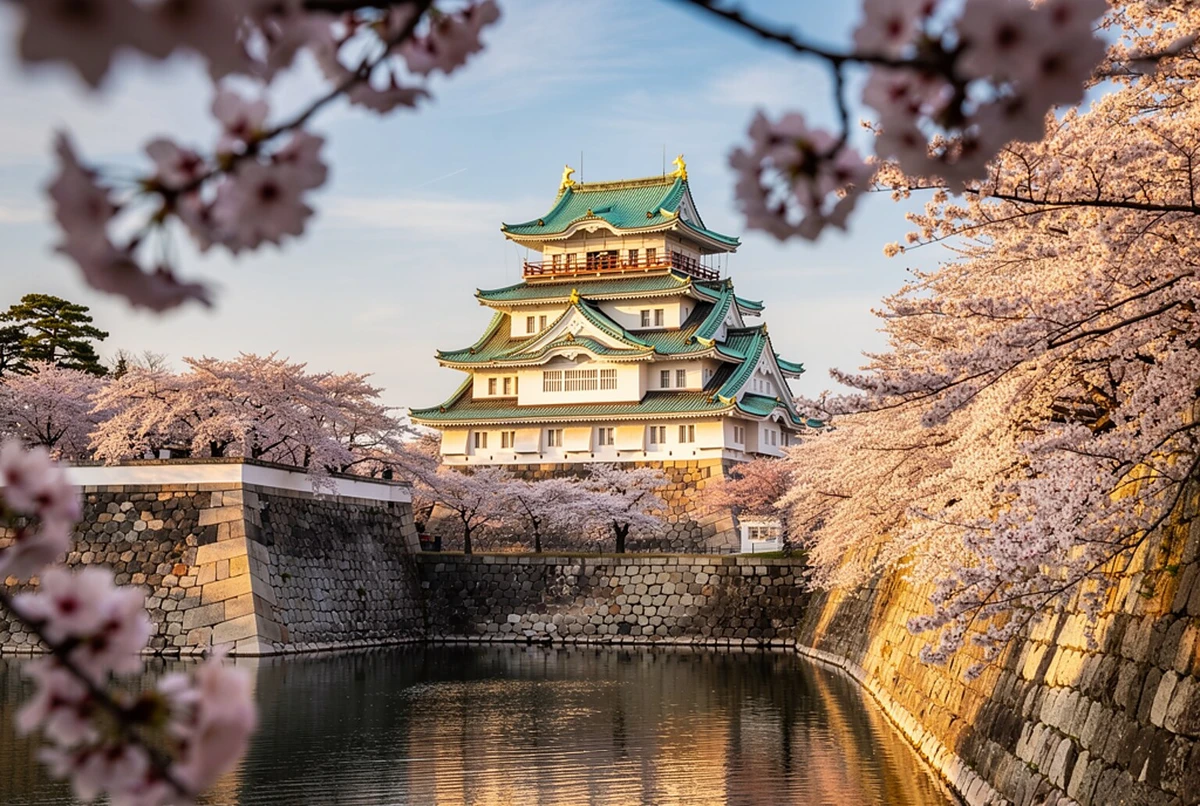
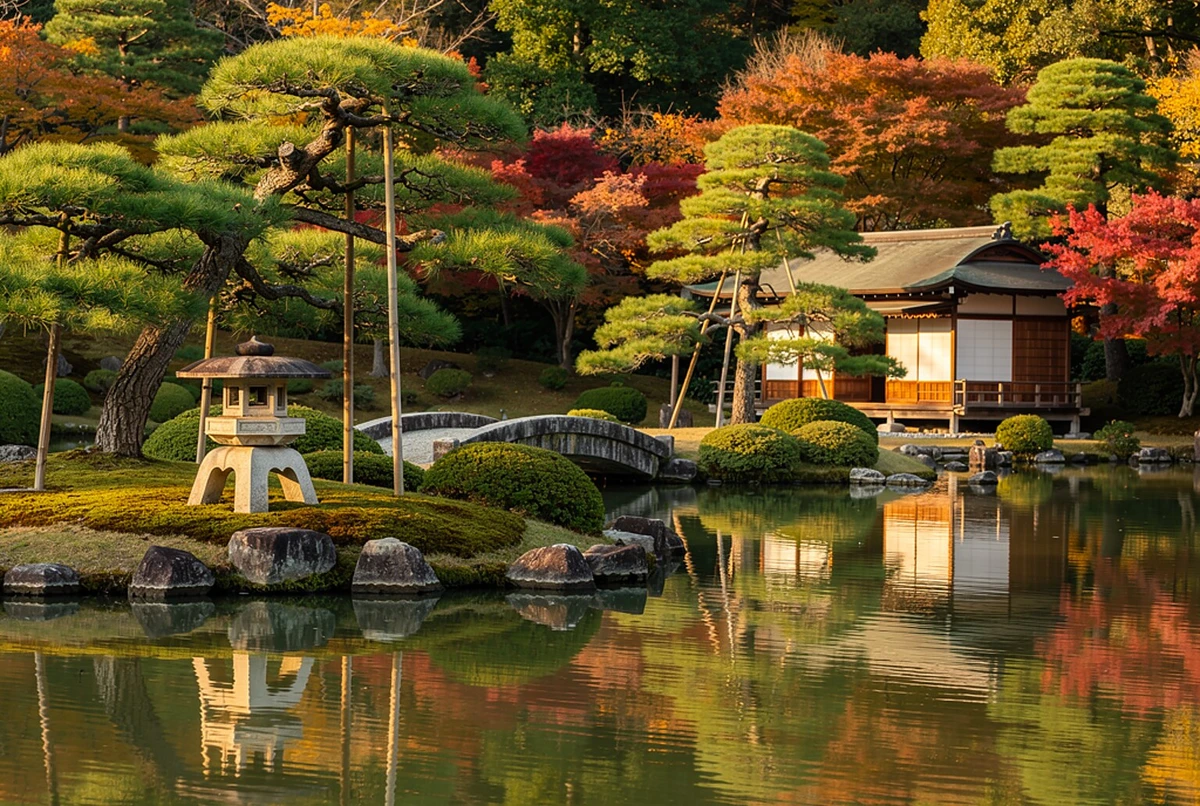
Kyoto at first sight
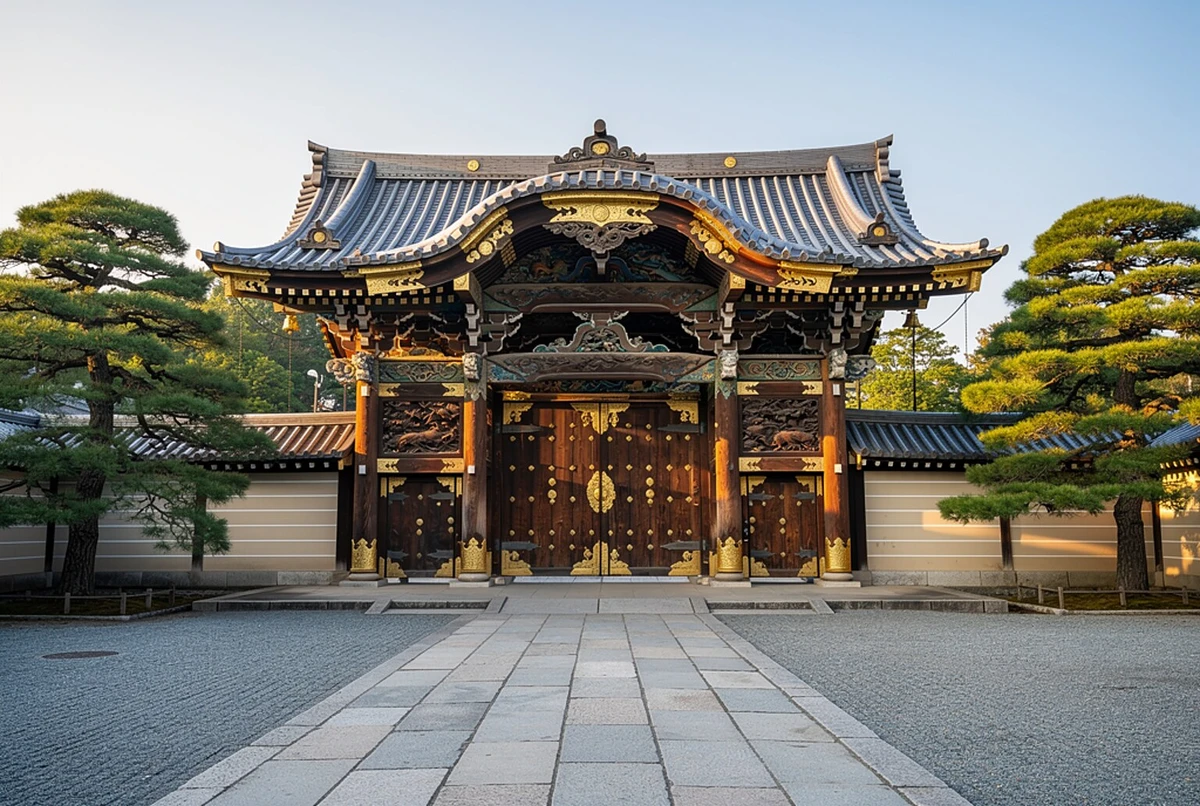
For more than a thousand years Kyoto was Japan’s imperial capital, and it remains the keeper of the nation’s refinement: the tea ceremony, Zen gardens, kaiseki cuisine and the arts of the geiko all took their classical form here. With some seventeen UNESCO-listed sites and around two thousand temples and shrines, Kyoto is where Japan explains itself.
Why include Kyoto in your itinerary?
- The densest concentration of classical heritage in Japan. Kyoto was spared heavy destruction in the twentieth century, so its golden pavilions, wooden temples, imperial villas and shrine gates survive in a way found nowhere else in the country.
- A living culture of craft and ceremony. Kyoto’s geiko districts, tea houses, textile workshops in Nishijin and centuries-old family shops keep traditions alive as daily practice rather than performance, with seasonal festivals like Gion Matsuri marking the calendar.
- Gardens that change with every season. From cherry blossom along the Philosopher’s Path in spring to the crimson maples of Tofuku-ji and Eikan-do in autumn, Kyoto’s moss gardens and dry landscapes are designed to be seen in a particular light and month.
Signature experiences in Kyoto
Fushimi Inari and Kiyomizu-dera
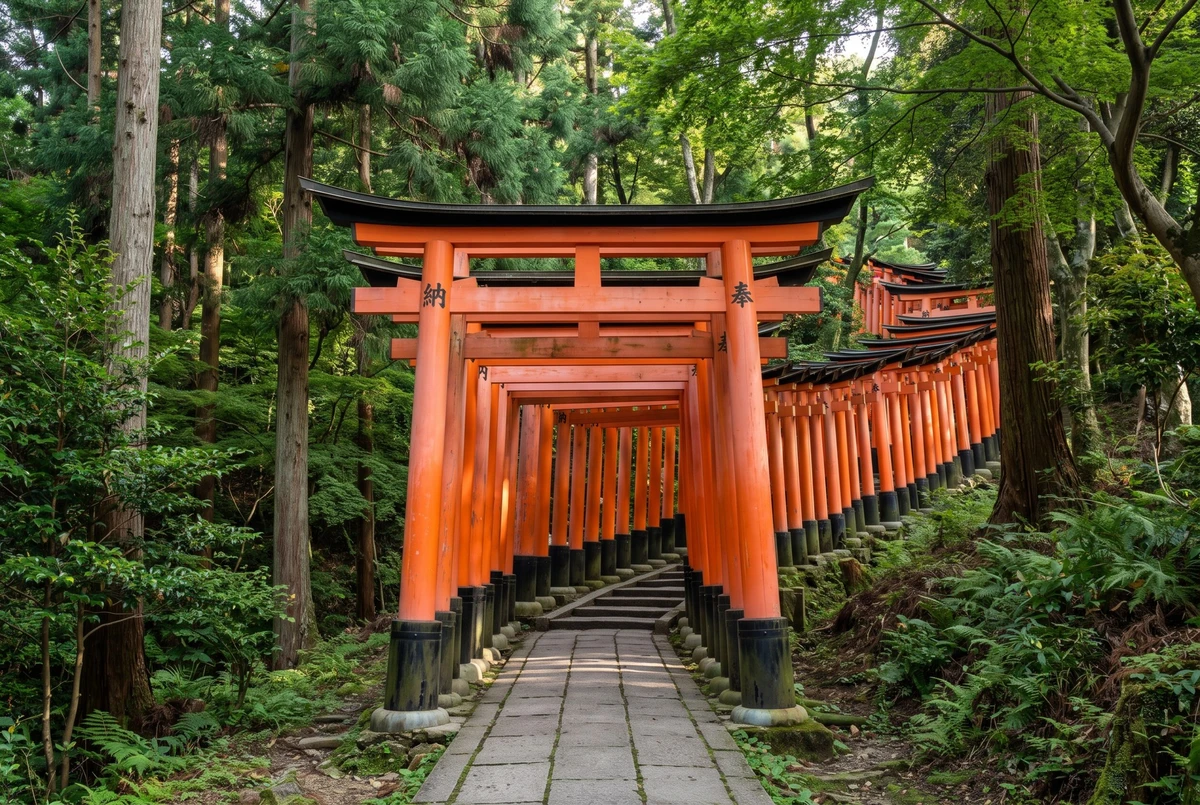
Kyoto’s two great icons are worth an early start. At Fushimi Inari Taisha, thousands of vermilion torii gates climb the slopes of Mount Inari in glowing tunnels, quietest at dawn. Kiyomizu-dera, the ‘Pure Water Temple’, stands on a vast wooden stage above the forested hillside of Higashiyama. Our guided day tours time these visits to avoid the peak crowds, explain the rituals of fox shrines and Buddhist halls, and connect them smoothly with the old streets in between.
Nishiki Market, Matcha and Kaiseki
Kyoto cuisine is delicate and seasonal. In Nishiki Market, ‘Kyoto’s Kitchen’, stalls offer pickled vegetables, tamagoyaki omelette, grilled skewers, yuba tofu skin and sweet wagashi. Sip whisked matcha in a traditional tea house, try yudofu simmered tofu near Nanzen-ji, and save one evening for kaiseki, the multi-course art of Kyoto dining. Our guide on our day tour shares where locals actually eat, and our team can reserve a time-slot at popular tea experiences through tickets we issue.
Gion and the Lanes of Higashiyama
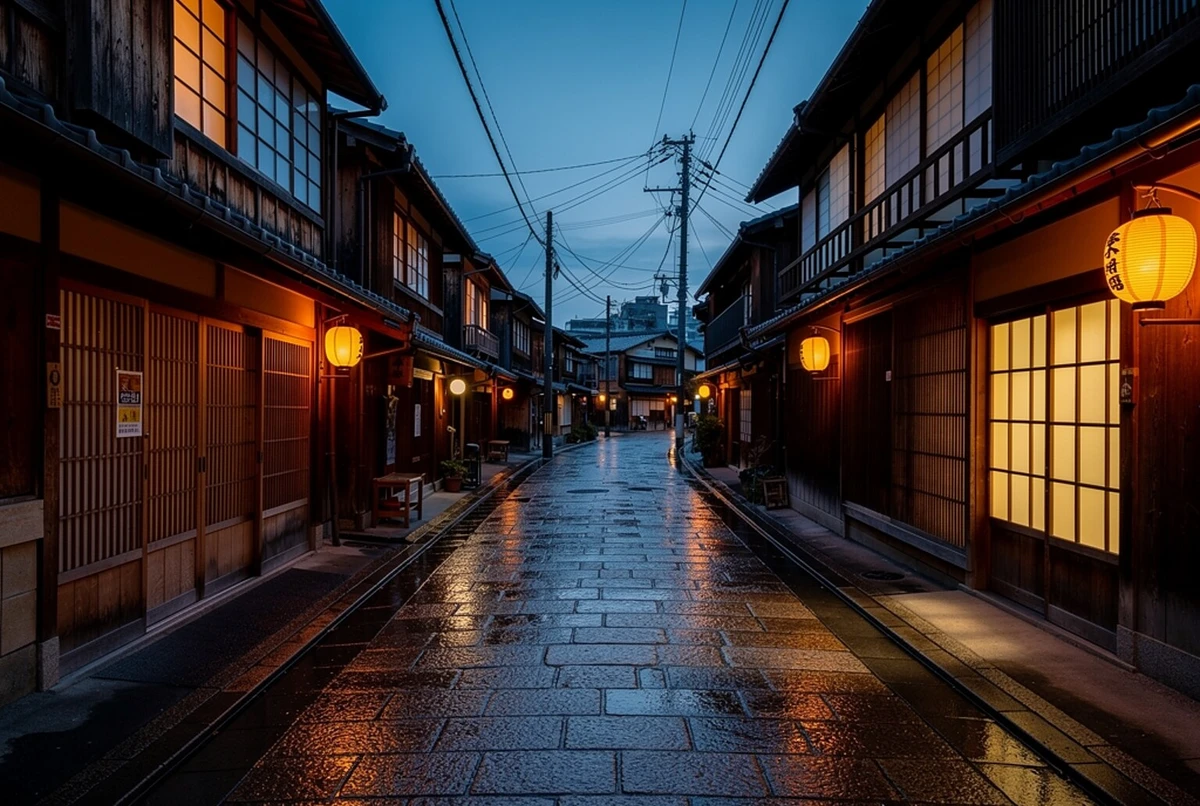
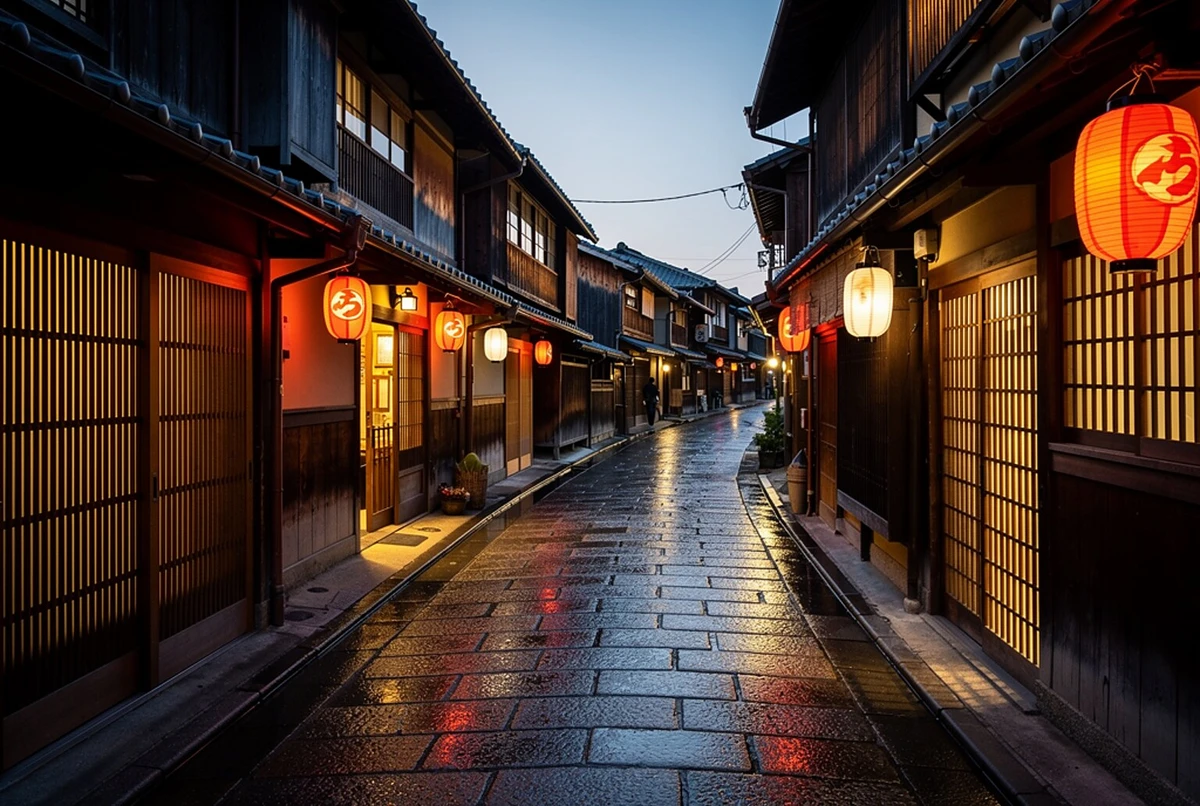
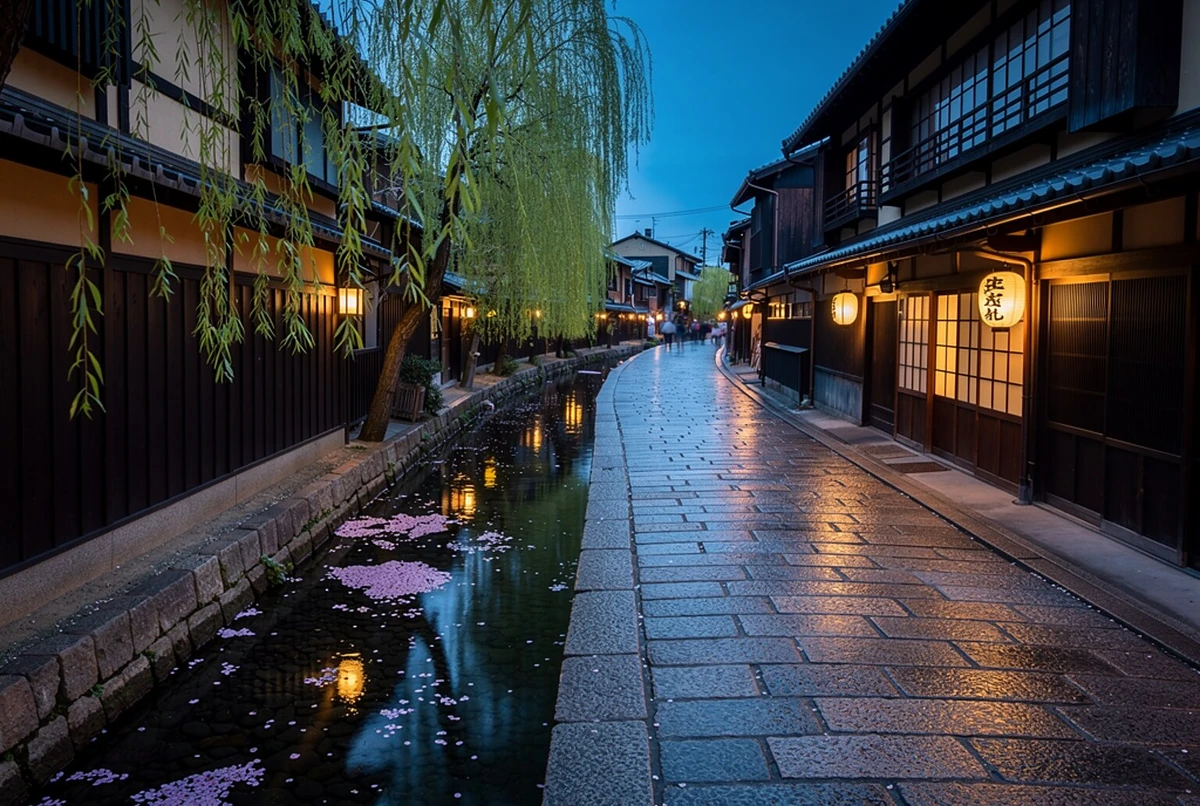
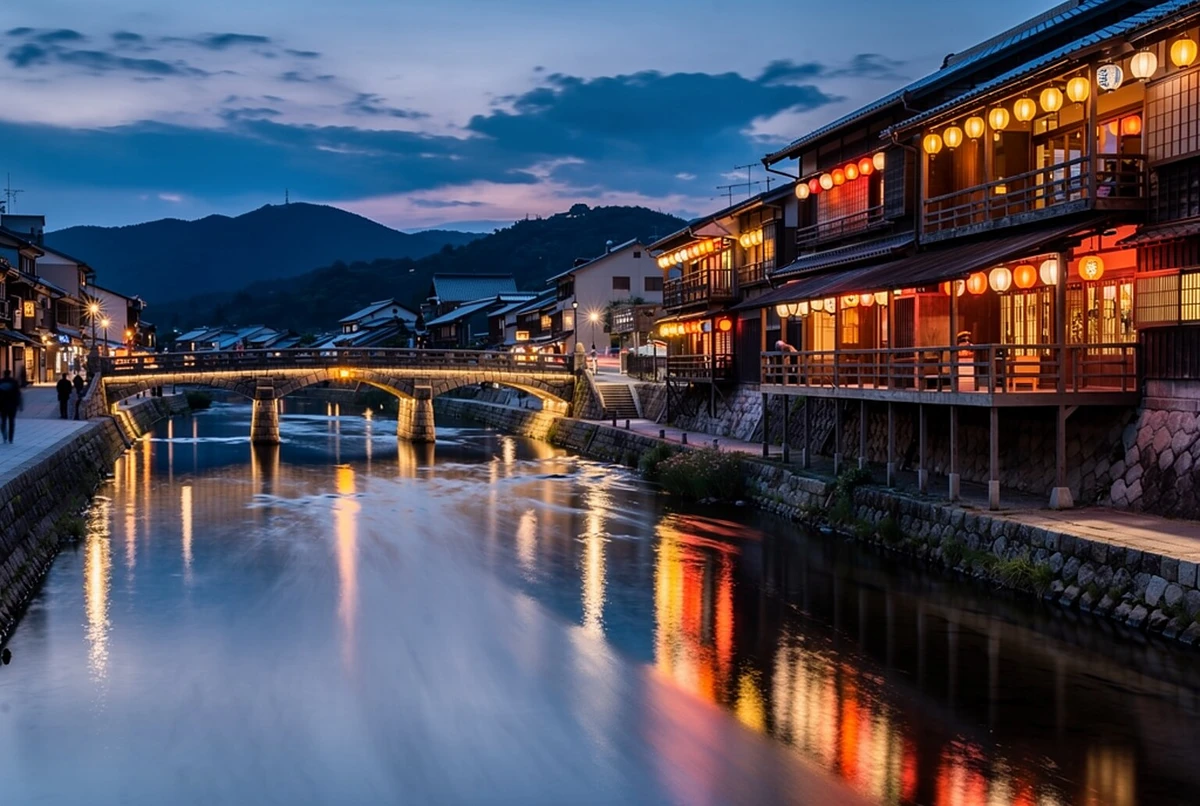
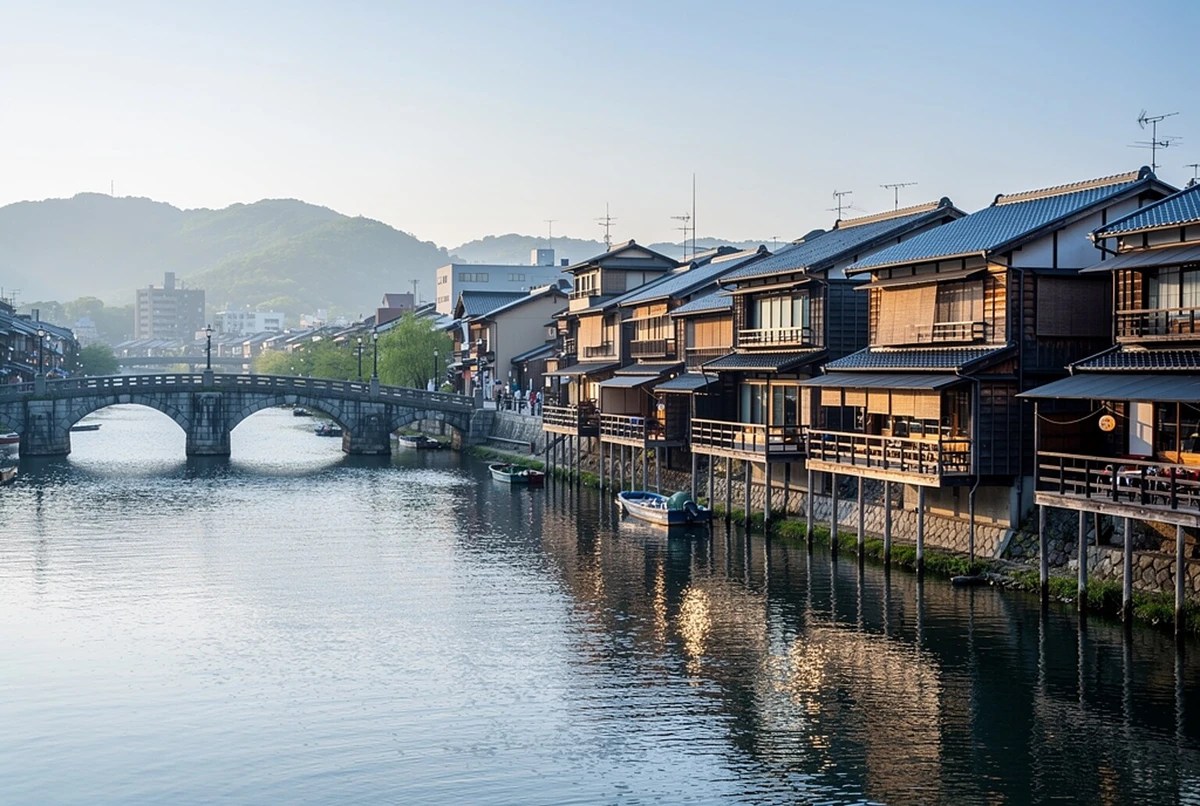
The most atmospheric quarter of Kyoto runs from Gion’s Hanamikoji Street, lined with wooden tea houses, up the stone slopes of Ninenzaka and Sannenzaka toward Kiyomizu-dera. At dusk, lanterns glow over Shirakawa canal and its willows. Explore on foot, peek into pottery and fan shops, and respect the private alleys. Joining our guided day tour gives you the context of the geiko world, which is easy to misunderstand without a knowledgeable guide.
Arashiyama, Nara and Uji
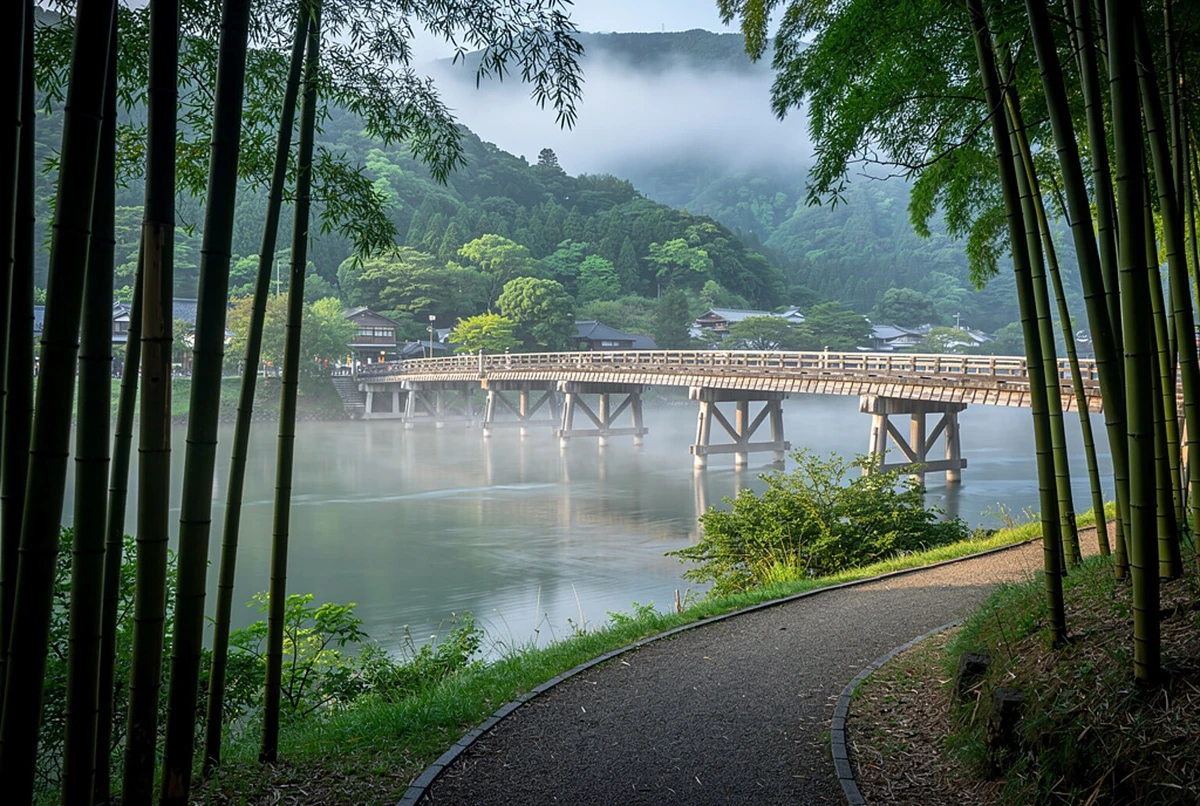
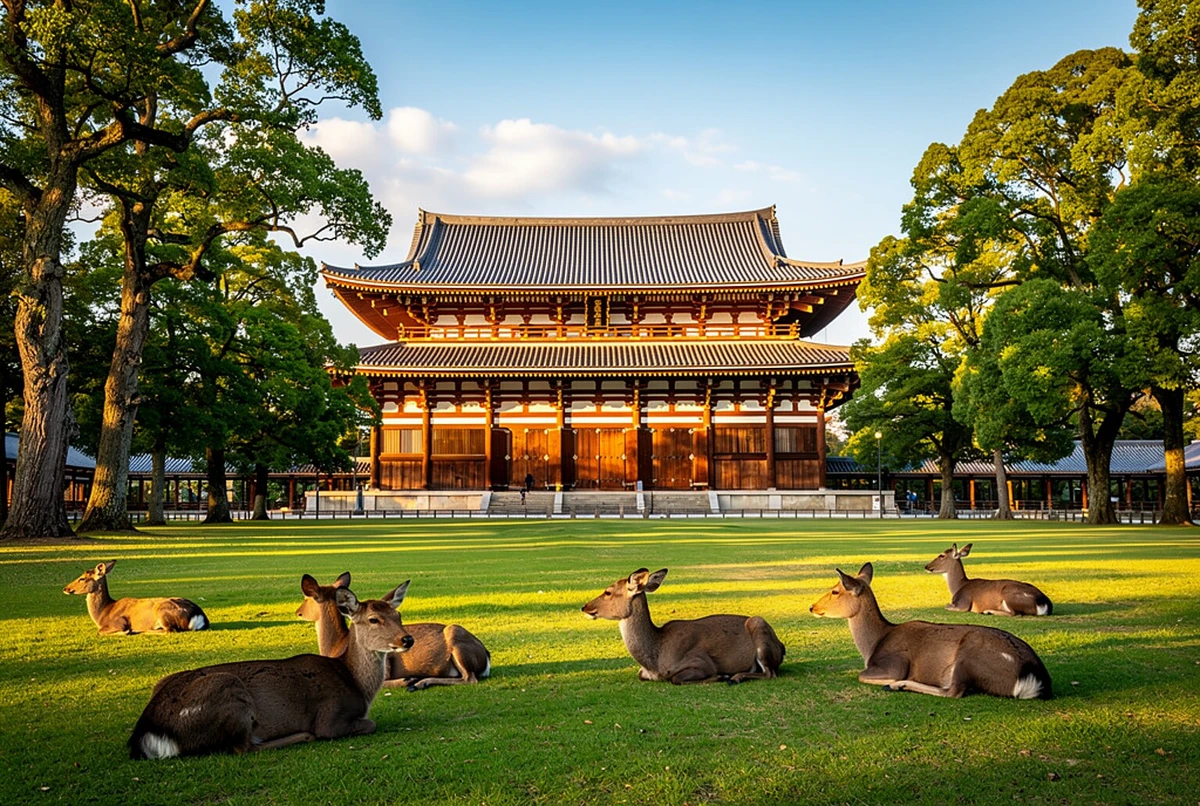
Just outside the centre, Arashiyama offers its famous bamboo grove, the Zen garden of Tenryu-ji and the Togetsukyo bridge over the river. Nara, under an hour away, holds the colossal Buddha of Todai-ji and gentle deer that roam the park freely. Uji, home of fine green tea, has the Byodo-in Phoenix Hall. Our guided day tours cover these classic trips, and we issue the train tickets or arrange a private car with driver for families.
The Golden Pavilion and Zen Gardens of the North
In northern Kyoto, Kinkaku-ji, the Golden Pavilion, shimmers over its mirror pond, while nearby Ryoan-ji holds the most famous rock garden in Japan, fifteen stones raked into silence. Ginkaku-ji, the Silver Pavilion, sits at the start of the Philosopher’s Path in the east. These sites are spread out, so combining them on our guided day tour or with a private car arranged by our team saves hours of bus changes.
Neighbourhoods and quarters to know in Kyoto
Gion and Higashiyama
The classic face of Kyoto, with wooden machiya, tea houses, temples and stone lanes. Ryokan and boutique hotels here put you within walking distance of Kiyomizu-dera, Yasaka Shrine and Gion. Very safe and enchanting at night, though busy by day. Choose it if atmosphere matters most and you are happy to rise early.
Downtown Kawaramachi and Karasuma
The commercial core of Kyoto, between Shijo and Sanjo streets, with department stores, covered shopping arcades, Nishiki Market and Pontocho alley’s riverside restaurants. Excellent hotel choice, subway and bus links, and easy access to Gion across the river. Lively, safe and practical for first-time visitors who want everything on their doorstep.
Kyoto Station Area
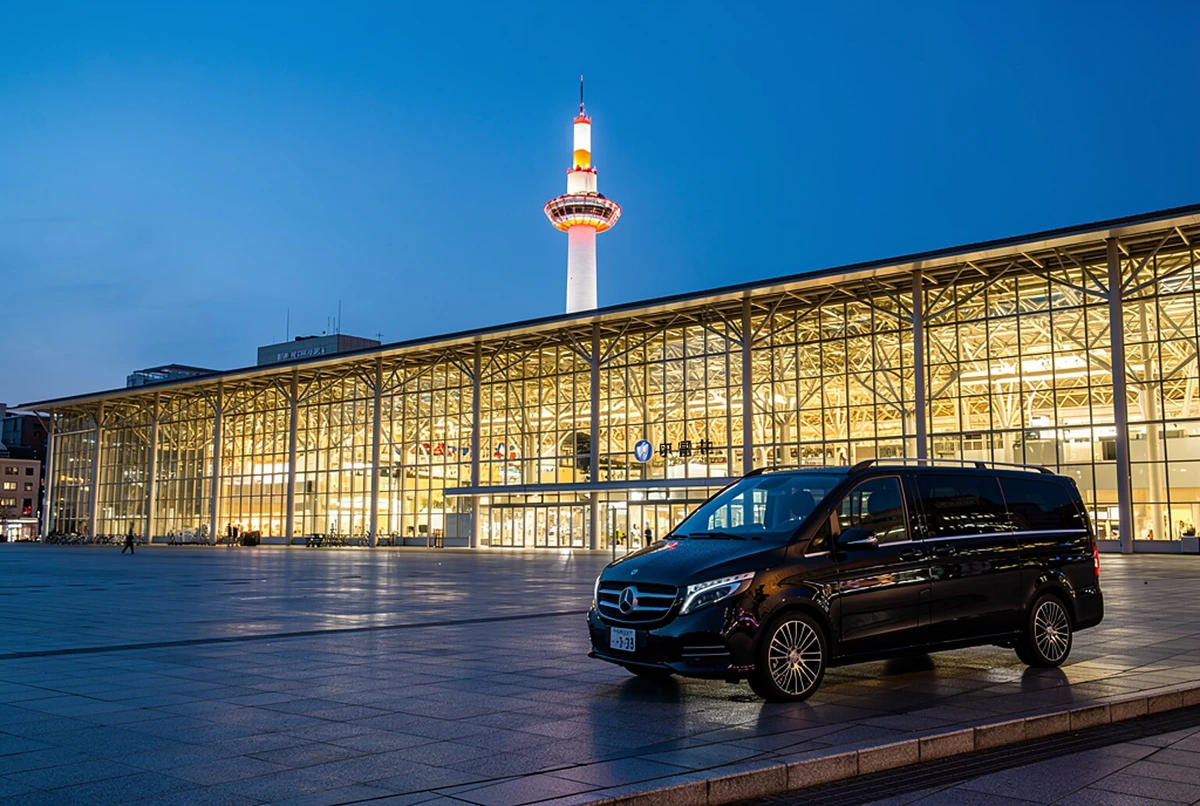
The most convenient base for travellers moving on by Shinkansen or heading to Nara and the airport. Modern hotels cluster around the striking station building, with shopping, restaurants and bus terminals underneath. It is less romantic than Gion, but superb for logistics and families with luggage, and To-ji’s five-storey pagoda is a short stroll away.
Arashiyama
On the western edge of Kyoto, Arashiyama mixes bamboo forest, river views and mountain temples. Staying in a riverside ryokan here lets you see the bamboo grove and Tenryu-ji before the day crowds arrive, and enjoy quiet evenings by the Katsura River. It is peaceful and safe, but further from the centre.
How long to stay in Kyoto and how to pair it
Recommended stay
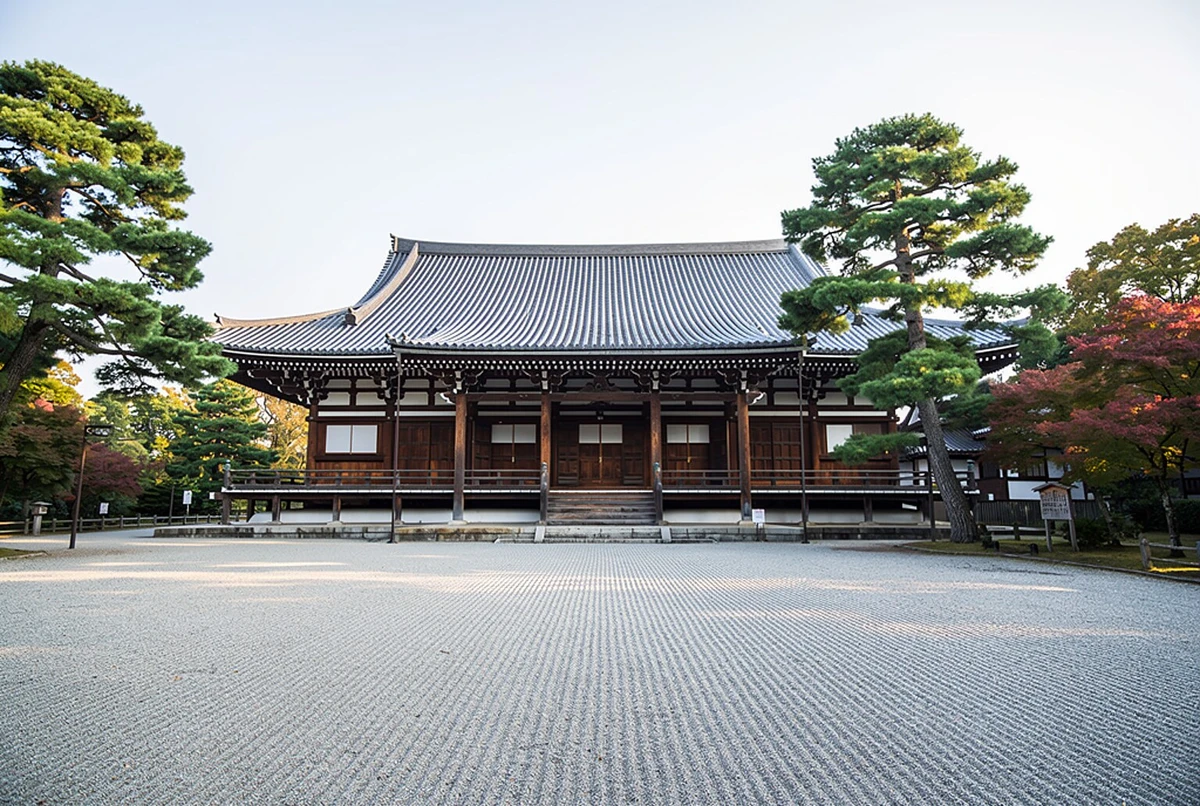
Plan at least three full days in Kyoto, ideally four nights, to see Fushimi Inari, Higashiyama, the northern temples and Arashiyama without rushing. Add a fifth day for Nara or Uji. Kyoto rewards slow travel: the best moments come early in the morning and in quiet side lanes.
How to pair it
Kyoto sits at the heart of the classic Japan route. In seven days, combine three nights in Tokyo with four in Kyoto, including a day trip to Nara. In ten days, add Osaka for its food streets and castle. Over fourteen days, continue from Osaka to Hiroshima and Miyajima before flying home. We issue the Shinkansen train tickets between Tokyo, Kyoto and Osaka, and arrange private airport transfers.
Best time to visit Kyoto and the rhythm of the day
Best months
The best months to visit Kyoto are late March to early May, when cherry blossom and fresh green leaves fill the gardens, and mid-October to early December for spectacular autumn colour. Both are popular, so plan ahead. Summer is hot and humid but brings Gion Matsuri in July; winter is crisp, calm and lovely when snow dusts the temples.
The daily rhythm
A day in Kyoto begins early: temples open around eight or nine, and the first hours are the calmest. Late morning moves to markets and gardens, then a lunch of noodles or a bento. Afternoons suit a tea house break and shopping. Many temples close by five, so evenings are for lantern-lit strolls in Gion and a long, unhurried dinner.
On-the-ground logistics in Kyoto
Arrival
Most international travellers arrive at Kansai International Airport, around ninety minutes by car from central Kyoto, or about seventy-five minutes by limited express train. Osaka Itami Airport handles domestic flights and is closer. Kyoto Station is the Shinkansen hub. Our private airport transfers meet you at arrivals and take you, luggage and all, straight to your hotel or ryokan.
Getting around
Central Kyoto is pleasant on foot, especially Higashiyama and downtown. City buses and two subway lines connect the main sights, but buses are crowded in peak season. Taxis are clean and honest, and ride-hailing apps work in the city. To link distant temples in one day, a private car with driver arranged by our team is the most comfortable choice.
Local etiquette tip
The custom visitors most often miss in Kyoto concerns the geiko and maiko of Gion: never stop, touch or chase them for photographs, and respect signs banning photography in private lanes. Also, remove shoes where you see a step up or slippers inside temples and ryokan, and keep voices low in sacred spaces.
Must-do things in Kyoto
- Walk through the vermilion torii gates of Fushimi Inari at sunrise
- Stand on the wooden stage of Kiyomizu-dera above the Higashiyama hills
- See Kinkaku-ji, the Golden Pavilion, reflected in its mirror pond
- Contemplate the stone garden of Ryoan-ji in silence
- Stroll Ninenzaka and Sannenzaka lanes before the shops open
- Explore the Arashiyama bamboo grove and Tenryu-ji garden
- Taste yuba, pickles and wagashi in Nishiki Market
- Sip whisked matcha in a traditional Kyoto tea house
- Take a day trip to Nara to see Todai-ji and the deer park
- Walk the Philosopher’s Path during cherry blossom or autumn colour
Do’s and don’ts in Kyoto
Do
- Start sightseeing at opening time to enjoy temples in calm
- Carry cash for small temples, shrines and market stalls
- Wear shoes that slip on and off easily
- Book Shinkansen seats and ryokan early for spring and autumn
- Bow slightly and say ‘arigato’ to show appreciation
Don’t
- Don’t photograph or block geiko and maiko in Gion
- Don’t eat while walking along busy temple streets
- Don’t step on tatami mats with shoes or slippers
- Don’t leave tips; good service is simply expected in Japan
- Don’t try to squeeze all of Kyoto into a single day
Kyoto at a glance
Plan Kyoto with Haqqi Tours
Every option is confirmed by our team on WhatsApp before you pay, and delivered by our own people or by trusted local partners we work with in every city. Because we send travellers from all over the world, our partners give us special rates and priority, so you always receive the best. Prices are per person unless marked per vehicle.
About Haqqi Tours: About us Contact us Legal NoticePrivacy PolicyCookies & Marketing PreferencesTerms & ConditionsBooking, Payment & Refunds
More services in Kyoto
Good to know
Frequently Asked Questions
Straight answers to what travellers ask most about Kyoto.
Where should first-time visitors stay in Kyoto?
First-time visitors to Kyoto usually choose downtown Kawaramachi or Karasuma for convenience, Gion and Higashiyama for classic atmosphere, or the Kyoto Station area for easy train connections. Each is safe and well located. Our team can recommend the right area and arrange your private airport transfer to the hotel or ryokan.
Can Kyoto be done as a day trip, or does it need an overnight stay?
A day trip from Osaka shows you a few highlights, but Kyoto truly needs overnight stays. Its temples are spread across the city, the best moments come at dawn and dusk, and staying in a ryokan is part of the experience. We recommend three to four nights, with our guided day tours.
What is the dress code and etiquette in Kyoto?
Dress comfortably and modestly in Kyoto; there is no strict code, but neat clothing is respected in temples. Remove shoes where indicated, keep voices low, follow photography rules, and never pursue geiko for pictures. Tipping is not customary in Japan, and queuing patiently is expected everywhere.
Is Kyoto tourist friendly?
Yes, Kyoto is very tourist friendly. Signs appear in English, transport is efficient, and temples provide multilingual information. Some smaller restaurants have limited English, so a guide helps. Our guided day tours, attraction tickets, train tickets and private transfers make Kyoto easy for families, couples and first-time visitors to Japan.
Is it safe to travel to Kyoto now?
Kyoto is generally regarded as one of the safest cities in the world, with very low crime and a calm atmosphere day and night. Prepare for summer heat and occasional typhoon weather in late summer. Before travelling, check your own government’s official travel advice, and keep our WhatsApp line handy throughout your trip.
What are the must-do things in Kyoto?
In Kyoto, walk the torii gates of Fushimi Inari, visit Kiyomizu-dera and the Golden Pavilion, stroll through Gion and Higashiyama, explore the Arashiyama bamboo grove, taste Nishiki Market and enjoy matcha in a tea house. Add a day trip to Nara to complete the classic Kyoto experience.
How many days do you need in Kyoto?
Three to four days is ideal for a first visit to Kyoto, covering the eastern temples, the north, Fushimi Inari and Arashiyama. Five days lets you add Nara or Uji at a gentle pace. Our team can build a balanced plan with guided day tours and train tickets included.
What can I book in Kyoto with Haqqi Tours?
Day tours, attraction tickets, private airport transfers, flight tickets and train tickets, including Knife Making Experience at a Traditional Blacksmith Kyoto, Amanohashidate and Ine Funaya Boathouses Day Tour Kyoto and Private Customisable Kyoto Day Tour by Luxury Vehicle. Each has its own page, and the WhatsApp desk combines any of them into one plan with one written price.
How do I get from the airport to my hotel in Kyoto?
Kansai International Airport (KIX) is built on an island in Osaka Bay about 50 km from central Osaka - roughly an hour by road - and about 100 km from Kyoto. Our private transfer meets you at arrivals with a name board, tracks your flight and takes you door to door at a fixed price for the whole vehicle; the transfer pages list every route.
Is there public transport from the airport to Kyoto?
The JR Haruka limited express runs from Kansai Airport to Kyoto Station in about 75 minutes and is a good, reliable choice for one or two travellers with light luggage; the difficulty comes afterwards, because many ryokan and hotels sit on narrow lanes far from the station, and buses are crowded with suitcases. A private car takes you to the hotel entrance and suits families, groups and large luggage. With luggage, a family or a late flight, the private car is the simpler choice.
Which tours are available in Kyoto?
Among them: Knife Making Experience at a Traditional Blacksmith Kyoto, Amanohashidate and Ine Funaya Boathouses Day Tour Kyoto, Private Customisable Kyoto Day Tour by Luxury Vehicle, Kyoto Full Day Tour Fushimi Inari Kinkakuji and Bamboo Grove and Gion Chopstick Making Workshop with Engraving Kyoto. Each page says whether the day is private or small-group, what it includes and how long it lasts.
Are the tours private or in a group?
Both exist, and each tour page says which. A private tour has a vehicle and guide for your party alone; the desk can make most group tours private on request.
How do I book?
Fill in the form on any page or message us on WhatsApp with the date, the number of travellers and the hotel. A member of our team confirms the price and the details in writing within minutes.
Are the prices fixed?
Yes - every price is agreed in writing on WhatsApp before you travel and does not change on the day.
Do the drivers and guides speak Arabic or English?
It depends on the city and the day, so we do not promise a particular language; tell us your preference and we do our best. The WhatsApp desk always works in Arabic and English.
Can I change or cancel a booking in Kyoto?
Yes, in the same WhatsApp conversation. The terms depend on the product and on how close to the date the change comes; the desk states them before you pay.