
Hiroshima
Plan Hiroshima with Haqqi Tours: day tours, private airport transfers, attraction tickets and packages, run by our own team and confirmed on WhatsApp in Arabic or English.
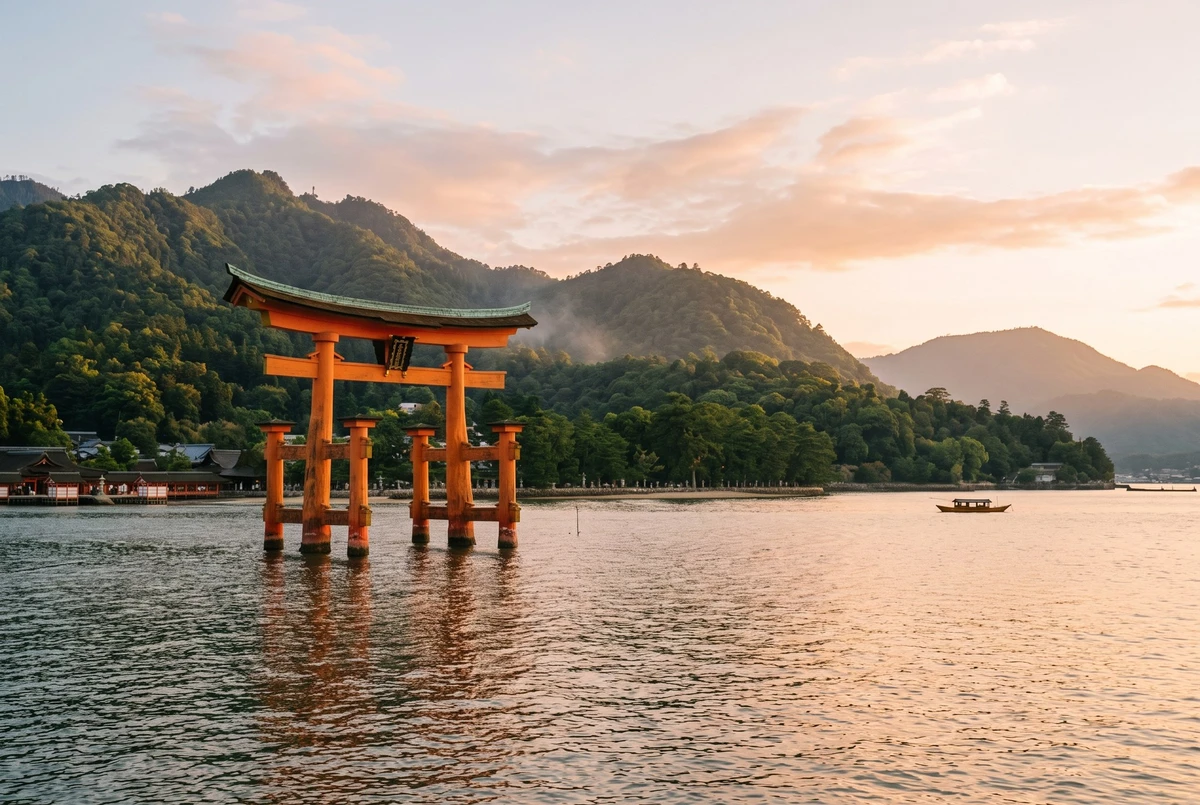
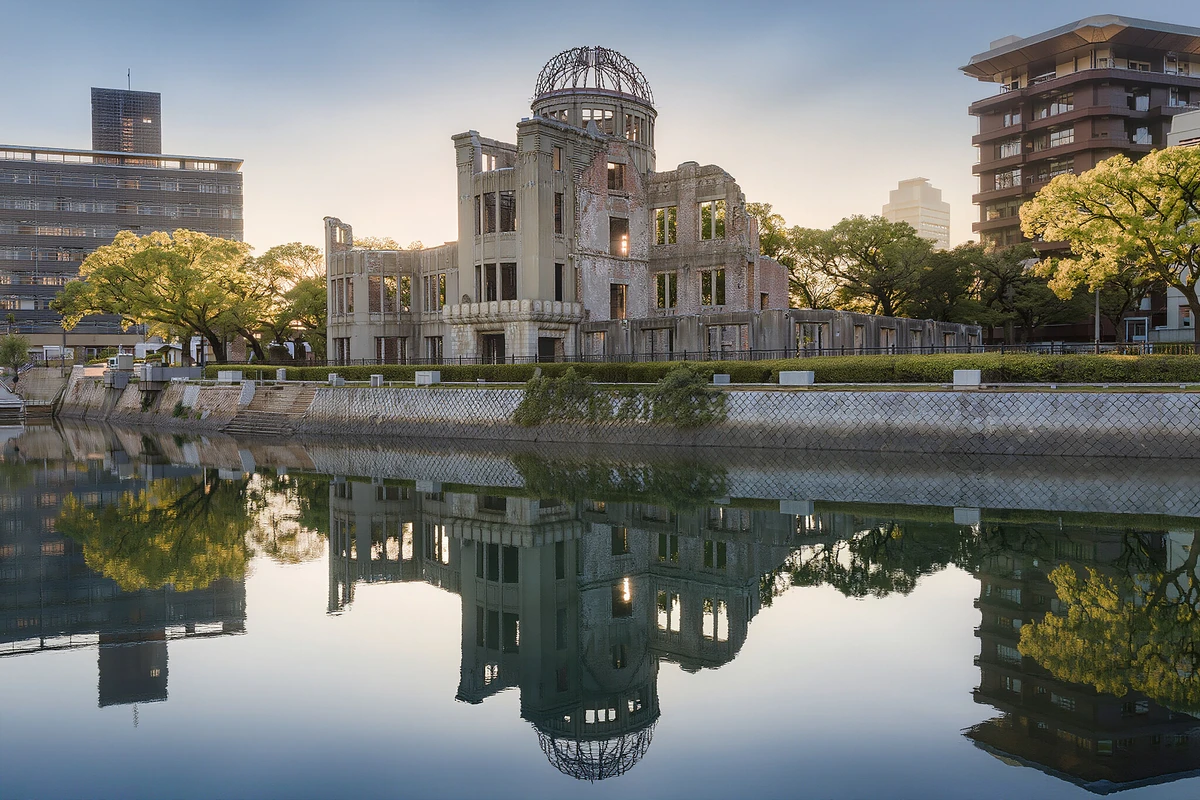
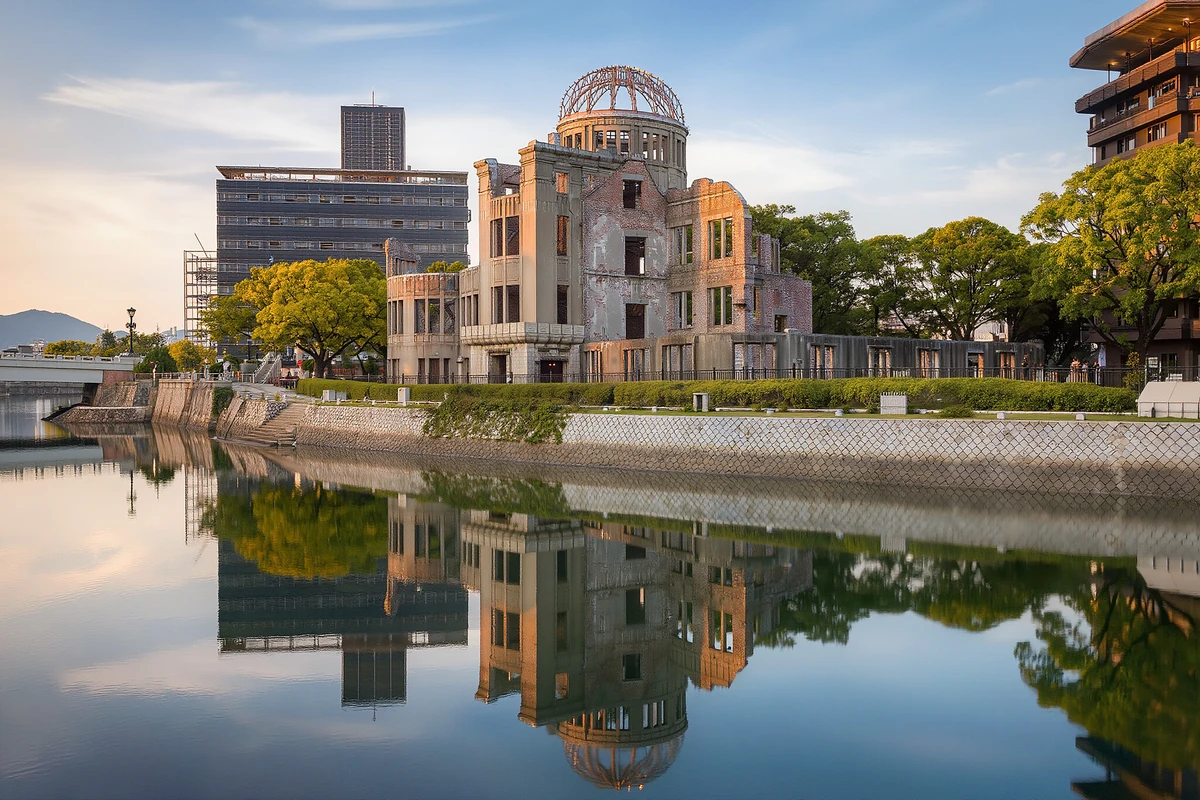
Early in the morning, the rivers of Hiroshima run calm and wide beneath the city's bridges, and streetcars glide along tree-lined avenues as the offices open. In the Peace Memorial Park, gardeners sweep the paths, schoolchildren lay strings of colourful paper cranes at the memorials, and the bare frame of the Atomic Bomb Dome stands quietly beside the river. A short ride west, the great vermilion torii of Itsukushima rises from the sea off Miyajima.
Nothing matches those filters yet. Widen your search or message us on WhatsApp.
Hiroshima Day Tours
View all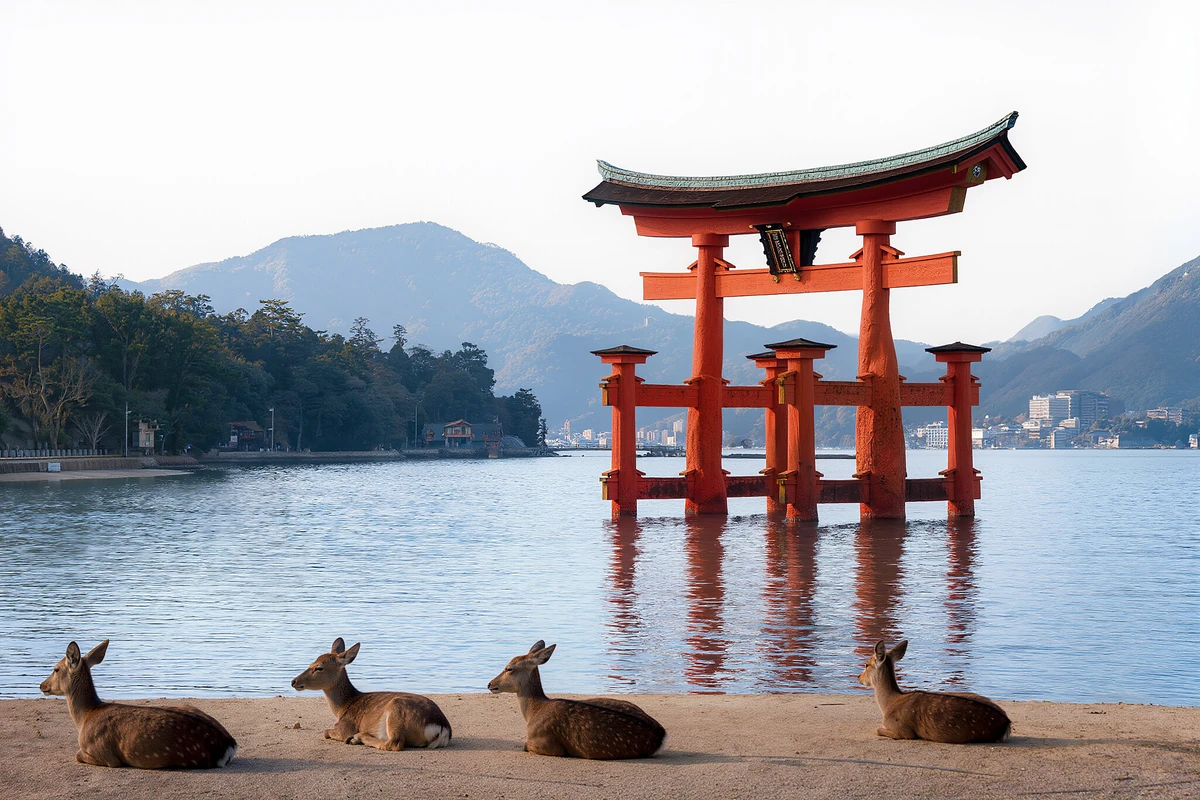
Hiroshima Attraction Tickets
View all
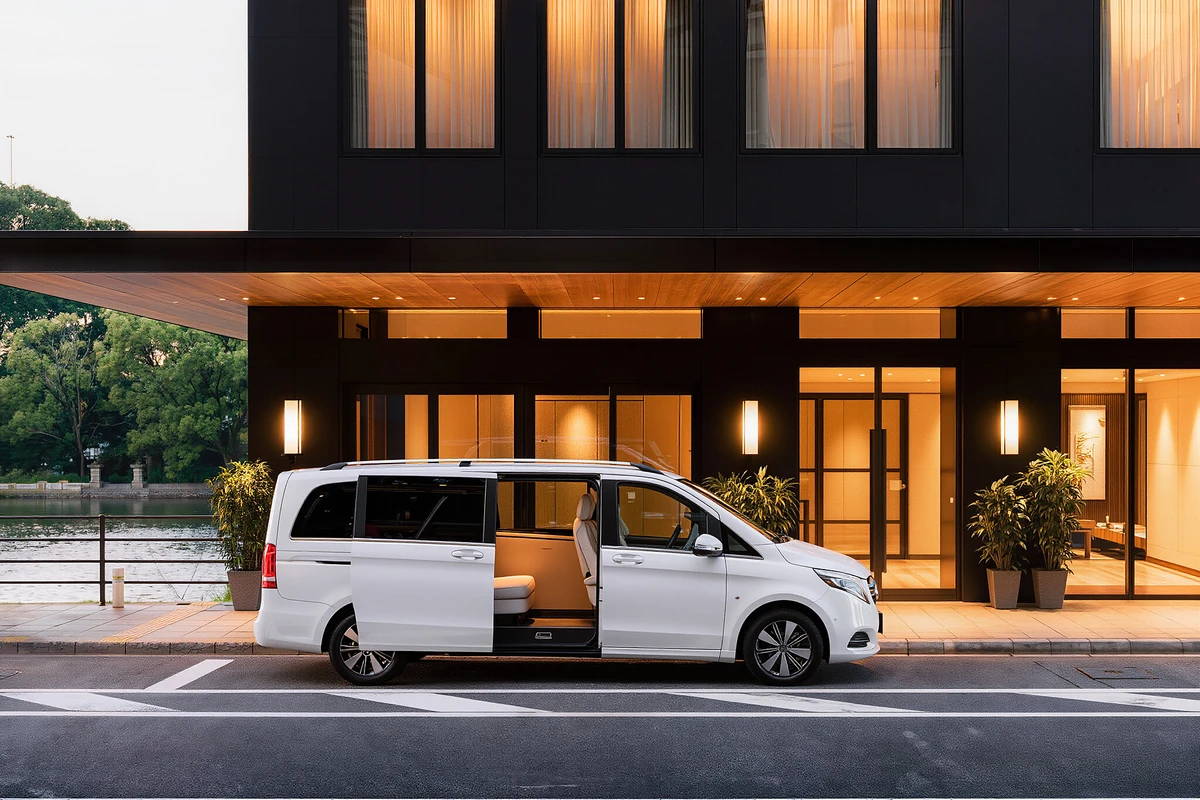
Hiroshima Airport Transfers
View all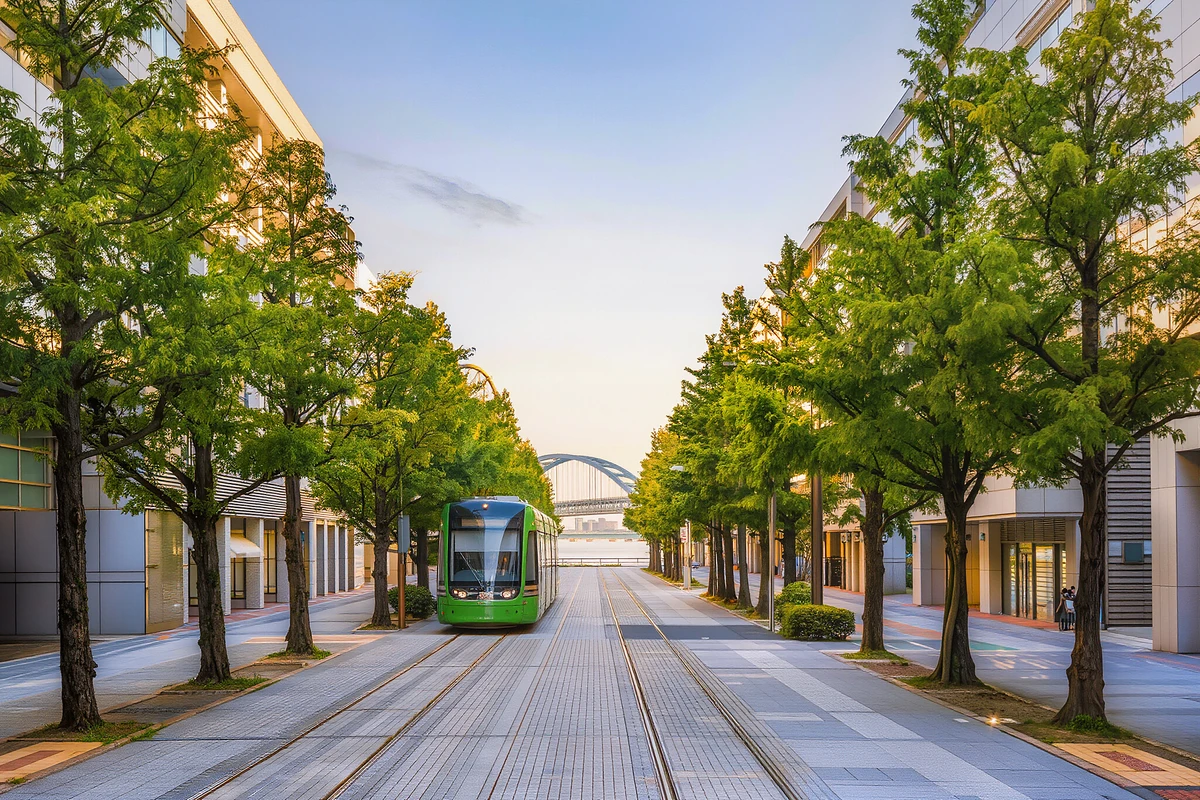

Hiroshima Train Tickets
View allHiroshima Ferry Tickets
View allHiroshima at first sight
Founded as a castle town on the delta of the Ota river, Hiroshima was devastated by an atomic bomb on 6 August 1945. Rebuilt with remarkable determination, it is today a green, welcoming city that carries a powerful message of peace to the world. Around it lie the islands and shores of the Seto Inland Sea, where Miyajima's floating shrine, quiet harbour towns and fresh seafood traditions complete one of Japan's most moving journeys.
Why include Hiroshima in your itinerary?
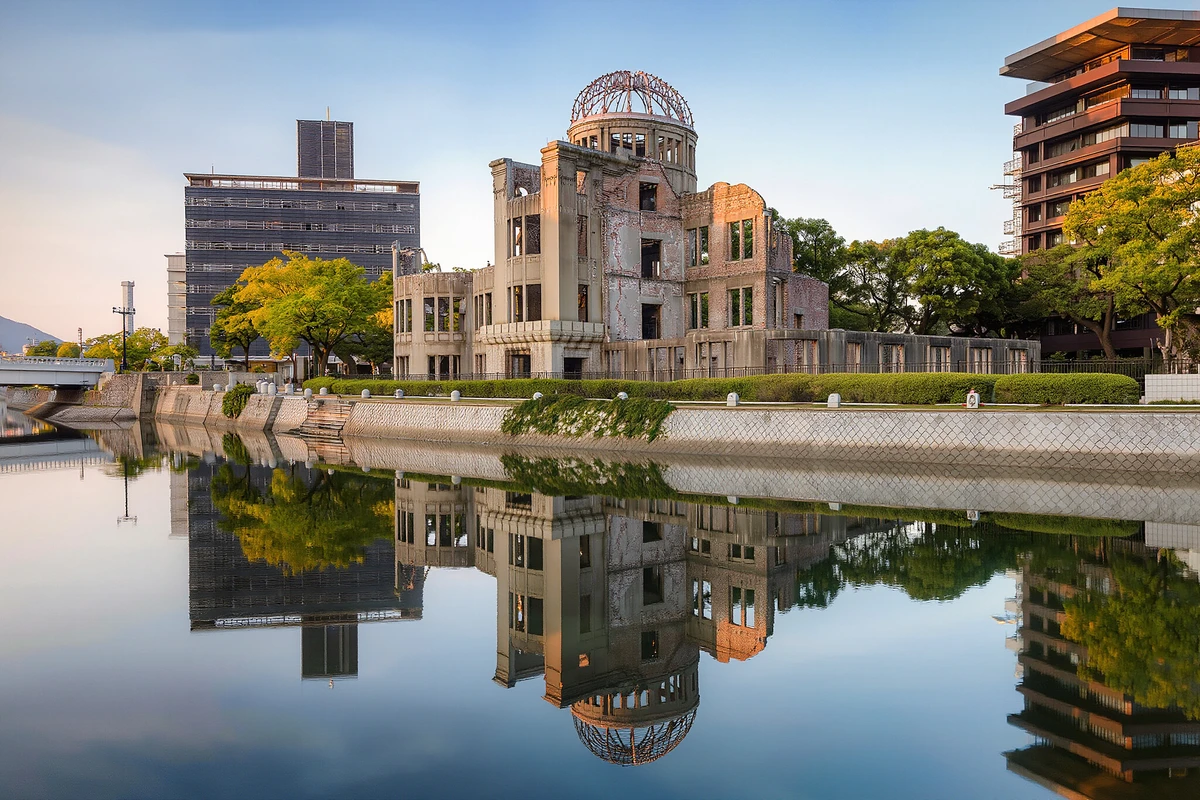
- A city devoted to peace. The Peace Memorial Park, its museum and the UNESCO-listed Atomic Bomb Dome tell the story of 6 August 1945 with dignity and restraint, and leave visitors with a lasting message of reconciliation and hope for a world without nuclear weapons.
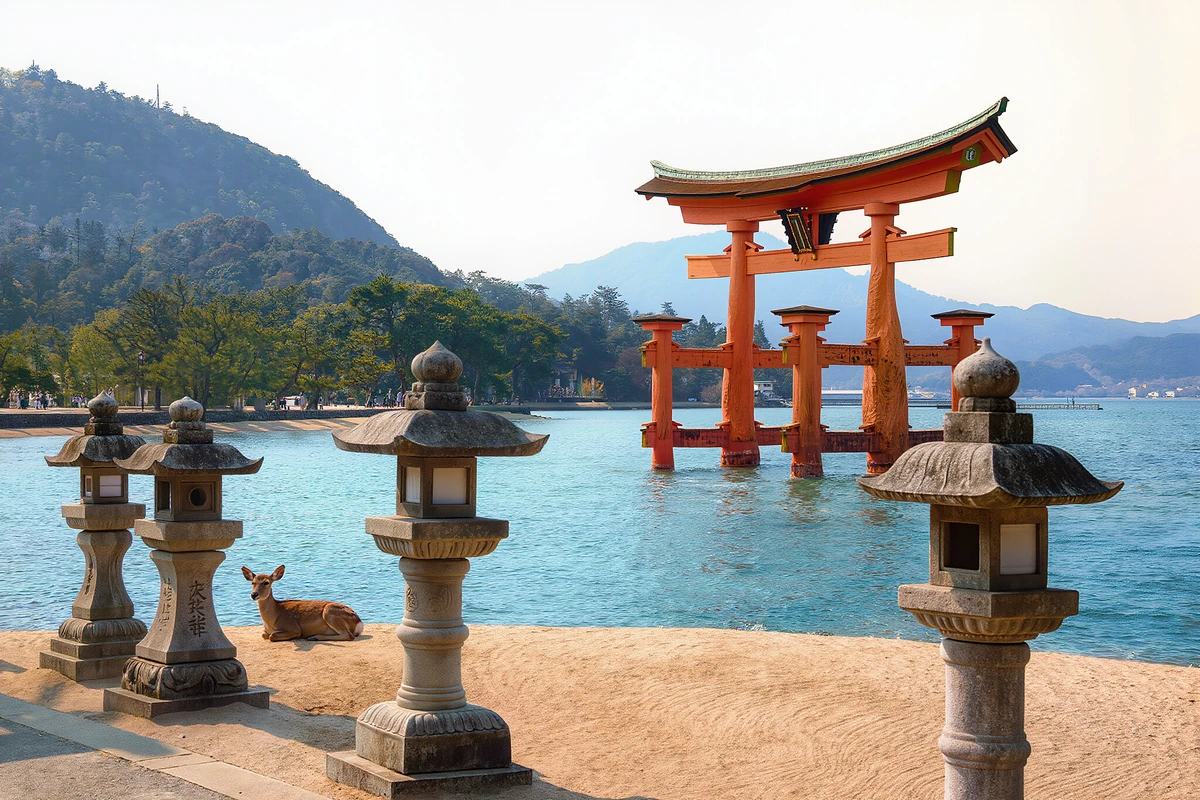
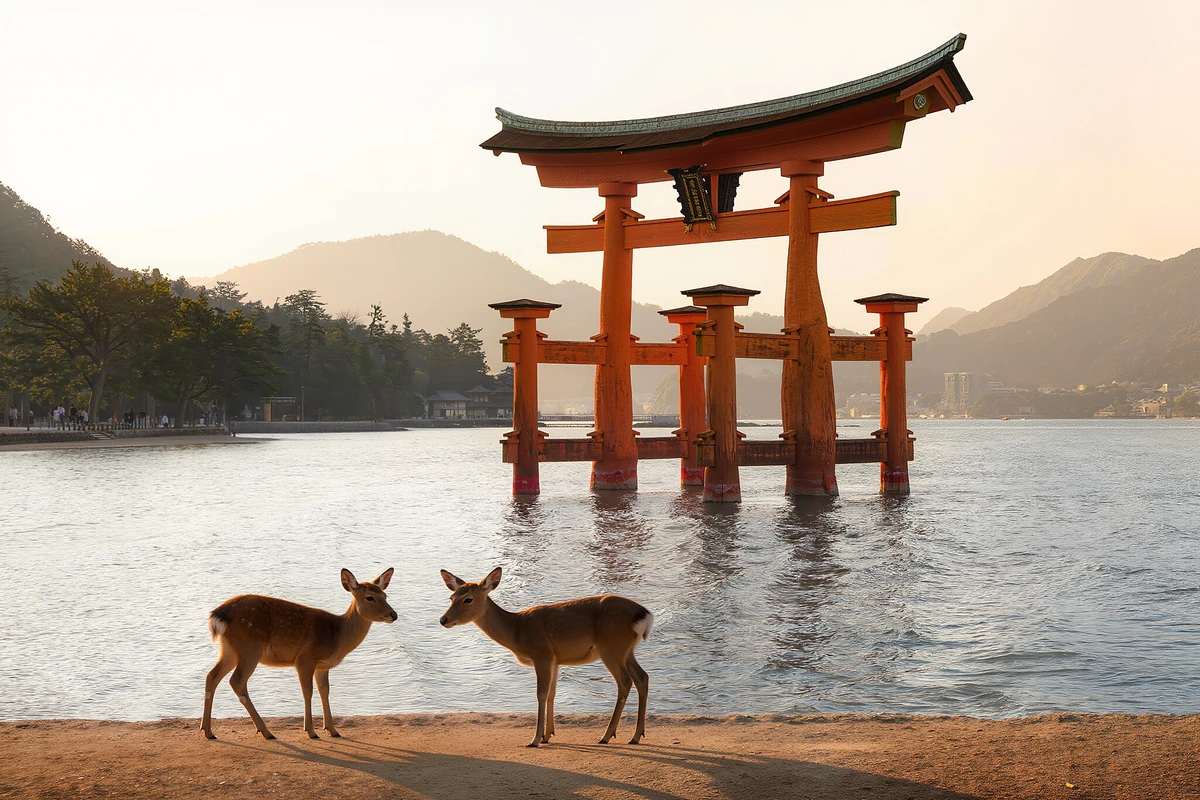
- Miyajima's floating shrine. Itsukushima Shrine and its great torii gate, which appears to float on the sea at high tide, form a UNESCO World Heritage Site and one of Japan's classic views, with gentle deer and forest trails climbing Mount Misen.
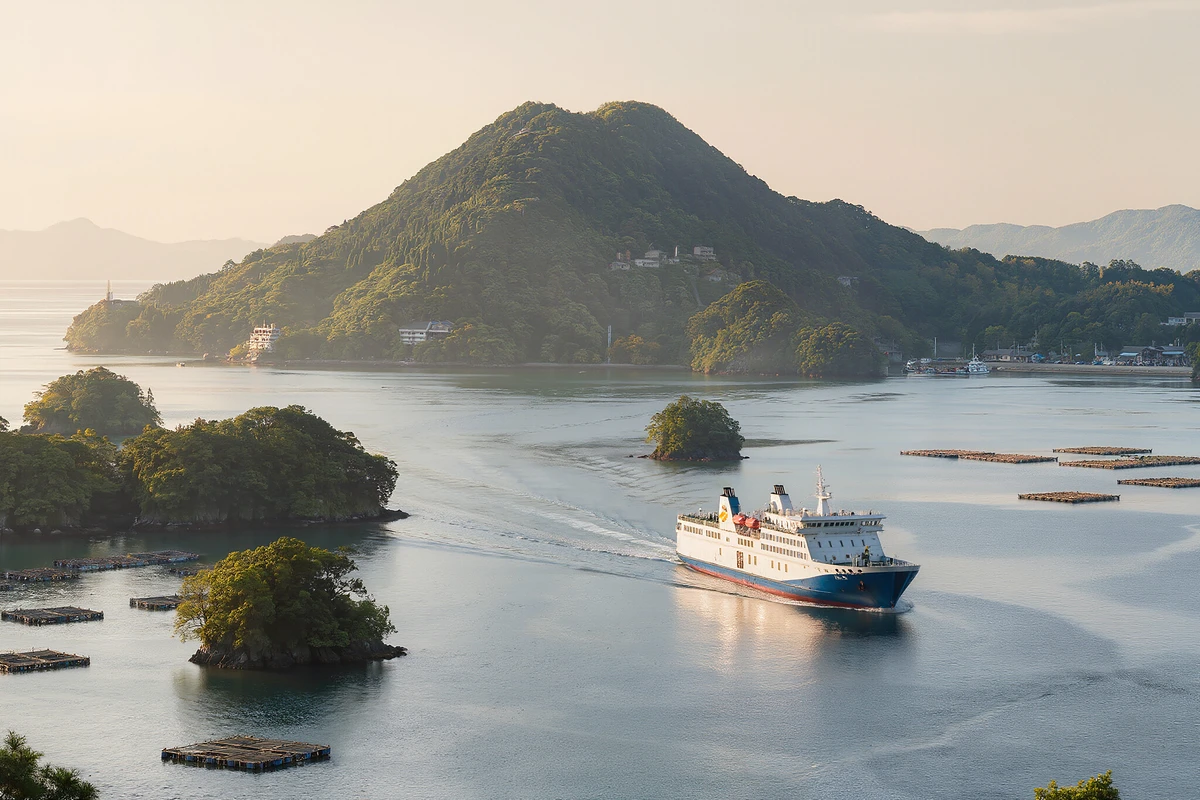
- Gateway to the Seto Inland Sea. From Hiroshima, ferries and coastal roads lead to calm islands and harbour towns, from the wild rabbits of Okunoshima to the hillside temples of Onomichi and the elegant wooden arches of the Kintai Bridge in Iwakuni.
Signature experiences in Hiroshima
Peace Memorial Park and Museum
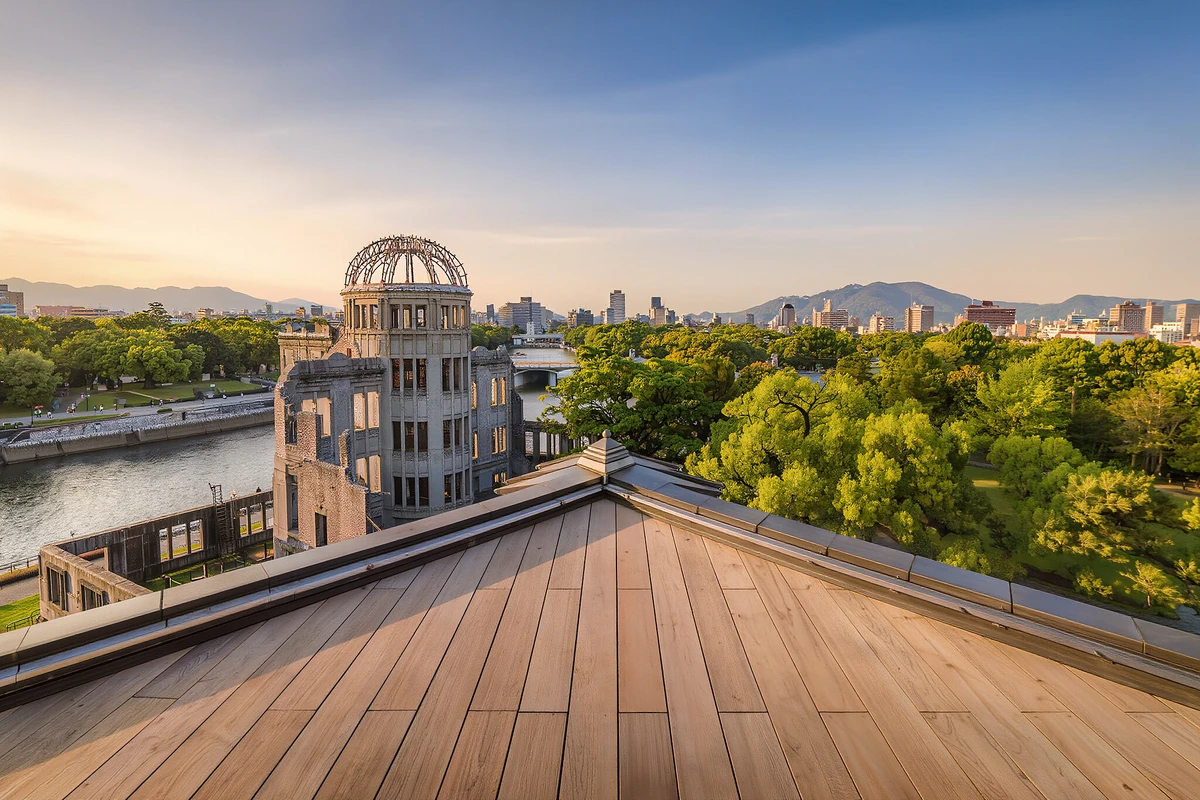
At the heart of the city, the Peace Memorial Park spreads across the river delta close to the hypocentre. The Atomic Bomb Dome, the Cenotaph, the Flame of Peace and the Children's Peace Monument, draped in paper cranes, invite quiet reflection, while the museum presents the events of 6 August 1945 and their human impact with care. Our private tours with a driver-guide include time here at a calm, respectful pace.
Miyajima and the Floating Torii
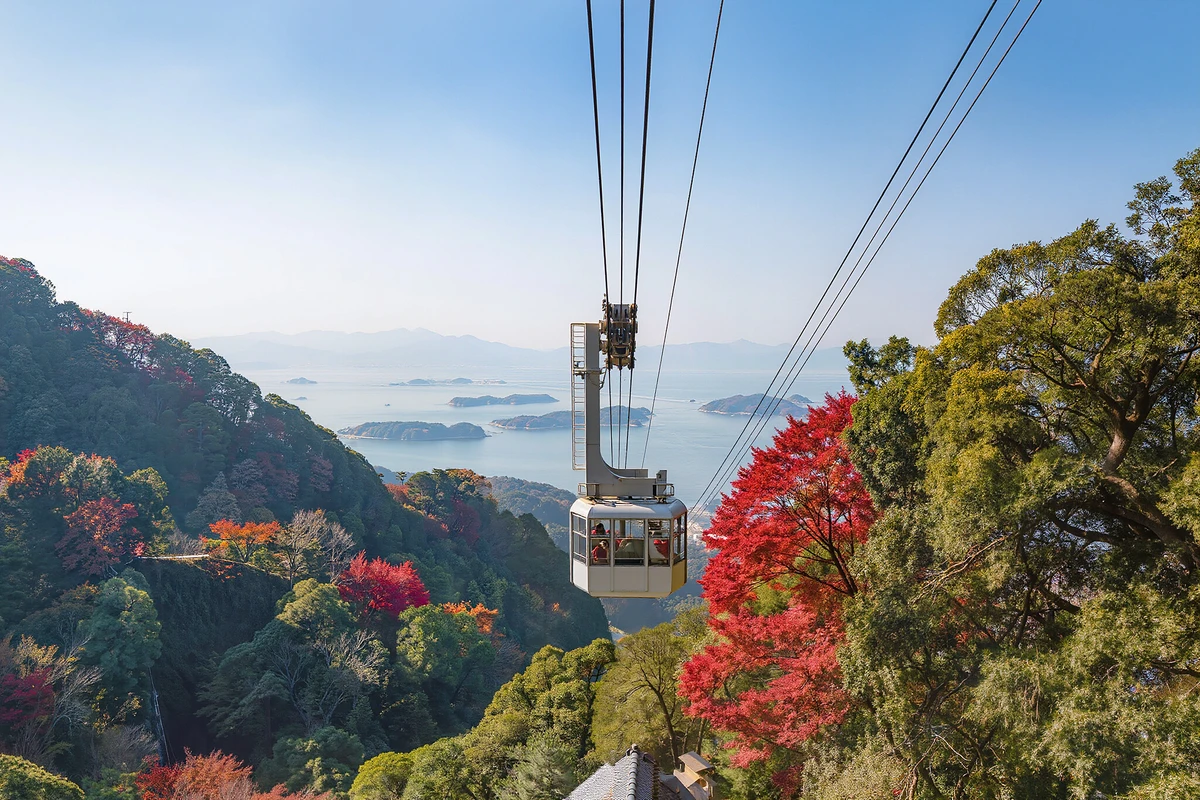
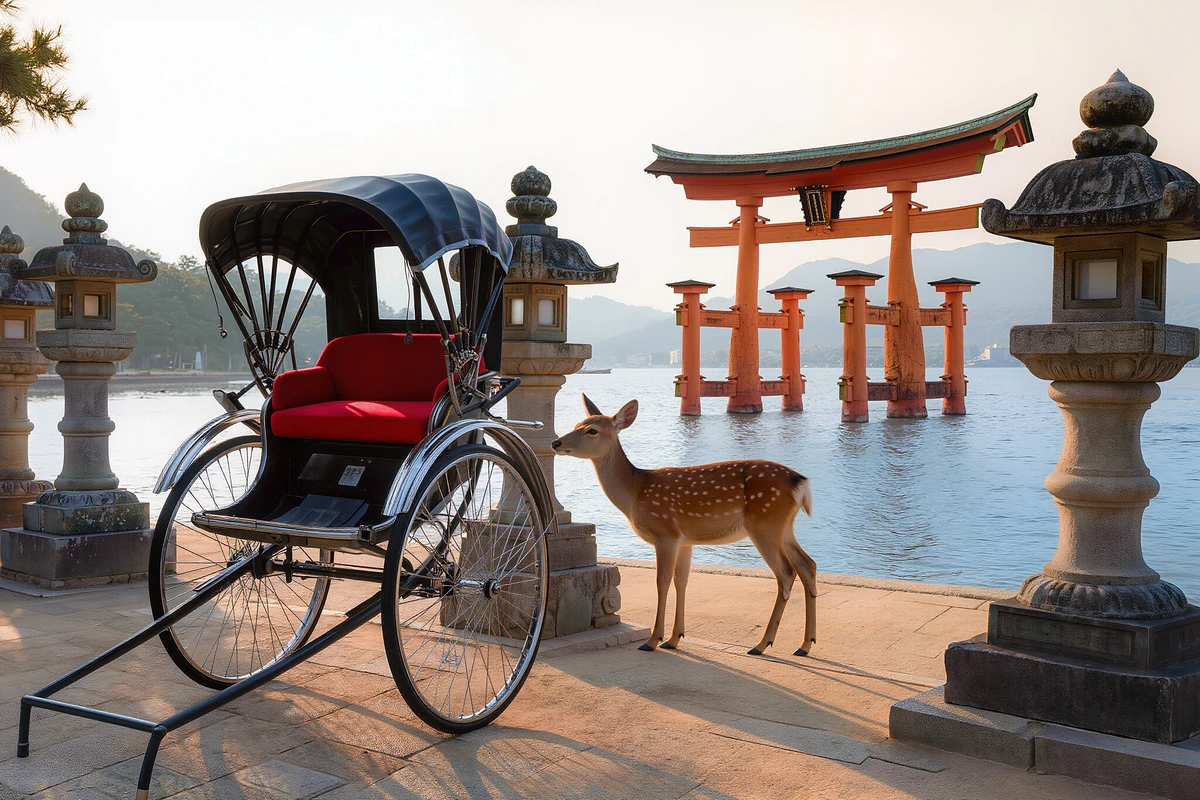
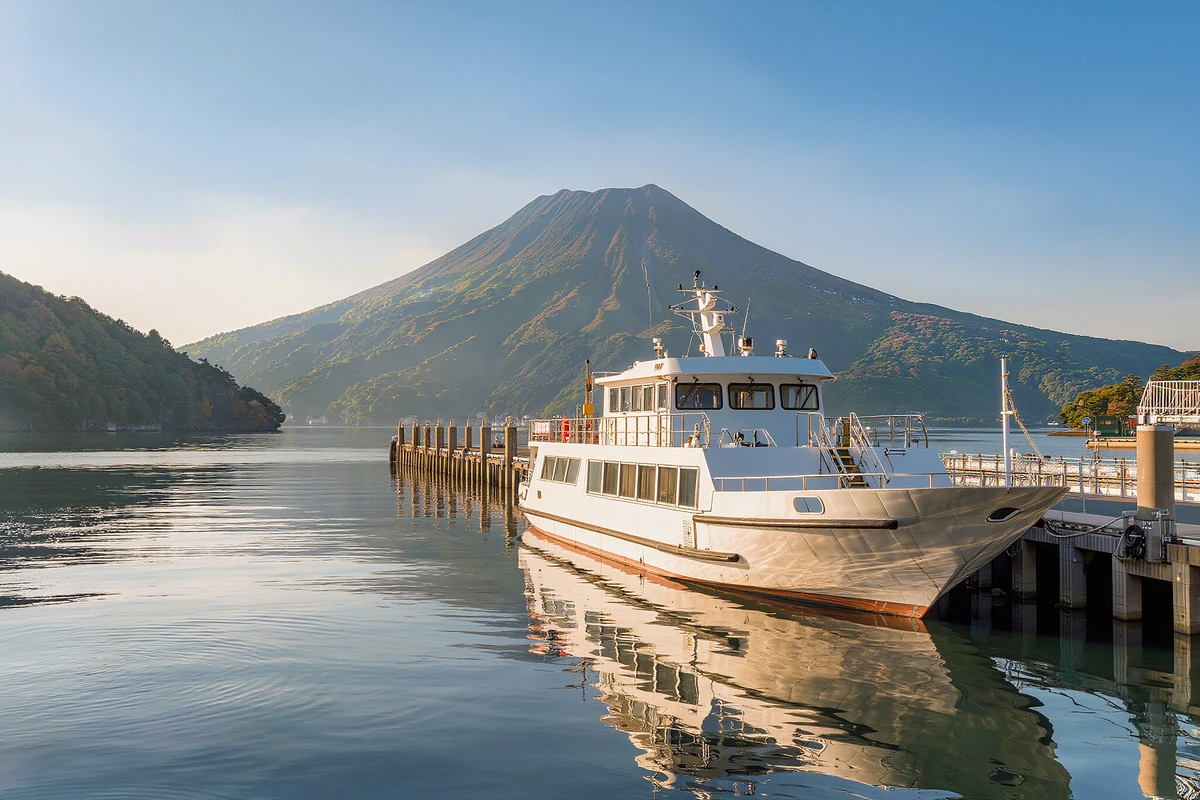
A short ferry crossing leads to Miyajima, the island of Itsukushima Shrine, built on stilts over the water with its vermilion torii standing in the bay. At high tide the gate seems to float; at low tide you can walk out across the sand to its base. Ride the ropeway towards the summit of Mount Misen for sweeping views of the islands. We book ferry tickets and include Miyajima in our private tours from Hiroshima.
Hiroshima Castle and Shukkeien Garden
Hiroshima Castle, rebuilt after the war, stands within its broad moat a short distance north of the Peace Park, and its grounds are lovely in cherry blossom season; check ahead whether the keep is open, as it has been closed for safety works. Nearby, Shukkeien is a graceful landscape garden of ponds, stone bridges and teahouses designed as miniature scenery. A private car with driver arranged by our team links both easily.
Day Trip to Okunoshima
Okunoshima, a small island in the Seto Inland Sea, has wild rabbits that hop out to greet visitors along its quiet coastal paths. The journey is part of the pleasure, crossing green countryside to the little port of Tadanoumi and then a short ferry ride over calm water. The rabbits are wild, so handle them gently and offer only suitable food. A private car with driver arranged by our team makes this an easy, relaxed day.
Iwakuni and the Kintai Bridge
About an hour west of Hiroshima, Iwakuni is famous for the Kintai Bridge, a striking chain of wooden arches crossing the clear Nishiki river. Beyond it, a riverside park leads to a ropeway climbing to a hilltop castle with views over the town and the sea. In spring, cherry trees line the banks and the bridge is at its most photogenic. Our private tours with a driver-guide can combine Iwakuni with Miyajima in one comfortable day.
Neighbourhoods and quarters to know in Hiroshima
Peace Park and Hondori
The area between the Peace Memorial Park and the covered Hondori shopping street is the most convenient base for first-time visitors. Museums, restaurants, department stores and streetcar stops are all close by, and the riverside paths are pleasant in the evening. It is calm, safe and easy to navigate, with the Dome and the castle a short stroll away.
Hiroshima Station Area
The station district suits travellers moving on by bullet train, with modern hotels, shopping centres and the airport bus stop right at the doorstep. Redevelopment around the station has added new shopping and dining, and streetcars run directly to the Peace Park. It is practical for short stays, early departures and day trips to Miyajima by local train.
Hatchobori and Kamiyacho
East of the Peace Park, Hatchobori and Kamiyacho form the city's lively commercial centre, with department stores, cafés, okonomiyaki restaurants and busy streetcar junctions. It is bustling by day and bright in the evening, ideal for travellers who like to be among shops and local life while staying close to the castle and Shukkeien garden.
Miyajima Island
Staying overnight on Miyajima is a special experience. When the day visitors leave, the island grows quiet, deer wander the lanes, and the shrine and torii are softly lit in the evening. Traditional inns welcome guests with hot baths and seafood dinners. It suits couples and travellers seeking calm, but pack light, as luggage must travel on the ferry.
How long to stay in Hiroshima and how to pair it
Recommended stay
We recommend two nights in Hiroshima. Spend one day at the Peace Memorial Park, the museum, the castle and Shukkeien garden, and a second on Miyajima for the shrine, the floating torii and Mount Misen. With three nights, add a day trip to Okunoshima, Iwakuni or the harbour town of Onomichi on the Seto Inland Sea.
How to pair it
Hiroshima pairs naturally with Kyoto and Osaka, about an hour and a half away by bullet train, and with Tokyo, around four hours by train or a short domestic flight. A seven-day journey combines Tokyo, Kyoto and Hiroshima. In ten days, add Osaka and a night on Miyajima. A fourteen-day itinerary can continue to Fukuoka, about an hour away by bullet train, or north to Sapporo by air.
Best time to visit Hiroshima and the rhythm of the day
Best months
The best times to visit Hiroshima are spring, from late March to May, when cherry blossoms frame the castle and the Peace Park, and autumn, from October to November, when maple leaves turn red on Miyajima. June to mid-July is the rainy season, and summer is hot and humid, with typhoons possible in August and September. On 6 August the city holds its solemn peace ceremony, and hotels fill quickly.
The daily rhythm
Hiroshima's day starts early and runs smoothly. Visit the Peace Memorial Museum soon after it opens for a quieter experience, then enjoy okonomiyaki for lunch in the centre. Afternoons suit Miyajima, timed with the tides to see the torii floating or reachable on foot. Shops open around ten, dinner is served from about six, and the last ferries leave the island in the evening.
On-the-ground logistics in Hiroshima
Arrival
Hiroshima Airport (HIJ) lies in the hills about 50 km east of the city, around 50 minutes by limousine bus to Hiroshima Station and a little longer by car to the Peace Park. Bullet trains reach Hiroshima Station from Osaka in about an hour and a half, from Tokyo in around four hours and from Fukuoka in about an hour. We issue train tickets, and our private airport transfers meet you on arrival and take you straight to your hotel.
Getting around
Hiroshima is easy to explore. Streetcars run along the main avenues to the Peace Park, the station, the port and Miyajimaguchi, where ferries cross to the island, and local trains follow the coast. Rechargeable transport cards work on most trains, streetcars and buses. Taxis are clean and reliable, and a private car with driver arranged by our team is the most comfortable way to combine the city with Miyajima, Iwakuni or Okunoshima.
Local etiquette tip
In the Peace Memorial Park and the museum, speak softly, follow the signs on photography and treat the memorials as places of remembrance. At Itsukushima Shrine, bow lightly at the gate and follow the marked route. Do not feed the deer on Miyajima. Japan has no tipping culture, so a sincere thank you is enough. Queue for trains and ferries, keep phones on silent, and carry your rubbish with you, as public bins are rare.
Must-do things in Hiroshima
- Reflect at the Peace Memorial Park and the Atomic Bomb Dome
- Visit the Peace Memorial Museum early in the morning
- See the great torii of Itsukushima floating at high tide
- Ride the ropeway towards the summit of Mount Misen
- Stroll the moat and grounds of Hiroshima Castle
- Wander among the ponds and bridges of Shukkeien garden
- Look over the Peace Park from the rooftop of Orizuru Tower
- Taste Hiroshima-style okonomiyaki cooked on a hot plate
- Meet the wild rabbits of Okunoshima island
- Cross the wooden arches of the Kintai Bridge in Iwakuni
Do’s and don’ts in Hiroshima
Do
- Do check the tide times before visiting Miyajima
- Do visit the Peace Museum early to avoid crowds
- Do carry a rechargeable transport card
- Do keep some cash, as small shops may prefer it
- Do keep a calm, respectful tone at the memorials
Don’t
- Don't feed the deer on Miyajima or leave food within their reach
- Don't pose for loud group photos at the memorials and Cenotaph
- Don't miss the last ferry back from Miyajima in the evening
- Don't leave rubbish behind, even when bins are hard to find
- Don't squeeze Miyajima and Iwakuni into a rushed half day
Hiroshima at a glance
Plan Hiroshima with Haqqi Tours
Every option is confirmed by our team on WhatsApp before you pay, and delivered by our own people or by trusted local partners we work with in every city. Because we send travellers from all over the world, our partners give us special rates and priority, so you always receive the best. Prices are per person unless marked per vehicle.
About Haqqi Tours: About us Contact us Legal NoticePrivacy PolicyCookies & Marketing PreferencesTerms & ConditionsBooking, Payment & Refunds
More services in Hiroshima
Good to know
Frequently Asked Questions
Straight answers to what travellers ask most about Hiroshima.
Where should first-time visitors stay in Hiroshima?
First-time visitors usually stay between the Peace Memorial Park and Hondori, close to the main sights, restaurants and streetcar lines. The Hiroshima Station area suits travellers arriving or leaving by bullet train, while a night on Miyajima offers a quiet, magical evening by the shrine. Our team can suggest a hotel and arrange your private airport transfer.
Can Hiroshima be done as a day trip, or does it need an overnight stay?
A day trip by bullet train from Osaka or Kyoto is possible, but it leaves little time for Miyajima's tides, Mount Misen or a quiet evening by the rivers. Hiroshima deserves at least two nights to see the Peace Park and Miyajima calmly and respectfully. We arrange train tickets, private transfers and private tours to fit your schedule.
What is the dress code and etiquette in Hiroshima?
There is no strict dress code; neat, comfortable clothing and good shoes suit the city and Miyajima's slopes. Behave quietly and respectfully in the Peace Park and museum, and follow photography signs. Bow lightly at shrines, keep voices low on trains, do not feed the deer, and remember that tipping is not customary in Japan. Our guides explain local customs on the way.
Is Hiroshima tourist friendly, and is halal food easy to find?
Yes. Hiroshima welcomes visitors from around the world, with English signs at stations and major sights. Some halal restaurants operate in the city, and seafood and vegetarian dishes are widely available, including halal-friendly okonomiyaki in a few places. Prayer spaces are limited and mosques are few, so our team can share reliable addresses for meals and prayer.
Is it safe to travel to Hiroshima now?
Hiroshima is generally considered a very safe city, with low crime and helpful people, and radiation levels today are normal, as in any other city. As everywhere in Japan, read the earthquake and typhoon guidance displayed in hotels and follow local instructions. Before departure, check your own government's official travel advice, and keep our WhatsApp line handy throughout your stay.
What are the must-do things in Hiroshima?
The must-do things in Hiroshima include the Peace Memorial Park and museum, the Atomic Bomb Dome, Itsukushima Shrine and its floating torii on Miyajima, the Mount Misen ropeway, Hiroshima Castle, Shukkeien garden and a Hiroshima-style okonomiyaki. Our private tours combine these in the best order and timing, including the tides.
How many days do you need in Hiroshima?
Two days is ideal for Hiroshima: one for the Peace Park, the museum, the castle and Shukkeien, and one for Miyajima and Mount Misen. One day covers the main sights at a quick pace, while three allow a day trip to Okunoshima, Iwakuni or the harbour town of Onomichi.
What can I book in Hiroshima with Haqqi Tours?
Day tours, attraction tickets, private airport transfers, train tickets and ferry tickets, including Private Hiroshima & Miyajima Full-Day Guided Tour, Miyajima Half-Day Guided Tour from Hiroshima and Private Miyajima Day Trip by Ferry from Hiroshima Port. Each has its own page, and the WhatsApp desk combines any of them into one plan with one written price.
How do I get from the airport to my hotel in Hiroshima?
Hiroshima Airport (HIJ) is in the hills of Mihara, about 50 km east of central Hiroshima, 50 to 60 minutes by car or about 50 minutes by limousine bus to Hiroshima Station; Onomichi is about 35 km and the Miyajimaguchi ferry pier about 75 km by road. Our private transfer meets you at arrivals with a name board, tracks your flight and takes you door to door at a fixed price for the whole vehicle; the transfer pages list every route.
Is there public transport from the airport to Hiroshima?
Airport limousine buses reach Hiroshima Station in about 50 minutes, and the station is a major stop for bullet trains to Osaka, Kyoto, Tokyo and Fukuoka. Streetcars cover the centre and run out to Miyajimaguchi, where ferries cross to Miyajima in about ten minutes. A private car is the easiest choice with luggage, for a late flight or for combining Miyajima, Iwakuni and Okunoshima. With luggage, a family or a late flight, the private car is the simpler choice.
Which tours are available in Hiroshima?
Among them: Private Hiroshima & Miyajima Full-Day Guided Tour, Miyajima Half-Day Guided Tour from Hiroshima, Private Miyajima Day Trip by Ferry from Hiroshima Port, Miyajima Day Trip with Mount Misen Ropeway from Hiroshima and Private Miyajima Rickshaw Tour to Itsukushima Shrine. Each page says whether the day is private or small-group, what it includes and how long it lasts.
Are the tours private or in a group?
Both exist, and each tour page says which. A private tour has a vehicle and guide for your party alone; the desk can make most group tours private on request.
How do I book?
Fill in the form on any page or message us on WhatsApp with the date, the number of travellers and the hotel. A member of our team confirms the price and the details in writing within minutes.
Are the prices fixed?
Yes - every price is agreed in writing on WhatsApp before you travel and does not change on the day.
Do the drivers and guides speak Arabic or English?
It depends on the city and the day, so we do not promise a particular language; tell us your preference and we do our best. The WhatsApp desk always works in Arabic and English.
Can I change or cancel a booking in Hiroshima?
Yes, in the same WhatsApp conversation. The terms depend on the product and on how close to the date the change comes; the desk states them before you pay.