Hiroshima Peace Memorial & Miyajima Small-Group Day Tour
- Duration8 hours
- Daily
- Group
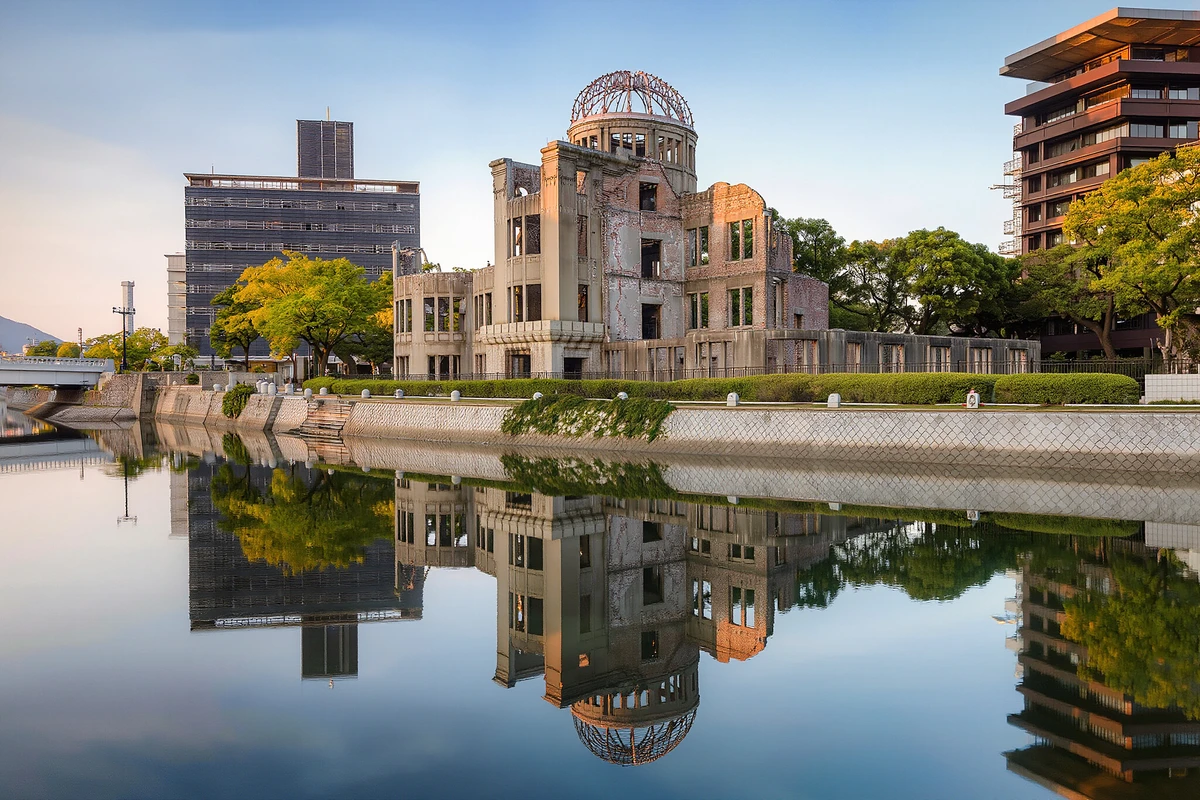
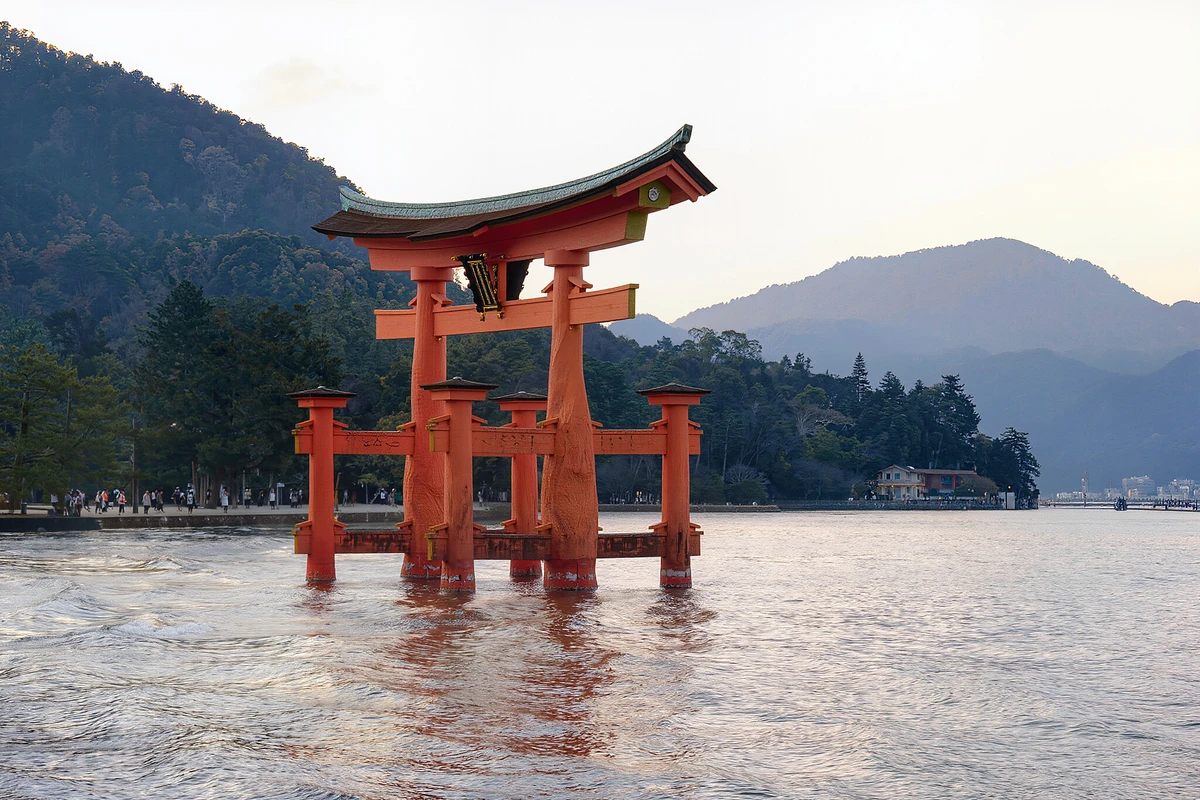
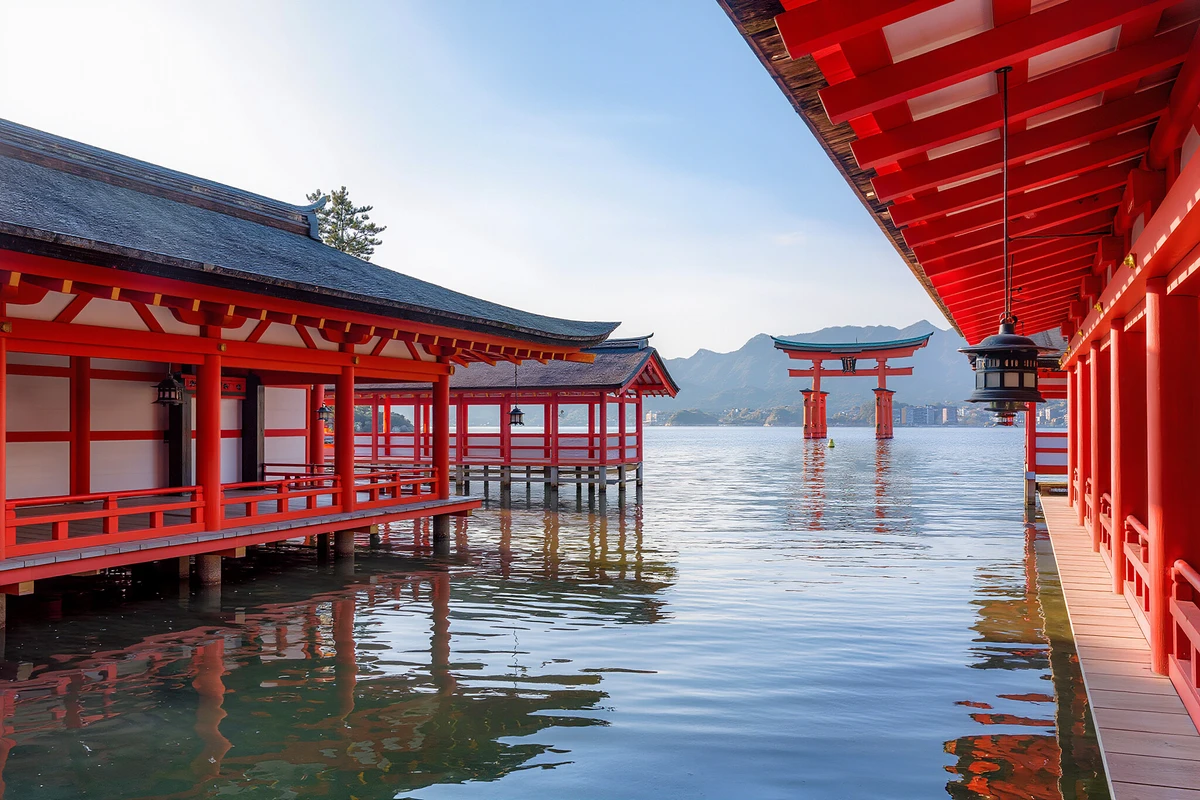
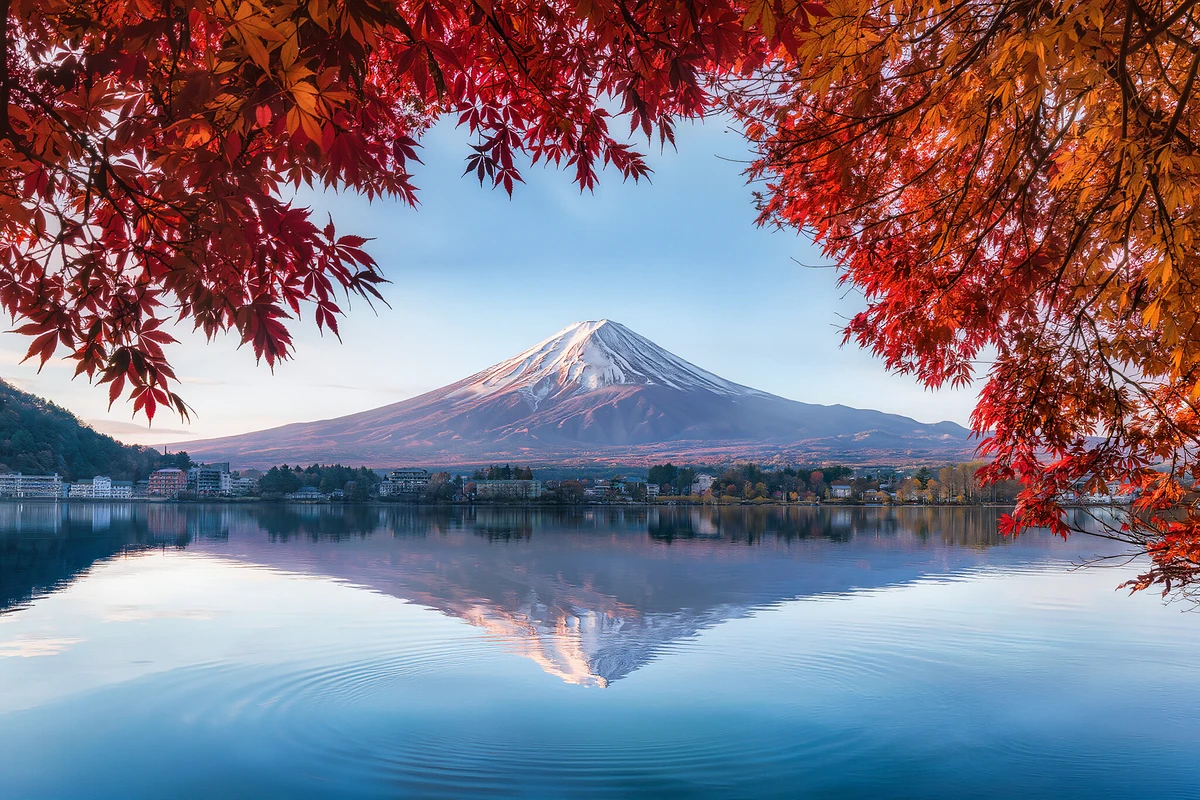
Some images are AI-generated for illustration. While we confirm your booking, just ask and we will send you the original photos.
- Fair, honest prices
- Real people, not bots
- Confirm, then pay
- Secure payment

Overview
This full-day small-group tour links the two UNESCO World Heritage Sites that define a visit to Hiroshima. You start in the Peace Memorial Park with a local guide who explains the Atomic Bomb Dome, the Cenotaph and the Children's Peace Monument with calm, factual care. Then you ride the tram west to the coast and cross by ferry to Miyajima, where the vermilion floating torii rises from the sea in front of Itsukushima Shrine. Shrine entry and the tram and ferry fares are included, and there is free time to explore the island's lanes, temples and friendly deer. The day ends at Hiroshima Station. It suits first-time visitors, couples, families with older children and solo travellers who prefer to share a guide.
Highlights
- Guided visit of the Peace Memorial Park, the Cenotaph and the Peace Flame
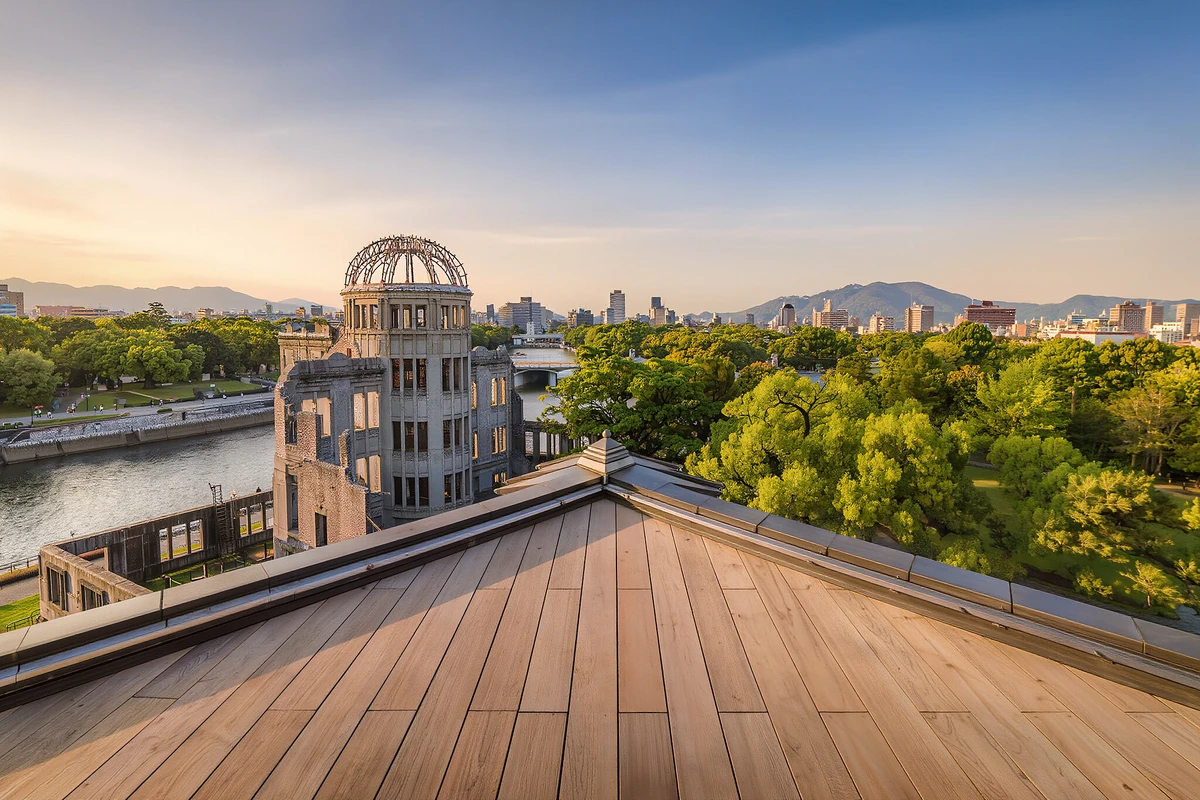
- The Atomic Bomb Dome, a UNESCO World Heritage Site, explained with care
- Tram ride across the city and ferry crossing to Miyajima Island
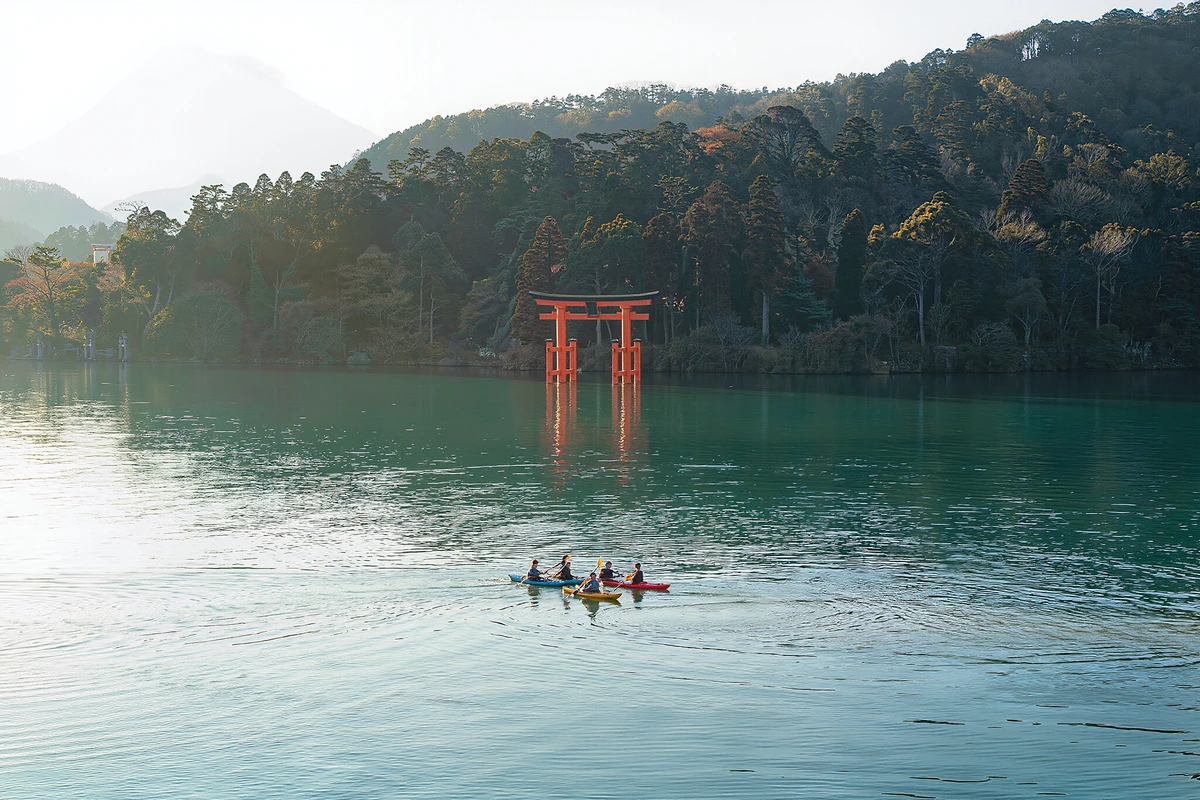
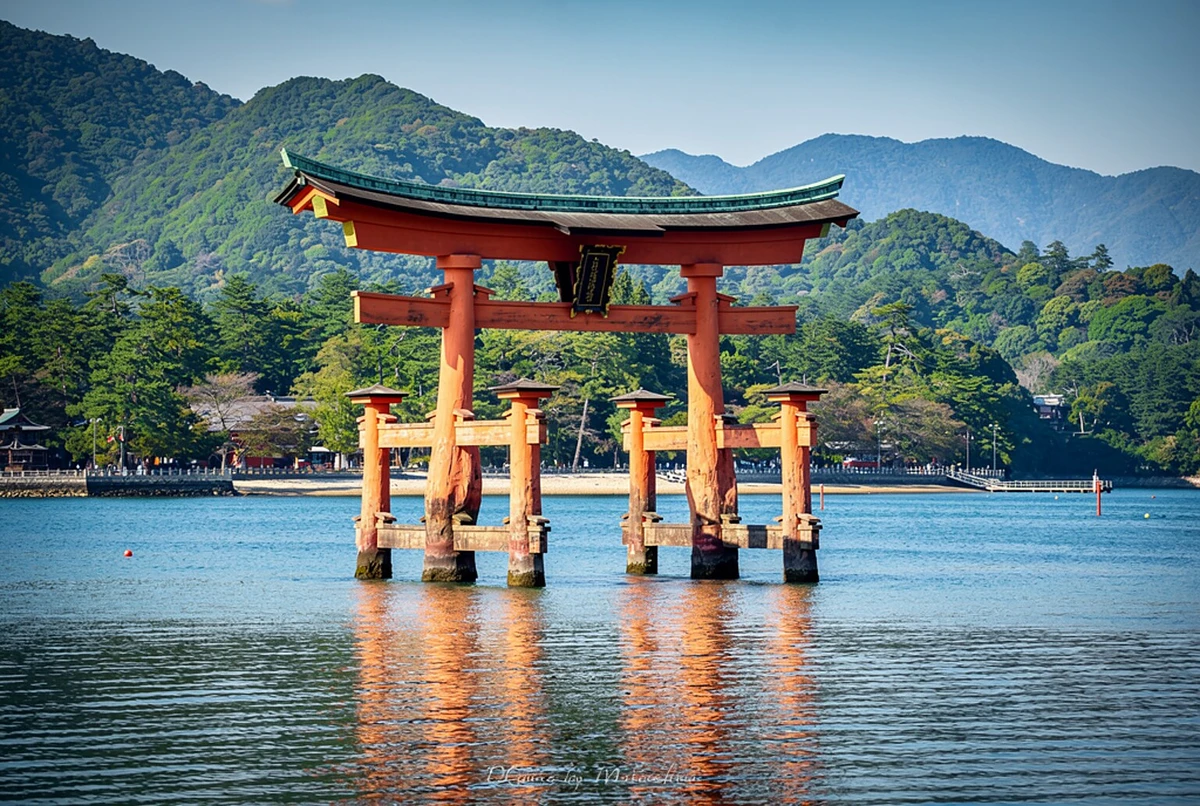
- Itsukushima Shrine entry and the floating torii gate in the sea
- Free time for Omotesando street, grilled local specialities and the island deer
- Small group with an English- or Spanish-speaking local guide
- Ends at Hiroshima Station, handy for the bullet train
Full Description
Hiroshima Peace Memorial Park
The Peace Memorial Park covers the northern tip of a river delta island that was once the busy Nakajima district, the heart of the city before 6 August 1945. Rebuilt as a place of remembrance and opened in the 1950s, it is laid out on a single axis: from the arched Cenotaph, which holds the register of the names of those who died, you look through the Peace Flame to the Atomic Bomb Dome across the river. The flame is meant to burn until nuclear weapons no longer exist.
On a Hiroshima Peace Memorial Park tour your guide also stops at the Children's Peace Monument, surrounded by booths filled with paper cranes sent from schools around the world, and at the Peace Bell, which visitors may ring. The park is open at all hours and entry is free; this first part of the day lasts about two hours and is unhurried and quiet in tone.
The Atomic Bomb Dome
The building now called the Atomic Bomb Dome was completed in 1915 as the Prefectural Industrial Promotion Hall, a modern exhibition building designed by a European architect, with a green copper dome that stood out along the river. When the atomic bomb exploded over the city on the morning of 6 August 1945, it was one of the very few structures near the centre whose walls remained standing.
The ruin has been preserved exactly as it was left, and in 1996 it was inscribed as a UNESCO World Heritage Site as a symbol of the hope for lasting peace. Visitors view it from the riverside paths rather than going inside. Your guide shares the history in a respectful, factual way, so the visit is suitable for teenagers as well as adults, and there is time for quiet reflection before the group moves on.
From the city to Miyajima by tram and ferry
Many travellers ask how to get to Miyajima from Hiroshima, and this tour shows you the classic local route. From the park the group boards the city's streetcar, which runs west through the suburbs to the coast at Miyajimaguchi in a little over an hour, a relaxed way to see everyday Hiroshima. Fares for the tram and ferry are included, so you simply follow your guide.
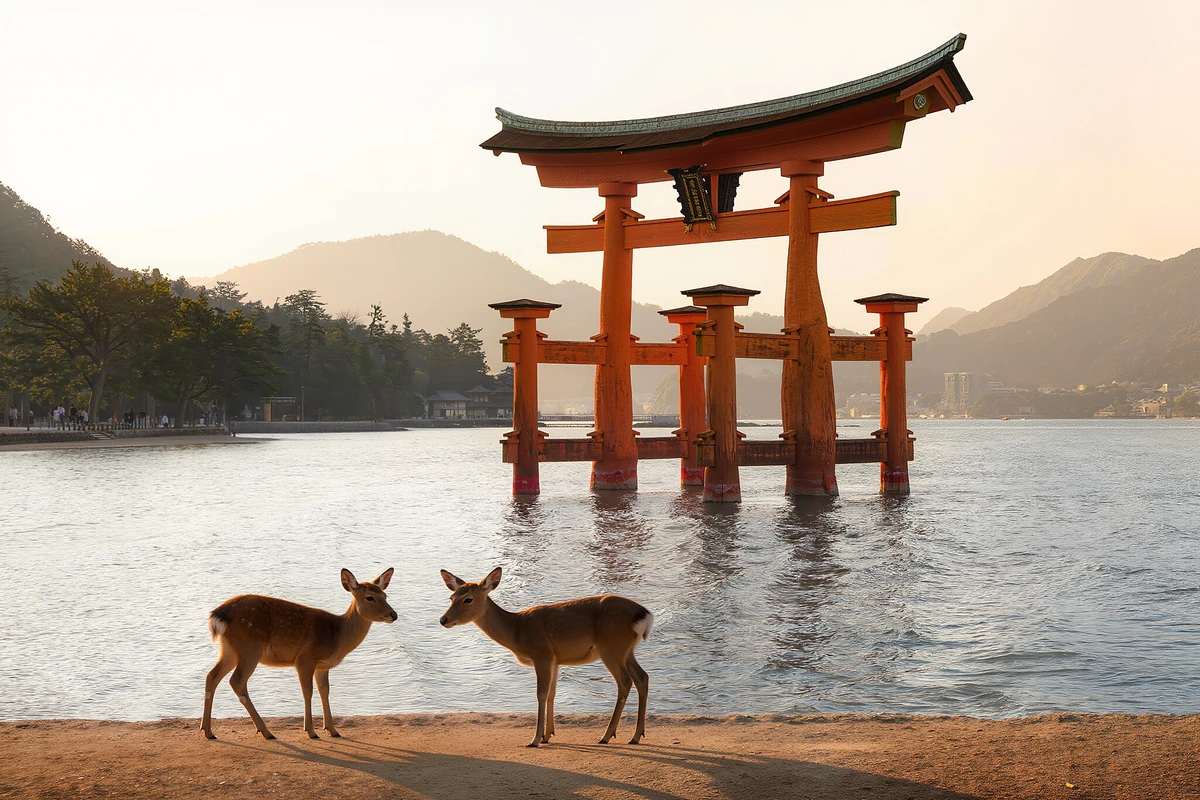
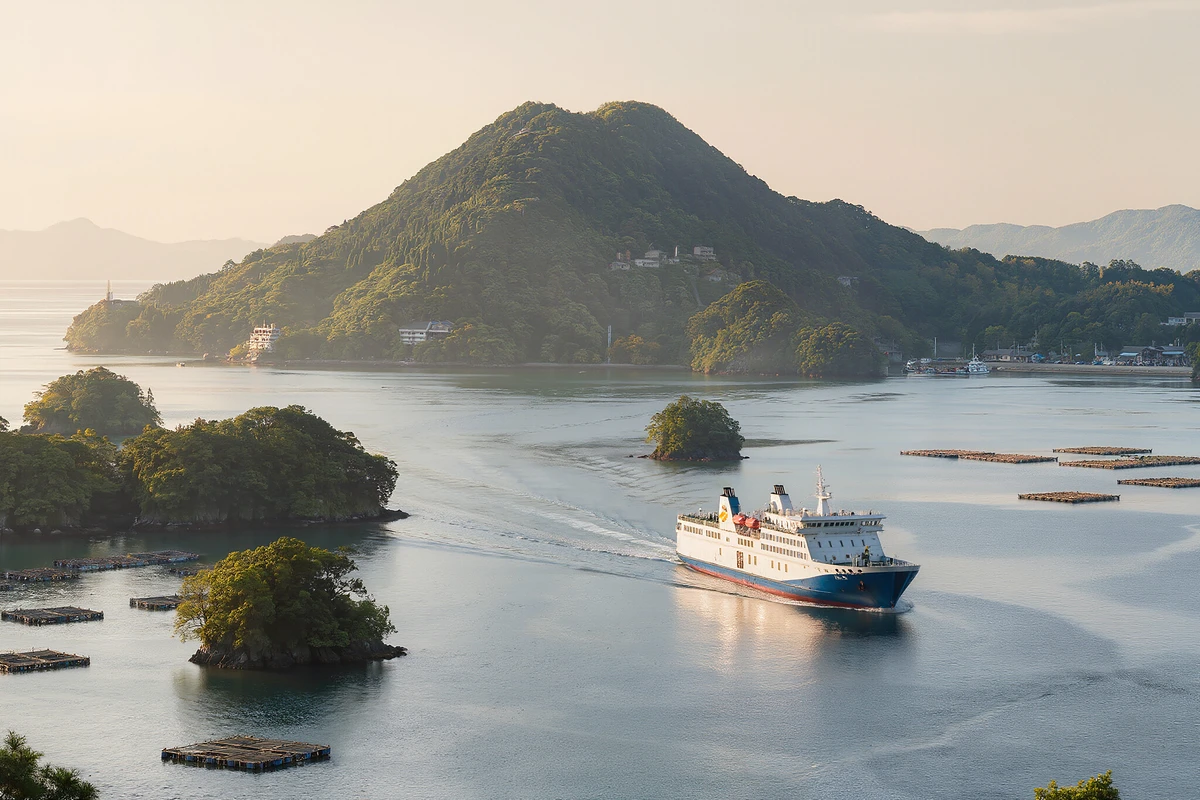
At Miyajimaguchi the ferry crosses to the island in about ten minutes. Stand on the right-hand side of the deck on the way out: as the boat approaches the pier you get a first view of the great torii standing in the water with the forested slopes of Mount Misen behind it, one of the most photographed scenes in Japan.
Itsukushima Shrine and the floating torii
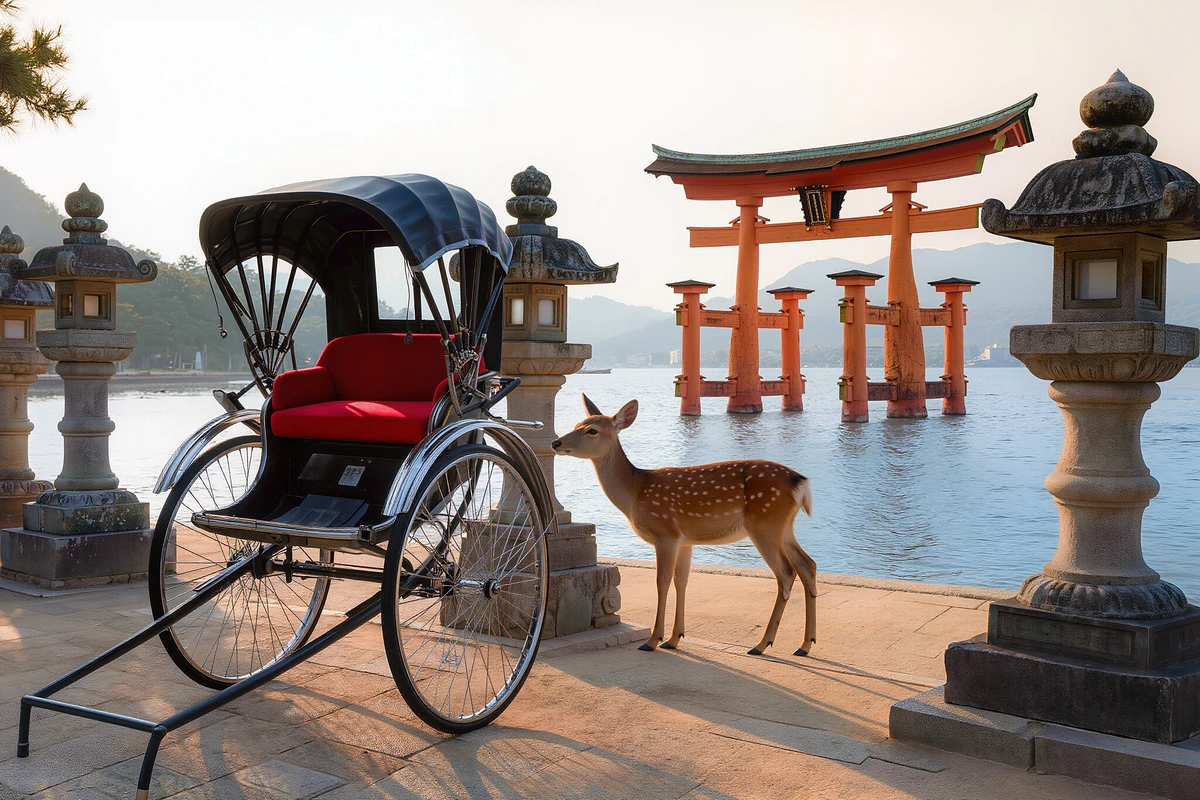
Tradition dates Itsukushima Shrine to the late sixth century, and its present layout of vermilion halls joined by long corridors built over the tidal flat dates from the 12th century. At high tide the whole complex appears to float, and the Great Torii, about 16 metres tall and made from natural camphor trunks, stands in the sea in front of it. At low tide you can walk across the sand to its base. Shrine entry is included.
The shrine generally opens at 6:30 in the morning and closes between 17:00 and 18:00 depending on the season. Your guide explains the shrine's sea deities, the outdoor stage over the water and why the island itself has long been regarded as sacred. Allow about 45 minutes inside the corridors.
Miyajima town, temples and deer
Is Miyajima worth visiting? The free time on this tour answers the question. The Omotesando shopping street is lined with stalls selling momiji manju, maple-leaf cakes filled with sweet bean paste, grilled oysters and conger-eel rice, and wooden rice scoops, a traditional island craft. Above the town rise a five-storey pagoda from 1407 and the great unfinished hall of Senjokaku.
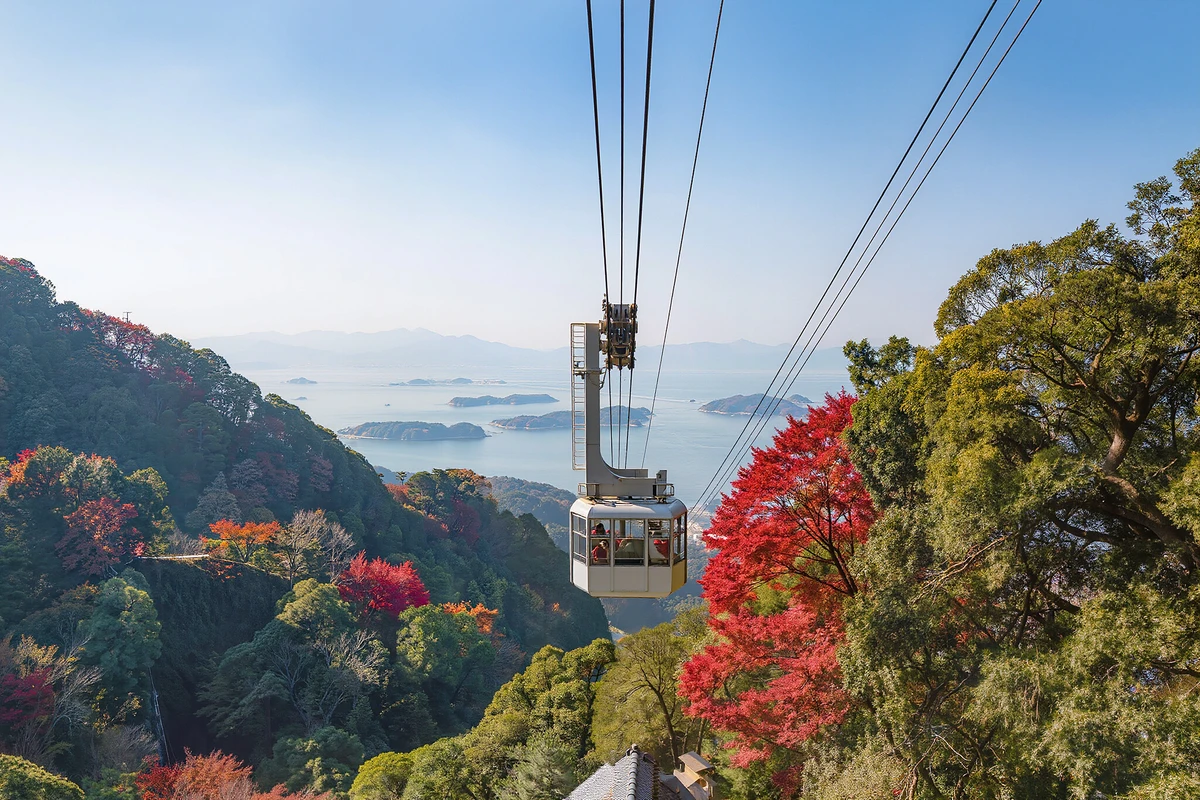
Deer roam freely and are regarded as sacred; feeding them is not allowed, so keep paper maps and snacks out of reach. If you have energy, the stairway to Daisho-in Temple at the foot of Mount Misen is lined with prayer wheels and small stone statues. The best time to visit Miyajima is spring or late autumn, when the maples of Momijidani glow red.
Itinerary
- Meet your guide in central HiroshimaMeet the group at the start time near the Peace Memorial Park; exact details are sent after booking.
- Peace Memorial ParkGuided visit of the Cenotaph, Peace Flame, Children's Peace Monument and Peace Bell, about 1.5 hours.
- Atomic Bomb DomeHistory of the Dome from the riverside, with time for quiet reflection, about 20 minutes.
- Tram to MiyajimaguchiRide the streetcar west through the city to the coast, a little over an hour.
- Ferry to MiyajimaA ten-minute crossing with the first view of the floating torii.
- Itsukushima ShrineGuided visit of the shrine corridors and the Great Torii, about 45 minutes.
- Free time on MiyajimaTime for lunch on Omotesando street, the pagoda, temples or the deer, about two hours.
- Return to Hiroshima StationFerry back to the mainland and onward to Hiroshima Station, where the tour ends.
What's included
- English-speaking local guide
- Guided visit of the Peace Memorial Park and the Atomic Bomb Dome
- Tram and ferry fares
- Itsukushima Shrine entry
- Free time to explore Miyajima
Not included
- Lunch
- Mount Misen ropeway
- Hotel pickup and drop-off
- Personal expenses
Is this right for you?
Great for
- Families with children — a child price for ages 3–11
- Groups who want privacy — a private option is available
- Travellers who want a proven choice — rated 4.9/5 by past travellers
Not suitable for
- Wheelchair users
- People with very limited mobility
Meeting point
The tour starts at 8:30 at a meeting point in central Hiroshima near the Peace Memorial Park; the exact spot is confirmed after booking and is easy to reach by tram or taxi from any central hotel. There is no hotel pickup on this small-group tour. The tour ends at Hiroshima Station, so you can head straight to the bullet train or back to your hotel.
Important information
- Wear comfortable shoes: the day includes several kilometres on foot and some steps
- Lunch is not included; there is time to buy it on Miyajima
- The Mount Misen ropeway is not included
- The Peace Memorial Park is a place of remembrance: please keep a calm, respectful tone
- Do not feed the deer on Miyajima; keep food and paper out of their reach
- Whether the torii appears to float depends on the tide at the time of your visit
- Bring an umbrella or light rain jacket in the rainy season, June to mid-July
- Halal options are limited on Miyajima; some halal restaurants exist in central Hiroshima
Good to know
Frequently Asked Questions
Straight answers to what travellers ask us most, before they book.
Is this a shared or a private tour?
The default option is a shared small-group tour with a local guide. The booking panel also shows a small-group option with a guide-photographer and a private option where the guide-photographer is only for your party.
Can we change the itinerary or the pace?
On the small-group tour the route is fixed so the group stays together, but your guide adapts the pace to the group. If you want your own pace, choose the private option.
How many people join the tour?
It is run as a small group, so you share the guide with a limited number of other travellers and can ask questions easily.
Is the price per person or per group?
The price is per person. The booking panel on this page shows the current price of each option.
Is hotel pickup included?
No. You meet your guide in central Hiroshima near the Peace Memorial Park, and the tour ends at Hiroshima Station.
What is included?
A local guide, the guided visit of the Peace Memorial Park and the Atomic Bomb Dome, tram and ferry fares, Itsukushima Shrine entry and free time on Miyajima. Lunch and the Mount Misen ropeway are not included.
How long is the tour?
About 8 hours, starting at 8:30.
Do we go inside the Peace Memorial Museum?
The guided visit focuses on the park, its monuments and the Atomic Bomb Dome. Museum entry is not listed in the inclusions; ask us if you would like time there before or after the tour.
Is it suitable for children or people with reduced mobility?
Children who can walk for most of the day are welcome, and the history is explained without graphic detail. The day involves a lot of walking, so it is not ideal for wheelchair users.
What should I bring?
Comfortable shoes, water, a hat or umbrella depending on the season, a small bag for snacks out of reach of the deer, and a phone or camera.
When is the best time to go?
Spring blossom in late March and early April and autumn colours in mid to late November are the most beautiful. In summer start well hydrated; winter days are clear and quieter.
How do I book and confirm?
Choose your date and option in the booking panel. Our team confirms your booking on WhatsApp within minutes and sends the meeting details.
More in Hiroshima
Getting to & around Hiroshima
Popular across Japan
-
-
-
-
-
-