
Indonesia
Haqqi Tours arranges day tours, private airport transfers, attraction tickets and multi-day packages across Indonesia, confirmed on WhatsApp before you pay.
In Indonesia, the day begins as sound before it becomes colour: the dawn call to prayer rolling across the rice terraces of Java, a gamelan rehearsal drifting from a village pavilion, surf hissing onto a Lombok beach still in shadow. By the time the sun clears the volcano rim, the air carries frangipani from the morning offerings, charcoal smoke from a satay grill and the damp, mineral scent of black volcanic earth. Across more than seventeen thousand islands, the world’s largest archipelago keeps quietly rewriting what a single country can hold.
Destinations
Choose a city to see everything we arrange there.
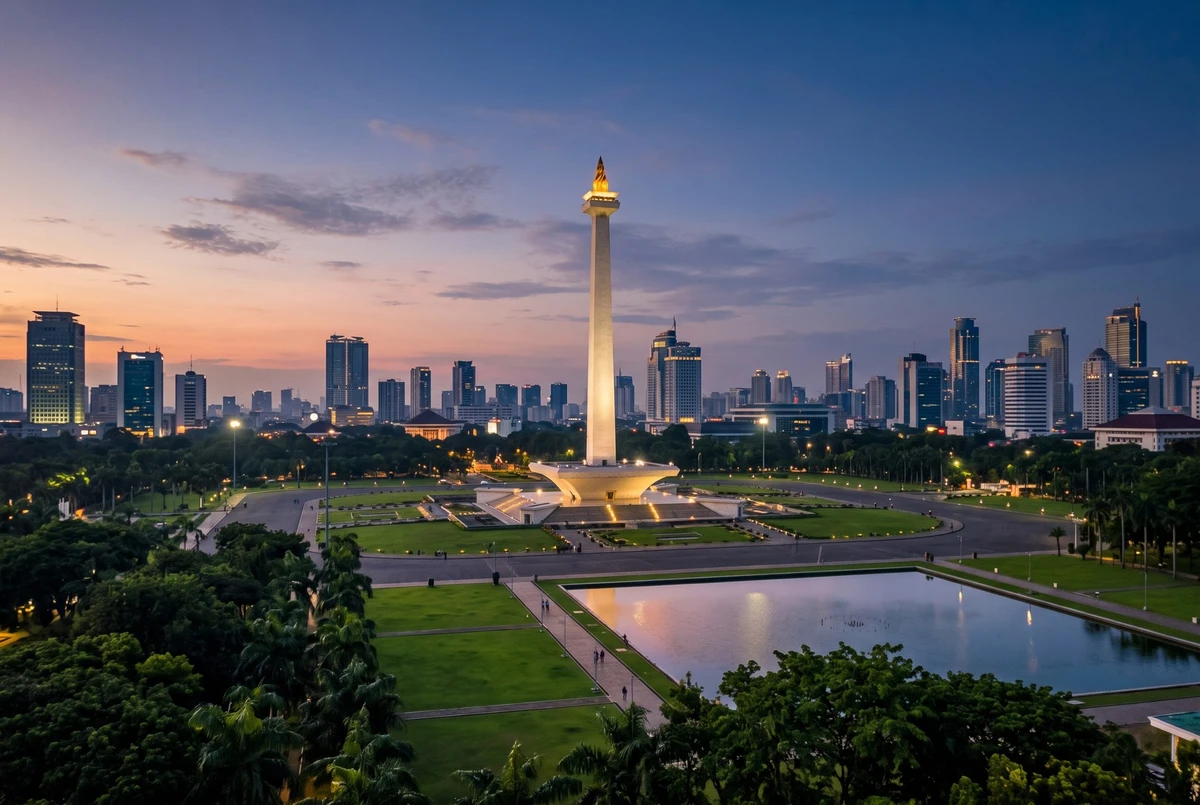
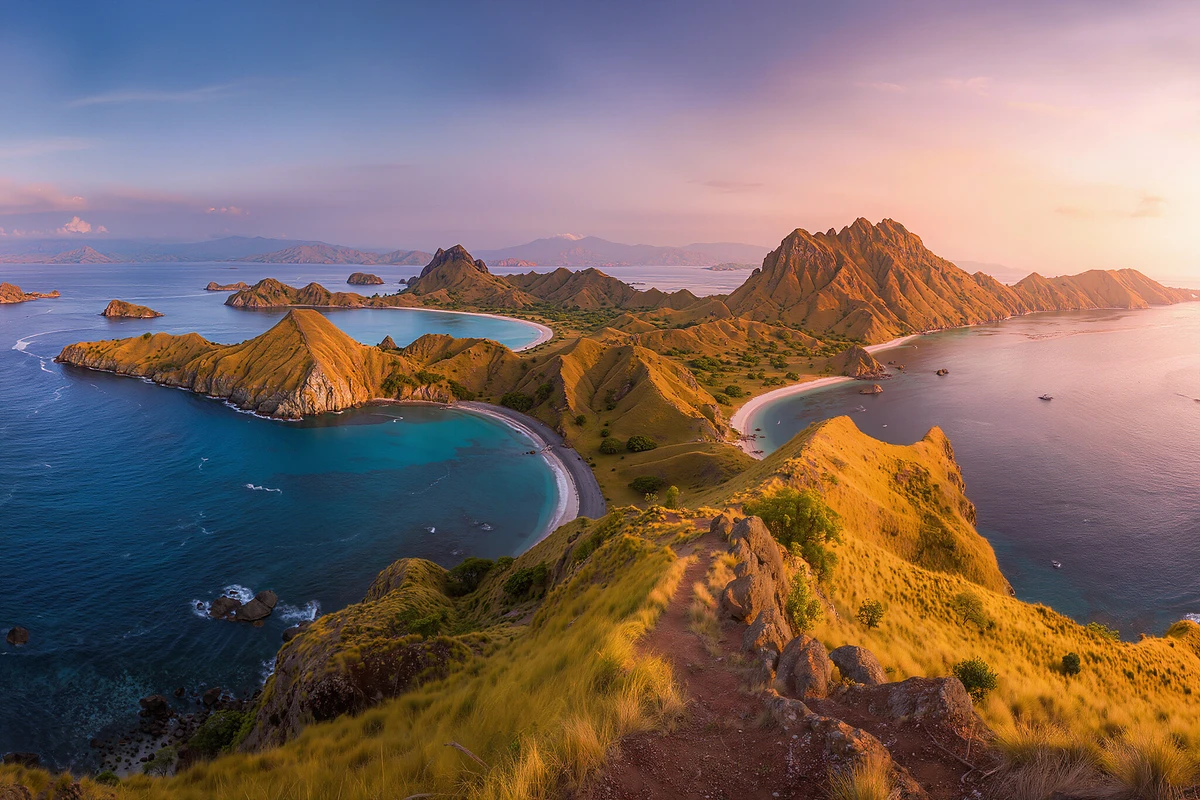

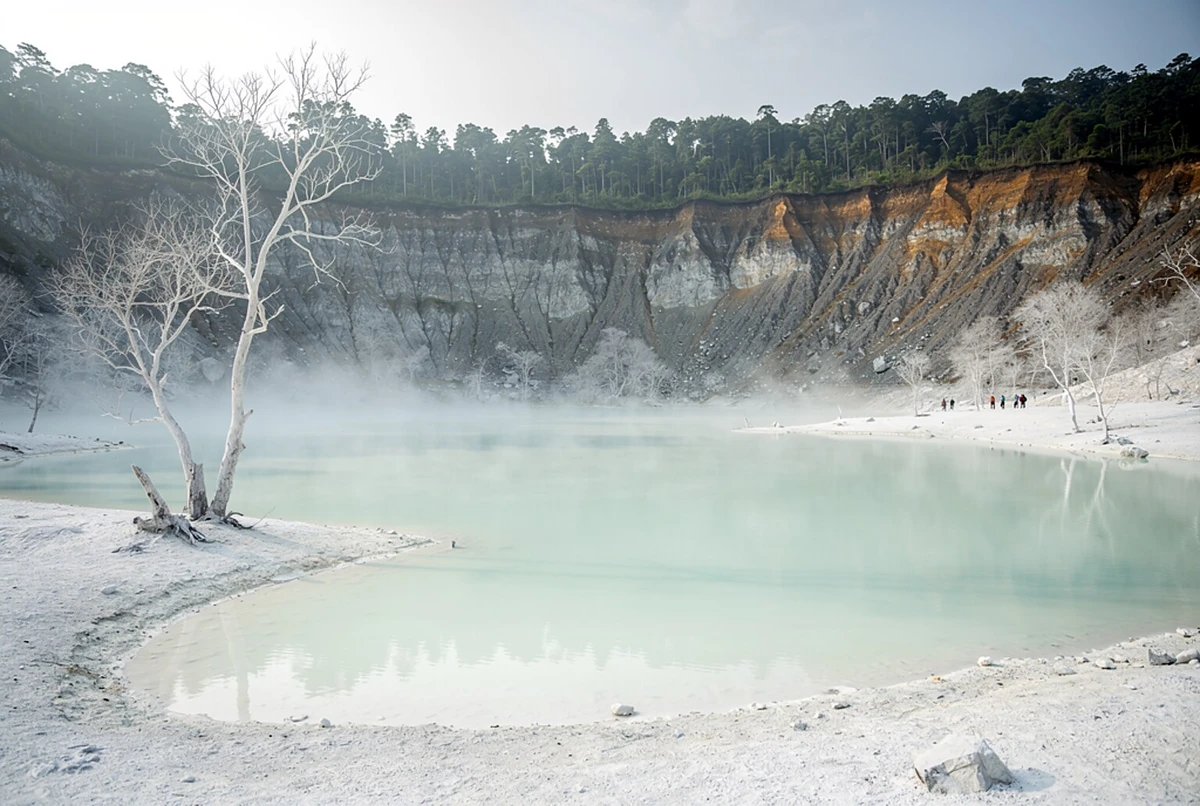
 Banyuwangi Tours
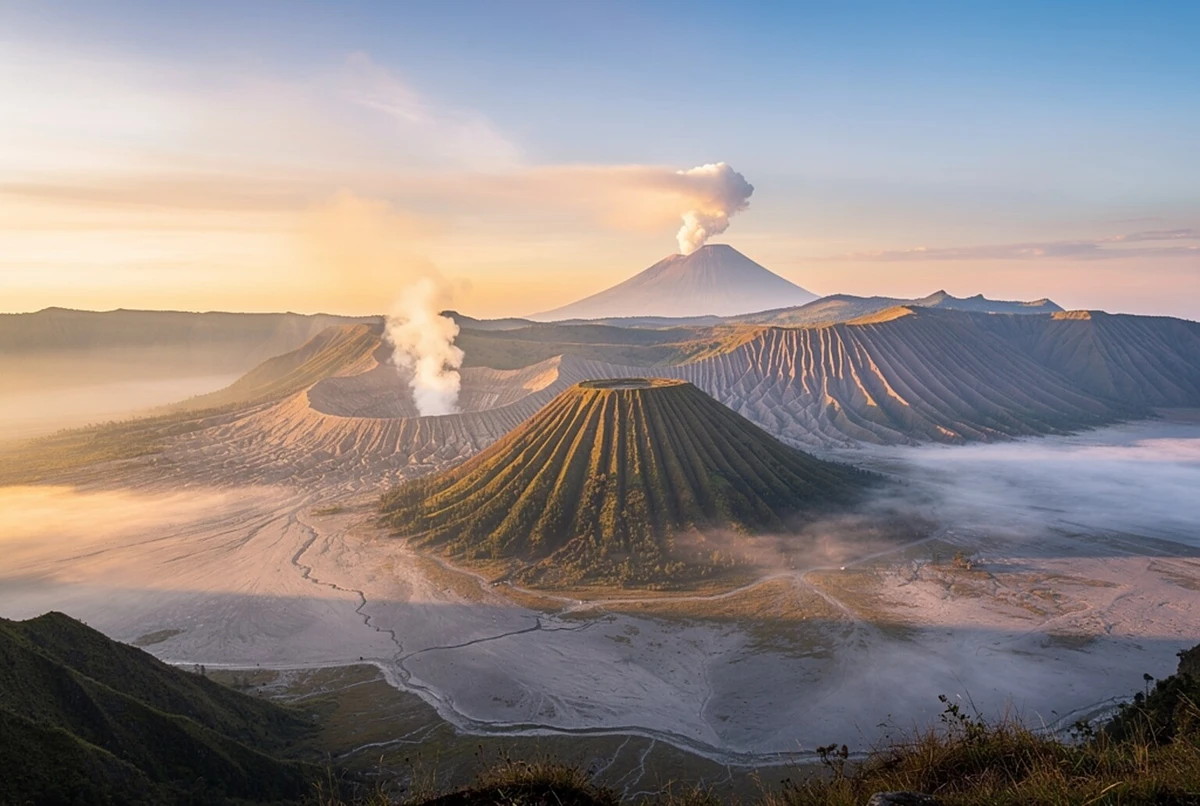
Services by city in Indonesia
Attraction Tickets
Airport Transfers
Flight Tickets
Train Tickets
The essence of Indonesia
Indonesia is irreplaceable because its wonders are lived in rather than fenced off. The stone Buddhas of Borobudur still watch the Kedu plain at sunrise; Balinese families still carry towers of fruit and flowers to their temples; the batik masters of Yogyakarta still trace hot wax by hand with a copper pen. Add volcanoes you can watch breathing, reefs of astonishing colour and a gentle, devout hospitality that makes Muslim travellers feel instantly welcome, and every day here rewards curiosity. Our team arranges the transfers, tickets and guided days that let you meet Indonesia calmly.
Why visit Indonesia?
Temples, Sultanates and Spice-Route Kingdoms
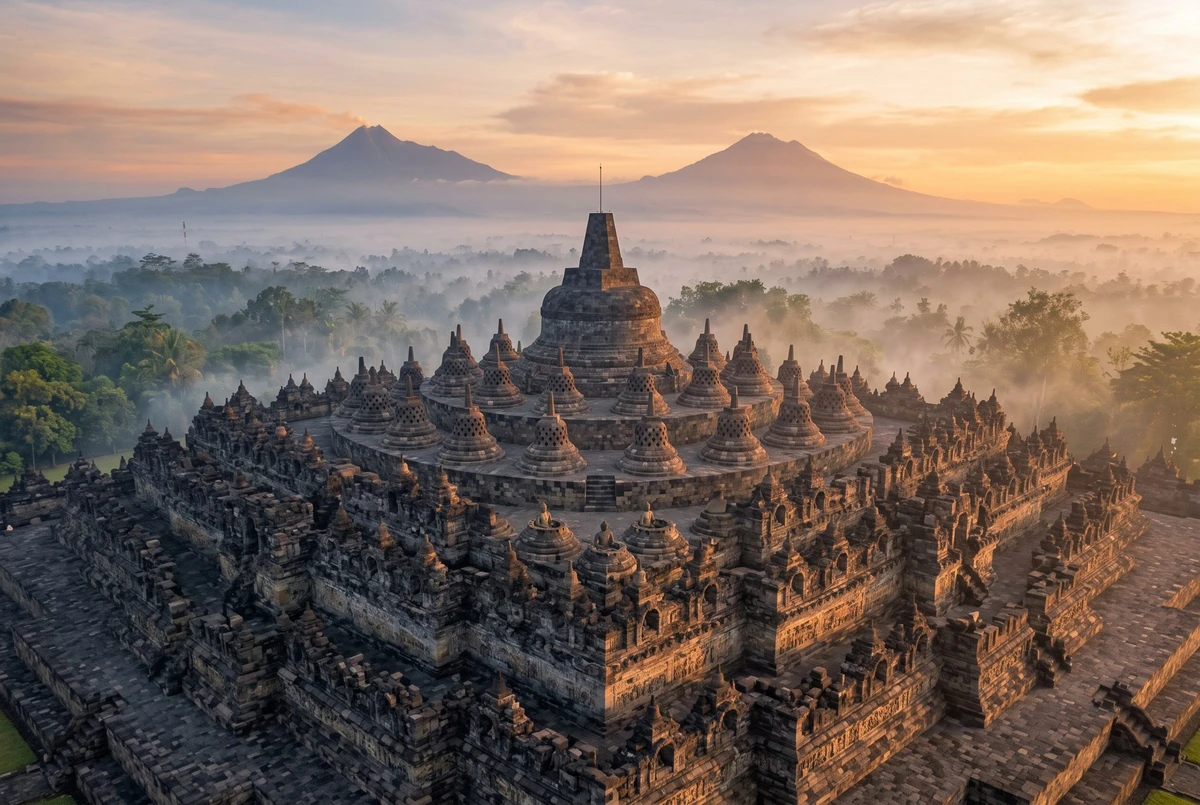
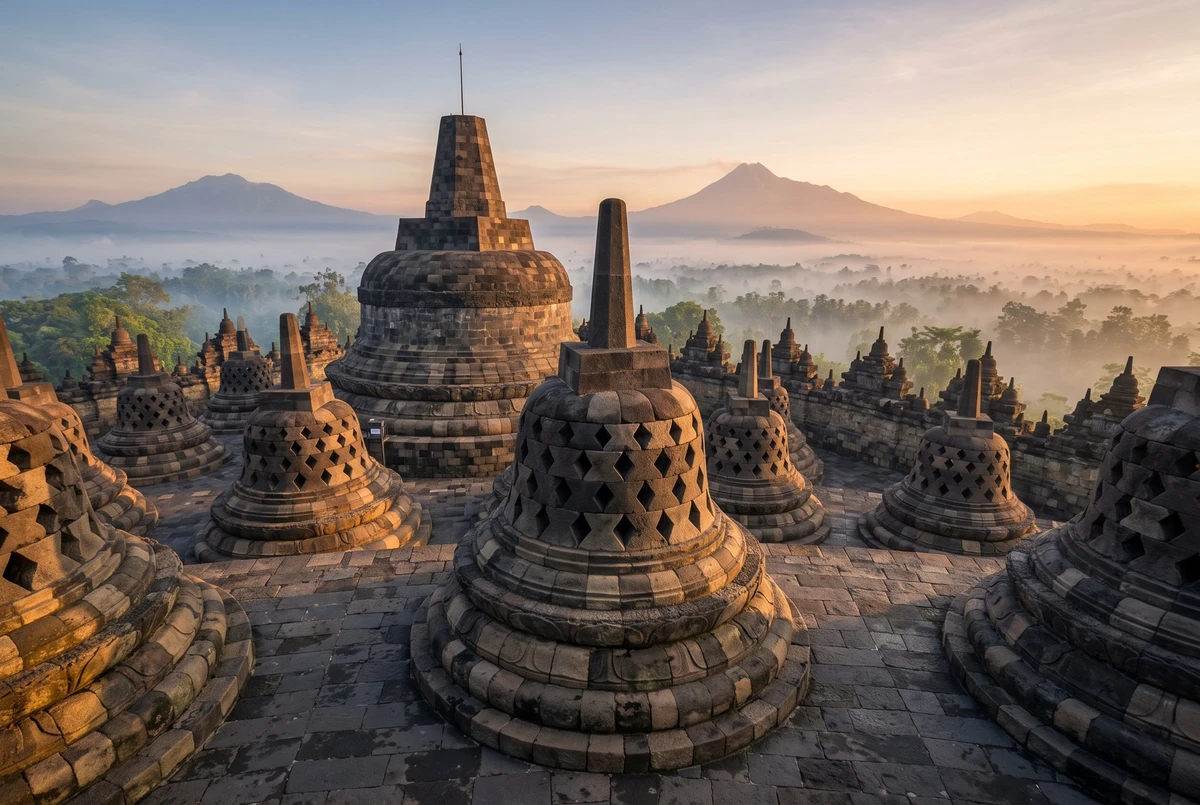
Indonesia’s past is written in volcanic stone. Borobudur, raised in the ninth century, remains the largest Buddhist monument on earth, while the soaring Hindu spires of Prambanan stand just across the plain. Later came the Majapahit empire, the spread of Islam along the trading coasts, and the sultanates whose Kraton palace in Yogyakarta still functions today. In Jakarta’s Kota Tua, the warehouses of the spice trade recall why the whole world once sailed here.
Fire Mountains and Emerald Seas
Indonesia sits on the Pacific Ring of Fire, and its landscapes feel newly made. Mount Bromo smokes above a sea of sand, Merapi watches over Yogyakarta, and Rinjani crowns Lombok with a turquoise crater lake. Between the volcanoes, Bali’s Jatiluwih rice terraces ripple in shades of jade, irrigated by the ancient subak system. Offshore lie the reefs of the Coral Triangle, from the Nusa islands to Komodo and remote Raja Ampat.
Gamelan, Batik and a Thousand Sambals
Culture in Indonesia is a daily practice. Batik, recognised by UNESCO, is still drawn by hand in Yogyakarta’s workshops, while wayang kulit shadow puppets act out ancient epics by lamplight. Bali answers with the Legong and the hypnotic Kecak chant. At the table, discover slow-cooked beef rendang, Yogyakarta’s sweet jackfruit gudeg, fiery ayam taliwang from Lombok and smoky satay, with halal food the norm across Muslim-majority Java and Lombok.
Moments Found Nowhere Else
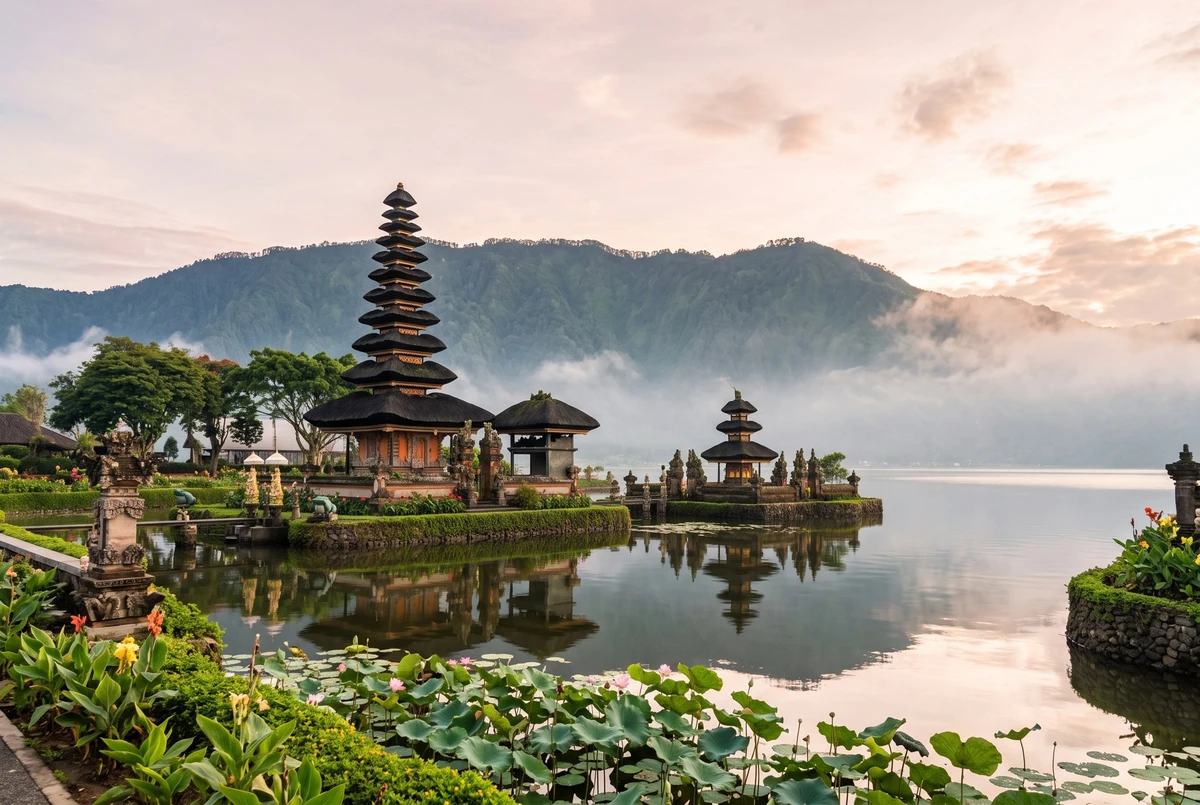
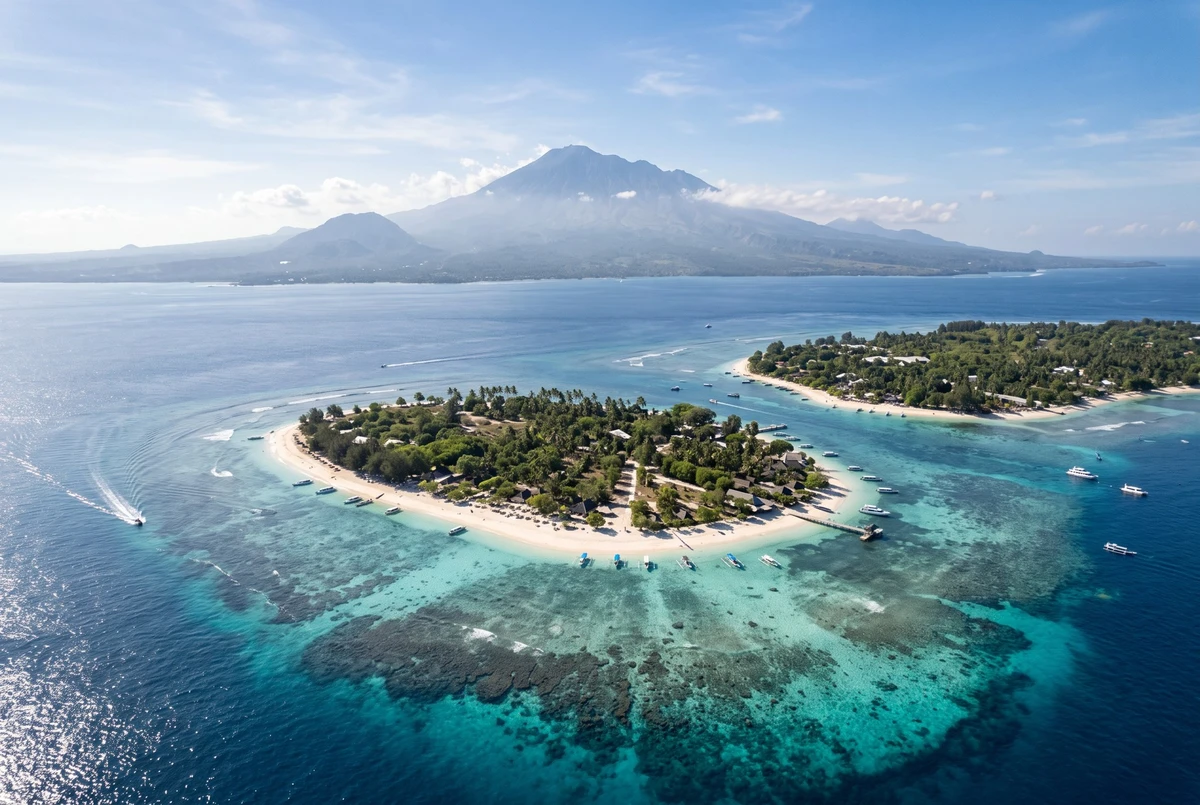
Some experiences belong to Indonesia alone: watching mist lift from Borobudur’s stupas at first light, or hearing the Kecak chant rise on the Uluwatu clifftop as the sun drops into the Indian Ocean. Visit Bali on Nyepi and the entire island falls silent for a day. Swim beside wild manta rays off Nusa Penida, explore the car-free Gili islands by horse cart, or watch Komodo dragons roam their native island.
Who is Indonesia for?
Ideal for
- Couples and honeymooners seeking island romance
- Muslim families wanting halal-friendly beach holidays
- Culture lovers drawn to temples and royal palaces
- Divers, snorkellers and surfers
- Hikers chasing volcano sunrises
- Photographers and slow travellers
- Wellness seekers looking for spa retreats
Pace & travel style
- Island-hopping by short flight and fast boat
- Slow mornings, early starts for volcano sunrises
- Culture on Java, beaches on Bali and Lombok
- Private driver days rather than self-driving
- Ten days minimum to feel the archipelago
When to visit Indonesia
Peak season · July–August
The heart of the dry season brings clear skies, low humidity and calm seas across Java, Bali and Lombok, perfect for volcano treks, temple sunrises and diving. It is also the busiest period: villas, flights and fast boats fill early, beach clubs and temple car parks get crowded, and rates rise. Book hotels and island crossings well in advance and plan major sights for early morning.
Shoulder season · April–June, September–October
Smart travellers favour these months. The rains have eased or not yet arrived, rice terraces glow green after the wet season, and seas are generally good for snorkelling and island crossings. Hotels are easier to secure, popular sights feel calmer and our drivers move more freely through traffic. It is an excellent window for combining Yogyakarta’s temples with Bali and Lombok.
Low season · November–March
The wet season usually brings warm mornings and heavy afternoon downpours rather than all-day rain, so sightseeing remains very possible. Landscapes are at their most lush, waterfalls run full and hotels offer good value. Some sea crossings and mountain treks such as Rinjani may be limited, so build flexibility into your plans. It suits relaxed spa stays, culture-focused trips and travellers avoiding crowds.
The regions of Indonesia and how to combine its cities
Indonesia stretches farther than the distance from London to Baghdad, and each island group feels like its own country. Java, the crowded, fertile heartland, holds the capital Jakarta, the royal city of Yogyakarta and a spine of active volcanoes; it is where Indonesian politics, Islam and classical culture meet. To the east, Bali keeps its distinctive Hindu traditions, while Lombok and the Nusa Tenggara chain beyond it offer quieter beaches, Sasak villages and the wild islands of Komodo.
Farther afield, Sumatra brings rainforest, tea highlands and Minangkabau culinary traditions; Borneo’s Kalimantan shelters orangutans in the wild; Sulawesi is known for the dramatic Toraja highlands; and Maluku and Papua guard the old spice islands and the reefs of Raja Ampat. Most first-time visitors focus on Java, Bali and Lombok, where flights, rail and ferries link easily.
Our city guides below cover Jakarta, Yogyakarta, Bali and Lombok, the most rewarding combination for a first visit. Land in Jakarta for its museums and old Batavia, then take a comfortable express train to Yogyakarta for Borobudur, Prambanan and batik workshops. Fly on to Bali for temples, rice terraces and the coast, and finish by fast boat or short flight to Lombok for unhurried beaches. Our team links every leg with tickets, guided day tours and private transfers.
Before you go: practical tips for Indonesia
Entry & visas
Many nationalities can obtain a visa on arrival or an electronic visa on arrival through Indonesia’s official immigration portal, some passports enter visa-free for short stays, and others must apply in advance. Bali also applies a tourist levy for foreign visitors, payable online. Requirements depend on your passport and can change, so check the official Indonesian immigration portal or your nearest embassy before booking, and carry a passport valid for at least six months.
Money, cards & tipping
The rupiah is the local currency, and cash remains essential for street-food stalls, markets, small boats and village visits. Cards are widely accepted in hotels, malls and larger restaurants, and bank ATMs are easy to find in cities. Tipping is not obligatory, since many restaurants add a service charge, but rounding up for drivers and guides is appreciated. Friendly bargaining is expected in markets, never in malls.
Etiquette & dress code
Indonesia is warm but modest. Cover shoulders and knees at mosques, Borobudur and Prambanan, and wear the sarong and sash provided at Balinese temples. Remove your shoes before entering homes and prayer halls, give and receive with your right hand, and never touch anyone’s head. Step around the small palm-leaf offerings placed on pavements in Bali, and always ask before photographing people during ceremonies.
Getting around
Distances between islands make domestic flights the backbone of most itineraries, linking Jakarta, Yogyakarta, Bali and Lombok in short hops. On Java, comfortable express trains connect Jakarta and Yogyakarta through green rice country. Fast boats and ferries run between Bali, Nusa Penida, the Gili islands and Lombok. Road traffic can be heavy, so our private chauffeured transfers are the calmest way to reach hotels, ports and sights.
Must-do things in Indonesia
- Watch the sunrise over Borobudur’s stupas as mist lifts from the Kedu plain
- Explore the soaring Hindu spires of Prambanan, then see the Ramayana ballet by night
- Learn hand-drawn batik from a master in a Yogyakarta workshop
- Walk the emerald rice terraces of Jatiluwih or Tegallalang in central Bali
- Hear the Kecak fire chant on the Uluwatu clifftop at sunset
- Snorkel with wild manta rays in the clear waters off Nusa Penida
- Explore a car-free Gili island by horse cart and swim with sea turtles
- Taste ayam taliwang and plecing kangkung in a Lombok seaside village
- Stroll Jakarta’s Kota Tua and the Dutch-era squares of old Batavia
- Stand on a volcano rim at dawn, from Bromo to Mount Batur
Do’s and don’ts in Indonesia
Do
- Dress modestly at mosques and temples, covering shoulders and knees
- Use your right hand to give, receive and eat
- Carry small rupiah notes for markets, parking and offerings
- Start sightseeing early to beat heat, traffic and crowds
- Respect prayer times and Ramadan customs in Muslim regions
Don’t
- Don’t step on the palm-leaf offerings placed on Bali’s pavements
- Don’t touch people’s heads, even children’s
- Don’t raise your voice or show anger in public
- Don’t climb on temple walls or sacred statues for photos
- Don’t underestimate travel times between islands and on busy roads
Indonesia at a glance
Plan Indonesia with Haqqi Tours
Every option is confirmed by our team on WhatsApp before you pay, and delivered by our own people or by trusted local partners we work with in every city. Because we send travellers from all over the world, our partners give us special rates and priority, so you always receive the best. Prices are per person unless marked per vehicle.
About Haqqi Tours: About us Contact us Legal NoticePrivacy PolicyCookies & Marketing PreferencesTerms & ConditionsBooking, Payment & Refunds
Where we operate in Indonesia
Good to know
Frequently Asked Questions
Straight answers to what travellers ask most about Indonesia.
Is it safe to visit Indonesia?
Indonesia is generally a welcoming and safe destination, and millions of visitors travel through Java, Bali and Lombok every year without trouble. Use licensed taxis or our private transfers, watch valuables in crowds and follow guidance near active volcanoes. Check your own government’s official travel advice before departure and keep our WhatsApp line handy throughout.
How many days do I need for a first trip to Indonesia?
Ten to fourteen days is ideal for a first trip to Indonesia. That allows two or three days in Yogyakarta for Borobudur and Prambanan, five or six days on Bali, and three days on Lombok or the Gili islands. With only a week, focus on Bali with one cultural add-on rather than rushing between many islands.
What is the best way to travel between Indonesia’s major cities?
Short domestic flights connect Jakarta, Yogyakarta, Bali and Lombok quickly and are the backbone of most itineraries. On Java, express trains between Jakarta and Yogyakarta are comfortable and scenic. Fast boats link Bali with the Gilis and Lombok. Our team books flight, train and ferry tickets and meets you with private transfers at every stage.
Can a trip to Indonesia be tailored for luxury or private travel?
Absolutely. Indonesia excels at privacy and refined hospitality, from cliff-top villas in Uluwatu to jungle retreats near Ubud and quiet resorts on Lombok. We can tailor a private itinerary with dedicated drivers, guided day tours at your pace, early-access temple visits and seamless airport transfers, all confirmed with our team on WhatsApp before anything is paid.
Is Indonesia tourist friendly?
Very. Indonesians are famously courteous, and tourism infrastructure in Bali, Yogyakarta and Lombok is well developed, with English widely spoken in hotels and at major sights. As the world’s most populous Muslim-majority country, Indonesia makes halal food and prayer spaces easy to find, which travellers of every background appreciate. Our local team smooths every connection.
Is it safe to travel to Indonesia now?
Travel to Indonesia’s main destinations generally continues normally, but conditions such as volcanic activity or heavy rain can affect specific areas at times. Before departure, review your own government’s official travel advice, follow local guidance on the ground and keep our WhatsApp line handy. Our team will advise on any adjustments needed for your route.
What is the best time to visit Indonesia?
The dry season, roughly April to October, is the best time to visit Indonesia, with July and August the sunniest and busiest months. April to June and September to October offer an excellent balance of good weather and fewer crowds. The wet season from November to March brings lush scenery, short heavy showers and better hotel value.
What is Indonesia famous for?
Indonesia is famous for Bali’s temples and rice terraces, the great Buddhist monument of Borobudur, active volcanoes such as Bromo and Rinjani, and world-class reefs and surf. It is also celebrated for batik, gamelan music, Komodo dragons, rich spicy cuisine like rendang and satay, and the gentle hospitality of its many island cultures.
Which cities in Indonesia does Haqqi Tours cover?
Bali, Yogyakarta, Lombok, Jakarta, Labuan Bajo, Malang, Bandung, Banyuwangi and Surabaya. Each city has its own page with everything available there, and a trip across several cities is planned in one WhatsApp conversation.
What can I book in Indonesia?
Day tours, attraction tickets, private airport transfers, flight tickets, train tickets and ferry tickets - all run or confirmed by Haqqi Tours, each with a fixed price agreed on WhatsApp before you pay.
How do I book a tour or transfer in Indonesia?
Fill in the form on the page you are interested in, or message us on WhatsApp with the date, the number of travellers and your hotel. A member of our team confirms the price and the details in writing within minutes.
Are the prices fixed?
Yes. Every price is agreed in writing on WhatsApp before you travel and does not change on the day - not for traffic, not for a late flight, not for the hour.
Do you arrange transfers between cities in Indonesia?
Yes. Intercity transfers by private car or van are booked the same way as airport transfers; tell the desk the two hotels and the date and it quotes a fixed price for the whole vehicle.
Can you plan a full itinerary across Indonesia?
Yes - tell the desk your dates, the cities you want and who is travelling, and it proposes a day-by-day plan with the tours, transfers and tickets priced in writing. You adjust it in the same chat before confirming.
Are your tours private or in a group?
Both exist, and the page of each tour says which. Private tours have a car and guide for your party alone; small-group tours share a guide with a few other travellers. The desk can convert most group tours into a private day on request.
Do the drivers and guides speak Arabic?
It depends on the country, the city and the day, so we do not promise a particular language for the driver or guide. Tell us your preference and we do our best; the WhatsApp desk itself always works in Arabic and English.