
Yogyakarta
Plan Yogyakarta with Haqqi Tours: day tours, private airport transfers, attraction tickets and packages, run by our own team and confirmed on WhatsApp in Arabic or English.
Step out of your hotel in Yogyakarta just after dawn and the city is already humming: becak cycle-rickshaws gliding past whitewashed walls, the scent of clove cigarettes and jasmine, a vendor ladling sweet gudeg jackfruit stew from a clay pot. From somewhere behind the Kraton walls comes the soft, shimmering sound of a gamelan rehearsal, and on clear mornings Mount Merapi stands to the north, a thin plume rising from its summit.
Nothing matches those filters yet. Widen your search or message us on WhatsApp.
Yogyakarta Day Tours
View all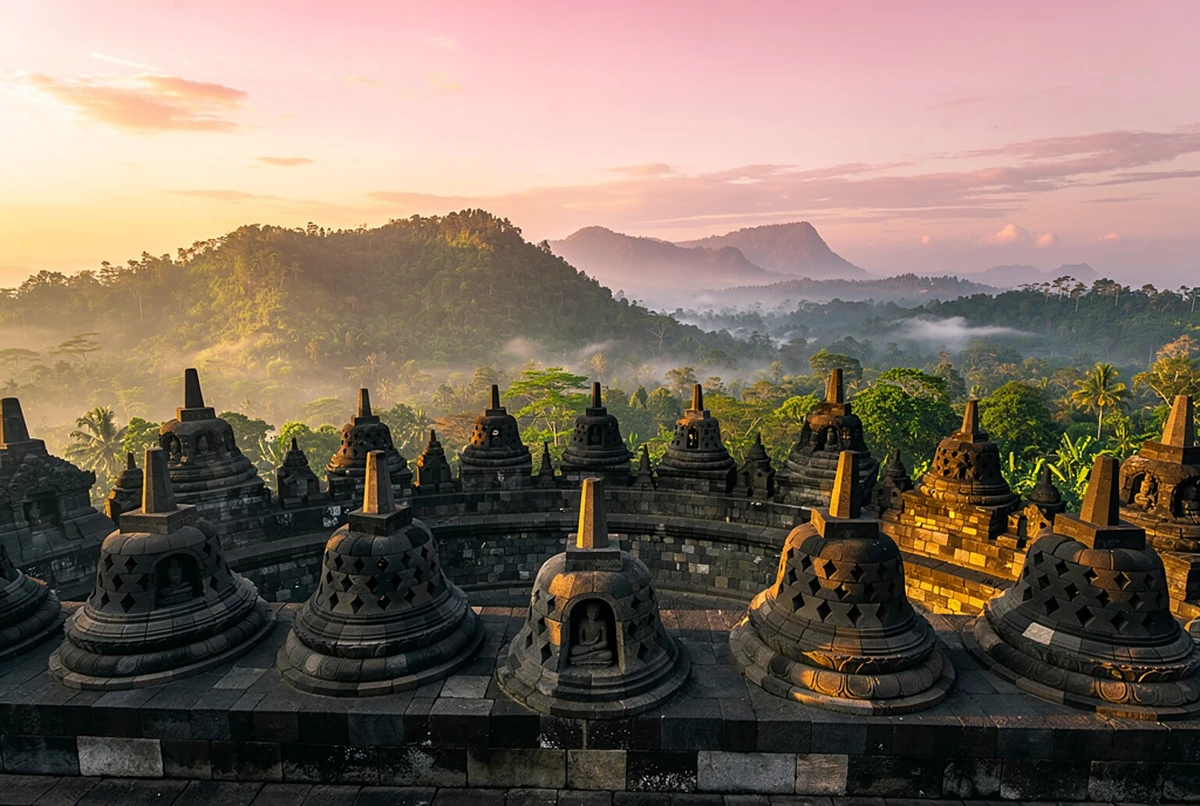
Yogyakarta Airport Transfers
View all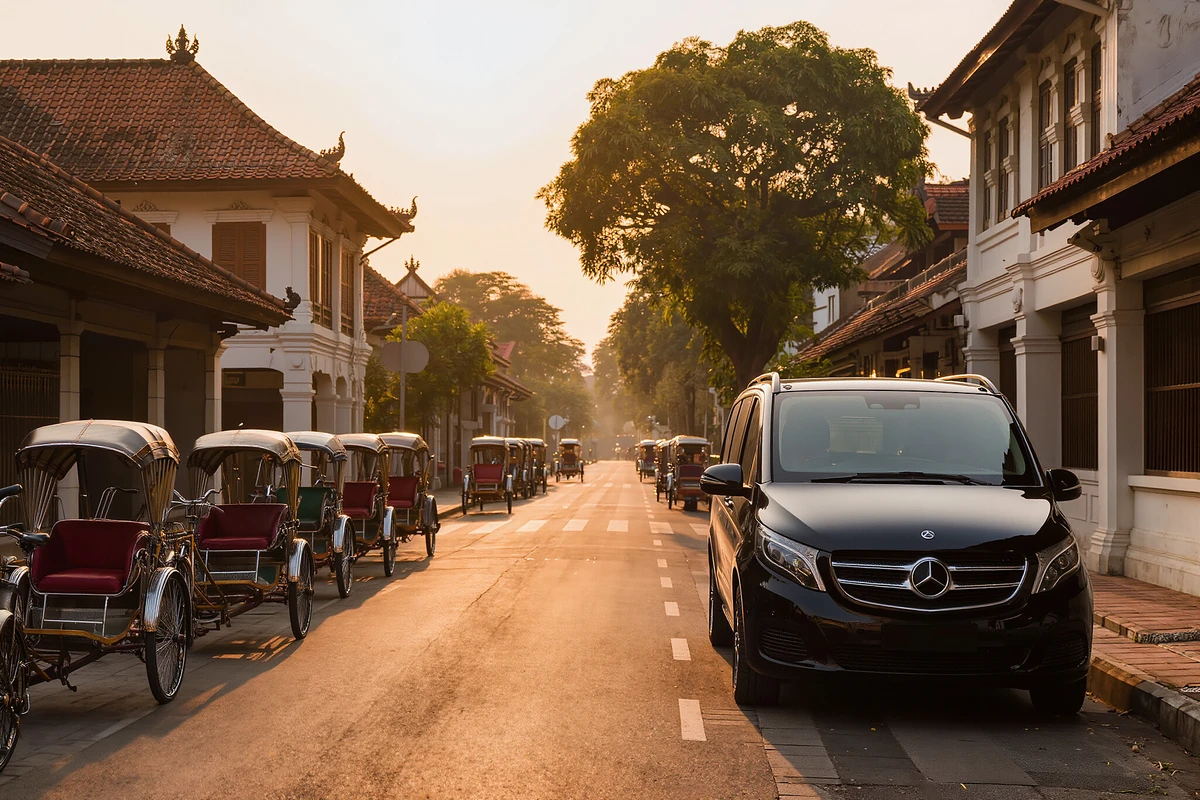
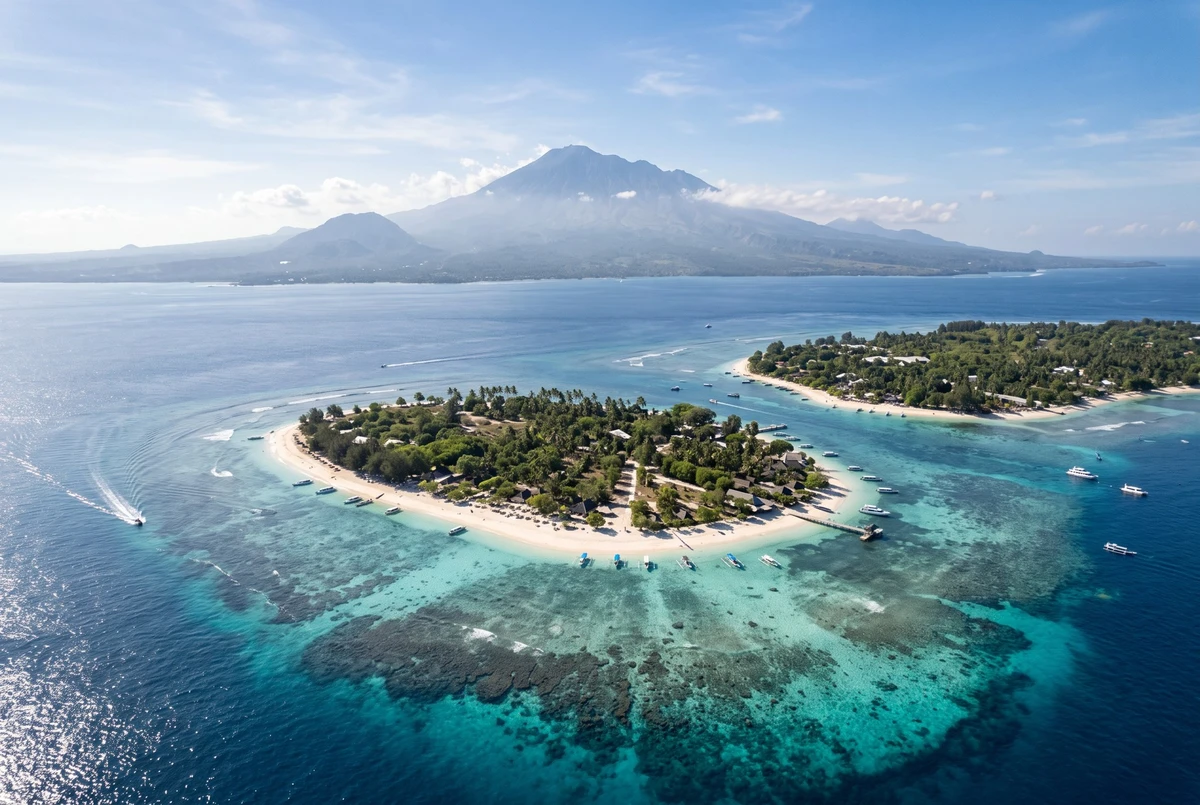
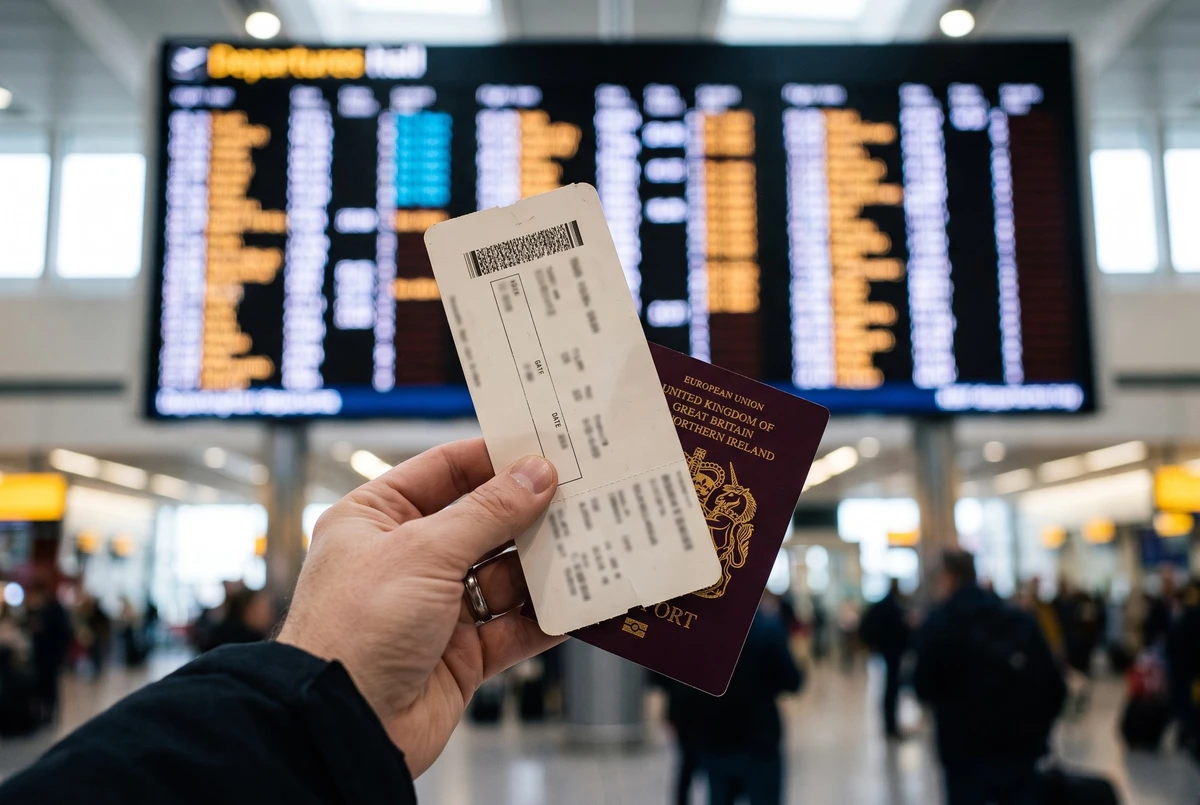
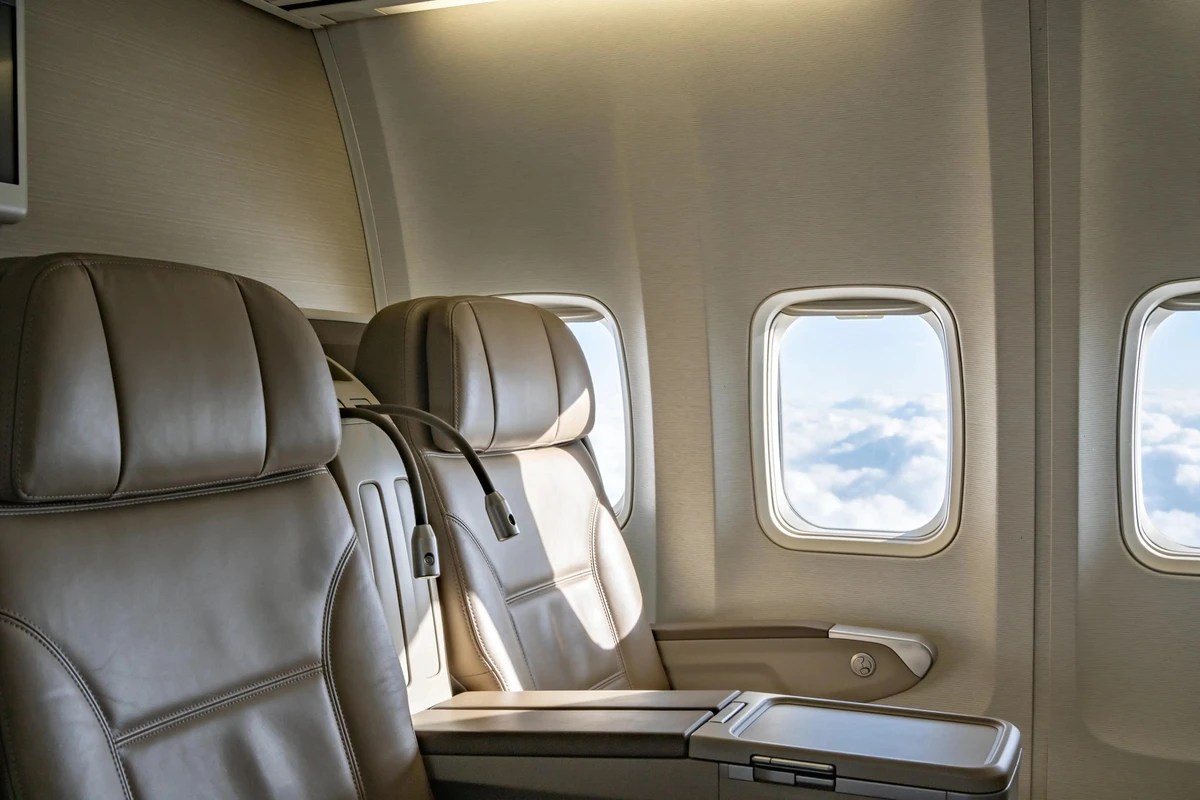
Yogyakarta Flight Tickets
View all
Yogyakarta Train Tickets
View all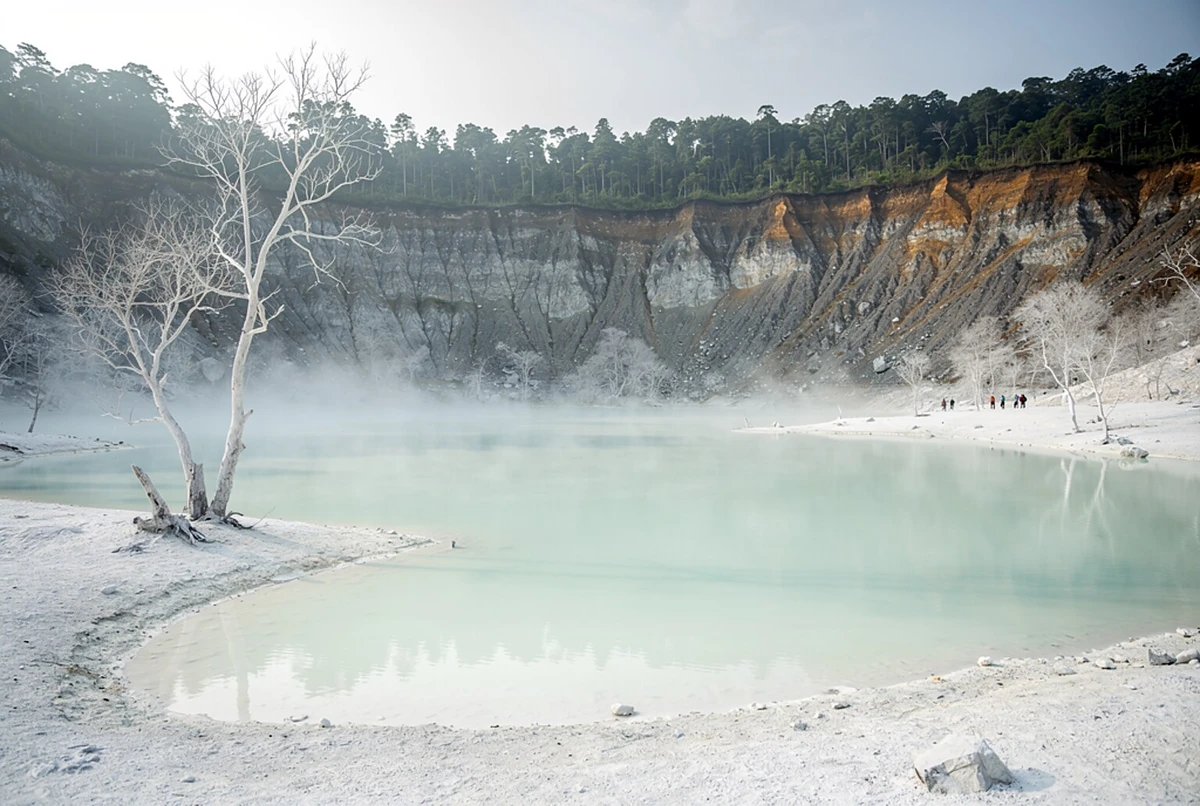

Yogyakarta at first sight
Yogyakarta, known simply as Jogja, is the cultural soul of Java. It is still a sultanate, the only one in Indonesia with real authority, and the guardian of Javanese court arts, batik and shadow puppetry. Within easy reach lie Borobudur and Prambanan, two of Asia’s greatest temples, which is why every serious journey through Indonesia passes through this gracious, creative city.
Why include Yogyakarta in your itinerary?
- Yogyakarta is the base for both Borobudur, the world’s largest Buddhist monument, and Prambanan, Indonesia’s finest Hindu temple complex, both UNESCO World Heritage Sites within about an hour of the city centre.
- Jogja is a living royal city where the Sultan still resides in the Kraton, and where court dance, gamelan music, wayang shadow puppetry and hand-drawn batik remain everyday arts rather than museum pieces.
- Few places combine ancient temples, an active volcano, limestone caves and a wild southern coastline within a single day’s drive, making Yogyakarta the most varied and rewarding cultural base on the island of Java.
Signature experiences in Yogyakarta
Sunrise at Borobudur
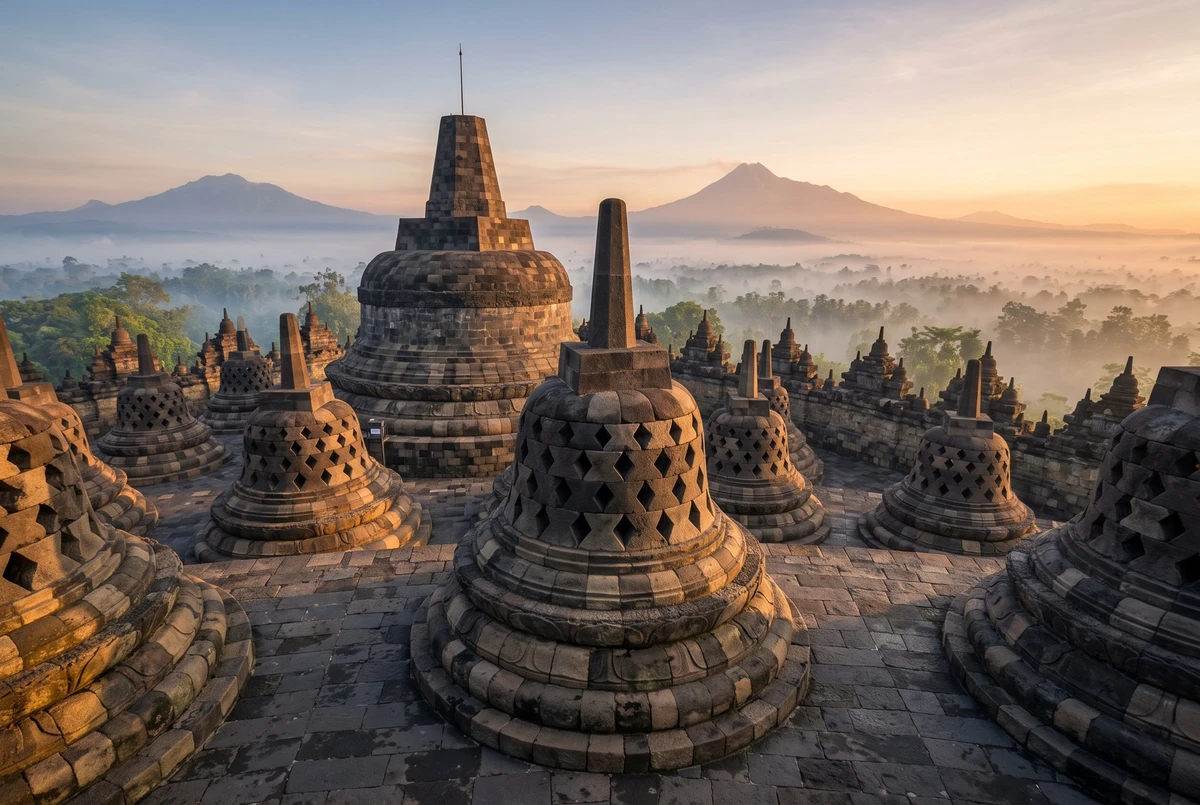
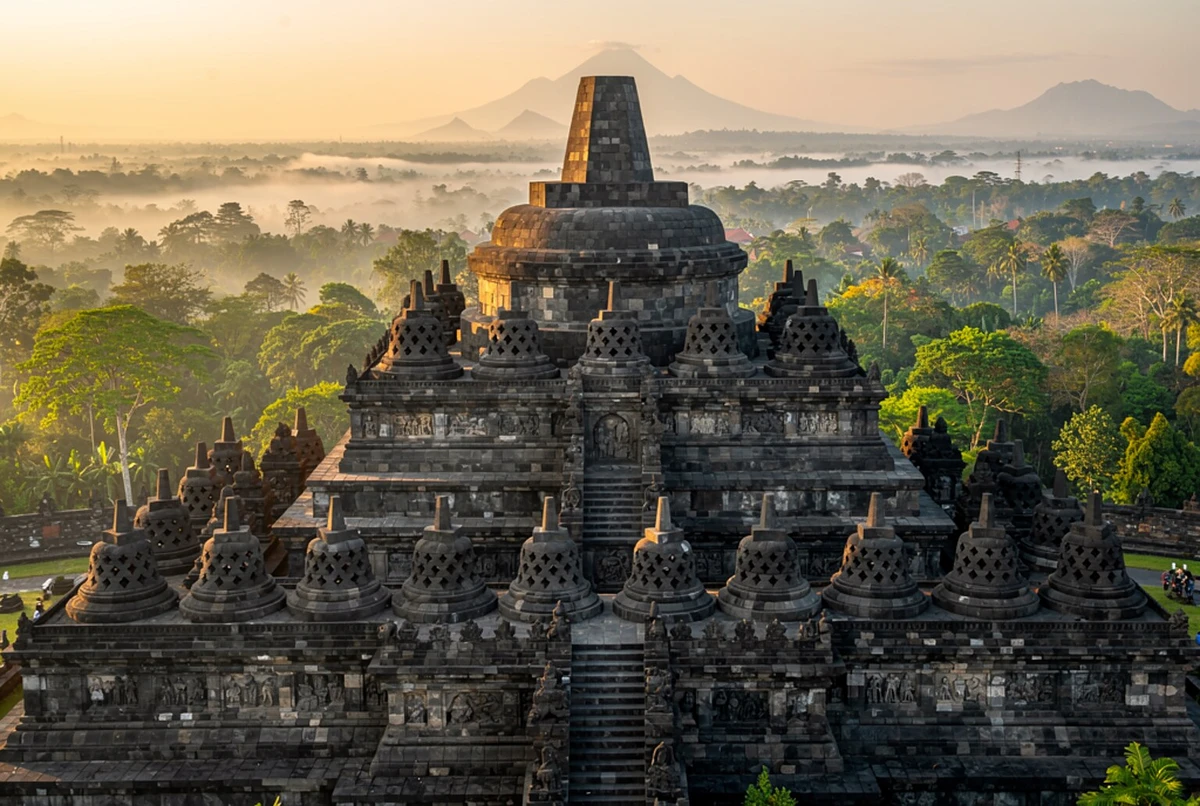
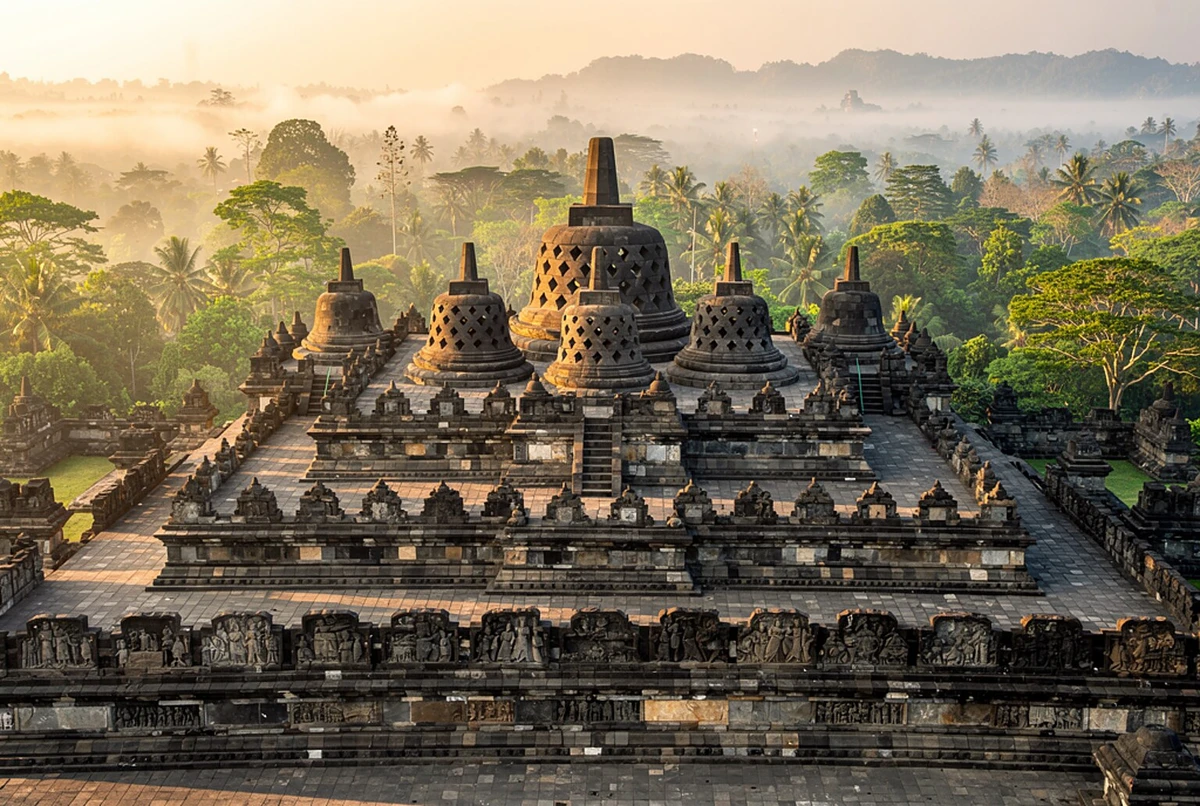
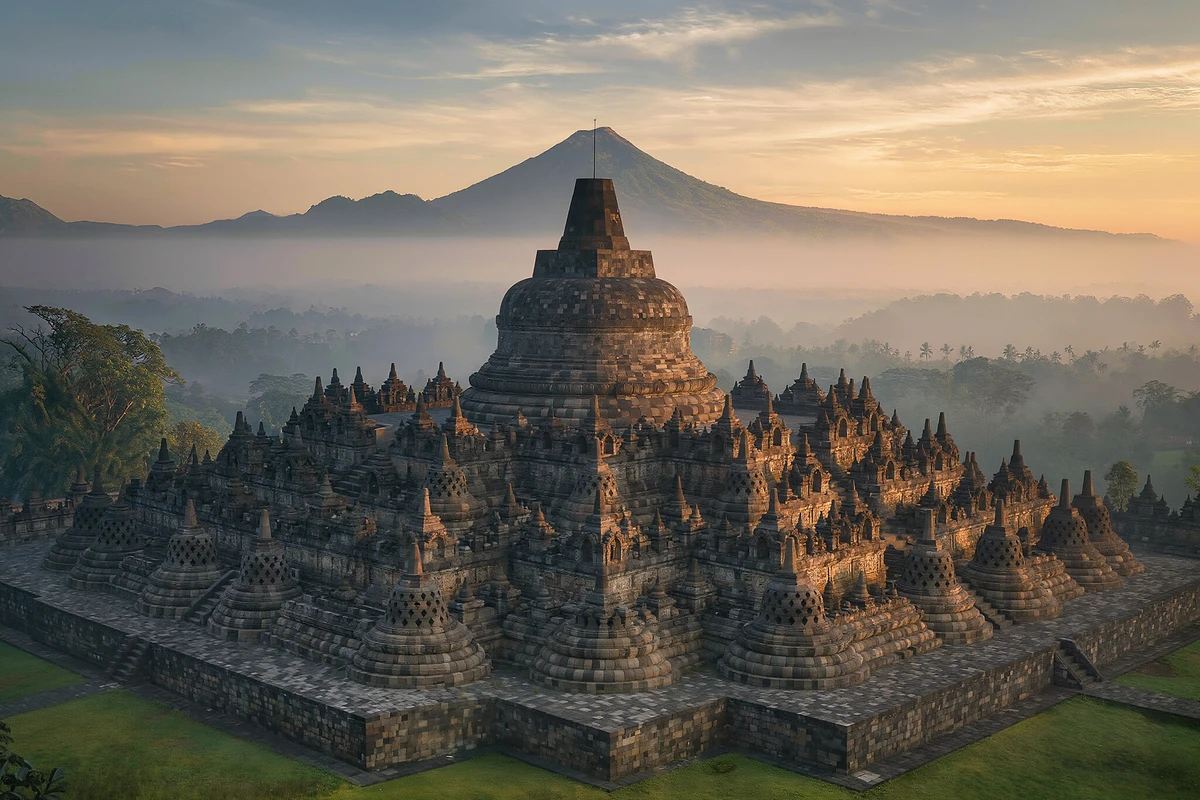
Rising from the green Kedu Plain and ringed by volcanoes, Borobudur is a ninth-century stone mandala of terraces, more than two thousand relief panels and hundreds of Buddha statues. Watch the mist lift at sunrise from a nearby hill, then explore the base galleries as the light warms. Access to the upper terraces is regulated with limited timed tickets, so our guided day tour secures entry in advance and times your visit to avoid the midday heat and crowds.
Prambanan and the Ramayana Ballet
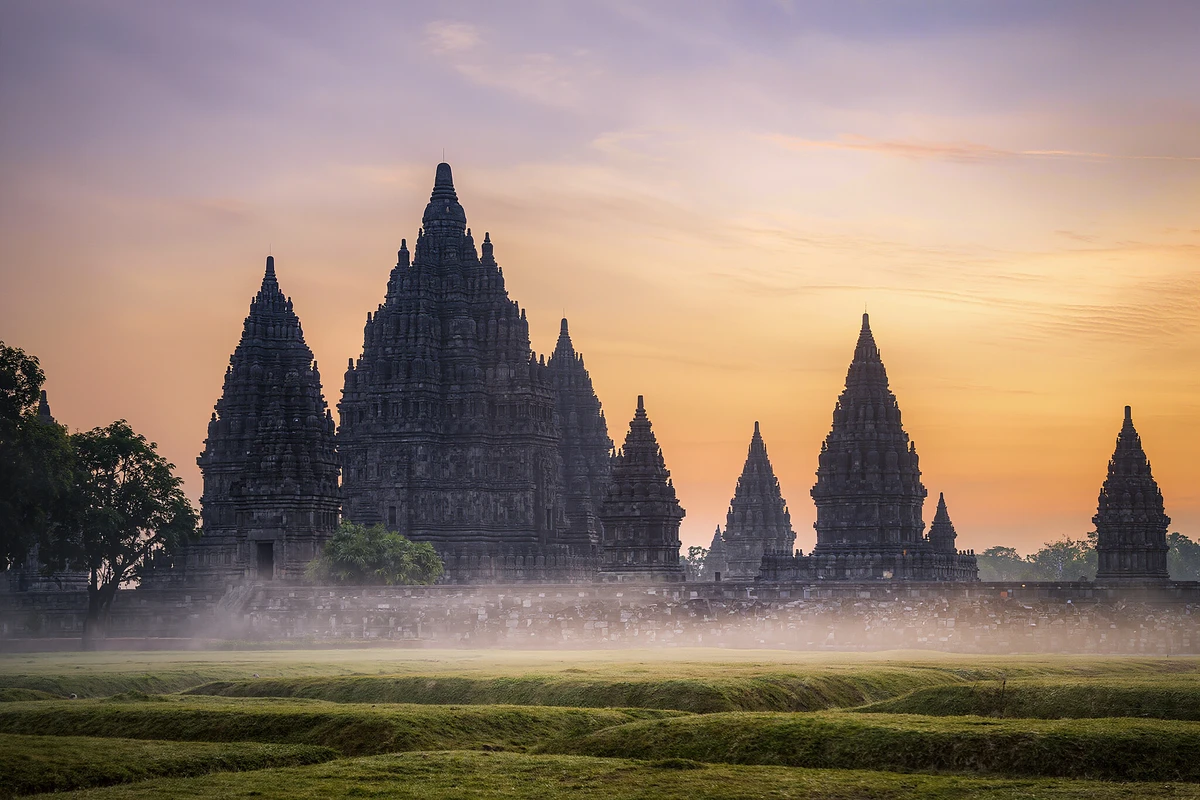
Prambanan’s soaring spires, dedicated to Shiva, Vishnu and Brahma, are carved with the story of the Ramayana. Visit in the late afternoon, when the stone turns gold, and stay for the Ramayana Ballet performed by dozens of dancers and a full gamelan orchestra, on an open-air stage facing the temples in the dry season. We arrange the evening with the performance tickets, a guide who explains the epic and a private car with driver to your hotel.
The Kraton, Taman Sari and the Batik Workshops
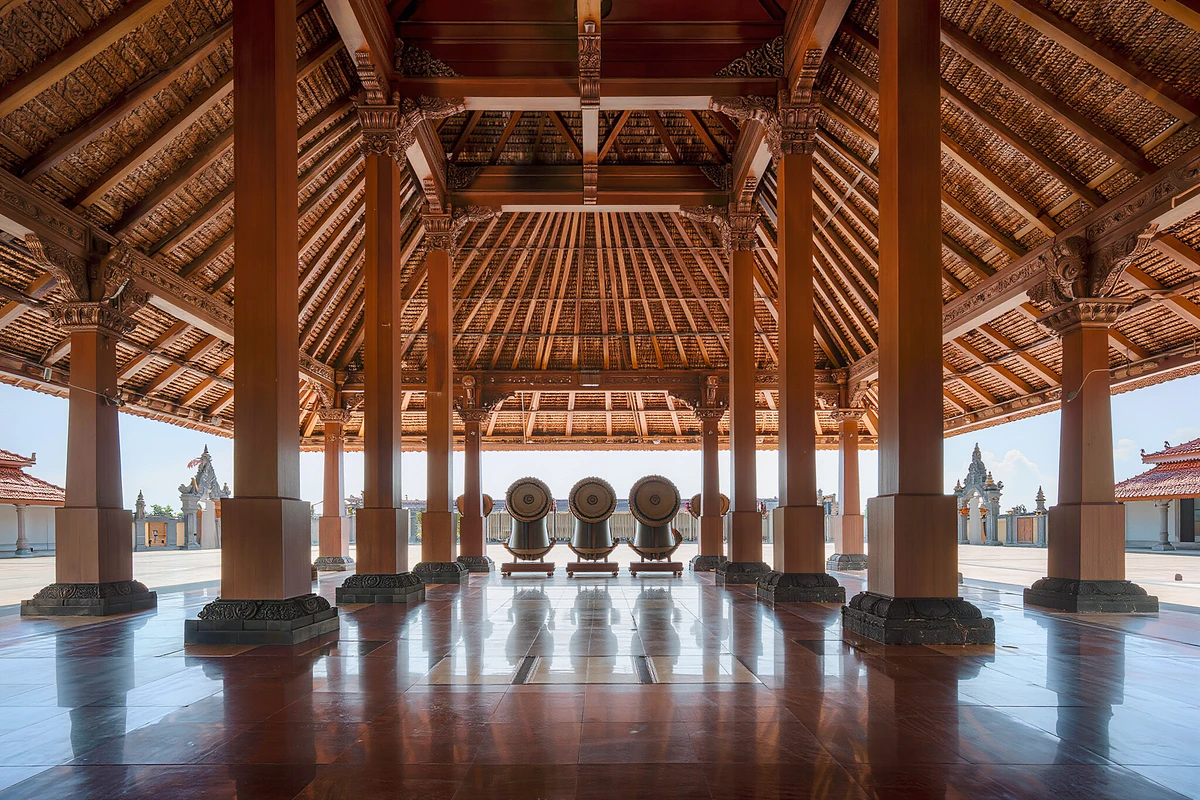
The Kraton, the Sultan’s palace, is a serene compound of pavilions where court musicians and dancers perform on many mornings. Nearby, Taman Sari, the former royal water castle, hides bathing pools, an underground mosque and a maze of lanes where artisans paint batik with hot wax and fine copper tools. Our guided day tour explains court customs and leads you to genuine workshops, not tourist copies, before lunch on gudeg and sweet iced tea.
Malioboro Street and Kotagede
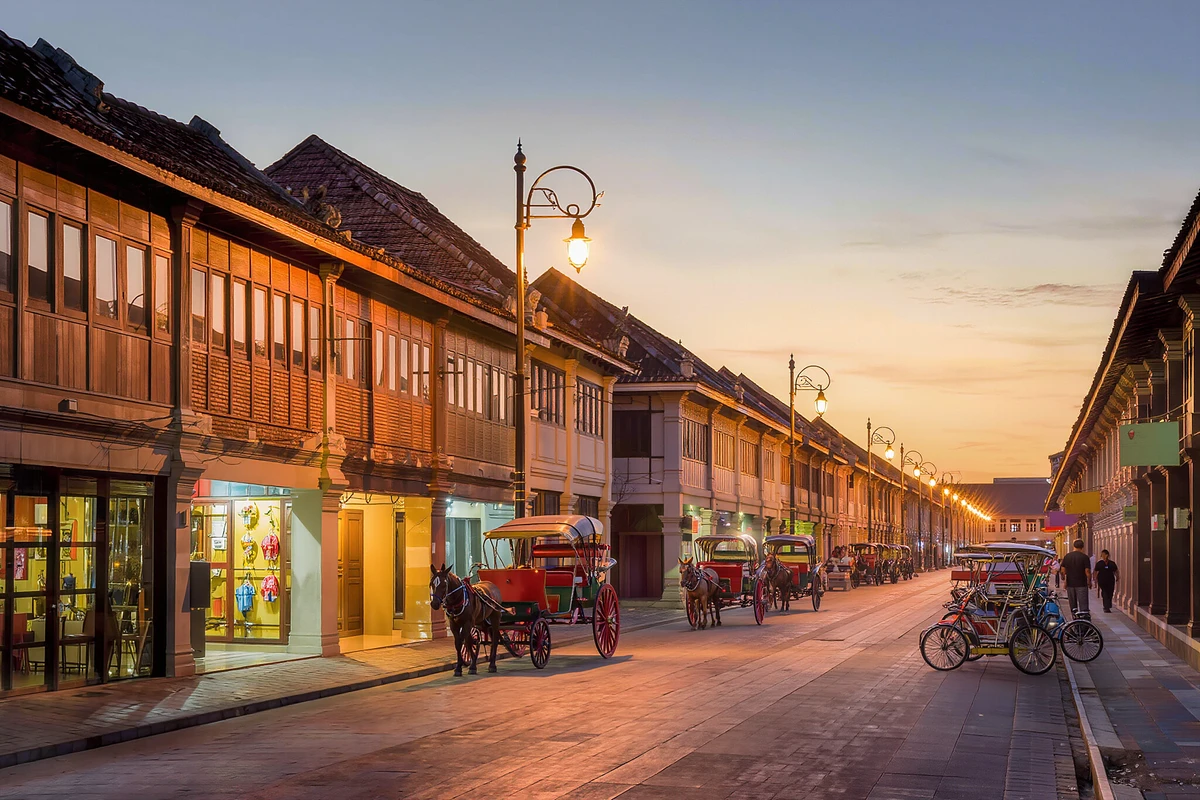
Malioboro is Jogja’s great avenue, lined with batik shops, street stalls and the bustling Beringharjo market. After dark, angkringan carts serve small rice parcels and kopi joss, coffee stirred with a glowing charcoal ember. To the south-east, Kotagede, the old capital of the Mataram kingdom, is a quiet quarter of courtyard houses, a royal cemetery and silversmiths working by hand. A private car with driver arranged by our team links both comfortably.
Mount Merapi and the Jomblang Cave
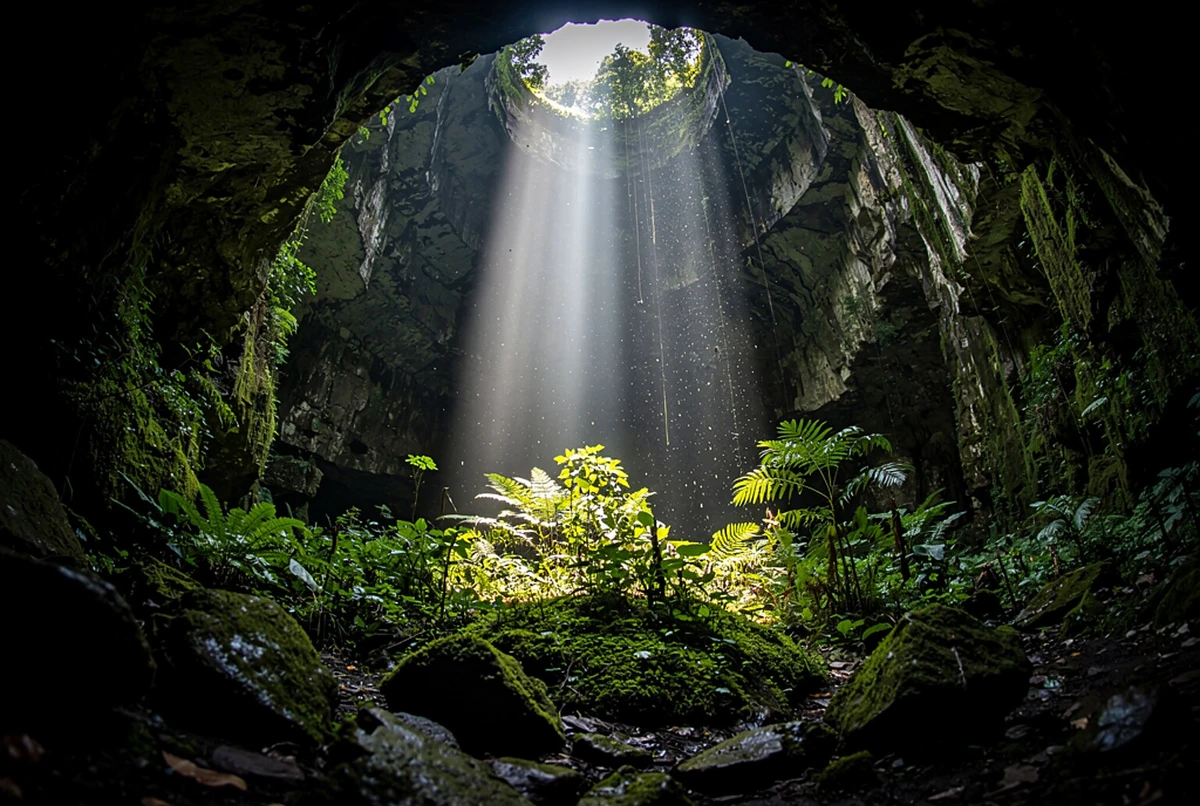
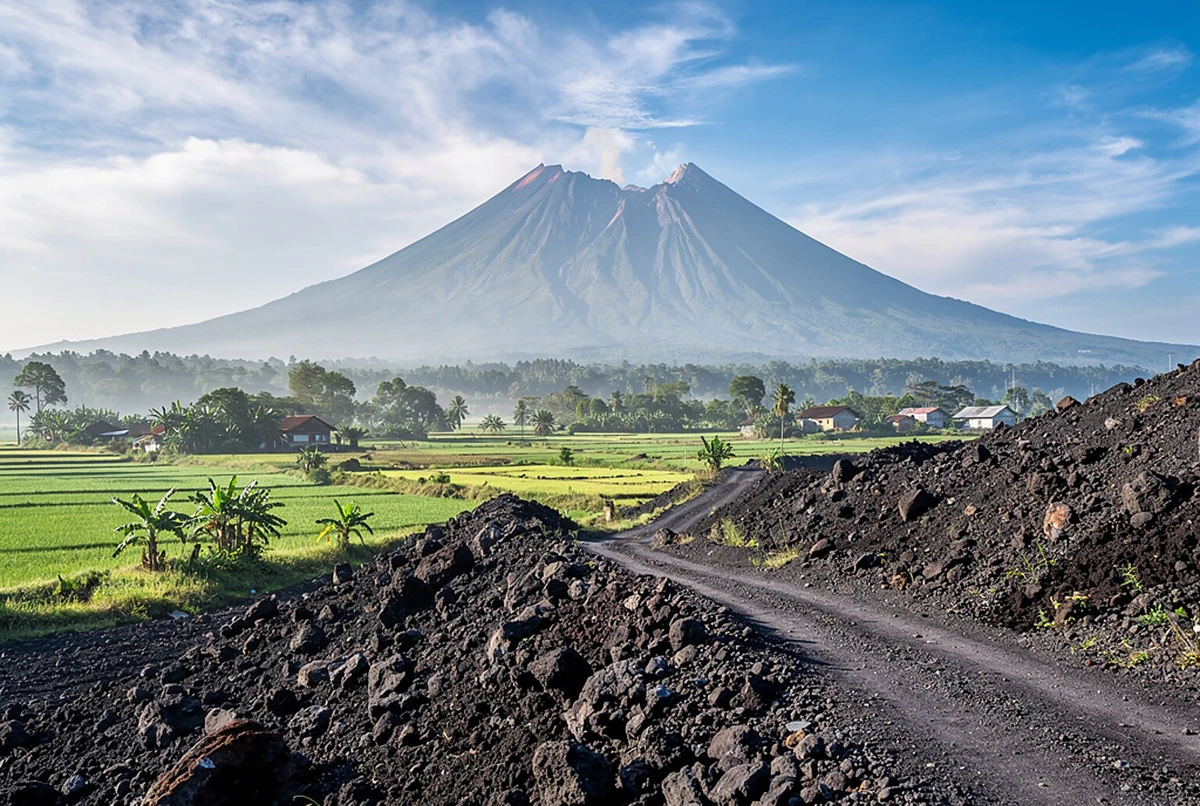
On the slopes of Mount Merapi, Indonesia’s most active volcano, a guided jeep journey crosses lava fields and villages rebuilt after past eruptions, with views of the smoking summit on clear mornings. In the limestone hills of Gunung Kidul, the Jomblang Cave lets a dramatic shaft of light fall into a forest far below. Our guided day tour works with licensed local partners who follow official volcano safety guidance.
Neighbourhoods and quarters to know in Yogyakarta
Malioboro and Tugu
The bustling centre of Yogyakarta, close to Tugu train station, Malioboro Street, the market and the Kraton. Hotels range from international brands to heritage properties, and everything is within a short becak ride. It is busy, lively and safe, ideal for first-time visitors who want shopping, street food and easy access to trains.
Kraton and Prawirotaman
South of Malioboro, the area around the Kraton and Taman Sari keeps a royal, village-like calm, with narrow lanes, batik studios and small guesthouses. Nearby Prawirotaman is a leafy street of boutique hotels, cafés and art galleries, popular with independent travellers and couples. Relaxed, friendly and well placed for both the palace and the southern day trips.
Kotagede
Kotagede, the old capital of Mataram, is Jogja’s most atmospheric heritage quarter, with traditional Javanese houses, mosque courtyards and family silver workshops. It suits travellers who want peace and authenticity rather than nightlife. Accommodation is limited and more intimate, and the centre is a short drive away with a private car arranged by our team.
North Yogyakarta and Kaliurang
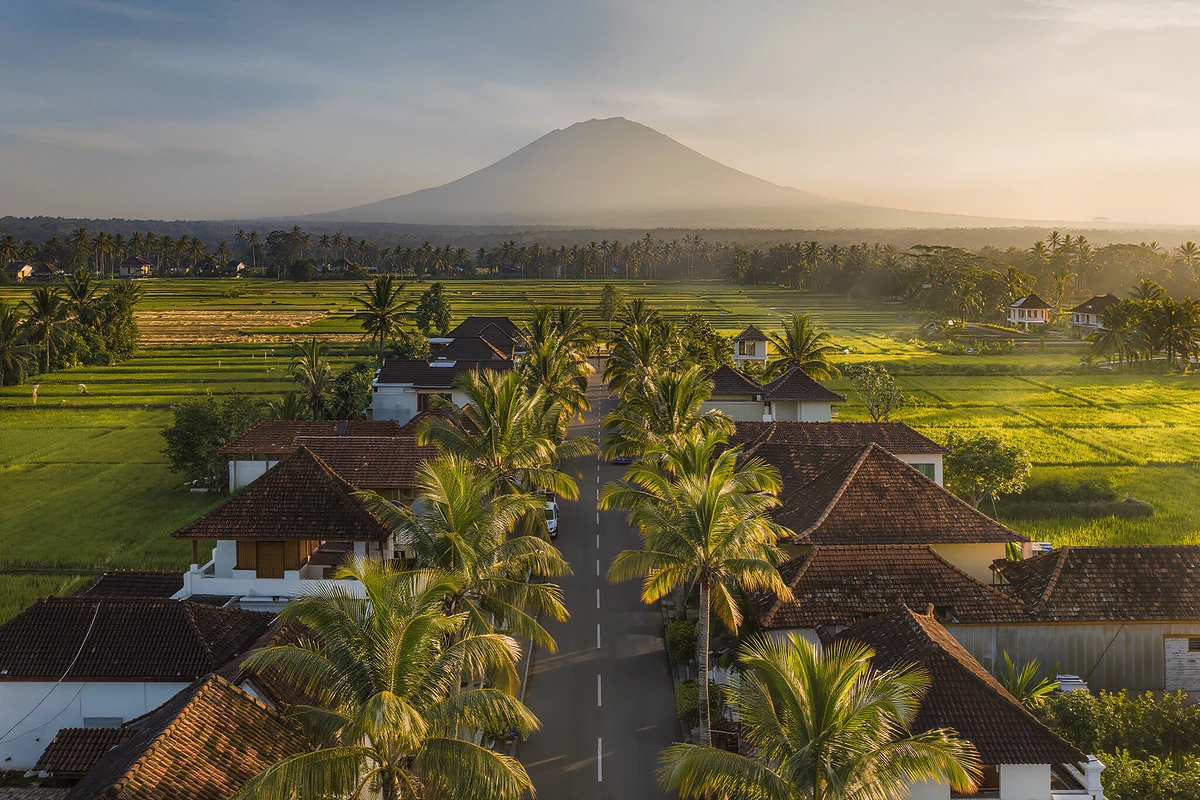
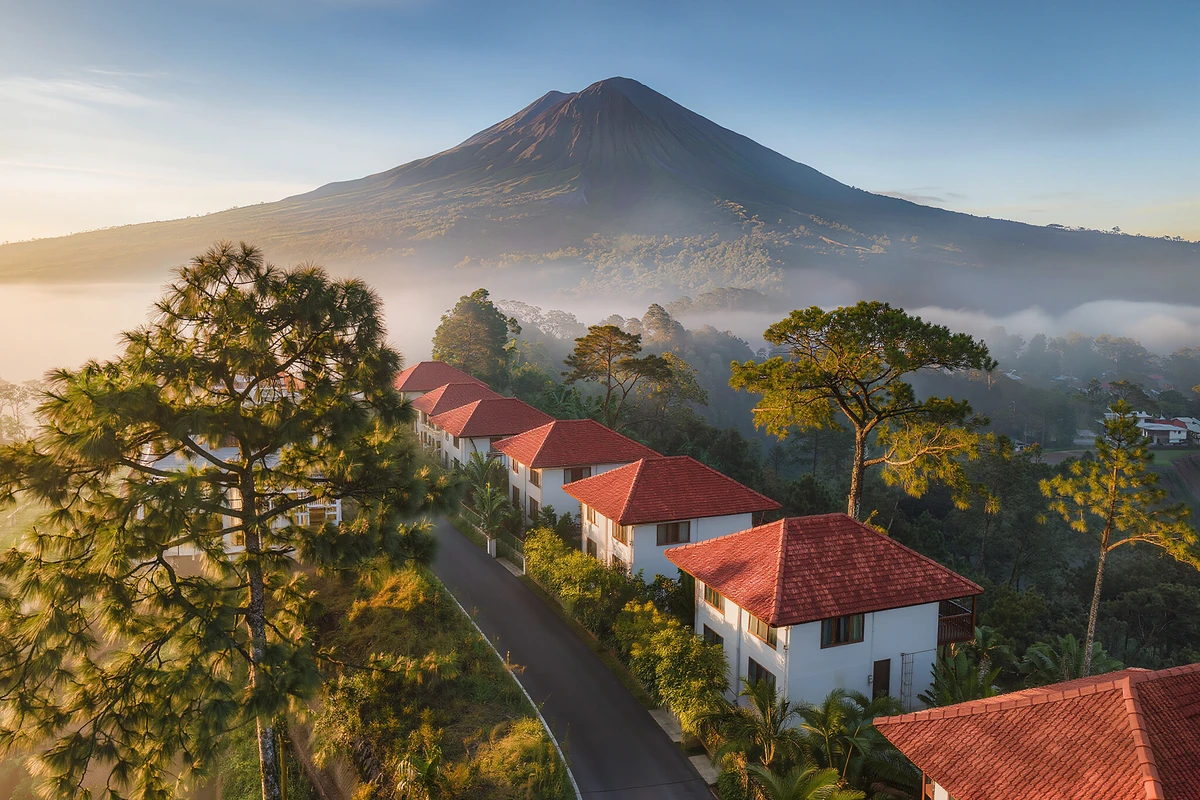
Heading north toward Mount Merapi, the city gives way to green rice fields, resorts with gardens and pools, and the cooler hill town of Kaliurang. It is the right choice for families wanting space and fresh air, and for early starts to Borobudur or the Merapi jeep trails. Evenings are quiet, and the city centre is reached by car.
How long to stay in Yogyakarta and how to pair it
Recommended stay
Three to four nights in Yogyakarta is ideal: one day for Borobudur, one for Prambanan and the Ramayana Ballet, and one for the Kraton, Taman Sari and Malioboro. A fourth or fifth day adds Mount Merapi, the Jomblang Cave or the southern coast at a gentle pace.
How to pair it
Yogyakarta is the cultural heart of a classic Indonesia loop. In seven days, combine three nights in Jogja with a flight to Bali for Ubud and the coast. With ten days, start in Jakarta, take the scenic train across Java to Yogyakarta, then fly to Bali. In fourteen days, add Lombok and its quiet beaches after Bali. We issue the train and flight tickets and arrange private transfers at every stop.
Best time to visit Yogyakarta and the rhythm of the day
Best months
The best time to visit Yogyakarta is the dry season, May to September, when mornings are clear for Borobudur sunrises, Merapi views and open-air Ramayana performances. April and October are good shoulder months. The wet season, November to March, brings heavy afternoon rain, but mornings are often bright, landscapes intensely green and the temples quieter.
The daily rhythm
A Yogyakarta day begins before dawn, chasing sunrise at Borobudur or Merapi. Mid-morning is for the Kraton, Taman Sari and batik studios; the heat of early afternoon suits a long lunch and rest. Late afternoon returns to the temples or Malioboro, and evenings belong to angkringan stalls, gamelan, dance performances and slow conversation over sweet tea.
On-the-ground logistics in Yogyakarta
Arrival
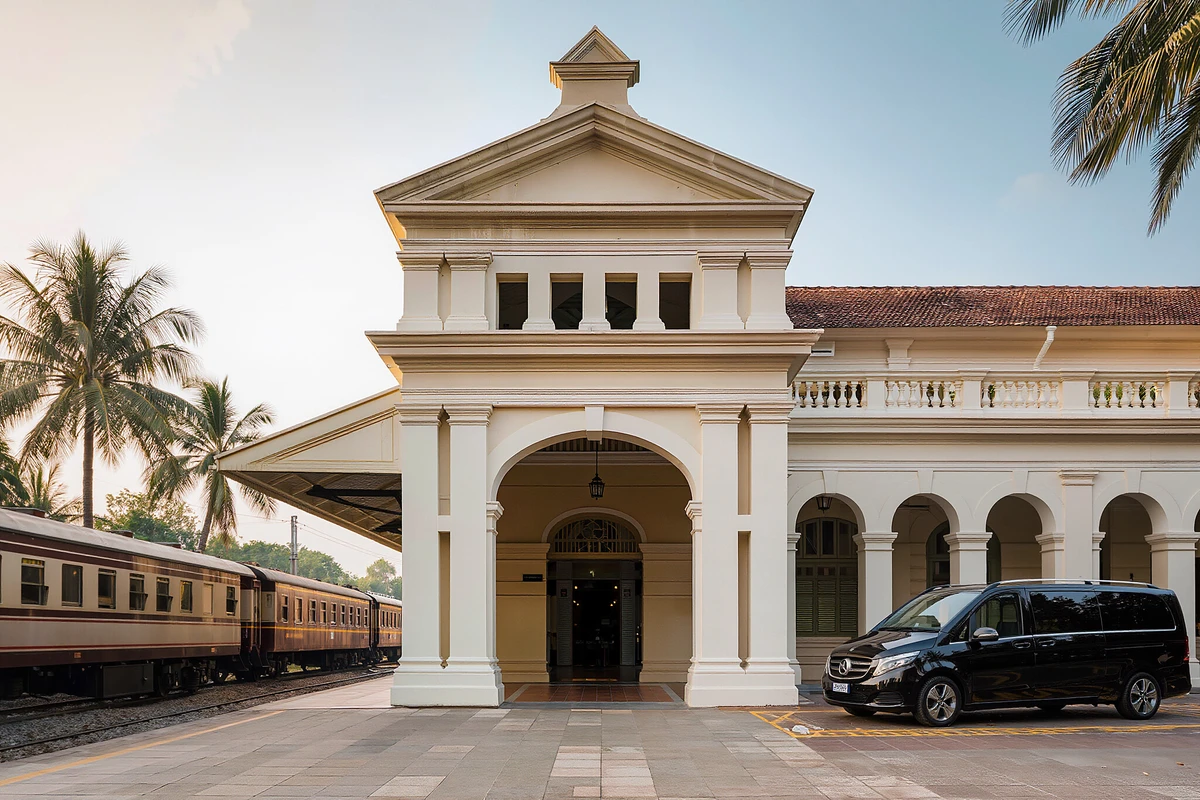
Yogyakarta International Airport in Kulon Progo lies around an hour to an hour and a quarter by road from central Jogja. Trains arrive at Tugu and Lempuyangan stations in the city centre. Our private transfer meets you at arrivals or on the station platform with a name sign and drives you directly to your hotel.
Getting around
Central Yogyakarta is easy to explore on foot around Malioboro and the Kraton, with becak rides for short hops. Ride-hailing apps for cars and scooters are widely used, and licensed taxis are available. Temples, volcano and caves are spread out, so a private car with driver arranged by our team is the most comfortable way to see them.
Local etiquette tip
Javanese courtesy values gentleness. Always give and receive with the right hand, never touch anyone’s head, and point with your thumb rather than a finger. Inside the Kraton and temples, dress modestly and speak softly. Losing your temper in public is deeply embarrassing for everyone; a patient smile solves far more in Jogja than raised voices.
Must-do things in Yogyakarta
- Watch sunrise over Borobudur’s stupas as mist lifts from the surrounding Kedu Plain.
- Explore Prambanan’s soaring Hindu spires in golden late-afternoon light.
- See the Ramayana Ballet on the open-air stage facing Prambanan in the dry season.
- Visit the Kraton palace for a morning performance of gamelan music or court dance.
- Wander Taman Sari’s royal bathing pools and its hidden underground mosque.
- Watch batik artisans draw intricate patterns in hot wax in a genuine workshop.
- Stroll Malioboro Street and Beringharjo market, then try kopi joss at an angkringan.
- Ride a guided jeep across the lava fields on the slopes of Mount Merapi.
- Descend into Jomblang Cave to see the famous shaft of light falling into the forest.
- Taste gudeg, sate klathak and bakpia pastries, Jogja’s signature flavours.
Do’s and don’ts in Yogyakarta
Do
- Book Borobudur temple access early, as upper-terrace entry is limited daily.
- Dress modestly with shoulders and knees covered for temples and the Kraton.
- Use your right hand for giving, receiving, eating and greeting.
- Start sightseeing early to beat both the heat and the afternoon rain.
- Bargain politely and with a smile at markets and small batik shops.
Don’t
- Don’t climb on stupas or touch the Buddha statues and relief panels at Borobudur.
- Don’t raise your voice or show anger in public; it causes great embarrassment.
- Don’t touch people’s heads, including children’s, or point with your finger.
- Don’t venture onto Merapi’s slopes without a licensed guide and official guidance.
- Don’t buy factory-printed fabric as hand-drawn batik; ask to see the process.
Yogyakarta at a glance
Plan Yogyakarta with Haqqi Tours
Every option is confirmed by our team on WhatsApp before you pay, and delivered by our own people or by trusted local partners we work with in every city. Because we send travellers from all over the world, our partners give us special rates and priority, so you always receive the best. Prices are per person unless marked per vehicle.
About Haqqi Tours: About us Contact us Legal NoticePrivacy PolicyCookies & Marketing PreferencesTerms & ConditionsBooking, Payment & Refunds
More services in Yogyakarta
Where we operate in Indonesia
Good to know
Frequently Asked Questions
Straight answers to what travellers ask most about Yogyakarta.
Where should first-time visitors stay in Yogyakarta?
Most first-time visitors are happiest near Malioboro and Tugu station, close to the market, the Kraton and the trains. Prawirotaman suits couples who like boutique hotels and cafés, while resorts in north Yogyakarta offer space and gardens for families. Our team can recommend hotels that match your travel style and plans.
Can Yogyakarta be done as a day trip, or does it need an overnight stay?
Yogyakarta needs overnight stays. Borobudur is best at sunrise, Prambanan and the Ramayana Ballet fill an evening, and the Kraton, Taman Sari and Malioboro need their own day. Plan at least three nights; flying in and out on the same day would mean seeing only a fraction of Jogja.
What is the dress code and etiquette in Yogyakarta?
Dress lightly but modestly in Yogyakarta, covering shoulders and knees at temples, mosques and the Kraton; sarongs are sometimes provided. Use your right hand, avoid touching heads, point with your thumb and keep your voice calm. Remove shoes when entering homes and some sacred spaces, and ask before photographing people.
Is Yogyakarta tourist friendly?
Yogyakarta is very tourist friendly. It is a student and arts city with a relaxed, welcoming spirit, English is understood in hotels and main sights, and locals are proud to share their culture. Our trusted local partners in Jogja provide licensed guides and reliable drivers so every day is smooth and comfortable.
Is it safe to travel to Yogyakarta now?
Yogyakarta is generally considered a safe and peaceful city with low crime. As Mount Merapi is an active volcano, follow official guidance and use licensed guides on its slopes. Before departure, check the official travel advice of your own government, and keep our WhatsApp line handy throughout your stay.
What are the must-do things in Yogyakarta?
Must-do things in Yogyakarta include sunrise at Borobudur, Prambanan at golden hour with the Ramayana Ballet, the Kraton palace and Taman Sari water castle, batik workshops, Malioboro Street and its angkringan stalls, a jeep journey on Mount Merapi, the Jomblang Cave and a plate of gudeg.
How many days do you need in Yogyakarta?
Three to four days in Yogyakarta is ideal, covering Borobudur, Prambanan, the Kraton, Taman Sari and Malioboro without rushing. Five days adds Mount Merapi, the Jomblang Cave or the southern coast. Most travellers then continue by train to Jakarta or by flight to Bali and Lombok.
What can I book in Yogyakarta with Haqqi Tours?
Day tours, private airport transfers, flight tickets and train tickets, including Borobudur Sunrise, Merapi Volcano and Prambanan Day Tour Yogyakarta, Private Car Charter with Driver Yogyakarta and Mount Merapi Jeep Sightseeing Tour with Hotel Pickup Yogyakarta. Each has its own page, and the WhatsApp desk combines any of them into one plan with one written price.
How do I get from the airport to my hotel in Yogyakarta?
Yogyakarta International Airport (YIA) at Kulon Progo is about 45 km west of central Yogyakarta - roughly an hour and a quarter by road or 35 to 40 minutes by the airport train - and about 60 km from Borobudur. Our private transfer meets you at arrivals with a name board, tracks your flight and takes you door to door at a fixed price for the whole vehicle; the transfer pages list every route.
Is there public transport from the airport to Yogyakarta?
The airport train runs from YIA to Yogyakarta (Tugu) Station in roughly 35 to 40 minutes and suits a hotel near Tugu or Malioboro with a light bag; a private car is better for Sleman, Borobudur, Kaliurang or Parangtritis, for families and for luggage. With luggage, a family or a late flight, the private car is the simpler choice.
Which tours are available in Yogyakarta?
Among them: Borobudur Sunrise, Merapi Volcano and Prambanan Day Tour Yogyakarta, Private Car Charter with Driver Yogyakarta, Mount Merapi Jeep Sightseeing Tour with Hotel Pickup Yogyakarta, Tumpak Sewu, Bromo and Ijen Multi-Day Tour from Yogyakarta and Borobudur Sunrise and Prambanan Temples Tour Yogyakarta. Each page says whether the day is private or small-group, what it includes and how long it lasts.
Are the tours private or in a group?
Both exist, and each tour page says which. A private tour has a vehicle and guide for your party alone; the desk can make most group tours private on request.
How do I book?
Fill in the form on any page or message us on WhatsApp with the date, the number of travellers and the hotel. A member of our team confirms the price and the details in writing within minutes.
Are the prices fixed?
Yes - every price is agreed in writing on WhatsApp before you travel and does not change on the day.
Do the drivers and guides speak Arabic or English?
It depends on the city and the day, so we do not promise a particular language; tell us your preference and we do our best. The WhatsApp desk always works in Arabic and English.
Can I change or cancel a booking in Yogyakarta?
Yes, in the same WhatsApp conversation. The terms depend on the product and on how close to the date the change comes; the desk states them before you pay.