
Egypt
Haqqi Tours designs Egypt trips spanning pyramids, Nile cruises and Red Sea coasts for Gulf families, with the plan confirmed in writing before payment.
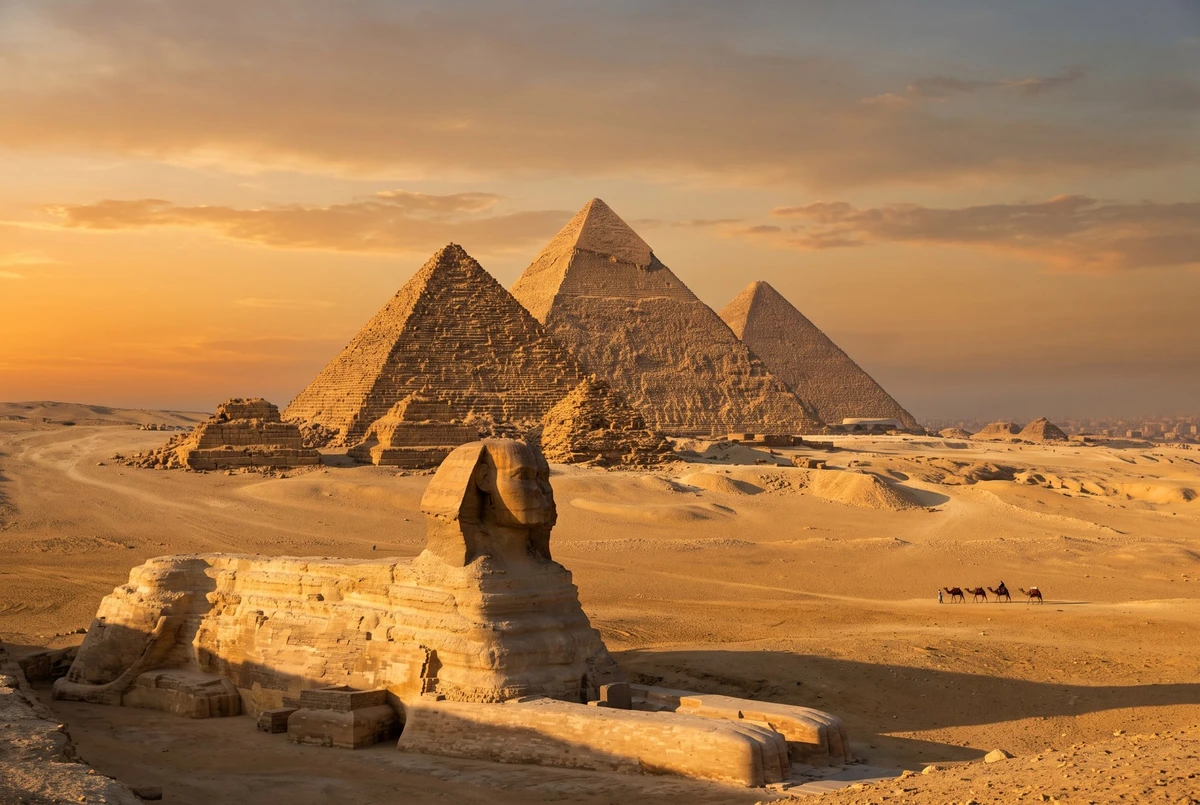
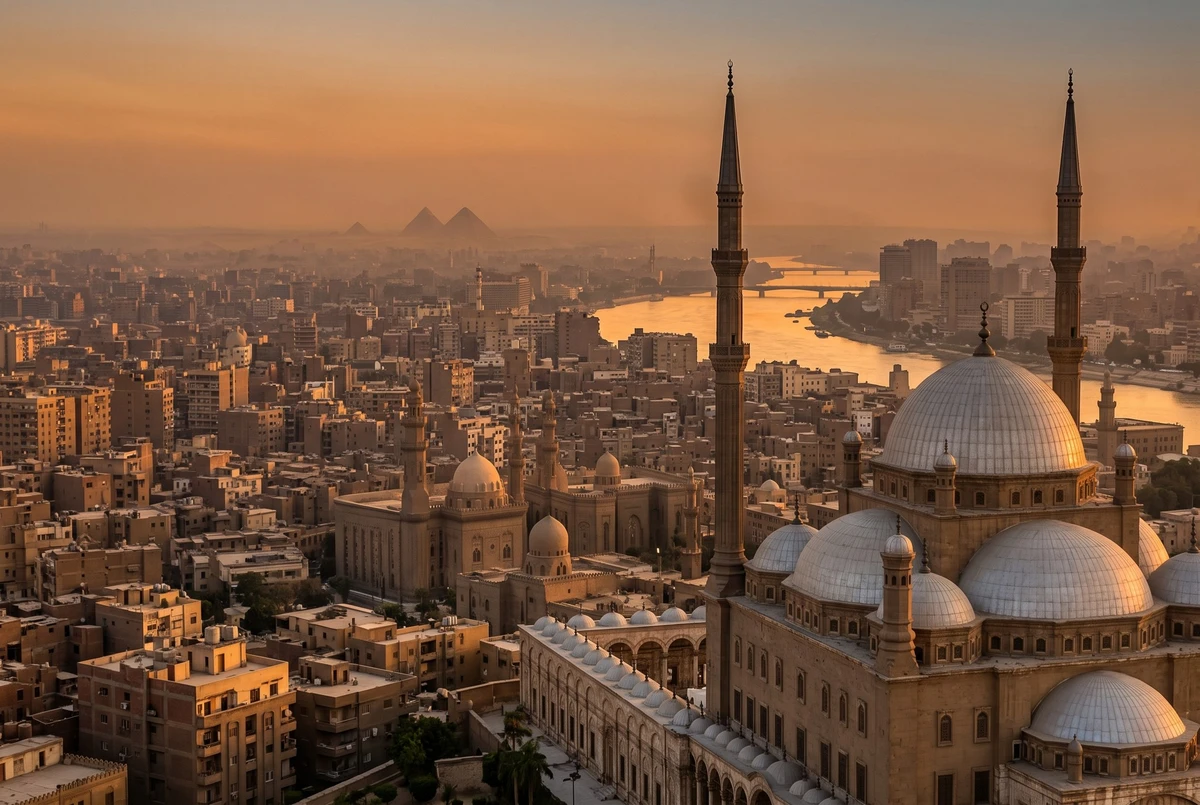
Dawn on the Giza Plateau arrives quietly. The sand is still cool underfoot, the call to prayer drifts up from the village of Nazlet el-Samman, and the Great Pyramid turns from grey to honey as the sun clears the Mokattam Hills. Down in the city, Cairo is already awake: bread sellers balance trays of aish baladi on their bicycles, tea glasses clink in a café off Khan el-Khalili, and the Nile flashes silver between the bridges.
Destinations
Choose a city to see everything we arrange there.
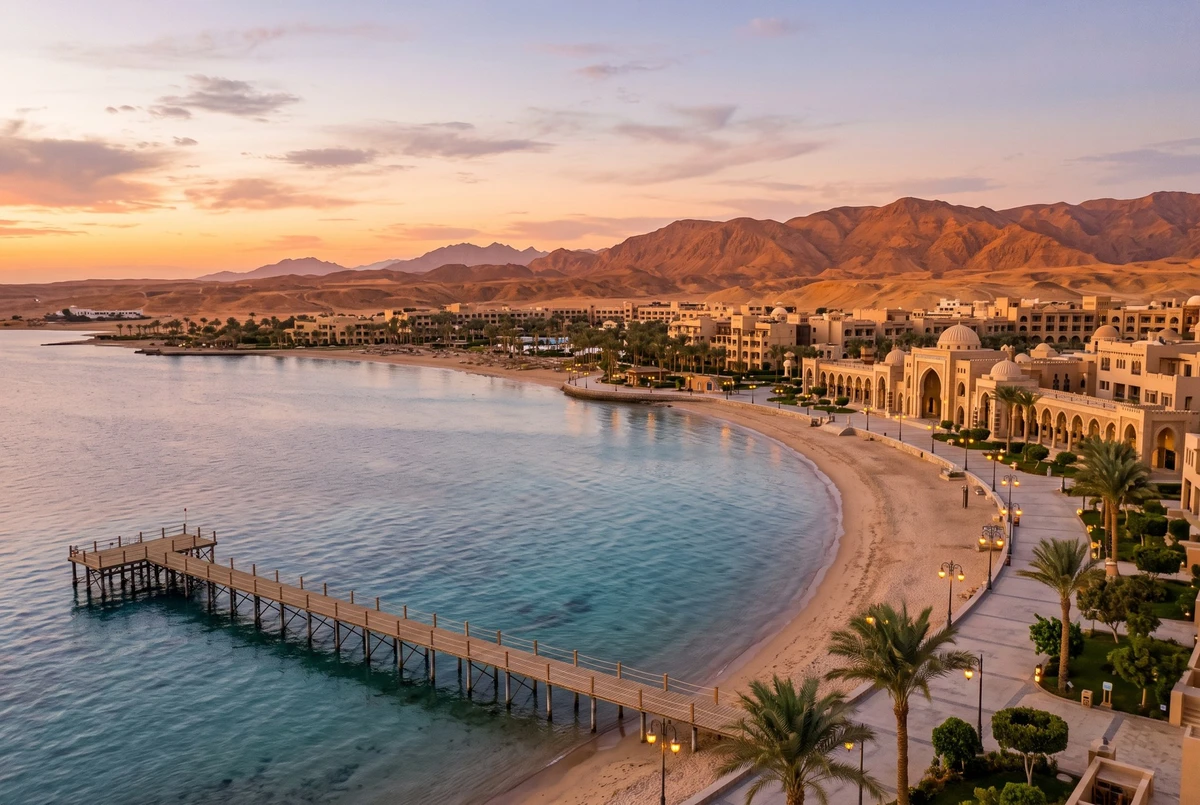
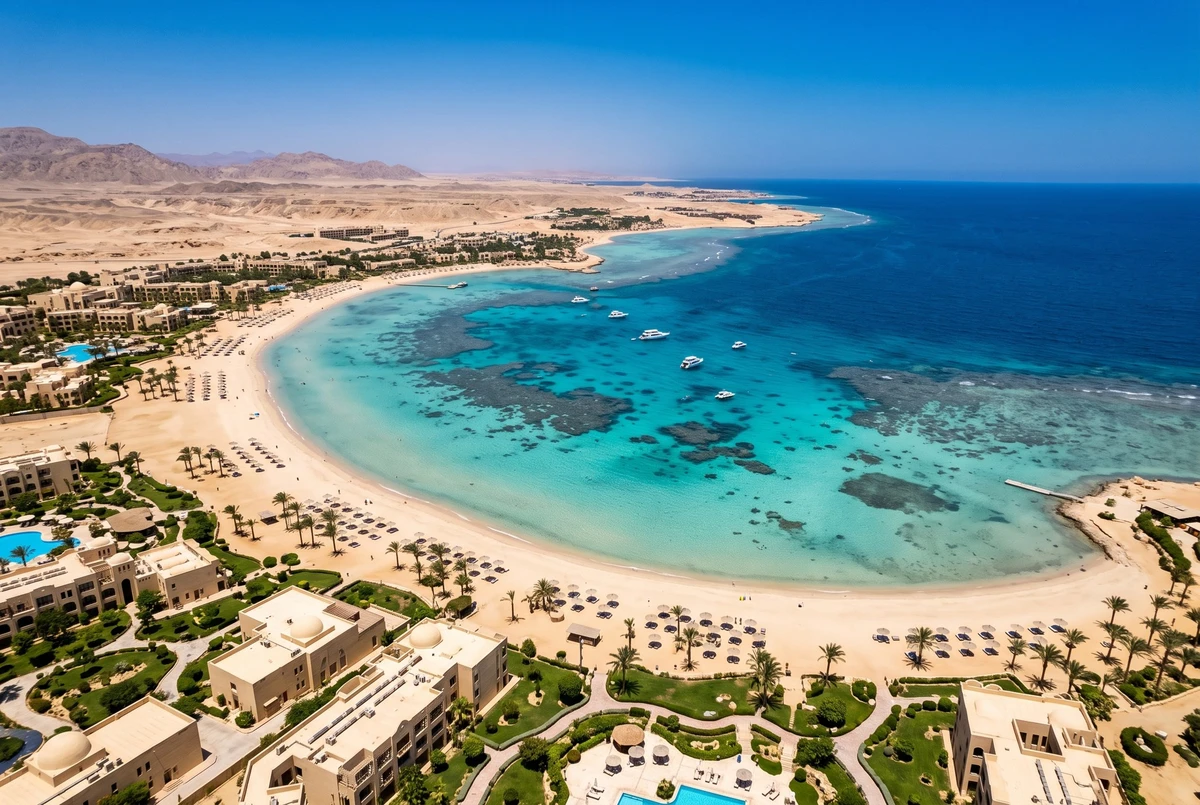
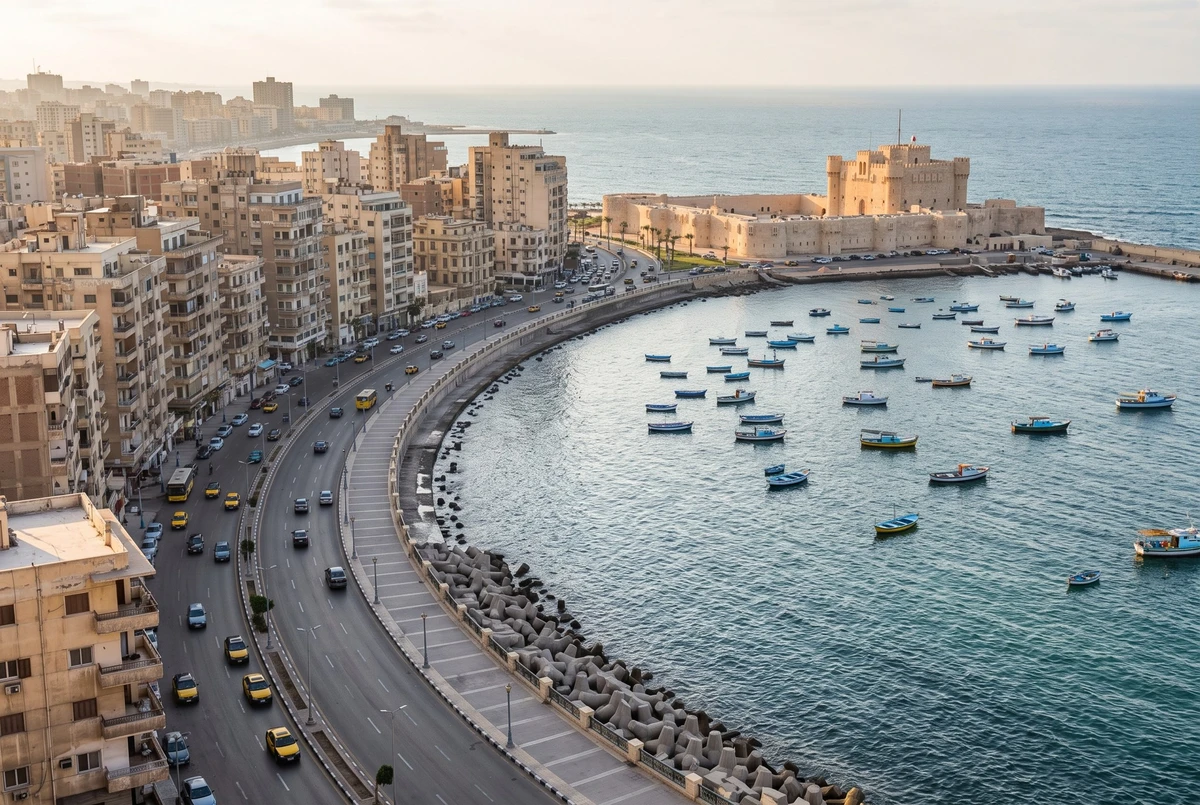
Services by city in Egypt
Attraction Tickets
Airport Transfers
Flight Tickets
The essence of Egypt
Egypt is irreplaceable because nowhere else does five thousand years of unbroken story sit so close to everyday life. You can stand inside a tomb painted for a pharaoh in the morning, share koshari with Cairenes at lunch, sail a felucca at sunset in Luxor and, a short flight away, float above coral gardens in the Red Sea at Sharm El Sheikh or Hurghada. Our team arranges the whole journey, from private airport transfers to guided day tours, and confirms every detail with you on WhatsApp before anything is paid.
Why visit Egypt?
Five Millennia Written in Stone
Egypt’s story runs from the Step Pyramid of Djoser at Saqqara, the world’s oldest monumental stone building, to the pyramids of Giza, the colossal hypostyle hall of Karnak and the painted tombs of the Valley of the Kings. Layer on Coptic Cairo’s Hanging Church, the Mosque of Ibn Tulun, Al-Azhar and the minarets of Islamic Cairo, then the Grand Egyptian Museum, where Tutankhamun’s treasures finally share a single roof.
A River Between Two Seas
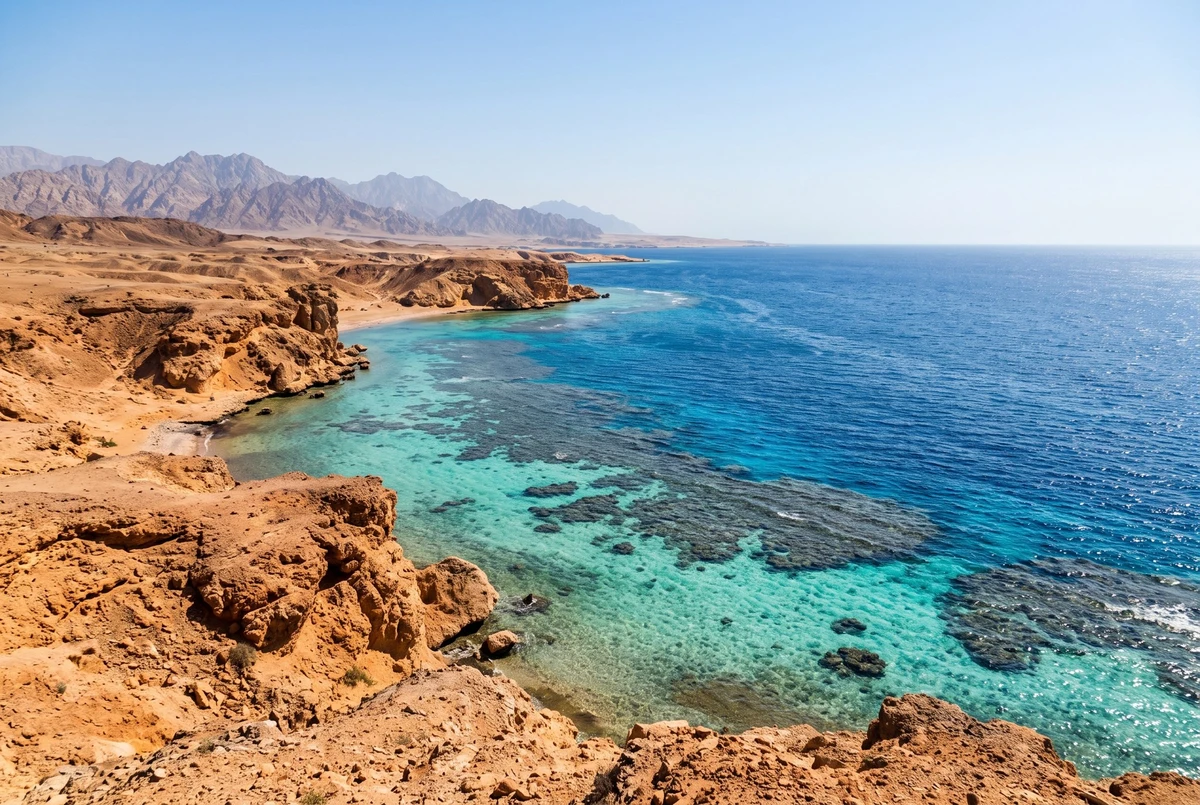
Egypt is desert stitched together by a single green thread. The Nile carves a narrow valley of palms, sugarcane and mud-brick villages from Aswan to the Delta, while beyond it lie the chalk sculptures of the White Desert and the date groves of the Siwa Oasis. To the east, the granite peaks of South Sinai tumble into the Red Sea, whose reefs at Ras Mohammed rank among the richest on the planet.
Bread, Spice and the Coffeehouse
Egyptian life is lived at the table and on the street. Breakfast is ful medames and crisp ta’meya made from fava beans; lunch might be koshari, molokhia or fatta. Afternoons belong to sweet mint tea, ruby hibiscus karkadeh and freshly pressed sugarcane juice. In Ramadan, lanterns glow over the alleys and long iftar tables fill the pavements, while Nubian villages near Aswan keep their own painted houses, music and generous hospitality.
Moments Found Only Here
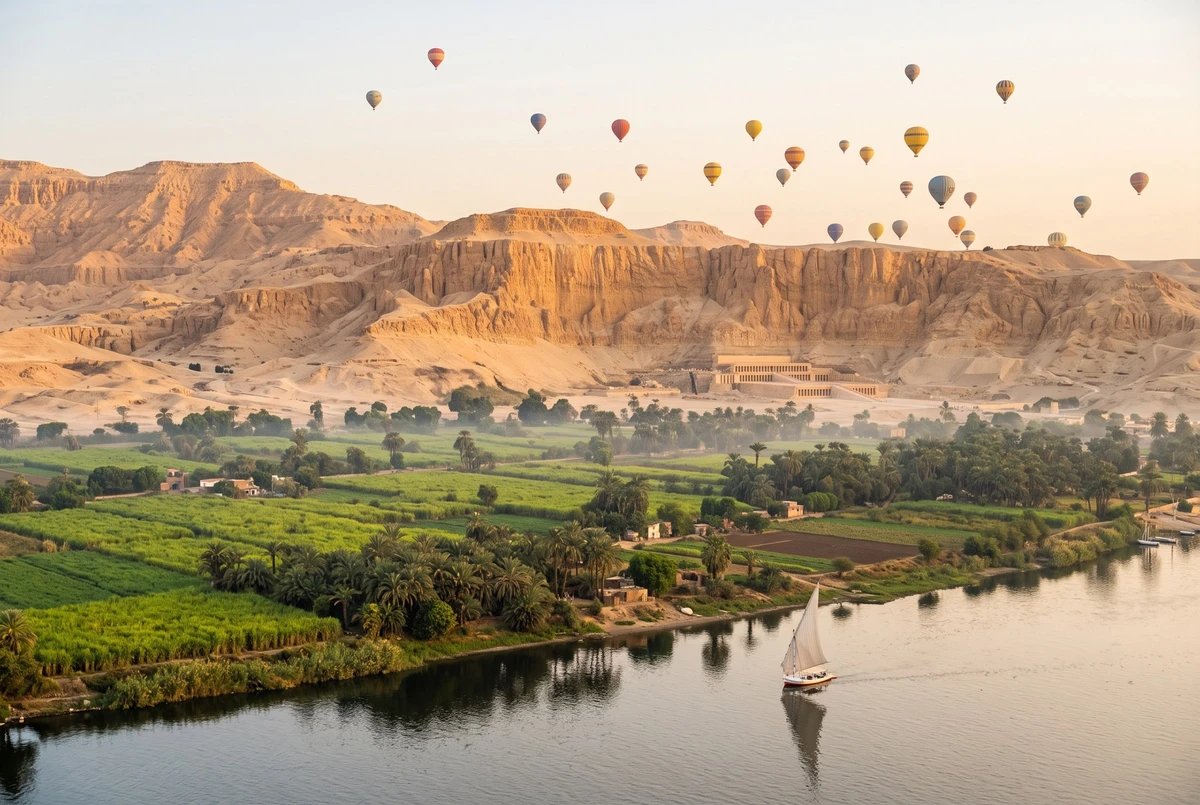
Drift above the Theban Necropolis in a hot-air balloon at sunrise and watch temples emerge from the morning mist below. Stand in a burial chamber deep inside a pyramid, hear the call to prayer roll across Cairo’s thousand minarets from the Citadel, then, in the same week, snorkel among parrotfish at Ras Mohammed. Few countries let you move from pharaonic tombs to living coral with such ease.
Who is Egypt for?
Ideal for
- History lovers and first-time visitors to the ancient world
- Families with curious children
- Divers and snorkellers
- Couples seeking Nile sunsets and Red Sea resorts
- Travellers drawn to the mosques and souks of Islamic Cairo
- Photographers chasing desert light
Pace & travel style
- Early starts, long shaded lunches and sunset time on the river
- Best as a two-centre trip: Nile history, then Red Sea rest
- A private car and guide make temple days far more comfortable
- Domestic flights or the overnight sleeper train for the long hops
When to visit Egypt
Peak season · December–February
Egypt’s winter is its golden season: crisp mornings, warm sunny afternoons and cool desert nights, perfect for long days at Karnak or in the Valley of the Kings. Christmas, New Year and mid-winter school holidays bring the biggest crowds and the busiest hotels and Nile cruises, so popular dates fill early. Book balloon flights, sleeper trains and central hotels well ahead, and plan sightseeing for the first hours of the day.
Shoulder season · October–November and March–April
These are the smart traveller’s months. Temperatures in Luxor and Aswan stay comfortable for temple days, the Red Sea remains warm enough for long snorkelling sessions, and crowds thin noticeably outside holiday weeks. Spring can bring the occasional dusty khamsin wind, while autumn light is soft and golden. Hotel availability is better, and private guides are easier to secure on your preferred dates.
Low season · May–September
Summer in Upper Egypt is fiercely hot, so sightseeing shifts to sunrise and late afternoon, with long, shaded middays in between. In return, the great sites are quieter, hotels are more generous, and the Red Sea resorts of Sharm El Sheikh and Hurghada are at their liveliest for families and divers, cooled by steady sea breezes. Cairo and Alexandria suit travellers who plan around the heat and love long evenings out.
The regions of Egypt and how to combine its cities
Egypt divides naturally along its river. Lower Egypt, confusingly the north, is the fan-shaped Delta and the Mediterranean coast: Cairo sits at its apex, a megacity of Islamic, Coptic and modern quarters, while Alexandria looks out to sea with its corniche, Roman catacombs and great new library. Upper Egypt, to the south, is the slender valley of temples and tombs around Luxor and Aswan, where Nubian culture colours daily life.
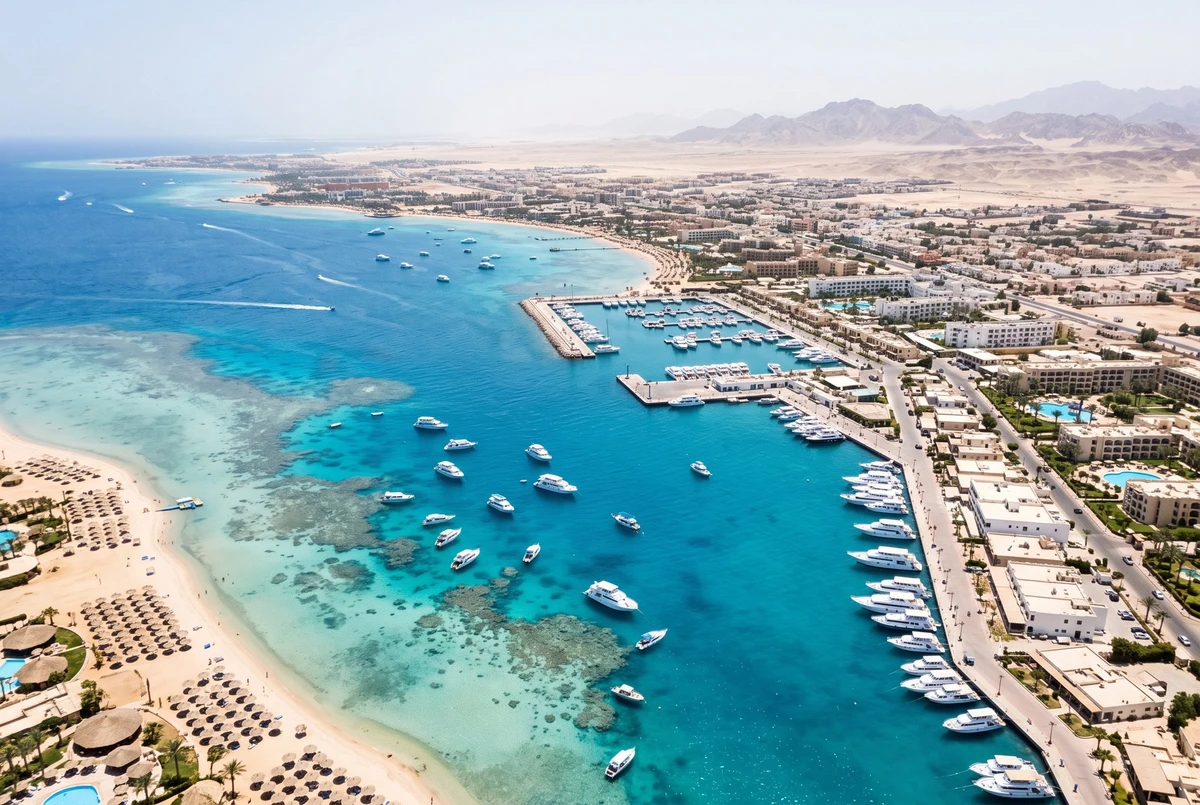
East of the Nile, the Eastern Desert rolls down to the Red Sea coast around Hurghada, while across the Gulf of Suez the Sinai Peninsula rises in granite ranges to St Catherine’s Monastery before dropping to the beaches and reefs of Sharm El Sheikh. To the west, the Western Desert shelters the oases of Siwa, Bahariya and Farafra and the surreal white chalk formations of the White Desert.
Our city directory below covers the cities that anchor the classic Egyptian journey. Begin in Cairo for the pyramids and the Grand Egyptian Museum, continue to Luxor by flight or overnight train for the temples and royal tombs, then unwind on the Red Sea in Hurghada or Sharm El Sheikh. Pairing Cairo and Luxor with one coast builds a balanced itinerary of history, river life and rest, and our team links every stage with private transfers and the tickets you need.
Before you go: practical tips for Egypt
Entry & visas
Many nationalities can obtain an Egyptian eVisa online before travel, and visa on arrival is available at major airports for a number of passports. Some travellers, including certain residents of Gulf countries, follow different rules, and visitors staying only in South Sinai resorts may have special arrangements. Requirements depend on your passport, so always check the official Egyptian government portal or your nearest embassy before booking.
Money, cards & tipping
The Egyptian pound is the local currency. Cards are widely accepted in hotels, malls and larger restaurants, but carry small notes for markets, taxis, tips and site attendants. Tipping, known as baksheesh, is woven into daily life: a modest amount for porters, drivers and guides, and around ten percent in restaurants where service is not included. Bargaining is expected in the souks; keep it friendly, patient and smiling.
Etiquette & dress code
Dress modestly away from the beach, covering shoulders and knees, especially in Islamic and Coptic Cairo. Remove your shoes in mosques, and women should cover their hair; scarves are often available at major sites. Photography rules vary inside tombs and museums, so check what your ticket allows. Always ask before photographing people, and during Ramadan avoid eating or drinking openly in the street in daylight hours.
Getting around
Domestic flights link Cairo with Luxor, Aswan, Hurghada and Sharm El Sheikh in around an hour, and the overnight sleeper train between Cairo and Luxor is a classic journey in itself. Seasonal ferries cross the Red Sea between Hurghada and Sharm El Sheikh. For airport arrivals and road journeys, our team arranges private chauffeured transfers with vetted drivers, and we issue flight, train and ferry tickets for your route.
Must-do things in Egypt
- Watch sunrise over the Giza pyramids, then explore the Sphinx and the Valley Temple
- Meet Tutankhamun’s golden treasures at the Grand Egyptian Museum near Giza
- Wander Khan el-Khalili and the medieval lanes of Al-Muizz Street at dusk
- Float over Luxor’s West Bank in a hot-air balloon at first light
- Walk among the giant columns of Karnak’s hypostyle hall with an Egyptologist guide
- Descend into the vividly painted royal tombs of the Valley of the Kings
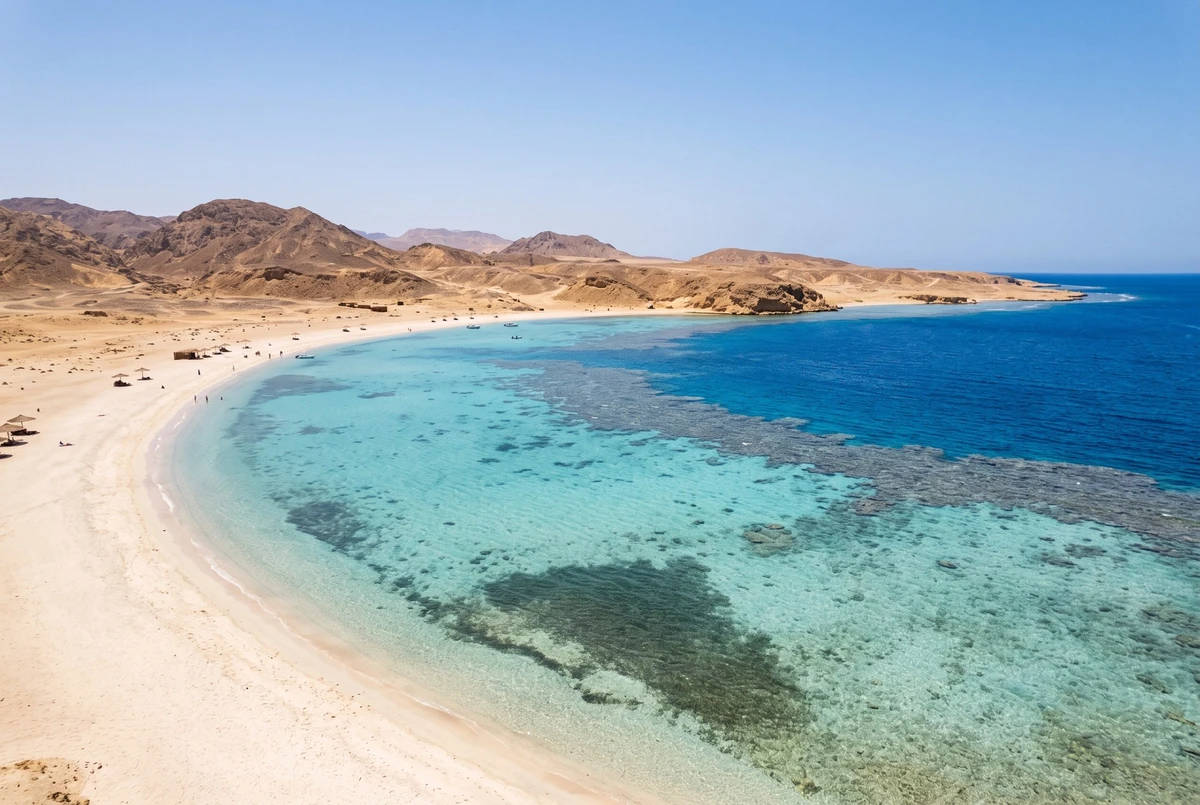
- Snorkel the coral walls of Ras Mohammed National Park near Sharm El Sheikh
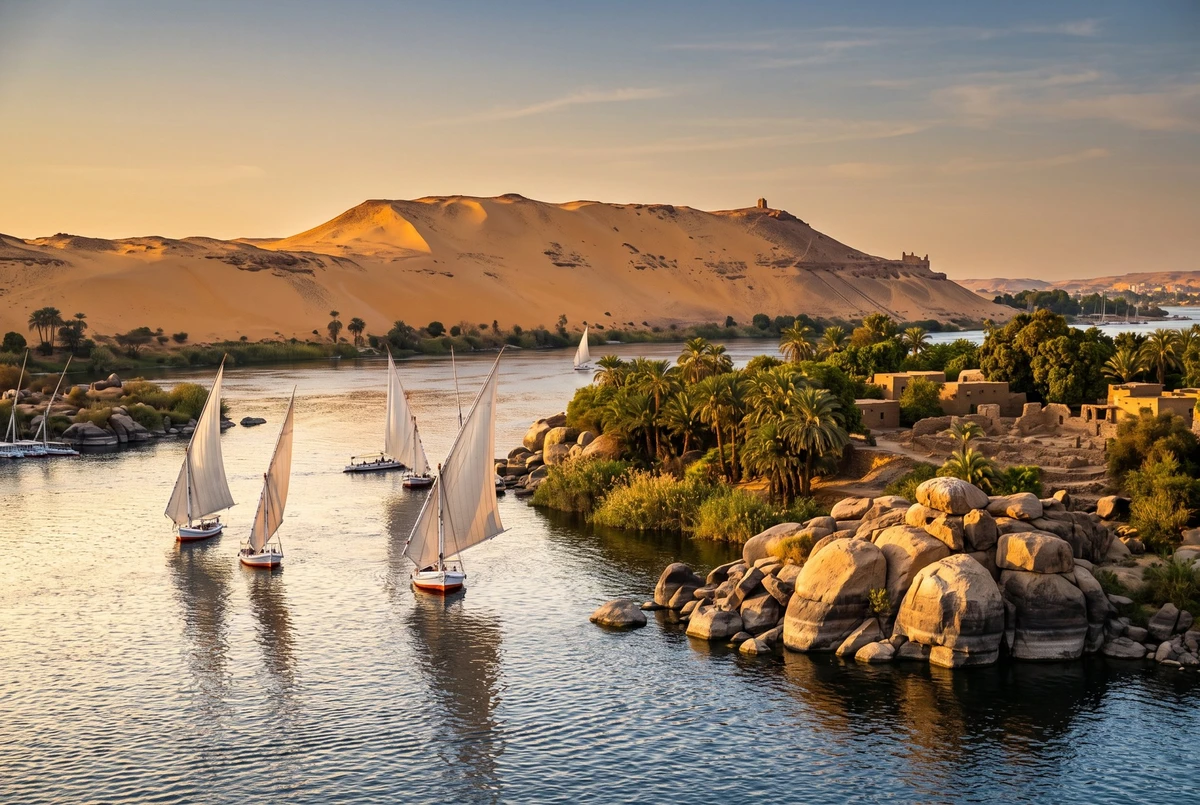
- Sail a traditional felucca on the Nile at sunset in Luxor or Aswan
- Eat koshari, ful and hot ta’meya at a busy neighbourhood canteen in Cairo
- Climb Mount Sinai before dawn, then visit St Catherine’s Monastery at its foot
Do’s and don’ts in Egypt
Do
- Start sightseeing early to beat the heat and the crowds at major sites
- Carry small notes for tips, restrooms and market purchases
- Dress modestly in cities, mosques and churches
- Drink bottled water and keep sun protection with you all day
- Agree the fare with taxis and boat owners before setting off
Don’t
- Don’t climb on monuments or touch the painted walls of tombs
- Don’t photograph people, police or military sites without permission
- Don’t follow unofficial “guides” who approach you at site entrances
- Don’t eat or drink openly in the street during Ramadan daylight hours
- Don’t overpack your days: Egypt rewards travellers who leave room to rest
Egypt at a glance
Plan Egypt with Haqqi Tours
Every option is confirmed by our team on WhatsApp before you pay, and delivered by our own people or by trusted local partners we work with in every city. Because we send travellers from all over the world, our partners give us special rates and priority, so you always receive the best. Prices are per person unless marked per vehicle.
About Haqqi Tours: About us Contact us Legal NoticePrivacy PolicyCookies & Marketing PreferencesTerms & ConditionsBooking, Payment & Refunds
Where we operate in Egypt
Good to know
Frequently Asked Questions
Straight answers to what travellers ask most about Egypt.
Is it safe to visit Egypt?
Egypt welcomes millions of visitors every year, and the main tourist areas of Cairo, Luxor, Aswan and the Red Sea resorts have a visible security presence. Use normal big-city sense with belongings and traffic, travel with a licensed guide or driver, and check your government’s official travel advice before departure. Keep our WhatsApp line handy throughout your trip.
How many days do I need for a first trip to Egypt?
Plan seven to ten days for a first trip. Allow three nights in Cairo for Giza, Saqqara and the museums, two or three nights in Luxor to cover both banks of the Nile, and three or four nights on the Red Sea. With fourteen days, add Aswan, Abu Simbel or a Nile cruise.
What is the best way to travel between Egypt's major cities?
Domestic flights are the fastest way to link Cairo with Luxor, Hurghada and Sharm El Sheikh. The sleeper train between Cairo and Luxor is a memorable alternative, and Luxor to Hurghada is a comfortable road journey. Our team issues flight and train tickets and arranges private transfers so every connection runs smoothly from door to door.
Can a trip to Egypt be tailored for luxury or private travel?
Absolutely. We can tailor a private Egypt journey with your own Egyptologist guide, a private car and driver throughout, Nile-view hotels in Cairo and Luxor and refined Red Sea resorts. Tell our team your pace, interests and preferred style on WhatsApp, and we will shape the itinerary around you and confirm everything before anything is paid.
Is Egypt tourist friendly?
Very. Tourism has shaped Egyptian life for generations, so hotels, guides and restaurants in the main destinations are used to international guests, and English is widely spoken in tourist areas. Arabic speakers will feel instantly at ease. Expect warm hospitality, some persistent vendors at the famous sites, and helpful locals ready to point the way.
Is it safe to travel to Egypt now?
Conditions can change anywhere, so before you travel check the official travel advice of your own government for Egypt and register your trip if your country offers that service. In the main tourist areas, daily life and sightseeing generally continue as normal. Our team stays in touch on WhatsApp during your journey and can adjust plans if needed.
What is the best time to visit Egypt?
October to April is the most comfortable period for Cairo, Luxor and Aswan, with December to February the coolest and busiest. March, April, October and November balance pleasant weather with thinner crowds. Summer is very hot inland but excellent for Red Sea beach holidays and diving at Sharm El Sheikh and Hurghada.
What is Egypt famous for?
Egypt is famous for the pyramids of Giza, the Sphinx, the temples of Luxor and Karnak, the Valley of the Kings and Tutankhamun’s treasures. It is also known for the Nile itself, the minarets of Islamic Cairo, Red Sea coral reefs, koshari and sweet mint tea, and the warmth and humour of its people.
How does a family get between Cairo and Sharm El Sheikh?
The two cities are not connected by an easy road trip, so Haqqi Tours arranges a flight between them, then meets the family again on arrival with a car and driver already booked in writing.
What does the car with driver in Cairo cover?
It includes a driver for the day around Cairo, taking in the Pyramids of Giza and the Egyptian Museum near the Nile, arranged in advance over WhatsApp with a fixed price confirmed in writing.
What is the Sharm El Sheikh to Dahab transfer for
It carries a family staying near Sharm El Sheikh onward along the Sinai coast to Dahab, booked as a single transfer once the driver, vehicle, and a written price are agreed over WhatsApp before departure.
Which cities in Egypt does Haqqi Tours cover?
Cairo, Hurghada, Sharm El Sheikh, Luxor, Aswan, Marsa Alam, El Gouna, Sahl Hasheesh, Makadi Bay and Alexandria. Each city has its own page with everything available there, and a trip across several cities is planned in one WhatsApp conversation.
What can I book in Egypt?
Day tours, attraction tickets, private airport transfers, flight tickets and train tickets - all run or confirmed by Haqqi Tours, each with a fixed price agreed on WhatsApp before you pay.
How do I book a tour or transfer in Egypt?
Fill in the form on the page you are interested in, or message us on WhatsApp with the date, the number of travellers and your hotel. A member of our team confirms the price and the details in writing within minutes.
Are the prices fixed?
Yes. Every price is agreed in writing on WhatsApp before you travel and does not change on the day - not for traffic, not for a late flight, not for the hour.
Do you arrange transfers between cities in Egypt?
Yes. Intercity transfers by private car or van are booked the same way as airport transfers; tell the desk the two hotels and the date and it quotes a fixed price for the whole vehicle.