
Austria
Across Austria's cities and alpine valleys, Haqqi Tours arranges day trips, tickets and private transfers by WhatsApp, price fixed before your family pays.
Morning in Vienna begins with the scrape of a bentwood chair on a coffee-house floor, the hiss of an espresso machine and the scent of warm apple strudel drifting across the Graben. By noon you are walking the mirrored halls of the Hofburg; by evening, the gilded hall of the Musikverein fills with the waltzes that once swept the Habsburg court. A short train ride west, the air turns sharp and clean, Salzburg’s baroque domes gather beneath a white fortress, and beyond them the Alps rise in tiers of pine, granite and glacier.
Destinations
Choose a city to see everything we arrange there.
Services by city in Austria
Airport Transfers
Train Tickets
The essence of Austria
Austria is irreplaceable because it keeps an empire’s elegance and a mountain village’s simplicity within a single journey. Few countries let you hear Mozart in the city of his birth, then wake beside a lake so clear you can count the pebbles under the jetty. Our team arranges private airport transfers, guided day tours, attraction and train tickets, so Austria unfolds at your own pace, from imperial ballroom to alpine summit.
Why visit Austria?
Six Centuries of Habsburg Splendour
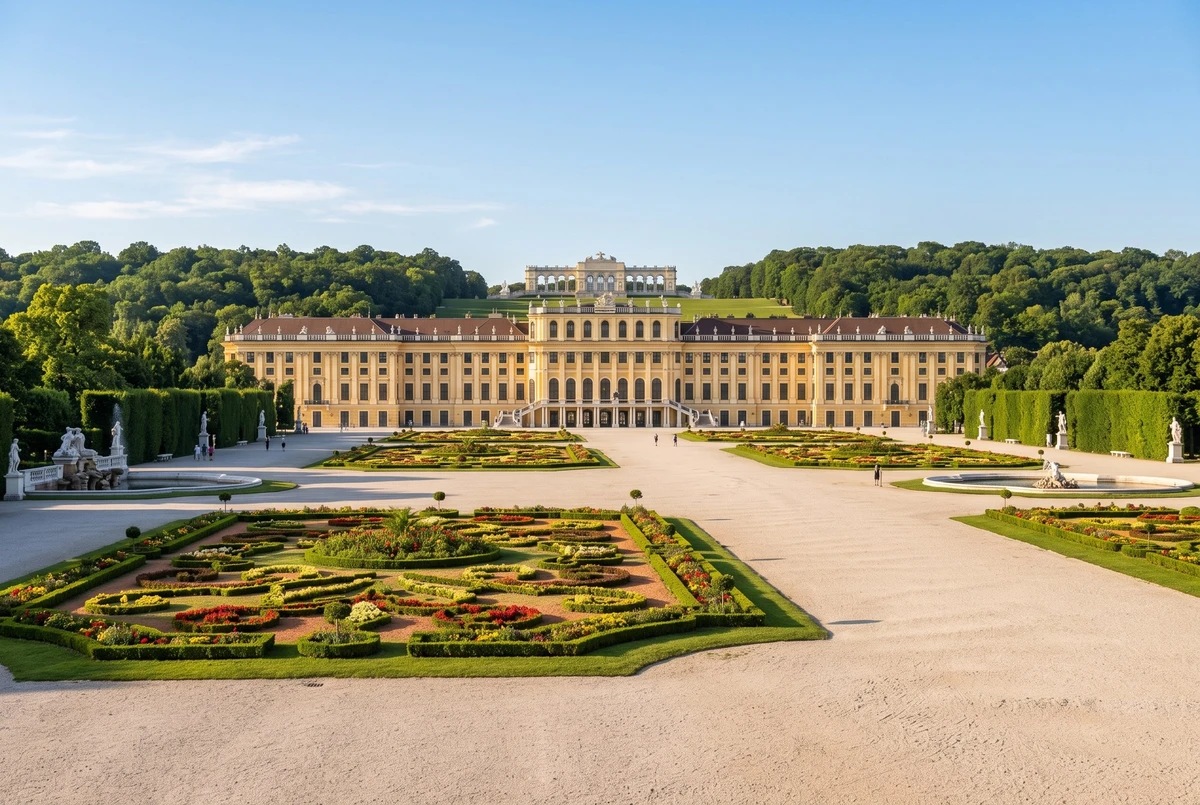
For more than six hundred years the Habsburgs ruled a vast empire from Vienna, and the capital still wears that power openly: Schönbrunn Palace with its formal gardens, the sprawling Hofburg, the Gothic spire of St. Stephen’s Cathedral and the grand boulevards of the Ringstrasse. Salzburg’s prince-archbishops built their own baroque city of domes and fountains, while the salt mines above Hallstatt, worked for thousands of years, reveal a story far older than any crown.
Alps, Lakes and the Blue Danube
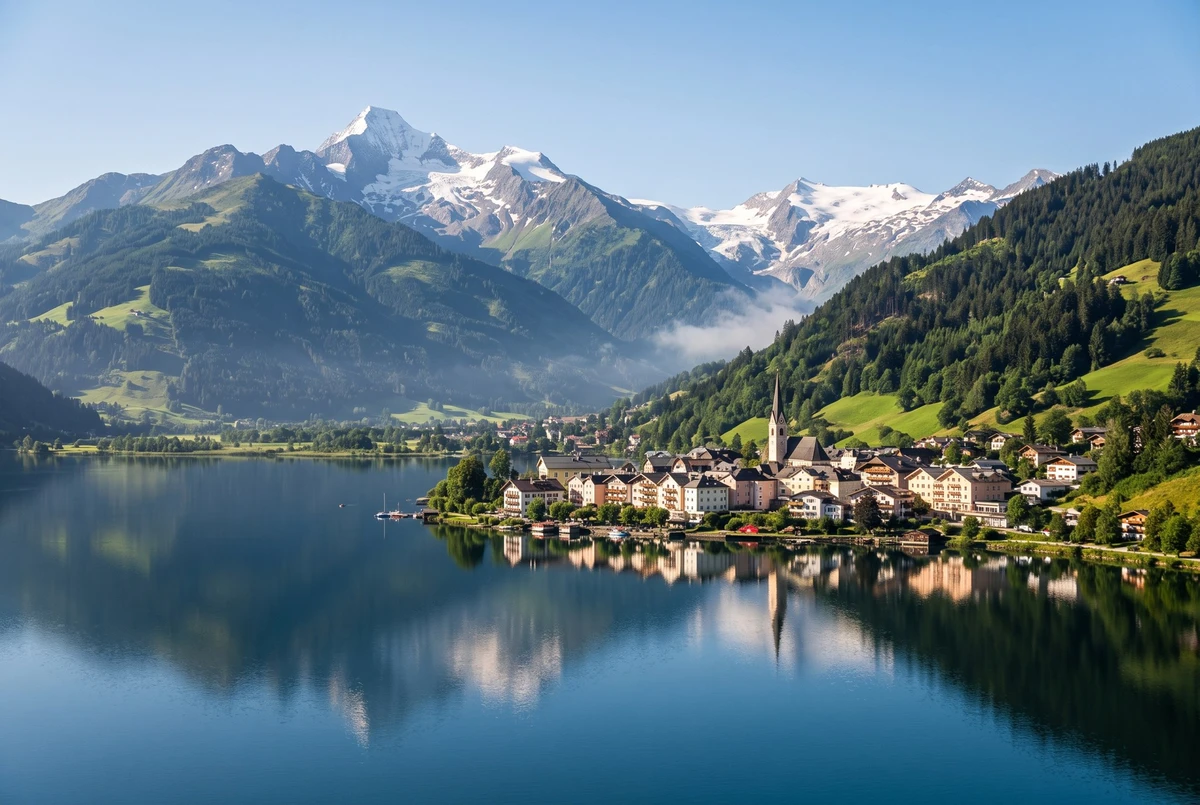
Nearly two-thirds of Austria is mountain country. The Grossglockner, the nation’s highest peak, crowns the Hohe Tauern National Park, where glaciers feed the thundering Krimml Waterfalls. Further north, the Salzkammergut scatters emerald lakes such as Wolfgangsee and Hallstätter See between limestone walls, and Zell am See mirrors its peaks in a glassy alpine lake. In the east the land softens into the Danube valley, with orchards, monasteries and gentle riverside cycling paths.
Coffee Houses, Waltzes and Alpine Kitchens
Viennese coffee-house culture is recognised by UNESCO as intangible heritage, and lingering over a melange and a slice of Sachertorte is a ritual, not a pause. Lunch might be a golden Wiener Schnitzel, Tafelspitz simmered in broth or fluffy Kaiserschmarrn dusted with sugar. Music is everywhere, from the Vienna State Opera to village brass bands, while traditional dirndl and Lederhosen still appear at festivals, Sunday markets and the glowing Advent markets of December.
Moments Only Austria Can Give
Hear the Vienna Boys’ Choir sing Sunday Mass in the Hofburg’s Imperial Chapel. Slide down a polished wooden miners’ chute deep inside a prehistoric salt mine. Ride the Grossglockner High Alpine Road with a private driver, through hairpin bends to the edge of the Pasterze Glacier, then stand on summer snow at the Kitzsteinhorn above Kaprun. In winter, wander a Christmas market beneath baroque façades with roasted chestnuts and hot chocolate in hand.
Who is Austria for?
Ideal for
- Classical music and opera lovers
- Families wanting a safe, scenic holiday
- Couples planning a romantic Alpine escape
- Travellers escaping the summer heat
- Architecture and history enthusiasts
- Winter-sports and snow seekers
Pace & travel style
- Unhurried city days with long coffee-house pauses
- Scenic rail journeys from Vienna to Salzburg and the Alps
- Lake-and-mountain days with gentle walks and boat rides
- Private chauffeured loops for families and small groups
When to visit Austria
Peak season · June–August
Summer brings long, warm days, lakes mild enough for swimming and alpine meadows full of wildflowers. It is the favourite season for families from hotter climates, who trade summer heat for cool mountain air in Zell am See and the Salzkammergut. Expect busy viewpoints, lively lakeside promenades and higher hotel rates, so securing rooms, transfers and attraction tickets early makes a real difference to the trip.
Shoulder season · April–May, September–October
Spring wakes the orchards of the Danube valley and fills Vienna’s parks with blossom, while autumn paints the Alps in gold and copper under crisp blue skies. Crowds thin, hotels become more flexible and walking between palaces and museums is pure pleasure. Smart travellers choose these months for city breaks combined with lake days, accepting cooler evenings and the occasional shower in exchange for space.
Low season · November–March
Winter is quiet in the cities and dark by late afternoon, yet it holds two of Austria’s greatest pleasures: the candlelit Advent markets from late November and the ski season in the Alps. Outside the Christmas weeks and ski holidays, Vienna and Salzburg are calm and good value, museums are uncrowded and concert halls are at their liveliest. Pack layers, waterproof shoes and patience for short mountain days.
The regions of Austria and how to combine its cities
Austria divides cleanly into a gentle east and a mountainous west. The east is the land of the Danube: Vienna sits where the Alps finally fade into the Pannonian plain, surrounded by Lower Austria’s abbeys, castles and the river valleys of the Wachau. This is imperial and intellectual Austria, of palaces, museums, concert halls and coffee houses, with a continental climate of warm summers and cold, dry winters.
Travel west and the land climbs. Salzburg guards the gateway to the Alps, the Salzkammergut spreads its lakes and salt towns across three provinces, and Tyrol, Salzburg Land and Carinthia wrap high valleys, glaciers and ski resorts around the spine of the Hohe Tauern. Here life follows the seasons: summer for hiking, lakes and alpine pastures, winter for snow, sleigh rides and wood-panelled mountain inns.
Our city directory below gathers the three bases we cover. Vienna, Salzburg and Zell am See together trace the whole Austrian story: begin with palaces and opera in the capital, ride the train to Salzburg for baroque lanes and Mozart, then continue into the mountains for lake and glacier days. Paired in that order across seven to ten days, with our private transfers linking them, they create the ideal first itinerary.
Before you go: practical tips for Austria
Entry & visas
Austria is part of the Schengen area, so a single Schengen visa usually covers it along with most of its neighbours, and many nationalities can enter visa-free for short stays. Requirements for other travellers vary, and rules change from time to time. Everything depends on your passport, so check the official Austrian government portal or the nearest embassy before booking, and apply well ahead of the summer rush.
Money, cards & tipping
Austria uses the euro. Cards are accepted in hotels, larger restaurants and most shops, but traditional coffee houses, mountain huts and market stalls often prefer cash, so carry some notes. Tipping is customary: round up the bill or add around ten percent in restaurants, handing it directly to the waiter rather than leaving it on the table. Bargaining is not part of the culture outside flea markets.
Etiquette & dress code
Greet people with a polite «Grüß Gott» or «Guten Tag» when entering shops, and expect punctuality to be taken seriously. In churches and abbeys, cover shoulders and keep voices low, especially during services. Photography is usually welcome, but check signs inside palaces and museums. Austrians value quiet on public transport and on Sundays, when most shops close. Modest dress is perfectly comfortable everywhere.
Getting around
Austria’s rail network is efficient and scenic, with fast trains linking Vienna and Salzburg in under three hours and continuing into the Alps. Domestic flights exist but are rarely needed. Lake ferries cross Wolfgangsee, Traunsee and Zell am See in summer. For families, luggage-heavy trips and mountain roads, our private chauffeured transfers link airports, cities and lake resorts door to door.
Must-do things in Austria
- Tour Schönbrunn Palace and climb to the Gloriette for a sweeping view over Vienna.
- Spend an unhurried afternoon in a historic Viennese coffee house with Sachertorte and melange.
- Attend a classical concert or opera performance in one of Vienna’s grand music halls.
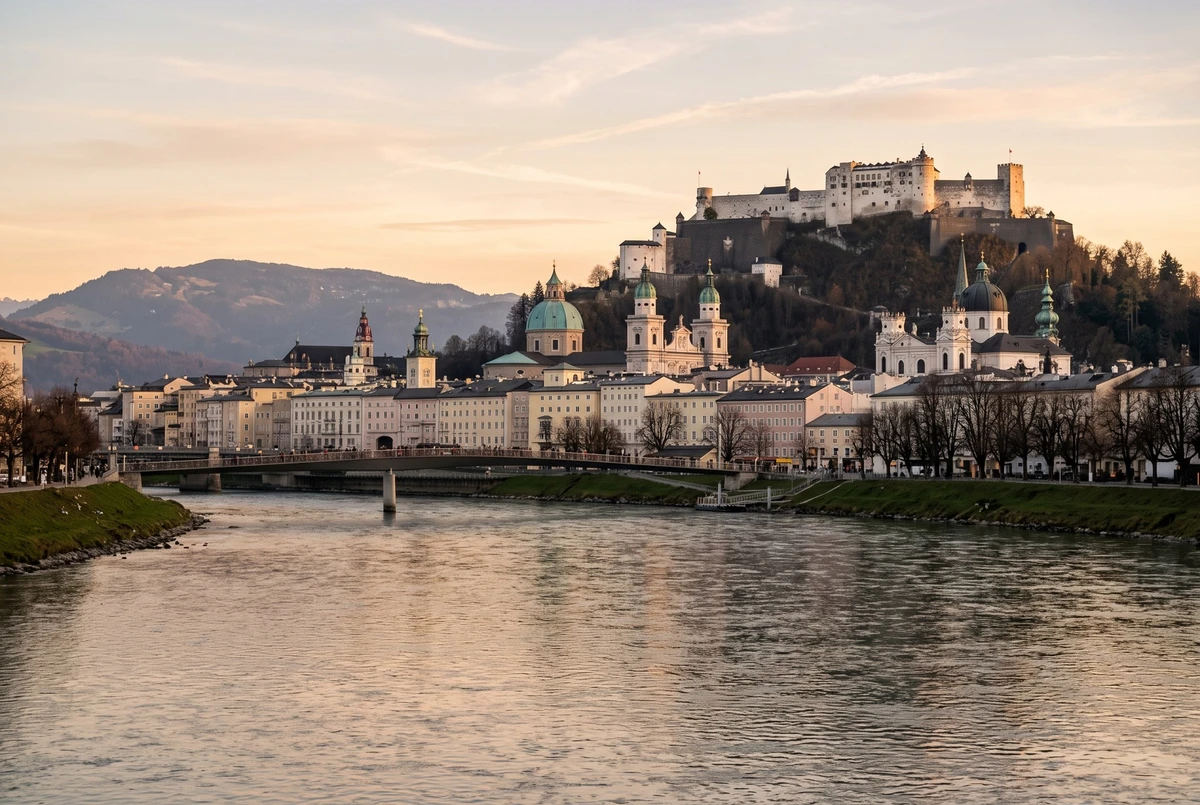
- Walk Salzburg’s Getreidegasse to Mozart’s birthplace, then ride the funicular to Hohensalzburg Fortress.
- Cruise the turquoise waters of Wolfgangsee and explore the lakeside village of St. Wolfgang.
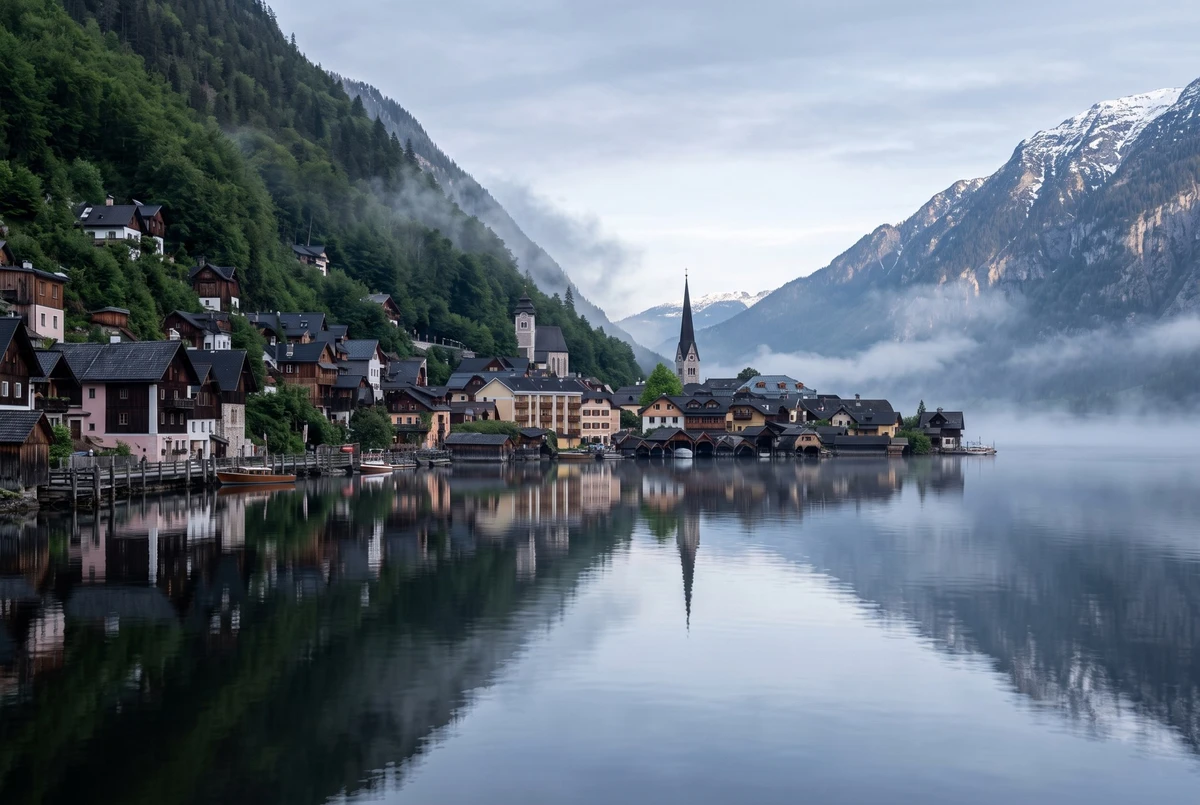
- Photograph Hallstatt’s pastel houses reflected in the lake from the classic viewpoint at dawn.
- Stand on year-round snow at the Kitzsteinhorn glacier, high above Kaprun and Zell am See.
- Ride the Grossglockner High Alpine Road to see the Pasterze Glacier up close.
- Feel the cool spray of the Krimml Waterfalls, among the highest falls in Europe.
- Wander a candlelit Advent market in Vienna or Salzburg between late November and December.
Do’s and don’ts in Austria
Do
- Do book summer transfers, hotels and attraction tickets early, as Austria fills quickly.
- Do carry some cash for coffee houses, mountain huts and market stalls.
- Do pack layers and a light rain jacket, even in July, for changeable mountain weather.
- Do greet shopkeepers and staff before asking a question.
- Do validate public transport tickets where required before boarding.
Don’t
- Don’t expect shops to open on Sundays; plan shopping and groceries ahead.
- Don’t walk in marked cycle lanes in Vienna; cyclists move fast.
- Don’t leave your tip on the table; hand it to the server when paying.
- Don’t underestimate alpine weather or hike without proper shoes.
- Don’t try to cram Vienna, Salzburg and the Alps into three rushed days.
Austria at a glance
Plan Austria with Haqqi Tours
Every option is confirmed by our team on WhatsApp before you pay, and delivered by our own people or by trusted local partners we work with in every city. Because we send travellers from all over the world, our partners give us special rates and priority, so you always receive the best. Prices are per person unless marked per vehicle.
About Haqqi Tours: About us Contact us Legal NoticePrivacy PolicyCookies & Marketing PreferencesTerms & ConditionsBooking, Payment & Refunds
Where we operate in Austria
Good to know
Frequently Asked Questions
Straight answers to what travellers ask most about Austria.
Is it safe to visit Austria?
Austria is one of Europe’s safest and most orderly destinations, with clean cities, reliable transport and low crime. Normal precautions apply in crowded spots such as Vienna’s main stations and Christmas markets, where pickpockets occasionally work. In the mountains, respect weather warnings and marked trails. Our team stays reachable on WhatsApp throughout your stay.
How many days do I need for a first trip to Austria?
Seven to ten days is ideal. Give Vienna three or four days for palaces, museums and music, Salzburg two days for its old town and a lakes excursion, and the Alps around Zell am See two or three days. With fourteen days you can slow down and add the Salzkammergut lakes at leisure.
What is the best way to travel between Austria's major cities?
Trains are the backbone: fast, comfortable and scenic, linking Vienna, Salzburg and the Alpine valleys with frequent departures. We issue train tickets and can reserve seats for families. For mountain resorts, heavy luggage or a smoother door-to-door journey, our private chauffeured transfers connect airports, cities and lakes, pausing at viewpoints along the way.
Can a trip to Austria be tailored for luxury or private travel?
Absolutely. We can tailor an itinerary around private airport transfers, a dedicated car and driver between cities, private guided day tours and reserved seats at concerts and attractions. Families appreciate spacious vehicles and flexible timings, and our team confirms every detail with you on WhatsApp before anything is paid, so the journey feels effortless.
Is Austria tourist friendly?
Very. Austria has welcomed visitors for centuries, and tourism is woven into daily life. English is widely spoken in hotels, restaurants and attractions, signage is clear and public transport is easy to use. Visitors will find halal restaurants in Vienna and growing options in Zell am See and Salzburg, plus family-friendly hotels throughout.
Is it safe to travel to Austria now?
Austria is generally a calm and stable destination for travellers. Conditions anywhere can change, so check the official travel advice of your own government shortly before departure and follow local guidance in the mountains, especially about weather. Keep our WhatsApp line handy; our team can help with transfers and changes while you travel.
What is the best time to visit Austria?
For lakes, mountains and long days, June to September is best, with July and August the busiest. April, May and October offer gentler crowds and lovely city weather. For Christmas markets and snow, come from late November through December, while January to March suits skiing and quieter, concert-filled city breaks.
What is Austria famous for?
Austria is famous for imperial Vienna and the Habsburg palaces, for classical music from Mozart, Haydn and Strauss, and for Salzburg’s baroque old town. It is equally loved for its Alps, glacier peaks and crystal lakes such as Hallstatt and Zell am See, its coffee-house culture, Sachertorte and Wiener Schnitzel, and its Christmas markets.
When is a good time for a family to visit Vienna
Late spring through early autumn gives comfortable walking weather around the old town and gardens, while a snowy winter setting suits families who enjoy markets and indoor palace visits instead.
How are onward trains from Vienna arranged for a family
The WhatsApp desk matches the family with departures toward Salzburg, Budapest, or Bratislava, agrees on a written price before anything is paid, and has the ticket ready as soon as that payment clears on the same conversation.
Does Haqqi Tours provide guides who speak Arabic in Austria
Yes, the Vienna team works with vetted partner drivers and guides who are used to Gulf families, and the WhatsApp desk itself replies in Arabic throughout the planning and booking process.
Which cities in Austria does Haqqi Tours cover?
Vienna, Innsbruck, Salzburg and Zell am See. Each city has its own page with everything available there, and a trip across several cities is planned in one WhatsApp conversation.
What can I book in Austria?
Day tours, attraction tickets, private airport transfers, flight tickets and train tickets - all run or confirmed by Haqqi Tours, each with a fixed price agreed on WhatsApp before you pay.
How do I book a tour or transfer in Austria?
Fill in the form on the page you are interested in, or message us on WhatsApp with the date, the number of travellers and your hotel. A member of our team confirms the price and the details in writing within minutes.
Are the prices fixed?
Yes. Every price is agreed in writing on WhatsApp before you travel and does not change on the day - not for traffic, not for a late flight, not for the hour.
Do you arrange transfers between cities in Austria?
Yes. Intercity transfers by private car or van are booked the same way as airport transfers; tell the desk the two hotels and the date and it quotes a fixed price for the whole vehicle.