
Hungary
From Budapest's baths to smaller towns, Hungary's day tours and transfers are put together by Haqqi Tours and confirmed over WhatsApp chat.
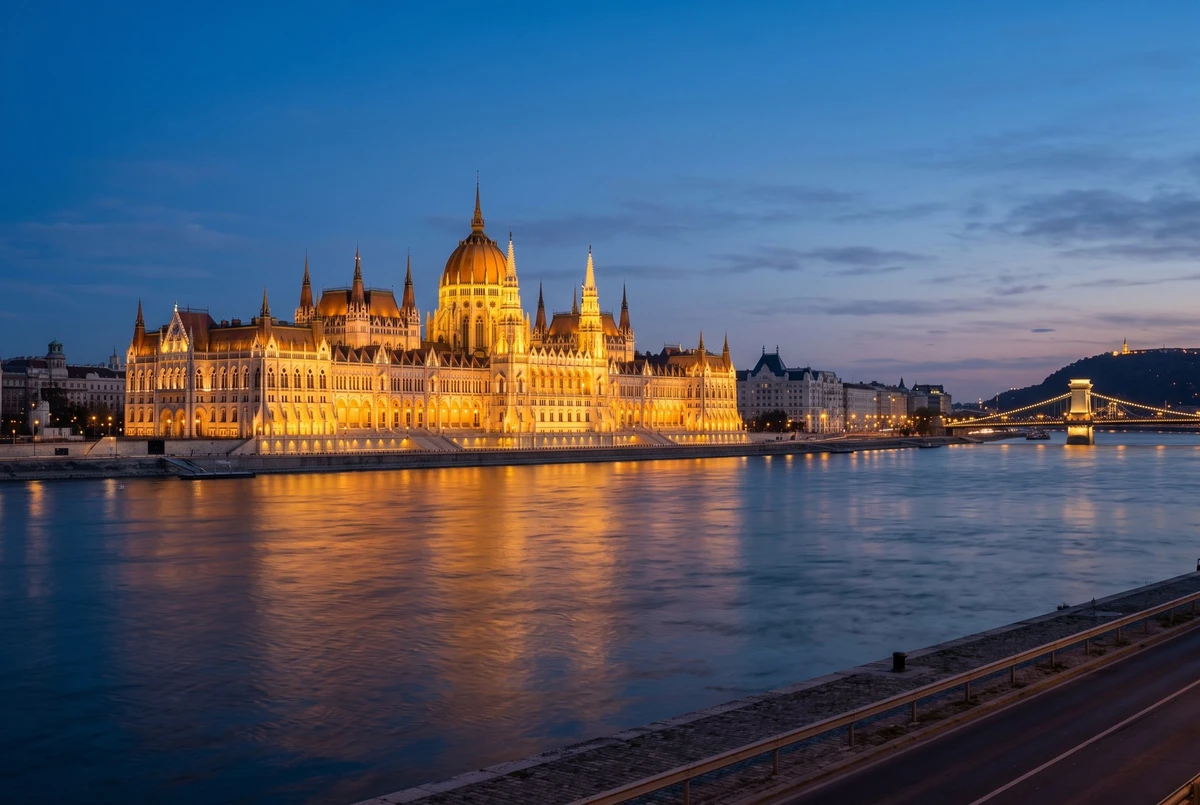
On a January morning, steam rolls off the open-air pools of Széchenyi Baths so thickly that the yellow neo-baroque domes seem to float. Men play chess shoulder-deep in mineral water while snow settles on the balustrades. By dusk, the Parliament building blazes gold along the Danube, trams rattle along the riverbank, and the scent of smoked paprika and warm chimney cake drifts from the stalls of the Great Market Hall.
Destinations
Choose a city to see everything we arrange there.
Services by city in Hungary
Tours
Attraction Tickets
Airport Transfers
Flight Tickets
Train Tickets
The essence of Hungary
Hungary is a small country with an outsized soul. Its language belongs to no neighbour, its thermal waters bubble up beneath almost every town, and its history runs from Roman frontier forts through Ottoman domed baths to the grandeur of the Austro-Hungarian Empire. Budapest alone would justify the journey, yet the Danube Bend, Lake Balaton and the Great Plain reveal a gentler, older Hungary. Our team arranges guided day tours, private airport transfers, train tickets, attraction tickets and onward flights, so your Hungary trip flows as smoothly as the river itself.
Why visit Hungary?
From Roman Frontier to Imperial Capital
Romans built Aquincum on the Danube, and Magyar tribes arrived in the ninth century; around the year 1000, Saint Stephen was crowned the first king, and his Holy Crown still rests in Parliament. A century and a half of Ottoman rule left the domed Rudas and Király baths, the tomb of Gül Baba and a mosque in Pécs. The Habsburg era then crowned Budapest with boulevards, opera and continental Europe’s first underground railway.
River, Lake and Endless Plain
The Danube shapes Hungary’s heart, carving a dramatic bend through wooded hills at Visegrád before splitting Buda’s hills from flat Pest. To the west lies Lake Balaton, the largest lake in Central Europe, framed by volcanic buttes and lavender fields at Tihany. Eastward stretches the Great Hungarian Plain, the puszta, where Hortobágy National Park protects grasslands, wetlands and huge autumn flocks of migrating cranes beneath vast open skies.
Paprika, Pastry and Folk Art
Hungarian cooking is generous and deeply seasoned: gulyás simmered with sweet paprika from Kalocsa and Szeged, chicken paprikás with dumplings, fisherman’s soup, hot lángos fried to order, and chimney cake spun over embers. Coffee houses such as the New York Café serve Dobos and Esterházy tortes under gilded ceilings. Colourful Matyó embroidery, Herend porcelain, Zsolnay ceramics and the spirited csárdás dance keep folk traditions proudly alive.
Experiences Unique to Hungary
Swim in Hévíz, the largest naturally warm lake in the world where bathing is possible, with water lilies floating on its surface. Soak beneath the Ottoman dome of Rudas Baths, bathe inside a limestone cave at Miskolctapolca, and ride the Children’s Railway through the Buda Hills, staffed by schoolchildren. Watch Budapest light up from a Danube cruise, then wander Hollókő, a living Palóc village protected by UNESCO.
Who is Hungary for?
Ideal for
- City-break lovers seeking grand architecture
- Spa and wellness travellers drawn to thermal waters
- Families wanting easy, walkable sightseeing
- History enthusiasts tracing Roman, Ottoman and Habsburg layers
- Couples looking for a romantic river city
- Food lovers keen on hearty, paprika-rich cooking
Pace & travel style
- A compact Budapest city break with day trips
- A relaxed thermal-spa escape by Lake Balaton
- A Central European rail loop with Vienna and Prague
- A slow countryside journey through villages and plains
When to visit Hungary
Peak season · June–August
Summer is warm to hot, with long evenings ideal for Danube cruises, open-air concerts and riverside promenades. Lake Balaton becomes Hungary’s beloved seaside, buzzing with families and sailing boats. Festivals fill the calendar and Budapest is at its liveliest, so major sights, thermal baths and central hotels are busiest; booking tickets and transfers ahead keeps the experience smooth and saves precious time in queues.
Shoulder season · April–May and September–October
Spring brings blossom to Margaret Island and comfortable walking weather on Castle Hill, while autumn paints the Buda Hills and Danube Bend in gold and copper. Temperatures are pleasant, crowds are thinner and hotels more relaxed. These months suit sightseeing on foot, countryside day trips and lingering outdoor coffees, and they offer the most rewarding balance of weather, atmosphere and value.
Low season · November–March
Winters are cold and often grey, but Hungary shines in its own way. Christmas markets glow on Vörösmarty Square and before St Stephen’s Basilica from late November, the outdoor thermal pools steam magically in frosty air, and the masked Busójárás carnival in Mohács chases winter away in February. It suits culture lovers, spa seekers and travellers who prefer quieter museums.
The regions of Hungary and how to combine its cities
Hungary divides naturally along its rivers. The Danube flows south through the capital, with the historic towns of Szentendre, Visegrád and Esztergom gathered around the Danube Bend just north of Budapest. West of the river lies Transdanubia: rolling hills, Lake Balaton with its spa town Hévíz, baroque Győr, and Pécs in the sunny south with its Early Christian tombs and Ottoman heritage.
East of the Danube spreads the Great Hungarian Plain, home to Kecskemét’s Art Nouveau squares, the sunny university city of Szeged and the vast grasslands of Hortobágy near Debrecen. In the north, forested uplands hold castle towns such as Eger, the cave baths of Miskolctapolca and the folk village of Hollókő, giving a cooler, hilly contrast to the open plain.
Our city directory below focuses on Budapest, the gateway and grand stage of Hungary. From the capital we arrange guided day tours to the Danube Bend, Lake Balaton and the countryside, private airport transfers, attraction tickets for baths, cruises and landmarks, and train tickets onward to Vienna, Bratislava and beyond. Pairing several Budapest nights with a rail journey to neighbouring capitals, supported by our flight tickets, builds an elegant Central European itinerary.
Before you go: practical tips for Hungary
Entry & visas
Hungary is a member of the European Union and the Schengen area. Travellers who need a Schengen visa apply through the Hungarian embassy or an authorised visa centre, and a Schengen visa issued by another member state generally allows entry too. Many nationalities travel visa-free for short stays. Rules depend on your passport, so check the official government portal or embassy before booking.
Money, cards & tipping
Hungary uses its own currency, the forint, not the euro. Cards and contactless payment are accepted almost everywhere in Budapest, though cash helps at markets, small cafés and countryside stalls. Use bank ATMs and avoid street exchange booths with poor rates. Tipping around ten percent is customary in restaurants unless a service charge already appears on the bill. Bargaining is limited to flea markets.
Etiquette & dress code
Hungarians are courteous and somewhat formal: greet shopkeepers, and say «jó napot» for good day. In churches such as St Stephen’s Basilica and Matthias Church, cover shoulders and knees and keep quiet during services. Thermal baths have their own etiquette: shower first, wear swimwear and flip-flops, and respect quiet pools. Ask before photographing people, and avoid flash in museums and sacred spaces.
Getting around
Hungary’s rail network radiates from Budapest, with comfortable intercity trains to Lake Balaton, Pécs, Szeged, Debrecen and Eger, and international services to Vienna, Bratislava and Prague. Domestic flights are rarely needed because distances are short. Our private chauffeured transfers link Budapest airport with your hotel, and a private car with driver arranged by our team is the easiest way to explore the countryside.
Must-do things in Hungary
- Soak in the steaming outdoor pools of Széchenyi Baths in City Park
- Cruise the Danube at dusk as Parliament and the bridges light up
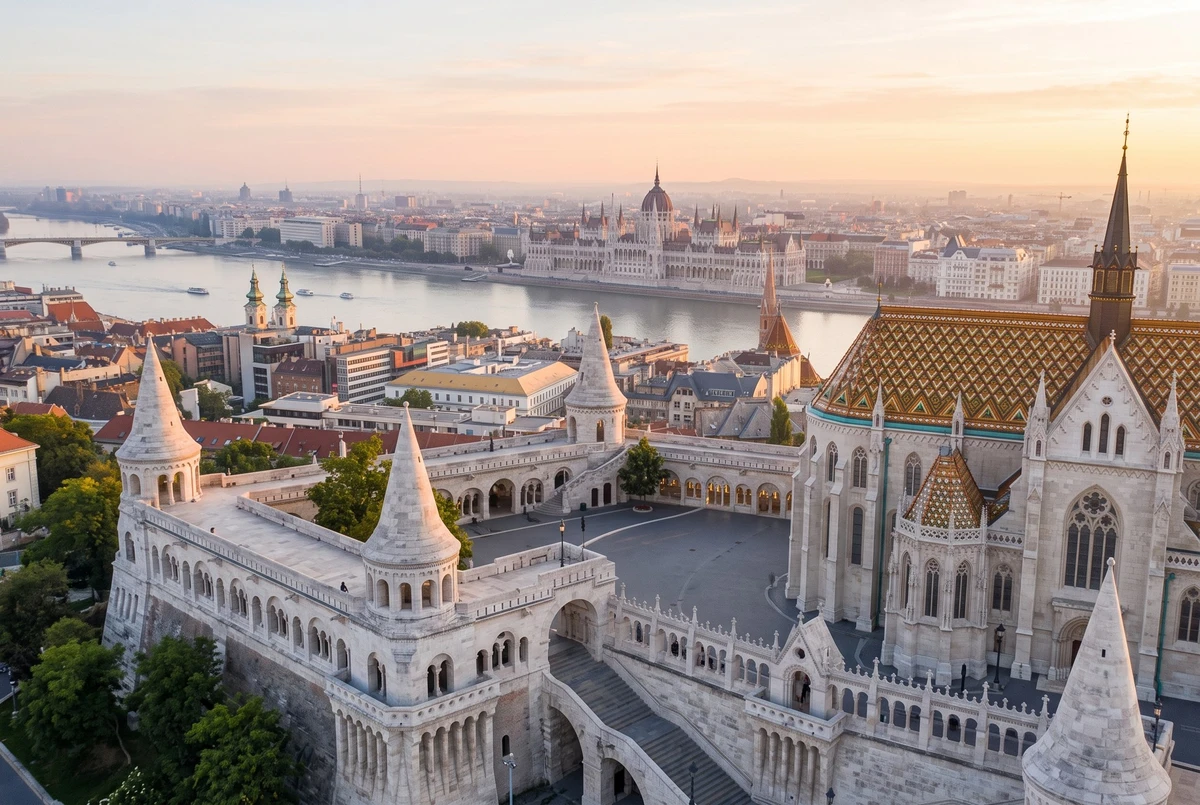
- Walk Buda Castle Hill, Matthias Church and the Fishermen’s Bastion terraces
- Climb the dome of St Stephen’s Basilica for a sweeping city panorama
- Taste lángos, gulyás and paprika at the Great Market Hall
- Explore Szentendre, Visegrád and Esztergom on a Danube Bend day trip
- Swim among water lilies in the warm thermal lake of Hévíz
- Wander the lavender-scented hills of the Tihany Peninsula above Lake Balaton
- Visit the Ottoman-era Rudas Baths and the tomb of Gül Baba
- Admire the Art Nouveau buildings and Zsolnay tiles of Pécs or Kecskemét
Do’s and don’ts in Hungary
Do
- Carry some forints for markets and small cafés
- Bring swimwear and flip-flops for the thermal baths
- Validate public transport tickets before boarding
- Cover shoulders and knees when visiting churches
- Book Parliament and bath tickets ahead in high season
Don’t
- Don’t change money at street booths with poor rates
- Don’t hail unlicensed taxis; use official taxis or pre-booked transfers
- Don’t assume restaurant bills exclude a service charge
- Don’t walk on bike lanes along the busy embankments
- Don’t try to see Budapest in a single rushed day
Hungary at a glance
Plan Hungary with Haqqi Tours
Every option is confirmed by our team on WhatsApp before you pay, and delivered by our own people or by trusted local partners we work with in every city. Because we send travellers from all over the world, our partners give us special rates and priority, so you always receive the best. Prices are per person unless marked per vehicle.
About Haqqi Tours: About us Contact us Legal NoticePrivacy PolicyCookies & Marketing PreferencesTerms & ConditionsBooking, Payment & Refunds
Where we operate in Hungary
Good to know
Frequently Asked Questions
Straight answers to what travellers ask most about Hungary.
Is it safe to visit Hungary?
Hungary is generally a safe and welcoming destination, and Budapest feels relaxed even in the evening. As in any capital, watch for pickpockets on crowded trams and around busy squares, and use licensed taxis or pre-booked transfers. Check your government’s official travel advice before departure and keep our WhatsApp line handy throughout your stay.
How many days do I need for a first trip to Hungary?
Four to six days suits a first trip: three days in Budapest for Castle Hill, Parliament, the baths and a Danube cruise, plus one or two day trips to the Danube Bend or Lake Balaton. With a week or more, add Pécs, Eger or a rail journey to Vienna. Our team can tailor the rhythm to you.
What is the best way to travel between Hungary's major cities?
Trains are the most comfortable way to travel between Budapest and major cities such as Pécs, Szeged, Debrecen and the Lake Balaton towns. Distances are short, so domestic flights are rarely needed. We issue train tickets, and for flexible countryside exploring, a private car with driver arranged by our team saves time and effort.
Can a trip to Hungary be tailored for luxury or private travel?
Yes. We arrange private airport transfers, guided day tours with your own guide and driver, priority attraction tickets for Parliament and the thermal baths, and first-class train tickets onward. Budapest’s grand riverside hotels, private Danube cruises and refined dining make Hungary a natural choice for a polished, private journey confirmed with our team on WhatsApp.
Is Hungary tourist friendly?
Very much so. Budapest is easy to navigate, with excellent public transport, clear signage and English widely spoken in hotels, museums and restaurants. Outside the capital, English is less common, so a guide helps. Hungarians are warm once greeted politely, and the country’s compact size makes day trips simple and rewarding.
Is it safe to travel to Hungary now?
Hungary remains a stable and popular destination for international visitors. Before departure, check the official travel advice of your own government for the latest guidance, and follow local instructions during public events. Keep our WhatsApp line handy, as our team can adjust transfers, day tours and tickets quickly if anything changes.
What is the best time to visit Hungary?
April to June and September to October offer the best balance: pleasant temperatures, blossom or autumn colour, and fewer crowds. Summer suits Lake Balaton and long Danube evenings, while winter brings festive markets and steaming outdoor baths. Budapest is genuinely enjoyable year-round, so the right season depends on your priorities.
What is Hungary famous for?
Hungary is famous for Budapest’s Danube panorama and Parliament, its thermal baths and spa culture, paprika-rich dishes like gulyás, and elegant coffee houses. It is also known for Lake Balaton, folk embroidery and porcelain, a unique language, and a layered history spanning Roman, Ottoman and Habsburg eras.
When is Budapest most comfortable for a family visiting Hungary
The milder stretches of spring and autumn keep the riverside walks and castle hill pleasant, while the thermal baths remain a warm indoor option even during Hungary's colder winter weeks.
How is the Train from Krakow to Budapest arranged for families
Our WhatsApp desk issues the seats after confirming travel dates, sending a fixed written price in Arabic or English and holding the booking until the family is ready to travel between the two cities.
Does the Budapest airport transfer include help with luggage for larger families
Yes, the driver waits inside the arrivals hall with a name sign and assists with luggage, and a larger vehicle is arranged in advance once the group size is shared with our desk.
Which cities in Hungary does Haqqi Tours cover?
Budapest. Each city has its own page with everything available there, and a trip across several cities is planned in one WhatsApp conversation.
What can I book in Hungary?
Day tours, attraction tickets, private airport transfers, flight tickets and train tickets - all run or confirmed by Haqqi Tours, each with a fixed price agreed on WhatsApp before you pay.
How do I book a tour or transfer in Hungary?
Fill in the form on the page you are interested in, or message us on WhatsApp with the date, the number of travellers and your hotel. A member of our team confirms the price and the details in writing within minutes.
Are the prices fixed?
Yes. Every price is agreed in writing on WhatsApp before you travel and does not change on the day - not for traffic, not for a late flight, not for the hour.
Do you arrange transfers between cities in Hungary?
Yes. Intercity transfers by private car or van are booked the same way as airport transfers; tell the desk the two hotels and the date and it quotes a fixed price for the whole vehicle.