
Turkey
Haqqi Tours plans day tours, private transfers, multi-day packages and flight or ferry tickets across Turkey, confirmed by WhatsApp before you pay.
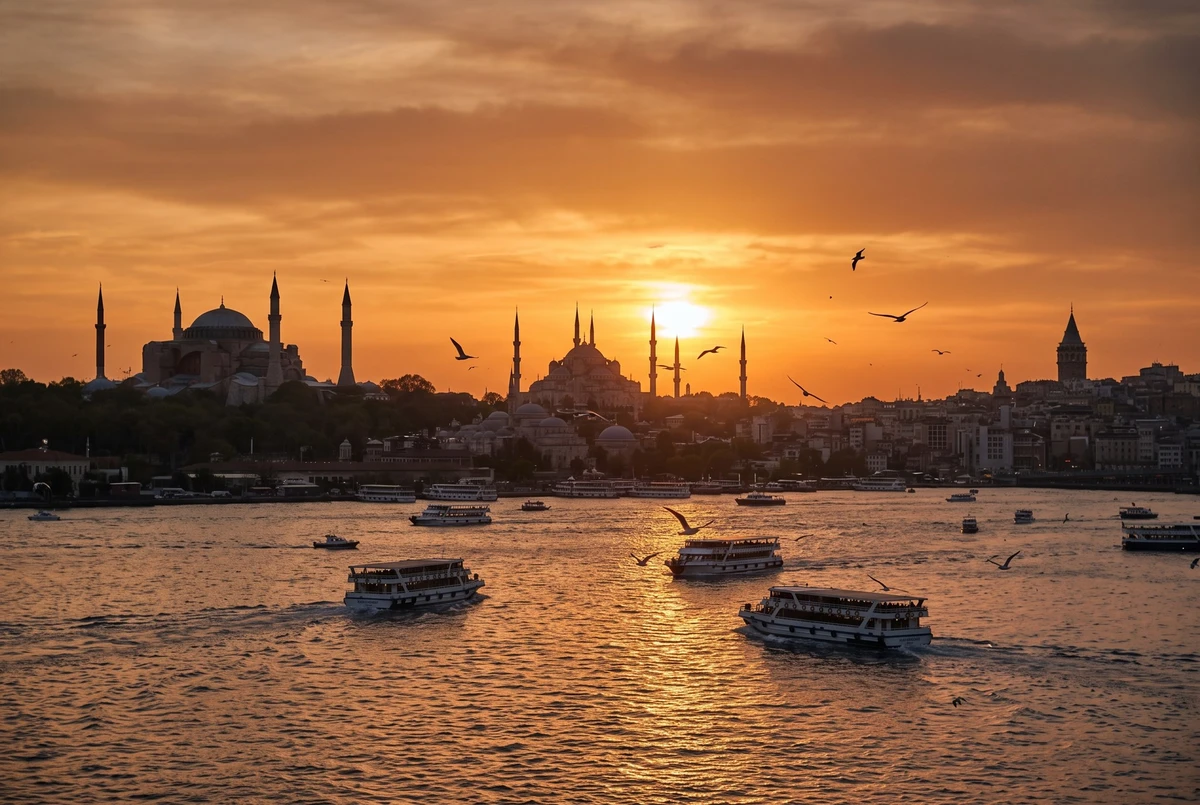
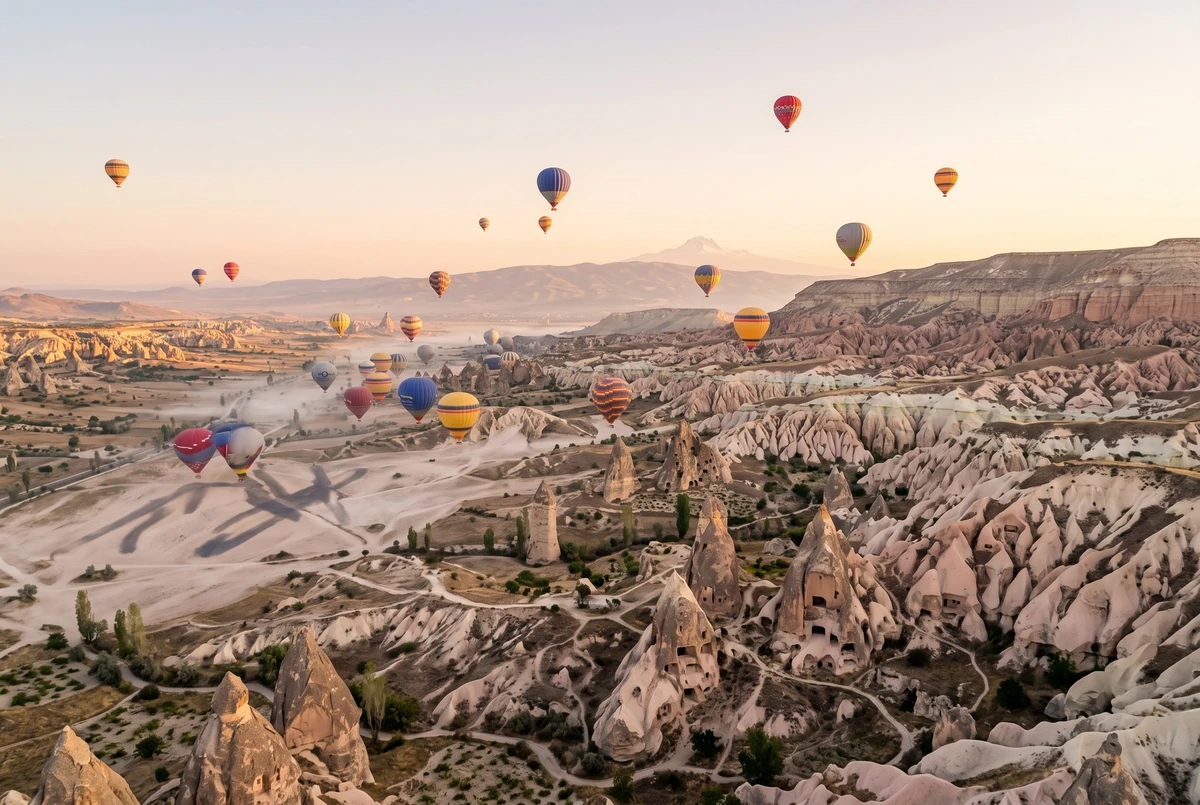
Dawn on the Bosphorus arrives with the call to prayer rolling between minarets on two continents, the clink of tulip-shaped tea glasses on a ferry deck and gulls wheeling over a simit seller's tray. By late morning you are standing in Hagia Sophia, beneath a dome that has watched fifteen centuries of emperors and sultans; by the next sunrise you are drifting in a hot-air balloon over Cappadocia's fairy chimneys as the valleys below turn rose and gold.
Destinations
Choose a city to see everything we arrange there.
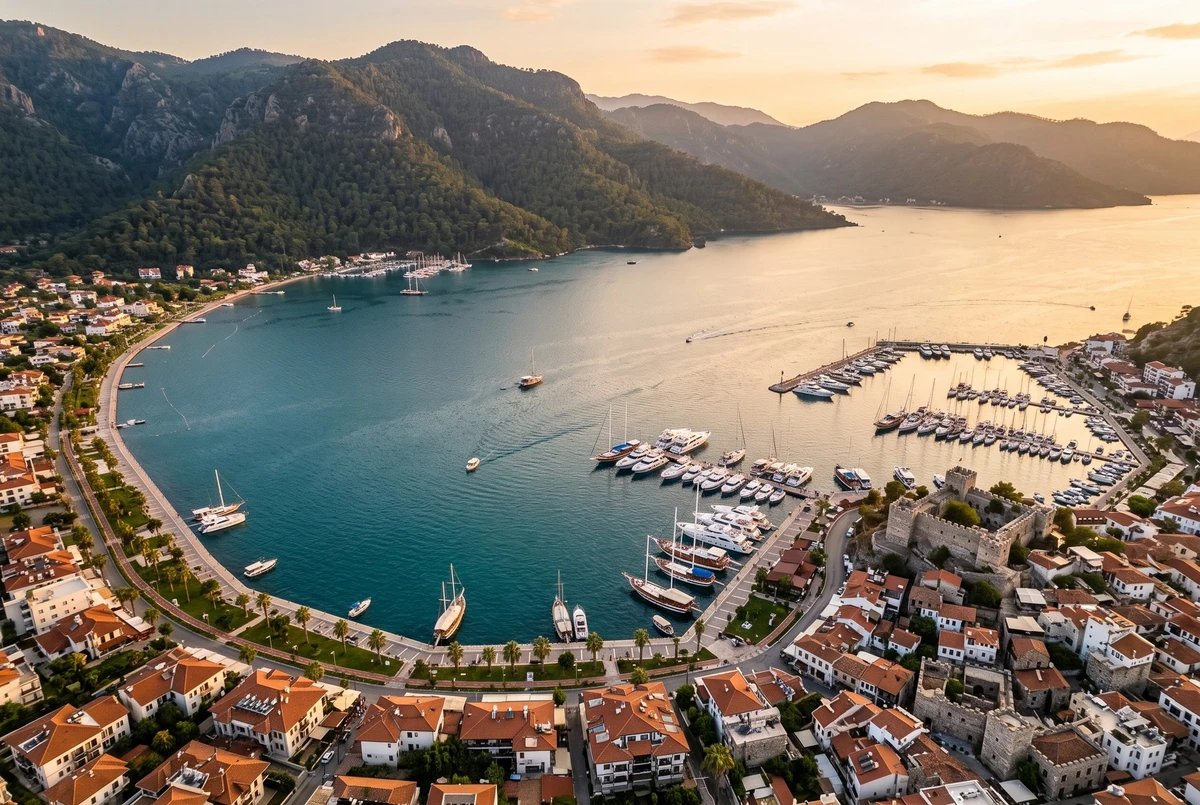
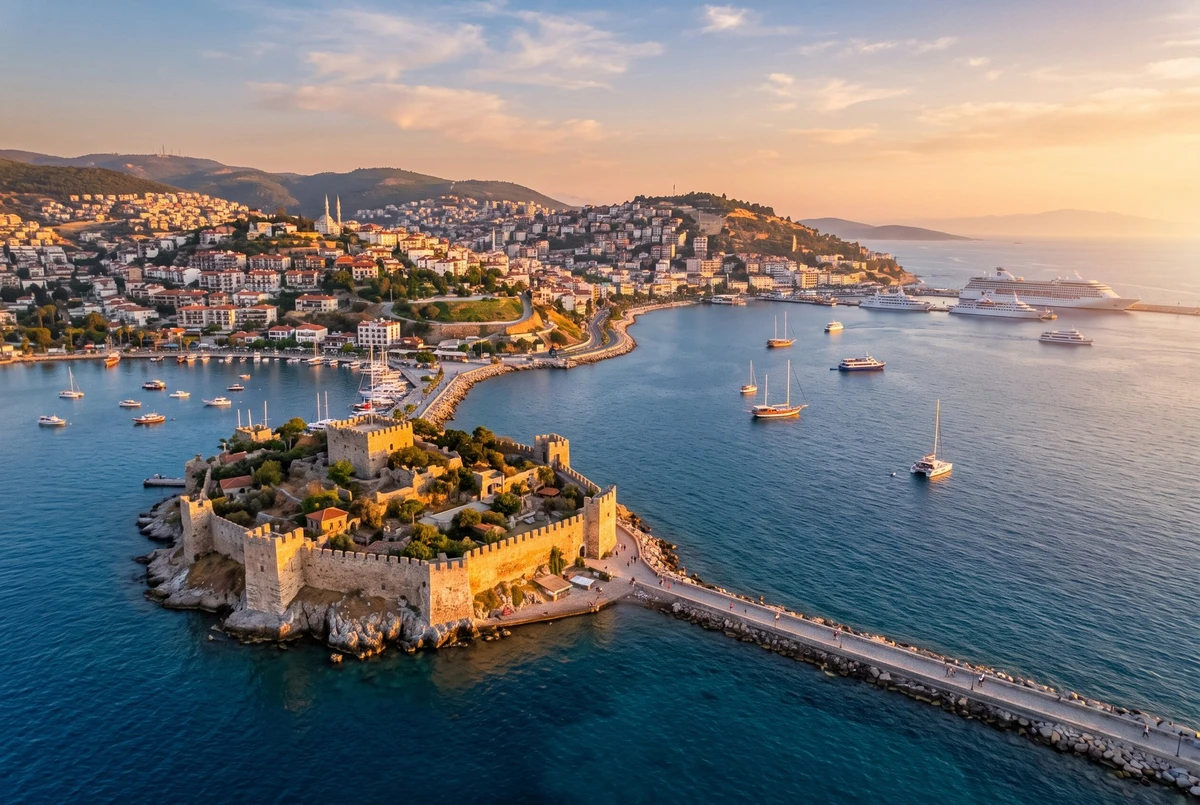
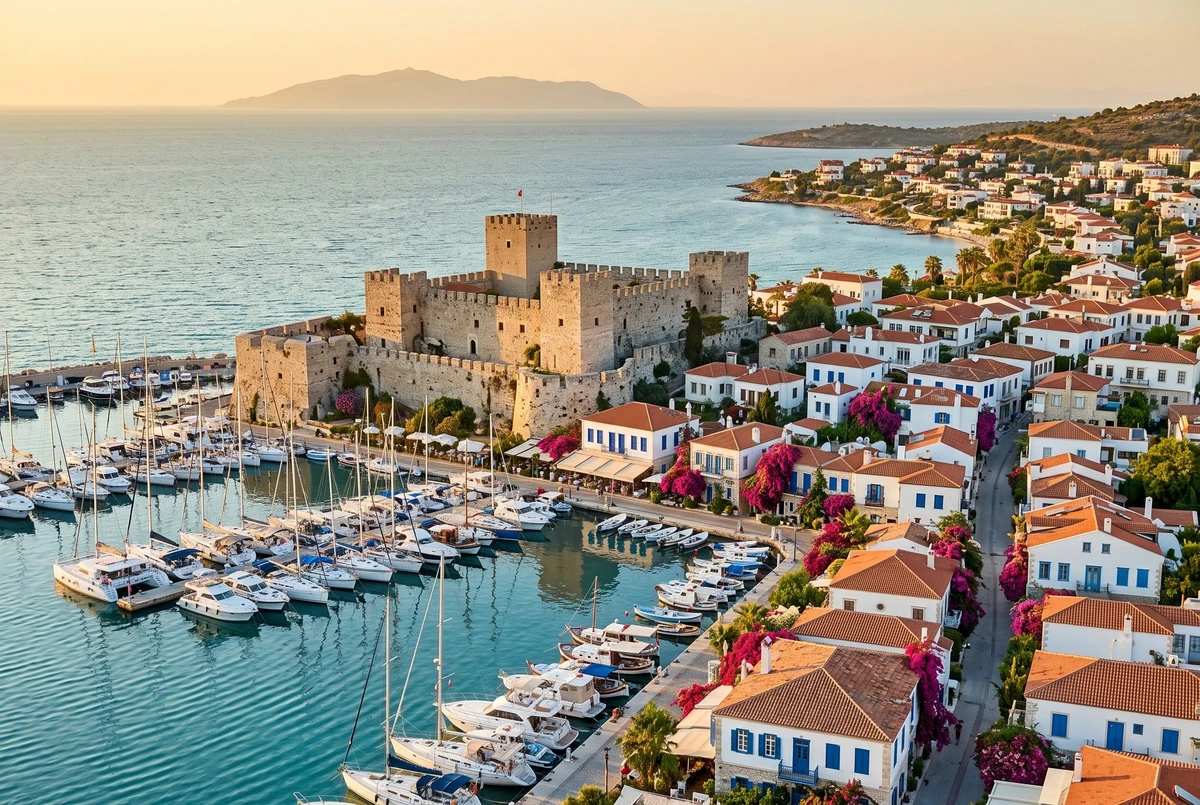
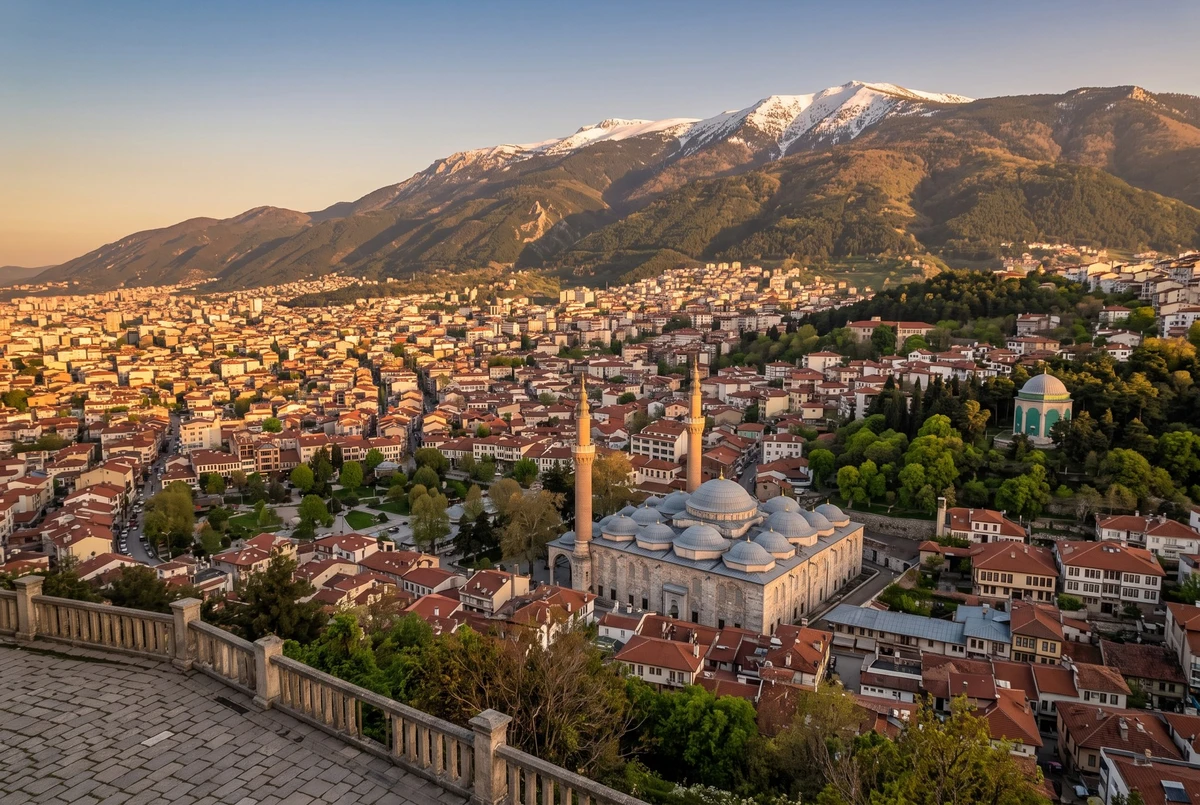
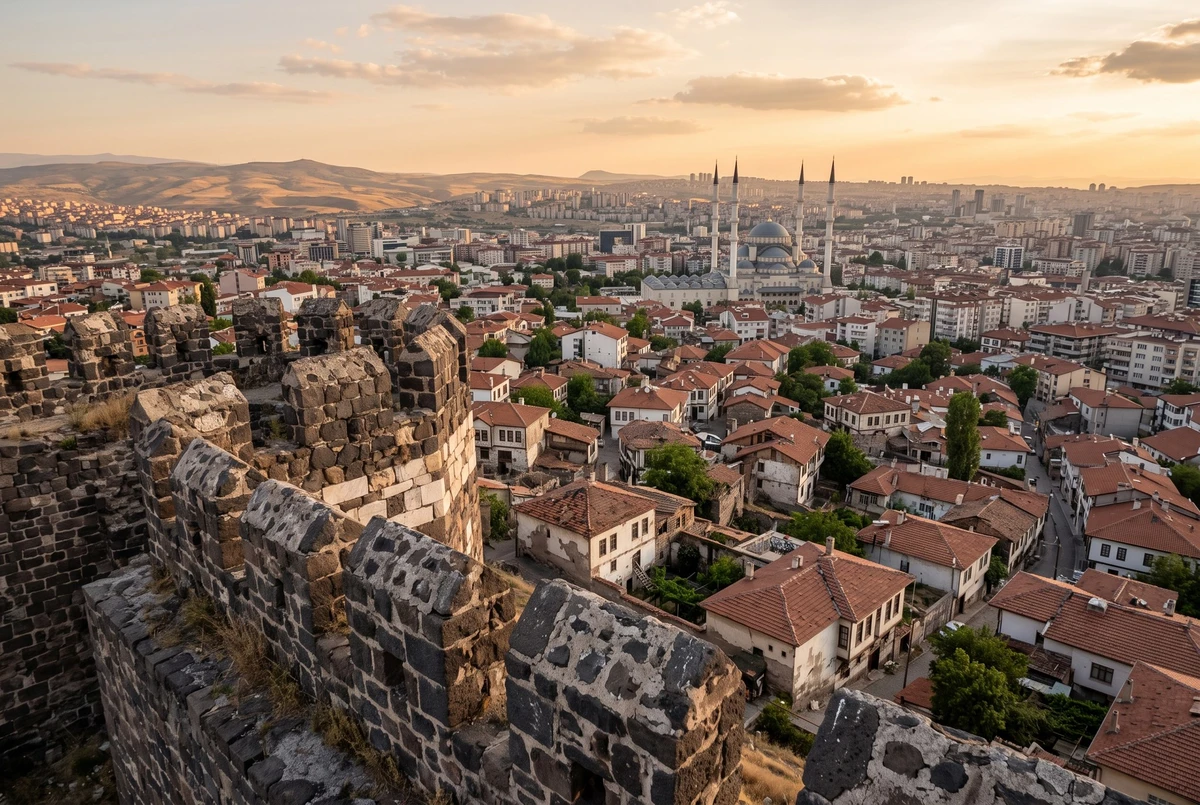
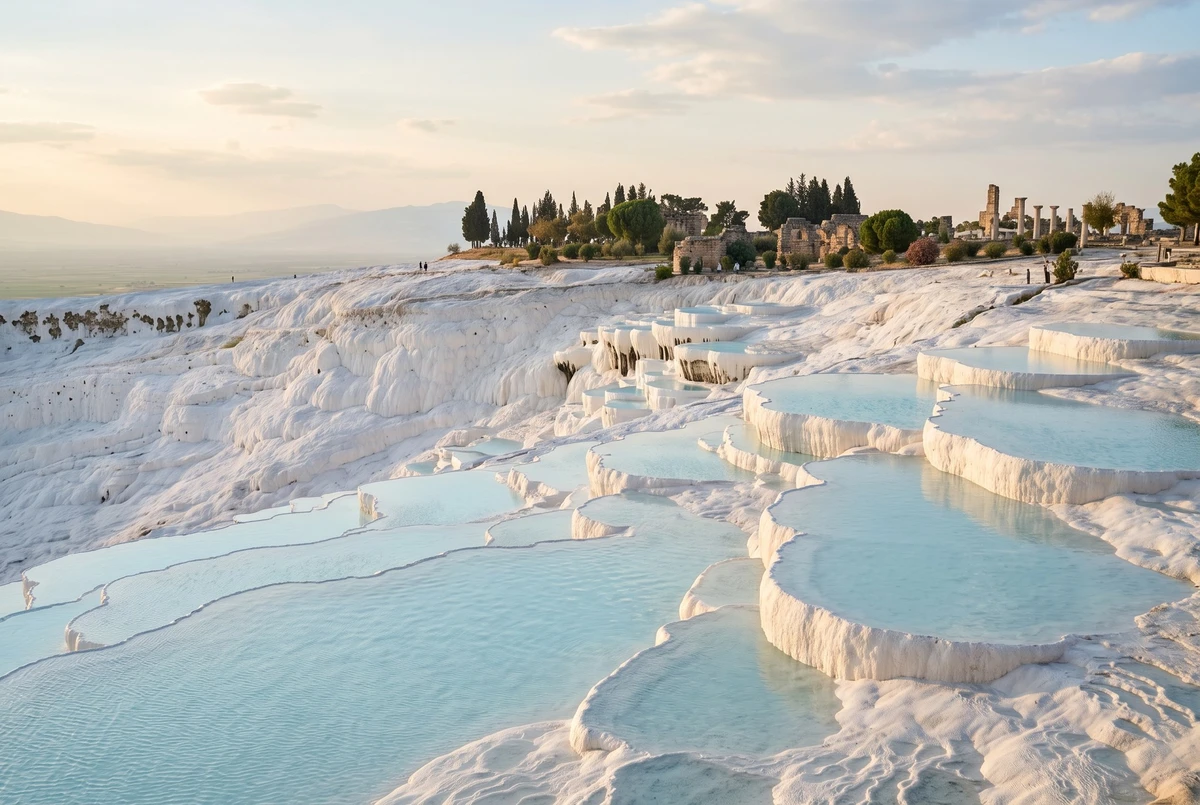
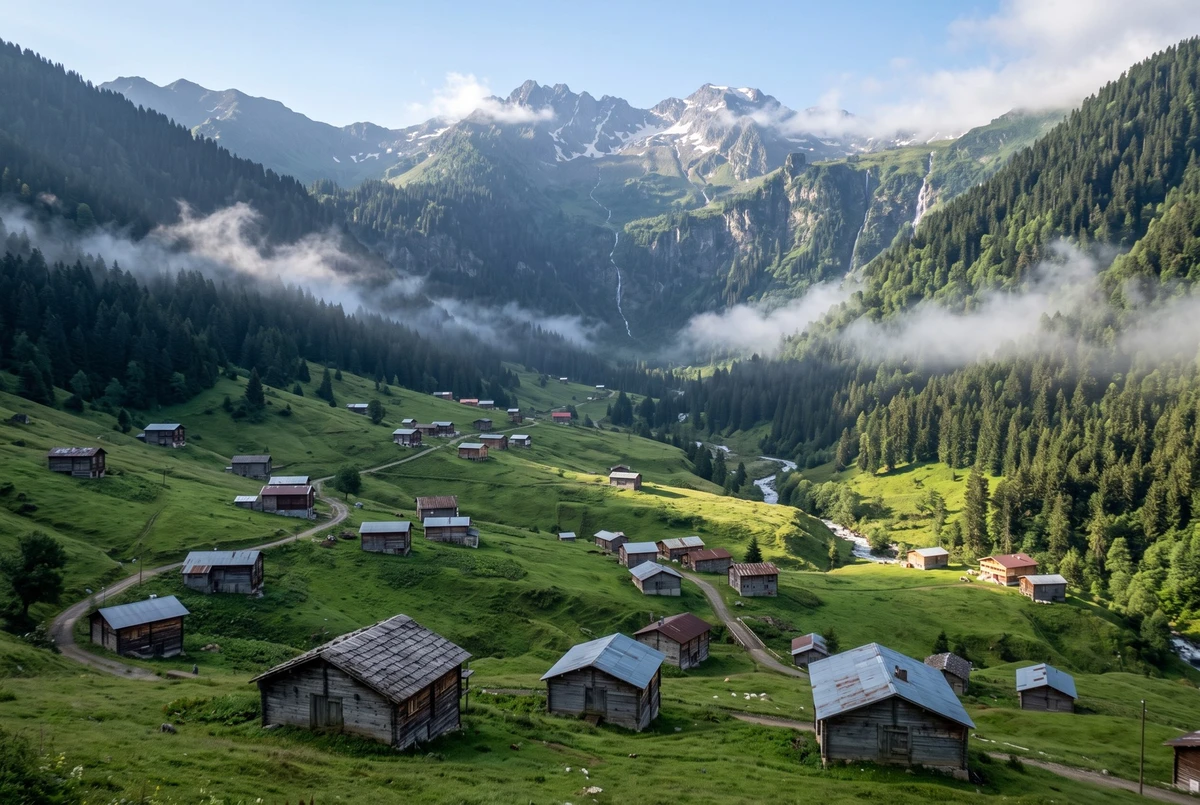
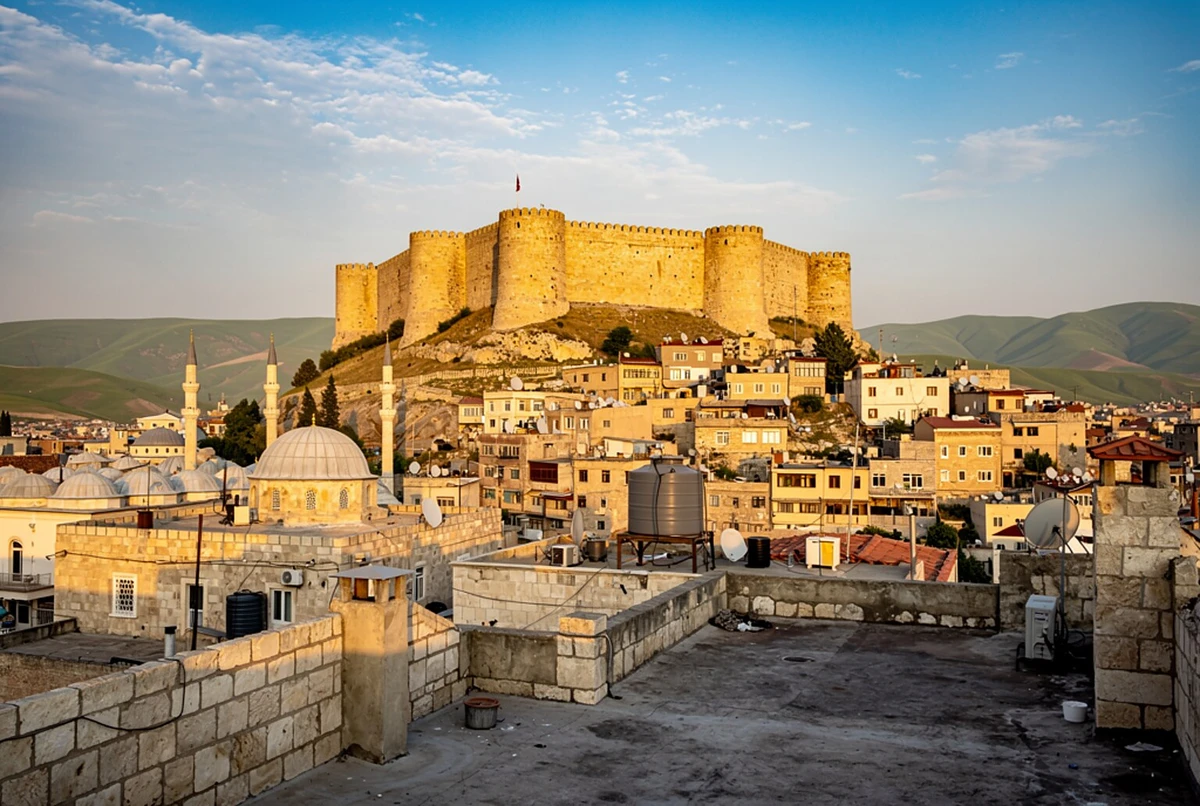
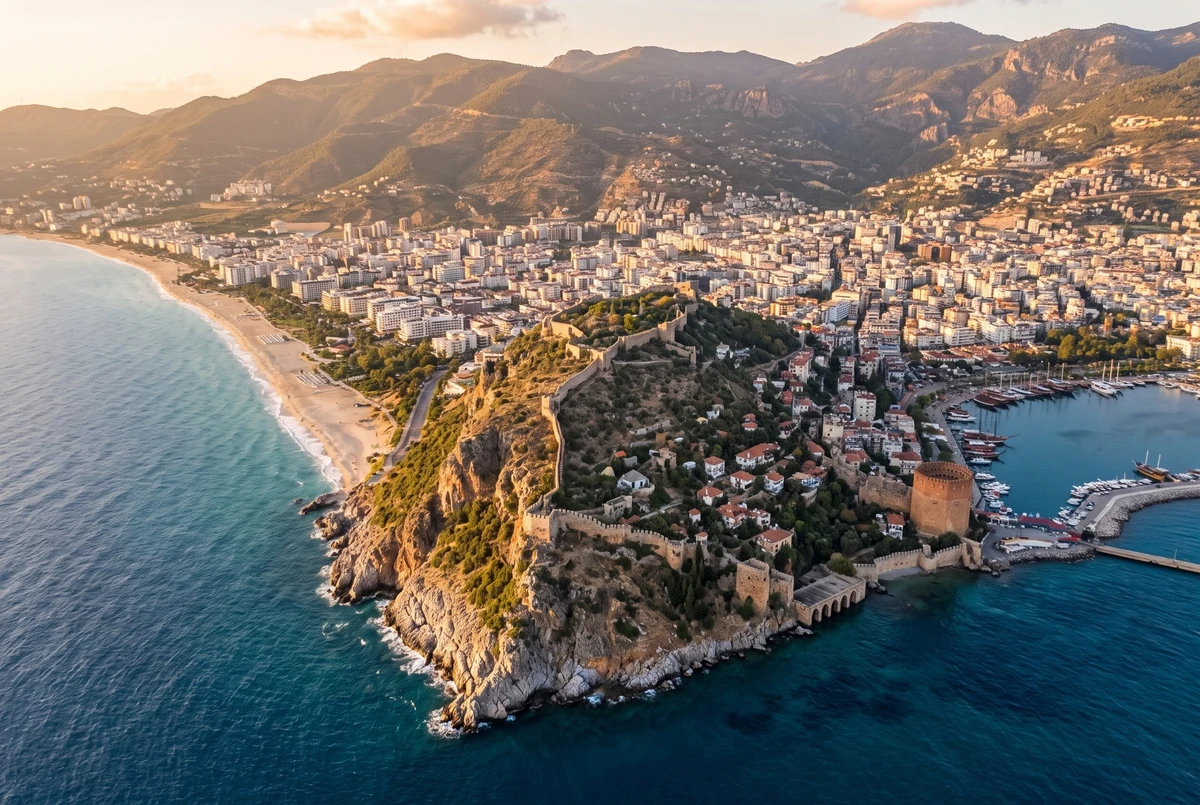
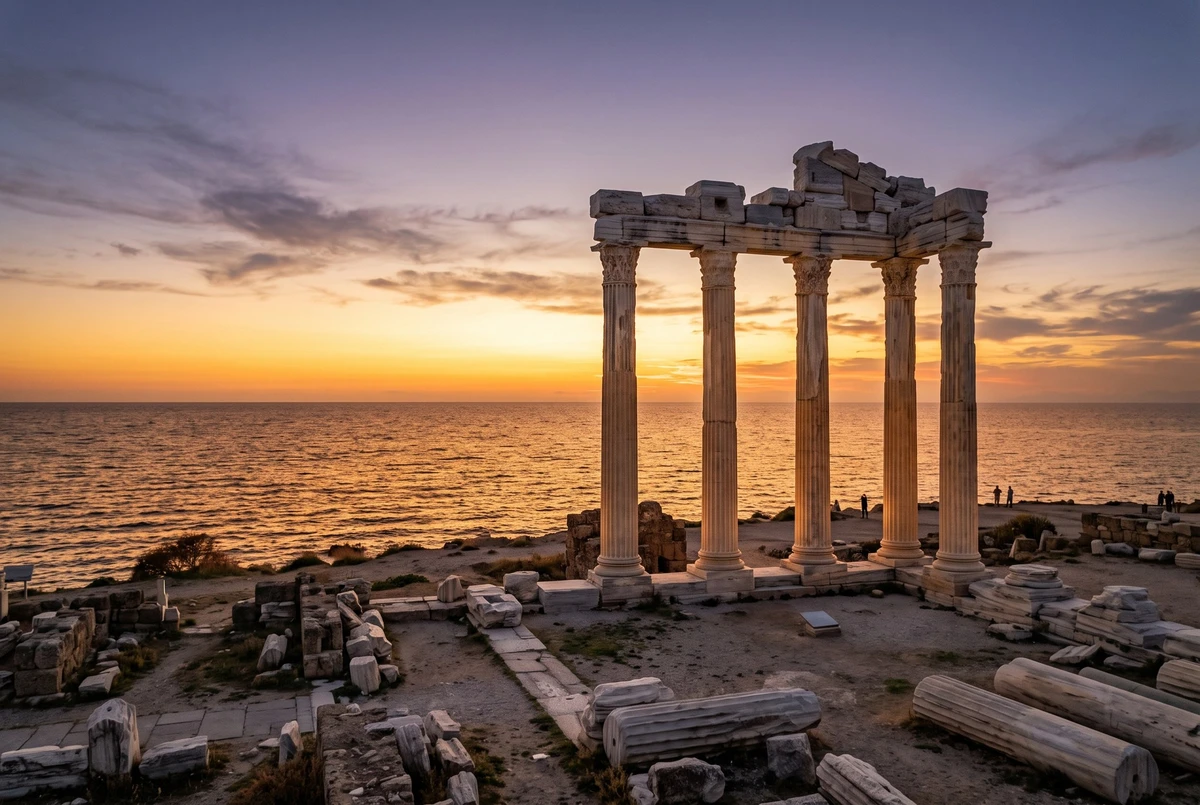
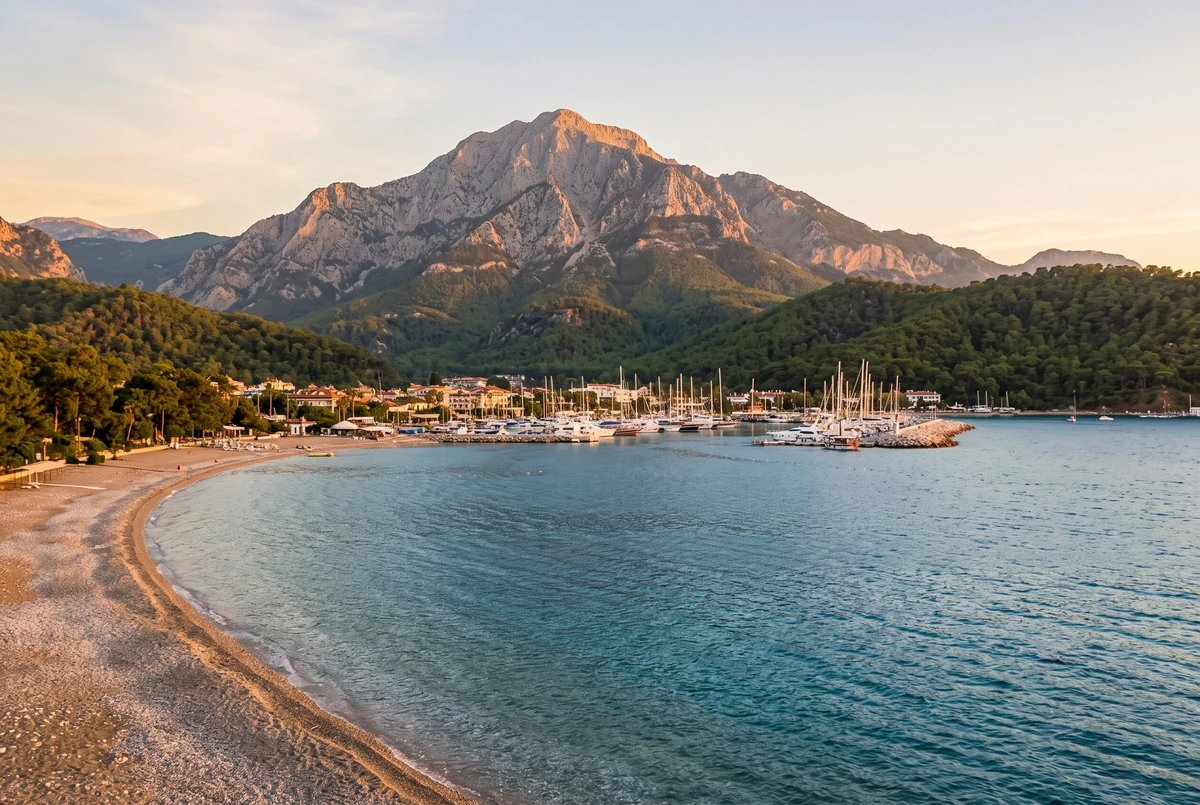
Services by city in Turkey
Tours
Attraction Tickets
Airport Transfers
The essence of Turkey
Turkey is where Europe and Asia genuinely touch, and you feel it everywhere: in Ottoman mosques raised over Byzantine foundations, in Greek and Roman cities lying open to the sky at Ephesus and Side, in Black Sea tea terraces and turquoise Lycian coves. Few countries carry you from a great world capital to a pine-scented coastline and a misty mountain plateau within one journey. Haqqi Tours arranges every link in that chain, from guided day tours and private airport transfers to attraction tickets and multi-day packages, so the whole trip flows as smoothly as the view from the deck.
Why visit Turkey?
Ten Thousand Years of Empires
Turkey holds some of humanity's earliest chapters. The carved pillars of Göbekli Tepe predate Stonehenge by millennia, while Troy, Ephesus and Side preserve theatres, libraries and colonnaded streets where Hellenistic and Roman life once hummed. Byzantium crowned Constantinople with Hagia Sophia, and the Ottomans answered with the Blue Mosque, Topkapı Palace and the green-tiled tombs of Bursa. In Ankara, the Museum of Anatolian Civilizations threads Hittite, Phrygian and Urartian treasures into one walkable story.
Four Seas and a High Plateau
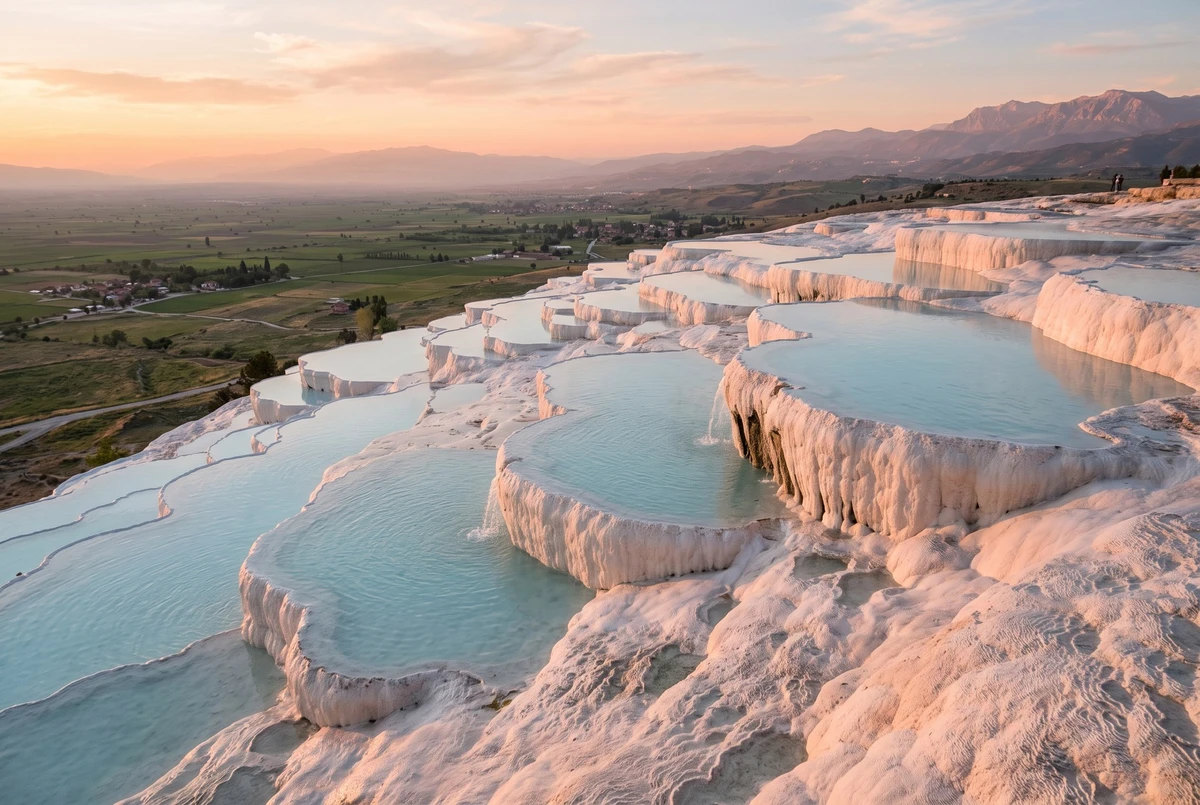
Turkey is ringed by the Black Sea, the Marmara, the Aegean and the Mediterranean, and each coast has its own temperament. Along the Turquoise Coast around Fethiye, Kemer and Antalya, pine-clad mountains fold straight into clear coves. Inland, the volcanic valleys of Cappadocia hide rock-cut churches, and the white travertine terraces of Pamukkale spill down a hillside. In the northeast, Trabzon and Rize climb into emerald highlands of tea gardens, waterfalls and cloud-wrapped yayla plateaus.
A Table Built for Sharing
Turkish hospitality begins with a glass of tea and rarely stops there. Breakfast is a spread of olives, white cheese, honeycomb, kaymak and warm simit; lunch might be İskender kebab in Bursa or Black Sea hamsi fried crisp in cornmeal. Coffee is brewed slowly in a copper cezve, Gaziantep-style baklava glistens with pistachio, and every bazaar smells of spice and dried apricots. Hammam rituals, the Mevlevi whirling ceremony and weekly neighbourhood markets keep tradition vividly alive.
Moments Only Turkey Gives You
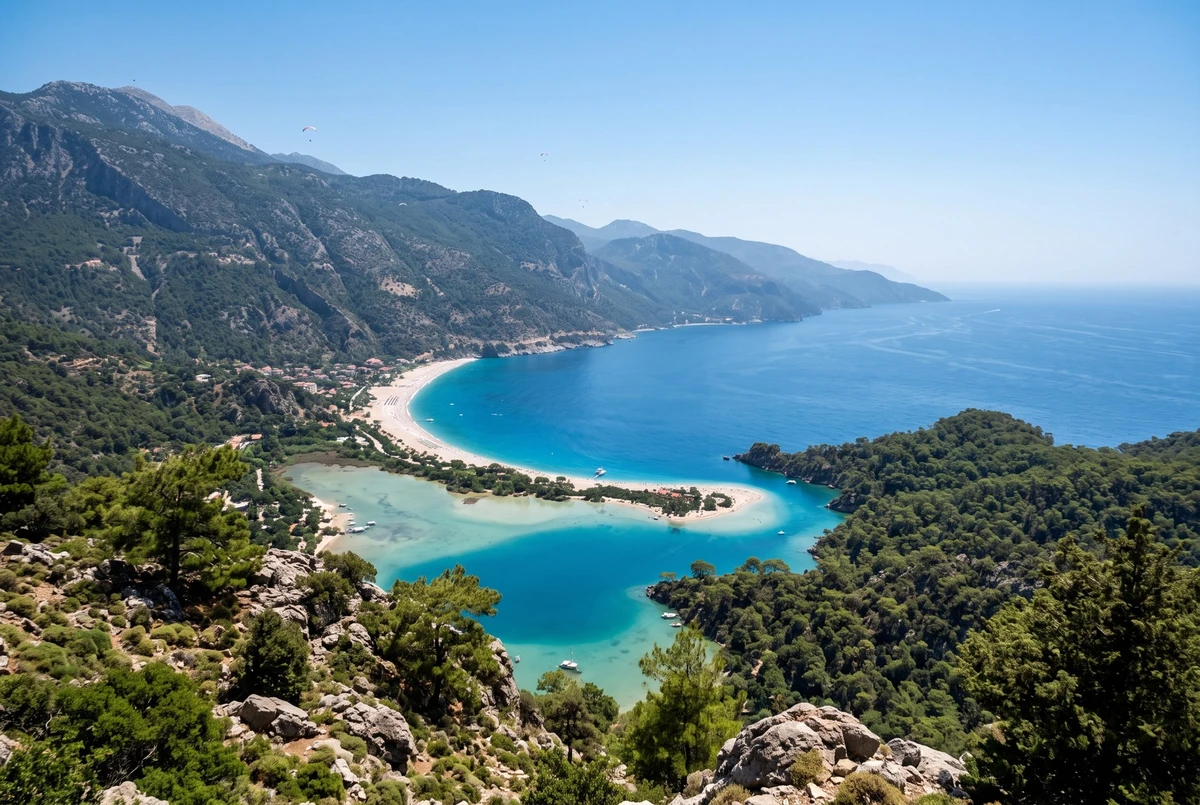
Float above Cappadocia at sunrise as a hundred balloons rise silently around you. Cross from Europe to Asia on a commuter ferry with a glass of tea in hand. Paraglide from Babadağ over the turquoise lagoon of Ölüdeniz, wade barefoot through the warm pools of Pamukkale, and watch dervishes turn in meditative silence. Then walk the marble street of Ephesus at opening time, before the crowds arrive, and feel two thousand years of history beneath your feet.
Who is Turkey for?
Ideal for
- History lovers and first-time visitors to the region
- Families seeking safe, welcoming beach resorts
- Honeymooners chasing balloons and Bosphorus views
- Travellers escaping summer heat in the green Black Sea highlands
- Food lovers exploring regional Turkish cuisine
- Adventure seekers: paragliding, hiking, rafting and diving
Pace & travel style
- Classic loop: Istanbul, Cappadocia and the Aegean coast in ten to twelve days
- Slow summer: one coastal base with day tours and boat trips
- Nature escape: Trabzon, Uzungöl and the high plateaus of Rize
- City and culture: Istanbul, Bursa and Ankara by fast train and road
When to visit Turkey
Peak season · June–August
Long, hot, sunny days settle over the Aegean and Mediterranean, and the sea is perfect for swimming and boat trips. Istanbul is lively but humid, and Cappadocia's valleys bake at midday. This is the busiest period along the coast, so hotels, transfers and popular tours fill early and rates climb. Many families head for the cooler Black Sea highlands around Trabzon and Rize, where mist and greenery offer real relief.
Shoulder season · April–May, September–October
This is the sweet spot for most of Turkey. Istanbul's tulips bloom in April, archaeological sites such as Ephesus are comfortable to explore on foot, and the sea stays warm well into October. Balloon flights over Cappadocia enjoy steady conditions, crowds thin once school holidays end, and hotel availability improves. It is the ideal window to combine cities, ruins and beaches in one unhurried itinerary.
Low season · November–March
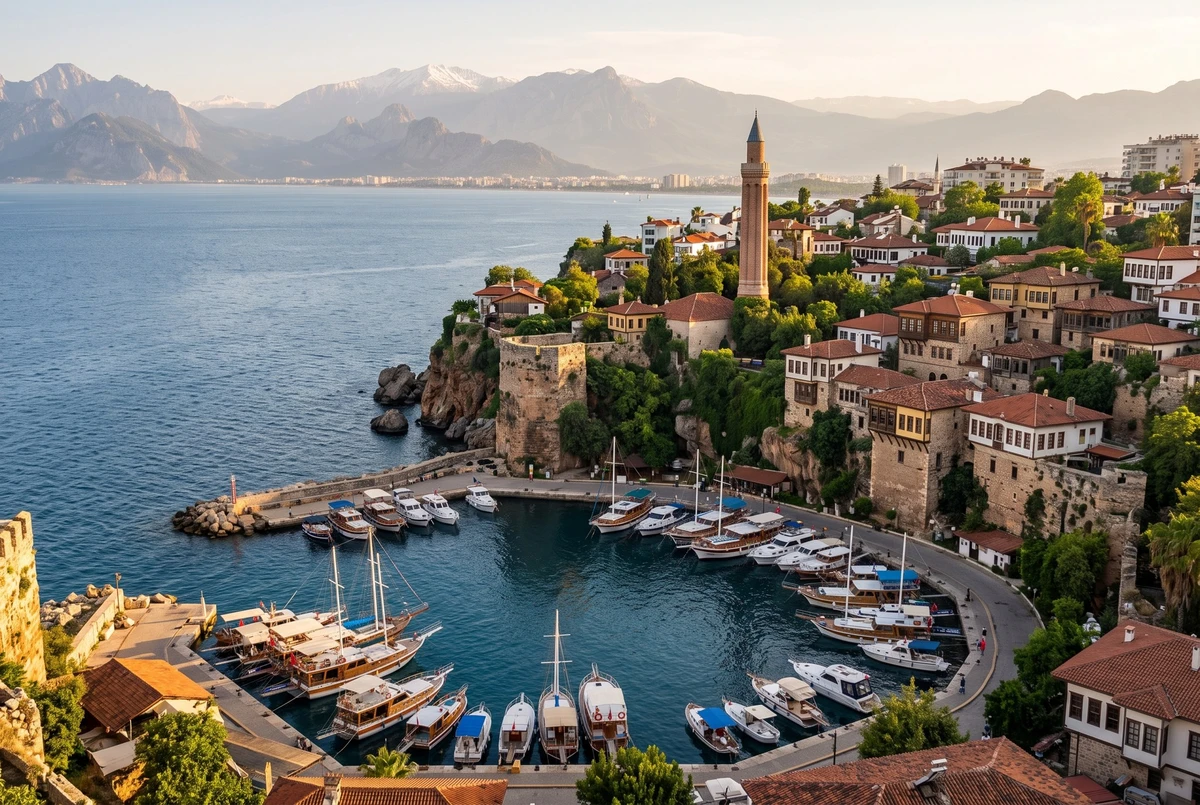
Coastal resorts quieten and some seasonal hotels close, while rain visits Istanbul and the Black Sea. Yet winter has genuine charms: Cappadocia under snow is magical, Uludağ above Bursa becomes a ski resort, and Istanbul's museums and mosques are wonderfully uncrowded. Antalya stays mild and bright enough for strolls around its old harbour. Travellers who value calm, culture and easy availability find this season deeply rewarding.
The regions of Turkey and how to combine its cities
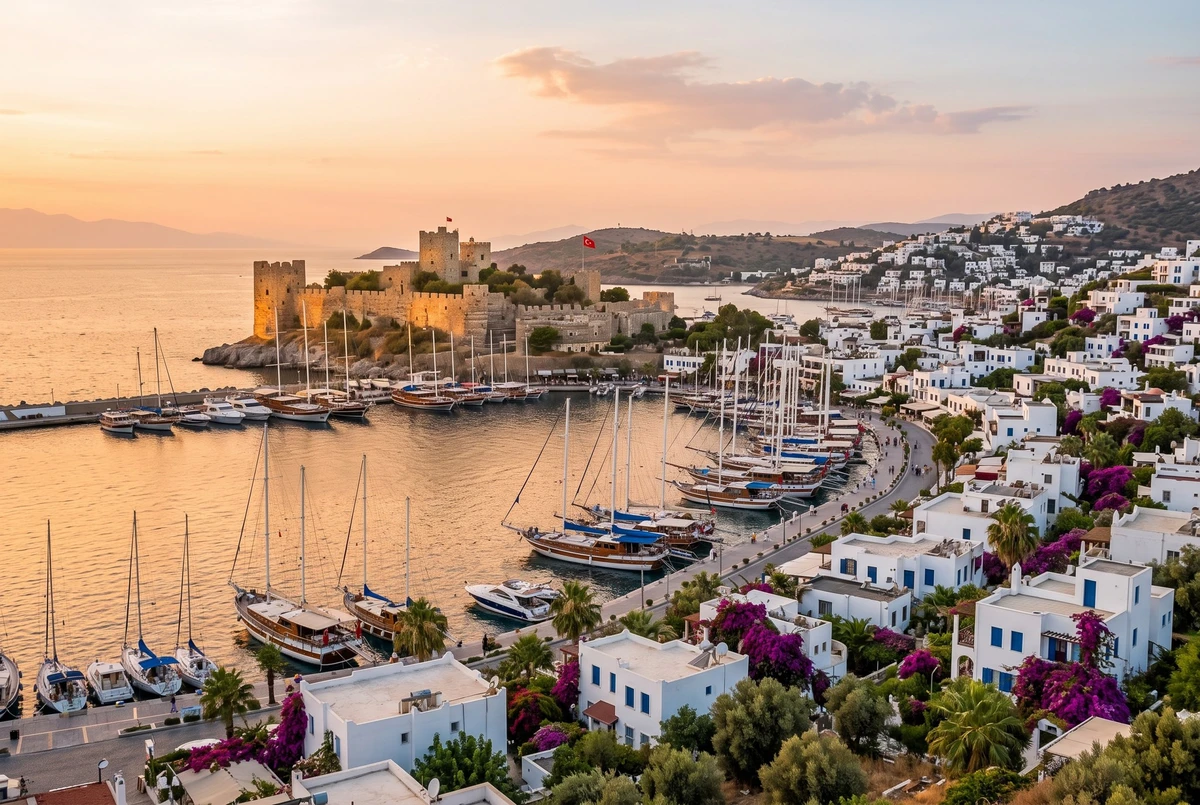
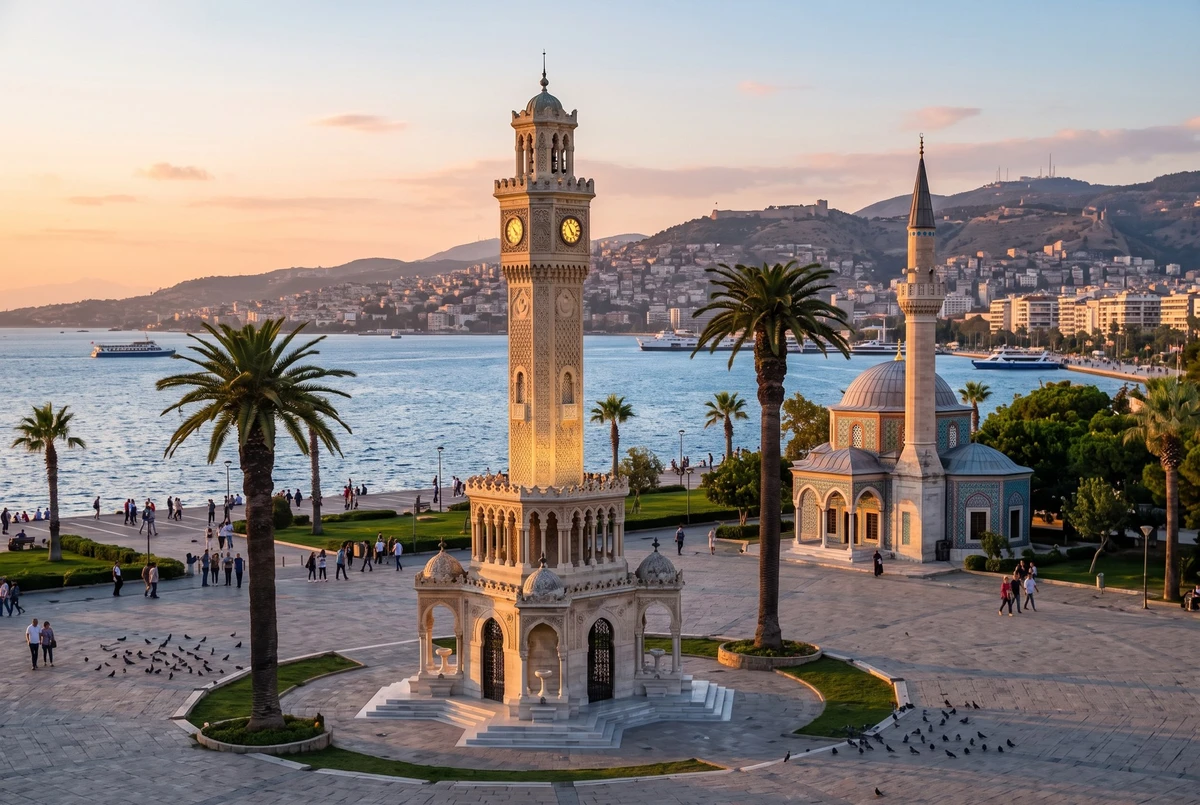
Turkey divides naturally between its coasts and the high Anatolian heartland. In the northwest, Istanbul straddles the Bosphorus, with Bursa and the Marmara region just across the water, rich in the earliest Ottoman memories. The Aegean coast runs south through Izmir, Çeşme and Kuşadası to Bodrum: olive groves, whitewashed villages and the great ancient cities of Ephesus and Pergamon.
The Mediterranean, known as the Turquoise Coast, stretches from Marmaris and Fethiye past Kemer and Antalya to Side and Alanya, where Lycian tombs and Roman theatres rise above clear bays. Central Anatolia holds the capital, Ankara, and the surreal valleys of Cappadocia, while the Black Sea northeast around Trabzon and Rize is a world of tea terraces, wooden villages and alpine lakes.
Our city directory below covers Istanbul, Antalya, Bodrum, Fethiye, Izmir, Kuşadası, Çeşme, Trabzon, Cappadocia, Marmaris, Alanya, Side, Kemer, Ankara, Bursa and Rize. The classic first trip pairs Istanbul with Cappadocia and one coastal base such as Antalya or Kuşadası; nature lovers combine Trabzon with Rize; beach lovers link Bodrum, Marmaris and Fethiye along the shore. Our team connects them with domestic flights, private transfers and guided day tours, so every leg of the itinerary feels effortless.
Before you go: practical tips for Turkey
Entry & visas
Entry rules for Turkey depend entirely on your passport. Many nationalities can enter visa-free for short stays, others apply online for an official eVisa before travel, and some need a visa issued by a Turkish embassy or consulate. Rules can change, so check the official government portal or your nearest embassy before booking, and make sure your passport has comfortable validity remaining beyond your return date.
Money, cards & tipping
The Turkish lira is the currency. Cards are widely accepted in cities, hotels and larger restaurants, but carry some cash for bazaars, village cafés, taxis and small tips. Exchange money at reputable exchange offices or withdraw from bank ATMs rather than airport kiosks. Tipping is appreciated, around five to ten percent in restaurants. Bargaining is expected in the Grand Bazaar and street markets, but not in shops with fixed prices.
Etiquette & dress code
Turkey is hospitable and relaxed, yet mosques deserve care: women cover their hair and shoulders, men avoid shorts, everyone removes their shoes, and visits pause during prayer times. Ask before photographing people, especially women and elders in rural areas. Modest dress suits old quarters and villages, while beachwear is perfectly normal at resorts. Accept offered tea graciously and greet shopkeepers before you start browsing.
Getting around
Distances are large, so domestic flights link Istanbul with Antalya, Izmir, Bodrum, Trabzon, Ankara and the Cappadocia airports in roughly an hour. High-speed trains connect Istanbul, Ankara and Konya, while long-distance coaches are comfortable and frequent. Ferries cross the Bosphorus and the Marmara and link the Aegean coast with the Greek islands. For airports and intercity hops, our private chauffeured transfers wait for you with a name sign.
Must-do things in Turkey
- Watch sunrise from a hot-air balloon above Cappadocia's fairy chimneys and cave villages
- Cruise the Bosphorus between Europe and Asia, past palaces, fortresses and wooden waterside mansions
- Stand beneath the dome of Hagia Sophia, then explore the treasury and harem of Topkapı Palace
- Walk the marble Curetes Street to the Library of Celsus at ancient Ephesus near Kuşadası
- Wade barefoot through the warm white travertine terraces of Pamukkale beside ancient Hierapolis
- Paraglide from Babadağ over the turquoise lagoon of Ölüdeniz near Fethiye
- Sail a traditional wooden gulet between the hidden coves of Bodrum, Marmaris and Fethiye
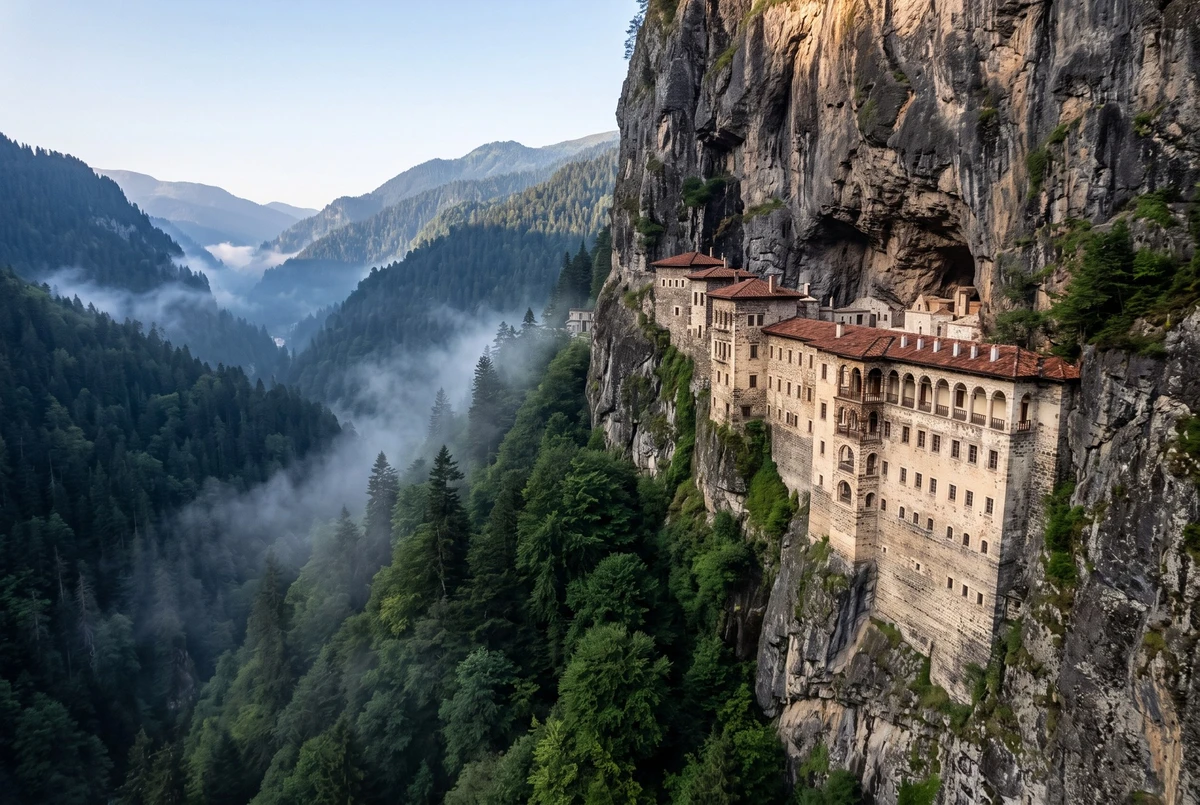
- Climb to Sumela Monastery, clinging to a cliff above the forests near Trabzon
- Sip freshly brewed tea among the emerald terraces and high plateaus of Rize
- Taste İskender kebab where it was born in Bursa, then ride the cable car up Uludağ
Do’s and don’ts in Turkey
Do
- Carry a scarf for mosque visits and dress modestly in old quarters
- Accept tea when it is offered; it is a sincere gesture of welcome
- Bargain with a smile in bazaars, and walk away politely if needed
- Book balloon flights, Bosphorus cruises and summer transfers well in advance
- Learn a few words: merhaba for hello and teşekkürler for thank you
Don’t
- Do not walk in front of people praying or tour mosques during prayers
- Do not photograph people, especially women, without asking first
- Do not change money at airport kiosks with poor rates
- Do not wear beachwear away from the beach or resort
- Do not show disrespect to national symbols, the flag or images of Atatürk
Turkey at a glance
Plan Turkey with Haqqi Tours
Every option is confirmed by our team on WhatsApp before you pay, and delivered by our own people or by trusted local partners we work with in every city. Because we send travellers from all over the world, our partners give us special rates and priority, so you always receive the best. Prices are per person unless marked per vehicle.
About Haqqi Tours: About us Contact us Legal NoticePrivacy PolicyCookies & Marketing PreferencesTerms & ConditionsBooking, Payment & Refunds
Good to know
Frequently Asked Questions
Straight answers to what travellers ask most about Turkey.
Is it safe to visit Turkey?
Yes. Turkey welcomes tens of millions of visitors every year, and its best-known tourist areas, including Istanbul, Cappadocia and the Aegean and Mediterranean coasts, are well policed and friendly. Keep normal city sense against pickpockets in crowded spots, use licensed taxis or our private transfers, and check your own government's official travel advice before departure.
How many days do I need for a first trip to Turkey?
Ten to twelve days is ideal for a first trip to Turkey: four days in Istanbul, two or three in Cappadocia, and four or five on the Aegean or Mediterranean coast. With only a week, focus on Istanbul and Cappadocia. Our team can build a multi-day package that links flights, transfers and guided day tours seamlessly.
What is the best way to travel between Turkey's major cities?
Domestic flights are the fastest way to cover Turkey's long distances, linking Istanbul with Cappadocia, Antalya, Izmir, Bodrum and Trabzon in about an hour. The high-speed train suits Istanbul to Ankara. Along the coast, private transfers are often easier than buses. We issue flight and train tickets and arrange private drivers so every connection is handled.
Can a trip to Turkey be tailored for luxury or private travel?
Absolutely. We can tailor a fully private Turkey itinerary: chauffeured transfers in comfortable vehicles, private guides at Topkapı Palace and Ephesus, a private Bosphorus boat, and suggestions for boutique cave hotels in Cappadocia or quiet coastal villas. Share your pace and preferences with our team on WhatsApp, and we confirm every detail before anything is paid.
Is Turkey tourist friendly?
Very. Turkey has a deep tradition of hospitality, and tourism is central to its economy. In Istanbul and the resorts English is widely spoken, Arabic is familiar in many hotels and shops, halal food is the norm and mosques are everywhere. Signage is clear, services are polished, and locals are often eager to help visitors find their way.
Is it safe to travel to Turkey now?
Turkey's main tourist regions operate normally and welcome visitors year-round. Conditions anywhere can change, so we recommend checking the official travel advice of your own government shortly before departure and keeping our WhatsApp line handy throughout your trip. Our team stays reachable to help with transfers, schedule changes or any question while you travel.
What is the best time to visit Turkey?
April to May and September to October are the best months for most travellers, with mild weather for Istanbul and Ephesus and warm seas along the coast. June to August is ideal for beaches and the cool Black Sea highlands. Winter suits culture lovers, snowy Cappadocia landscapes and quiet, uncrowded museums in Istanbul.
What is Turkey famous for?
Turkey is famous for Istanbul's skyline of domes and minarets, Cappadocia's hot-air balloons and cave dwellings, ancient Ephesus, the white terraces of Pamukkale and the turquoise Mediterranean coast. It is equally loved for its cuisine of kebabs, baklava, Turkish coffee and tea, for its bazaars and hammams, and for the warm hospitality of its people.
Which Turkish cities does Haqqi Tours cover for a family trip?
The hub spans Istanbul, Antalya, Bodrum, Fethiye, Marmaris, Cappadocia, and a long list of other cities and towns across the country, each with its own tours, transfers, or tickets confirmed through the same WhatsApp desk.
How does Haqqi Tours run tours across so many Turkish cities?
The company uses its own guides, drivers, and black Mercedes vehicles rather than outside contractors within Turkey, so a family gets the same standard of service whether the trip is in Istanbul or a smaller coastal town.
How does a family plan a multi-city Turkey trip through Haqqi Tours?
A family tells the WhatsApp desk which cities interest them, from Istanbul to the coast or Cappadocia, and receives written prices for each part of the trip before agreeing on dates and paying anything.
Which cities in Turkey does Haqqi Tours cover?
Istanbul, Antalya, Trabzon, Cappadocia, Bodrum, Fethiye, Izmir, Marmaris, Kuşadası, Çeşme, Bursa, Ankara, Pamukkale, Rize, Gaziantep, Alanya, Side and Kemer. Each city has its own page with everything available there, and a trip across several cities is planned in one WhatsApp conversation.
What can I book in Turkey?
Day tours, attraction tickets, private airport transfers, multi-day packages, flight tickets, train tickets and ferry tickets - all run or confirmed by Haqqi Tours, each with a fixed price agreed on WhatsApp before you pay.
How do I book a tour or transfer in Turkey?
Fill in the form on the page you are interested in, or message us on WhatsApp with the date, the number of travellers and your hotel. A member of our team confirms the price and the details in writing within minutes.
Are the prices fixed?
Yes. Every price is agreed in writing on WhatsApp before you travel and does not change on the day - not for traffic, not for a late flight, not for the hour.
Do you arrange transfers between cities in Turkey?
Yes. Intercity transfers by private car or van are booked the same way as airport transfers; tell the desk the two hotels and the date and it quotes a fixed price for the whole vehicle.