
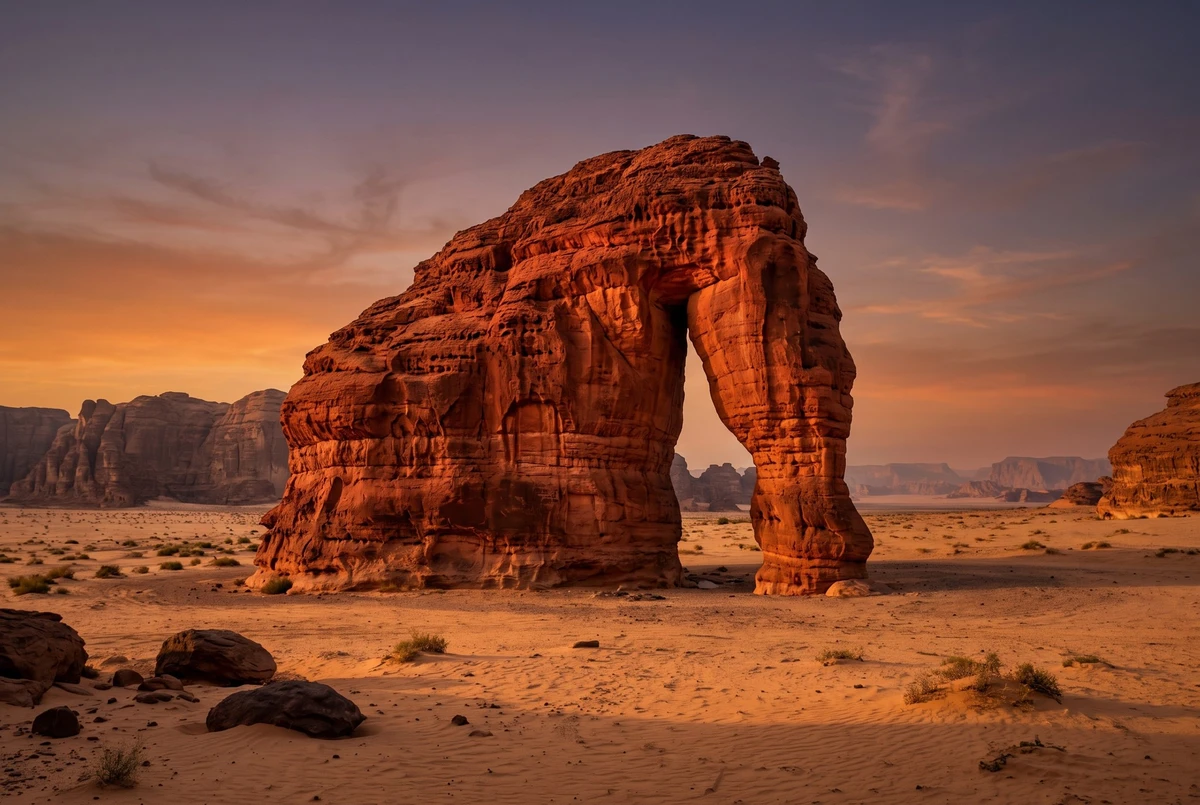
Saudi Arabia
Saudi Arabia mixes desert adventures, coastal escapes and heritage cities, all arranged as day tours or private transfers with prices fixed before you pay.
Before dawn in Madinah, the courtyards of the Prophet’s Mosque fill quietly as the giant white umbrellas fold open to the first light, and the scent of oud drifts from the surrounding streets. Hundreds of kilometres east, the mudbrick walls of At-Turaif in Diriyah glow amber as the sun climbs over Wadi Hanifah, while Riyadh’s towers shimmer on the horizon. On the Red Sea coast, Jeddah’s coral-stone houses in Al-Balad keep their carved wooden rawasheen shading the lanes against the afternoon heat.
Destinations
Choose a city to see everything we arrange there.
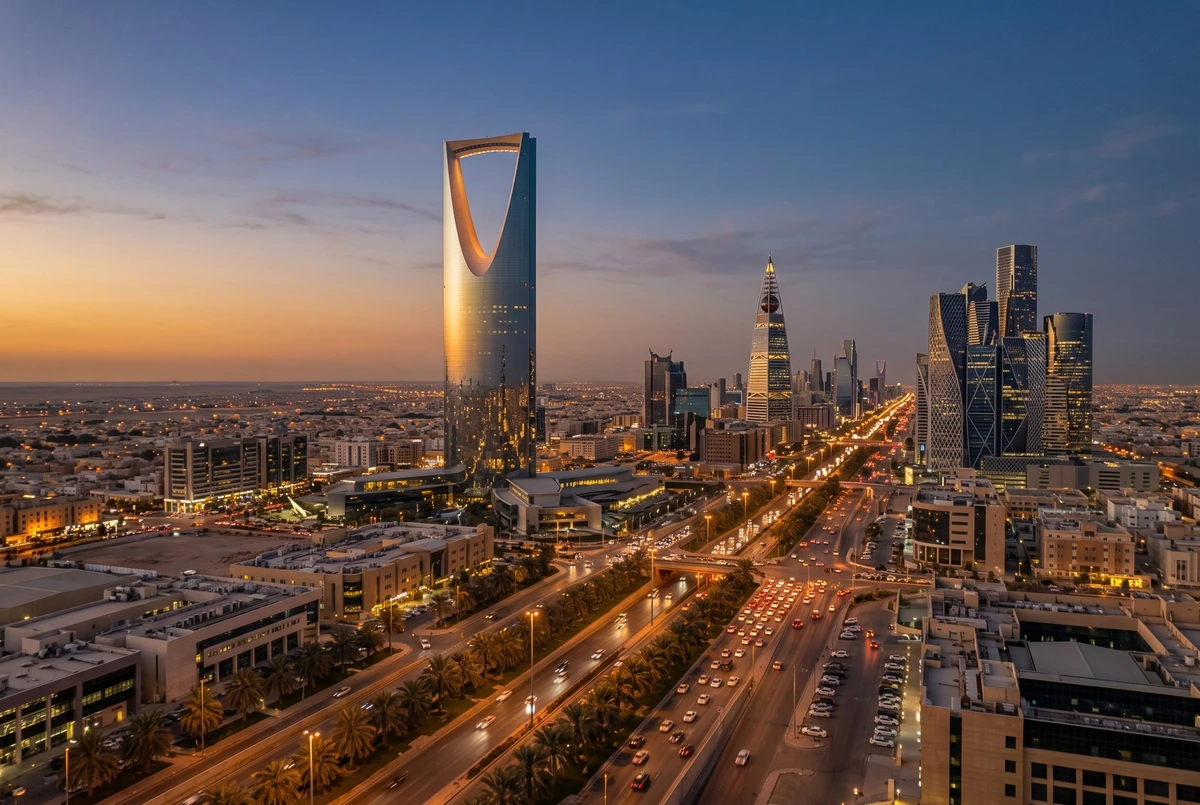
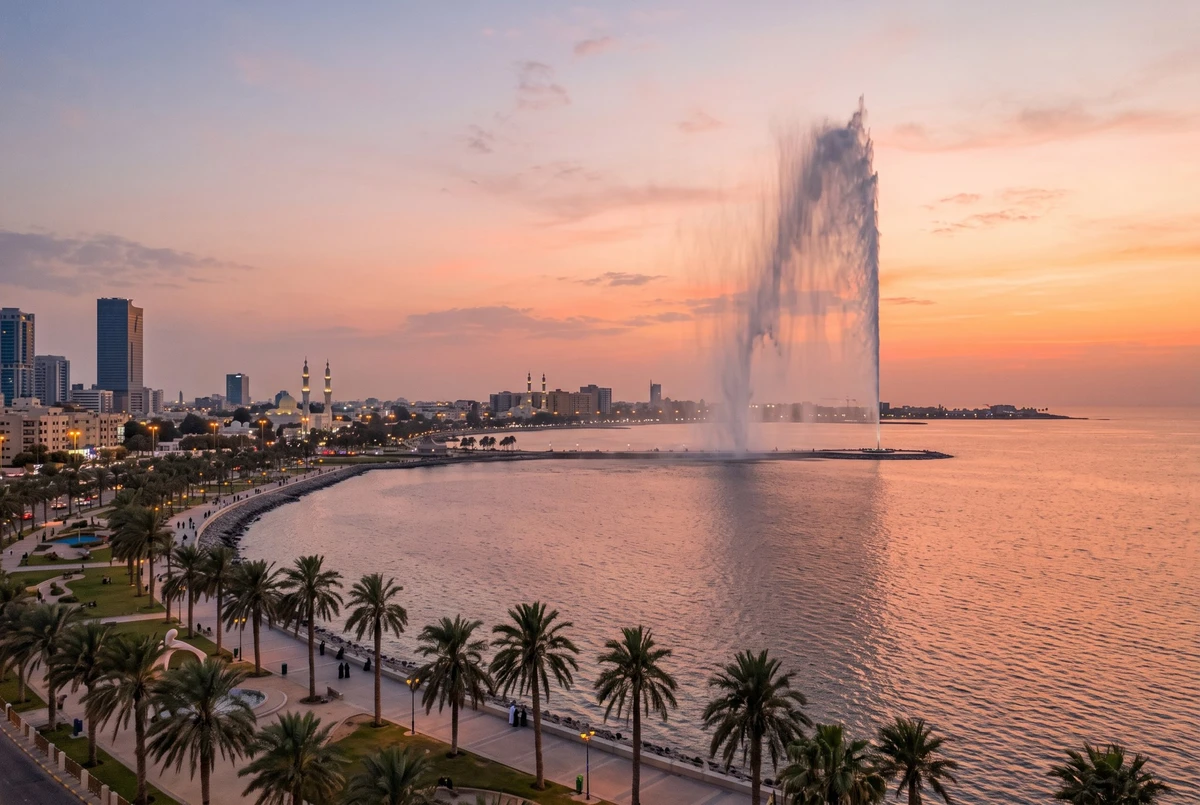
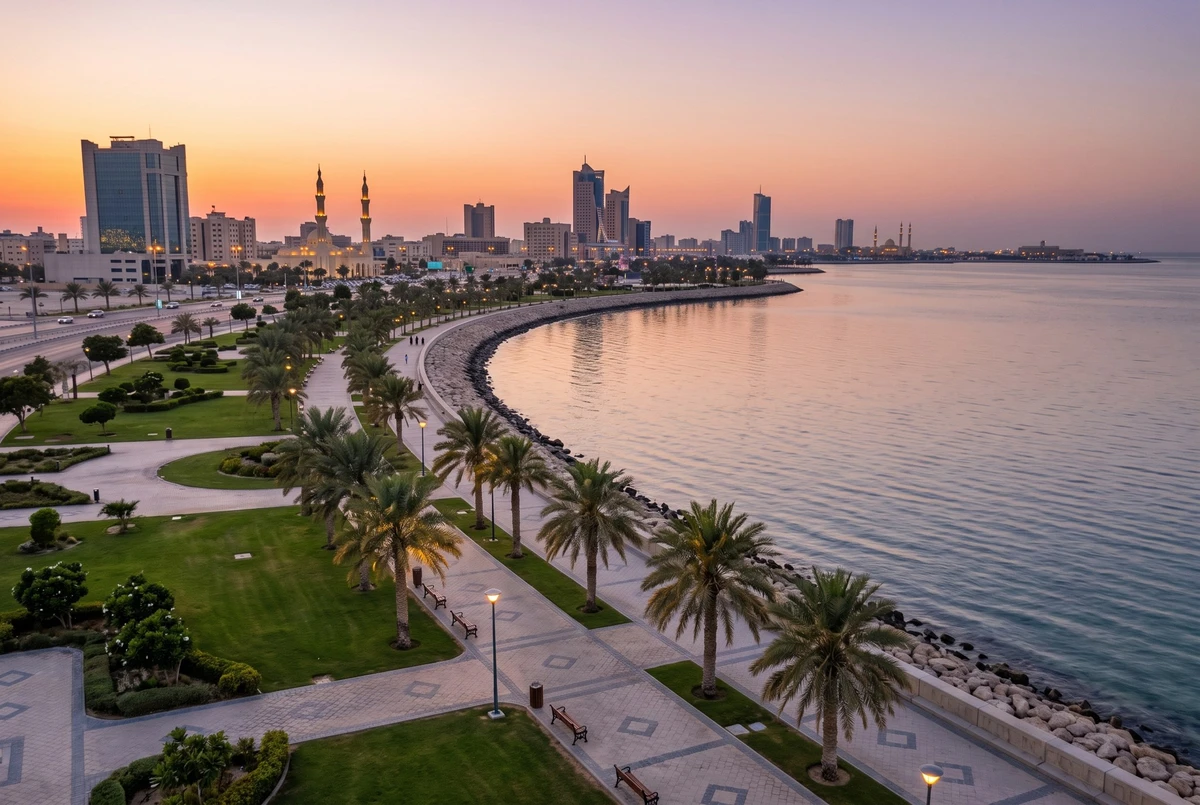
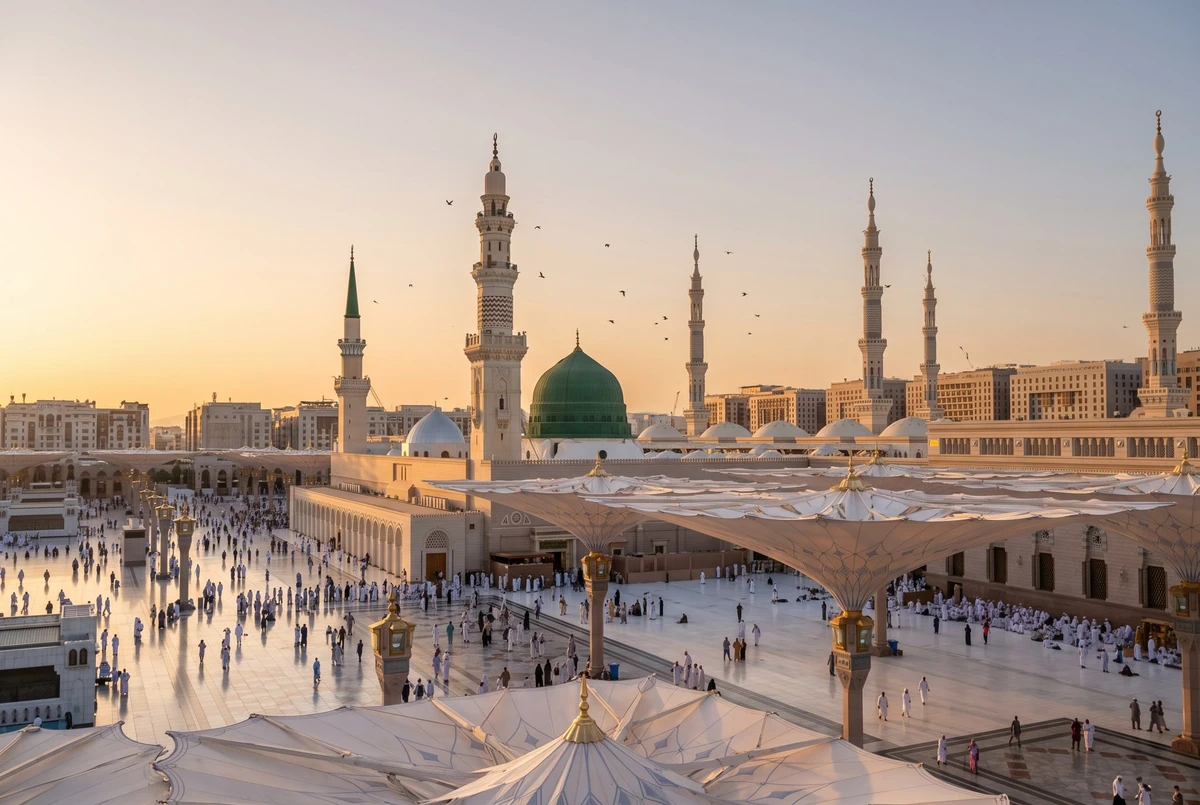
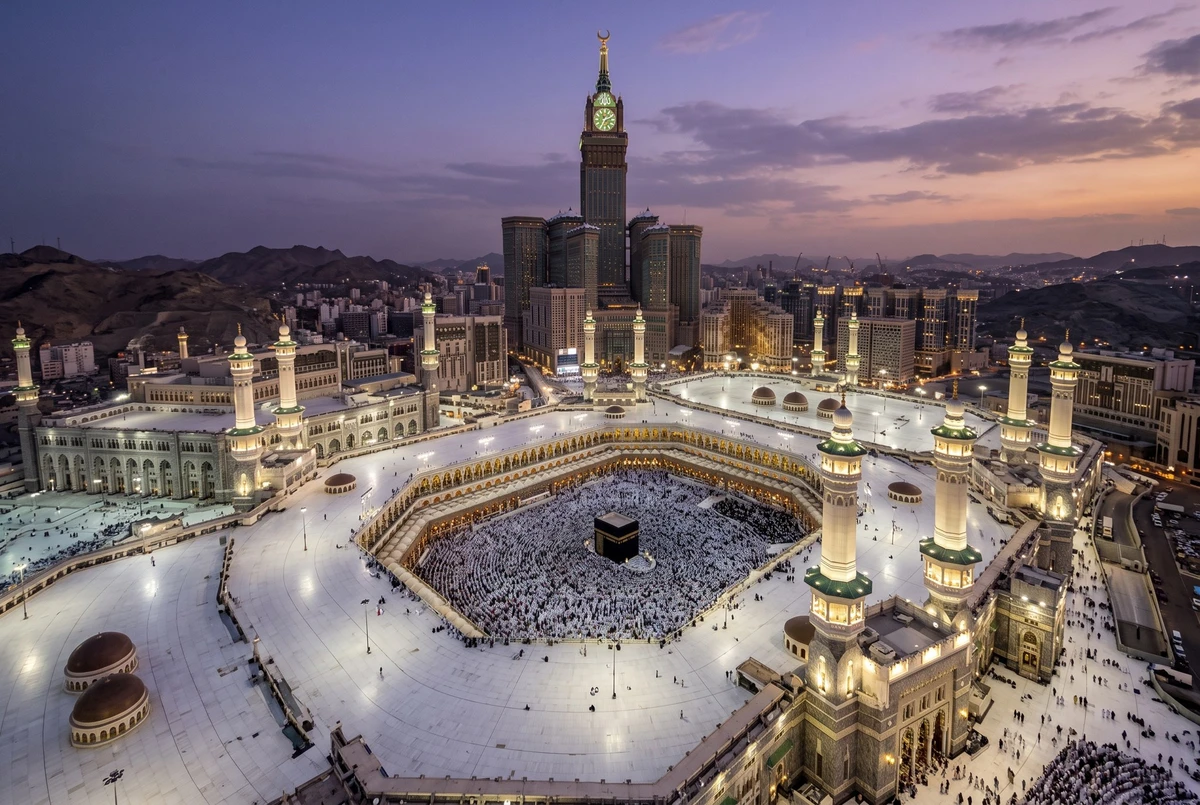
Services by city in Saudi Arabia
Tours
The essence of Saudi Arabia
Saudi Arabia is irreplaceable because it is the heart of the Islamic world and, at the same time, one of the most exciting new frontiers in travel. Pilgrims arrive for Umrah and a lifetime’s devotion; curious travellers discover Nabataean tombs, red sand seas and a coastline of coral reefs. Our team arranges private airport transfers, Haramain high-speed train tickets, domestic flights and guided day tours from Riyadh, so every step of the journey feels calm and cared for.
Why visit Saudi Arabia?
Cradle of Faith and Ancient Kingdoms
Saudi Arabia holds the two holiest sites in Islam, the Masjid al-Haram in Makkah and the Prophet’s Mosque in Madinah, places that live in the hearts of nearly two billion Muslims. Its history reaches deeper still: the Nabataean tombs of Hegra near AlUla, the ancient rock art of the Hail region, and At-Turaif in Diriyah, birthplace of the first Saudi state, all recognised by UNESCO as treasures of humanity.
Sand Seas, Escarpments and the Red Sea
Most of the Arabian Peninsula lies within Saudi Arabia, and its landscapes are immense. The Rub’ al Khali, the Empty Quarter, is the largest continuous sand desert on earth. Near Riyadh, the Tuwaiq escarpment drops away at the dramatic Edge of the World, while the Asir mountains in the south-west stay green and cool. Along the Red Sea, coral reefs, mangroves and quiet islands wait, and the east faces the Arabian Gulf.
Coffee, Dates and Generous Tables
Saudi hospitality begins with qahwa, golden Arabic coffee scented with cardamom and saffron, poured in small cups beside dates from Qassim or Madinah’s prized Ajwa. Kabsa, fragrant rice with lamb or chicken, rules the national table, joined by jareesh, mutabbaq from Jeddah’s street stalls and delicate Hijazi sweets. Traditions such as the Ardah sword dance, Najdi mudbrick architecture and desert poetry are celebrated at festivals across the Kingdom.
Journeys Only Saudi Arabia Offers
Muslim travellers can perform Umrah and pray in the Masjid al-Haram, then ride the Haramain high-speed train to Madinah for prayers at the Prophet’s Mosque. Stand at the Edge of the World as the cliffs fall away to an endless plain. Wander Al-Balad, Jeddah’s historic heart, at dusk, walk the restored lanes of Diriyah after sunset, and watch the Red Sea turn pink along the Jeddah Corniche as the day ends.
Who is Saudi Arabia for?
Ideal for
- Pilgrims performing Umrah
- Families combining Umrah with leisure days
- Heritage and archaeology enthusiasts
- Desert and adventure lovers
- Business travellers extending their stay
- Travellers wanting short, easy weekend breaks
Pace & travel style
- Spiritual journeys centred on prayer times in Makkah and Madinah
- Cool mornings and evenings outdoors, rest in the midday heat
- Fast Haramain trains and short domestic flights between regions
- Private chauffeured transfers for families and elderly pilgrims
When to visit Saudi Arabia
Peak season · November–February
The cooler months are the most comfortable across the Kingdom, with pleasant days in Riyadh and Jeddah and crisp desert nights. This is the season of outdoor festivals, desert camping and long heritage walks, and many families combine Umrah with sightseeing. Demand for hotels near the Haram and for flights rises sharply around school holidays, so book transfers and train tickets early.
Shoulder season · March–April, October
Spring and autumn bring warm but manageable days, especially in the morning and evening. Riyadh’s parks and Diriyah are lovely after sunset, Jeddah’s sea breeze softens the heat, and the Asir highlands are green. Crowds are lighter outside Ramadan and school holidays, making this an intelligent window for travellers who want comfort, availability and calmer visits to the holy mosques.
Low season · May–September
Summer is very hot across most of Saudi Arabia, with humid coasts and scorching inland days, so sightseeing shifts to early mornings and late evenings. Yet the holy cities never sleep: Umrah continues year-round outside the Hajj period, and hotels can offer better value. The mountain towns of the south-west stay cool, and air-conditioned transport, including our private transfers, keeps journeys comfortable.
The regions of Saudi Arabia and how to combine its cities
Saudi Arabia is a vast country of distinct regions. The central Najd plateau is home to Riyadh, the modern capital, and to Diriyah, the mudbrick cradle of the Saudi state, surrounded by desert, wadis and the Tuwaiq escarpment. The western Hijaz, along the Red Sea, holds Jeddah, the historic gateway for pilgrims, and the two holy cities of Makkah and Madinah, the spiritual heart of the Muslim world.
To the east, the Eastern Province faces the Arabian Gulf, with Dammam, Al Khobar and the vast Al-Ahsa oasis of date palms and springs. The north-west hides AlUla’s sandstone canyons and Nabataean tombs, the south-west rises into the cool, terraced Asir mountains, and the Empty Quarter stretches across the south. Distances are great, so smart itineraries combine flights, high-speed trains and private road transfers.
Our city directory below gathers the cities we cover. Makkah and Madinah, linked to Jeddah by the Haramain high-speed railway, form the natural axis of an Umrah journey, with our private transfers handling every airport, station and hotel arrival. Riyadh adds guided day tours to Diriyah and the Edge of the World, and Dammam opens the Gulf coast. A ten-day journey pairing Jeddah, Makkah and Madinah with Riyadh brings faith and discovery together.
Before you go: practical tips for Saudi Arabia
Entry & visas
Saudi Arabia offers a tourist eVisa and visa on arrival to many nationalities, and GCC citizens can enter with their national ID. The tourist visa generally permits Umrah outside the Hajj season, while Hajj itself requires a dedicated Hajj visa. Requirements depend on your passport and change periodically, so check the official Saudi government visa portal or the nearest embassy before booking.
Money, cards & tipping
The currency is the Saudi riyal. Cards and mobile payments are accepted almost everywhere, including small shops and taxis, though a little cash is useful in traditional markets and near the holy mosques. Tipping is not obligatory but appreciated: rounding up or around ten percent for good restaurant service, and small amounts for drivers and porters. Light bargaining is normal in souks, not in malls.
Etiquette & dress code
Dress modestly in public, with loose clothing covering shoulders and knees for everyone. Women visitors are not required to wear an abaya, but modest attire is expected, and a headscarf is needed at mosques. Avoid photographing people, especially women, without permission, and never photograph worshippers’ faces in the holy mosques. Some shops pause briefly at prayer times, and only Muslims may enter Makkah.
Getting around
The Haramain high-speed railway links Makkah, Jeddah and Madinah in comfort, and another rail line connects Riyadh with Dammam and the east. Domestic flights cover the long distances between regions quickly, and Riyadh now has a modern metro. For pilgrims, families and anyone travelling with luggage, our private chauffeured transfers connect airports, train stations and hotels near the holy mosques, door to door.
Must-do things in Saudi Arabia
- Muslim travellers: perform Umrah and pray beneath the open sky of the Masjid al-Haram.
- Pray at the Prophet’s Mosque in Madinah and visit the historic Quba Mosque nearby.
- Ride the Haramain high-speed train between Makkah, Jeddah and Madinah.
- Walk the mudbrick lanes of At-Turaif in Diriyah, birthplace of the Saudi state.
- Stand at the Edge of the World on a guided day tour from Riyadh.
- Explore Al-Balad in Jeddah, with its coral-stone houses and carved wooden balconies.
- Stroll the Jeddah Corniche at sunset and watch the King Fahd Fountain soar.
- Visit Masmak Fortress and the National Museum in the heart of Riyadh.
- Taste kabsa, mutabbaq and fresh Ajwa dates in local family restaurants.
- Enjoy the cool evening breeze on the Dammam waterfront and the Al Khobar Corniche.
Do’s and don’ts in Saudi Arabia
Do
- Do dress modestly and carry a light scarf for mosque visits.
- Do plan sightseeing around prayer times and away from the midday heat.
- Do book Haramain train seats and hotel transfers early during Ramadan and holidays.
- Do accept Arabic coffee and dates when offered; it is a gesture of welcome.
- Do keep your passport or ID with you when travelling between cities.
Don’t
- Don’t photograph people, especially women, without clear permission.
- Don’t attempt to enter Makkah unless you are Muslim; checkpoints enforce this.
- Don’t eat, drink or smoke in public during Ramadan daylight hours.
- Don’t underestimate distances; Saudi Arabia is vast, so fly or take the train.
- Don’t pack restricted items or medicines without checking Saudi customs rules.
Saudi Arabia at a glance
Plan Saudi Arabia with Haqqi Tours
Every option is confirmed by our team on WhatsApp before you pay, and delivered by our own people or by trusted local partners we work with in every city. Because we send travellers from all over the world, our partners give us special rates and priority, so you always receive the best. Prices are per person unless marked per vehicle.
About Haqqi Tours: About us Contact us Legal NoticePrivacy PolicyCookies & Marketing PreferencesTerms & ConditionsBooking, Payment & Refunds
Good to know
Frequently Asked Questions
Straight answers to what travellers ask most about Saudi Arabia.
Is it safe to visit Saudi Arabia?
Saudi Arabia is considered a safe destination, with low street crime, strong security in cities and around the holy mosques, and a deep culture of hospitality toward guests. The main challenges are heat and crowds during peak pilgrimage periods. Follow local laws and dress codes, and keep our team on WhatsApp for help with any transfer or schedule change.
How many days do I need for a first trip to Saudi Arabia?
For Umrah, plan at least five to seven days, dividing time between Makkah and Madinah, with Jeddah as the gateway. For a first leisure trip, ten days lets you combine Riyadh and Diriyah, Jeddah’s old town and the holy cities. With fourteen days, add Dammam and the Gulf coast or simply travel at a slower pace.
What is the best way to travel between Saudi Arabia's major cities?
Use the Haramain high-speed train between Makkah, Jeddah and Madinah, domestic flights for longer hops such as Jeddah to Riyadh or Dammam, and rail between Riyadh and the east. We issue train and flight tickets, and our private transfers meet you at airports and stations, taking you straight to your hotel.
Can a trip to Saudi Arabia be tailored for luxury or private travel?
Yes. We can tailor a private journey with chauffeured transfers from airport to hotel, a dedicated driver between Makkah and Madinah, premium Haramain train seats, domestic flights and private guided day tours from Riyadh. Families travelling with elderly relatives value spacious, comfortable vehicles. Our team confirms every detail on WhatsApp before anything is paid.
Is Saudi Arabia tourist friendly?
Increasingly so. Since opening to tourism, Saudi Arabia has invested heavily in new attractions, signage, transport and hotels. Arabic is the main language, with English common in hotels, airports and major sites. Halal food is everywhere, prayer facilities are never far away, and Saudi hospitality toward guests is famously warm, especially for families.
Is it safe to travel to Saudi Arabia now?
Saudi Arabia is generally a stable and well-secured destination for visitors and pilgrims. Because circumstances anywhere can change, check the official travel advice of your own government shortly before departure and follow local instructions, particularly around the holy mosques during busy seasons. Keep our WhatsApp line handy; our team can help with transfers and changes during your trip.
What is the best time to visit Saudi Arabia?
November to February is the most comfortable time for sightseeing across Saudi Arabia, with mild days and cool nights. March, April and October are warm but pleasant in the mornings and evenings. For Umrah any month works, though Ramadan and school holidays are busiest. Summer is very hot, but hotels near the holy mosques can offer better value.
What is Saudi Arabia famous for?
Saudi Arabia is famous above all as the home of Makkah and Madinah, the two holiest cities in Islam. It is also known for the mudbrick heritage of Diriyah, Jeddah’s historic Al-Balad, the Nabataean tombs of AlUla, vast deserts such as the Empty Quarter, Red Sea coral reefs, Arabic coffee, dates and generous hospitality.
How does an airport transfer work when arriving in Jeddah?
A driver from Haqqi Tours waits at Jeddah's arrivals hall with the flight already tracked, and the pickup point and a fixed price are confirmed in writing over WhatsApp before the family lands, in Arabic or English.
Can a family combine Dammam's airport pickup with a detour to Al Ahsa?
The Dammam Airport to Al Ahsa to Dammam route is built exactly for that, taking the family inland from the coast and returning them to Dammam within a single arranged transfer, its cost fixed in writing beforehand.
How are transfers arranged for a family flying into Madinah?
The Madinah Airport to Madinah Airport transfer is booked through the WhatsApp desk, in Arabic or English, with pickup details and a fixed price confirmed in writing ahead of the flight landing.
Which cities in Saudi Arabia does Haqqi Tours cover?
Riyadh, Jeddah, Dammam, Madinah and Makkah. Each city has its own page with everything available there, and a trip across several cities is planned in one WhatsApp conversation.
What can I book in Saudi Arabia?
Day tours, private airport transfers, flight tickets and train tickets - all run or confirmed by Haqqi Tours, each with a fixed price agreed on WhatsApp before you pay.
How do I book a tour or transfer in Saudi Arabia?
Fill in the form on the page you are interested in, or message us on WhatsApp with the date, the number of travellers and your hotel. A member of our team confirms the price and the details in writing within minutes.
Are the prices fixed?
Yes. Every price is agreed in writing on WhatsApp before you travel and does not change on the day - not for traffic, not for a late flight, not for the hour.
Do you arrange transfers between cities in Saudi Arabia?
Yes. Intercity transfers by private car or van are booked the same way as airport transfers; tell the desk the two hotels and the date and it quotes a fixed price for the whole vehicle.