
Spain
From Andalusian palaces to Barcelona's coastline, Haqqi Tours plans Spain itineraries for Gulf families, confirmed over WhatsApp before you travel.
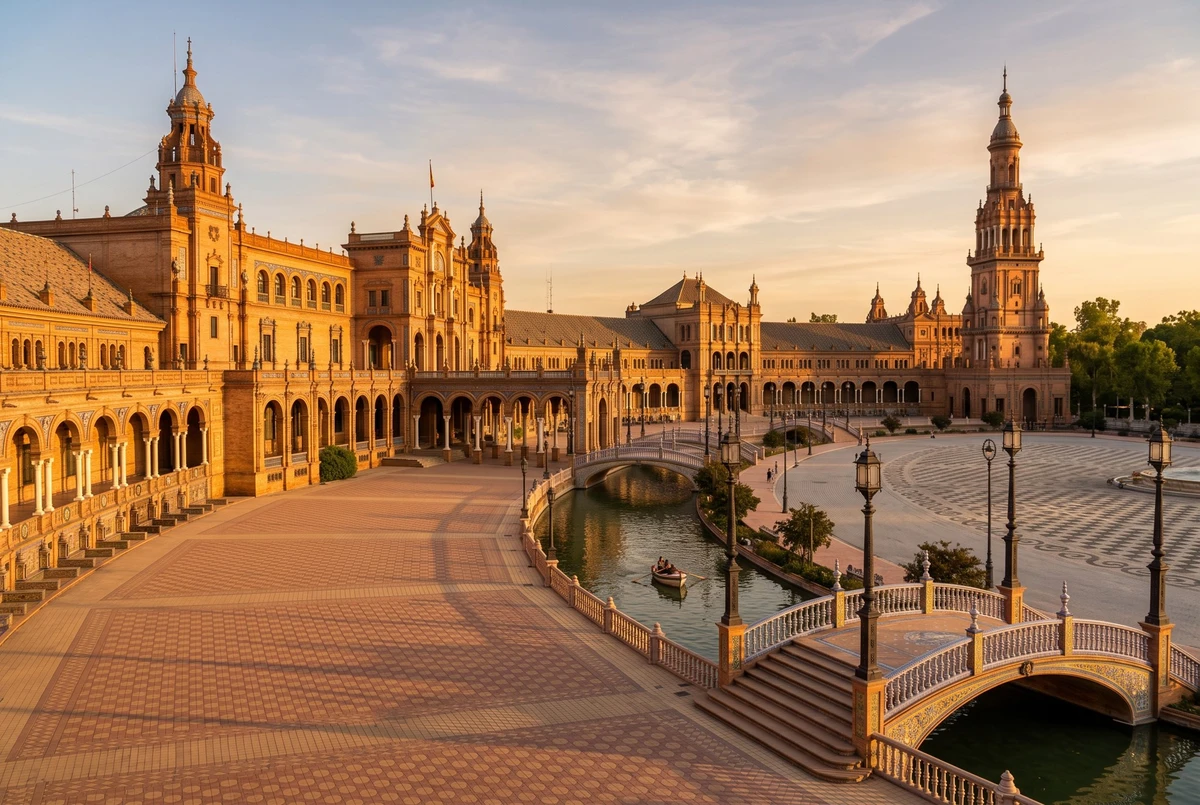
Evening in Seville smells of orange blossom and warm stone. Swifts wheel above the Giralda, a flamenco guitar spills from a courtyard in Santa Cruz, and families stroll the riverbank long after dark, because in Spain the day only truly begins once the heat fades. A few hours east, the Alhambra’s carved stucco glows rose-gold at sunset above Granada, its fountains murmuring verses written in Arabic eight centuries ago, while the snows of the Sierra Nevada shine behind it.
Destinations
Choose a city to see everything we arrange there.
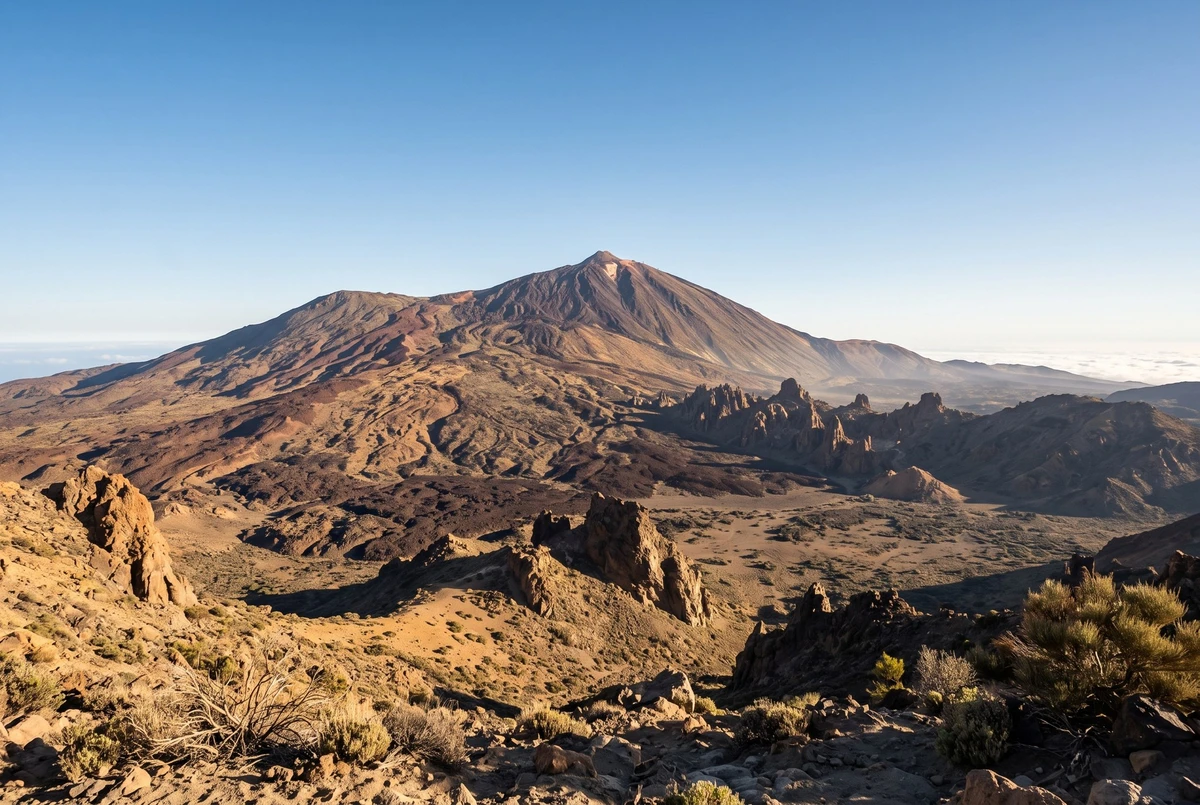
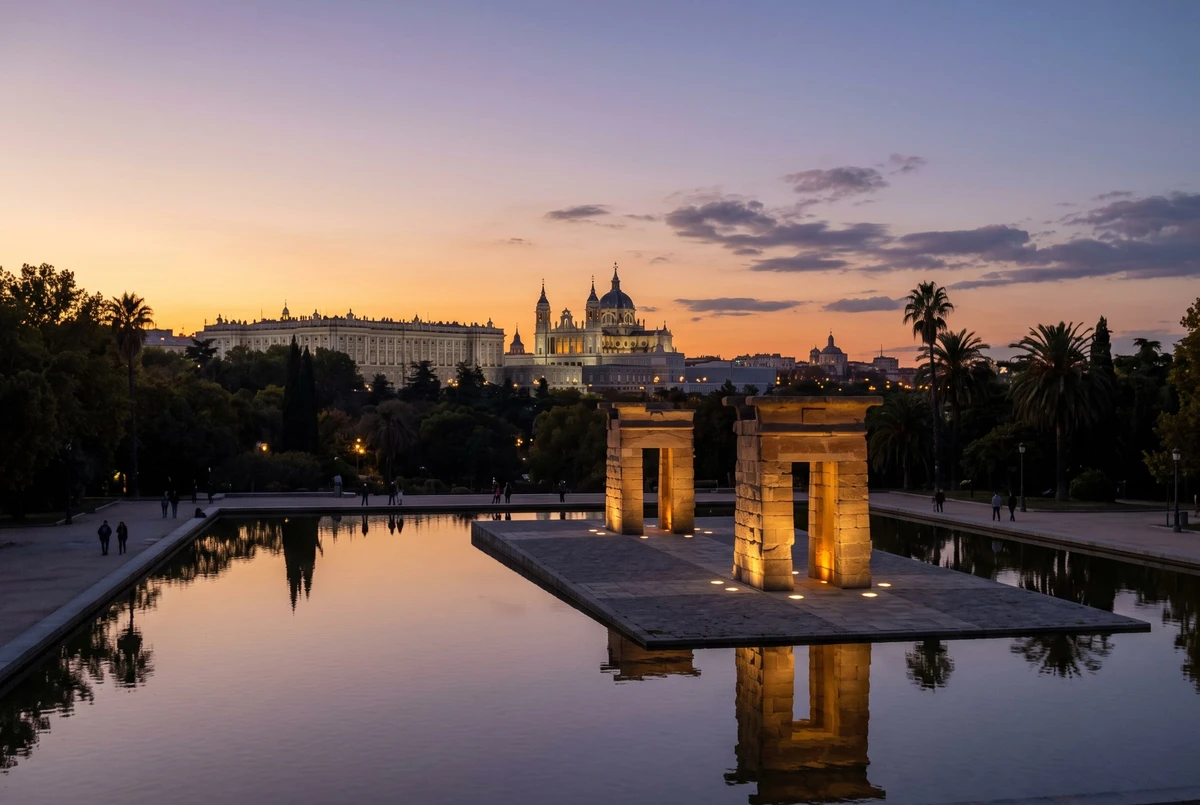
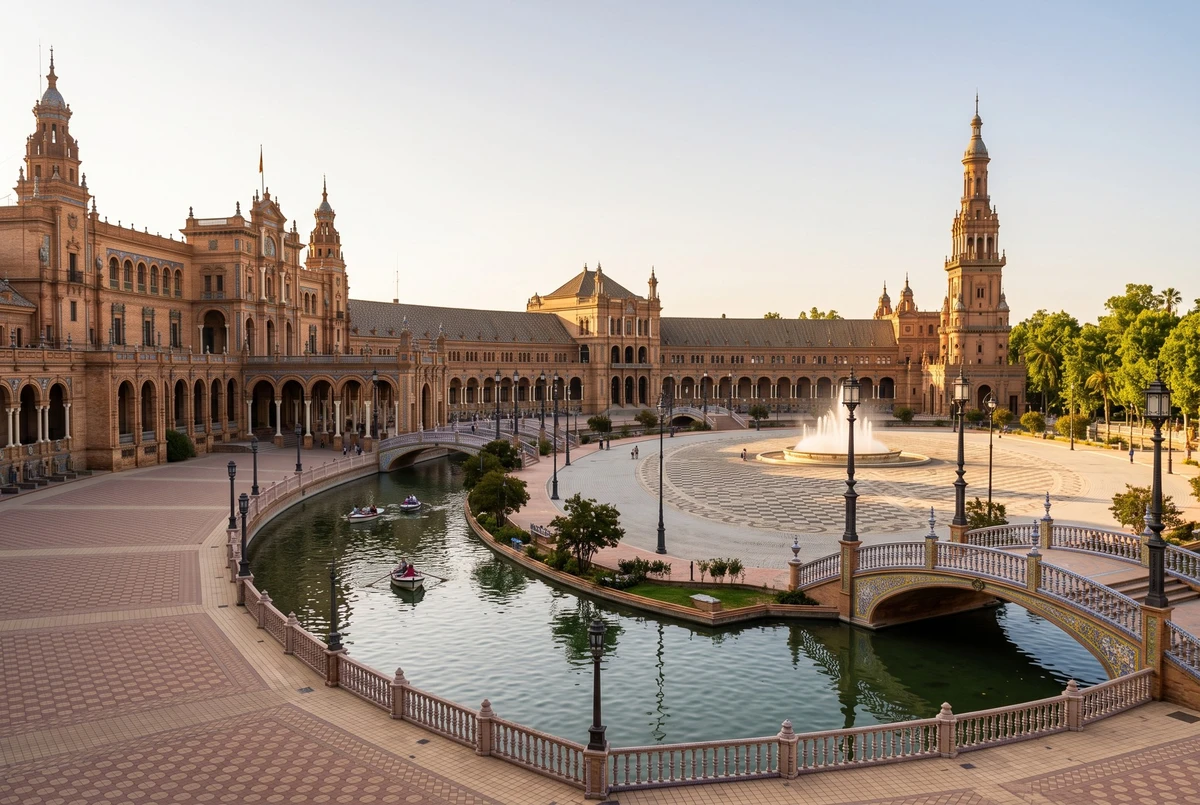
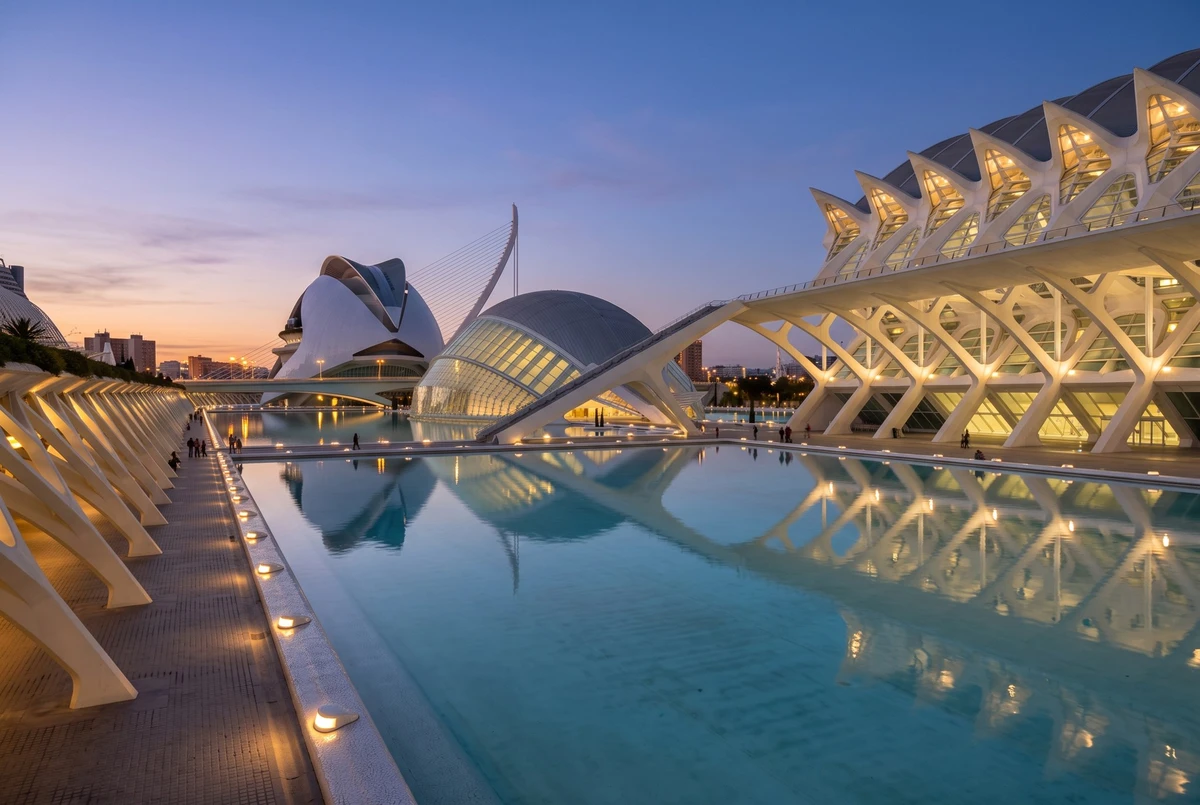
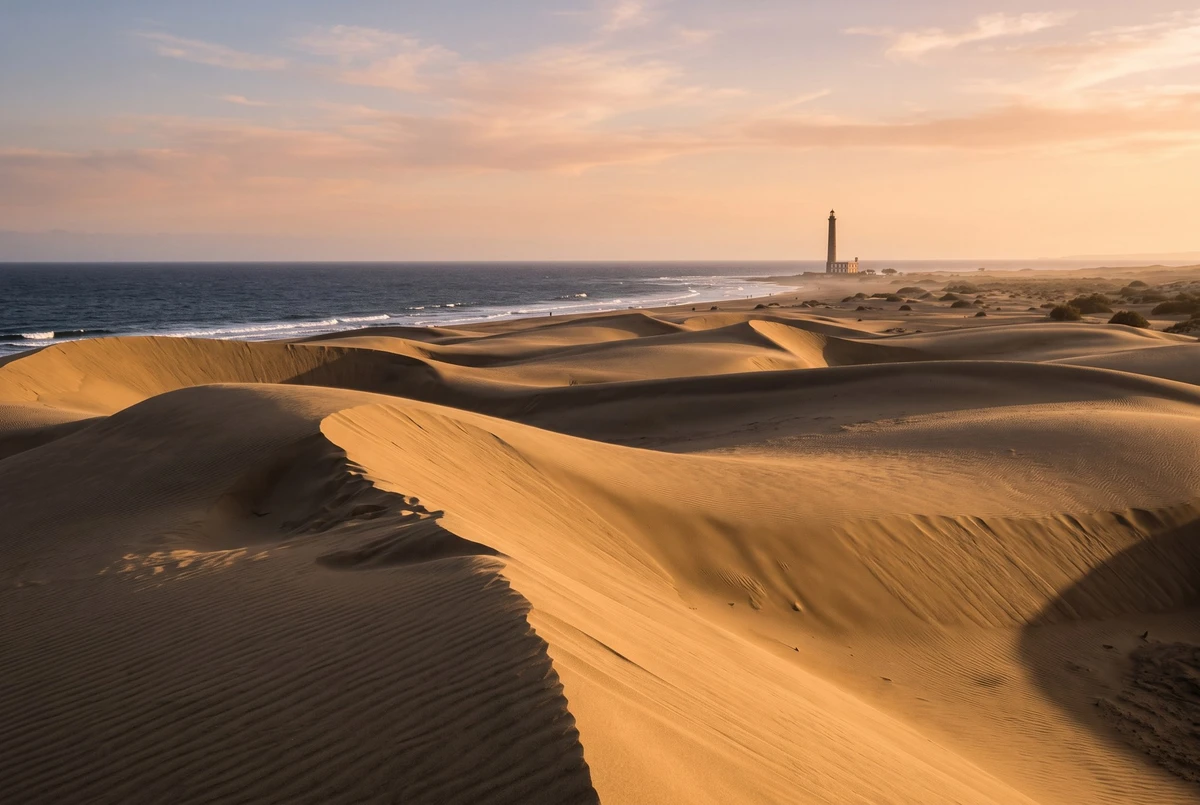
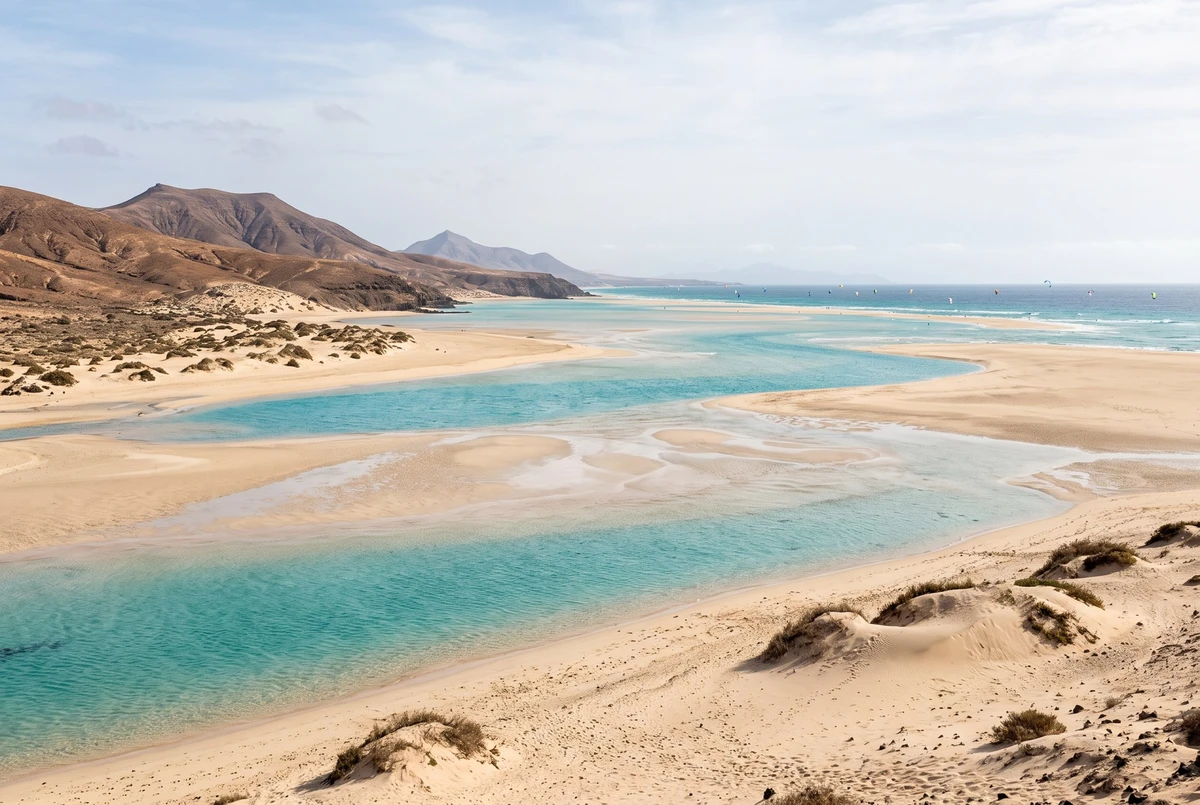
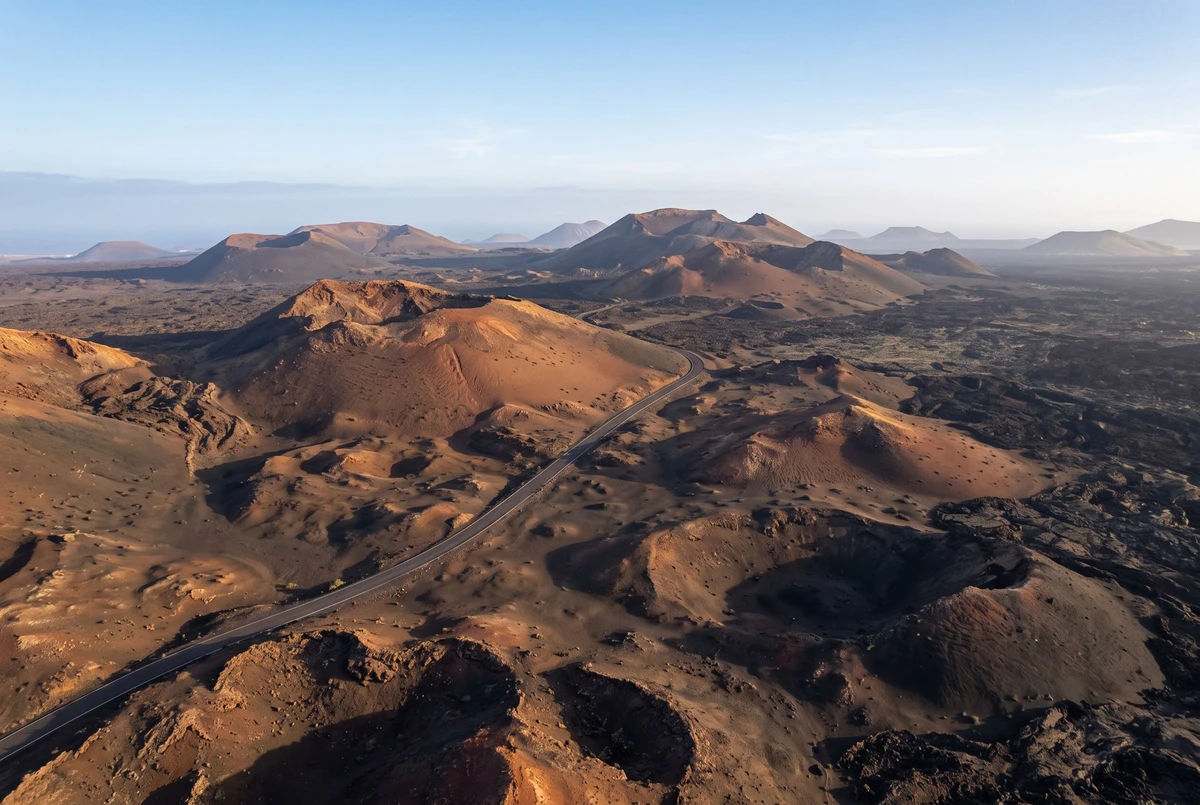
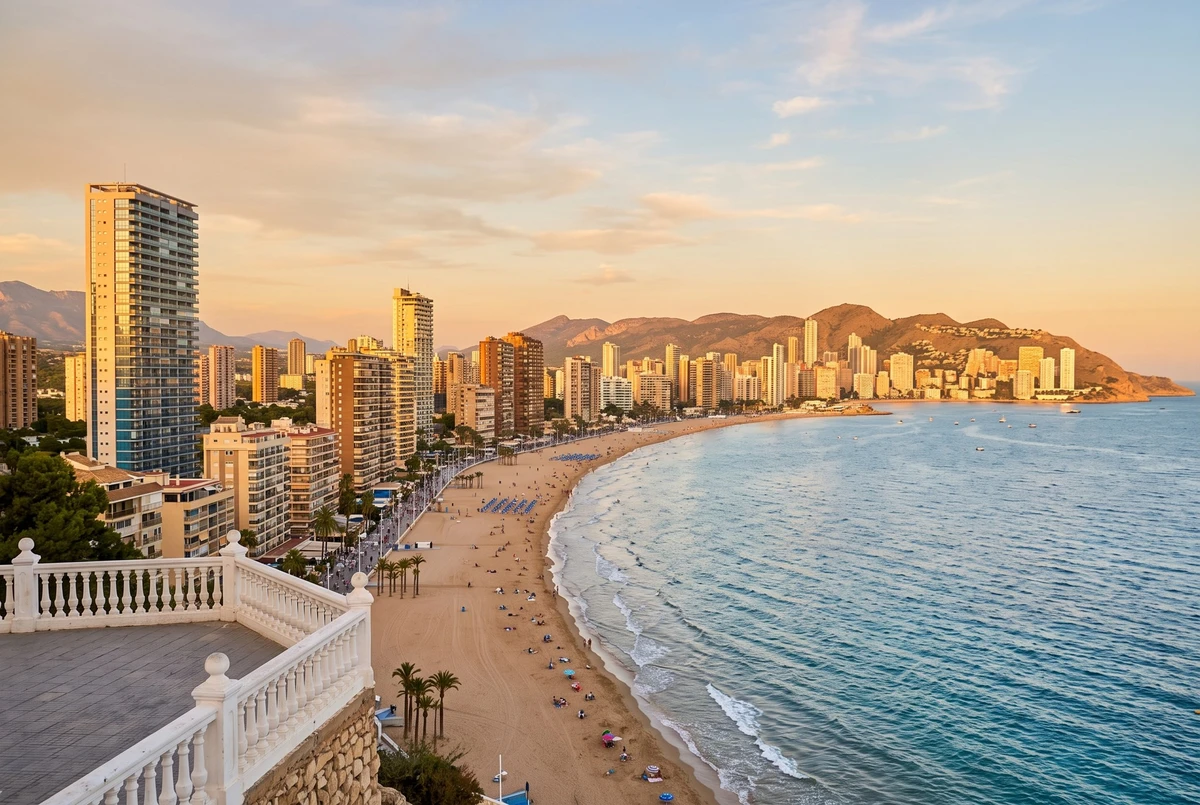
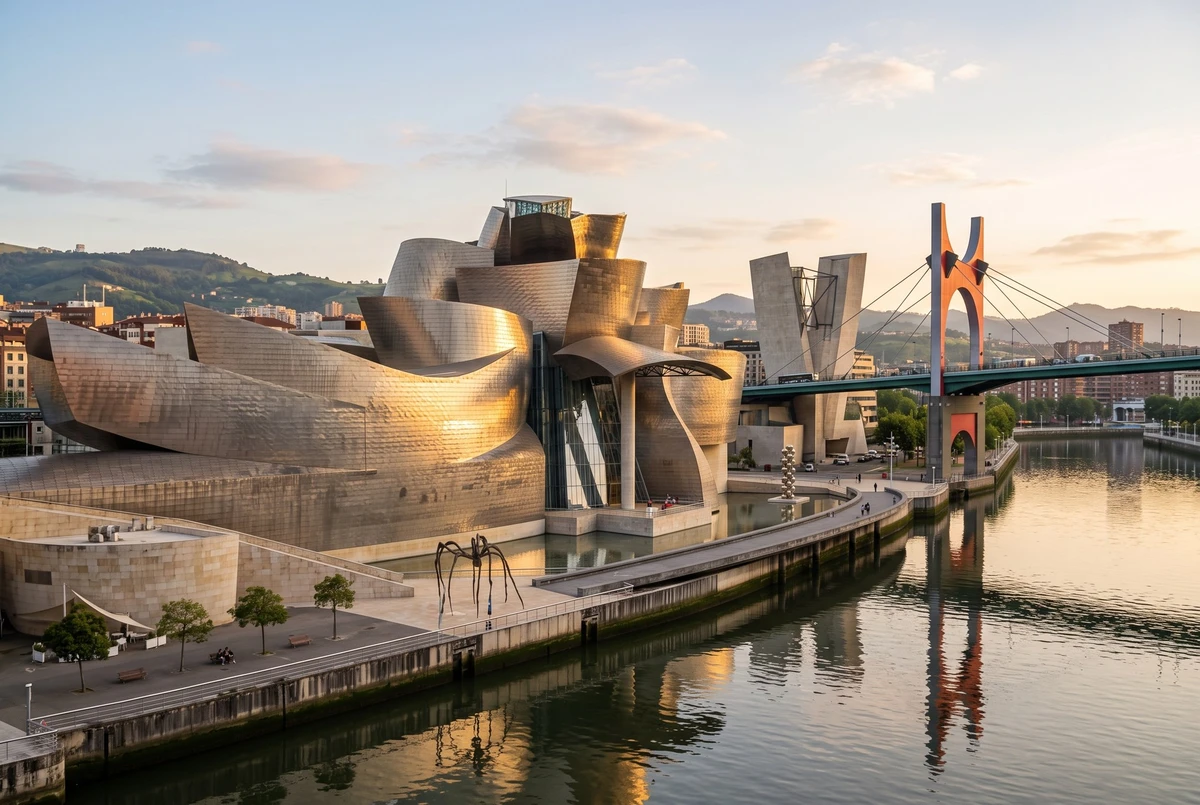
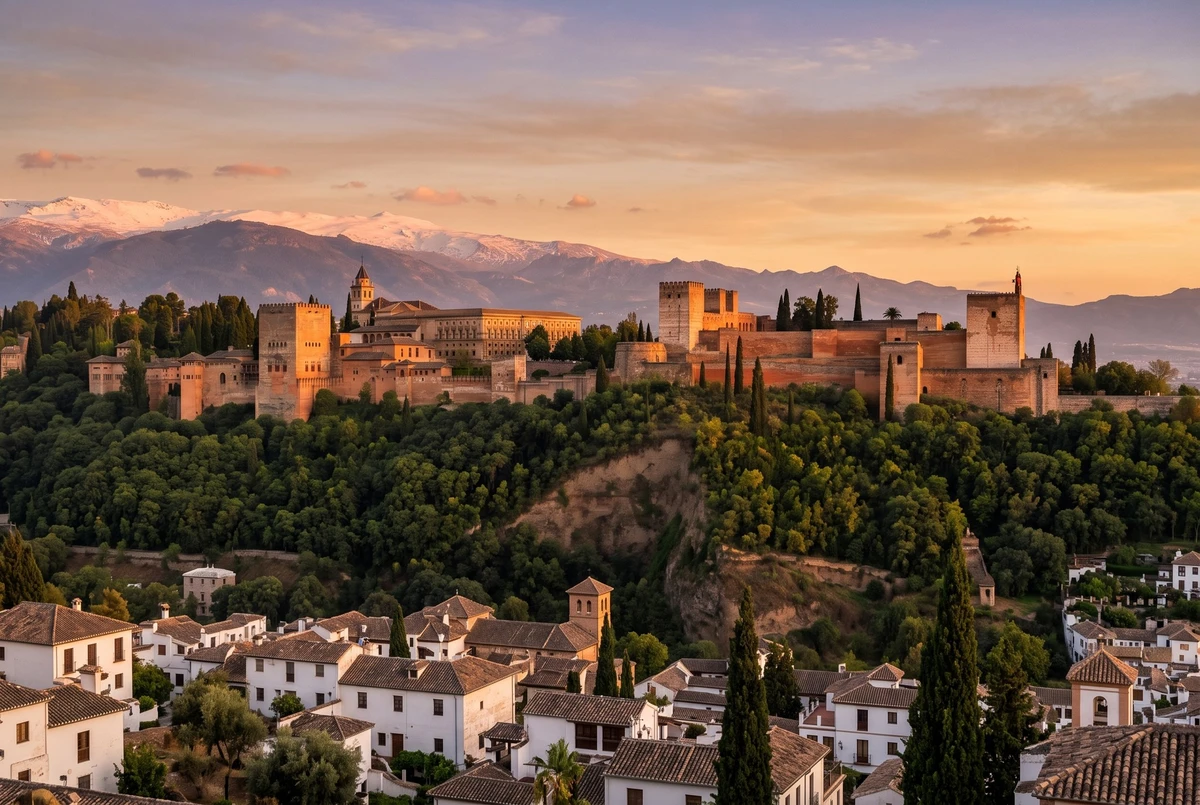
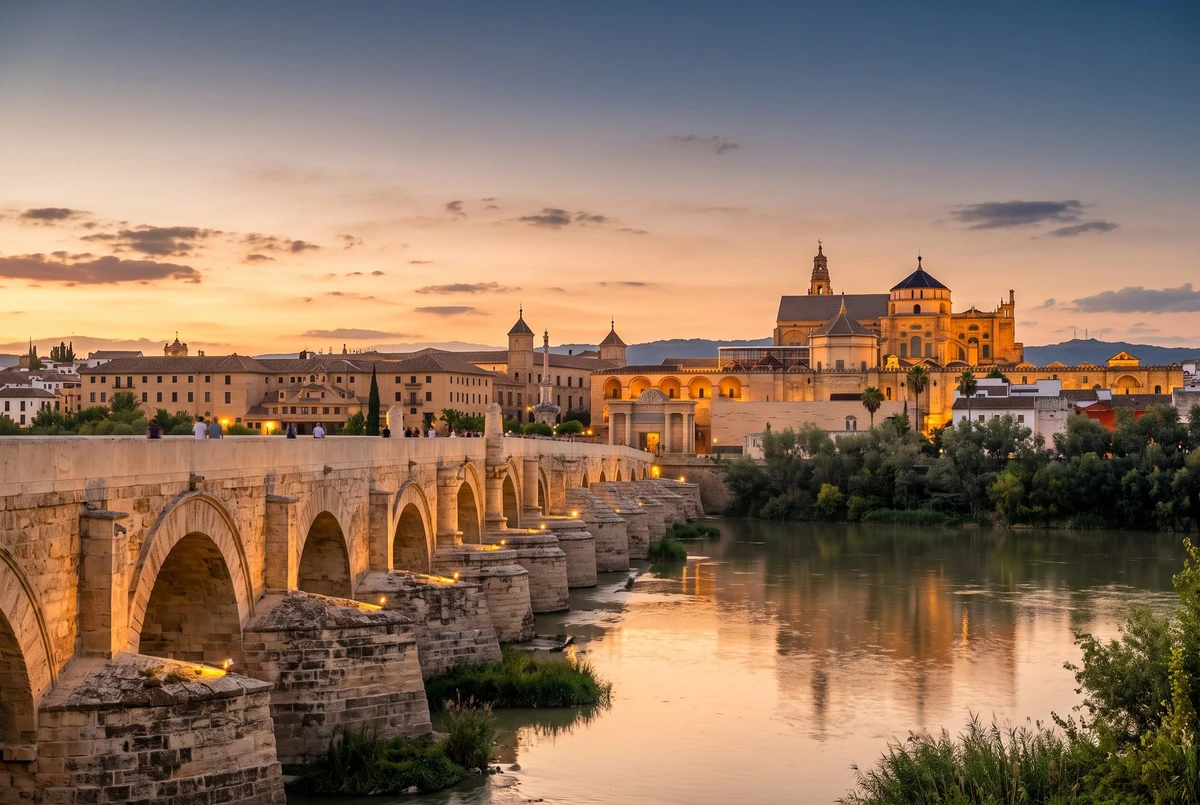
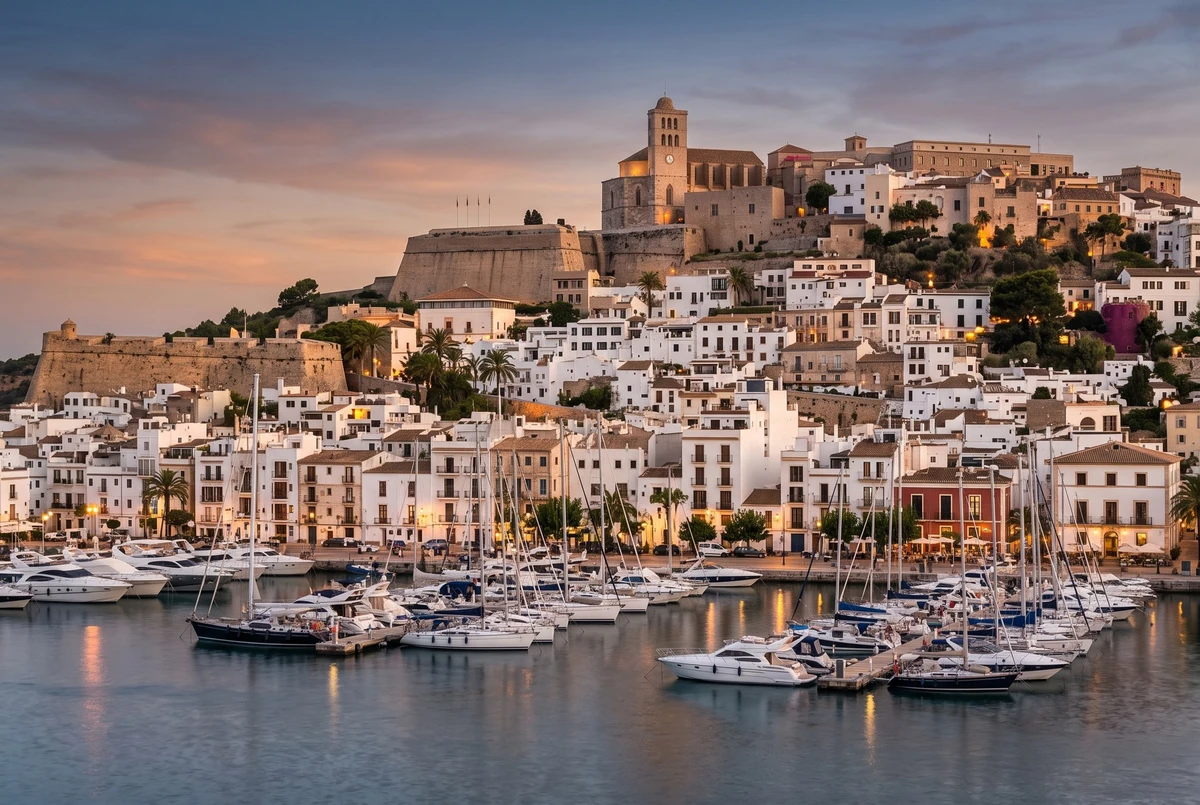
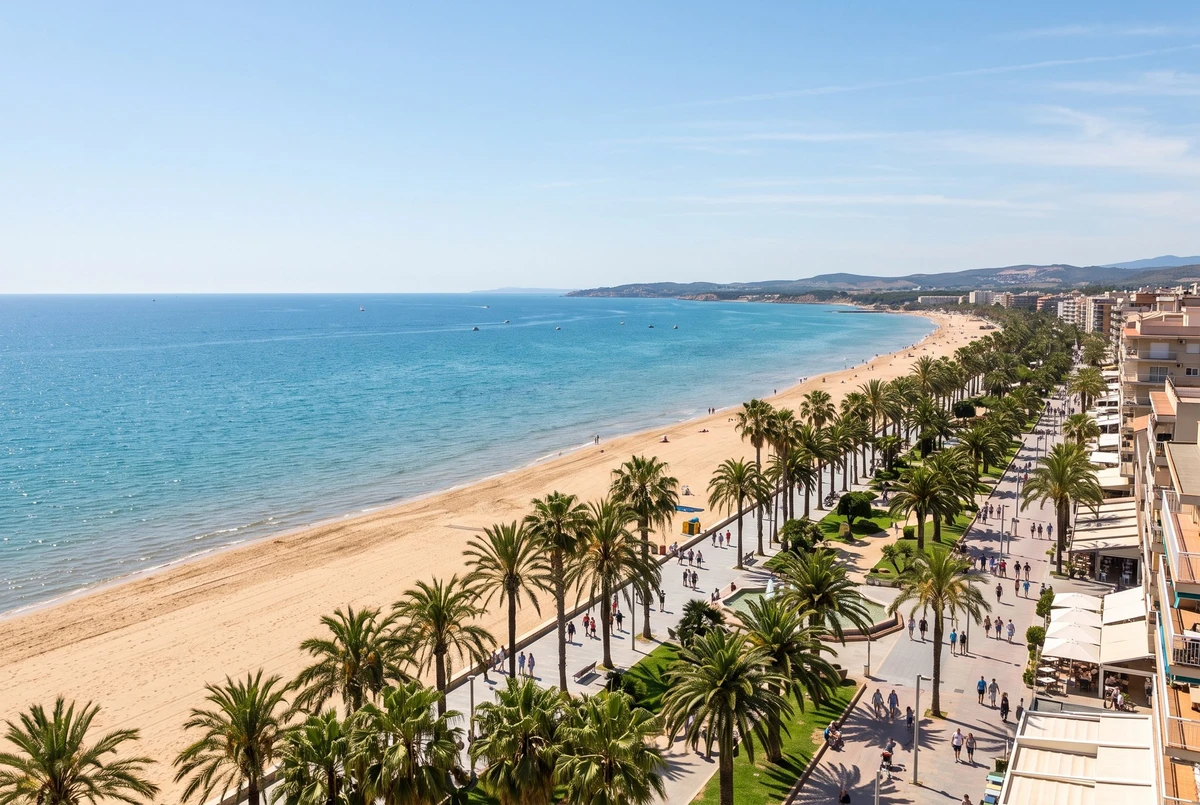
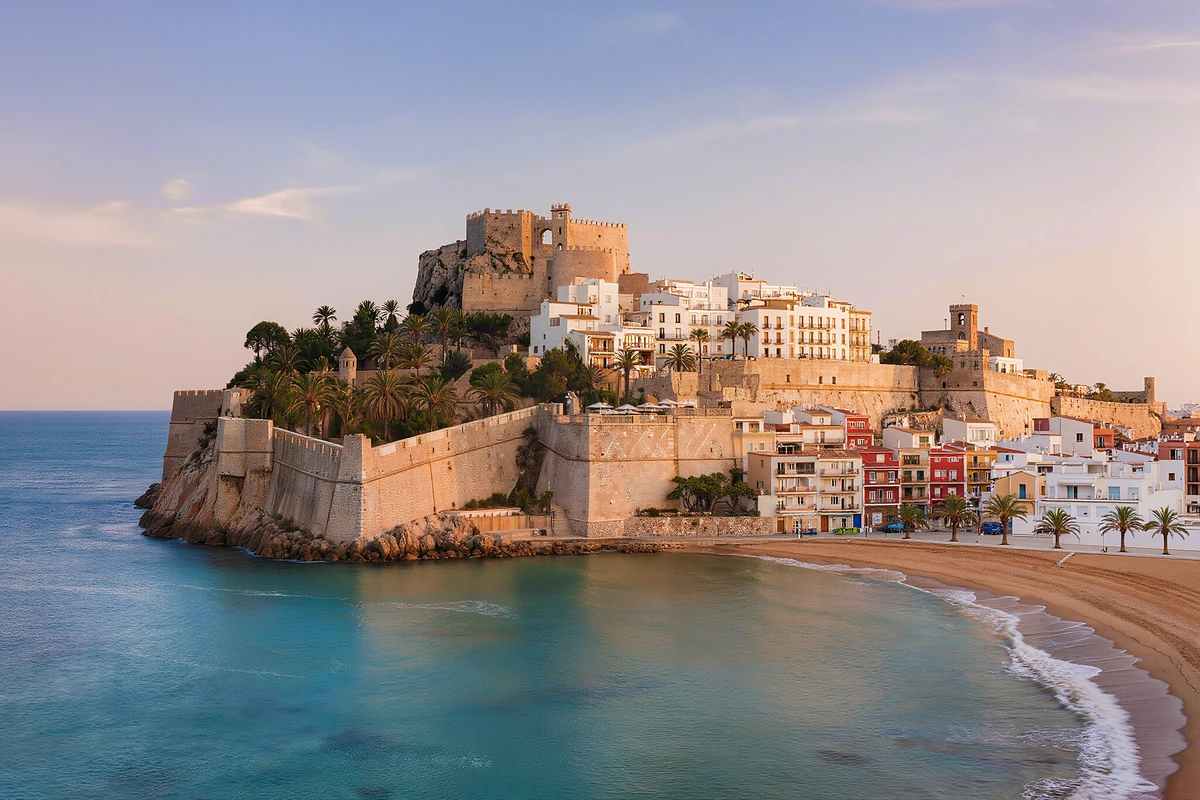
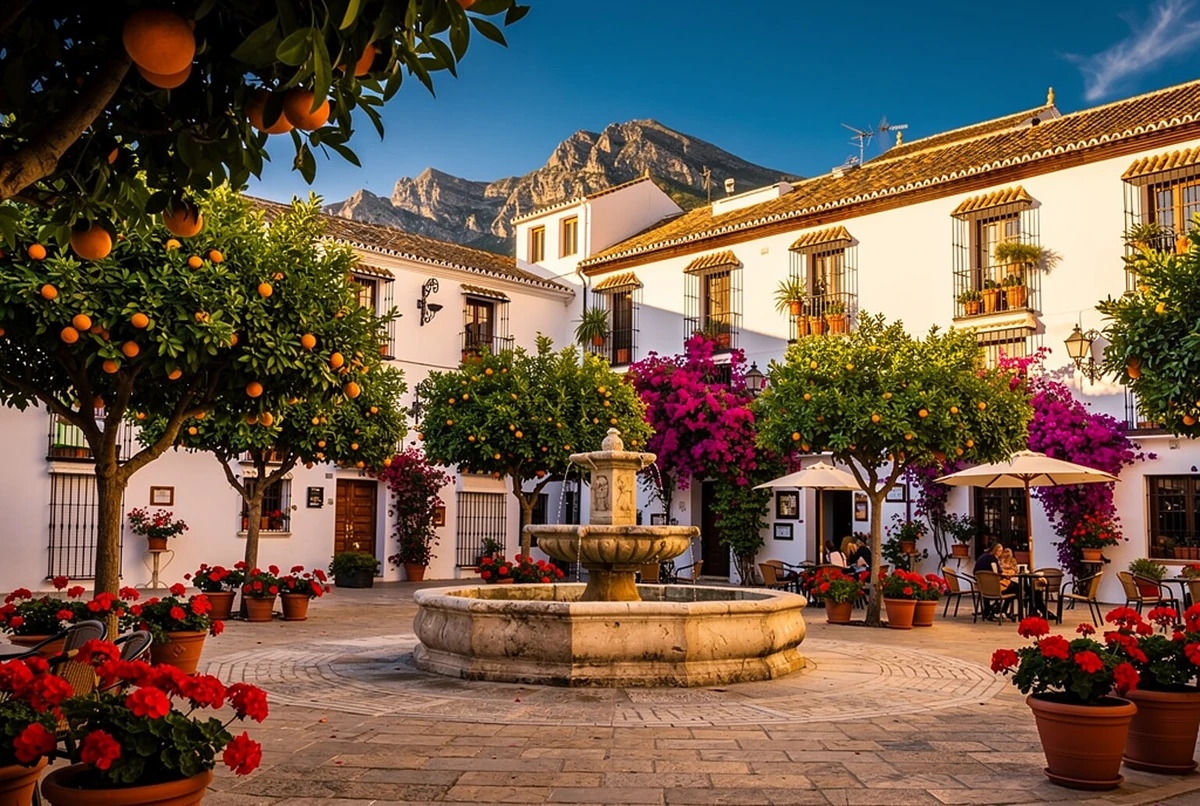
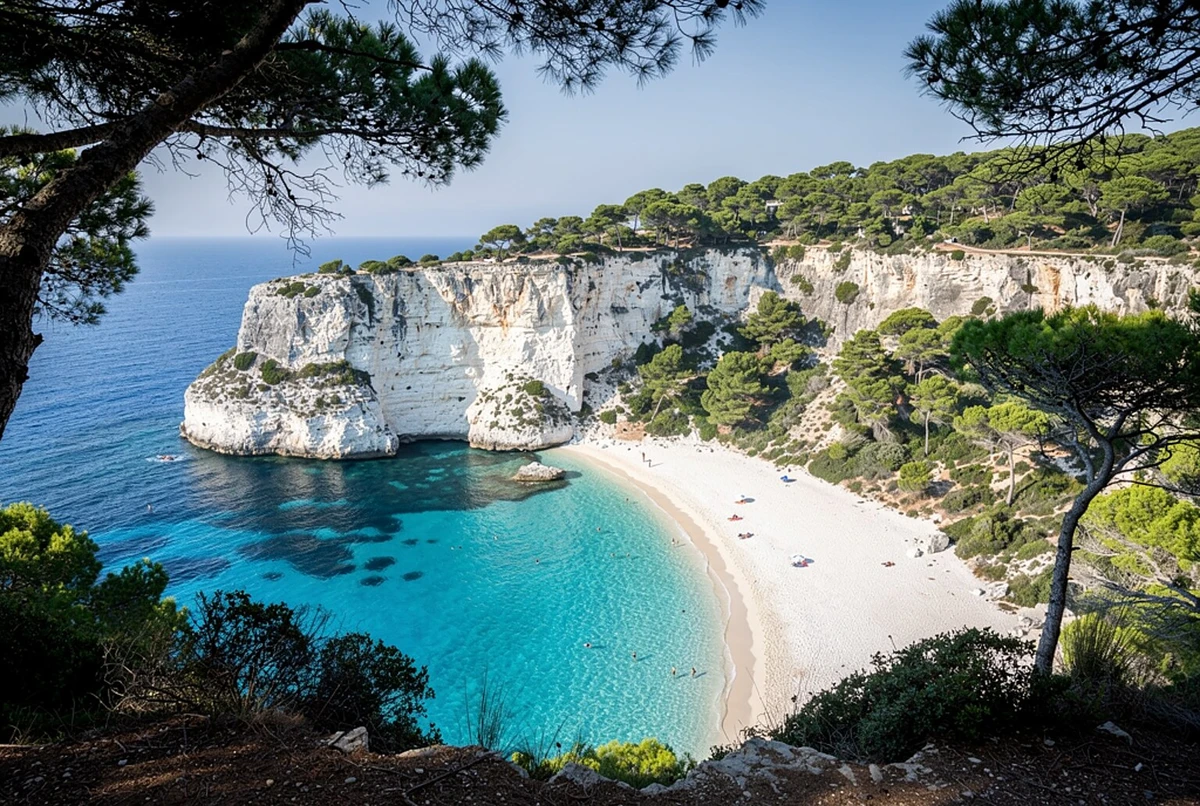
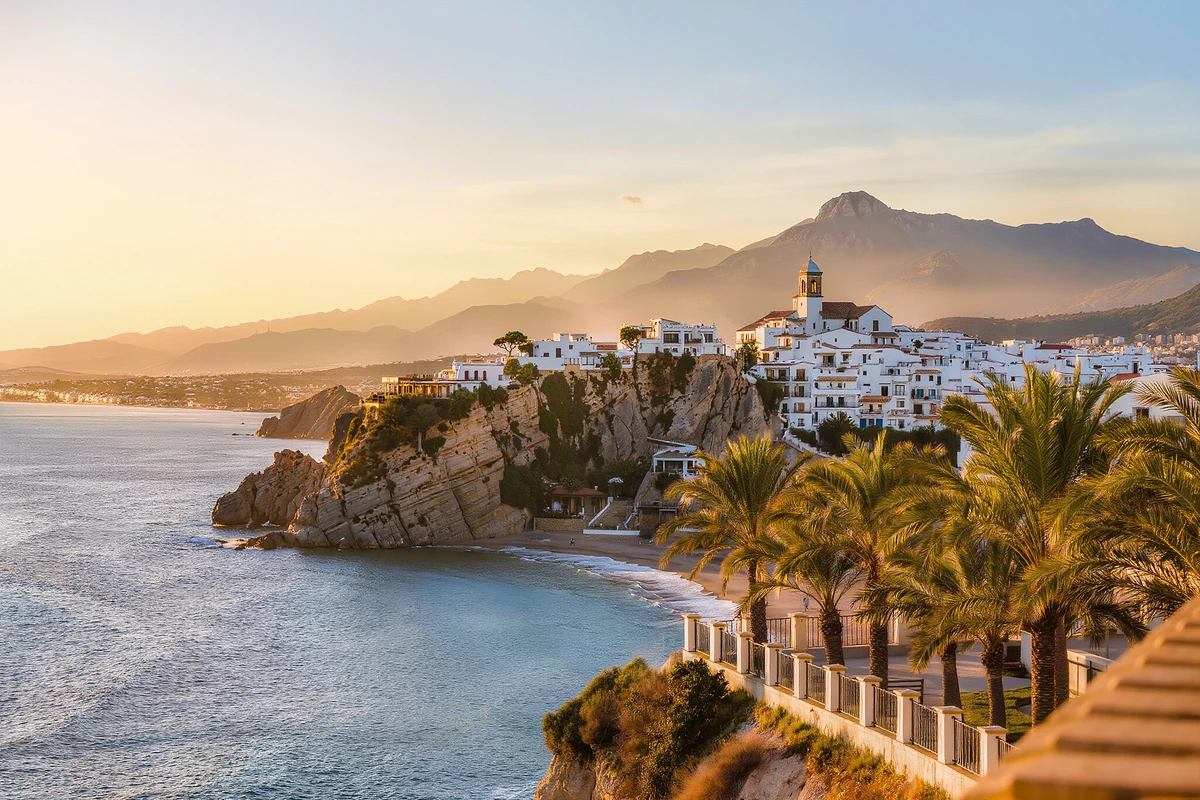
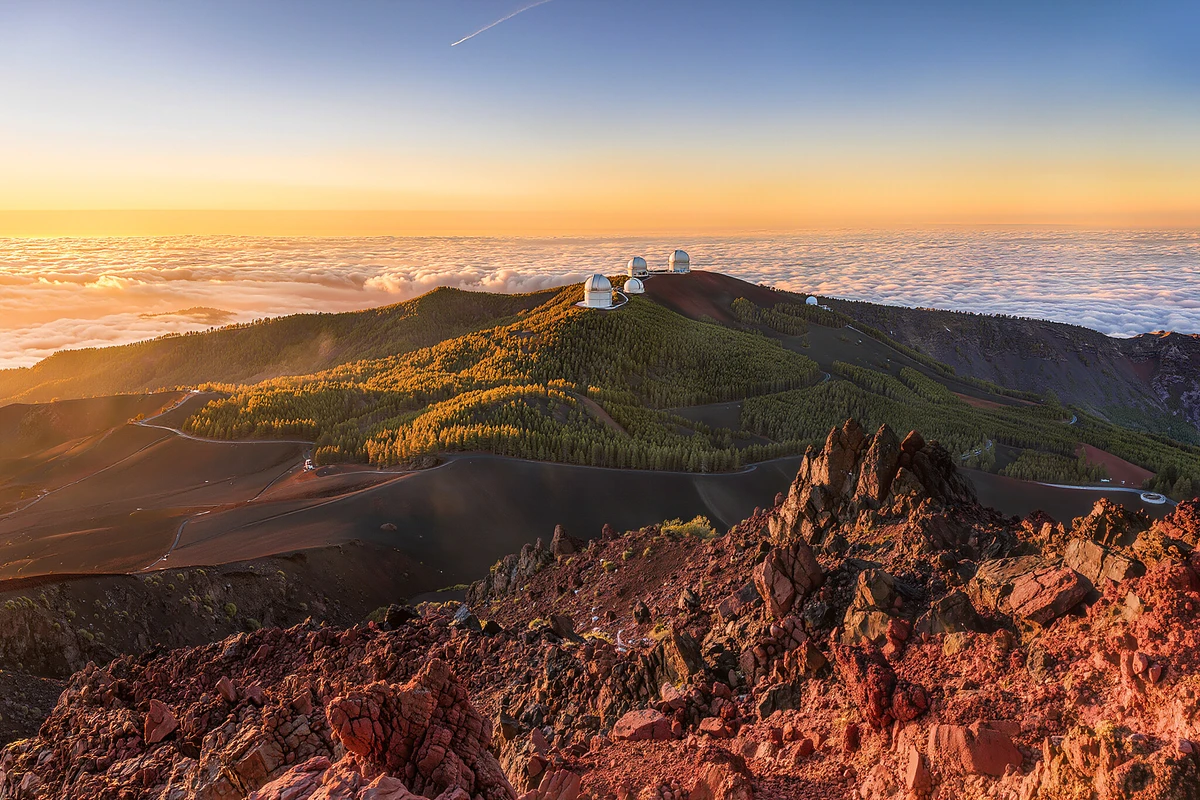
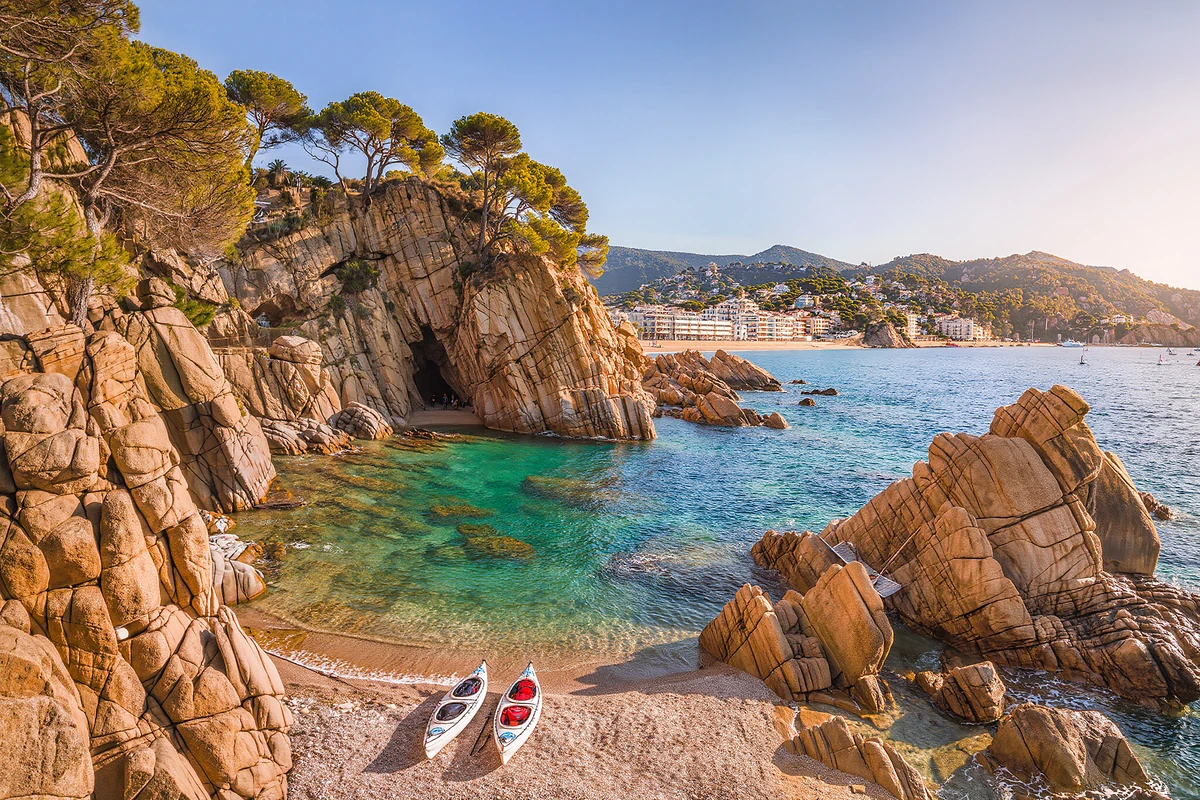
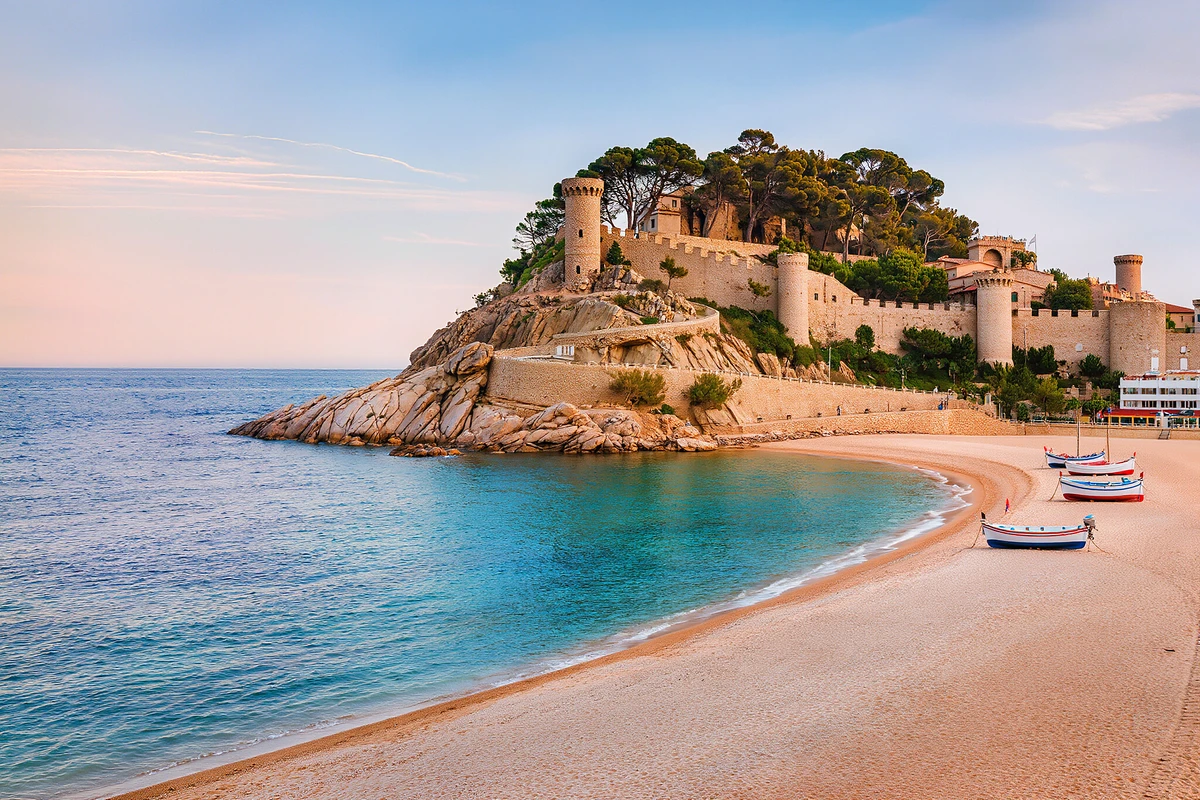
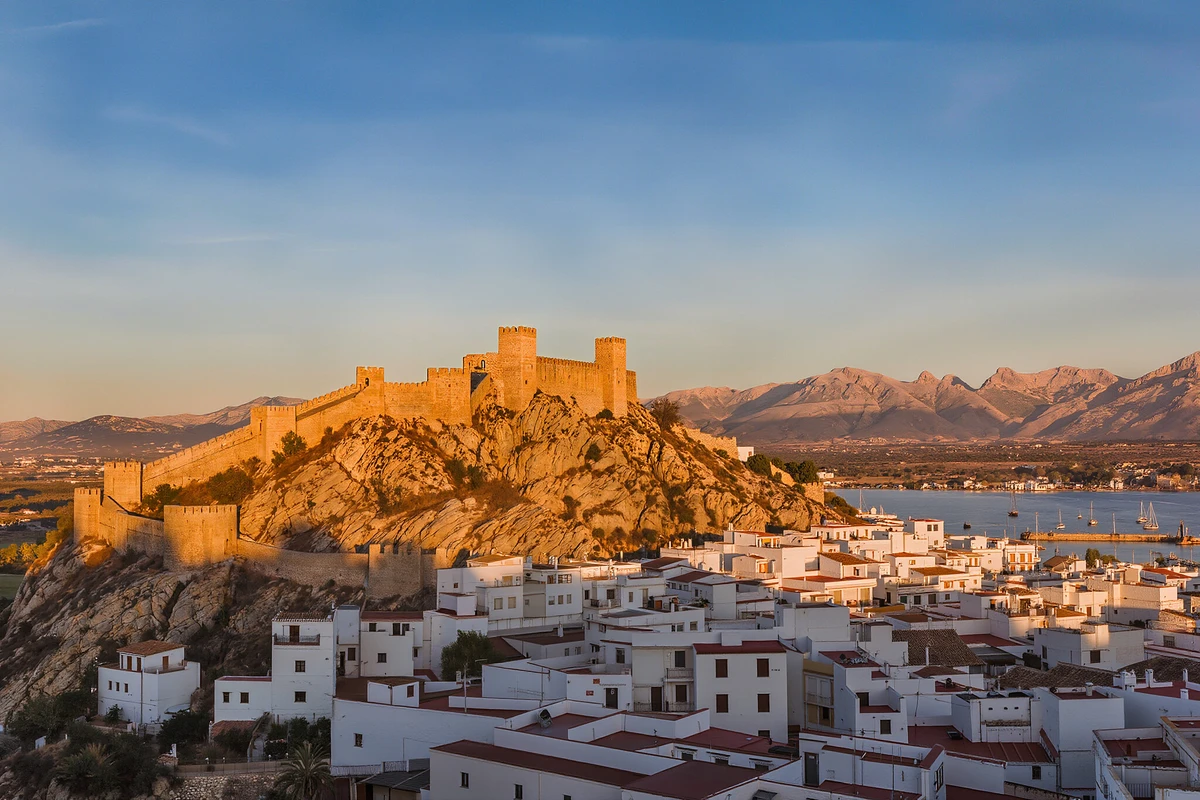
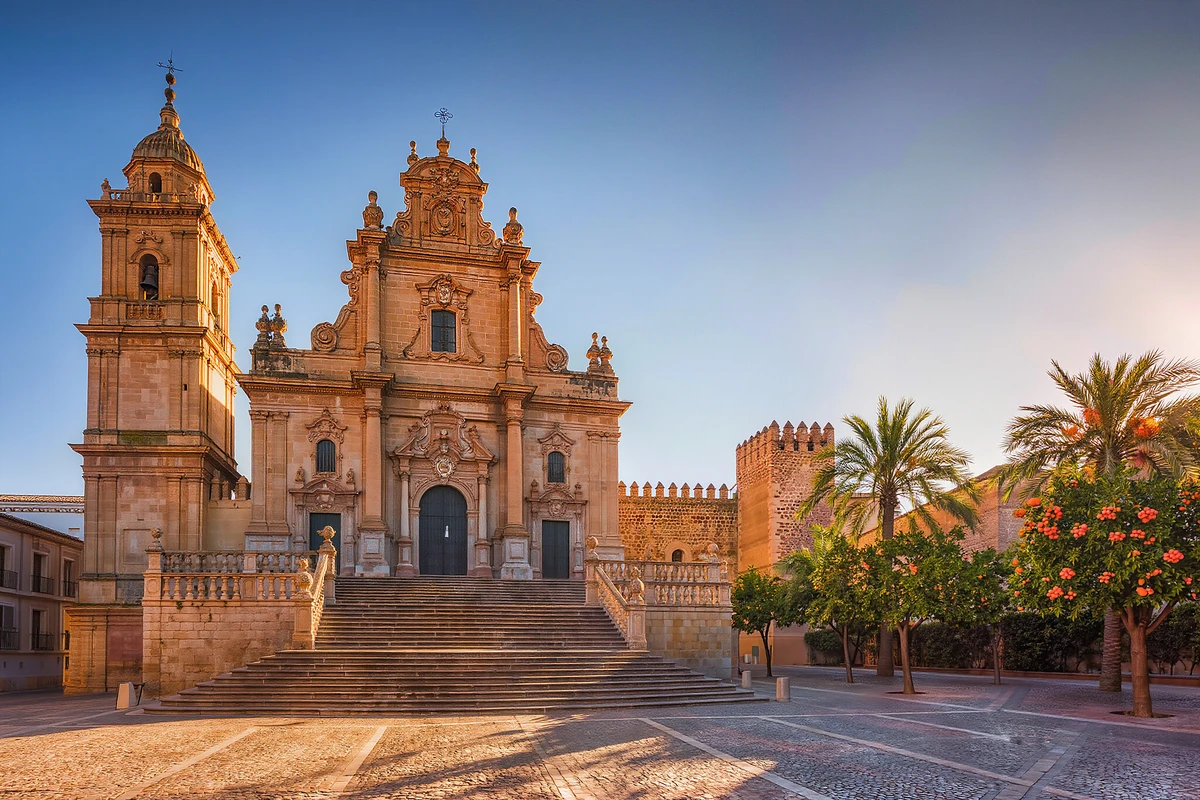
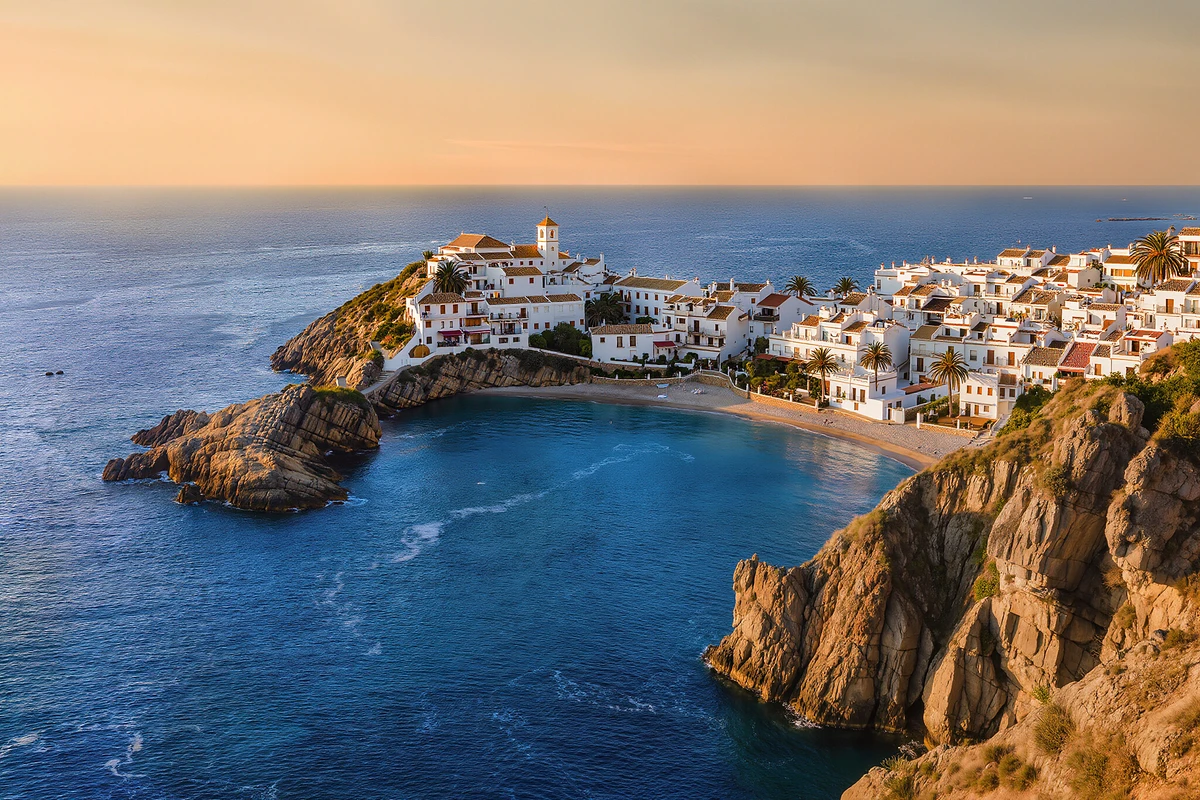
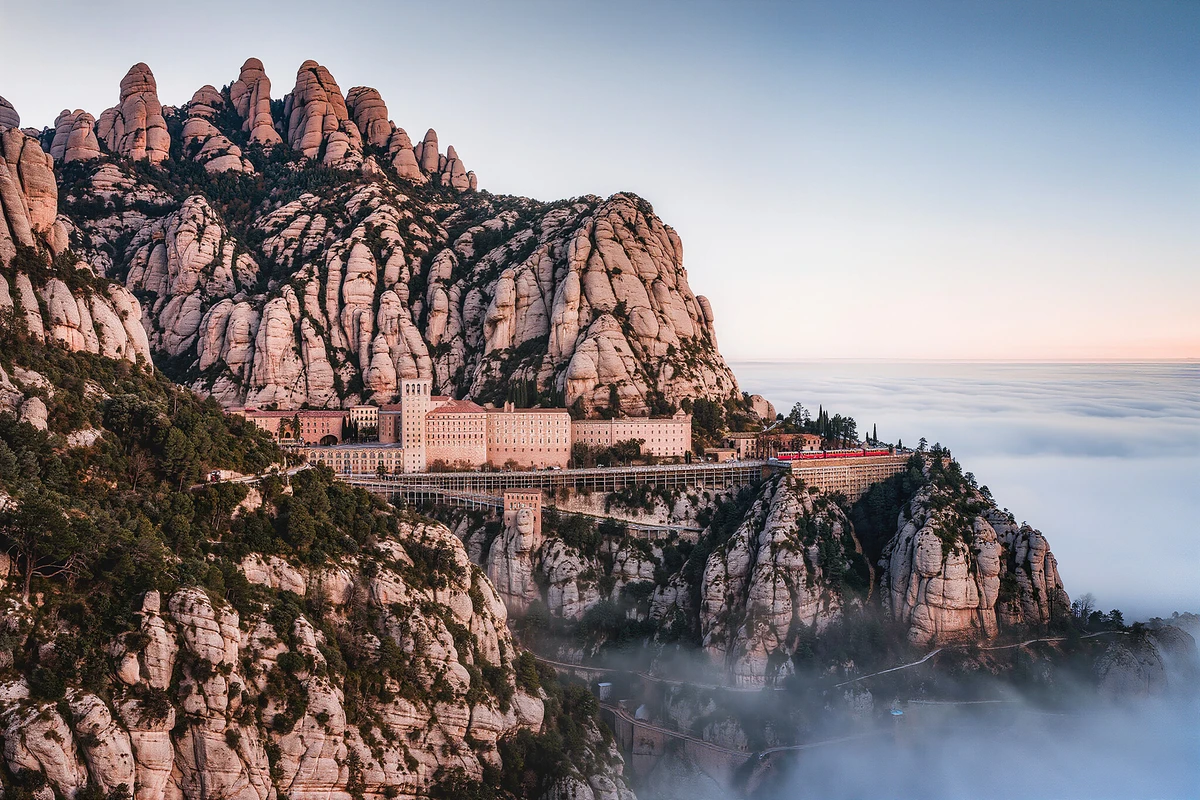
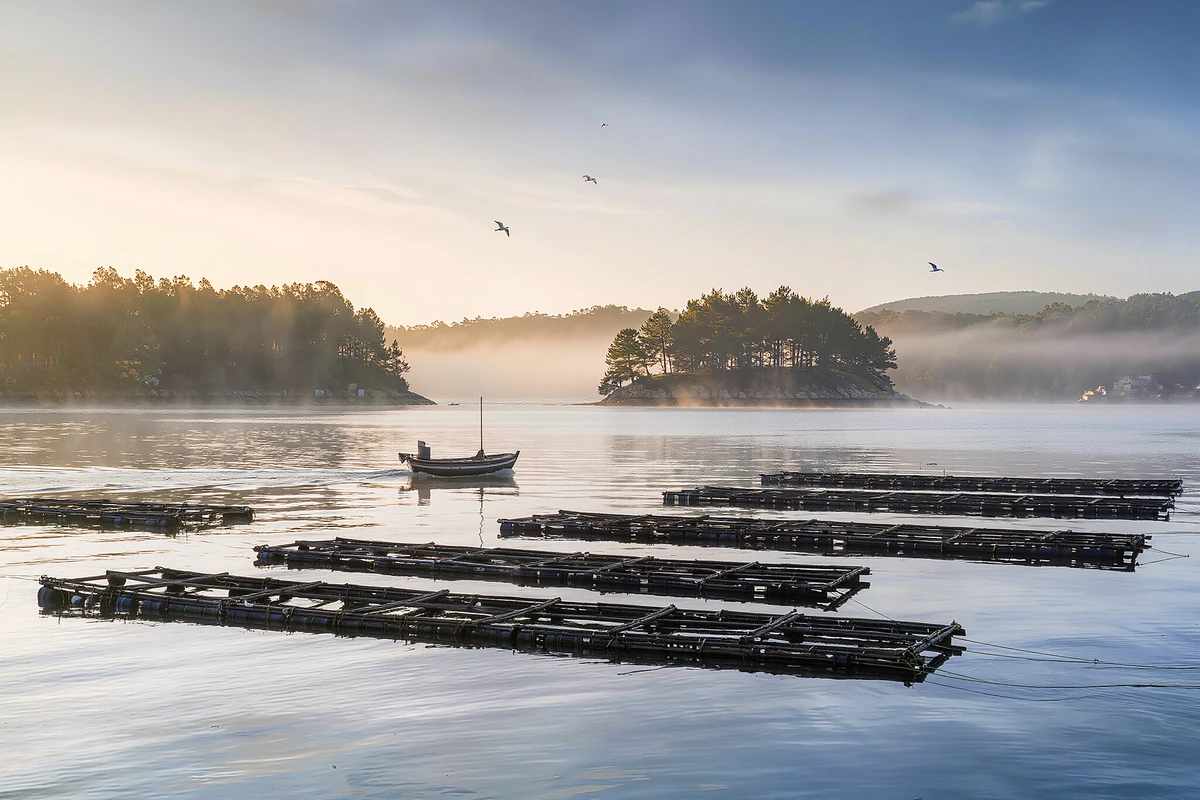
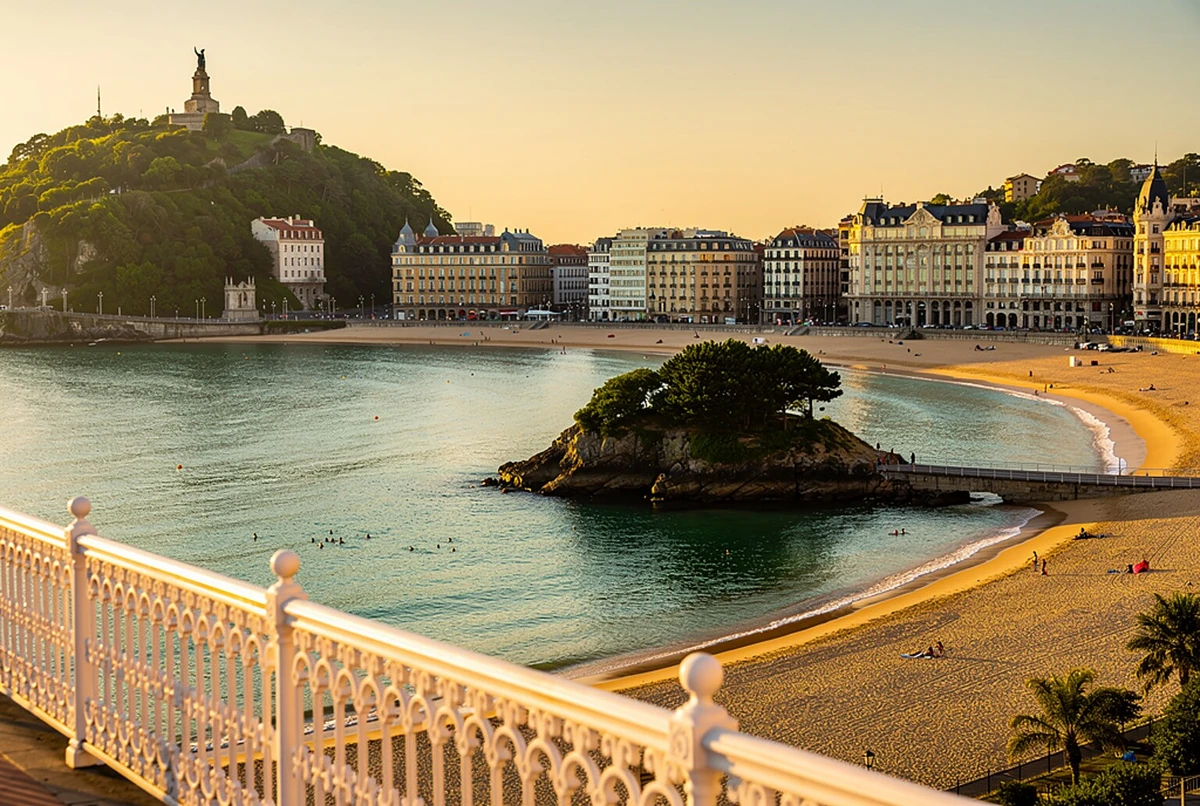
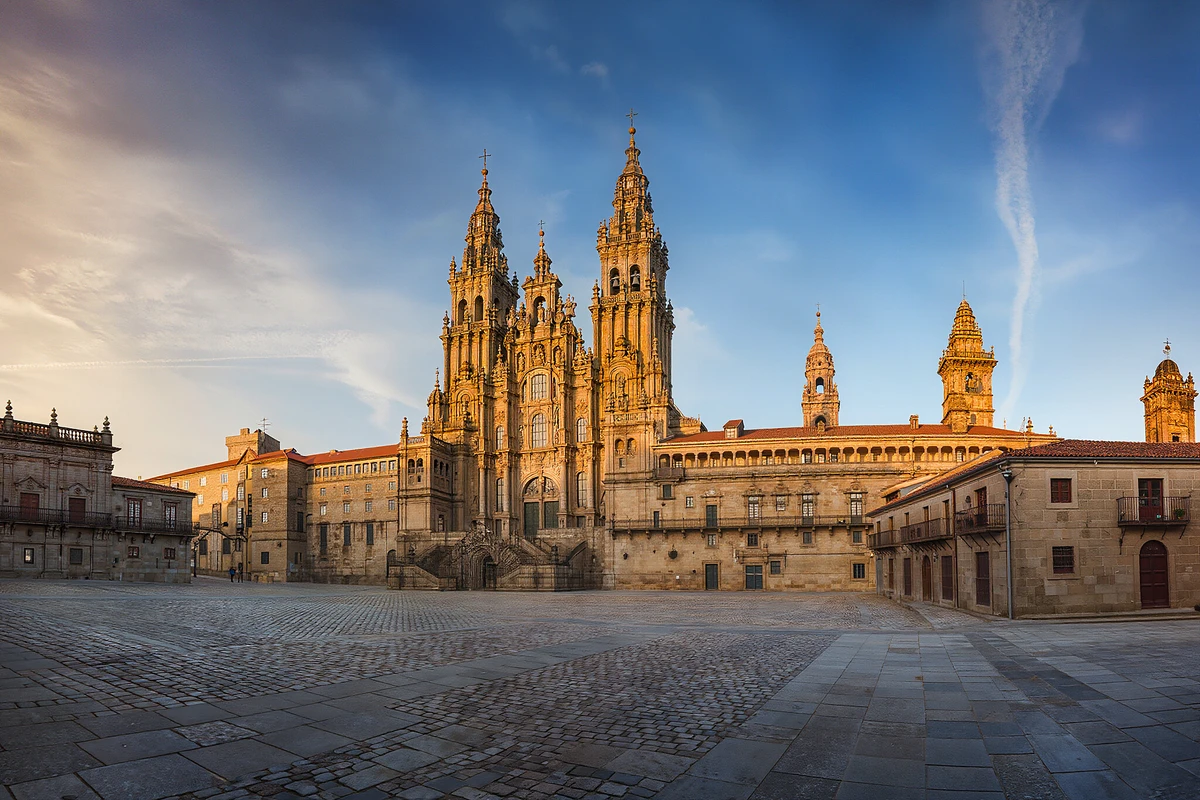
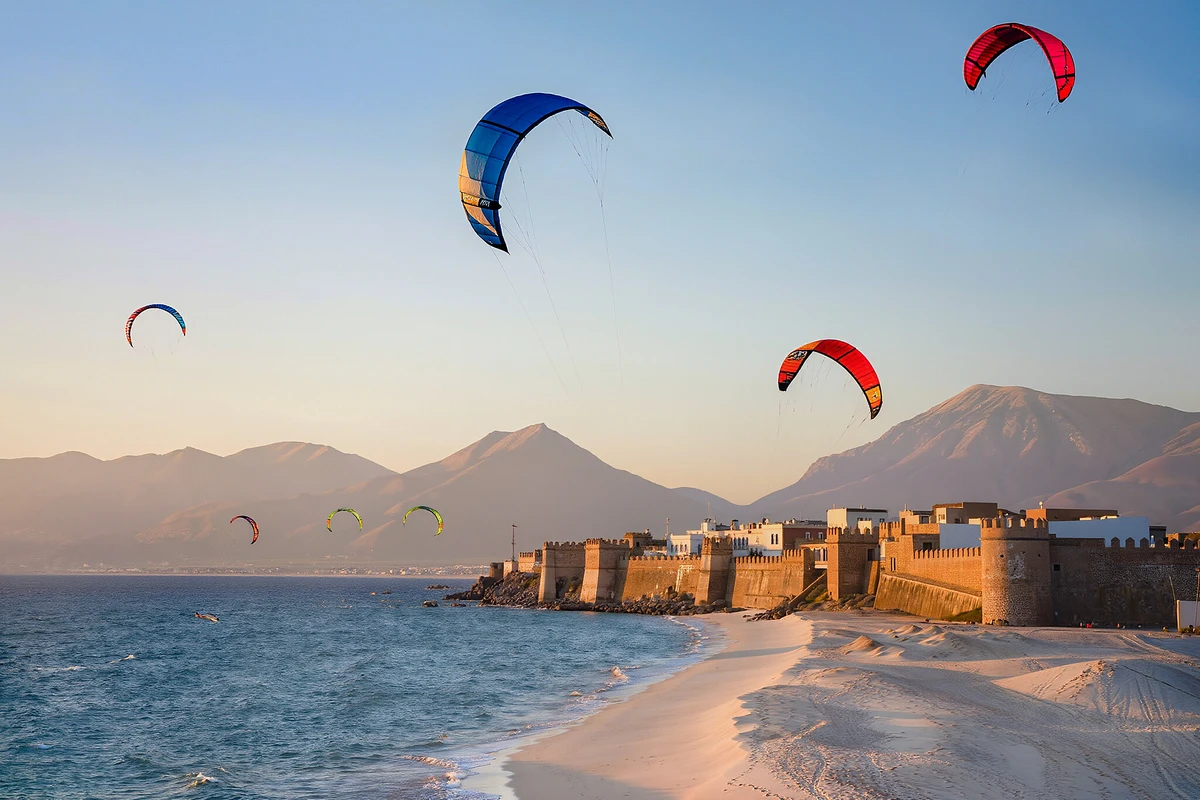
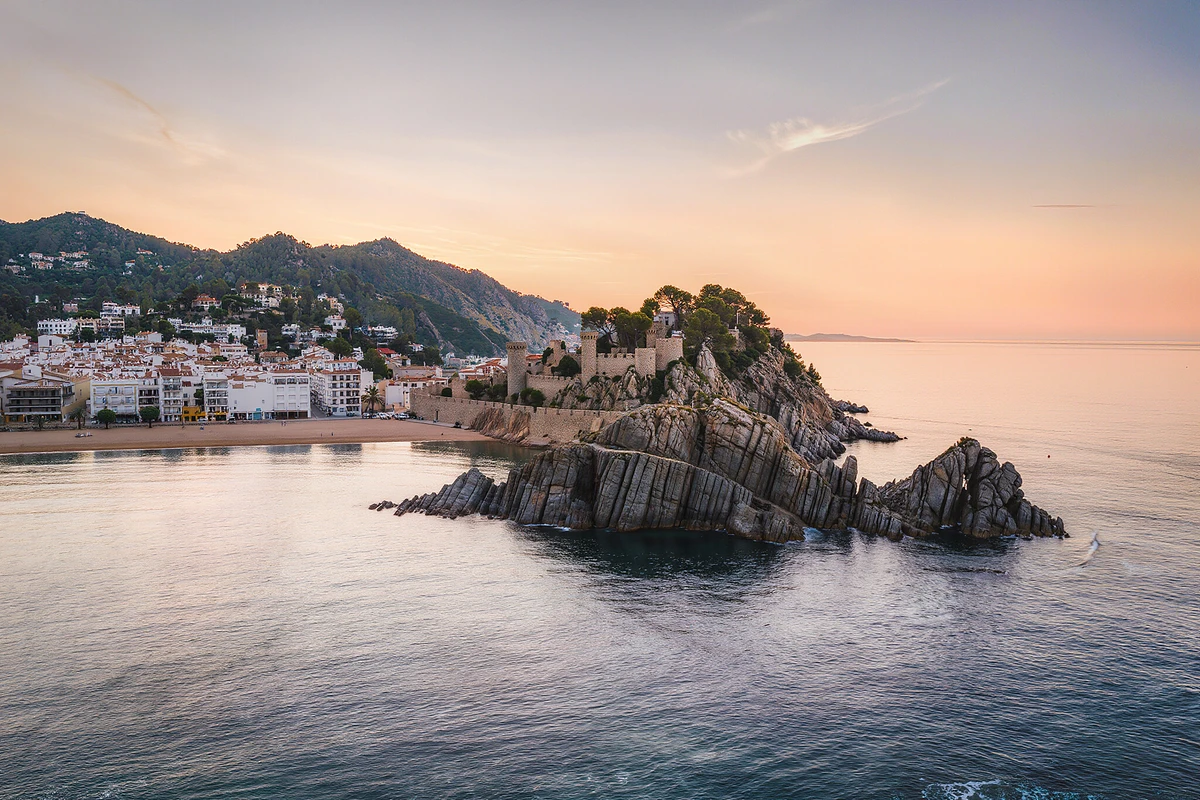
 Cádiz Tours
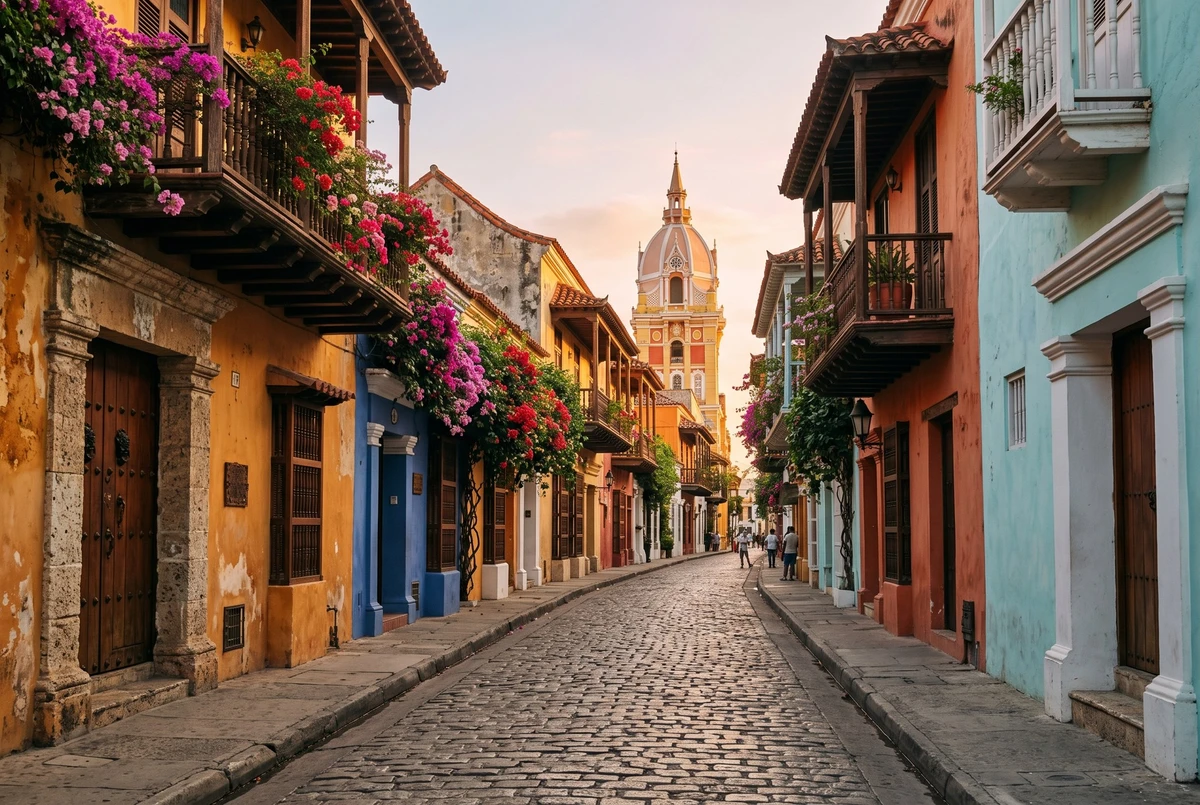 Dénia Tours
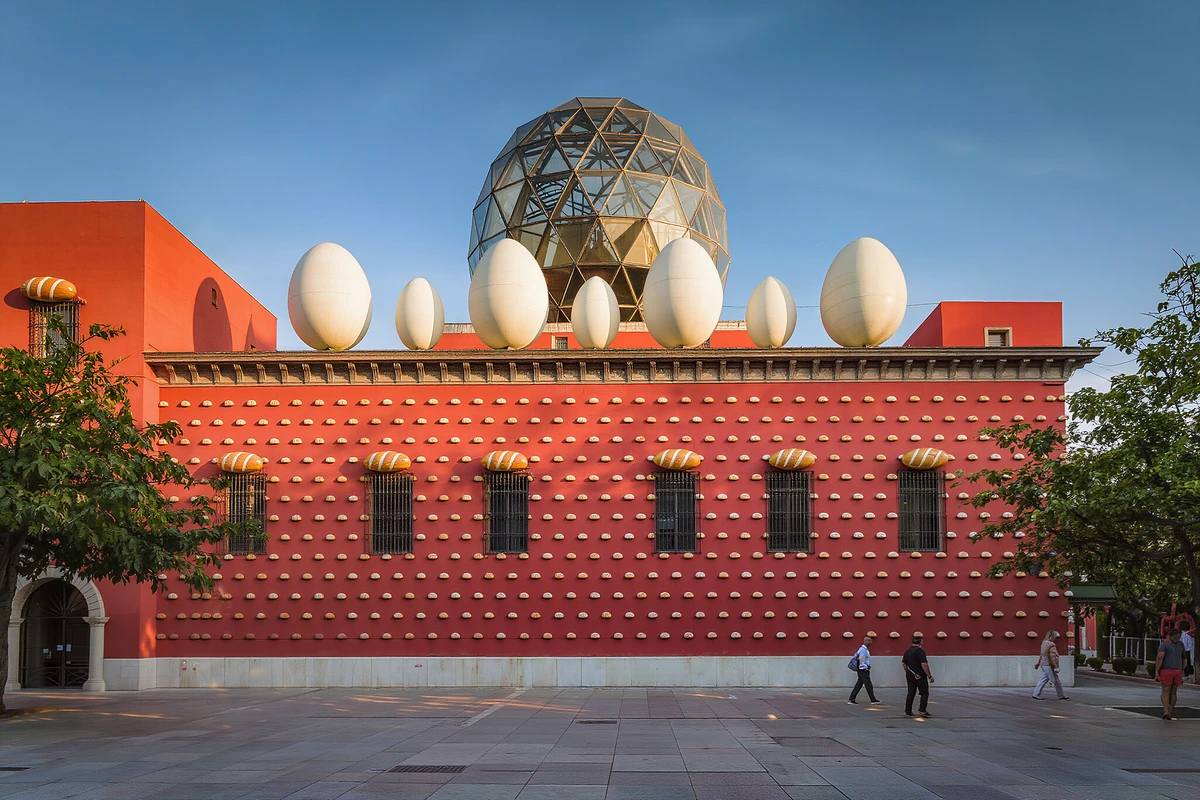 Gijón Tours L'Estartit Tours Murcia Tours Oviedo Tours
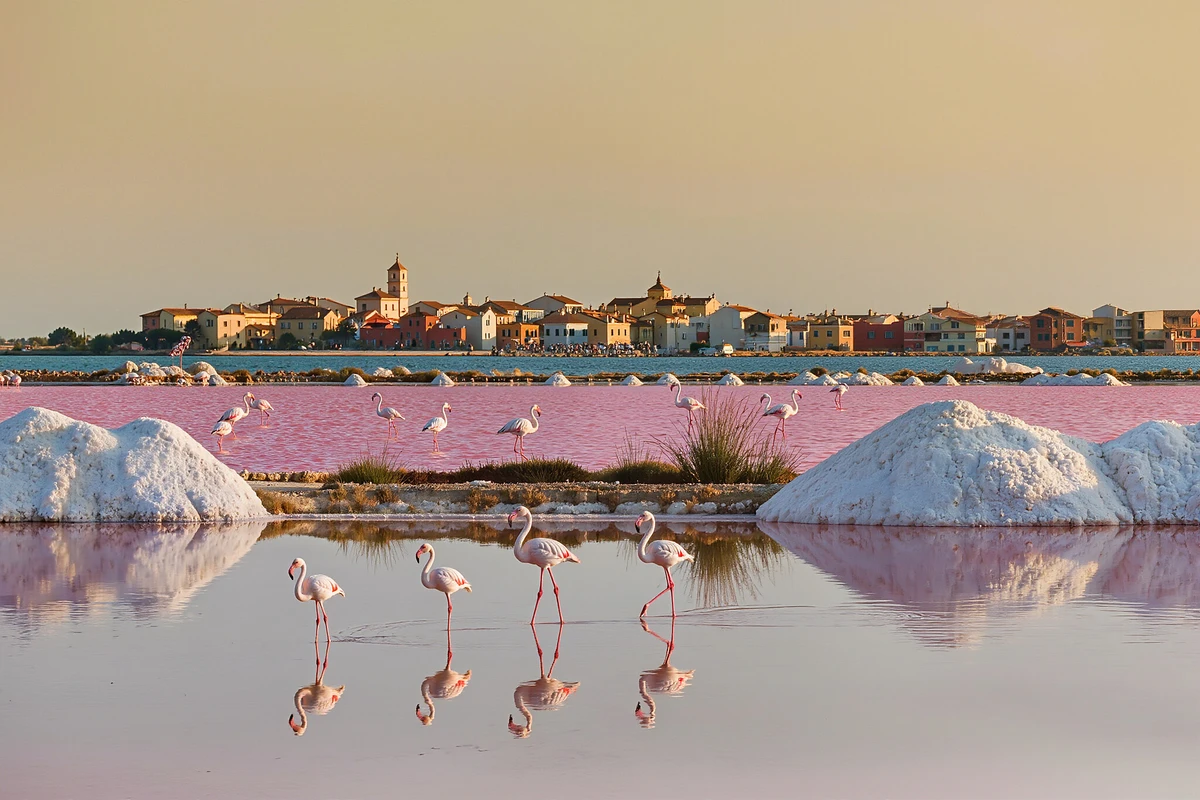 Santander Tours
 Torrevieja Tours Tossa de Mar Tours
Services by city in Spain
Tours
- Barcelona
- Mallorca
- Malaga
- Tenerife
- Madrid
- Seville
- Valencia
- Gran Canaria
- Fuerteventura
- Lanzarote
- Benidorm
- Bilbao
- Granada
- Córdoba
- Ibiza
- Salou
- Alicante
- Marbella
- Menorca
- Nerja
- La Palma
- Sant Feliu de Guíxols
- Lloret de Mar
- Almería
- La Herradura
- O Grove
- San Sebastián
- Santiago de Compostela
- Tarifa
- Cádiz
- Dénia
- Gijón
- L'Estartit
- Murcia
- Oviedo
- Santa Pola
- Santander
- Torrevieja
- Tossa de Mar
Attraction Tickets
Airport Transfers
Multi-Day Tours
Flight Tickets
The essence of Spain
Spain is irreplaceable because few countries carry so many civilisations so visibly: Roman bridges, Andalusian palaces, Gothic cathedrals and Gaudí’s living architecture, set between Atlantic surf, Mediterranean coves and volcanic islands. For travellers from every corner of the world, walking through Al-Andalus feels like reading a shared chapter of history carved in stone. Our team arranges guided day tours, attraction tickets, private airport transfers and train, ferry and flight tickets, linking Spain’s great cities and islands into one seamless journey.
Why visit Spain?
From Rome to Al-Andalus
Spain’s past is layered like few others. Romans left the aqueduct of Segovia and the theatre of Mérida; for nearly eight centuries Al-Andalus made Córdoba, Granada and Seville beacons of science, poetry and architecture, leaving the Mezquita, the Alhambra and the Alcázar. Then came Gothic cathedrals, the royal palaces of Madrid and the voyages of exploration that reshaped the world, all still legible in the streets you walk today.
Sierras, Coastlines and Volcanic Islands
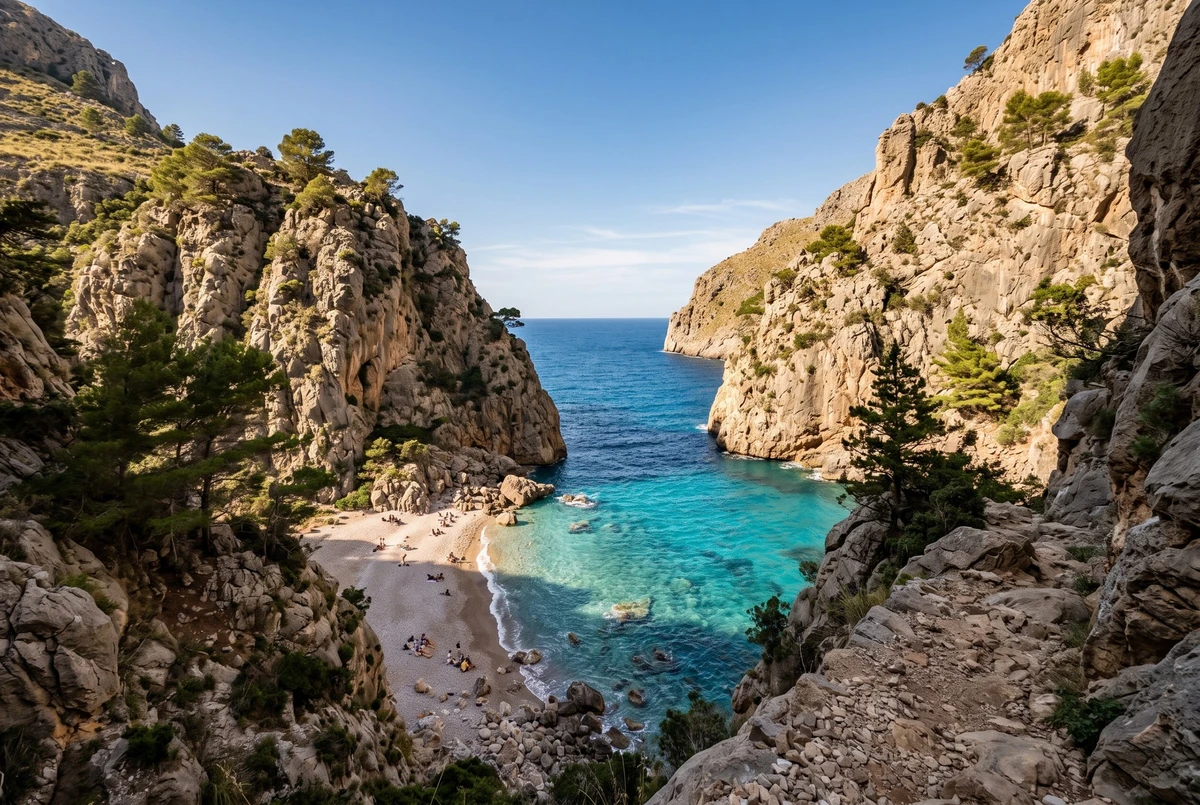
Spain is one of Europe’s most mountainous countries, a high central plateau ringed by the Pyrenees, the Sierra Nevada and the Picos de Europa. Its coastline swings from the Costa Brava’s rocky coves to the long sandy beaches of the Costa del Sol and Valencia. Offshore, the Balearics float in turquoise Mediterranean water, while the Canary Islands, off Africa’s Atlantic coast, rise from the ocean as volcanic peaks, lava fields and golden dunes.
Tapas, Flamenco and Late Evenings
Spanish life revolves around the table and the street. Share tapas of grilled prawns, patatas bravas and croquetas, taste paella in its Valencian birthplace, and dip churros into thick hot chocolate at breakfast. Flamenco, born in Andalusia and inscribed by UNESCO, still erupts in intimate tablaos and neighbourhood festivals. Fiestas fill the calendar, from Valencia’s Fallas bonfires to Seville’s April Fair, and the evening paseo gathers every generation in the plaza.
Experiences Found Nowhere Else
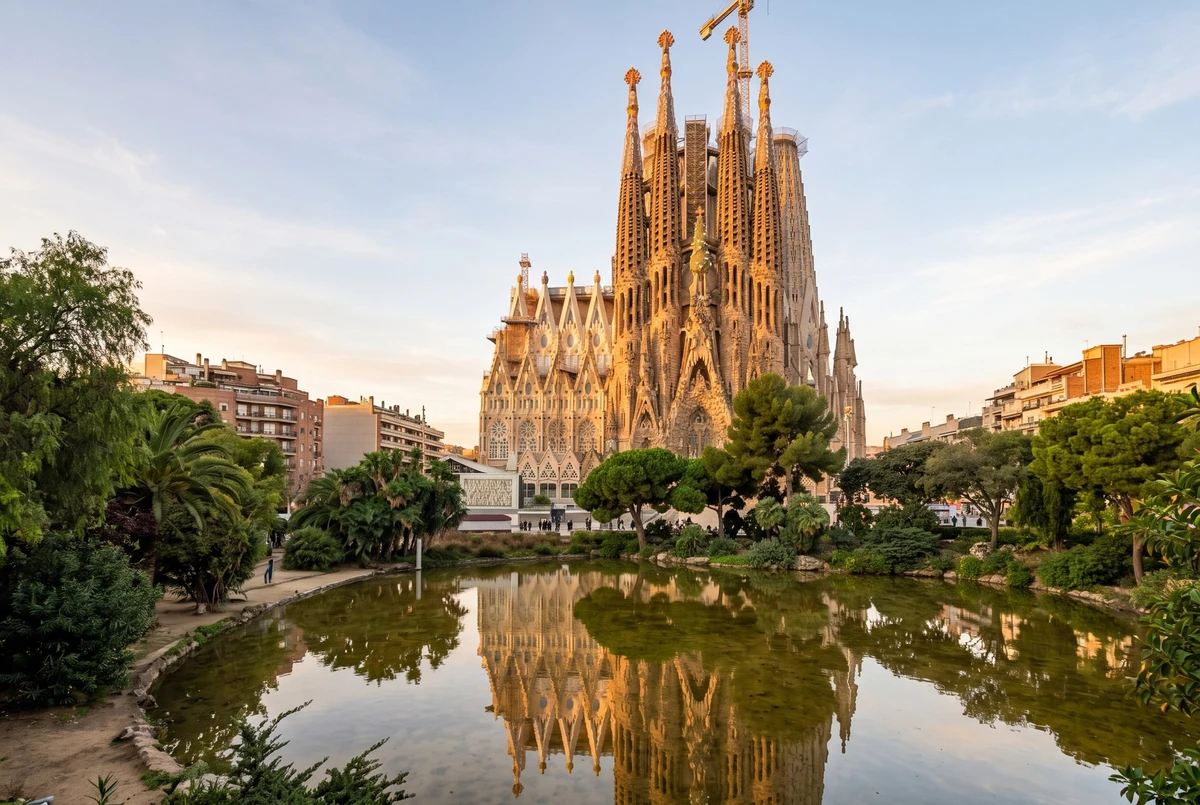
Stand inside Gaudí’s Sagrada Família as sunlight pours through its forest of stained-glass columns. Watch dawn break over the Alhambra from the Mirador de San Nicolás. Ride the cable car up Mount Teide, Spain’s highest peak, above a sea of clouds in Tenerife. Walk across the black lava fields of Lanzarote’s Timanfaya, where the ground is still hot enough to cook food, then swim in the sheltered coves of Mallorca.
Who is Spain for?
Ideal for
- History lovers drawn to the heritage of Al-Andalus
- Families combining cities with beaches
- Couples seeking romance in Andalusia and the islands
- Art and architecture lovers
- Food lovers and market explorers
- Sun-seekers escaping northern winters
- Football fans visiting legendary stadiums
Pace & travel style
- Late, relaxed evenings and slow, sociable meals
- High-speed trains between Madrid, Barcelona and Andalusia
- Island hopping by short flights and ferries
- Private chauffeured road trips through the white villages
When to visit Spain
Peak season · June–August
Summer means blazing sun, warm sea and long evenings that stretch past midnight. Coastal resorts, Mallorca and Ibiza are at their liveliest, and Barcelona hums with visitors. Inland, Seville, Córdoba and Madrid can be intensely hot by afternoon, so locals rest at midday and come alive after sunset. Expect crowds at major monuments and higher rates, so timed attraction tickets and early bookings are essential.
Shoulder season · April–May, September–October
These are Spain’s golden months. Andalusia’s patios overflow with flowers in spring, Holy Week and the April Fair animate Seville, and autumn keeps the sea warm while city temperatures soften. Walking the Alhambra, Barcelona’s old quarters or Madrid’s great museums becomes a pleasure rather than an endurance test, and smart travellers enjoy better availability, calmer viewpoints and comfortable days for long excursions.
Low season · November–March
Winter is mild along the Mediterranean, sunny but crisp in Madrid and Granada, with snow on the Sierra Nevada. Cities feel local and unhurried, museums are quiet and rates are kinder. The Canary Islands come into their own, with spring-like warmth all winter, making Tenerife, Gran Canaria, Lanzarote and Fuerteventura ideal escapes. Some beach resorts and island services slow down, so planning ahead helps.
The regions of Spain and how to combine its cities
Spain is a country of strong regions. In the north-east, Catalonia faces the Mediterranean with its own language and Barcelona’s bold creativity, while Valencia to the south blends orange groves, rice fields and a futuristic waterfront. At the heart of the peninsula, Madrid rules the high Castilian plateau, a short train ride from historic Toledo and Segovia. The green north, from the Basque Country to Galicia, shows a cooler, Atlantic face of Spain.
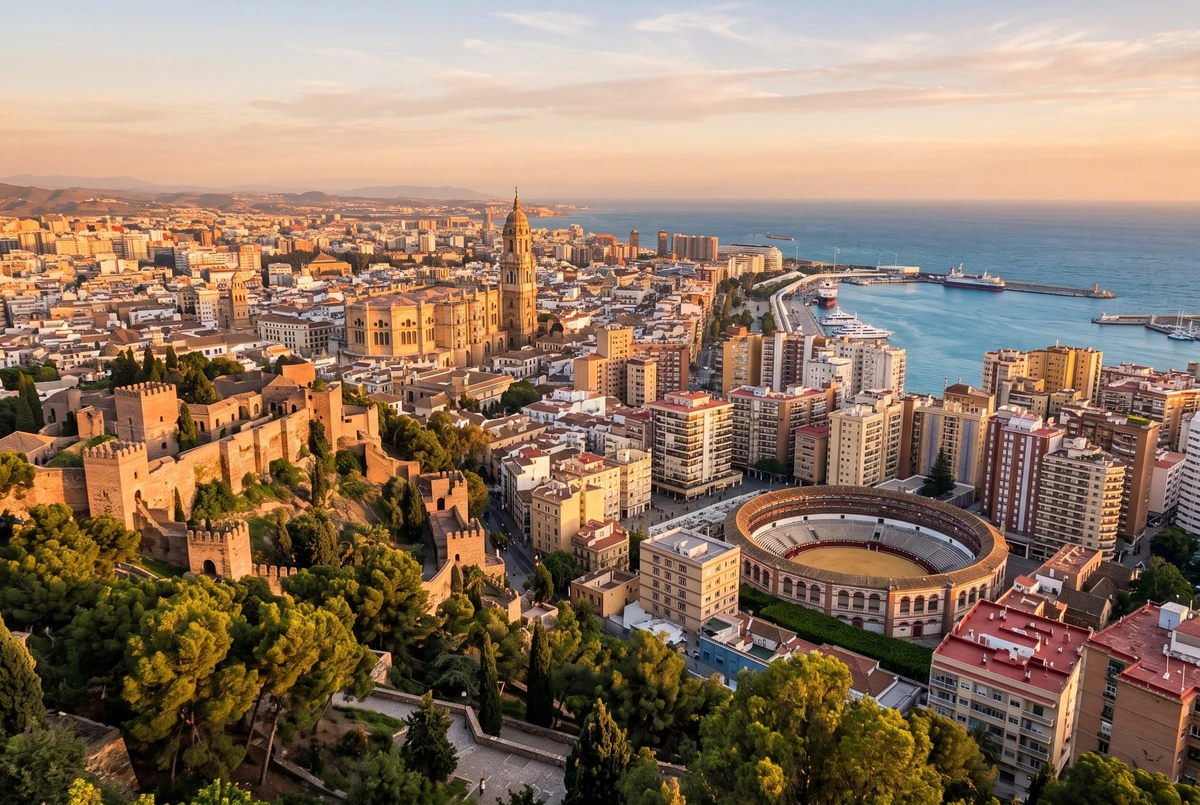
The south is Andalusia, the Spain of the imagination: Seville’s orange-scented plazas, Granada’s Alhambra, Córdoba’s Mezquita, white hill villages and the sunny Costa del Sol around Malaga. Offshore lie two island worlds. The Balearics, Mallorca and Ibiza among them, offer Mediterranean coves and old stone towns, while the Canary Islands of Tenerife, Gran Canaria, Lanzarote and Fuerteventura bring volcanic drama and eternal spring to the Atlantic.
Our city directory below brings these regions together. Barcelona, Madrid and Valencia anchor a classic cities circuit by high-speed train; Granada, Seville and Malaga form the heart of an Andalusian loop; and Mallorca, Ibiza, Tenerife, Gran Canaria, Fuerteventura and Lanzarote add island days by flight or ferry. Pair Madrid with Andalusia for ten days, or Barcelona with the Balearics for a sea-and-city escape, and our team links every leg with transfers and tickets.
Before you go: practical tips for Spain
Entry & visas
Spain belongs to the Schengen area, so one Schengen visa generally covers it alongside most European neighbours, and many nationalities enter visa-free for short stays. The Balearic and Canary Islands follow the same entry rules as mainland Spain for most travellers. Requirements depend on your passport, so check the official Spanish government portal or the nearest embassy or consulate before booking, and apply early before the summer season.
Money, cards & tipping
Spain uses the euro, and cards, including contactless payments, are accepted almost everywhere, from city restaurants to island beach kiosks. Keep a little cash for small cafés, markets and village shops. Tipping is appreciated but modest: leave small change for coffee and around five to ten percent for good restaurant service. Prices are fixed in shops, though gentle bargaining can work at flea markets.
Etiquette & dress code
Spaniards greet friends with two light kisses, but a handshake is perfect for visitors. Meals run late: lunch around two and dinner after nine. Inside cathedrals and the Mezquita, cover shoulders and knees and keep voices down; some forbid photography during services. Beachwear belongs on the beach, not in town streets, and several coastal cities fine people walking around without a shirt.
Getting around
Spain’s high-speed trains are among the finest in Europe, linking Madrid with Barcelona, Seville, Malaga, Valencia and Granada in a few comfortable hours. Domestic flights connect the mainland with the Balearic and Canary Islands, and ferries sail from Barcelona and Valencia to Mallorca and Ibiza, and between the Canaries. We issue train, flight and ferry tickets, and our private chauffeured transfers handle airports and hotel doors.
Must-do things in Spain
- Marvel at the stained-glass light inside Gaudí’s Sagrada Família in Barcelona.
- Explore the Alhambra’s Nasrid Palaces and the Generalife gardens above Granada.
- Wander the Royal Alcázar and the orange-scented lanes of Santa Cruz in Seville.
- Spend a morning at Madrid’s Prado Museum, then unwind in El Retiro Park.
- Watch an authentic flamenco performance in an intimate Andalusian venue.
- Eat paella by the sea in Valencia and visit the City of Arts and Sciences.
- Take the cable car up Mount Teide in Tenerife for a view above the clouds.
- Cross Timanfaya’s lava fields and admire César Manrique’s volcanic art in Lanzarote.
- Swim in Mallorca’s turquoise coves and stroll the walled Dalt Vila of Ibiza.
- Day-trip from Madrid to Toledo, a hilltop city shaped by three faiths.
Do’s and don’ts in Spain
Do
- Do book Alhambra and Sagrada Família tickets well in advance; they sell out.
- Do adapt to Spanish hours: late lunches, late dinners and a quiet siesta.
- Do carry sun protection and water in summer, especially in Andalusia.
- Do learn a few words of Spanish; «hola» and «gracias» open doors.
- Do ask about halal and pork-free options, widely available in Granada, Madrid and Malaga.
Don’t
- Don’t wear swimwear in city streets away from the beach.
- Don’t expect dinner before nine in most local restaurants.
- Don’t leave bags unattended on café terraces or busy metro platforms.
- Don’t try to see Madrid, Barcelona and Andalusia in under a week.
- Don’t assume everyone speaks only Spanish; Catalan and Basque are spoken with pride.
Spain at a glance
Plan Spain with Haqqi Tours
Every option is confirmed by our team on WhatsApp before you pay, and delivered by our own people or by trusted local partners we work with in every city. Because we send travellers from all over the world, our partners give us special rates and priority, so you always receive the best. Prices are per person unless marked per vehicle.
About Haqqi Tours: About us Contact us Legal NoticePrivacy PolicyCookies & Marketing PreferencesTerms & ConditionsBooking, Payment & Refunds
Where we operate in Spain
- Barcelona
- Mallorca
- Malaga
- Tenerife
- Madrid
- Seville
- Valencia
- Gran Canaria
- Fuerteventura
- Lanzarote
- Benidorm
- Bilbao
- Granada
- Córdoba
- Ibiza
- Salou
- Alicante
- Marbella
- Menorca
- Nerja
- La Palma
- Sant Feliu de Guíxols
- Lloret de Mar
- Almería
- Jerez de la Frontera
- La Herradura
- Montserrat
- O Grove
- San Sebastián
- Santiago de Compostela
- Tarifa
- Blanes
- Cádiz
- Cartagena
- Dénia
- Figueres
- Gijón
- L'Estartit
- Murcia
- Oviedo
- Santa Pola
- Santander
- Toledo
- Torrevieja
- Tossa de Mar
Good to know
Frequently Asked Questions
Straight answers to what travellers ask most about Spain.
Is it safe to visit Spain?
Spain is a safe, welcoming destination with excellent infrastructure and visible policing in tourist areas. The main concern is pickpocketing in crowded places such as Barcelona’s Las Ramblas, metro lines and busy beaches, so keep valuables close. In summer, respect heat warnings and stay hydrated. Our team is reachable on WhatsApp at every stage of your trip.
How many days do I need for a first trip to Spain?
Ten days makes a rewarding first trip: three days in Madrid with a Toledo excursion, four in Andalusia across Seville and Granada, and three in Barcelona. With seven days, focus on two regions. Fourteen days lets you add Valencia, the Costa del Sol around Malaga or a relaxed island stay in Mallorca or Tenerife.
What is the best way to travel between Spain's major cities?
High-speed trains are the fastest, most comfortable link between Madrid, Barcelona, Seville, Malaga, Valencia and Granada, often city centre to city centre. For the islands, short domestic flights and ferries are the answer. We issue train, flight and ferry tickets, and our private transfers connect stations, airports and hotels so luggage never becomes a burden.
Can a trip to Spain be tailored for luxury or private travel?
Yes. We can tailor a private Spain itinerary with chauffeured airport transfers, a dedicated driver through Andalusia’s white villages, private guided day tours of the Alhambra or Sagrada Família, and premium train seats. From Barcelona we also arrange multi-day packages. Every detail is confirmed by our team on WhatsApp before anything is paid.
Is Spain tourist friendly?
Extremely. Spain is among the most visited countries in the world, and its hospitality shows. English is common in hotels and major sights, signage is clear and transport is easy. Arab visitors will find halal restaurants in Madrid, Barcelona, Granada and Malaga, and Andalusia’s Islamic heritage makes many feel instantly connected to the place.
Is it safe to travel to Spain now?
Spain is generally a calm and stable destination for visitors. Because conditions anywhere can change, check the official travel advice of your own government before departure, and follow local guidance during summer heatwaves. Keep our WhatsApp line handy; our team can help with transfers, tickets and any change of plan while you are travelling.
What is the best time to visit Spain?
April to June and September to October are ideal for most of Spain, with warm days, comfortable sightseeing and lively festivals. July and August suit beach holidays but bring intense inland heat. From November to March, the Canary Islands stay warm and sunny, while Madrid, Barcelona and Granada feel calm and atmospheric.
What is Spain famous for?
Spain is famous for the Alhambra and the legacy of Al-Andalus, Gaudí’s Barcelona, Madrid’s Prado and royal palaces, flamenco, tapas and paella. It is equally known for sunny beaches on the Costa del Sol and the Balearics, the volcanic Canary Islands, lively fiestas and some of the world’s most celebrated football clubs.
Which season works well for touring Barcelona, Madrid, and Granada together
Spring and autumn keep the coast in Barcelona pleasant and the hillside streets of Granada comfortable for walking, while Madrid stays enjoyable most of the year thanks to its inland setting.
How does the desk arrange travel between the three cities
A coordinator books the train tickets between Barcelona, Madrid, and Granada alongside any tours and transfers, confirming the full route and a fixed price on WhatsApp before the family sets off.
Are airport transfers available on arrival in both Barcelona and Madrid
Yes, this page lists a transfer at each airport, so a driver meets the family on arrival in either city and the connection between cities is arranged by rail.
Which cities in Spain does Haqqi Tours cover?
Barcelona, Mallorca, Malaga, Tenerife, Madrid, Seville, Valencia, Gran Canaria, Fuerteventura, Lanzarote, Benidorm, Bilbao, Granada, Córdoba, Ibiza, Salou, Alicante, Marbella, Menorca, Nerja, La Palma, Sant Feliu de Guíxols, Lloret de Mar, Almería, Jerez de la Frontera, La Herradura, Montserrat, O Grove, San Sebastián, Santiago de Compostela, Tarifa, Blanes, Cádiz, Cartagena, Dénia, Figueres, Gijón, L'Estartit, Murcia, Oviedo, Santa Pola, Santander, Toledo, Torrevieja and Tossa de Mar. Each city has its own page with everything available there, and a trip across several cities is planned in one WhatsApp conversation.
What can I book in Spain?
Day tours, attraction tickets, private airport transfers, multi-day packages, flight tickets, train tickets and ferry tickets - all run or confirmed by Haqqi Tours, each with a fixed price agreed on WhatsApp before you pay.
How do I book a tour or transfer in Spain?
Fill in the form on the page you are interested in, or message us on WhatsApp with the date, the number of travellers and your hotel. A member of our team confirms the price and the details in writing within minutes.
Are the prices fixed?
Yes. Every price is agreed in writing on WhatsApp before you travel and does not change on the day - not for traffic, not for a late flight, not for the hour.
Do you arrange transfers between cities in Spain?
Yes. Intercity transfers by private car or van are booked the same way as airport transfers; tell the desk the two hotels and the date and it quotes a fixed price for the whole vehicle.