
New Zealand
Haqqi Tours arranges day tours, private airport transfers, attraction tickets and multi-day packages across New Zealand, confirmed on WhatsApp before you pay.
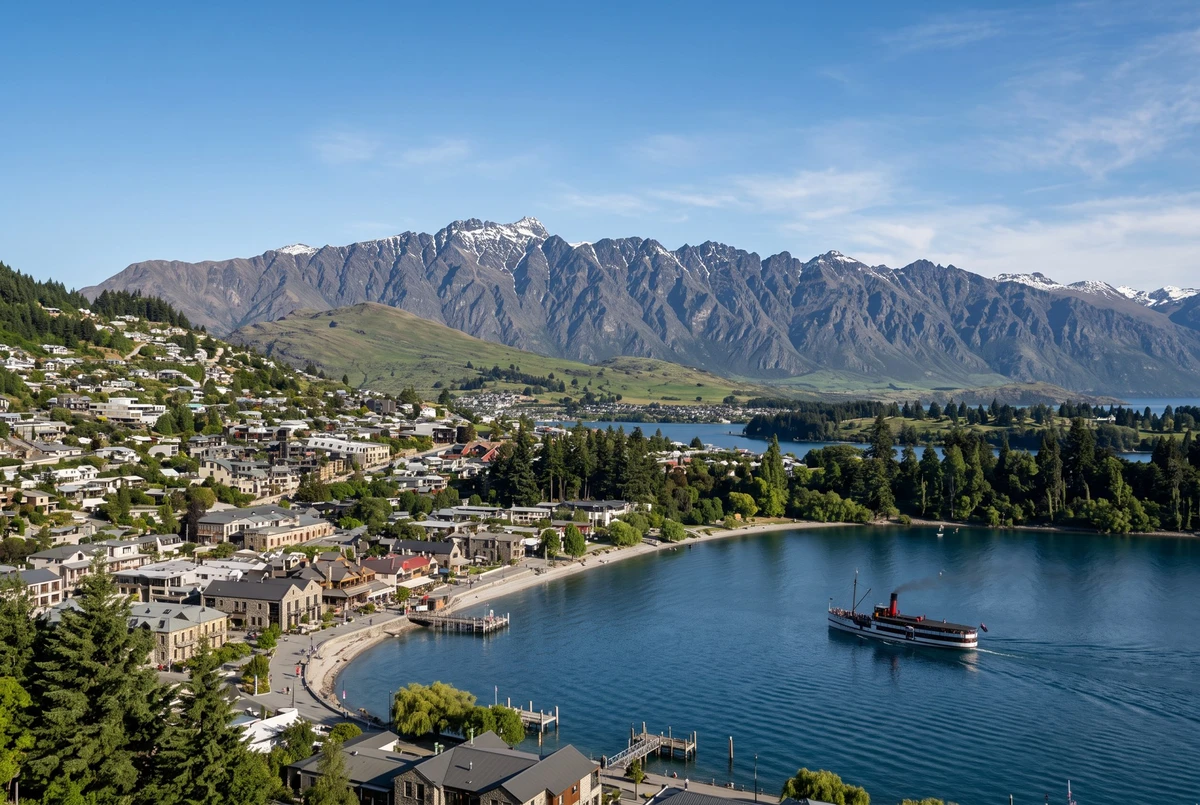
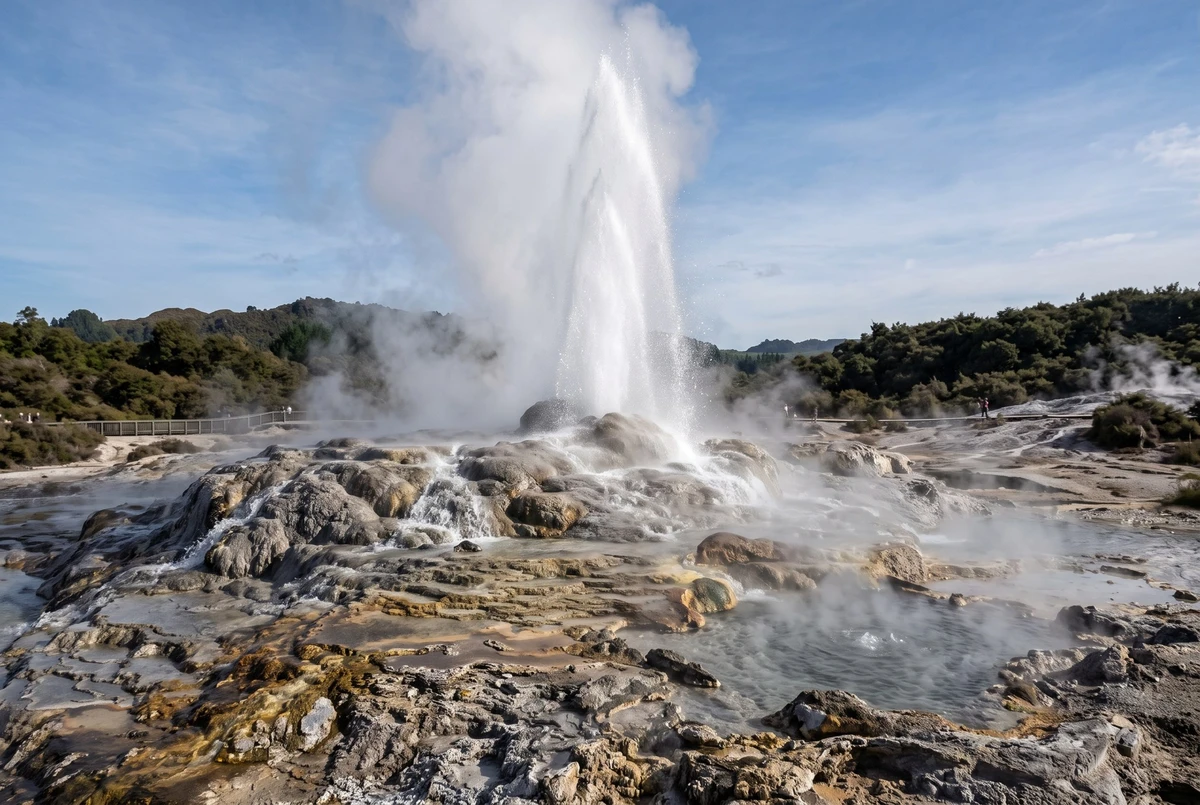
The air in Queenstown smells of snow and pine. Early light slides down the jagged ridge of the Remarkables onto Lake Wakatipu, turning the water from slate to an impossible glacial blue, and the only sounds are a jet boat somewhere upriver and the cry of a kea on the slopes. A few hours north, in Rotorua, the earth itself breathes: steam drifts from vents in the forest floor, mud pools bubble, and a geyser at Whakarewarewa throws a white column into the sky.
Destinations
Choose a city to see everything we arrange there.
 Christchurch Tours · Attraction Tickets
 Wellington Tours · Attraction Tickets
 Franz Josef Tours Lake Tekapo Tours Mount Cook Tours
 Picton Tours Akaroa Tours Kaiteriteri Tours
 Napier Tours Oamaru Attraction Tickets Tongariro National Park Tours
 Wanaka Tours Whitianga Tours
Services by city in New Zealand
Tours
Attraction Tickets
Airport Transfers
Flight Tickets
Train Tickets
Ferry Tickets
The essence of New Zealand
New Zealand is a young land with an ancient soul. Māori traditions give every mountain, river and harbour a name, a story and a guardian, and the welcome you receive on a marae stays with you long after the flight home. Between subtropical beaches in the north and glacier-carved fiords in the south lies more scenery per kilometre than almost anywhere on earth. We arrange the flights, ferries, private transfers and guided day tours that let you see it all without rushing.
Why visit New Zealand?
Polynesian Voyagers and a Founding Treaty
New Zealand was among the last major lands on earth to be settled by people. Polynesian navigators arrived by double-hulled canoe around seven centuries ago, guided by stars, currents and birds, and became the Māori. In 1840 Māori chiefs and the British Crown signed the Treaty of Waitangi, the country’s founding document. Carved meeting houses, hilltop pā forts and the Waitangi Treaty Grounds keep this layered story vivid today.
Fiords, Volcanoes and Glaciers
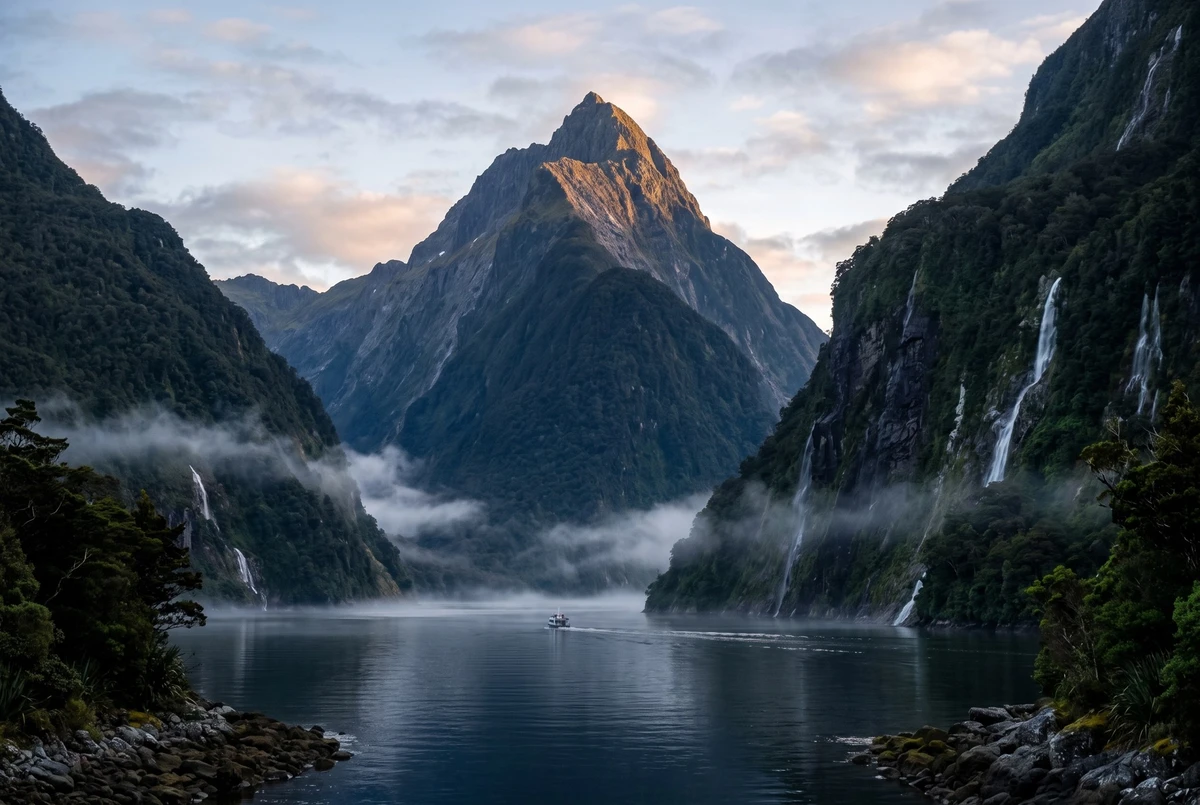
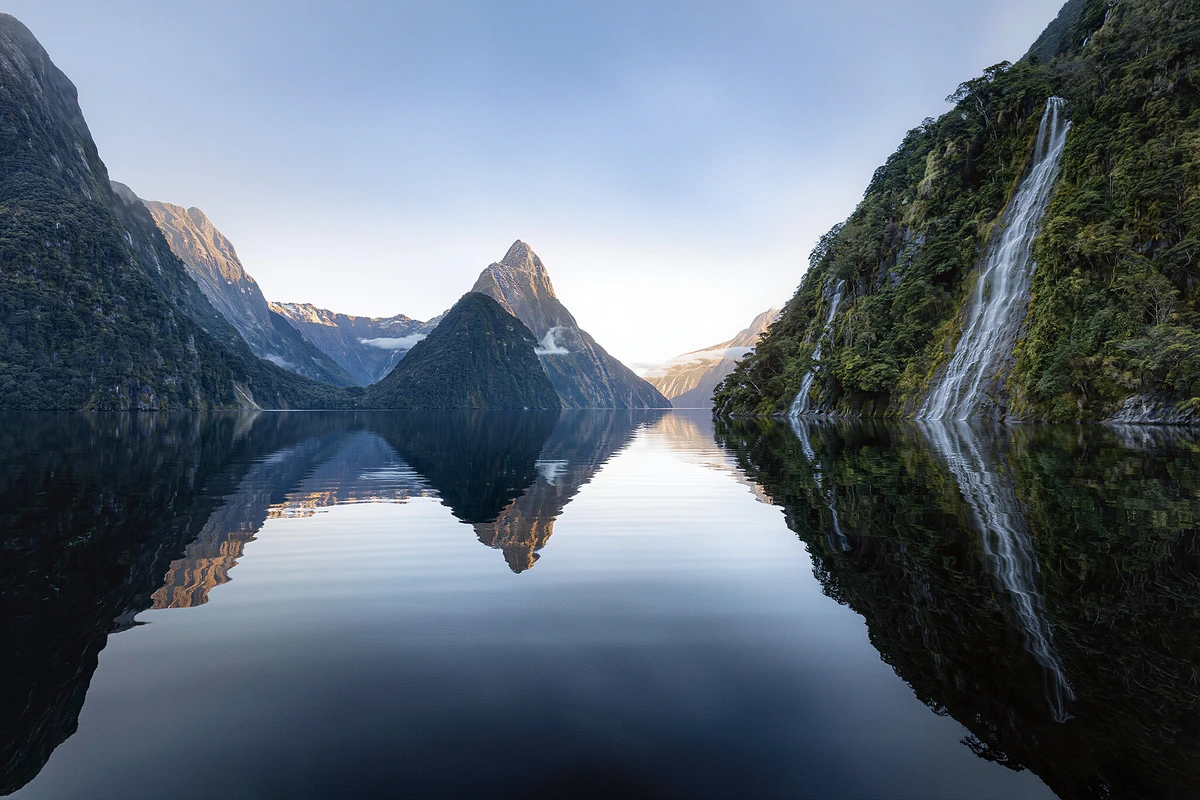
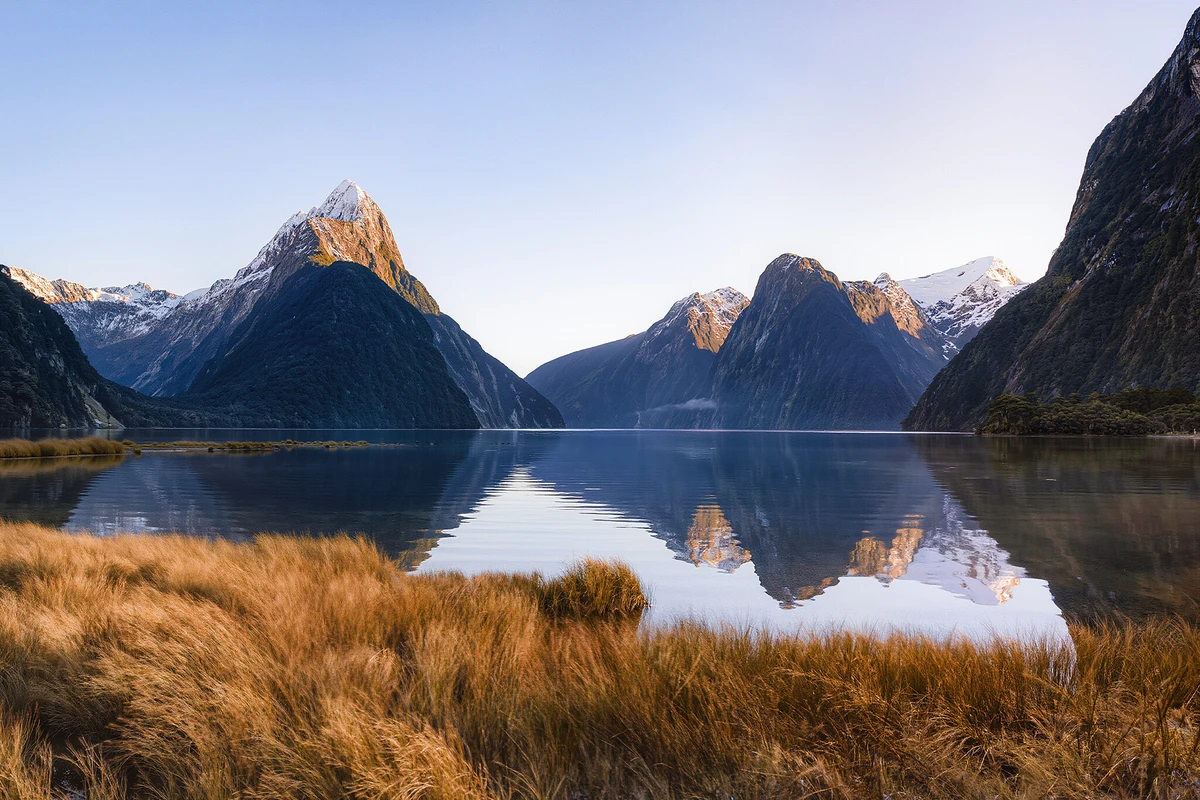
Two main islands hold astonishing variety. The North Island is volcanic, with the steaming fields of Rotorua, the stark peaks of Tongariro and the sheltered bays of Northland. The South Island is ruled by the Southern Alps, where Mount Cook rises above glaciers, turquoise lakes and braided rivers, before Fiordland’s sheer walls plunge into the sea at Milford Sound. Native forest and rare birds thrive in protected reserves.
Māori Culture and a Fresh Kiwi Table
Māori culture is part of everyday life, from the hongi greeting of pressed noses to the haka performed at national occasions. A hāngī, food slow-cooked in an earth oven over heated stones, is a memorable shared meal. The New Zealand table is built on superb produce: green-lipped mussels, lamb, kūmara sweet potato, crayfish, pavlova and hokey pokey ice cream, with a serious café culture and excellent coffee everywhere.
Adventures Born Here
Commercial bungy jumping was born in Queenstown, and the country still invents new ways to feel the landscape. Cruise beneath waterfalls in Milford Sound, drift through Waitomo’s caves lit by thousands of glowworms, and walk the volcanic Tongariro Alpine Crossing. Soak in natural geothermal pools in Rotorua, race by jet boat through narrow canyons, or watch for whales and dolphins in the open ocean off Kaikōura.
Who is New Zealand for?
Ideal for
- Outdoor lovers and keen hikers
- Adventure seekers chasing adrenaline
- Families wanting safe, scenic journeys
- Couples on honeymoon or milestone trips
- Photographers drawn to lakes, mountains and fiords
- Travellers curious about Māori culture
Pace & travel style
- Allow at least ten days to cover both islands without rushing
- Fly between the islands to save long driving days
- Base yourself in Auckland, Rotorua and Queenstown for easy day tours
- Leave room in the plan for weather on mountain days
When to visit New Zealand
Peak season · December–February
Summer brings long, warm days, with daylight late into the evening and lakes perfect for swimming and boating. It is the season for hiking, beaches and outdoor festivals, and it coincides with local school holidays, so Queenstown, Rotorua and the Milford Sound road are busy. Book flights, accommodation and popular day tours early, as availability tightens and rates climb.
Shoulder season · March–May and September–November
Autumn paints Queenstown and Arrowtown in gold, with calm, settled weather and fewer visitors, while spring brings blossom, lambs in the fields and roaring waterfalls fed by melting snow. Temperatures are mild for walking and touring, hotels are easier to secure, and the overall pace feels more relaxed. Many experienced travellers consider these the finest months of all.
Low season · June–August
Winter brings snow to the Southern Alps and turns Queenstown into a lively ski base, with crisp blue days and cold nights. The North Island stays relatively mild, and Rotorua’s hot pools are especially inviting. Some alpine roads and hiking tracks may close after heavy snowfall, but sightseeing is quieter, rates soften and the mountain scenery is truly magnificent.
The regions of New Zealand and how to combine its cities
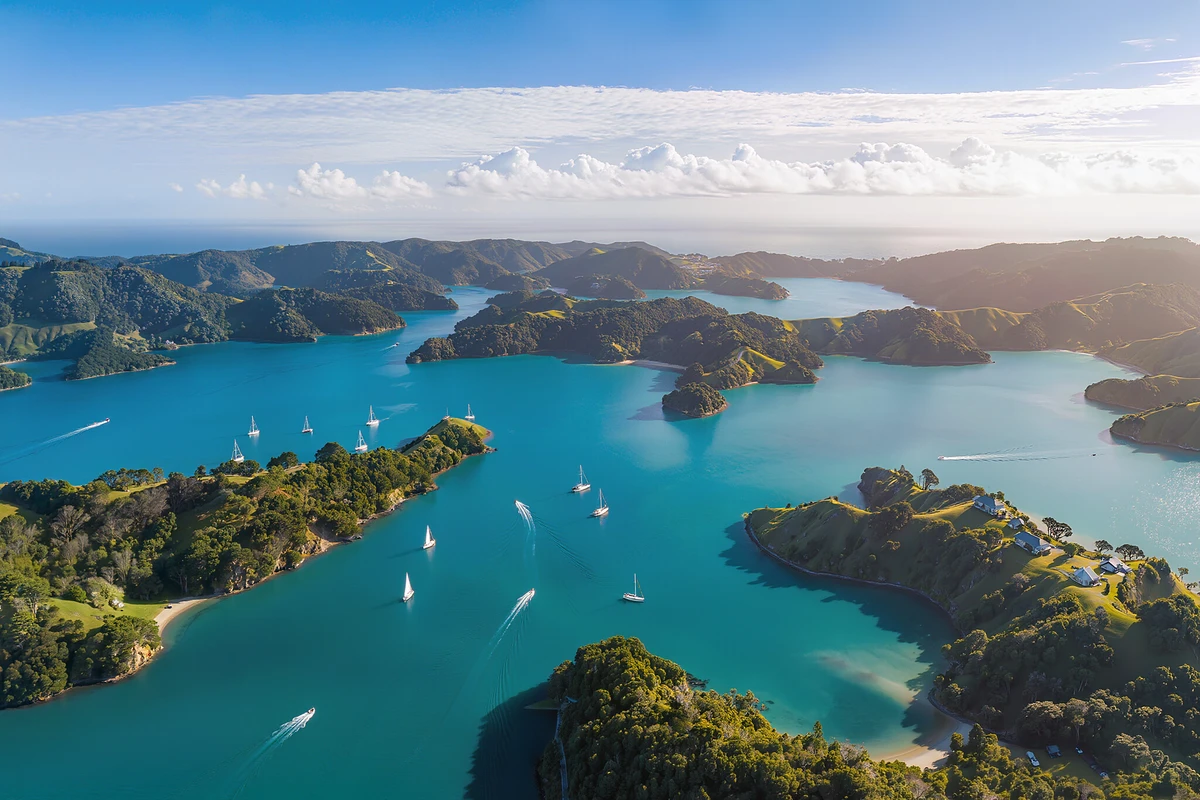
New Zealand divides into two main islands with very different personalities. The North Island is home to most of the population, the largest city, Auckland, and the capital, Wellington. Its north is subtropical, with the Bay of Islands and the Coromandel beaches, while its centre is a volcanic plateau of lakes, geysers and the mountains of Tongariro around Rotorua and Taupō.
The South Island is wilder and more sparsely populated. The Southern Alps run its length, with glaciers on the rain-soaked West Coast, the high-country plains of Canterbury and the city of Christchurch to the east, and the lakes and fiords of Otago and Southland in the south. Queenstown is the adventure capital, gateway to Milford Sound and Fiordland National Park.
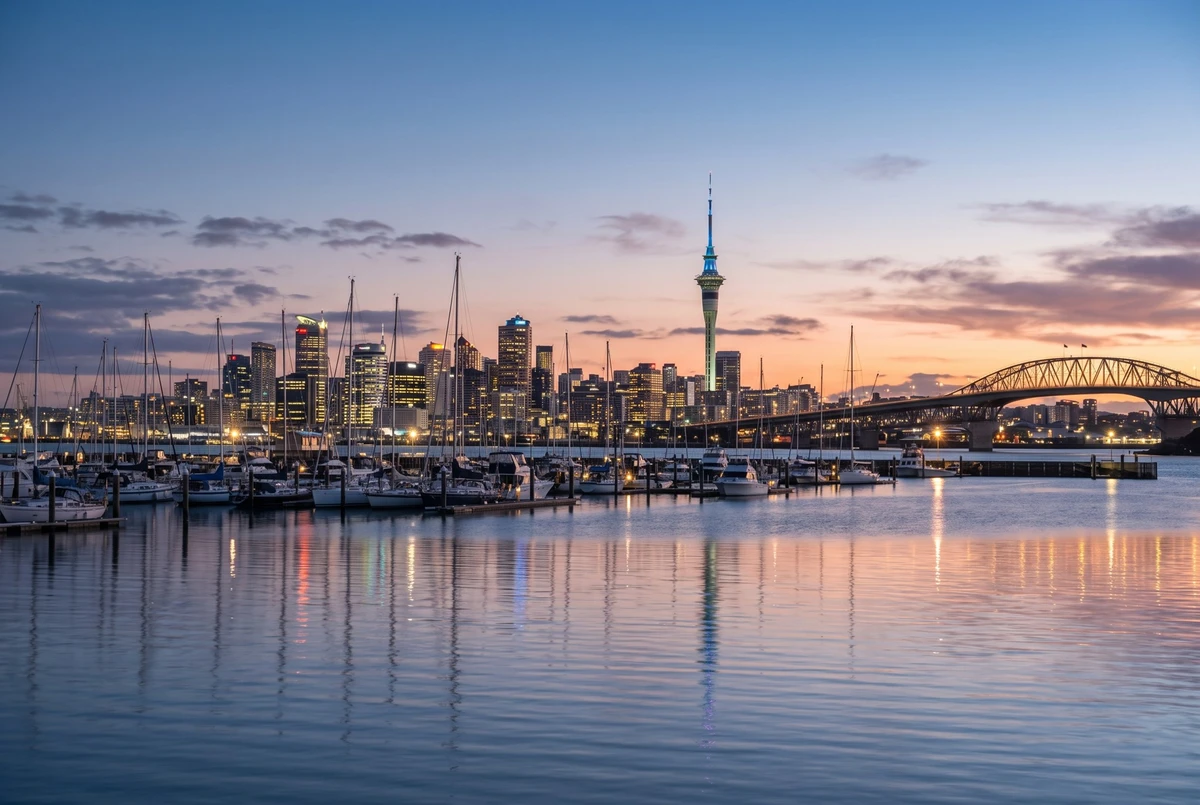
Our city directory below brings together the cities that build an ideal first journey. Auckland is the international gateway, where we arrange private airport transfers, harbour ferry tickets and guided day tours to the west coast beaches and islands. Rotorua, a short drive or flight south, is the heart of Māori culture and geothermal wonders, with our day tours and attraction tickets. Queenstown, reached by a domestic flight we can issue, completes the loop with alpine lakes, Milford Sound and adventure. Pairing them gives you city, culture and mountains in one balanced itinerary.
Before you go: practical tips for New Zealand
Entry & visas
Many nationalities can visit New Zealand without a visa for a short tourist stay but must obtain an electronic travel authority, known as the NZeTA, before travelling. Other passports need a visitor visa applied for in advance. All arrivals complete a traveller declaration. Rules depend on your passport, so check the official New Zealand immigration portal before booking and allow enough time for approval.
Money, cards & tipping
New Zealand uses its own dollar. Cards, including contactless payments, are accepted almost everywhere, even in small cafés and remote petrol stations, so you will need little cash. Prices are clearly displayed with tax included. Tipping is not expected, though rounding up for excellent service is appreciated. Bargaining is not part of local culture, except perhaps at weekend craft markets.
Etiquette & dress code
New Zealanders are relaxed, friendly and informal, but respect for Māori customs matters. On a marae, follow your host’s lead during the welcome ceremony and remove your shoes before entering a meeting house. Ask before photographing carvings or people in cultural settings. Respect the land: stay on tracks, take rubbish with you and never feed native wildlife. Strict biosecurity rules apply on arrival.
Getting around
Domestic flights are the quickest way to link Auckland, Rotorua, Queenstown and Christchurch, and we can issue tickets for you. A scenic ferry crosses Cook Strait between the islands, and harbour ferries serve Auckland’s islands. Long-distance rail is limited but beautiful. Roads are good yet winding, and driving is on the left, so our private chauffeured transfers are a relaxed alternative between airports and hotels.
Must-do things in New Zealand
- Cruise beneath sheer cliffs and waterfalls in Milford Sound, Fiordland
- Take the gondola above Queenstown for views over Lake Wakatipu
- Feel the spray of Pōhutu Geyser at Whakarewarewa in Rotorua
- Share a hāngī feast and cultural welcome at a Māori village
- Float beneath glowworm-lit ceilings in the Waitomo Caves
- Take a ferry across the Waitematā Harbour to Rangitoto Island’s volcano
- Hike the volcanic Tongariro Alpine Crossing on a clear summer day
- Watch the surf roll onto the black sand of Piha on Auckland’s west coast
- Visit the Waitangi Treaty Grounds in the beautiful Bay of Islands
- Stargaze in the Mackenzie Basin dark sky reserve near Lake Tekapo
Do’s and don’ts in New Zealand
Do
- Pack layers and a rain jacket; the weather changes quickly
- Declare all food, plants and outdoor gear on arrival
- Book Milford Sound and popular day tours ahead in summer
- Wear strong sun protection; the UV is intense
- Learn a Māori greeting such as “kia ora”
Don’t
- Don’t underestimate driving times on winding mountain roads
- Don’t leave marked tracks or disturb native birds
- Don’t sit on tables or touch people’s heads in Māori settings
- Don’t swim at surf beaches outside the patrolled flags
- Don’t squeeze too many destinations into a short trip
New Zealand at a glance
Plan New Zealand with Haqqi Tours
Every option is confirmed by our team on WhatsApp before you pay, and delivered by our own people or by trusted local partners we work with in every city. Because we send travellers from all over the world, our partners give us special rates and priority, so you always receive the best. Prices are per person unless marked per vehicle.
About Haqqi Tours: About us Contact us Legal NoticePrivacy PolicyCookies & Marketing PreferencesTerms & ConditionsBooking, Payment & Refunds
Where we operate in New Zealand
Good to know
Frequently Asked Questions
Straight answers to what travellers ask most about New Zealand.
Is it safe to visit New Zealand?
New Zealand is widely regarded as one of the safest destinations for travellers, with low crime, excellent infrastructure and friendly people. The main risks are natural: changeable mountain weather, strong surf and long drives. Take sensible precautions, check your own government’s official travel advice before departure, and keep our WhatsApp line handy throughout your trip.
How many days do I need for a first trip to New Zealand?
Allow ten to fourteen days for a first trip. Spend two days in Auckland, two or three in Rotorua, then fly to Queenstown for four or five days including Milford Sound. With more time, add the Bay of Islands, Mount Cook or the West Coast glaciers. Our team can shape the route around you.
What is the best way to travel between New Zealand's major cities?
Domestic flights are the most efficient way to move between Auckland, Rotorua, Queenstown and Christchurch, saving long days on the road. A ferry links the North and South Islands across Cook Strait. We issue flight and ferry tickets and arrange private airport transfers, so each connection runs smoothly from arrival to hotel.
Can a trip to New Zealand be tailored for luxury or private travel?
Yes. New Zealand has superb luxury lodges beside lakes, mountains and coastlines. We can arrange private airport transfers, private guided day tours from Auckland, Rotorua and Queenstown, and domestic flight tickets. Itineraries can be paced for families or honeymooners, with dining preferences, including halal options in the cities, noted in advance. Our team confirms every detail on WhatsApp before anything is paid.
Is New Zealand tourist friendly?
Very much so. English is the main language, signage is clear, public facilities are excellent and locals are famously helpful. Tourism is well organised, with visitor centres in most towns. Distances and weather are the main challenges, which is why our private transfers and guided day tours make the journey simpler and more relaxed.
Is it safe to travel to New Zealand now?
New Zealand remains open and welcoming to visitors, and travel runs normally across the country. Occasional storms, snowfall or seismic activity can temporarily affect roads or flights, so flexible planning helps. Check your own government’s official travel advice before departure, and keep our WhatsApp line handy so our team can adjust plans quickly if conditions change.
What is the best time to visit New Zealand?
December to February offers warm summer weather and long days, ideal for hiking and the lakes, but it is the busiest period. March to May and September to November are calmer, with autumn colour or spring blossom. June to August suits skiers in Queenstown and visitors who enjoy crisp winter scenery.
What is New Zealand famous for?
New Zealand is famous for dramatic landscapes, from Milford Sound and the Southern Alps to Rotorua’s geysers, and for Māori culture, the haka and the hongi greeting. It is known as a home of adventure sports, for the kiwi bird, its passion for rugby, outstanding lamb and seafood, and a clean, green outdoor lifestyle.
Which cities in New Zealand does Haqqi Tours cover?
Auckland, Queenstown, Rotorua, Christchurch, Milford Sound, Wellington, Paihia, Kaikoura, Te Anau, Franz Josef, Lake Tekapo, Mount Cook, Taupo, Picton, Akaroa, Kaiteriteri, Matamata, Napier, Oamaru, Tongariro National Park, Waitomo, Wanaka and Whitianga. Each city has its own page with everything available there, and a trip across several cities is planned in one WhatsApp conversation.
What can I book in New Zealand?
Day tours, attraction tickets, private airport transfers, flight tickets, train tickets and ferry tickets - all run or confirmed by Haqqi Tours, each with a fixed price agreed on WhatsApp before you pay.
How do I book a tour or transfer in New Zealand?
Fill in the form on the page you are interested in, or message us on WhatsApp with the date, the number of travellers and your hotel. A member of our team confirms the price and the details in writing within minutes.
Are the prices fixed?
Yes. Every price is agreed in writing on WhatsApp before you travel and does not change on the day - not for traffic, not for a late flight, not for the hour.
Do you arrange transfers between cities in New Zealand?
Yes. Intercity transfers by private car or van are booked the same way as airport transfers; tell the desk the two hotels and the date and it quotes a fixed price for the whole vehicle.
Can you plan a full itinerary across New Zealand?
Yes - tell the desk your dates, the cities you want and who is travelling, and it proposes a day-by-day plan with the tours, transfers and tickets priced in writing. You adjust it in the same chat before confirming.
Are your tours private or in a group?
Both exist, and the page of each tour says which. Private tours have a car and guide for your party alone; small-group tours share a guide with a few other travellers. The desk can convert most group tours into a private day on request.
Do the drivers and guides speak Arabic?
It depends on the country, the city and the day, so we do not promise a particular language for the driver or guide. Tell us your preference and we do our best; the WhatsApp desk itself always works in Arabic and English.