
Senegal
Haqqi Tours arranges day tours, private airport transfers, attraction tickets and multi-day packages across Senegal, confirmed on WhatsApp before you pay.
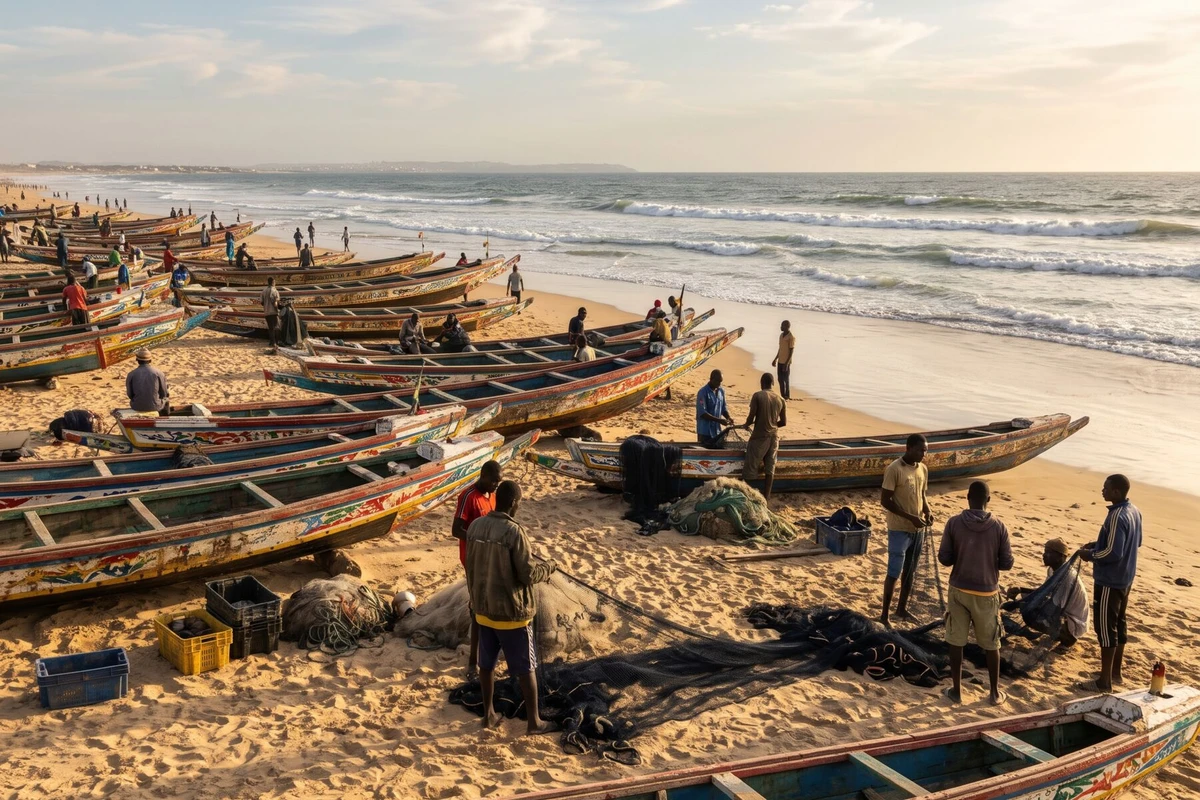
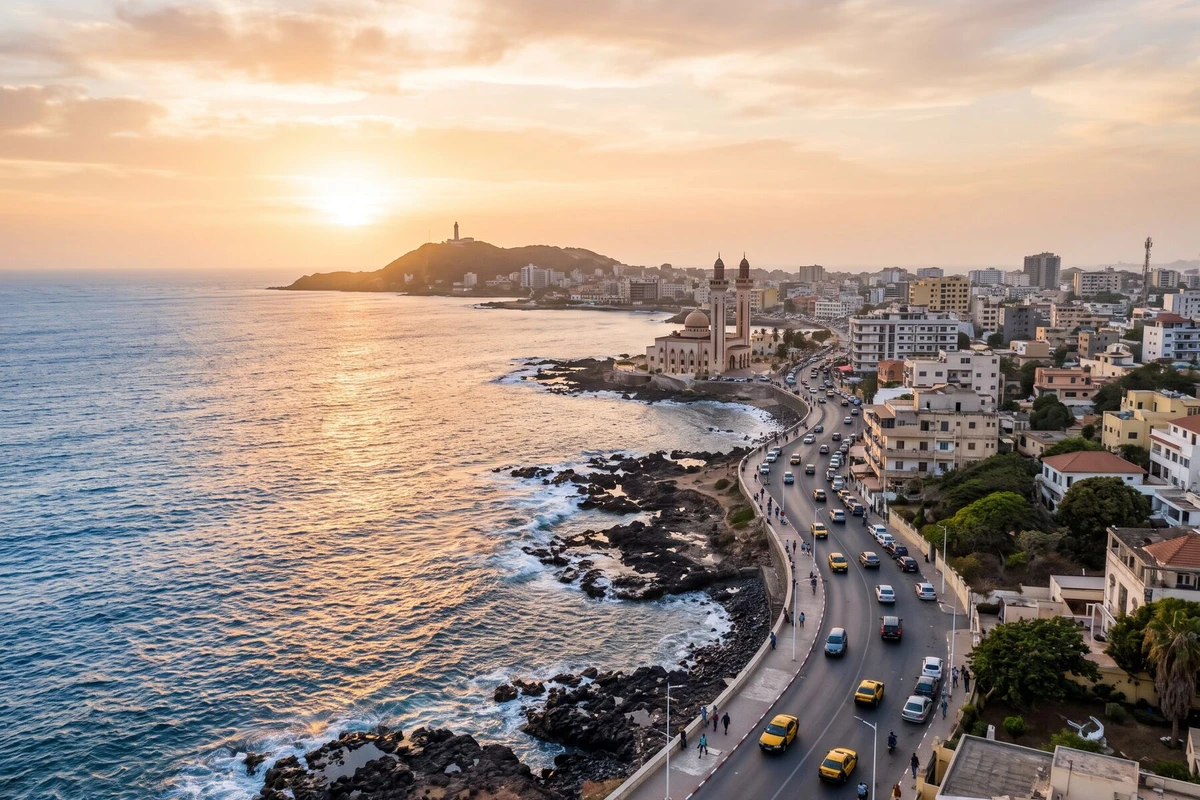
In Dakar the morning smells of the Atlantic and fresh bread. Fishing pirogues painted in bold stripes of blue, yellow and red slide up onto the sand at Soumbédioune and Yoff, women in bright printed dresses carry baskets of fish from the boats, and the call to prayer drifts over the rooftops of the Médina. On the cliffs of the Corniche, joggers and young wrestlers train in the cool sea breeze, and from the Mamelles hills the city spreads out to the westernmost point of mainland Africa, surrounded by ocean on three sides.
Destinations
Choose a city to see everything we arrange there.
Services by city in Senegal
Tours
The essence of Senegal
An hour from the capital the landscape changes completely. At Lake Retba, known as the Pink Lake, salt-laden water glows rose and lilac under the midday sun while salt collectors fill their wooden boats with glittering crystals, and dunes roll away towards the ocean. Nearby, a sanctuary cares for giant African spurred tortoises. Senegal is unique because a warm, peaceful nation famed for teranga, its tradition of hospitality, combines a vibrant capital, the island of Gorée and wild coasts, deltas and dunes. We arrange Pink Lake excursions, private guides and airport transfers, delivered with calm, attentive service.
Why visit Senegal?
Empires, Gorée and an Independent Nation
Long before Europeans arrived, the lands of Senegal belonged to great West African states such as the Jolof Empire and the kingdoms of Cayor, Sine and Saloum, and Islam spread here many centuries ago through trade and scholarship. From the fifteenth century the coast was drawn into the Atlantic trade, and the island of Gorée remains a solemn place of memory for the enslaved Africans shipped across the ocean. Under French rule Dakar became the capital of French West Africa, and Senegal gained its independence in 1960.
Atlantic Coast, Deltas and Savanna
Senegal stretches from the dunes of the north to the green forests of Casamance in the south. The Cap-Vert peninsula, on which Dakar stands, juts into the Atlantic with cliffs, surf beaches and the small island of Ngor. To the south, the Petite Côte offers calm beaches and lagoons, and the Sine-Saloum Delta, listed by UNESCO, is a maze of mangroves and shell islands. Inland, Niokolo-Koba National Park protects savanna and gallery forest, while the Djoudj sanctuary near Saint-Louis welcomes great flocks of migrating birds each winter.
Thiéboudienne, Yassa and Bissap
Senegalese cooking is generous and full of flavour. The national dish, thiéboudienne, is fish cooked with tomato, vegetables and broken rice, while yassa brings chicken or fish in a tangy sauce of onions and lemon, and mafé is a rich peanut stew. Grilled lamb called dibi, fataya pastries, accara fritters and fresh fish from the pirogues fill the streets, with bissap hibiscus juice, baobab juice and spiced café Touba to drink. Senegal is a Muslim-majority country, so halal food is the norm.
Experiences You Can Only Have Here
Watch Lake Retba turn pink under the midday sun and meet the salt collectors who work its shallow waters, then walk among giant spurred tortoises at a nearby sanctuary. Take the ferry to car-free Gorée, wander its lanes of colonial houses and bougainvillea, and pause at the House of Slaves. Back in Dakar, stand at the westernmost point of mainland Africa at Les Almadies, climb to the African Renaissance Monument and share a plate of thiéboudienne in true Senegalese style.
Who is Senegal for?
Ideal for
- Culture and history lovers
- Travellers interested in West African heritage
- Photographers drawn to colour and coastal life
- Families seeking easy half-day excursions
- Beach and surf lovers
- Birdwatchers and nature lovers
Pace & travel style
- Spend three or four nights in Dakar to start
- Visit the Pink Lake around midday for the best colour
- Take the Gorée ferry early to avoid the crowds
- Keep afternoons slow in the heat and enjoy the sea breeze
When to visit Senegal
Peak season · November–March
The dry season brings Senegal its most comfortable weather, with sunny days, cool evenings and a steady breeze along the coast, ideal for exploring Dakar, Gorée and the Pink Lake, which often shows its strongest colour in the dry months. From December the dusty Harmattan wind can haze the sky for a few days at a time. This is the busiest period for visitors, especially over Christmas and New Year, so reserve tours and transfers ahead.
Shoulder season · April–June
These months stay dry and grow hotter inland, though Dakar remains pleasantly tempered by the Atlantic breeze. The Pink Lake is still vivid, beaches are quiet and hotels have easier availability. In even-numbered years the Dakar art biennale fills galleries and public spaces with contemporary African art. The dates of Ramadan and Eid change each year, bringing a calmer daytime rhythm and joyful celebrations, so check the calendar when planning.
Low season · July–October
The rainy season brings heat, humidity and short, heavy storms, mostly in August and September, while the countryside turns green and visitor numbers drop. Mornings are often bright, so half-day trips from Dakar still work well, though some rural roads become muddy and the Pink Lake may look less vivid after heavy rain. This is a good time for travellers who prefer quiet sites and lush scenery; pack light clothing and keep plans flexible.
The regions of Senegal and how to combine its cities
Senegal lies on the westernmost bulge of Africa, bordered by Mauritania to the north, Mali to the east and Guinea and Guinea-Bissau to the south, with The Gambia forming a narrow strip along its river deep into Senegal's heart. Dakar occupies the Cap-Vert peninsula on the Atlantic coast and is the country's great gateway, with the international airport at Diass, south-east of the capital.
North of Dakar, the coast leads to Lake Retba, the Lompoul desert dunes and the historic island city of Saint-Louis, listed by UNESCO, near the Djoudj bird sanctuary. To the south, the Petite Côte runs past Saly, Somone and the shell island of Joal-Fadiouth to the mangroves of the Sine-Saloum Delta. Further south, beyond The Gambia, lies green Casamance, while the south-east holds Niokolo-Koba and the hills of the Bassari country.
Our city directory below is anchored in Dakar, the natural base for a first visit. From the capital we arrange half-day trips to Lake Retba and the tortoise sanctuary, and we can add Gorée Island and city sightseeing, while our private drivers handle transfers from Dakar's international airport at Diass (DSS). Senegal also pairs naturally with a few days on the Petite Côte, a journey to Saint-Louis or a crossing into The Gambia.
Before you go: practical tips for Senegal
Entry & visas
Citizens of many countries, including those of the European Union, the United Kingdom, the United States, Canada and West African states, can visit Senegal without a visa for short stays, usually up to ninety days. Other nationalities need to apply for a visa in advance. A passport valid for at least six months is expected, and a yellow fever certificate may be required depending on where you arrive from, so check the current rules before you travel.
Money, cards & tipping
The currency is the West African CFA franc, shared with several neighbouring countries. Cards are accepted in larger hotels, supermarkets and some restaurants in Dakar, but markets, taxis, small eateries and rural areas work in cash. Cash machines are common in the capital and larger towns. Bargaining is expected in markets and with taxi drivers, so agree on a fare before you set off. Tipping guides and drivers for good service is appreciated.
Etiquette & dress code
Senegalese people are warm and famous for teranga, their spirit of hospitality, and greetings are important: start with salaam aleekum, ask how someone is and take time before getting to business. Senegal is a Muslim-majority country, so dress modestly away from the beach, remove your shoes in mosques and use your right hand to eat and to give. Always ask before photographing people, especially at markets and on fishing beaches, and respect the calm of Friday prayers.
Getting around
In Dakar, taxis are plentiful and fares are agreed before the ride, while a modern rapid bus line and the regional express train serve parts of the city and its suburbs. Ferries cross to Gorée in about twenty minutes, and a longer ferry sails overnight to Ziguinchor in Casamance. A toll motorway links Dakar with the airport, Thiès and the Petite Côte, but traffic in the capital can be heavy, so for airport arrivals and excursions our private transfers are the most comfortable choice.
Must-do things in Senegal
- See the pink waters of Lake Retba at midday
- Meet the salt collectors at work on the Pink Lake
- Walk among giant spurred tortoises at a sanctuary near Dakar
- Take the ferry to the island of Gorée
- Pause in reflection at the House of Slaves on Gorée
- Stand at Pointe des Almadies, mainland Africa's westernmost point
- Climb to the African Renaissance Monument
- Watch the fishing pirogues come in at Soumbédioune
- Taste thiéboudienne, yassa and fresh bissap juice
- Explore the old island city of Saint-Louis
Do’s and don’ts in Senegal
Do
- Carry cash in CFA francs in small notes
- Greet people properly before asking for help
- Dress modestly away from the beach
- Agree taxi fares before getting in
- Drink bottled water and carry sunscreen
Don’t
- Don't photograph people without asking first
- Don't swim at unguarded beaches with strong currents
- Don't use your left hand to eat or to give
- Don't rush greetings or bargaining; patience is valued
- Don't try to see the Pink Lake and Saint-Louis in one day
Senegal at a glance
Plan Senegal with Haqqi Tours
Every option is confirmed by our team on WhatsApp before you pay, and delivered by our own people or by trusted local partners we work with in every city. Because we send travellers from all over the world, our partners give us special rates and priority, so you always receive the best. Prices are per person unless marked per vehicle.
About Haqqi Tours: About us Contact us Legal NoticePrivacy PolicyCookies & Marketing PreferencesTerms & ConditionsBooking, Payment & Refunds
Where we operate in Senegal
Good to know
Frequently Asked Questions
Straight answers to what travellers ask most about Senegal.
Is it safe to visit Senegal?
Senegal is one of the most stable and welcoming countries in West Africa, and Dakar, Gorée and the Pink Lake are popular, relaxed places to visit. As anywhere, take sensible precautions: watch your belongings in busy markets, avoid walking alone at night on quiet streets and use licensed guides and drivers. Check your own government's official travel advice before departure, and keep our WhatsApp line handy for help with tours and transfers.
How many days do I need in Senegal?
Four to five days work well for a first visit based in Dakar: one day for the city, the Médina and Les Almadies, one for Gorée Island and a half-day trip to Lake Retba and the tortoise sanctuary. With a week or more you can add the beaches of the Petite Côte, the mangroves of the Sine-Saloum Delta or the old colonial city of Saint-Louis.
Why is Lake Retba pink?
Lake Retba, about an hour north-east of Dakar, is extremely salty, and a microscopic alga that thrives in salt water produces a red pigment that tints the lake pink. The colour is strongest in the dry season, on sunny days around midday, and fades after heavy rain. Salt collectors, who protect their skin with shea butter, gather salt from the lake bed by hand.
Can a trip to Senegal be tailored for luxury or private travel?
Absolutely. Dakar has elegant seafront hotels in Les Almadies and Ngor, and the Petite Côte and Sine-Saloum offer refined lodges and beach retreats. We can tailor private guides, a private vehicle for your Pink Lake excursion, chauffeured airport transfers and a relaxed family pace, then confirm every detail with you on WhatsApp before anything is paid.
What is the best time to visit Senegal?
The dry season from November to March is the best time to visit Senegal, with sunny days, cooler evenings and pleasant sea breezes in Dakar. April to June is hotter but still dry and quieter, while July to October brings the rainy season, with humid heat, short storms, green landscapes and fewer visitors.
What is Senegal famous for?
Senegal is famous for teranga, its warm hospitality, for the island of Gorée and the pink waters of Lake Retba, and for Dakar at the westernmost point of mainland Africa. It is also known for thiéboudienne, colourful fishing pirogues, traditional wrestling, mbalax music, the historic city of Saint-Louis, the Sine-Saloum Delta and its strong Sufi brotherhoods.
Is halal food available in Senegal?
Yes. Senegal is a Muslim-majority country, and halal food is the norm in family kitchens, restaurants and street stalls across Dakar and beyond. Dishes such as thiéboudienne, yassa, mafé and grilled dibi lamb are widely available, along with fresh seafood. In some international restaurants and hotels it is still worth asking; our team can advise.
How do I get to Dakar from the airport?
Dakar's international airport (DSS) lies at Diass, about 45 kilometres south-east of the city, and the drive along the toll motorway takes around 45 minutes to an hour depending on traffic. We arrange a private transfer with a driver waiting for you at arrivals to take you directly to your hotel in Dakar.
Which cities in Senegal does Haqqi Tours cover?
Dakar. Each city has its own page with everything available there, and a trip across several cities is planned in one WhatsApp conversation.
What can I book in Senegal?
Day tours - all run or confirmed by Haqqi Tours, each with a fixed price agreed on WhatsApp before you pay.
How do I book a tour or transfer in Senegal?
Fill in the form on the page you are interested in, or message us on WhatsApp with the date, the number of travellers and your hotel. A member of our team confirms the price and the details in writing within minutes.
Are the prices fixed?
Yes. Every price is agreed in writing on WhatsApp before you travel and does not change on the day - not for traffic, not for a late flight, not for the hour.
Do you arrange transfers between cities in Senegal?
Yes. Intercity transfers by private car or van are booked the same way as airport transfers; tell the desk the two hotels and the date and it quotes a fixed price for the whole vehicle.
Can you plan a full itinerary across Senegal?
Yes - tell the desk your dates, the cities you want and who is travelling, and it proposes a day-by-day plan with the tours, transfers and tickets priced in writing. You adjust it in the same chat before confirming.
Are your tours private or in a group?
Both exist, and the page of each tour says which. Private tours have a car and guide for your party alone; small-group tours share a guide with a few other travellers. The desk can convert most group tours into a private day on request.
Do the drivers and guides speak Arabic?
It depends on the country, the city and the day, so we do not promise a particular language for the driver or guide. Tell us your preference and we do our best; the WhatsApp desk itself always works in Arabic and English.