
Guam
Haqqi Tours arranges day tours, private airport transfers, attraction tickets and multi-day packages across Guam, confirmed on WhatsApp before you pay.
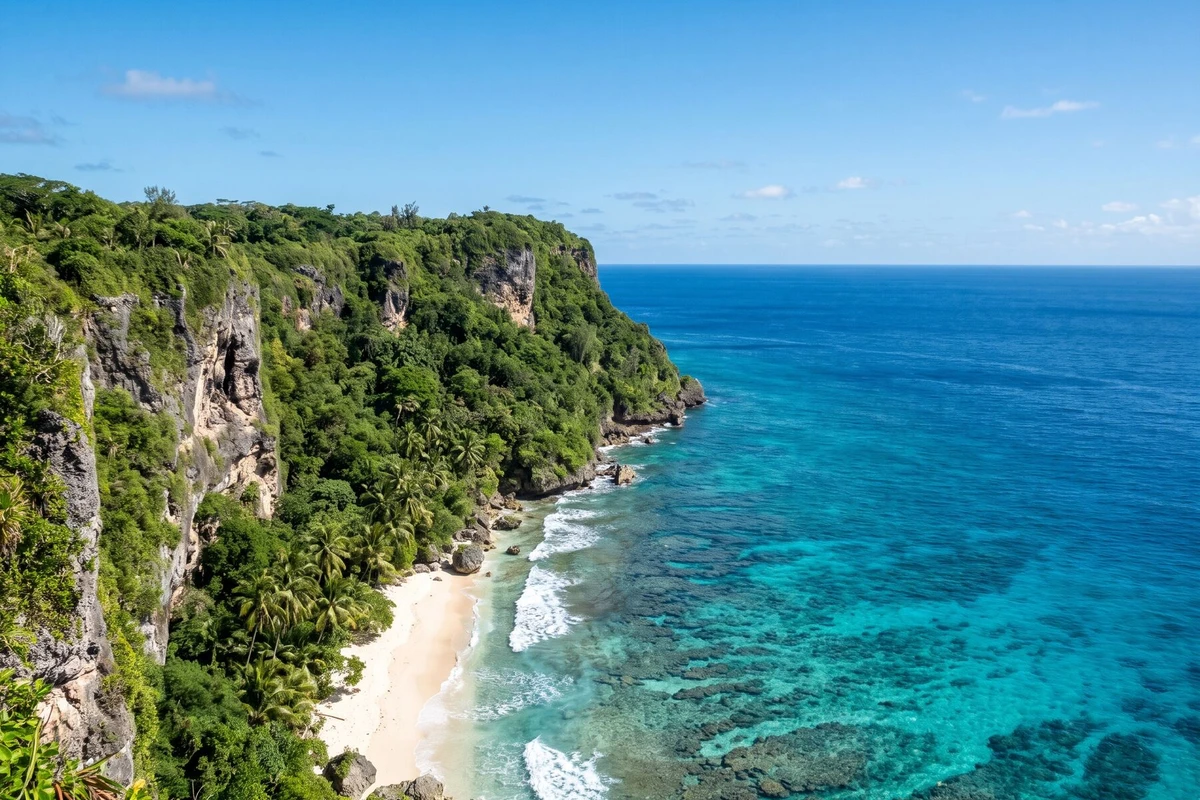
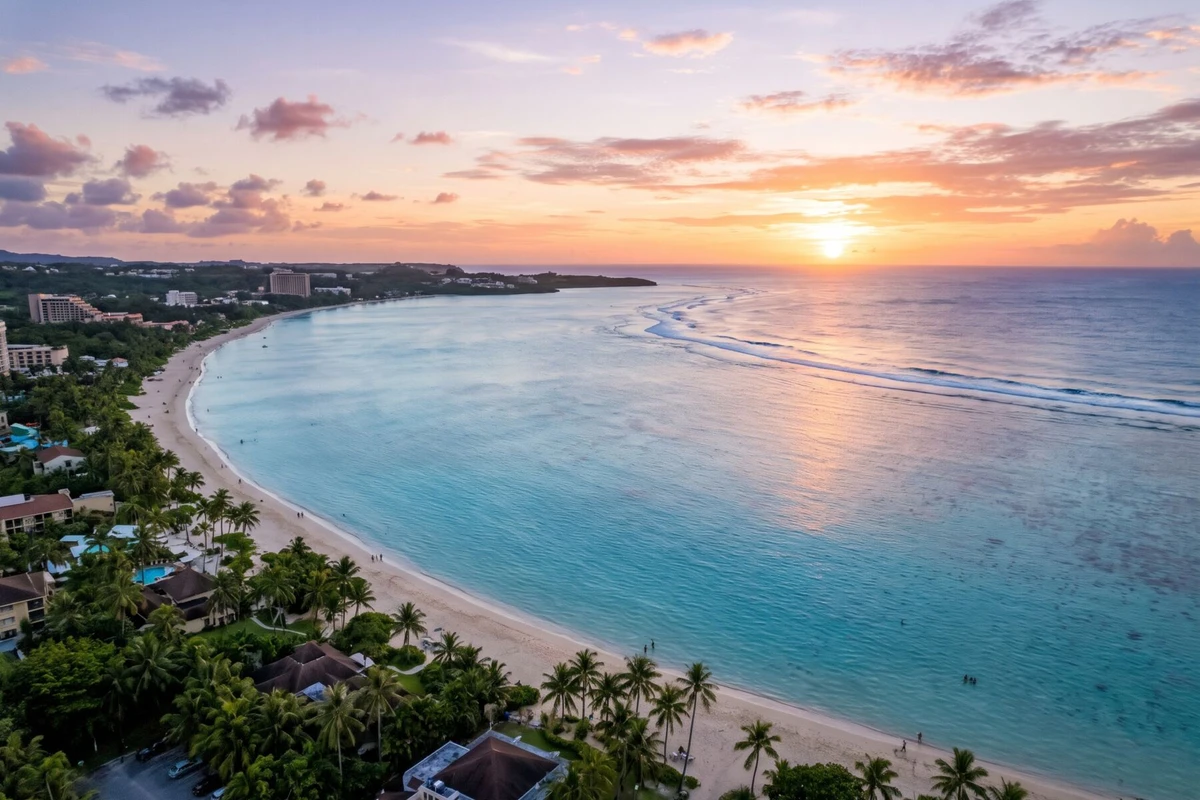
On Guam the morning light spills across Tumon Bay, turning the shallow lagoon from silver to bright turquoise. The reef breaks the swell of the Philippine Sea into a line of white far offshore, early swimmers float in water as warm as a bath, and at the northern end of the beach the limestone cliffs of Two Lovers Point rise sheer above the sea. Out along the west coast, a pod of spinner dolphins leaps and twists beside a small boat, spinning in the air before splashing back into the deep blue.
Destinations
Choose a city to see everything we arrange there.
Services by city in Guam
Tours
The essence of Guam
Behind the hotels, the island keeps a story that is far older than tourism. In Hagåtña, the capital, the stone arches of Plaza de España and the ancient latte stones recall the Spanish era and the Chamorro people who have lived here for thousands of years, while the quiet south holds waterfalls, river valleys and Spanish forts above lonely bays. Guam is unique because a Pacific island culture, American daily life and deep ocean wildlife meet on one small island. We arrange the journey with dolphin cruises, reef visits and private airport transfers, delivered with calm, attentive service.
Why visit Guam?
The Chamorro Island and a Crossroads of Empires
Seafaring people settled Guam around three and a half thousand years ago, and their descendants, the Chamorro, raised great latte stones, stone pillars topped with capstones, as foundations for their houses. Spanish ships arrived in 1521, and from 1668 Spain ruled the island for more than two centuries, leaving churches, bridges and forts. Guam passed to the United States in 1898, endured occupation during the Second World War until its liberation in 1944, and is today a US territory with a proud Chamorro identity.
Reefs, Cliffs and the Deepest Ocean
Guam is the largest and southernmost of the Mariana Islands, a limestone plateau in the north edged by high cliffs and a volcanic, hilly south of red earth, rivers and waterfalls. Coral reefs ring much of the coast, protected in marine preserves such as Tumon Bay and Piti, where green sea turtles, reef fish and soft corals thrive in clear water. Offshore, the seabed plunges towards the Mariana Trench, the deepest place in the world's oceans, and spinner dolphins feed along the west coast.
Red Rice, Kelaguen and Island Barbecue
Chamorro food is the taste of island gatherings. Red rice coloured with achote seeds accompanies almost every meal, chicken kelaguen is chopped grilled chicken with lemon, grated coconut and hot pepper, and grilled meats and fish are served with finadeñe, a sharp sauce of soy, lemon, onion and chilli. Kådon pika is a spicy chicken stew, and desserts include latiya custard cake and coconut sweets. Halal food is very limited, so seafood and vegetarian dishes are the easiest choices; our team can advise.
Experiences You Can Only Have Here
Cruise along the west coast to watch spinner dolphins leap and spin in the open sea, then walk out over the reef at Piti and descend into an underwater observatory to watch fish, corals and turtles through the windows without getting wet. Swim and snorkel in the calm lagoon of Tumon Bay, stand at the edge of Two Lovers Point high above the Philippine Sea, and wander among the latte stones and Spanish arches of Hagåtña, where the island's long story comes alive.
Who is Guam for?
Ideal for
- Families with children of all ages
- Couples seeking easy tropical escapes
- Snorkellers and ocean lovers
- Travellers interested in Pacific island cultures
- History lovers drawn to wartime sites
- Short-break and stopover travellers
Pace & travel style
- Four or five nights suit a first visit
- Book ocean trips for the calm morning hours
- Keep one day for a drive around the south
- Rest in the shade during the midday heat
When to visit Guam
Peak season · January–May
The dry season brings Guam its sunniest, least humid weather, steady trade winds and calm seas on the western coast, ideal for dolphin cruises, snorkelling in Tumon Bay and drives around the island. Temperatures stay warm all year, and rain falls only in brief showers. Holiday periods in Asia, especially the New Year and spring breaks, are the busiest times, when hotels and ocean tours fill quickly, so reserve cruises and transfers well ahead.
Shoulder season · June, December
June marks the start of the wetter months, with more frequent showers but still plenty of sunshine and warm, clear water, while December brings the return of drier trade winds as the typhoon season fades. Both months offer good conditions for the reef and for sightseeing, with somewhat fewer visitors outside the holiday weeks. Showers are possible, so keep plans flexible around the weather.
Low season · July–November
The rainy season brings heat, high humidity and heavy tropical downpours, often short and followed by sunshine, with lush green hills and waterfalls at their fullest. This is also the typhoon season, with the highest risk from August to November, when storms can disrupt flights and boat trips. Liberation Day on 21 July is celebrated with parades and village gatherings. Travel insurance, flexible dates and close attention to forecasts are wise.
The regions of Guam and how to combine its cities
Guam lies in the western Pacific Ocean at the southern end of the Mariana Islands, about three to four hours by air from Tokyo, Seoul and Manila. Tumon, on the central west coast, is the island's main resort area, a curve of hotels, shops and restaurants along Tumon Bay, while Tamuning and the airport lie just inland and Hagåtña, the capital, is a short drive south along the coast.
North of Tumon, a high limestone plateau ends in cliffs and the protected beaches of Ritidian Point, part of a national wildlife refuge. South of Hagåtña, the coast passes the wartime sites of Asan and Agat, the marine preserve at Piti and the great natural harbour of Apra, before reaching the rugged, rural south, where the villages of Umatac, Merizo and Inarajan hold Spanish forts, natural pools, waterfalls and views over quiet bays.
Our city directory below is anchored in Tumon, the natural base for a stay on Guam. From Tumon we arrange dolphin watching cruises along the west coast combined with a visit to the underwater observatory at Piti, while our private drivers handle transfers from Guam airport (GUM), only minutes away. Guam pairs naturally with the nearby Northern Mariana Islands or with a wider journey through East Asia and the Pacific.
Before you go: practical tips for Guam
Entry & visas
Guam is a US territory, so United States entry rules apply. Citizens of a number of countries can visit for short stays without a visa under the Guam and Northern Mariana Islands visa waiver programme or the wider US visa waiver arrangements, sometimes with an online travel authorisation, while other nationalities need a US visa arranged in advance. A valid passport is required, and rules change from time to time, so check the current requirements with official US sources before you travel.
Money, cards & tipping
The currency is the US dollar. Cards are accepted in almost all hotels, restaurants, shops and tour offices, and cash machines are easy to find in Tumon, Tamuning and Hagåtña, though a little cash is useful for village food stalls and the weekly night market. Tipping follows American custom, so guides, boat crews, drivers and restaurant staff expect a tip for good service, and some bills already include a service charge.
Etiquette & dress code
The people of Guam are warm and relaxed, and the traditional greeting is håfa adai. Chamorro culture values respect for elders and the spirit of inafa'maolek, caring for one another and the community. Dress is casual, but cover up away from the beach and in churches. Ask before photographing people, never take latte stones or artefacts, and follow local custom by asking permission of the ancestral spirits, the taotao mo'na, quietly when entering the jungle. Never touch coral or turtles.
Getting around
Guam has no railway, and public buses are limited, so most visitors use taxis, tour shuttles, rental cars or private transfers. Driving is on the right, and the main roads are good, with the island about fifty kilometres from end to end. Tumon is easy to explore on foot along its beachfront and main street. For airport arrivals, dolphin cruises and drives to Hagåtña or the south, our private transfers with a driver are the most comfortable choice.
Must-do things in Guam
- Watch spinner dolphins on a cruise along the west coast
- Descend into the underwater observatory at Piti
- Snorkel in the calm lagoon of Tumon Bay
- Look out over the sea from Two Lovers Point
- Walk around Plaza de España in Hagåtña
- See the ancient pillars of Latte Stone Park
- Browse the weekly night market at Chamorro Village
- Visit the Asan Bay Overlook and the wartime park
- Drive the south coast to Umatac and Inarajan
- Taste red rice, chicken kelaguen and finadeñe
Do’s and don’ts in Guam
Do
- Use reef-safe sunscreen and never touch coral
- Book ocean trips for the morning when seas are calm
- Carry water and a hat in the strong sun
- Greet people with a friendly håfa adai
- Check typhoon forecasts in the wet season
Don’t
- Don't swim beyond the reef where currents are strong
- Don't touch or chase turtles and dolphins
- Don't take latte stones, shells or artefacts
- Don't walk through villages in swimwear
- Don't leave valuables in parked cars at beaches
Guam at a glance
Plan Guam with Haqqi Tours
Every option is confirmed by our team on WhatsApp before you pay, and delivered by our own people or by trusted local partners we work with in every city. Because we send travellers from all over the world, our partners give us special rates and priority, so you always receive the best. Prices are per person unless marked per vehicle.
About Haqqi Tours: About us Contact us Legal NoticePrivacy PolicyCookies & Marketing PreferencesTerms & ConditionsBooking, Payment & Refunds
Where we operate in Guam
Good to know
Frequently Asked Questions
Straight answers to what travellers ask most about Guam.
Is it safe to visit Guam?
Guam welcomes many visitors every year, and Tumon is a relaxed, well-organised resort area. As anywhere, take sensible precautions: keep valuables out of sight in cars, avoid walking alone on empty streets late at night and swim only in calm, protected areas. Check your own government's official travel advice before departure, and keep our WhatsApp line handy for help with tours and transfers.
How many days do I need in Guam?
Four to five days work well for a first visit: one day for a dolphin cruise and the underwater observatory at Piti, one for Hagåtña, its plaza, latte stones and museum, one for a drive around the south coast and time for snorkelling and the beaches of Tumon. With a week, you can add Ritidian Point in the north or a short flight to the Northern Mariana Islands.
What is the underwater observatory at Piti?
At Piti, on the west coast south of Hagåtña, a long walkway leads out across the reef of a protected marine preserve to an observatory tower whose lower chamber sits several metres below the surface. Through its windows you can watch reef fish, corals and sometimes turtles in their natural setting without getting wet. It is often combined with a dolphin cruise on the same morning.
Can a trip to Guam be tailored for luxury or private travel?
Absolutely. Tumon offers elegant beachfront resorts, spacious family suites and quiet spas facing the bay. We can tailor private boat trips, private island tours with a driver, chauffeured airport transfers and a relaxed family pace, then confirm every detail with you on WhatsApp before anything is paid.
What is the best time to visit Guam?
The dry season from January to May is the best time to visit Guam, with sunny days, lower humidity and calm seas for dolphin cruises and snorkelling. June and December are pleasant transition months, while July to November brings more rain and the typhoon season, with the highest risk from August to November.
What is Guam famous for?
Guam is famous for the clear turquoise water of Tumon Bay and its reef, for the dramatic cliffs of Two Lovers Point and for the ancient latte stones of the Chamorro people. It is also known for its Spanish heritage in Hagåtña and the southern villages, its Second World War history, spinner dolphins off the west coast and its closeness to the Mariana Trench.
Is halal food available in Guam?
Halal options are very limited in Guam, and dedicated halal restaurants are rare. Fresh fish, seafood, rice, vegetarian dishes and tropical fruit are easy to find, and Tumon's many Asian and international restaurants can often adapt dishes. Pork is common in Chamorro, Korean, Japanese and Filipino cooking on the island, so ask when ordering; our team can advise.
How do I get to Tumon from the airport?
Guam airport (GUM) lies in Tamuning, only about ten to fifteen minutes by road from the hotels of Tumon Bay, and around fifteen minutes from Hagåtña. Taxis wait outside arrivals, but we arrange a private transfer with a driver waiting at arrivals to take you directly to your hotel.
Which cities in Guam does Haqqi Tours cover?
Tumon. Each city has its own page with everything available there, and a trip across several cities is planned in one WhatsApp conversation.
What can I book in Guam?
Day tours - all run or confirmed by Haqqi Tours, each with a fixed price agreed on WhatsApp before you pay.
How do I book a tour or transfer in Guam?
Fill in the form on the page you are interested in, or message us on WhatsApp with the date, the number of travellers and your hotel. A member of our team confirms the price and the details in writing within minutes.
Are the prices fixed?
Yes. Every price is agreed in writing on WhatsApp before you travel and does not change on the day - not for traffic, not for a late flight, not for the hour.
Do you arrange transfers between cities in Guam?
Yes. Intercity transfers by private car or van are booked the same way as airport transfers; tell the desk the two hotels and the date and it quotes a fixed price for the whole vehicle.
Can you plan a full itinerary across Guam?
Yes - tell the desk your dates, the cities you want and who is travelling, and it proposes a day-by-day plan with the tours, transfers and tickets priced in writing. You adjust it in the same chat before confirming.
Are your tours private or in a group?
Both exist, and the page of each tour says which. Private tours have a car and guide for your party alone; small-group tours share a guide with a few other travellers. The desk can convert most group tours into a private day on request.
Do the drivers and guides speak Arabic?
It depends on the country, the city and the day, so we do not promise a particular language for the driver or guide. Tell us your preference and we do our best; the WhatsApp desk itself always works in Arabic and English.