
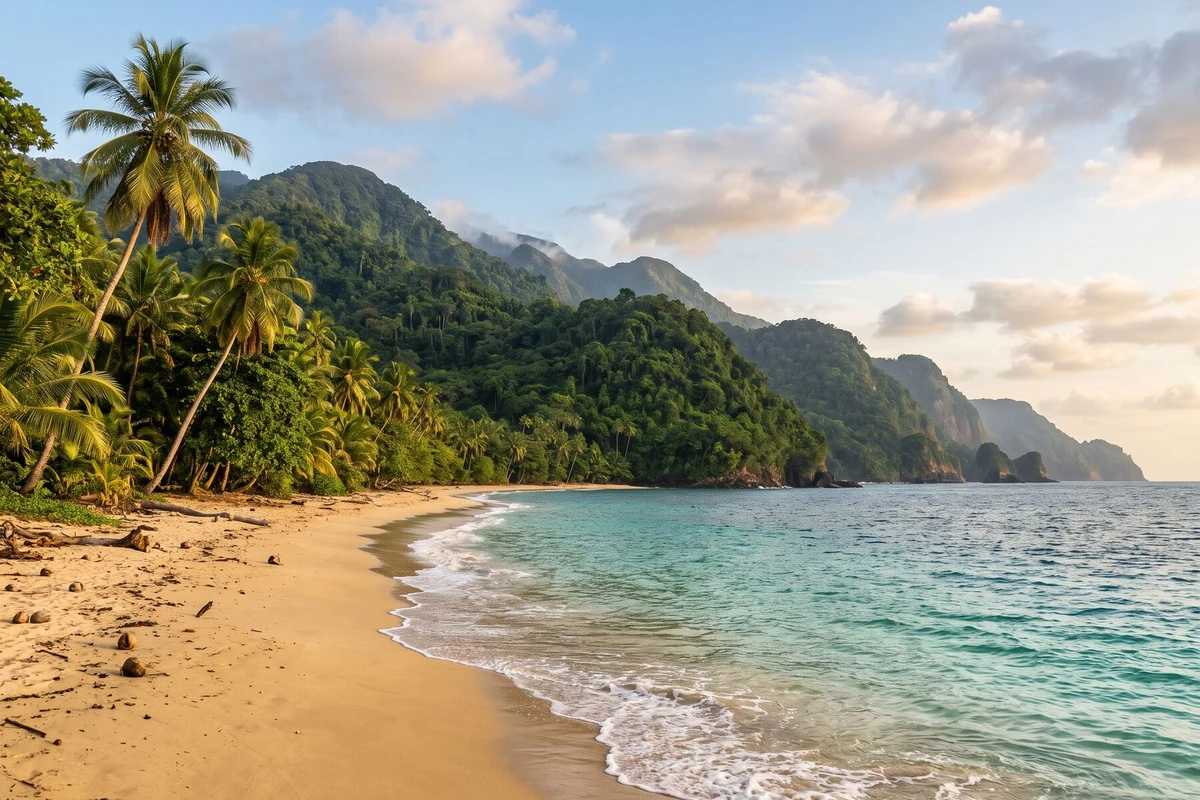
Trinidad and Tobago
Haqqi Tours arranges day tours, private airport transfers, attraction tickets and multi-day packages across Trinidad and Tobago, confirmed on WhatsApp before you pay.
In Port of Spain the morning starts on the Queen's Park Savannah. Joggers circle the great green park beneath the Northern Range, vendors open the backs of their vans to sell chilled coconut water, and the grand old mansions along the western edge catch the early sun. From the streets of Woodbrook and St James comes the smell of frying bara for doubles, the island's favourite breakfast, while the bright ring of a steelpan rehearsal drifts across the city towards the harbour.
Destinations
Choose a city to see everything we arrange there.
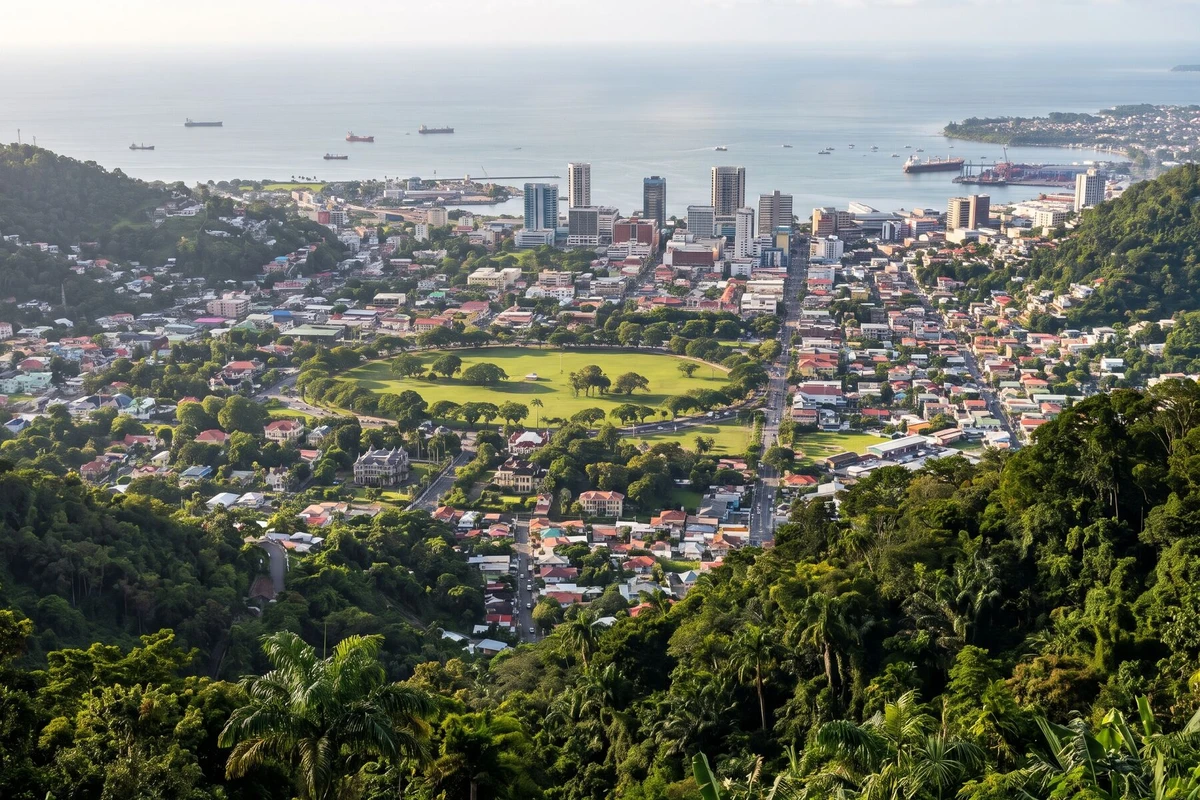
Services by city in Trinidad and Tobago
Tours
The essence of Trinidad and Tobago
As the afternoon light softens, small boats glide into the mangrove channels of the Caroni Swamp, just south of the capital. At sunset, flocks of scarlet ibis, the national bird, sweep in from the coast and settle on the trees of a mangrove island until it glows red against the green. Trinidad and Tobago is unique because one twin-island nation blends African, Indian, European, Chinese and Levantine heritage, gave the world the steelpan, and pairs rainforest hills with quiet Caribbean beaches. We arrange city tours, Fort George visits, Caroni boat trips and private airport transfers, delivered with calm, attentive service.
Why visit Trinidad and Tobago?
A Meeting of Many Peoples
Indigenous peoples called Trinidad Iere, often translated as land of the hummingbird, long before Spanish rule began in the sixteenth century. Britain took the island in 1797, and plantations worked by enslaved Africans were followed, after emancipation in 1838, by indentured workers from India and by arrivals from China, Portugal and the Levant. Trinidad and Tobago became independent in 1962 and a republic in 1976. Today Diwali, Eid, Christmas and Carnival are all celebrated as national occasions.
Mangroves, Rainforest and Coral Reefs
Trinidad lies just off the coast of Venezuela and shares much of South America's wildlife. The forested Northern Range rises behind Port of Spain, with waterfalls, oilbird caves and rich birdlife, while the Caroni Swamp, the Nariva wetlands and the Pitch Lake at La Brea, the largest natural asphalt lake in the world, add to its variety. Tobago, smaller and calmer, has the Main Ridge Forest Reserve, protected since 1776, coral reefs at Buccoo and quiet beaches, and leatherback turtles nest on both islands.
Doubles, Roti and Bake and Shark
Trinidadian food mirrors its many cultures. Doubles, two soft fried bara filled with curried chickpeas and chutneys, are the classic breakfast, while roti wrapped around curried chicken, goat or vegetables is a favourite lunch. Pelau, callaloo and corn soup are local comforts, bake and shark is the beach snack at Maracas Bay, and Tobago is known for curry crab and dumpling. A long-established Muslim community makes halal chicken and some halal eateries easier to find than in much of the Caribbean, but always ask; our team can advise.
Experiences You Can Only Have Here
Glide through the mangroves of Caroni at dusk as scarlet ibis fill the trees, after spotting herons, egrets and perhaps a tree boa resting on a branch. Climb to Fort George above Port of Spain for views over the capital, the islands off Chaguaramas and, on clear days, the mountains of Venezuela. Walk around the Queen's Park Savannah, hear the steelpan in the land where it was born, cross the Northern Range to Maracas Bay and, between March and August, watch leatherback turtles come ashore to nest.
Who is Trinidad and Tobago for?
Ideal for
- Birdwatchers and nature lovers
- Culture lovers and food explorers
- Music and festival enthusiasts
- Families seeking wildlife encounters
- Travellers combining city, rainforest and beach
- Photographers drawn to colour and wildlife
Pace & travel style
- Spend three or four nights in Port of Spain
- Book the Caroni boat trip for late afternoon
- Visit Fort George in the morning for the clearest views
- Allow extra time for rush-hour traffic
When to visit Trinidad and Tobago
Peak season · January–April
The dry season brings sunny days, lower humidity and the most comfortable weather for sightseeing, hiking and boat trips. Carnival, held on the Monday and Tuesday before Ash Wednesday in February or early March, fills Port of Spain with costumed bands, steelpan and calypso, and the weeks before it are busy with rehearsals and competitions. Hotels fill quickly around Carnival, so reserve tours and transfers well ahead.
Shoulder season · May, December
May marks the end of the dry season, with warm days, fewer visitors and the height of the leatherback turtle nesting season on the north and east coasts. December brings cooler evenings, parang, the Spanish-influenced Christmas music of the island, and festive markets. Showers are possible in both months, but the scarlet ibis return to Caroni every evening throughout the year, so boat trips remain rewarding.
Low season · June–November
The wet season brings short, heavy downpours, higher humidity and lush green forests, with fewer visitors and easier availability. Trinidad lies near the southern edge of the hurricane belt, so major storms are rare, though Tobago is occasionally affected. Eid and Diwali, whose dates move each year, fill these months with lights and celebrations, and turtle nesting continues into August. Pack a light rain jacket and keep plans flexible.
The regions of Trinidad and Tobago and how to combine its cities
Trinidad and Tobago is the southernmost nation of the Caribbean, lying just off the north-eastern coast of Venezuela. Trinidad, the larger island, is busy and industrial in places, with Port of Spain on its north-western coast and the international airport at Piarco, east of the capital. Tobago lies about thirty kilometres to the north-east, a smaller, quieter island of beaches, reefs and rainforest.
Around Port of Spain, the Northern Range runs east along the north coast to Maracas Bay, Las Cuevas and Blanchisseuse, while the Chaguaramas peninsula reaches west towards the offshore islands and Venezuela. South of the capital lie the Caroni Swamp, the Hindu temples of central Trinidad and San Fernando, the island's second city, with the Pitch Lake beyond. On Tobago, Crown Point and Pigeon Point face the reef in the south-west, and Speyside and Charlotteville sit quietly in the north-east.
Our city directory below is anchored in Port of Spain, the natural base for a first visit. From the capital we arrange sightseeing tours that include the Savannah and Fort George, and late-afternoon boat trips into the Caroni Bird Sanctuary to see the scarlet ibis, while our private drivers handle transfers from Piarco International Airport (POS). Trinidad also pairs naturally with a few relaxing days on Tobago, reached by ferry or a short flight.
Before you go: practical tips for Trinidad and Tobago
Entry & visas
Citizens of many countries, including the United Kingdom, the United States, Canada and most European Union nations, can visit Trinidad and Tobago without a visa for short stays, usually receiving up to ninety days on arrival. Other nationalities must apply for a visa in advance. A passport valid for at least six months, proof of accommodation and onward travel are expected, and a yellow fever certificate may be required if you arrive from certain countries, so check the current rules before you travel.
Money, cards & tipping
The currency is the Trinidad and Tobago dollar. Cards are widely accepted in hotels, malls, supermarkets and larger restaurants, while street food vendors, markets and route taxis work in cash. Cash machines are common in Port of Spain and the larger towns. Tipping guides, boat operators and drivers for good service is customary, and some restaurants add a service charge to the bill.
Etiquette & dress code
Trinidadians are warm, lively and sociable, and a proper good morning or good afternoon is expected before any question. The relaxed art of liming, simply spending time together, is part of daily life. Dress casually but cover up away from the beach, and dress modestly at temples, mosques and churches, removing shoes where asked. Ask before photographing people, and follow your guide's instructions quietly at Caroni so the birds are not disturbed.
Getting around
Port of Spain has public buses, maxi taxis marked with coloured bands by route and shared route taxis with H on the number plate, though routes can be confusing for visitors. Traffic is heavy at rush hour, especially on the roads to the airport and the south. A fast ferry and short flights link Trinidad with Tobago. For airport arrivals, Fort George and the Caroni boat trip, our private transfers are the most comfortable and secure choice.
Must-do things in Trinidad and Tobago
- See the scarlet ibis come to roost in the Caroni Swamp
- Glide through mangrove channels on a sunset boat trip
- Take in the view from Fort George above Port of Spain
- Walk around the Queen's Park Savannah
- Visit the Royal Botanic Gardens beside the Savannah
- Hear steelpan music in the land where it was born
- Taste doubles for breakfast from a street vendor
- Eat bake and shark at Maracas Bay
- Watch leatherback turtles nest between March and August
- Relax on the beaches and reefs of Tobago
Do’s and don’ts in Trinidad and Tobago
Do
- Carry cash for street food and markets
- Pack insect repellent for Caroni and the forests
- Book Carnival-season trips well in advance
- Use licensed taxis or private transfers
- Bring a light rain jacket in the wet season
Don’t
- Don't walk alone in quiet areas after dark
- Don't make loud noises near the roosting ibis
- Don't swim where red flags are flying
- Don't leave valuables visible in cars
- Don't drink tap water unless it is filtered
Trinidad and Tobago at a glance
Plan Trinidad and Tobago with Haqqi Tours
Every option is confirmed by our team on WhatsApp before you pay, and delivered by our own people or by trusted local partners we work with in every city. Because we send travellers from all over the world, our partners give us special rates and priority, so you always receive the best. Prices are per person unless marked per vehicle.
About Haqqi Tours: About us Contact us Legal NoticePrivacy PolicyCookies & Marketing PreferencesTerms & ConditionsBooking, Payment & Refunds
Where we operate in Trinidad and Tobago
Good to know
Frequently Asked Questions
Straight answers to what travellers ask most about Trinidad and Tobago.
Is it safe to visit Trinidad and Tobago?
Trinidad and Tobago welcomes many visitors, and its main sights, guided tours and beaches are enjoyed safely every day, but Trinidad has higher crime levels than some Caribbean islands. Take sensible precautions: avoid walking alone at night, keep valuables out of sight, stay away from unfamiliar areas and use licensed guides and drivers. Check your own government's official travel advice before departure, and keep our WhatsApp line handy.
How many days do I need in Trinidad and Tobago?
Five to seven days work well: three or four nights in Port of Spain for a city tour with Fort George, the Caroni boat trip, Maracas Bay and the forests of the Northern Range, then two or three nights on Tobago for beaches, reefs and rainforest. With more time you can add the Pitch Lake, the temples of central Trinidad or turtle watching in season.
When can I see the scarlet ibis at Caroni?
The scarlet ibis return to roost in the Caroni Swamp every evening throughout the year. Boat trips usually leave in the late afternoon and wind through the mangrove channels, looking for herons, egrets, tree boas and other wildlife, before stopping near a roosting island to watch the flocks arrive at sunset. Bring insect repellent and binoculars.
Can a trip to Trinidad and Tobago be tailored for luxury or private travel?
Absolutely. Port of Spain has elegant city hotels, the Northern Range offers rainforest lodges, and Tobago has refined beachfront resorts and villas. We can tailor private city tours, private boat trips at Caroni, chauffeured airport transfers and a relaxed family pace, then confirm every detail with you on WhatsApp before anything is paid.
What is the best time to visit Trinidad and Tobago?
The dry season from January to April is the best time to visit, with sunny days, lower humidity and the famous Carnival in February or early March. May and December are pleasant and quieter, while June to November is the wet season, with short heavy showers, lush forests and fewer visitors; Trinidad is rarely affected by hurricanes.
What is Trinidad and Tobago famous for?
Trinidad and Tobago is famous for its Carnival, for being the birthplace of the steelpan, calypso and soca, and for the scarlet ibis of the Caroni Swamp. It is also known for its blend of cultures and festivals, doubles and roti, the Pitch Lake, leatherback turtles, the rainforests of the Northern Range and the beaches and reefs of Tobago.
Is halal food available in Trinidad and Tobago?
Trinidad has a long-established Muslim community, so halal chicken, halal butchers and some halal-certified eateries are easier to find than in much of the Caribbean, especially in and around Port of Spain. Halal is not universal, however, so always ask, particularly on Tobago. Vegetarian dishes from the Indo-Trinidadian kitchen, fresh fish and tropical fruit are plentiful; our team can advise.
How do I get to Port of Spain from the airport?
Piarco International Airport (POS) lies about 25 kilometres east of Port of Spain, and the drive takes around 30 to 45 minutes, or longer at rush hour. Taxis wait outside the terminal, but we arrange a private transfer with a driver waiting for you at arrivals to take you directly to your hotel.
Which cities in Trinidad and Tobago does Haqqi Tours cover?
Port of Spain. Each city has its own page with everything available there, and a trip across several cities is planned in one WhatsApp conversation.
What can I book in Trinidad and Tobago?
Day tours - all run or confirmed by Haqqi Tours, each with a fixed price agreed on WhatsApp before you pay.
How do I book a tour or transfer in Trinidad and Tobago?
Fill in the form on the page you are interested in, or message us on WhatsApp with the date, the number of travellers and your hotel. A member of our team confirms the price and the details in writing within minutes.
Are the prices fixed?
Yes. Every price is agreed in writing on WhatsApp before you travel and does not change on the day - not for traffic, not for a late flight, not for the hour.
Do you arrange transfers between cities in Trinidad and Tobago?
Yes. Intercity transfers by private car or van are booked the same way as airport transfers; tell the desk the two hotels and the date and it quotes a fixed price for the whole vehicle.
Can you plan a full itinerary across Trinidad and Tobago?
Yes - tell the desk your dates, the cities you want and who is travelling, and it proposes a day-by-day plan with the tours, transfers and tickets priced in writing. You adjust it in the same chat before confirming.
Are your tours private or in a group?
Both exist, and the page of each tour says which. Private tours have a car and guide for your party alone; small-group tours share a guide with a few other travellers. The desk can convert most group tours into a private day on request.
Do the drivers and guides speak Arabic?
It depends on the country, the city and the day, so we do not promise a particular language for the driver or guide. Tell us your preference and we do our best; the WhatsApp desk itself always works in Arabic and English.