
Samoa
Haqqi Tours arranges day tours, private airport transfers, attraction tickets and multi-day packages across Samoa, confirmed on WhatsApp before you pay.
At To Sua the jungle opens onto a hole in the earth. A long wooden ladder drops thirty metres down the mossy rock wall to a pool of turquoise seawater, fed by the ocean through hidden lava tunnels, where swimmers float in a circle of ferns and sunlight. A few steps away the Pacific crashes against the black cliffs of Upolu's south coast, palms lean over the shore and the only other sound is birdsong drifting from the tropical forest.
Destinations
Choose a city to see everything we arrange there.
Services by city in Samoa
Tours
The essence of Samoa
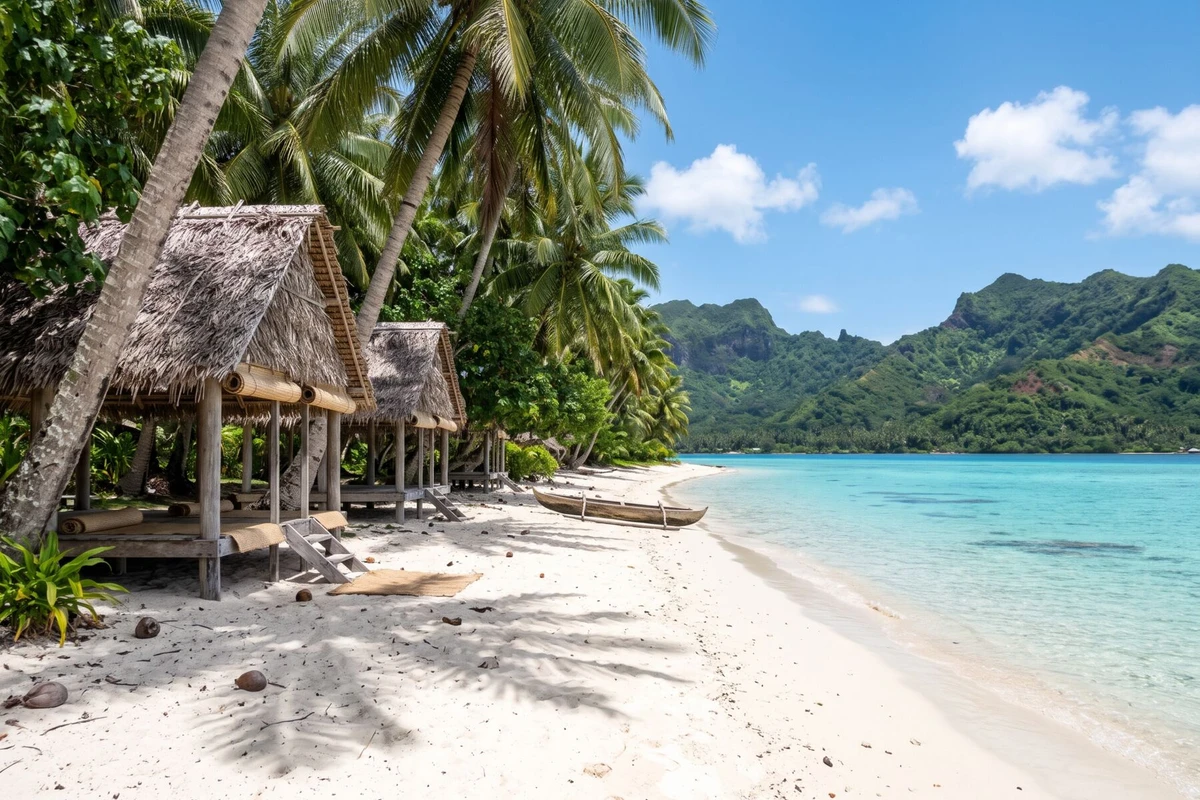
Samoa is the heart of Polynesia, a nation of volcanic islands where fa'a Samoa, the Samoan way of life, still guides daily life through family, village chiefs and church. Open-sided fale houses line the coast roads, villages gather for Sunday umu feasts, and waterfalls tumble from green mountains to reef-sheltered lagoons. Samoa is unique because its ancient customs remain strong in a gentle, welcoming country that is among the first to greet each new day. We arrange the journey with island tours, waterfall and cave pool trips and private airport transfers, delivered with calm, attentive service.
Why visit Samoa?
Polynesian Roots and the Samoan Way
People have lived on these islands for around three thousand years, and Samoa is often called the cradle of Polynesia, from where voyagers spread across the Pacific. Society is built on the aiga, the extended family, led by matai chiefs, and on the fono, the village council. After a period under German and then New Zealand administration, Samoa became independent in 1962, the first Polynesian nation to do so in the twentieth century, and traditions such as the tatau, the Samoan tattoo, remain proudly alive.
Volcanic Islands, Waterfalls and Lagoons
Samoa is made up of two large volcanic islands, Upolu and Savai'i, and several small islets, with rugged green interiors, rainforest and crater lakes. Waterfalls such as Papapapaitai, Sopoaga, Fuipisia and Togitogiga pour down the hillsides, while lava fields, blowholes and caves show the islands' fiery origins. Coral reefs shelter calm lagoons of white sand, and natural pools like To Sua and the Piula Cave Pool offer some of the most beautiful swimming spots in the South Pacific.
Umu, Palusami and Fresh Coconut
Samoan food is cooked with patience and generosity. The umu, an earth oven of hot stones covered with leaves, slowly bakes taro, breadfruit, fish and palusami, young taro leaves wrapped around rich coconut cream. Oka, raw fish marinated in lime and coconut cream, is a coastal favourite, alongside sapasui noodles, panipopo coconut buns and koko Samoa, a warm local cocoa drink. Halal food is very limited, and pork is common at feasts, so fish, seafood and vegetarian dishes are the easiest; our team can advise.
Experiences You Can Only Have Here
Climb down the ladder into the To Sua Ocean Trench and swim in its jewel-like pool, then float in the clear spring water of the Piula Cave Pool beside the sea. Watch waterfalls plunge into deep gorges on the island's cross roads, relax on the white sand of Lalomanu beach, sleep in a beach fale with the sound of the waves, see a fire knife dance under the stars and join a village umu feast on a Sunday afternoon.
Who is Samoa for?
Ideal for
- Beach lovers and swimmers
- Couples seeking peaceful island escapes
- Nature lovers drawn to waterfalls and reefs
- Travellers curious about Polynesian culture
- Families who enjoy gentle outdoor fun
- Photographers chasing tropical landscapes
Pace & travel style
- Base yourself in Apia for Upolu day tours
- Swim at natural pools in the morning light
- Three nights in Apia, two on the south coast
- Keep Sundays slow and respectful
When to visit Samoa
Peak season · June–September
The dry season brings Samoa its most pleasant weather, with sunny days, lower humidity, cooling trade winds and calm conditions for swimming at To Sua, snorkelling in the lagoons and touring the waterfalls. Independence celebrations in early June and the Teuila Festival in Apia in early September fill the capital with dancing, music, canoe races and fire knife performances. This is the busiest period, so reserve tours, beach fales and transfers well ahead.
Shoulder season · May, October
May and October offer warm days, mostly dry weather and fewer visitors, with green landscapes and full-flowing waterfalls after the rains. White Sunday in October, a day dedicated to children, is celebrated in churches and villages across Samoa. Both months are excellent for island tours and beach stays, with easier availability. Short showers are still possible, especially in the highlands, so keep plans flexible and pack a light rain jacket.
Low season · November–April
The wet season is hot and humid, with heavy tropical showers, lush scenery and powerful waterfalls, and the sea stays warm for swimming. It is also the cyclone season, with the highest risk between December and March, when storms can bring strong winds, rough seas and road closures. Many days still see sunshine between the downpours, and the islands are quiet. Travel insurance, flexible dates and close attention to forecasts are wise.
The regions of Samoa and how to combine its cities
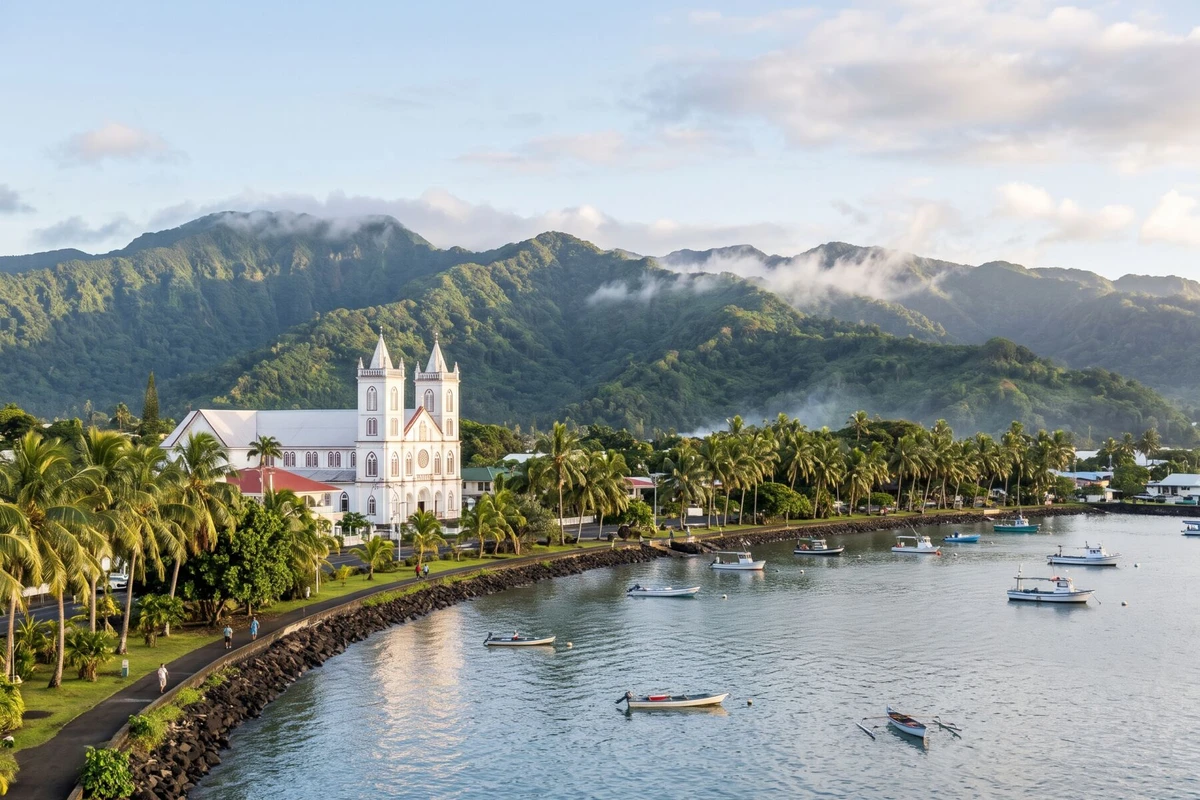
Samoa lies in the South Pacific, roughly halfway between Hawaii and New Zealand, east of Fiji and west of American Samoa. Upolu, the more populated of the two main islands, holds the capital Apia on its north coast, the international airport at Faleolo in the north-west, and the beaches of Lalomanu, the To Sua Ocean Trench and the waterfalls of the south and east, all linked by a coastal road and cross-island roads.
Savai'i, the larger island to the west, is wilder and quieter, with traditional villages, lava fields, the Alofaaga blowholes, rainforest and long sandy beaches, reached by a ferry crossing of about an hour from the wharf near the airport. Between the two lies little Manono, a car-free island ringed by a footpath, while the small islands off Upolu's eastern tip are protected nature reserves visible from the beaches of Lalomanu.
Our city directory below is anchored in Apia, the natural base for exploring Upolu. From the capital we arrange full-day island tours with a local guide and trips to the To Sua Ocean Trench, the waterfalls and the Piula Cave Pool, while our private drivers handle transfers from Faleolo airport (APW). Samoa also pairs naturally with Fiji or Tonga, or with a longer journey through New Zealand.
Before you go: practical tips for Samoa
Entry & visas
Visitors from most countries do not need to apply for a visa in advance for a short holiday in Samoa, as a visitor permit is usually granted on arrival for stays of up to two months. A passport valid for at least six months, a confirmed return or onward ticket and proof of accommodation are expected. Most international journeys connect through New Zealand, Australia or Fiji, so check transit rules too, and check the current rules with official Samoan sources before you travel.
Money, cards & tipping
Samoa uses the Samoan tala. Cards are accepted in larger hotels, resorts and some restaurants in Apia, and cash machines are found in the capital and at the airport, but markets, small shops, beach fales, buses and the customary fees charged by villages for beaches, waterfalls and pools require cash, so carry small notes outside Apia. Tipping is not part of Samoan custom and is not expected, though a thank-you for exceptional service is always appreciated.
Etiquette & dress code
Samoans are warm, gentle and deeply respectful of family, chiefs and faith. Dress modestly in villages and towns, with shoulders and knees covered, and keep swimwear for the beach or pool. Sunday is a day of church and rest, so keep activities quiet. In the evening many villages hold a short prayer time called sa; if you are passing through, stop or walk quietly until it ends. Ask permission before entering village land, and sit down when speaking with people inside a fale.
Getting around
Upolu is easy to explore by road, with a coastal road and cross-island roads linking Apia with the south coast in about an hour. Colourful local buses run between villages but follow loose timetables, and taxis are common in Apia. Driving is on the left. Ferries link Upolu and Savai'i several times a day, and small planes also connect the islands. For airport arrivals, often at night, and for full-day island touring, our private transfers are the most comfortable choice.
Must-do things in Samoa
- Climb down into the To Sua Ocean Trench and swim
- Float in the spring-fed Piula Cave Pool
- See the Papapapaitai Falls from the cross-island road
- Swim beneath the Togitogiga waterfall
- Relax on the white sand of Lalomanu beach
- Snorkel the Palolo Deep Marine Reserve in Apia
- Spend a night in a traditional beach fale
- Watch a fire knife dance at a cultural show
- Taste palusami, oka and food from the umu
- Take the ferry to explore wild Savai'i
Do’s and don’ts in Samoa
Do
- Dress modestly with shoulders and knees covered
- Carry Samoan tala in small notes for village fees
- Use reef-safe sunscreen and never touch coral
- Respect the evening prayer time in villages
- Ask before entering village land or beaches
Don’t
- Don't wear swimwear away from the beach or pool
- Don't make noise or swim near villages on Sunday
- Don't swim beyond the reef where currents are strong
- Don't walk in front of people seated in a fale
- Don't try to see all of Upolu in a rushed day
Samoa at a glance
Plan Samoa with Haqqi Tours
Every option is confirmed by our team on WhatsApp before you pay, and delivered by our own people or by trusted local partners we work with in every city. Because we send travellers from all over the world, our partners give us special rates and priority, so you always receive the best. Prices are per person unless marked per vehicle.
About Haqqi Tours: About us Contact us Legal NoticePrivacy PolicyCookies & Marketing PreferencesTerms & ConditionsBooking, Payment & Refunds
Where we operate in Samoa
Good to know
Frequently Asked Questions
Straight answers to what travellers ask most about Samoa.
Is it safe to visit Samoa?
Samoa is generally a very safe and friendly country, with a relaxed pace and low crime. Take normal care with belongings, be cautious of strong currents beyond the reef and on slippery rocks at waterfalls, and watch out for roaming dogs in some villages. Respect local customs, especially on Sundays. Check your own government's official travel advice before departure, and keep our WhatsApp line handy for help with tours and transfers.
How many days do I need in Samoa?
Five to seven days work well for a first visit: three nights in Apia for a full-day island tour, the To Sua Ocean Trench, the waterfalls and the Piula Cave Pool, then two or three nights on the south coast in a beach fale or resort near Lalomanu. With ten days or more you can add Savai'i for its lava fields, blowholes and quiet villages.
What is the To Sua Ocean Trench?
The To Sua Ocean Trench is a natural swimming hole near the village of Lotofaga on Upolu's south coast, about an hour from Apia. Formed by collapsed lava tubes, it is around thirty metres deep and filled with clear seawater that flows in from the ocean through underground tunnels. Visitors climb down a long, steep wooden ladder to the pool, set in tropical gardens above the cliffs, and a customary entry fee is charged.
Can a trip to Samoa be tailored for luxury or private travel?
Absolutely. Samoa offers boutique resorts with private beach villas, quiet lagoon retreats on the south coast and comfortable hotels in Apia, alongside simple traditional beach fales. We can tailor private island tours, private guides, chauffeured airport transfers and a relaxed family pace, then confirm every detail with you on WhatsApp before anything is paid.
What is the best time to visit Samoa?
The dry season from June to September is the best time to visit Samoa, with sunny days, lower humidity and calm conditions for swimming and touring, plus independence celebrations and the Teuila Festival. May and October are warm and quieter, while November to April is the wet and cyclone season, with lush scenery but heavier rain and a risk of storms.
What is Samoa famous for?
Samoa is famous for the To Sua Ocean Trench, its waterfalls, lagoons and white sand beaches, and for fa'a Samoa, the traditional way of life built on family, chiefs and church. It is also known for the tatau, the traditional Samoan tattoo whose Polynesian name gave English the word tattoo, for fire knife dancing, for the umu earth oven, for open-sided fale houses and for being one of the first countries to see each new day.
Is halal food available in Samoa?
Halal food is very limited in Samoa, and there are no dedicated halal restaurants. Fresh fish and seafood, including oka of raw fish in coconut cream, are excellent and easy to find, as are taro, breadfruit, palusami, rice dishes and tropical fruit. Pork is common, especially at umu feasts and buffets, so ask when ordering; our team can advise.
How do I get to Apia from the airport?
Faleolo airport (APW) lies on the north-west coast of Upolu, about 35 kilometres from Apia, around 40 minutes to an hour by road along the coast. Many international flights arrive late at night or early in the morning, when buses are not running. We arrange a private transfer with a driver waiting at arrivals to take you directly to your hotel.
Which cities in Samoa does Haqqi Tours cover?
Apia. Each city has its own page with everything available there, and a trip across several cities is planned in one WhatsApp conversation.
What can I book in Samoa?
Day tours - all run or confirmed by Haqqi Tours, each with a fixed price agreed on WhatsApp before you pay.
How do I book a tour or transfer in Samoa?
Fill in the form on the page you are interested in, or message us on WhatsApp with the date, the number of travellers and your hotel. A member of our team confirms the price and the details in writing within minutes.
Are the prices fixed?
Yes. Every price is agreed in writing on WhatsApp before you travel and does not change on the day - not for traffic, not for a late flight, not for the hour.
Do you arrange transfers between cities in Samoa?
Yes. Intercity transfers by private car or van are booked the same way as airport transfers; tell the desk the two hotels and the date and it quotes a fixed price for the whole vehicle.
Can you plan a full itinerary across Samoa?
Yes - tell the desk your dates, the cities you want and who is travelling, and it proposes a day-by-day plan with the tours, transfers and tickets priced in writing. You adjust it in the same chat before confirming.
Are your tours private or in a group?
Both exist, and the page of each tour says which. Private tours have a car and guide for your party alone; small-group tours share a guide with a few other travellers. The desk can convert most group tours into a private day on request.
Do the drivers and guides speak Arabic?
It depends on the country, the city and the day, so we do not promise a particular language for the driver or guide. Tell us your preference and we do our best; the WhatsApp desk itself always works in Arabic and English.