
Tajikistan
Haqqi Tours arranges day tours, private airport transfers, attraction tickets and multi-day packages across Tajikistan, confirmed on WhatsApp before you pay.
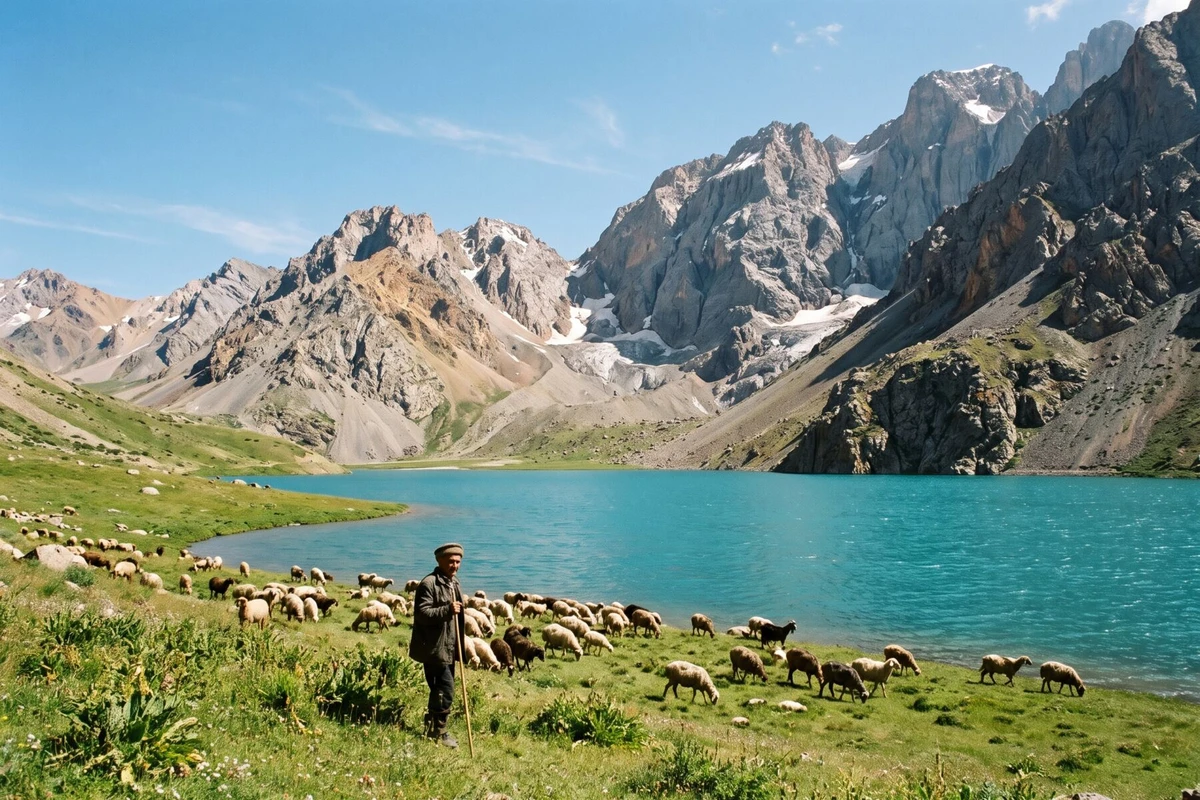
North of Dushanbe the road climbs out of the Varzob gorge, slips through the long Anzob tunnel and drops into a valley of grey scree and wild rose, and then, at about two thousand two hundred metres, Iskanderkul appears: a turquoise mountain lake held in a ring of bare peaks, its colour changing with every passing cloud. A short walk downstream, the Iskanderdarya river thunders over a narrow waterfall, and shepherds lead their flocks along the shore beneath the jagged ridges of the Fann Mountains.
Destinations
Choose a city to see everything we arrange there.
Services by city in Tajikistan
Tours
The essence of Tajikistan
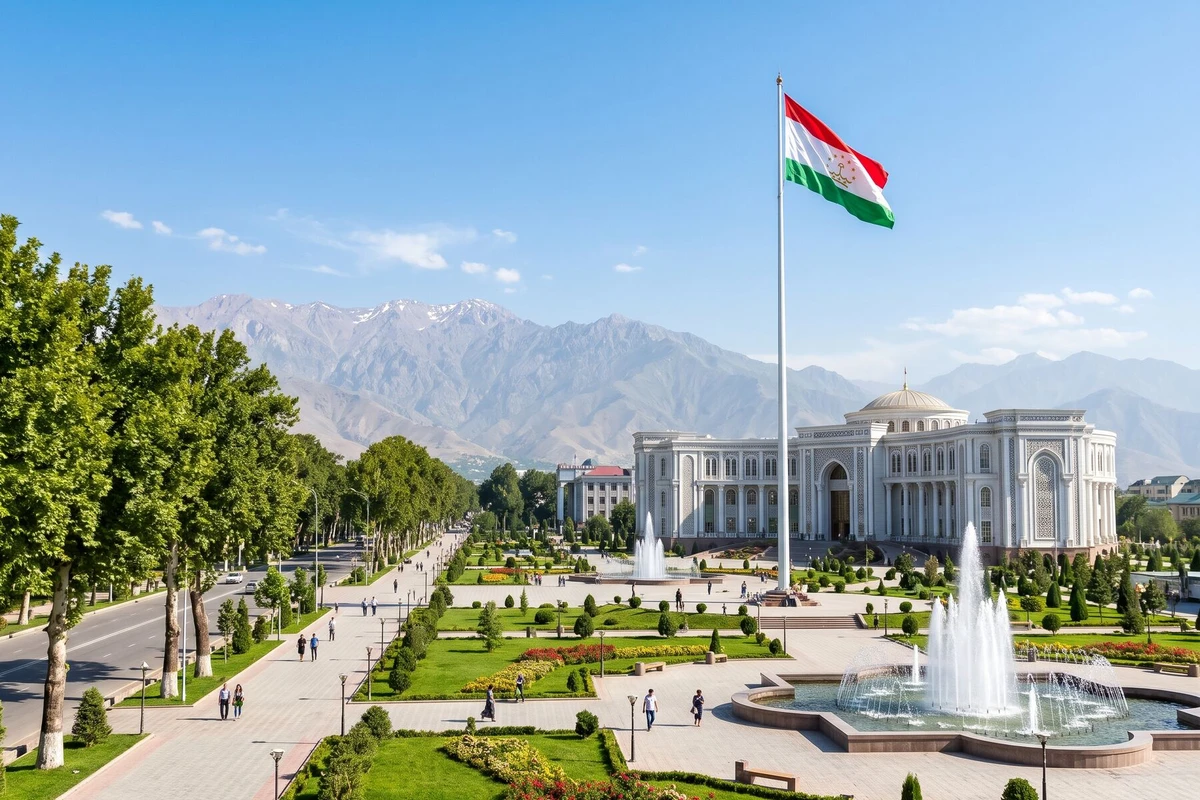
Back in the capital, the mood is green and gentle. Wide avenues lined with plane trees lead past fountains, rose gardens and carved teahouses, the bazaars are piled with apricots, melons and warm round bread, and west of the city the gateway of Hissar Fortress stands guard over a valley crossed by caravans for centuries. Tajikistan is unique because Persian-speaking culture and some of the highest mountains in Asia meet in one small, hospitable country. We arrange the journey with mountain day trips, heritage tours and private airport transfers, delivered with calm, attentive service.
Why visit Tajikistan?
Sogdian Cities and the Silk Road
Long before modern borders, the valleys of today's Tajikistan belonged to Sogdiana and Bactria, whose merchants carried silk, silver and ideas along the Silk Road. The ruins of ancient Penjikent and the proto-urban site of Sarazm, listed by UNESCO, recall those early cities, while Buddhist monasteries such as Ajina Tepa flourished in the south. Islam arrived from the eighth century, Persian poetry and learning shaped the region, and after the Soviet period Tajikistan became independent in 1991.
Mountains, Lakes and High Valleys
More than nine tenths of Tajikistan is mountainous. The Fann Mountains in the north-west hide Iskanderkul, the Seven Lakes of the Shing valley and the Kulikalon lakes beneath snowy peaks, while the Pamirs in the east rise into a high plateau protected as Tajik National Park, listed by UNESCO. Glacier-fed rivers such as the Varzob, the Zeravshan and the Panj carve deep gorges, and walnut groves, juniper slopes and summer pastures dotted with yurts fill the valleys between.
Qurutob, Osh and Fresh Tandoor Bread
Tajik food is generous and rooted in the harvest. The national dish, qurutob, layers torn flatbread with a tangy sauce of dried yoghurt, onions, tomatoes and herbs, eaten by hand from a shared wooden bowl. Osh, the rice pilaf with carrots and lamb, is cooked in great iron pots, sambusa pastries come hot from clay ovens, and shashlik skewers sizzle at every roadside stop. Halal food is the norm across the country, and green tea, dried fruit and nuts accompany every meal.
Experiences You Can Only Have Here
Walk the shore of Iskanderkul as the light turns the water from jade to deep blue, stand on the platform above the roaring waterfall downstream and drive back through the Varzob gorge beside its icy river. In the Hissar valley, pass through the twin-towered fortress gateway to restored madrasas and an old caravanserai, then in Dushanbe admire the carved halls of Navruz Palace, the reclining Buddha in the Museum of Antiquities and the lively stalls of Mehrgon market.
Who is Tajikistan for?
Ideal for
- Mountain lovers and hikers
- Travellers following the Silk Road
- History lovers drawn to Persian culture
- Photographers seeking dramatic landscapes
- Muslim travellers seeking easy halal food
- Adventurous families with older children
Pace & travel style
- Base yourself in Dushanbe and travel out on day trips
- Start mountain drives early for the clearest light
- Three or four nights in the capital for a first visit
- Keep one flexible day for weather on mountain roads
When to visit Tajikistan
Peak season · June–September
Summer is the season for the mountains, when the roads to Iskanderkul and the Fann Mountains are fully open, the lakes glow turquoise and the high pastures fill with shepherds and their flocks. Dushanbe itself becomes very hot in July and August, so mornings and evenings are best for walking in the city, while the lake stays fresh and cool. This is the busiest period for mountain trips and Pamir journeys, so reserve tours, drivers and transfers well ahead.
Shoulder season · April–May, October
Spring brings blossom to the apricot orchards, green hills around Dushanbe and mild days ideal for the Hissar Fortress and the city's parks, with fresh snow still on the high peaks. October turns the poplars and walnut groves golden, the bazaars overflow with grapes, melons and pomegranates, and the light is soft and clear. Nights in the mountains can be cold and late snow is possible in April, so keep plans flexible around the weather.
Low season · November–March
Winter is quiet and crisp, with snow on the passes and cold nights, though Dushanbe often enjoys sunny days. The road north through the Anzob tunnel stays in use but can be affected by snow and ice, and some mountain tracks close until spring. Navruz, the Persian New Year on 21 March, fills the capital with music, embroidered dress and festive dishes such as sumalak. City tours and the Hissar valley remain easy, and travel insurance and flexible dates are wise.
The regions of Tajikistan and how to combine its cities
Tajikistan lies in the heart of Central Asia, bordered by Uzbekistan to the west, Kyrgyzstan to the north, China to the east and Afghanistan to the south along the Panj river. Dushanbe sits in the green Hissar valley in the west of the country and is its great gateway, with the Varzob gorge rising directly to the north and the Hissar Fortress a short drive to the west.
The north, in the Sughd region, holds the Fann Mountains and Iskanderkul, the Zeravshan valley with ancient Penjikent and Sarazm, and the historic cities of Istaravshan and Khujand on the Syr Darya. The vast east is the Pamir region around Khorog, where the Pamir Highway and the Wakhan valley cross high plateaus, and the south, in Khatlon, combines cotton plains, the medieval fortress of Hulbuk and the site of Ajina Tepa.
Our city directory below is anchored in Dushanbe, the natural base for a first visit. From the capital we arrange day trips to Iskanderkul and the Fann Mountains and guided tours of the Hissar Fortress and its madrasas, while our private drivers handle transfers from Dushanbe International Airport (DYU). Tajikistan also pairs naturally with Samarkand and Bukhara in Uzbekistan, or with the mountains and lakes of Kyrgyzstan.
Before you go: practical tips for Tajikistan
Entry & visas
Tajikistan has eased its entry rules in recent years. Citizens of many countries can enter without a visa for short stays, and many others can apply online for an electronic visa before travel; some nationalities still need a visa from an embassy. Travel to the Pamir region requires an additional permit, which can usually be requested together with the electronic visa. A passport valid for at least six months is expected, so check the current rules before you travel.
Money, cards & tipping
The currency is the Tajik somoni. Cash is king: markets, taxis, small cafés and guesthouses outside Dushanbe expect it, and card payments are accepted mainly in larger hotels, supermarkets and some restaurants in the capital. Cash machines are common in Dushanbe but rare in the mountains, so carry enough before leaving the city. Exchange offices in the capital change major currencies, and tipping guides and drivers for good service is appreciated.
Etiquette & dress code
Tajiks are famously hospitable, and a hand on the heart with a greeting of assalomu alaykum is warmly received. Bread is treated with great respect, so never place it upside down or on the floor, and let elders be served first. Dress modestly, especially in villages and mosques, where shoes are removed and women cover their hair. Ask before photographing people, and avoid photographing government buildings, police and military sites in the capital.
Getting around
Dushanbe is easy to explore by taxi and on foot along its main avenues, and city buses and trolleybuses link the districts. Shared taxis connect the capital with Khujand and other towns, while domestic flights reach Khujand and, weather permitting, Khorog. Mountain roads are long and winding and conditions change with the seasons, so for airport arrivals, the drive to Iskanderkul and the Hissar valley, our private transfers with experienced drivers are the most comfortable choice.
Must-do things in Tajikistan
- Walk the turquoise shore of Iskanderkul in the Fann Mountains
- Stand above the roaring waterfall below Iskanderkul
- Drive the Varzob gorge beside its icy mountain river
- Pass through the gateway of the Hissar Fortress
- Explore the restored madrasas of the Hissar valley
- See the reclining Buddha in the Museum of Antiquities
- Admire the carved halls and ceilings of Navruz Palace
- Stroll Rudaki Avenue and the gardens of Rudaki Park
- Taste qurutob, osh and hot sambusa from a clay oven
- Browse fruit, nuts and spices at Mehrgon market
Do’s and don’ts in Tajikistan
Do
- Carry somoni in cash before leaving Dushanbe
- Dress modestly in villages and religious sites
- Bring warm layers for cool mountain evenings
- Accept tea when it is offered; it is a welcome
- Start mountain day trips early in the morning
Don’t
- Don't place bread upside down or on the floor
- Don't photograph police, military or official buildings
- Don't expect card payments outside the capital
- Don't try to drive mountain roads yourself in winter
- Don't drink tap water unless it is boiled or filtered
Tajikistan at a glance
Plan Tajikistan with Haqqi Tours
Every option is confirmed by our team on WhatsApp before you pay, and delivered by our own people or by trusted local partners we work with in every city. Because we send travellers from all over the world, our partners give us special rates and priority, so you always receive the best. Prices are per person unless marked per vehicle.
About Haqqi Tours: About us Contact us Legal NoticePrivacy PolicyCookies & Marketing PreferencesTerms & ConditionsBooking, Payment & Refunds
Where we operate in Tajikistan
Good to know
Frequently Asked Questions
Straight answers to what travellers ask most about Tajikistan.
Is it safe to visit Tajikistan?
Tajikistan welcomes growing numbers of visitors, and Dushanbe and the main mountain routes such as Iskanderkul are calm and popular with travellers. As anywhere, take sensible precautions: keep valuables out of sight, use licensed guides and drivers, and avoid areas close to the Afghan border unless your plans and permits allow it. Check your own government's official travel advice before departure, and keep our WhatsApp line handy for help with tours and transfers.
How many days do I need in Tajikistan?
Four to five days work well for a first visit focused on Dushanbe: one day for the city, its museums and markets, one for Iskanderkul and the Fann Mountains, and one for the Hissar Fortress and the valley. With ten days or more you can add the Seven Lakes and Penjikent in the north-west, or set out on a longer journey along the Pamir Highway.
What is Iskanderkul?
Iskanderkul is a mountain lake in the Fann Mountains, about three hours north of Dushanbe by road, lying at around two thousand two hundred metres above sea level. Its turquoise water is surrounded by bare, rugged peaks, and a short walk away the Iskanderdarya river plunges over a powerful waterfall. A day trip follows the Varzob gorge and the Anzob tunnel, and warm clothing is useful even in summer.
Can a trip to Tajikistan be tailored for luxury or private travel?
Yes. Dushanbe offers comfortable international-standard hotels, and in the mountains we choose the best available lodges and guesthouses. We can tailor private day trips to Iskanderkul with a comfortable vehicle, private guides for the Hissar Fortress and the city's museums, chauffeured airport transfers and a relaxed family pace, then confirm every detail with you on WhatsApp before anything is paid.
What is the best time to visit Tajikistan?
June to September is the best time for the mountains, with open roads, clear lakes and cool air at altitude, although Dushanbe is hot in midsummer. April, May and October are lovely for the capital and the Hissar valley, with blossom in spring and golden trees in autumn. Winter is cold in the mountains but often sunny in Dushanbe.
What is Tajikistan famous for?
Tajikistan is famous for the Pamir Mountains and the Pamir Highway, for mountain lakes such as Iskanderkul and the Seven Lakes, and for its Persian heritage of poetry, music and craftsmanship. It is also known for ancient Silk Road sites such as Penjikent and Sarazm, for the Hissar Fortress, for generous hospitality and for dishes such as qurutob and osh.
Is halal food available in Tajikistan?
Yes. Tajikistan is a Muslim-majority country and halal food is the norm, from family cafés and teahouses to the bazaars of Dushanbe. Lamb, beef and chicken dishes such as osh, shashlik, qurutob and sambusa are widely available, along with fresh bread, vegetables, fruit and nuts. Mosques are easy to find in the capital, and our team can advise on restaurants for your stay.
How do I get to Dushanbe from the airport?
Dushanbe International Airport (DYU) lies close to the city, about fifteen to twenty minutes by road from the centre and Rudaki Avenue, depending on traffic. Taxis are available outside the terminal, but agreeing a fare can take time after a long flight. We arrange a private transfer with a driver waiting at arrivals to take you directly to your hotel.
Which cities in Tajikistan does Haqqi Tours cover?
Dushanbe. Each city has its own page with everything available there, and a trip across several cities is planned in one WhatsApp conversation.
What can I book in Tajikistan?
Day tours - all run or confirmed by Haqqi Tours, each with a fixed price agreed on WhatsApp before you pay.
How do I book a tour or transfer in Tajikistan?
Fill in the form on the page you are interested in, or message us on WhatsApp with the date, the number of travellers and your hotel. A member of our team confirms the price and the details in writing within minutes.
Are the prices fixed?
Yes. Every price is agreed in writing on WhatsApp before you travel and does not change on the day - not for traffic, not for a late flight, not for the hour.
Do you arrange transfers between cities in Tajikistan?
Yes. Intercity transfers by private car or van are booked the same way as airport transfers; tell the desk the two hotels and the date and it quotes a fixed price for the whole vehicle.
Can you plan a full itinerary across Tajikistan?
Yes - tell the desk your dates, the cities you want and who is travelling, and it proposes a day-by-day plan with the tours, transfers and tickets priced in writing. You adjust it in the same chat before confirming.
Are your tours private or in a group?
Both exist, and the page of each tour says which. Private tours have a car and guide for your party alone; small-group tours share a guide with a few other travellers. The desk can convert most group tours into a private day on request.
Do the drivers and guides speak Arabic?
It depends on the country, the city and the day, so we do not promise a particular language for the driver or guide. Tell us your preference and we do our best; the WhatsApp desk itself always works in Arabic and English.