
Dushanbe
Plan Dushanbe with Haqqi Tours: day tours, private airport transfers, attraction tickets and packages, run by our own team and confirmed on WhatsApp in Arabic or English.
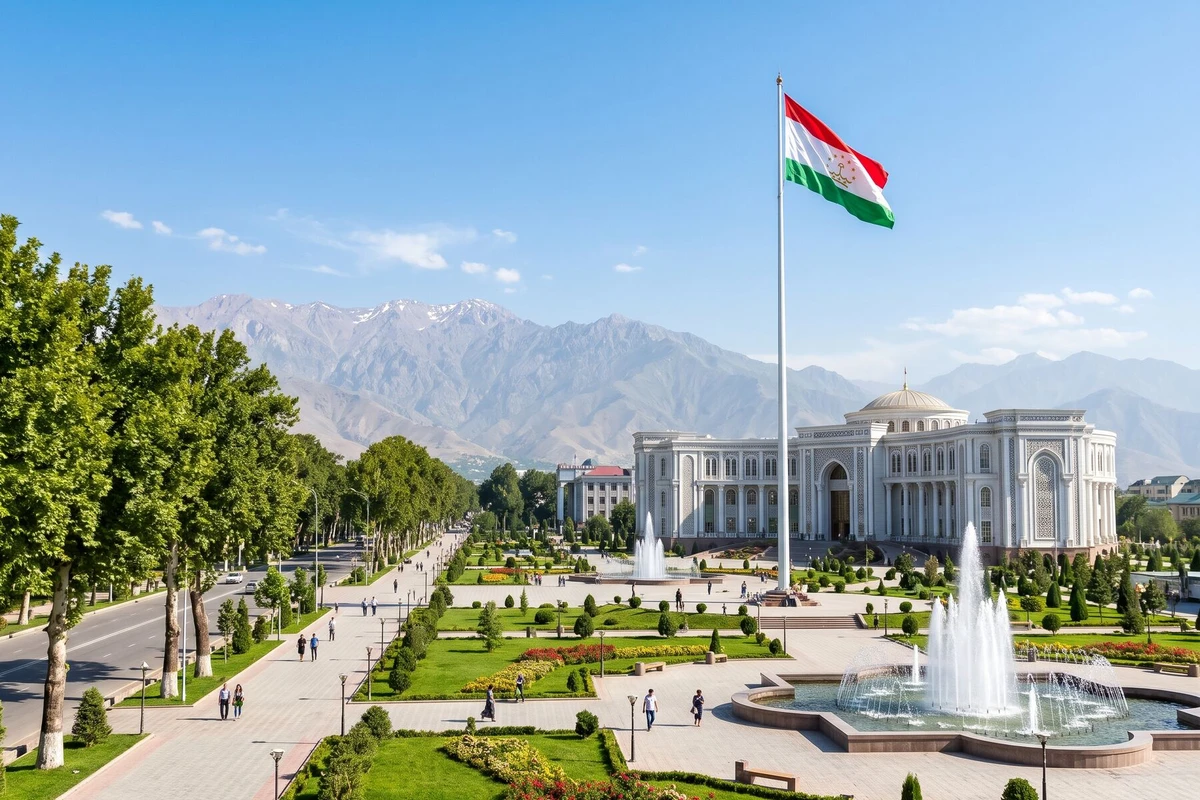
Early morning on Rudaki Avenue, street sweepers move beneath the plane trees, fountains begin to play in the rose gardens and the first teahouses open their carved doors. Beyond the white palaces and the wide squares, the snowy ridges of the Hissar range catch the sunrise above the city. At the market, traders stack apricots, pomegranates and rounds of warm bread, and the smell of fresh sambusa drifts from the clay ovens.
Nothing matches those filters yet. Widen your search or message us on WhatsApp.
Dushanbe Day Tours
View all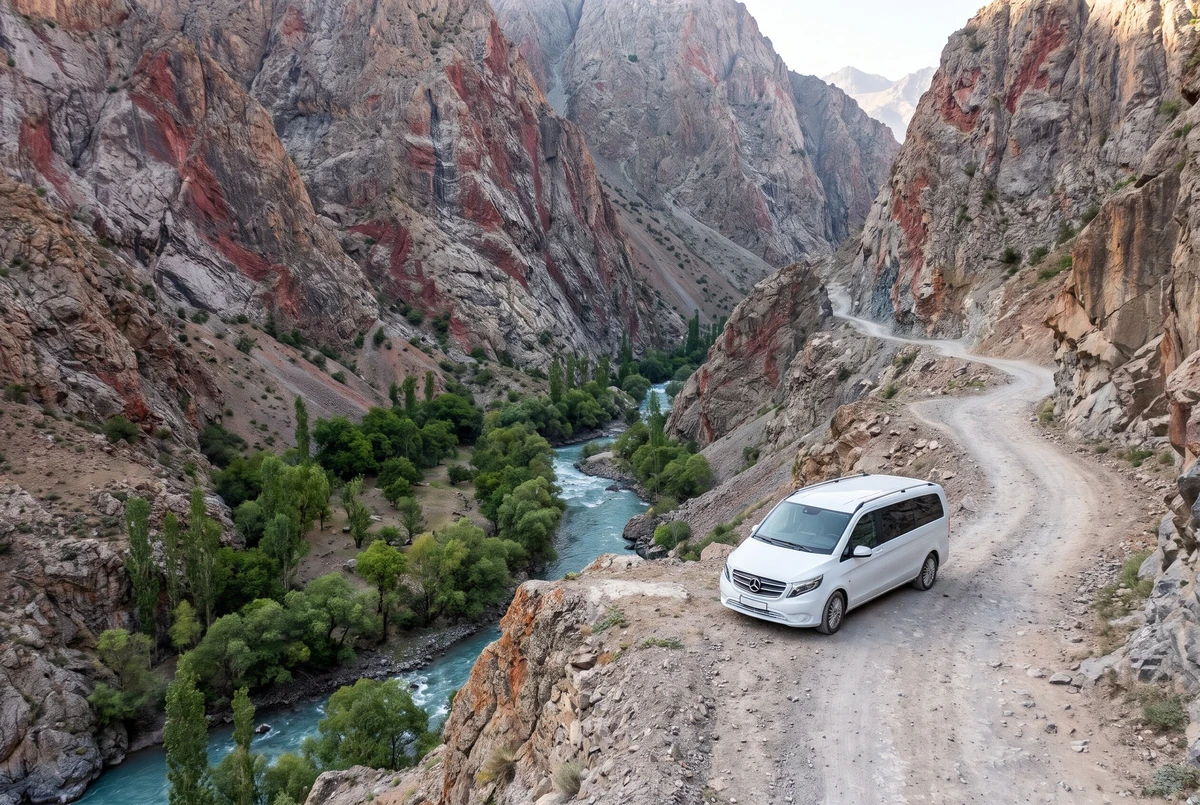
Dushanbe at first sight
Dushanbe, whose name means Monday in Tajik, grew from a village famous for its weekly market into the capital of Tajikistan in the twentieth century. It sits in the green Hissar valley beside the Varzob river, at the foot of the mountains, and today combines broad Soviet-era avenues with grand new monuments, museums and parks. It is a calm, easy city and the natural base for mountain lakes and Silk Road heritage.
Why include Dushanbe in your itinerary?
- A green, welcoming capital. Tree-lined avenues, rose gardens, fountains and carved teahouses make Dushanbe a pleasant city to walk, with warm hospitality and halal food everywhere.
- Mountain lakes within a day. The road north climbs to Iskanderkul in the Fann Mountains, one of Central Asia's most beautiful lakes, in about three hours.
- Silk Road history on the doorstep. The Hissar Fortress, its madrasas and an old caravanserai lie about forty minutes west, and the city's museums hold treasures from ancient sites.
Signature experiences in Dushanbe
Iskanderkul and the Fann Mountains
The road north from Dushanbe follows the Varzob gorge, climbs through the long Anzob tunnel and descends into the valley of the Iskanderdarya to reach Iskanderkul, a turquoise lake at about two thousand two hundred metres ringed by bare, rugged peaks. Walk the shore, stand on the viewing platform above the roaring waterfall just downstream, and look out for nearby Snake Lake. The full day trip takes around ten hours, and a warm layer is useful even in summer.
The Hissar Fortress and its Madrasas
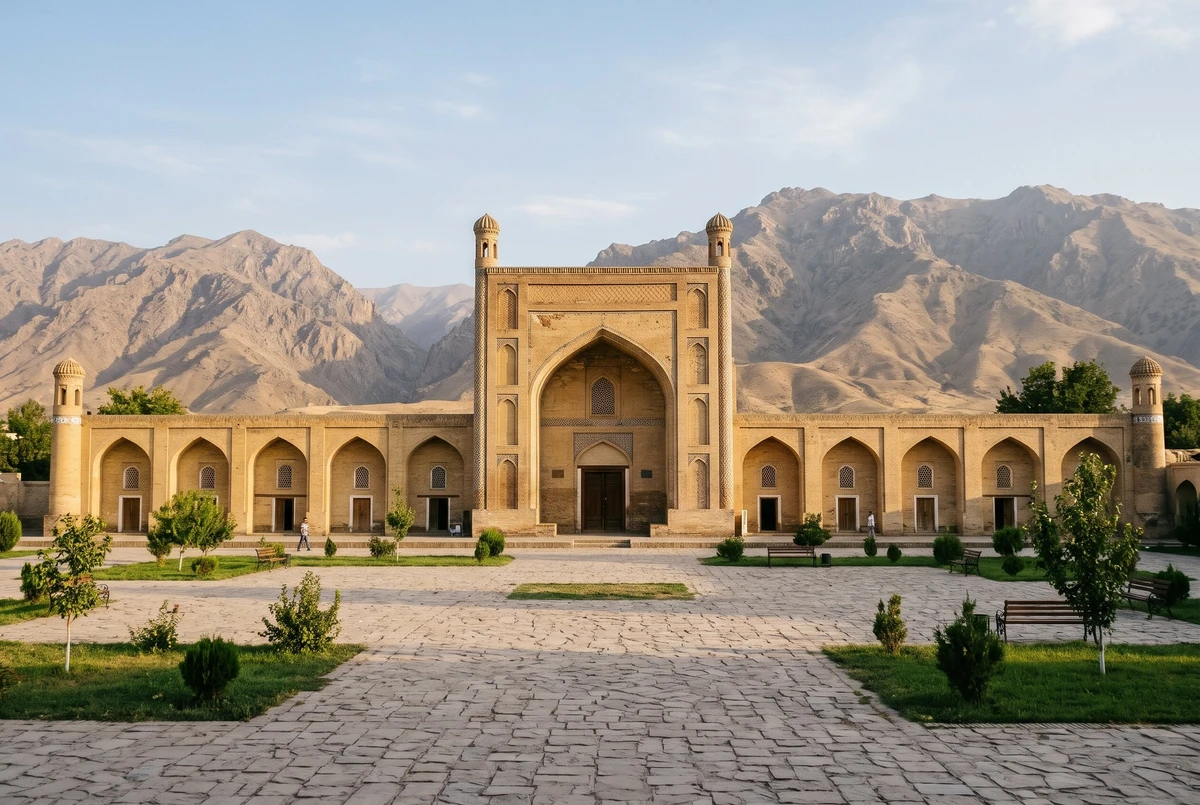
About twenty-five kilometres west of the city, the Hissar historical reserve guards a valley crossed by caravans for centuries. Pass through the restored gateway with its twin towers, explore the old madrasa that now holds a small museum of local history, crafts and costume, and see the ruins of a caravanserai and the sixteenth-century mausoleum of Makhdumi Azam. A guide brings the layers of history to life, and the drive back offers views of the Hissar range.
Museums and the Reclining Buddha
The National Museum of Tajikistan, a grand white building beside a park in the centre, presents the country's history, nature and art across bright halls. Nearby, the National Museum of Antiquities holds finds from Sogdian, Bactrian and Buddhist sites, including a great reclining Buddha discovered at Ajina Tepa in the south, around thirteen metres long and dating from the seventh or eighth century. Together they make a rewarding half day for history lovers.
Navruz Palace and Rudaki Park
Navruz Palace, on the northern edge of the city by the river, is a vast ceremonial hall decorated by master craftsmen with carved wood, painted ceilings, mosaics and glittering stone, a showcase of Tajik decorative art. In the centre, Rudaki Park unfolds with fountains, flower beds and shaded paths around the golden monument of Ismoil Somoni and the Palace of the Nation, a lovely place for an evening stroll when families come out to enjoy the cooler air.
Bazaars, Bread and Tajik Food
Mehrgon market, a modern covered bazaar built in a traditional style, is the best place to see daily life: towers of dried apricots and raisins, walnuts and almonds, spices, honey, fresh herbs and embroidered suzani cloth. The older Shohmansur bazaar, known as the Green Bazaar, has a livelier, local feel. Then sit down to qurutob from a shared wooden bowl, osh pilaf, shashlik and hot sambusa with endless green tea, all halal across the city.
Neighbourhoods and quarters to know in Dushanbe
Rudaki Avenue and the Centre
The central stretch of Rudaki Avenue, around the opera and ballet theatre, the main squares and the government buildings, is the most convenient base, with international hotels, cafés, banks and the museums within walking distance. It is lively by day, calm and well lit in the evening, ideal for first-time visitors who want everything close at hand.
Around Rudaki Park and the River
The area around Rudaki Park and the banks of the Varzob river holds some of the city's newer hotels and apartments, with fountains, gardens and riverside paths. It is pleasant for evening walks and close to the National Museum and the Palace of the Nation, a good choice for families and couples.
Shohmansur and the Green Bazaar
The Shohmansur district east of the centre is busy and local, with the Green Bazaar, small eateries and traditional streets. Staying nearby suits travellers who enjoy markets and everyday city life, a short taxi ride from the main sights and Mehrgon market.
The Varzob Gorge
North of the city, the Varzob gorge rises into the mountains with cool air, rushing water and riverside guesthouses and resorts used by residents in summer. It suits travellers who prefer nature and quiet, and it is already on the road to Iskanderkul, about thirty to sixty minutes from the centre.
How long to stay in Dushanbe and how to pair it
Recommended stay
We recommend three to four nights in Dushanbe. One day for the museums, Rudaki Avenue, Navruz Palace and Mehrgon market, a second for the full-day trip to Iskanderkul and the Fann Mountains, and a third for the Hissar Fortress and its madrasas. With more time, add a day in the Varzob gorge or continue north to Khujand and Penjikent.
How to pair it
Dushanbe pairs naturally with the Fann Mountains, where Iskanderkul and the Seven Lakes lie a few hours north. Penjikent, with its ancient Sogdian ruins and the nearby site of Sarazm, is the gateway to Samarkand across the Uzbek border, while Khujand on the Syr Darya is reached by road or a short flight. Longer journeys follow the Pamir Highway to Khorog, with private transfers arranged by our team.
Best time to visit Dushanbe and the rhythm of the day
Best months
The best time to visit Dushanbe is April to June and September to October, when days are warm and sunny and evenings comfortable. For Iskanderkul and the mountains, June to September is ideal, with open roads and clear lakes. July and August are very hot in the city, so plan early starts, while winter is cool and often sunny, with snow on the passes and Navruz celebrations on 21 March.
The daily rhythm
Dushanbe wakes early. Mornings are best for markets and for setting out to the mountains, before the heat of the day. In the middle of the day, the cool halls of the museums and the shade of teahouses are welcome. In the late afternoon and evening, families stroll in Rudaki Park and along the avenues, fountains are lit and the city's restaurants fill for dinner.
On-the-ground logistics in Dushanbe
Arrival
Dushanbe International Airport (DYU) is the main gateway, lying close to the city about fifteen to twenty minutes by road from Rudaki Avenue. Flights connect the capital with Istanbul, Dubai, Moscow, Almaty and other regional hubs, and Khujand airport (LBD) in the north serves domestic and regional routes. We arrange private transfers that meet you at arrivals and drive you directly to your hotel in the city.
Getting around
The centre of Dushanbe is easy to explore on foot along Rudaki Avenue, and taxis are plentiful and inexpensive, best booked through a local app or by your hotel. City buses and trolleybuses run along the main roads. For Iskanderkul, the Hissar Fortress and the Varzob gorge, a private car with driver arranged by our team is the most comfortable and safest choice on the mountain roads.
Local etiquette tip
Tajiks are warm and hospitable, and a greeting of assalomu alaykum with a hand on the heart is always appreciated. Dress modestly, especially in mosques and markets, and remove shoes when entering a mosque or someone's guest room. Treat bread with respect and never place it upside down. Avoid photographing government buildings, police and the area around official residences. Tipping is not obligatory, but rounding up for good service is welcome.
Must-do things in Dushanbe
- Take a day trip to the turquoise lake of Iskanderkul
- Stand above the roaring waterfall below the lake
- Drive through the Varzob gorge into the mountains
- Walk through the gateway of the Hissar Fortress
- See the reclining Buddha in the Museum of Antiquities
- Admire the carved halls of Navruz Palace
- Stroll Rudaki Park among fountains and roses at dusk
- Browse dried fruit and spices at Mehrgon market
- Taste qurutob from a shared wooden bowl
- Visit the National Museum of Tajikistan
Do’s and don’ts in Dushanbe
Do
- Do carry somoni in cash for markets and taxis
- Do dress modestly in mosques and markets
- Do pack a warm layer for the mountain lake
- Do accept tea when it is offered to you
- Do start the Iskanderkul trip early
Don’t
- Don't photograph police or official buildings
- Don't place bread upside down on the table
- Don't drive mountain roads yourself in winter
- Don't drink tap water unless it is boiled
- Don't plan midday walks in July and August
Dushanbe at a glance
Plan Dushanbe with Haqqi Tours
Every option is confirmed by our team on WhatsApp before you pay, and delivered by our own people or by trusted local partners we work with in every city. Because we send travellers from all over the world, our partners give us special rates and priority, so you always receive the best. Prices are per person unless marked per vehicle.
About Haqqi Tours: About us Contact us Legal NoticePrivacy PolicyCookies & Marketing PreferencesTerms & ConditionsBooking, Payment & Refunds
More services in Dushanbe
Good to know
Frequently Asked Questions
Straight answers to what travellers ask most about Dushanbe.
Where should I stay in Dushanbe?
Most visitors stay along Rudaki Avenue in the centre, close to the museums, cafés and main squares. The area around Rudaki Park and the river offers newer hotels and pleasant evening walks, while the Shohmansur district suits travellers who enjoy local markets. Our team suggests the best area for your plans and arranges your private transfer from Dushanbe airport.
Is Iskanderkul worth a day trip from Dushanbe?
Yes. Iskanderkul is about three hours from Dushanbe by a spectacular mountain road through the Varzob gorge and the Anzob tunnel, and the lake, the waterfall and the surrounding peaks make an unforgettable day. It is a long day of around ten hours, so an early start and a comfortable private car are best. We arrange the full trip with an experienced driver.
What is the dress code and etiquette in Dushanbe?
Dress in Dushanbe is fairly modern in the centre, but modest clothing covering shoulders and knees is respectful, especially in mosques, markets and villages, where women cover their hair in religious sites. Greet people politely, accept tea when offered, treat bread with respect and avoid photographing official buildings and police.
Is Dushanbe suitable for families and Muslim travellers?
Yes. Dushanbe is calm and family-friendly, with parks, fountains and open spaces, and day trips to the mountains are an adventure for all ages. Tajikistan is a Muslim-majority country, so halal food is the norm in restaurants, cafés and markets, mosques are easy to find and the call to prayer is part of daily life. Our team can advise on restaurants and timings.
Is it safe to travel to Dushanbe now?
Dushanbe is generally considered a calm and safe city for visitors, with low street crime. Take normal care with belongings, use registered taxis and licensed drivers for mountain trips, and avoid border areas unless your permits and plans allow it. Check your own government's official travel advice before departure, and keep our WhatsApp line handy throughout your stay.
What are the must-do things in Dushanbe?
The must-do things in Dushanbe include the National Museum and the Museum of Antiquities with its reclining Buddha, Navruz Palace, Rudaki Avenue and Rudaki Park, Mehrgon market and a meal of qurutob, plus day trips to Iskanderkul in the Fann Mountains and the Hissar Fortress. Our private tours combine these in the best order and timing.
How many days do you need in Dushanbe?
Three to four days is ideal for Dushanbe: one for the city's museums and markets, one for Iskanderkul and the Fann Mountains, and one for the Hissar Fortress and the valley. Two days cover the city and one excursion at a quicker pace, while a week allows Penjikent, the Seven Lakes or Khujand.
What can I book in Dushanbe with Haqqi Tours?
Day tours, including Day Tour to Iskanderkul from Dushanbe and Hissar Fortress Tour from Dushanbe. Each has its own page, and the WhatsApp desk combines any of them into one plan with one written price.
How do I get from the airport to my hotel in Dushanbe?
With a private transfer: a driver at arrivals, flight tracking and a fixed price for the whole vehicle, door to door. Tell the desk the flight number and the hotel.
Is there public transport from the airport to Dushanbe?
Public options vary by airport and end at a station rather than your hotel; the private transfer starts at the arrivals door and ends at your door.
Which tours are available in Dushanbe?
Among them: Day Tour to Iskanderkul from Dushanbe and Hissar Fortress Tour from Dushanbe. Each page says whether the day is private or small-group, what it includes and how long it lasts.
Are the tours private or in a group?
Both exist, and each tour page says which. A private tour has a vehicle and guide for your party alone; the desk can make most group tours private on request.
How do I book?
Fill in the form on any page or message us on WhatsApp with the date, the number of travellers and the hotel. A member of our team confirms the price and the details in writing within minutes.
Are the prices fixed?
Yes - every price is agreed in writing on WhatsApp before you travel and does not change on the day.
Do the drivers and guides speak Arabic or English?
It depends on the city and the day, so we do not promise a particular language; tell us your preference and we do our best. The WhatsApp desk always works in Arabic and English.
Can I change or cancel a booking in Dushanbe?
Yes, in the same WhatsApp conversation. The terms depend on the product and on how close to the date the change comes; the desk states them before you pay.